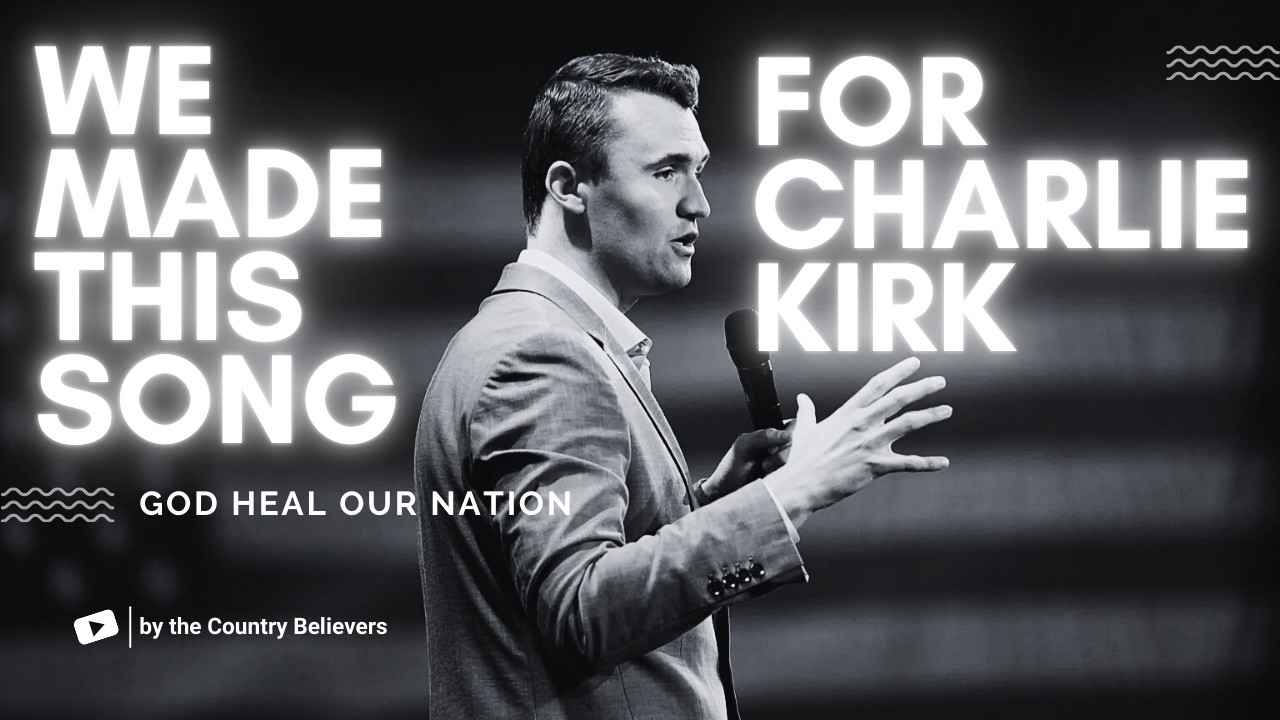
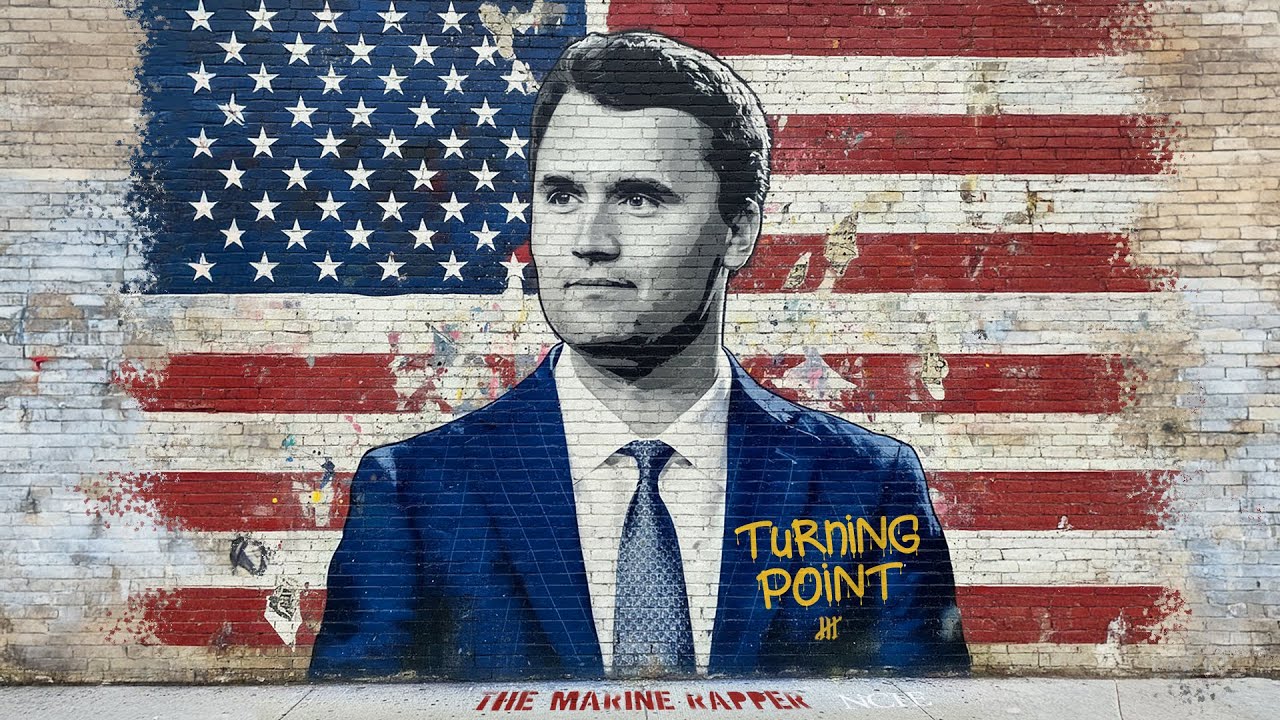
A Tribute Song for a Fallen Patriot Charlie Kirk: Remembering a Father Who Spoke for Freedom
Enjoying this? Share it with someone who needs to see it.
Up Next
Patrick Bet-David Leads Prayer for Charlie Kirk's Family After Learning of His Assassination On Stage
7:12
Turning Point Worldwide Anthem Honors Charlie Kirk's Faith, Legacy, and Martyrdom in Powerful Tribute
6:41
Charlie Kirk Remembered for His Faith, Courage, and Tireless Defense of Truth and Freedom in America
1:29:46
A Tribute Song for a Fallen Patriot Charlie Kirk: Remembering a Father Who Spoke for Freedom
A powerful tribute song by Tom MacDonald honors 31-year-old father and patriot Charlie Kirk who lost his life for speaking his beliefs. The lyrics capture the grief, anger, and determination of those who refuse to be silenced by violence. This emotional piece reflects on a man who left behind a wife, daughter, and son, while challenging a culture that celebrates violence against those with different viewpoints. The song transforms personal tragedy into a rallying cry for courage, freedom, and the preservation of American values that transcend political parties.
The tribute opens with stark reality: a 31-year-old man was shot down, leaving behind a wife, daughter, and son. His crime? Simply trying to speak for others who shared his beliefs. The lyrics immediately confront what the artist sees as a dangerous narrative—that patriots are the real threat, that concerned citizens are terrorists. The song challenges this framing with raw emotion and unfiltered anger.
The artist expresses exhaustion with the hatred and the constant vilification of those who hold traditional American values. The message is clear: violence was used to send a warning to Americans, an attempt to silence dissent through fear.
Heaven's Window and an Army Left Behind
The chorus serves as a direct address to the fallen man, hoping that heaven provides a window for him to look down and see what his legacy has inspired. The promise is unequivocal: his name will not be forgotten, and those he left behind will make him proud. The refrain insists that while a soldier may have been killed, he had an army—and that army is not backing down.
The song emphasizes that this transcends political parties. It's about something deeper: the principle of freedom itself, which cannot be killed by a bullet. The artist declares that they will preach what was taught, continuing the mission that was cut short.
An America Changed
The verses paint a picture of an America that has strayed from what previous generations loved and fought for. A good man tried to keep the country great, the lyrics suggest, and now the system that should protect its citizens is instead failing them. The artist refuses to remain quiet, choosing bravery over silence even when justice seems to be absent and fear is becoming commonplace.
The song questions whether one good man could change everything in a day, while simultaneously suggesting that the impact of good people is exactly what endures beyond their earthly lives.
Cold Blood and Celebration
One of the most pointed sections addresses what the artist sees as a disturbing response to the killing—liberals celebrating the murder as if it were justice. The lyrics reject this framing entirely, insisting that no villain was killed, but rather a father and husband. The artist expresses weariness with what they perceive as the left's tendency to resort to violence when disagreement arises.
The reference to "rifle fire from a liberal that no one sees" suggests an unexpected attack, while the artist acknowledges their own vulnerability: "I might be next to die when I'm just buying groceries." This line captures the sense that speaking one's mind has become dangerous, that everyday activities could be interrupted by politically motivated violence.
A Message That Echoes
The song returns to the theme of legacy, with the artist committing to ensure that the fallen man's children know exactly what their father stood for—defending freedom is what he was "coming home" to, meaning it was his purpose and mission. The hope expressed is that heaven has a window, allowing him to watch his children grow and hear how his message continues to echo from below.
The repeated chorus serves as both memorial and manifesto, transforming grief into determination and loss into purpose.
One Good Man
Throughout the piece, there's an underlying belief in the power of individual courage. The song suggests that while the current state of America may be frightening, "one good man could change it all in a day." This serves as both a tribute to the man being honored and a challenge to those still living—to be that good person who makes a difference.
The final sentiment is one of faith—"God will take care of us"—coupled with personal responsibility. The artist cannot remain quiet and must be brave, embodying the same courage that characterized the life being memorialized.
This tribute transforms personal tragedy into a collective call to action, ensuring that a father's sacrifice for freedom of expression will not be forgotten or wasted.