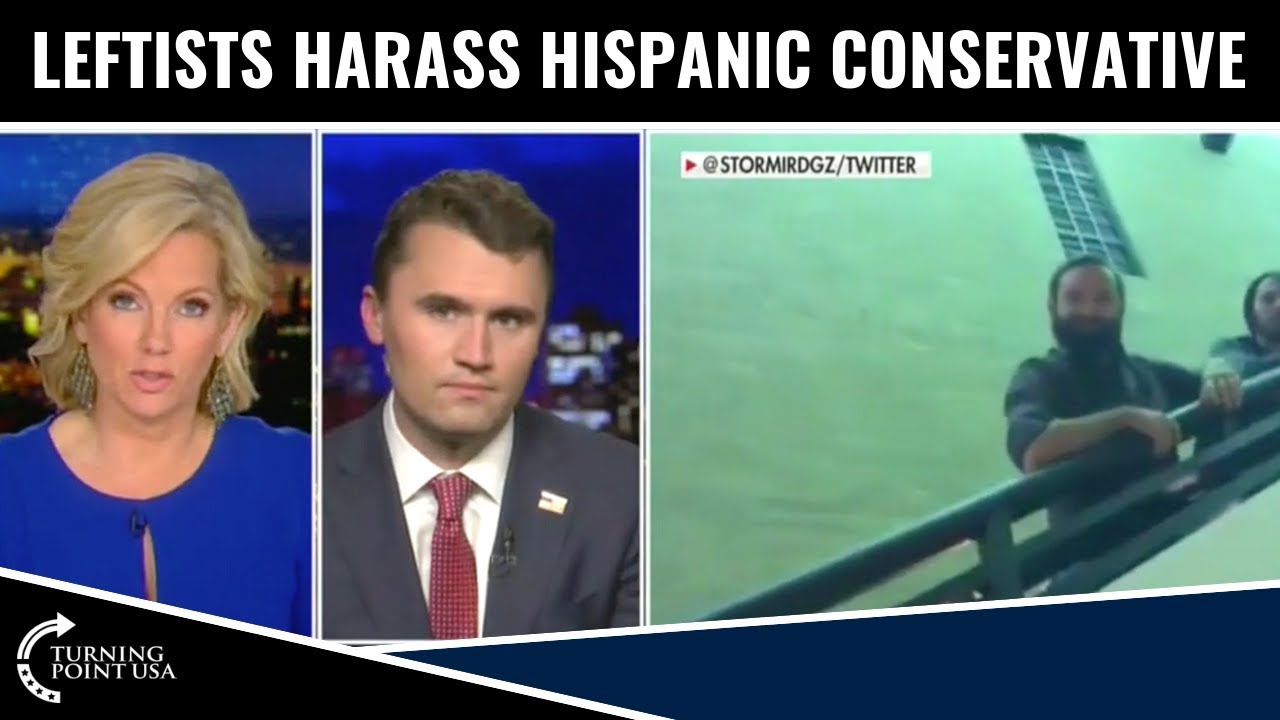
Charlie Kirk and Candace Owens Defend President Trump's Super Bowl White House Cancellation Decision
Enjoying this? Share it with someone who needs to see it.
Up Next
Charlie Kirk Exposes Cornell's Social Justice Roundtable Comparing GOP to ISIS While Silencing Conservative Speech
3:25
Charlie Kirk Debates the Green New Deal as Mitch McConnell Forces Senate Vote on Climate Proposal
4:19
Charlie Kirk and Candace Owens on Breaking the Liberal Matrix and Empowering Black Americans
35:59
Charlie Kirk and Candace Owens Defend President Trump's Super Bowl White House Cancellation Decision
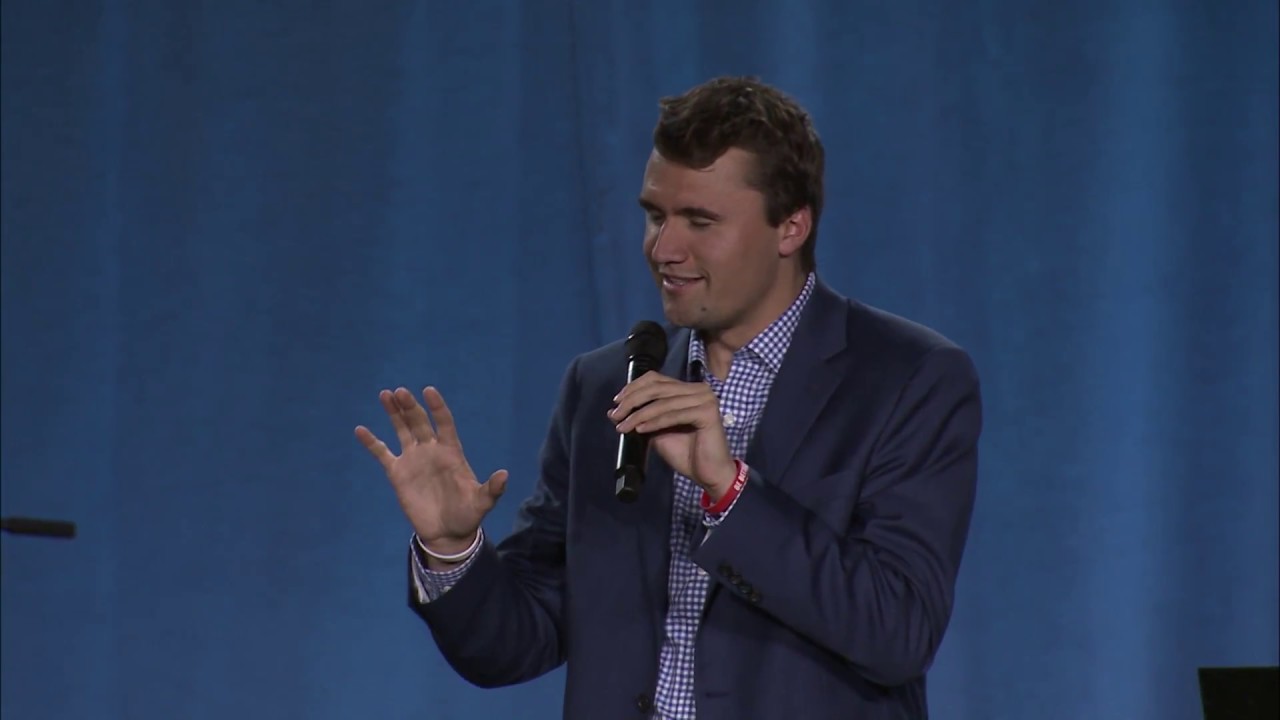
Charlie Kirk and Candace Owens discuss President Trump's decision to cancel the Super Bowl champions' White House visit after reports indicated only one player planned to attend. Kirk argues that NFL players making millions shouldn't politicize the national anthem while refusing to honor the president and veterans. Owens criticizes what she calls the "celebrity god complex" and redirects the conversation toward black-on-black crime rather than police relations. Both reveal their ongoing work with the White House on a Young Black Leadership Summit aimed at fostering genuine dialogue across political divides.
President Trump Cancels White House Visit for Super Bowl Champions
When the NFL Network reported that only quarterback Nick Foles planned to attend the traditional White House ceremony honoring Super Bowl champions, President Trump made the decision to cancel the event entirely. Charlie Kirk and Candace Owens weighed in on this decision, defending the president's choice and criticizing what they see as misplaced priorities among professional athletes.
Kirk framed the issue as one of gratitude and perspective. He pointed out the contradiction of NFL players earning tens of millions of dollars while politicizing the national anthem and then being portrayed as victims by the media. According to Kirk, these athletes should be paying tribute to the country and the president rather than boycotting ceremonial events.
The Missed Opportunity for Dialogue
The conversation took an interesting turn when the panel discussed what could have been. Why not use the White House visit as an opportunity for direct conversation with the president about issues the players care about? This approach mirrors what Kirk and Owens themselves have been doing—engaging directly with the administration on matters important to them.
However, Owens drew a sharp distinction between genuine engagement and what she characterized as celebrity narcissism. She argued that many celebrities operate under a "god complex," believing they deserve more honor and respect than veterans and troops. This attitude, she suggested, makes them unwilling to work with the administration.
Reframing the Conversation on Race and Policing
When asked about the NFL players' stated motivation—protesting law enforcement treatment of minorities—Owens challenged the premise itself. She noted that 16 unarmed black men were shot and killed by law enforcement the previous year, arguing this doesn't constitute one of the biggest problems facing the black community.
Instead, Owens redirected attention to black-on-black crime, stating she won't take seriously what she calls a "war on police officers" when deeper issues remain unaddressed. She insisted that police officers actually save black lives and deserve recognition rather than protest.
Direct Access to the White House
Both Kirk and Owens shared recent experiences meeting with President Trump and White House officials. Kirk praised the administration for taking time from an incredibly busy schedule to meet with grassroots activists fighting on college campuses for free speech, free markets, and American exceptionalism.
Owens revealed substantive conversations about the black community and potential policy initiatives. Rather than symbolic protests, she discussed with the president what could actually be accomplished to improve conditions for black Americans beyond what the administration was already doing.
The Young Black Leadership Summit Initiative
The most concrete outcome of these White House meetings is a Young Black Leadership Summit that Turning Point USA is developing in conjunction with the administration. Owens expressed enthusiasm about bringing voices from across the political spectrum to both speak to and—importantly—listen to young people.
The goal, according to Owens, is to bridge the polarization gap that has developed in American discourse. For too long, she argued, people have been speaking louder than listening to what young Americans actually feel and think. This summit aims to change that dynamic by creating genuine two-way dialogue.
The conversation concluded with acknowledgment that Kirk and Owens are doing what many refuse to do: having difficult conversations across divides. Their approach emphasizes engagement over boycotts, dialogue over protest, and working within the system rather than against it.