Charlie Kirk and Candace Owens on Why Borders Matter: Walls, Jobs, and the American Identity
Enjoying this? Share it with someone who needs to see it.
Up Next
Charlie Kirk Exposes Paul Krugman's Economic Falsehoods Being Taught in American High Schools
5:53
Charlie Kirk Dismantles the Lie That Conservatives and Liberals Want the Same Thing for America
1:02
Charlie Kirk Dismantles Illegal Immigration Myths and Debates Abortion With UC San Diego Students
30:01
Charlie Kirk and Candace Owens on Why Borders Matter: Walls, Jobs, and the American Identity
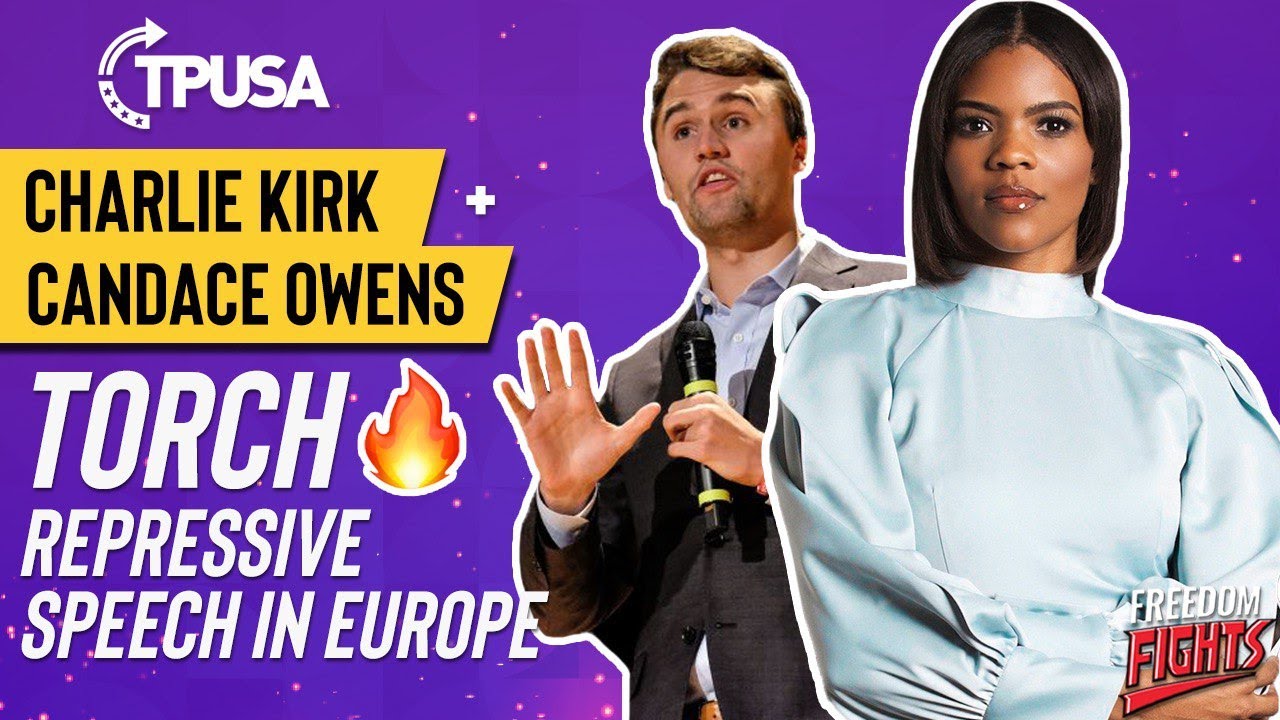
Charlie Kirk and Candace Owens dismantle common misconceptions about conservatives and the poor, arguing that jobs, not government programs, are the best entitlement. They confront protesters who label them a fascist without explanation, and responds to questions about border security. Kirk explains why walls represent more than physical barriers: they define where good ideas begin and bad ideas end, protecting American culture while honoring those who immigrate legally. In this candid exchange, they challenge both the right and left to articulate what truly helps communities thrive.
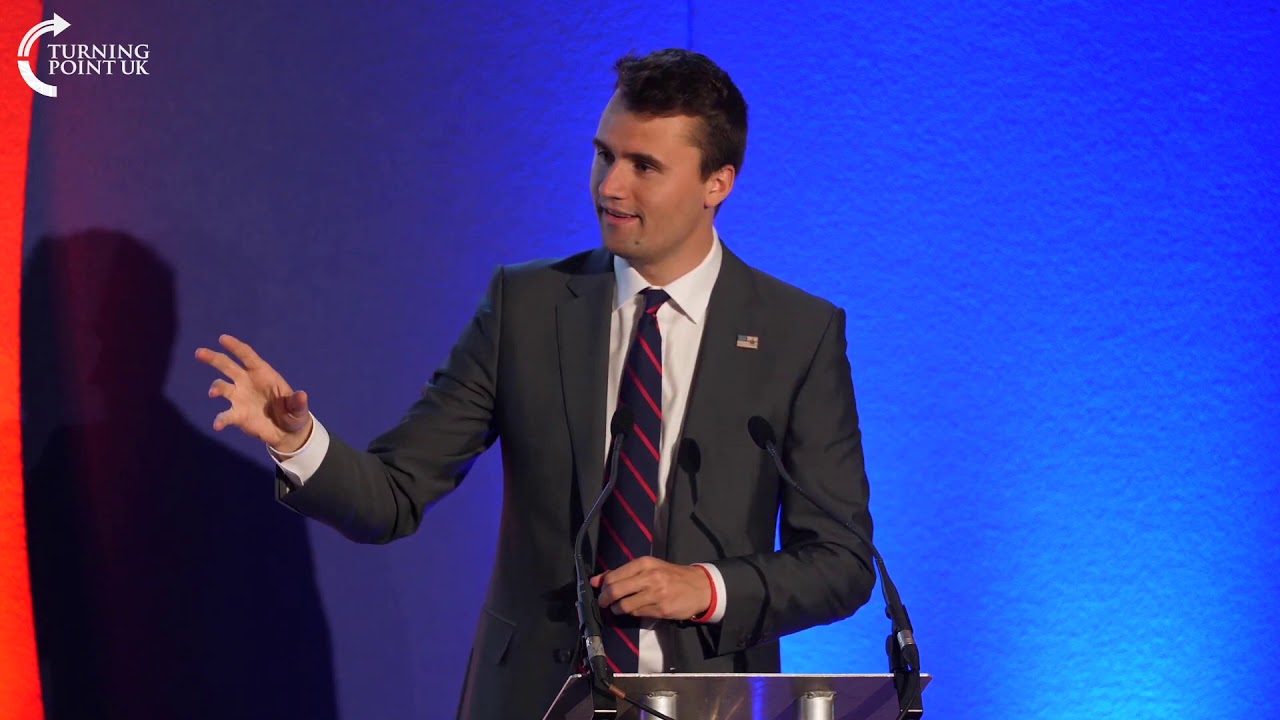
Charlie Kirk opens by addressing one of the most persistent criticisms leveled at conservatives, libertarians, and free-thinking independents. "We get mislabeled as conservative libertarian free-thinking independence as not wanting to help the poor," he states emphatically. "No, no, we think the best way to help the poor is to keep them off government programs. The best entitlement program is a job."
Kirk argues that when government stays out of citizens' lives and paychecks, people become more incentivized to engage in charitable work and community support. "You'll be more incentivized to do goodwill things that the government stays out of your life and out of your paycheck and makes it easier for you to do goodwill things," he explains. This philosophy centers on belief in the individual rather than expansion of government control.
Turning to a commonly vilified group in political discourse, Kirk declares his appreciation for successful people: "There's a lot of rich people bashing that happens in our society. I love rich people. I do too love rich people." He then poses a rhetorical question that cuts to the heart of his economic philosophy: "Has anyone ever gotten a job from poor Percy?"
Confronting Protesters Who Cannot Explain Their Opposition
The transcript captures Kirk observing protesters outside an event, describing a scene that has become increasingly common at conservative gatherings. "These people are coming out here with masks on looking like thugs and goons just protesting a man that they call fascist but they don't know why he's a fascist," he notes. "You can ask any one of them and they will not tell you why he's a fascist."
One protester's voice can be heard expressing vague concerns: "I honestly don't know what they're protesting fascism they say but it's not really much of them if anything about this just keep like building up and building up something's gonna happen unless like real change you know starts taking place these protests and you know I hate each other all you want but like you know where are we getting to."
This exchange illustrates Kirk's frequent observation that opposition to conservative speakers often comes without substantive understanding of the positions being protested.
Creating Space for Disagreement and Dialogue
Despite the hostile reception outside, Kirk and his co-speaker Candace demonstrate their commitment to actual dialogue. "Candace and I could go on all night but well the real reason we're here is to take an extended amount of questions," Kirk announces. "We want people that disagree you have a pass to cut to the front of line."
This invitation reveals an approach that contradicts the "fascist" label being shouted outside—actively prioritizing dissenting voices and creating space for challenging questions.
Why Borders and Walls Matter
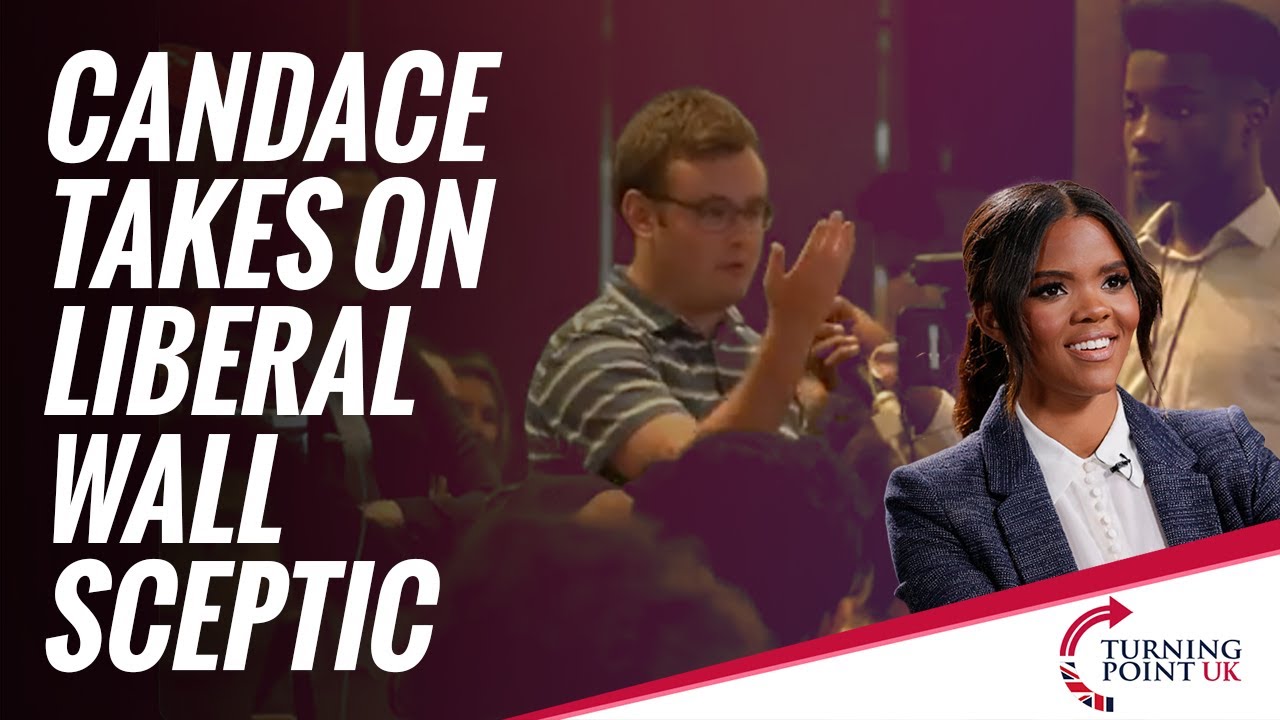
The most substantive question of the evening comes from an audience member struggling to defend border security to liberal friends: "One thing I have a hard time rationalizing to my liberal friends and conservatives on TV and you know politicians have a hard time articulating is intelligent reasons why the wall must be built. Why do walls matter? Why do borders matter?"
Kirk's response provides a philosophical framework often missing from border security debates. "Borders are a physical representation of when good ideas begin and bad ideas start," he states. "We are not Mexico. We have a unique culture, maybe unique identity. The Mexican culture is something that should be appreciated, understood, but our culture is much different and has outpaced them over the last 50 years."
He argues that open borders policies fundamentally undermine national identity: "To say that we should have open borders and we should have some sort of transfer of transferable citizenship cheapens the idea of the American identity and culture." Kirk emphasizes that border enforcement protects those who follow legal immigration processes: "The people that have waited in line and the tens of millions immigrants that have to fly halfway across the world to come into this country."
His conclusion is unambiguous: "Build the wall. Build it quickly. Build it high. Build it wide. The big doors have repeat amen legally." This formulation captures the conservative position—strong borders paired with robust legal immigration.