Up Next

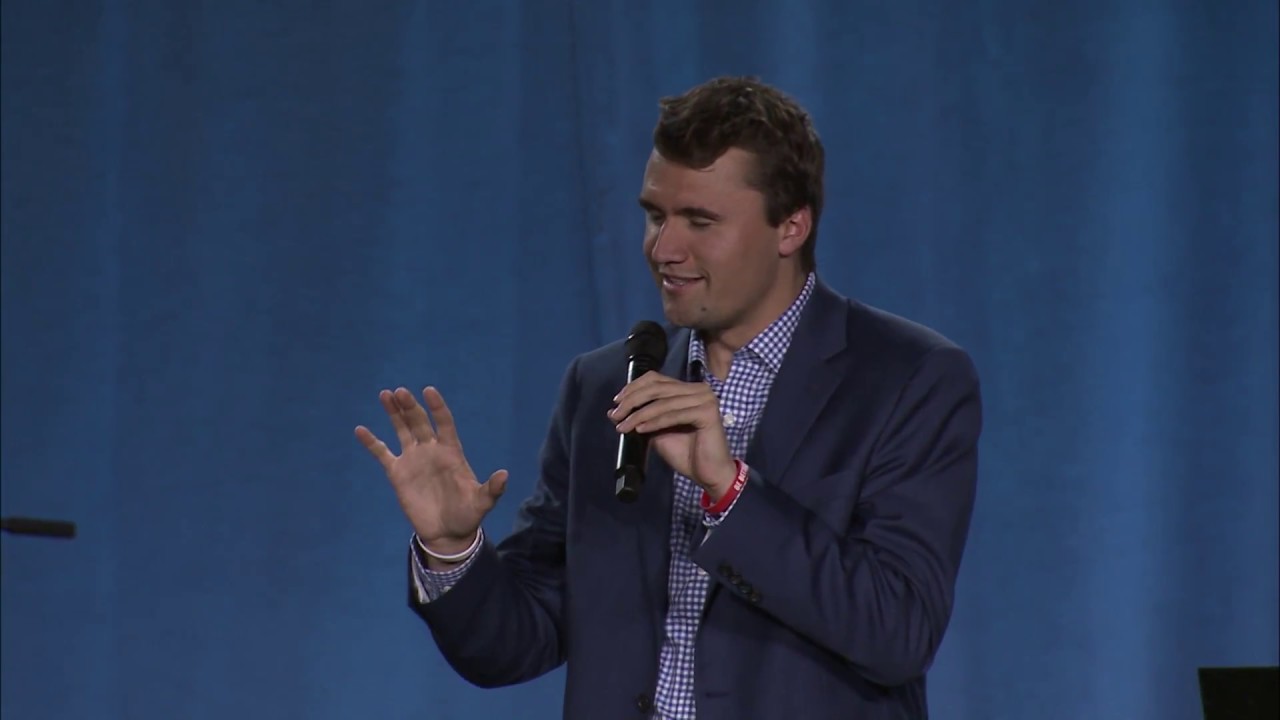
Charlie Kirk on President Trump's Executive Order Protecting Free Speech on College Campuses
6:38

Charlie Kirk Built the World's Largest Conservative Youth Organization from a Card Table and Conviction
1:35:50

Charlie Kirk Dismantles CRT, Marxism, and Modern Leftist Ideology in Fiery Campus Debate
58:06
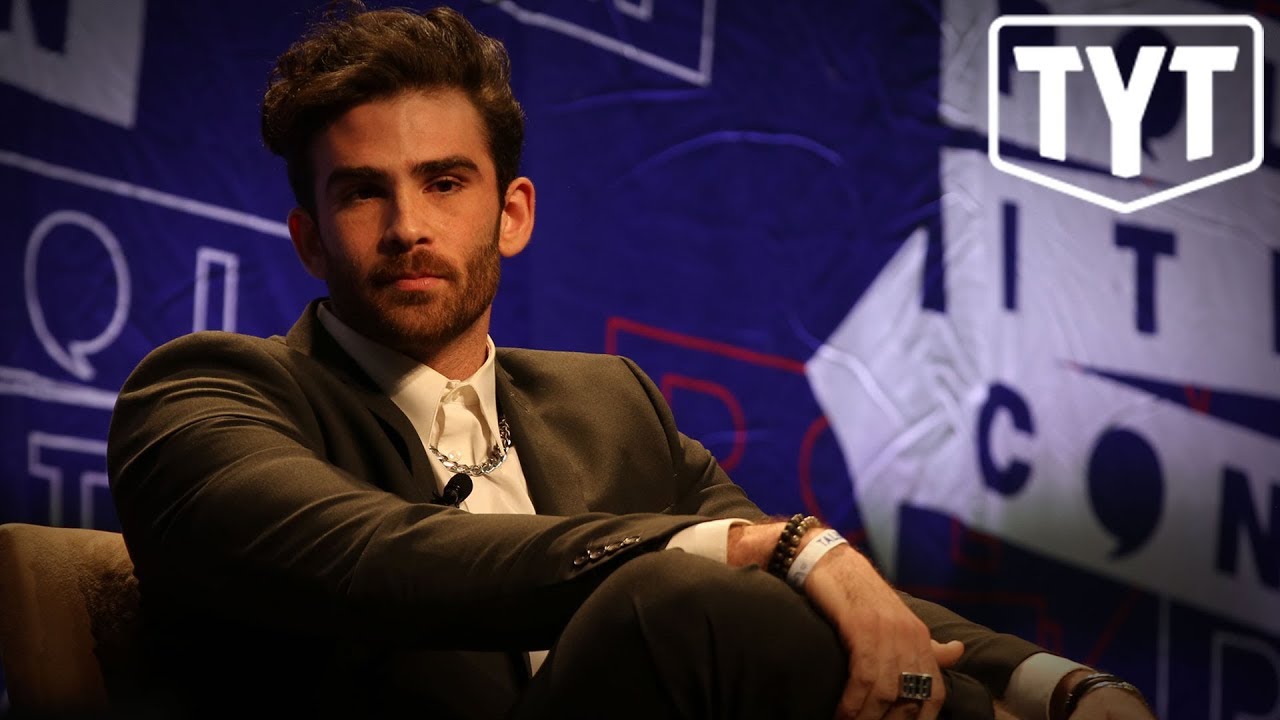
Charlie Kirk and Hasan Piker Debate Free Speech, Safe Spaces, and Conservative Censorship on Campus
Charlie Kirk, founder of Turning Point USA, faced off against Hasan Piker from The Young Turks at Politicon in a heated debate about free speech on college campuses. Kirk argued that conservative speakers face disproportionate censorship and disinvitation, citing over 500 documented cases, while Piker challenged whether conservative ideas are simply unpopular rather than suppressed. The discussion covered safe spaces, the liberal bias in academia with professors registered Democrat over Republican at a 12-to-1 ratio, violent protests against speakers like Ben Shapiro and Ann Coulter, and whether students have the right to block speakers they find offensive. Both debaters agreed that wealthy donors and corporations have too much influence in politics, though they disagreed entirely on solutions. The conversation revealed deep divisions on what free speech means in practice, with Kirk advocating for hearing disagreeable ideas without retreating to safe spaces, and Piker defending student
The State of Free Speech on Campus
At Politicon, Charlie Kirk opened by declaring that censorship is absolutely blocking free speech on campus, with conservatives, Libertarians, and Trump supporters disproportionately targeted. Kirk explained that colleges have become places where administrators want everyone to look different but think the same, with a disproportionate number of people at the top blocking speakers and advancing a far-left agenda. Turning Point USA now fights not just for ideas like free markets and smaller government, but for the fundamental right to free speech itself.
Kirk posed a central question throughout the debate: why is it always leftist activists rioting, protesting, storming stages, and pulling fire alarms, while conservatives sit quietly and listen to ideas they disagree with? Hasan Piker countered by referencing peaceful protests, including those against Robert E. Lee monuments, and argued that college campuses represent a microcosm of America where youth should hear diverse opinions.
Defining and Debating Safe Spaces
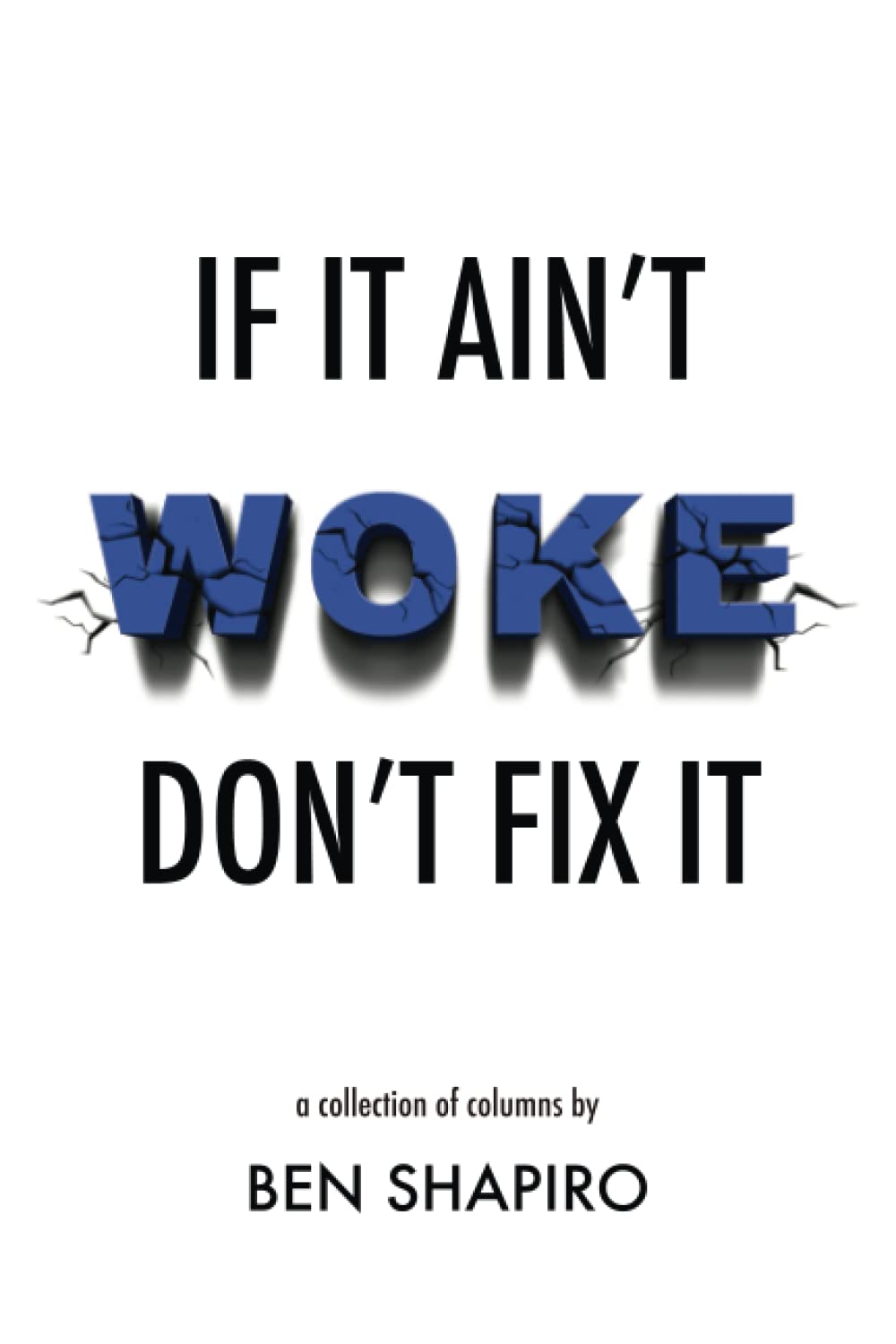
The discussion quickly turned to safe spaces, with Kirk criticizing what he sees as overly sensitive students demanding protection from disagreeable ideas. Piker challenged Kirk's characterization, asking whether conservatives themselves seek safe spaces while claiming to be victims. Kirk clarified that he seeks the ability to speak freely, not victim status, pointing to Ben Shapiro's disinvitation from DePaul University as an example of hundreds of documented cases each semester where conservative speakers are blocked.
Piker argued that safe spaces serve legitimate purposes for people who have experienced racism, sexism, bigotry, or intolerance, comparing them to AA meetings where you wouldn't want someone bringing alcohol. Kirk responded that some safe spaces discriminate by excluding white people, which exists on over 200 college campuses. The two debated whether such spaces create division or provide necessary support, with Kirk ultimately stating he thinks safe spaces are wrong for campus culture but not calling for their abolition—rather, he believes people should mock them and fight back against the culture they create.
The Liberal Bias in Academia
Kirk addressed what he considers an undeniable liberal bias in academia, citing an independent study showing professors are registered Democrat over Republican at a 12-to-1 ratio. He explained that conservatives are more likely to pursue wealth in the private sector, while liberals tend to enter academia. Piker sarcastically suggested this might be because conservatives can't get jobs at Goldman Sachs, leading to a tense exchange about conservative donors endowing professorships and naming buildings on campus.
Kirk argued that when a country is split roughly 40-40 with 20 percent in the middle, but academia tilts 90-10 to the left, something is fundamentally wrong. He called for intellectual diversity and equal representation so students hear both sides of arguments, especially in business and finance schools. Piker questioned why conservative mega-donors who contribute to university endowments don't push back against this supposed liberal dominance if it's such a problem.
The debate touched on curriculum, with Kirk claiming the Communist Manifesto is the most-read book in college today according to studies on higher education. Kirk argued it's more than possible to attend Harvard, Princeton, Yale, or Stanford without hearing one positive thing about conservative ideas for more than 10 minutes in four years.
Speaker Disinvitations and Campus Protests
Kirk repeatedly returned to examples of conservative speakers being blocked, shouted down, or disinvited from campuses. He mentioned Ben Shapiro at DePaul University, where The Young Turks ran a segment condemning the disinvitation, and numerous other instances at schools like Santa Clara University, St. Thomas University, Rutgers University, and UT Austin. Kirk argued that administrators cave to small groups of protesting students—sometimes just 100 people—because they fear negative publicity and smashed windows on the nightly news.
Piker countered that if speakers like Ben Shapiro or Milo Yiannopoulos are unpopular, perhaps that's simply the free market of ideas at work. He argued that some speakers deliberately target and alienate specific subsets of society with extremist rhetoric, and students have every right to protest when campuses waste money protecting controversial figures. Piker also noted that Shapiro himself admitted Berkeley welcomed him with open arms to a diverse crowd, contradicting the narrative of widespread suppression.
The discussion became particularly heated around whether protests constitute legitimate free speech or censorship. Kirk distinguished between peaceful protest and what he characterized as riots—storming stages, pulling fire alarms, and throwing objects. Piker defended students' right to protest peacefully, citing examples like Colin Kaepernick taking a knee, and argued that conservatives seem to oppose all forms of protest regardless of how they're conducted.
Mike Pence at Notre Dame and the Boundaries of Protest
Kirk brought up an incident where 30 people stood up and protested during Vice President Mike Pence's graduation ceremony at Notre Dame, interrupting the event for 20 minutes. Kirk argued this represented intolerance, as students couldn't even allow the former governor of Indiana and a Catholic to speak at a Catholic university's graduation. Piker responded by highlighting Pence's advocacy for gay conversion therapy, arguing students had every right to exercise free speech by protesting someone who supported such harmful policies.
This exchange exemplified the core tension in the debate: Kirk sees these actions as shutting down speech and creating intolerant environments, while Piker views them as legitimate exercises of free speech and protest against harmful ideologies.
Free Speech Zones and Constitutional Rights
Kirk shifted focus to free speech zones—designated areas on campus where students can speak freely but face arrest for activism elsewhere. He shared his experience at Grand Valley State University where Turning Point USA activists were threatened with arrest for handing out constitutions on Constitution Day. Kirk explained they sued the state of Michigan and won, vindicating their position.
Piker noted that the constitutions being distributed included information on how to donate to Turning Point USA, suggesting the restriction wasn't purely about free speech but about solicitation policies. Kirk corrected that they were actually Heritage Foundation constitutions, not Turning Point materials, though Piker joked the two organizations seem so similar the lines get blurry.
Turning Point USA's Mission and Growth
Kirk defended Turning Point USA against accusations of indoctrination, explaining the organization operates on 1,200 college and high school campuses and recently hosted 1,000 young women at their Young Women's Leadership Summit. He described it as a grassroots student movement with over 7,000 donors across the country, with an average contribution of $52—lower than Bernie Sanders' $73 average, which Kirk noted with pride.
Piker challenged this characterization, arguing that Turning Point USA attempts to game the system by funneling money from wealthy donors to ensure conservatives are disproportionately represented on campuses where progressive ideas naturally dominate. Kirk responded that as a free market capitalist, he sees a problem in the marketplace of ideas and provides a competitive solution—he's not trying to regulate ideas but rather ensure students hear perspectives they're not getting in lecture halls.
Kirk asked why, if Turning Point USA's ideas are so terrible, the organization is growing by leaps and bounds with chapters starting across the country and record attendance at their events. Piker suggested that despite these efforts, it remains difficult to elect conservative student body leaders on largely progressive campuses, indicating the limits of this strategy.
Government Size, Healthcare, and the VA
The debate expanded to broader ideological differences, with both agreeing that wealthy donors and corporations have corrupted both political parties. However, their solutions diverged sharply. Kirk asked why, if you don't trust government, you would want to make it bigger. Piker argued for holding administrators accountable while expanding programs like socialized medicine.
Kirk repeatedly cited the VA as evidence that government-run healthcare fails, noting that 60 percent of VA funding goes to administrative overhead rather than helping veterans, compared to less than 5 percent at charitable hospitals. Piker countered that the VA is underfunded, particularly due to expensive wars. Kirk insisted the VA represents the perfect example of socialized medicine gone wrong and argued that free enterprise fixes these problems more efficiently than expanding government.
Campaign Finance and Corporate Influence
In closing, both debaters found common ground on campaign finance reform being necessary, though they disagreed on solutions. Kirk argued that donors and corporations are too powerful because government is too big—if government had limits, special interests couldn't buy agencies and bribe politicians for benefits. He noted that the first person to abolish presidential campaign limits since Richard Nixon was Barack Obama.
Piker wanted stronger limits on money in politics, arguing that when Republican senators' first thought is whether they'll lose campaign donations by voting a certain way, something is fundamentally wrong. Kirk agreed transparency is important and supported 24-hour reporting requirements, but opposed limits on campaign contributions as restrictions on free speech.
Finding Respect Across Divides
Despite the heated exchanges, both participants ended by acknowledging each other's intelligence and commitment to their beliefs. Kirk praised Piker as genuinely intelligent and skilled at building an audience, addressing issues that matter even though they agree only about 2 percent of the time. He appreciated The Young Turks' comments defending free speech.
Piker called Kirk well-spoken and acknowledged he's doing something he believes is important. Piker affirmed that conservatives should feel free to express their opinions everywhere, not just on college campuses, though he maintained they disagree on ideological positions and what he characterized as false equivalencies. Both expressed appreciation for the opportunity to have an open and honest discussion at Politicon.
Video Transcript
[Applause] in are our microphones on oh yeah what's going on guys I hear this is the uh first debate of politicon are you guys excited all right just so I can get a better understanding of the room uh how many people not wearing Mega hats are Charlie Kirk fans here oh wow oh and how many Hassan [ __ ] fans do we have [Applause] equal seems Seems fair and balanced I think all right politican are you ready for this debate all right well I'm thrilled to be with all of you I'm Steven olar I'm the founder of the millennial Action Project we're a bipartisan organization and we're going to try and keep the peace here today at politicon but uh to our left we have host from the Turks Hassan [Applause] [ __ ] and on the right we have the founder and executive director of Turning Point USA Charlie Kirk all right so we were here to talk about free speech on campus and before we get into that we had a long line outside I want to thank all of you for waiting in line and I want to give a shout out to the very first person in line Isabelle give a shout out to Isabelle there she is all right all right my first question is for Charlie is censorship is uh is censorship the uh blocking free speech on campus today without a doubt and it's disproportionately targeted at conservatives Libertarians Trump supporters and you name it um it's I don't even think it's a question or a debate around that topic uh College have become a place where they want everyone to look different and think the same where there's a disproportionate amount of people at the top that are targeting conservatives blocking speakers that they disagree with and they are advancing an agenda that quite frankly is very far to the left and our organization Turning Point USA um we not only fight for our ideas free markets and smaller government but now we are fighting for free speech we have to say it's okay to hear something that you disagree with you don't have to run into a safe space because you hear something disagree and I'm perfectly okay with a socialist having the right to be wrong I'm perfectly okay with a left the speaker to come on campus and to tell why they think those ideas are better and the question I'm going to pose throughout this whole discussion is why is it that it's always the leftist activists rioting and protesting and storming stages and pulling fire alarms and US conservatives we sit quietly we hear things we disagree with and then we then go back we say wait a second um why are you shouting our speakers down and you're you're rioting and protesting violently on college campuses the answer Absolut yes a peaceful protest uh protesting taking down Robert elely monuments where we you know just light torches on fire it's not that big of a deal it's not reminiscent of the KKK in any way shape or form no I understand but this is a microcosm of American campuses are supposed to be representative right that's what you're essentially saying and the main argument for Turning Point USA is that this is where our youth Thrive and they need to have diverse opinions so they're just essentially a microcosm of what the US uh is as a larger unit so here you you really front-loaded your argument you basically uh threw out yeah you threw out all your opinions out there but um to start off I wanted to ask you something uh first of all we don't really have a narrow definition of safe space and it always seems to me like uh conservatives are are both claiming that Liberals are looking for safe spaces but then they also try to act like they are the victims themselves so which one is it Charlie are you guys the ones that are looking for safe spaces on College I'm actually I'm looking for the ability to speak freely so look I'm not playing the victim card I'm happy to speak freely and to tell you why I disagree here's where it's different when Ben Shapiro goes to depal University by the way the Young Turks that is and a half minute segment saying this was wrong and saying that this is assult absolutely that because the narrow because hold on a second he went to the Paul and the administration disinvited him because they disagreed with him and this happens hundreds of times a month thousands of times a semester uh I don't even know if there's that many 100% okay 500 document over 500 documented cases of conservative speakers being disinvited shouted down or suppressed because they came on campus do you feel as though uh the reason for why there is such uh such backlash towards certain conservative speakers and by the way you did an interview with bench Pio as well where he admitted that Berkeley was a very diverse crowd and they welcomed him with open arms and uh he was able to have re for why they just disinvited him is because the campus was it was just full it was fully booked I don't understand what you want to do holy book what do you want to do are you kidding me that you're you're better than that come on that's ridiculous well that's look I have to go with the Berkeley Administration if they tell me they can't they know better than you and I do I feel like if there's not enough space for them to potentially it's 100 Acre campus with 25,000 students they can find some room let's talk about let's talk about speakers let's talk about speakers on campus by the way I I do agree that bench P should have every right to go to whichever campus he wants and speak especially if students want to hear that position Coles don't agree with you University you Santa Clair University St Thomas University ruter university UT Austin they are shouting him down the administration says you are not allowed it's not the administration Charlie it's an unpopular it's an unpopular speaker I know but the administration is listening to the students they're listening to 100 students that are pampered because and they are kered to because of a radical ideology because they they pick it and they protest and they don't want to be on the Nightly News with smashed windows that's why they they cater to them should college should College administrations not listen to the wants of their students why are they creating a VI look if there is a divisive speaker and by the way I like I mentioned time and time again everyone has the right to protest if they don't want a specific speaker to come to campus if they feel like campuses are wasting money on both protecting the speakers because their rhetoric is so violently extremist and targeting specific sub of society and alienated let me just ask you hold on Charlie so let me just ask where is the line for speakers on campus I think both of you say you support Free Speech you want to have a diversity of ideas on campus so let me ask you Hanan when does a speaker goes when does a speaker go beyond the line and they should be disinvited look I think every speaker should be on campus I I personally agree with that I even if they are violent Nazis Like Richard Spencer who we agree that every speak be on yeah I I agree with that and personally in a perfect world I wish people wouldn't protest and let them talk to a crowd of 30 other horny magach chuds that basically listen to the racist violent [ __ ] that they have to say and by the way no offense like I'm not saying all of you guys are horny magach chuds I'm there I have plenty of friends that are magach same thing right not really I I think and no I think you and I would agree that people that support Richard Spencer are absolutely insane I would never support Richard Spencer in fact except hold on but the administration but the same same Foundation uh that books you as a speaker or Turning Point USA as a speaker on college campuses also has fought to book Richard Spencer on college campuses also has fought to book uh what is it young Republicans or something it's like the young conservatives what are you talking about um they have booked Richard Spencer we've my own organ not you not turning I never speak on anyone except my I no idea what you're talking the same the same organization that fights for the rights under the pretense of free speech for Richard Spencer to talk on college campuses and myopolis to talk on college campuses for Ted nugan to talk on college campuses a person who has called for the assassination of the president uh in the past time and time again also has booked you or has fought for your right to talk on college campus and I will fight for their right to talk on College campuses and when they go people won't show up they'll look like idiots which which Richard Spencer is and more speech is the answer to hate speech not less speech allowing more ideas of perspective to be heard by the way going back to the safe space argument let's talk about safe space no we were we originally kind of strayed away from that a little bit but going back to the safe space argument I don't understand why people that feel as though they have been victimized by racism or sexism or bigotry or intolerance of any form can't have a singular small area where they can talk to other like-minded individuals and try to rehabilitate and try to meditate now the the problem is you like alcohol right I'm assuming you drink alcohol do you drink alcohol very little for those you that know me I'm actually you like alcohol you have the right you have the right drink it's not going to bother me yeah you have a right to drink anywhere you want why would you want to bring alcohol into an AA meeting like why would you want to enforce the whole uh concept that safe spaces are intolerant areas where Free Speech can't Thrive I think I think they're wrong for campus culture I think they divide people so here's why when there's safe spaces that say white people are not allowed in them you do you agree with that no of course I they exist on over 200 college campuses I can supply so you disagree with safe spaces no I don't because discat but you're generalizing all safe spaces as though they which is ABS some safe spaces say people of the LGBT community only isn't that inherently discriminatory I agree that if people no no no hold on you want me to explain love to hear why okay I don't think that anyone should be discriminated against we are talking about safe spaces and also looking at what is allowed in those safe spaces as far as speech we're not talking about discriminating against a certain race we're not talking about discriminating against people that are privileged in some sort in some capacity there are plenty of people that are not privileged that support Donald Trump as well there there are plenty of people that are Latino and black that support of conservative ideologies and they want to be involved in if they want to be involved in safe spaces they're more than welcome to Let's enforce that regulation and let's allow everyone to join the safe spaces if they want to talk about things but if they if you want to go into a safe space and uh talk to a rape victim about uh a brutal depiction of rape that you want to talk about then that seems a little intolerant my I I don't understand why you want to do that so we were talking just beforehand about our respective College experiences both of you have very different experiences Charlie you were talking about how you didn't go to college correct H you were talking about at Ruckers This is potentially prior to the whole safe space movement right yeah I graduated in 2013 and back when I was uh uh back when I was an attorney actually at Ruckers University Tyler Clen committed suicide it was very it was national news and and after that they created the uh rainbow dorms if I'm correct if I remember correctly and and I I feel like it if you're discriminated against your entire life and you come to a diverse campus where people should tolerate you and then you're bullied by your roommate for something that you can't change about yourself and you are looking for a safe space a safe space would have saved Tyler Ken's life so when you're against safe spaces you're essentially against people that feel like they've been victimized that do end up harming themselves or committing suicide even in the worst case let talk about your definition of a safe space is not what they've become you're talking about but you didn't even go to college you don't know what I run an organization on 12200 college high school campuses an organization that tries to indoctrinate youths to an unpopular idea that to believe in the values of free markets in the Constitution what's going on with indoctrination free markets fan I'm a big free market understand that you're such a big free markets fan except you created an organization that essentially tries to game the system that it seems as though college campuses that are largely Progressive as you've self admitted are not necessarily Progressive in their representatives in the elected student officials so how is that free market if if you're such a free market Advocate then why don't you just go out and create a college campus that has conservative leanings why don't you just create a college that has conservative professors is it because Trump University was like kind of an instance of that it fail spectacular so so there's a lot there so if you want to put turny put you say on trial I'm more than happy to defend how we had a thousand young women attend our young women's Leadership Summit the largest young La Leadership Summit High School leadership conference chapter leader Summit with the fastest growing young conservative organization in the country I'm happy to defend that but back to what you're saying about safe spaces there's a difference between a place where people can seek needed mental health assistance and a place where it is discriminatory against other students on campus and that creates a culture that is inherently quite frankly it creates a generation looking to be offended by something with microaggressions and Trigger warnings and they're walking around and saying I need a safe space cuz I had an idea I disagree with get it is interesting to me though that you feel as though you know what's best for the entire student population did I say once get rid of safe spaces did I say that I say they're wrong and I say we're to fight back against there's a difference between abolition and making commentary on them there's a difference between I want to abolish it and making commentary on something oh okay so you don't want to abolish safe spaces you think I think we should laugh at them and mock them and say you need a safe space cuz George Will came on campus like you're a snowflake and you're really soft and that's ridiculous look I love the snowflake narrative that no it's true I love the snowflake narrative that conservatives consistently try to advance when you guys are also snowflakey as hell when it comes to things like how this is a judeo-christian country whenever the white supremacy narrative is checked by anyone on the other side God forbid it's a minority uh as well they every conservative runs around looking for their own safe space maybe you should just create conservative space spaces that are not just golf club I mean uh you know country clubs and back rooms and golden sacks just create a safe space on college campus your free market G just create it I'm I'm just curious just curious Charlie um cuz we were talking backstage about kind of our our respective experiences what triggered your whole passion for this issue just uh careful choice of words here but did what what sparked your passion for for this issue because you probably didn't have personal experience with safe spaces early on it sounds like it came later for you maybe you wouldn't be so conservative if you had your own personal safe space when you were growing up or maybe well the first thing I'm just curious I grew up in a very liberal part of Chicago and went to public high school and when you're surrounded by people that you disagree with you either you want to do one of two things you either dive deep and you learn more about the values that you hold true or you just walk away and you really don't care and I decided to learn more about free markets read Milton Freedman read more about the great thinkers of our um in our in our country's history and I said hey there's a movement that needs to be started on our high school and college campuses and the results speak for themselves but on a different note I I'm not saying by any means I'm a voluntary free trade Association gu guy I'm not saying you shouldn't be allowed to form those those groups or those safe spaces on campus Where What Where the difference is and I think they're stupid I have the right to say that when I say that they say you committed a microaggression or you committed a trigger warning or I have to fil it a bias incident response team against you by way that you talk about that one that's where it crosses the line it's commentary for someone who consistently talks about how I'm putting words in your mouth you constantly act like I'm the type of person who says trigger warnings and and you're committing a microaggression against me so that's the problem not everyone is as weak as you try to portray them to be but if they're are people that genuinely look for somewhere that look to others to talk to them to to you know heal themselves in some capacity why is that such a big thing that you're triggered by how does that infringe on your Liberties because one of the things that I hate one of the things that I don't understand and it really bothers me is how much conservatives that talk about freedoms and how they're in favor of protecting your freedoms like to infringe on other people's Liberties why I say I'm saying you can do that and there's something very wrong about it and you're a soft person for example if Donald Trump comes to your campus not you I'm saying the people that need safe spaces on college campus CU Donald Trump shows up I know rape victims are so soft no seriously so soft people people let me another example University of Illinois a safe space was created cuz three words were written build the wall you think there's something wrong with that cuz you need a safe space cuz there's something wrong with building a a safe space because someone wrote build the wall that's what I don't understand I think they're very soft it's commentary on our generation you can do that why are you making let them be softer and if you think that your argument is stronger then in in the free market of ideas your arguments will eventually win the reality is the freedom of speech gives you the right to say whatever the hell you want it doesn't give you the right to be popular Charlie I'm sorry I even said that once so back to the broader and they connect all these together they say many of these campuses go out and say for example when they disinvite Ben shapir at depal University they say so many students are offended by his remarks he should not be allowed to show up on campus it feeds maybe should be less offensive but he he might be offensive does that mean he should be blocked from campus I don't think so but maybe he should be less offensive like I said well now you're making a commentary on his remarks so now going to be offended if you are reactionary in some way and you try to try to bring about some sort of negative reaction in your commentary by purposely identifying and attacking certain substs of society they're going to react like I don't advocate for punching a Nazi that's actually a highly debated question for some reason I don't know why I don't condemn I I don't condone violence in any way shape or form however yeah of course we agree that's like that's crazy talk right um not everyone H it's not true you're putting words in the mouths of the people who left like you always critize examples I can say but hold on hold on look what I'm trying to say is Ben Shapiro has every right to say whatever he wants and if they're specifically targeting certain groups and they are they're upset by that unfortunately when you are face to face with those people that you are personally attacking they're going to react that's the reason why there there there are so many or organizations that try to bring or used to try to bring Milo yannopoulos who is a known pedophile on the college campuses the reason why they were trying to do that was to in protest they wanted to to Showcase that the left was actually intolerant and they would bring him and we fell unfortunately into that trap I agree with that I I don't think that we should have protested milonopoulos as much and I get attacked by the left as well for my opinion on this because when you don't protest someone like milonopoulos he just essentially talks to 30 students that kind of wanted to hear what he had to say and after that is all said and done he goes back to his house and I don't know what he does but in the end of the day when no one protests him he only sells 152 books in London that's all like when when there's no sort of reaction for a reactionary pundit he loses so let's go back to uh so why would I advocate for protesting them sorry I'm just so uh Charlie I have a question for you you've talked about the liberal bias in Academia yes what are the incentives behind that like why why did in your perspective why did that come to be well there's a lot of reasons and and it's it's undeniable that professors are tilted far to the left an independent study showed that professors 12 to1 are registered Democrat versus Republican why is it because they they're not they don't have jobs in golden sacks maybe get the golden let me finish it no it's actually so if you if you insult conservatives I'll start liberals it's because conservatives are more likely to go make a bunch of money and liberals aren't so you want to get to there we'll say that are more likely to endow their professorships conservatives are more likely have their names on the buildings conservatives are more likely toate job exactly so you want to throw it you got to take it back to question take it they're like the reason look Jared Kushner can only get into college if his dad pays Harvard $3 million and I get that like I'm glad the conservatives are doing their own form of affirmative action something you guys criticize all the time to to ensure that their white supremacy is left unchecked so they can still go to the best college campuses and still get the best jobs possible but like I'm saying Turning Point USA as a Libertarian you've admitted that you're a libertar conservatarian or a Libertarian conservatarian I like that you're very good at I like it no it's good big government sucks like anyway um look um what I'm trying to say is look so you have you you you want you're fre free market capitalist right 100% yeah of course but then instead of instead of utilizing the the supposed uh free market that you you abide by that you think is the only truth you instead try to gain the system by um feeding money from wealthy donors to from turning point USA feeding money into college campuses so that conservatives are disproportionately represented and it still fails by the way in the end of the day it's very diff ult to elect someone that's unlikable is very difficult to elect a conservative um student body uh leader in a college campus that is largely Progressive so why are you crit if you're criticizing the system you have every right to do so but then why are you taking advantage of the system and and trying to game it in your way it's it's almost like you're you want more regulations so that they enforce your opinions on college campuses I'm not exactly sure your question like why do we start why do we start chapters a pack for absolutely not we grass student movement on thousands of campuses across the country we had a thousand young women at our Leadership Summit organically rising up we have over 7,000 donors across the country you want to see it go to our website who are your biggest donors you want to name them go to our website people that have started huge companies people that have been very successful our average contribution is lower than Bernie Sanders average contribution so we're kind of proud of that it's $52 Bernie Sanders was $73 so we're very proud of that Grassroots movement of big donors small donors tax deductible organization focused on training activating and educating young people around these values cating people into enive ideology enl and exposing not indoctrinating if hey if our movement was so sucky then why are we growing like Leaps and Bounds in chapter starting all across the country so organization that is actually representative of hey can I ask a question Charlie do you want to yes talk about how I think there was a question there was a question before I got interrupted so I think first of all there are a lot of interesting top to discuss here but personally attacking each other and each other's organization is not going to achieve the substance I think people care about in this audience so no I I gu I've heard you Charlie and and many others uh talk about the liberal bias in Academia and I'm really curious like what is really driving that are students just generally San was referencing earlier more Progressive and is harder for conservatives to get elected or are there some other drivers that we need to know about there's nothing wrong with this but but people who are more liberal tend to go into Academia and I don't mean that as an insult or anything it's just truth just so right that's why Academia ends up being more to the left the commentary we make and the reform where we say we want intellectual diversity and more representation when when you have a country that is split about 40 40 and then 20 in the middle and Academia is 9010 there's something wrong with that now I'm all for free speech and all I'm not saying firing professors and all that but I'm saying adding different perspectives beliefs and opinions endowing different professors different schools that are getting blocked by Administration especially in this in these different schools of business and finance you should have an equal representation where people hear both sides of the argument that's all we're saying why won't the but why won't the conservative uh Mega donors that uh contribute to the endowment of these supposedly Liberal radically Liberal college campuses why won't they say something to the administration so but so okay so what you're saying is that these donors don't even full pull their funding um well they are too but what I'm saying is that it's been going on for 60 years and it's so tilted and it's so out of whack that it's more than entirely possible to go to Harvard Princeton Yale Stanford not hear one good thing about a conservative idea for more than 10 minutes in four years it's more than entirely Freeman is is is you know he I understand but his his books are still in classes that are in what is the most read book in college today number one I have no idea Communist Manifesto The Communist Manifesto it is you can laugh it's documented by the the C of higher education I wish more people read it and understood it then I don't know I mean I I think it's contributed to the death of 100 million people in the last 100 years but okay so before we started we W to talk about how you falsely equate uh Democratic socialism into into communism but I guess if you want to go there we if we want to talk about the failures of Venezuela ARG Brazil I love everywhere Marxism has beened imperialist efforts of the United States brought about all around the world let's not even talk about that and then let's falely equate Democratic socialism which partially exists socialist constructs are existing in this government that you love the most inefficient mean the VA that kills veterans Medicare VA literally kills V is the post the postol service that can't even get mail on time our government that's trillion in debt everything government is more like socialist is bankrupt Poli departments fire departments roads I don't understand wait all those things are hyper localized and everything I attacked you send your money to Washington DC you go to the VA and 60 cents on the dollar goes to administrative overhead not actually helping our veterans that died in the line of fire you know how our administrat is soent p back can I dig us out of this Rabbit Hole real fast I'm going to dig us out of this um well I mean I one actually common thing I've heard from both of you is that you want to hear from different opinions on campus of course you prefer intellectual diversity as opposed to monotone education so what are some things that we can do to actually increase dialogue across political differences on Camp eradicate safe spaces make sure that there's white supremacy everywhere on college campuses and then maybe maybe it'll be good again maybe it we'll make America great get both of you on this but what's your serious answer I want to actually hear your real answer to this it's a well-refined argument look I'm obviously joking I'm trying to you know bring it back down a little bit like I don't think you genuinely advocate for white supremacy I think certain policy positions that you may be on board with probably have this negative outcome that is resemblant of white supremacy but regardless look um I'm will be the first to admit that I don't I don't don't really understand what the problem is so I don't really know exactly how to deal with this problem on college campuses it seems like not just socialism but just Progressive idealism is popular and there's not really too much you can do about that unless you create an organization that is successful and I will admit that it is successful to any point colge campuses college high school and you try to to to bring back uh make conservatism sexy again for the Youth and if it doesn't work out then tough titties wow uh so what is the problem here's the problem when speakers are disinvited when turning point USA is labeled as a hate group at Santa Clair University at St Thomas University we are not allowed to bring the speakers we want to bring on campus we get our funding pulled that's where the problem lies and it happens dozens of times to us a semester and hundreds of times a year to all sorts of different groups on the conservative Paradigm and what what I would love is to have the commitment of the left to say this is wrong we will fight for free speech we will say yes Ben Shapiro you should be able to come to theal which The Young Turks rightfully said we appreciate it but if you're not popular but if you're not popular you say unpopular things you're not rooms when he comes on campus yeah people that one want to criticize him for the most part and like I said I agree with that I think bench buau should be able to speak on college campus that's the problem that's what the problem is I'm telling so unpopular then don't do it on a college campus do it like right next to a college campus do it on a McDonald's capitalism right he is popular I don't know why we're like I don't know why we're arguing whether bench a or not it's Ematic because he's disinvited from many campuses every year and he's just one part of it so do you really think that there are uh this there's this ground swell of support for not only bench Bureau but conservative ideology on college campuses and and for some reason I'm trying to understand this in administrations are just they're they're you know fascist and and and college campuses are islands of totalitarian thought you said before he attributed it no no I of course I'm I'm listening to I I've watched your videos unfortunately but I'm just kidding no no Charlie's very well spoken he's great and that's why you know conservative donors pay him a lot of money to go to college campuses and promote these intolerant ideas but um look look so that's a I'll take it as a compliment yeah um so so why why do you think there's so much backlash against these ideas if they're not unpopular where do you think it comes from well so I will say well how do you stop that well my opinion is that there is a curiosity towards these ideas on college campuses and according to CNN exit polls which I've called fake news plenty of times Donald Trump won the youth vote in Wisconson of the 18 to3 demographic it is unmistakable that there is a move to the right amongst younger Americans versus when Barack Obama was President and that scares a lot of people it does and I will say one final thing out of the youth I mean you're hyper targeting Wisconsin but like I mean that was a Battleground state that did help I know but over all how many more people voted for Hillary Clinton than they didn't reluctantly or not actually Hillary Clinton had 20% less Millennial support than Barack Obama for a lot of different reasons but she well it was negative campaigning on both ends but that doesn't why you trying to equ okay okay you ask like what is there a ground SW the answer is absolutely yes there ising dramatic amount of new are millennials more in favor of progressive ideas and you have admitted already that they are and it's such an overwhelming majority amongst young people to to to favor ideas that would have been considered and you still consider radical like Democratic socialism that you're the one who's terrified you're the one who's afraid that the this country might actually have some sort of positive change you're the one who's afraid that white supremacy might potentially be checked that misogyny that patriar I know but Bill o I know but Bill O'Reilly who's the representative of Fox News has talked about abolishing the Electoral College and its negative outcomes on the white supremacy the white establishment like this is a terrifying thought for a lot of people whether you want to admit it or not you probably see it in the background your minds that hey this is something that's happening and unfortunately we've had a pretty good run for the B for the past couple of centuries and right now that's changing because of all these movements and now you're you the one who's terrified so much so that you're trying to indoctrinate the youth into thinking that equality is bad and thinking that all of these opinions this is becoming is becoming more personal than I thought it would but you're all over the place there with Electoral College white supremacy you I'm not indoctrinating anyone there's a lot that's wrong with the conservative movement I'm sorry well which is why it's unpopular we're winning and you're losing so uh final point I'm not indoctrinating anyone I don't control the colleges we are enlightening young people to what they are not hearing in the lecture hall and if it's such radical such a bad idea if what we are saying is so hateful and so radical then why is it when we show up on these campuses we have record number of people come to our meetings and come to hear our speakers and while we're growing like unbelievable why is thatan you don't have a problem with turning point no of course not I think it's just ironic that someone who believes in or promotes free market capitalism is so upset with the free Marketplace of ideas basically saying that we like Progressive ideas he he's so upset with it that he against but as a free market capitalist I see a problem and I look for a solution it's basic competition so I'm not trying to regulate those ideas I'm trying to say how about you hear something new for a change have I ever said ever that a liberal should not be allowed to speak on a college campus why no let me ask you a question why don't conservative groups pick it and protest pull fire alarms and storm the stages call the Tea Party I'm sorry no no no so answer the question why don't conservative groups shout down speakers because right now conservatives are not the underdog Democrats are you like you mentioned how Works college campuses conservatives are not the underd but I thought you just said that you guys are winning there's so much winning happening for we're winning politically but on college campuses that's where people fight for civil liberties you know your history so so storming the stage when Ben Shiro comes and speak or when I come and speak and they storm the stage is fighting for civil storm the stage when you came to speak man you I I sucks that you're not that popular I don't know or maybe they don't want to hear what I have to say h you denounce people storming the stage when Charlie speaks of course I do that's ridiculous but it happens hundreds of times a year why get so bent up like why get so bent out of shape for for for something that Charlie has to say let him say it to his small audience the reaction that we I have more Twitter followers than you do so let's wait wa should we should we put that we put your Twitter to an audit cuz I get more retweets than you dud popular someone check that check my last 10 tweets check his last 10 tweets this became the most Millennial conversation ever it's not even it's not even close it's like not even close I'm not even going to put out the Instagram contest cuz it's not even let's let's talk about the Facebook contest look look I I guess my idea sucked so hard that I get 10,000 retweets I mean I'm glad we've devolved into what are we but uh I I'm really glad that we had a productive discussion on how on how we can increase Dialogue on campus I'm really proud of that so I I I enjoyed it first so actually actually so I'm going to give Charlie a chance to answer that question like what are some concrete things we can do because you're working Char still pissed about his Facebook followers right now on Instagram he's like Instagram needs work but Facebook is fine so go ahead I mean you're saying that uh conservative views are looked down down upon on campuses and you're building this presence on many campuses across the country what are some concrete things you can do to build a dialogue across these political differences on campus well and we we host debates and we're not we're not afraid to do that and and look just he something that you disagree with without having to yell safety or having to go to a incident bias Report Team or without having to say oh my goodness saying the words illegal immigrant means that's a microaggression I mean here's something illegal immigrant yeah you're happy to say it but look you're you're different you're not the norm I think You' be surprised if I don't think the people that you claim are the norm is the norm either but if they but they have a right they have a right to be offended they have a right to be upset they have don't have a right to shut someone up when they visit on campus wait you're trying to shut that up you you are so offended that I I hate to go back to the same cyclical argument but you are so you are so upset that people even have a place that they can go to to just to just be to rid themselves of intolerance for just a moment that is how much you're afraid of of ideas that you think are radical I don't know what else to say about I was talking about shouting down speakers not about safe spaces I think we've already discussed that plenty but again don't you find it troubling that when a conservative speak would it be better if you could go to a safe space after they shout your ideas are stupid no I mean here's the thing we're not for it we just want the ability to peacefully bring a speaker on campus without having to worry about a riot and it's not a protest most of the time these are riots most of the times I so many people have been murdered in the hands of of these snowflakey liberals that are also somehow radically violent like get your argument right man don't understand are we violent or are we snowflake are we just offended are we soft or are we angry and we're a mil and tolerant you name it is it those two things don't belong in the same category that's what makes it so contradictory is that the left on campus believes that they're for tolerance they say they're for tolerance and then they say we don't we don't want an couter we don't want Ben Shapiro to come on campus how is that consistent uh I don't know who are you tolerant of exactly oh we're tolerant of every single person that an couter has Unleashed verbal war on that and that even includes victims of 9911 the widows of 911 she wrote a book saying that they were glamorazzi and they were weaponizing victimhood that's the kind of person an couter is why is that a hill that you want to die on why you're a smart guy like you're a smart guy you you should promote other speakers such as yourself that aren't indoctrinated fully into that violent right Guardian conservative mentality yet you know when you get there also probably noty here's another one the vice president of the United States goes to Notre Dame and 30 people have to stand up and protest at the graduation ceremony cancel because the vice president of United wait he was the former governor of Indiana he's a Catholic and you are so intolerant of his ideas you have know the guy who advocated for electroshock ter therapy for homosexuals we're so intolerant of that that's so [ __ ] up we have [ __ ] [ __ ] that are in position for power what are you going to do about it we tried to battle it as best as we can and unfortunately we lost and now we have a guy who calls his wife mother in office what do you want me to do I like do you not want them to protest like why are you trying to always take away their right to protest it's so hypocritical you can peacefully protest hypocritical no it's not hypocritical Kaepernick peacefully protested took a knee how is he doing that you can't do that then they protest on the streets if they protest on the streets it's not acceptable if they protest peacefully it's not acceptable it seems like you just don't want them to protest cuz I didn't hear you yelling at tea party people when they were burning Obama do you think people have a right to protest or do you think people are just do you think people have a right to protest or do you think people should only protest when it's things that you're in favor of no I'm okay with this protesting here's the difference it doesn't seem like it so when you start interrupting a speaker and pulling the fire alarm and throwing objects isn't that something wrong with that that's en it's funny but yeah there is something wrong with that okay that's what I'm talking about you're you're making a straw man argument about something I believe that everyone has a right to protest peacefully how they see fit you're creating this as long as they're not Callin C no you could say whatever as long as they're not the 30 students of Notre Dame who protested Michel they interrupted the graduation cere no so they literally interrupted the graduation ceremony for 20 minutes made a huge commotion all about themselves on something that's supposed to be off the university seriously you need to say you think Mike a safe space after that that no I mean something wrong with that you think there that's a sad commentary about how intolerant those people are they can't I do I think it's funny I think it's funny how how bent out of shape you are that people stood up and exercised their [ __ ] free speech that you're so inor yeah you're so angry at them you're like oh I I I how dare they 30 students who cares the man has advocated for gay conversion therapy is our country is now that's where we're at now of course I don't think that's right but I think that it's right that they can protest that I think that's a terrible idea I was making a commentary what they were doing not saying they didn't have a right to do it you're making the straw man arist okay okay no my bad my bad you're right you're right you're right I I well just to your credit Char you've been saying quietly sometimes that you defend pe people's right to peacefully protest you defend their right to protest the vice president even though you you disagree with them doing that correct excellent all right so actually I I I just want to come to some resolution on the safe space thing cuz I actually heard a lot of let's do it let's fix it right here I I actually think so let's let's just find some kind of uh Common Ground here so we both agree we all agree that people should be able to voice your opinions on campus and we support intellectual diversity right and I'm not a conservative so yes I do agree with that I'm not a liberal so yes I do believe in and so are there some given that there has been a proliferation of space spaces across the country are there any incremental reforms perhaps to Safe spaces that could allow them to provide different points of view but allow also a space for people to go if if they feel threaten you want to go first you want to take that sure um okay I mean this is again like I said the reason for why we're even having a debate about safe spaces is because they're not as prevalent as conservatives usually try to make them out to be and because the definition of a safe space is so wide that anything from a protest could be considered a safe space to an area that they've allocated for people that have been victimized in some way to go and talk to others so I think we should potentially narrow that down and and and figure out exactly what a safe space is and then we can maybe talk about what is far-reaching and what's censorship in those safe spaces my my focus is more on students that have to be restricted to free speech zones which is another thing we didn't even get into which is actual physical locations on college campuses and only between those locations can you speak freely are activists being threatened with arrest when they try to hand out the constitution on Constitution Day oh that's a really interesting subject Charlie you were you actually you actually were handing out constitutions and it was in violation of the students campus I mean the campus policy it w inside of it I know but because inside the Constitution fly line was a little by line that said here's how you can donate the Turning Point USA why do you have to mask donations under the it's actually Heritage Foundation Constitution so your facts are way wrong found we were handing out two seem so similar to one another that the lines get blurry often times Well we don't have an office in DC and we never will we were handing out constitutions on a campus Grand Valley State University threatened with arrest on Constitution Day sued the state of Michigan and we won the lawsuit that's where my focus is you have better lawyers I guess listen we we have great lawyers of course you do you guys are Republicans of course you have better lawers but listen listen look the reason for why they uh threaten to arrest you tried to stop you from putting out the from handing out constitutions was because there was a there was an incentive for people to donate inside the Constitution because quite ironic that Republicans again hide under the pretense that they are all in favor of the constitution in order to Pedal their own agenda once again so there's there's a lot of words there we're going to defend the right to speak freely and when they say we're going to arrest you for handing out the United States Constitution why you trying to make money selling why are you trying to make money handing out Constitution to people that wasn't our nonprofit handing it out but if you want to go on total trial talking about everything we've ever done what we've handed out brought it I'm just trying to make sure that everyone understands okay but I I want to I want to let everyone understand that they weren't just arrested for handing out constitutions that's we won the lawsuit so we were in the right but again this happens more than you might ever imagine when students are restricted to free speech zones another thing I wanted to talk about do they not teach the Constitution law classes now all of a sudden like I don't understand they really don't it's this it's this really revisionist history it's not an originalist interpretation I mean not hey you didn't go to college so maybe you didn't take a cons than goodness I didn't go to college so I wasn't before I left than goodness I didn't go to college it's such a weird thing for someone who is who has created a college campus thing like a college I'm glad I wasn't part of this this system that fting I'm actually quite thankful for it so wait to say I had to go through college understand what's wrong with college campuses is one of the the worst attacks you could Poss no I wasn't saying that I wasn't saying that at all uh I was actually saying that it's quite weird for you to say that there is the the the Constitutional interpretation is quite revisionist when you haven't taken a single constitutional law class I don't understand so I haven't seen syllabuses or I haven't seen video so you sat so you sat through constitutional SE plenty of video I've seen heard of professors all that sort of stuff wait so you cloned yourself and you're on every college campus and you understand seriously what's your attack that I that just because I haven't Tak a constitutional law course I don't know what happens at many campuses of which I've activists and staff members I'm hearing about it that's your attack that's that's my attack yeah so so you can't so you can't talk about what happens on campuses you didn't go to CU you can only talk about ruter essenti no but what I'm trying to say no no that's your look look neither of us have an understanding of what's Happening exactly on every single college campus but I'm not the one saying that there's a massive problem you are correct you're creating because I I listen to our activists and I observe activist I wonder how many of your activists are actually College members anyway are actually what are actually college students um all of them and high school students I mean they're in the audience right now Charlie you're diving into a lot of anomen and attack and I'm being more disciplined than you are in trying not to do that I'm actually genuinely curious because uh you obviously work with a lot of student activists across the country what are some of the big issues you hear about what would you say are the top three issues you hear repeatedly across college campuses safe spaces well I mean look the biggest thing that we hear like talk about more about policy is a lot of young people don't trust the government and they're tired of an establishment that is bought by the well connected this what we agree Hassan bought by the well-connected and the rich and Powerful few to benefit themselves so we agree on that we disagree on Solutions okay so I'll take a more principled approach to that I think that both parties are equally corrupt I think both parties I think that agree AG so I hear a lot of frustration so what our argument to young people is if you don't trust the government then why do you want to make it bigger is that that's all and we talk the enterprise we talked about the Constitution we talked about the value of individual liberty to make the life that you see fit and I think we would agree on a lot of that yeah individual liberty as long as it's not a space where you can try to rehabilitate yourself once have I said those shouldn't exist no but you're you'rea for because just because you're not coming outright and saying that we should abolish safe spaces doesn't mean that your entire narrative is anti- safe space like you're how can you how can you say that I don't because I mock them and I make fun of them but they should be allowed there's a difference between say saying that safe spaces suck just like you say how do we get back on safe Sor I keep going back I mean you're right you're right right you're right what is your question specifically for me as far we were talking about what do young what do young people care about I was talking about and I think the The Young Turks audience has a lot of agreement with this right for sure I it's also another like debate tactic to bring out Applause from everyone in the room when you talk about the points that we agree on but look what our solution is different our Sol is different our solution is not just larger government it's a very easy uh thing to say we we talk about we advocate for curving back on certain uh expensive uh expenditure like military spending for example we we want different solutions we want to we are more isolationist by and large Progressive students that's what what hugis he said let oh let's hug Isis okay sorry I um one of your guys obviously okay look look I just met him today all right no no one of guys in like one of your fans veter look look yeah go ahead what I'm saying is uh wow I just got heckled so hard oh let's hug Isis that's what I advocate for I'm like let's let's bring Isis into our country and hug them one by one actually you know what if we did have a hug Isis program maybe we could change some people that are at the brink of ration potentially understand them but yeah I know those are two Ex two exe Concepts look we want different things we have different solutions to the problems we think that it's absolutely Preposterous that we live in a country where we are even arguing on the merits of stripping away Affordable Health Care from 22 million Americans so that we can give a tax break to so that we can give a tax for the wealthy this is these are the concepts that we are against we want socialized medicine some of us do that's biger that's biger govern I know but those are radical ideas for you and that's what terrified by you I'm so curious I mean you and I watch your videos and I respect a lot of the opinions from The Young Turks you argue a lot about the rich and the few and the well-connected running our government and you're like let's make government super big so those people get even more powerful that's essentially what you're saying man that obviously obviously we're not saying let's put more wealthy people into government let's let's create more government corruption that's my argument you're constantly talking about a straw man talk about a [ __ ] straw man talk about putting words in my mouth someone's getting very angry I know because it's so H hypocritical like it's so hypocritical that you can walk me through how you could have socialized medicine and fix the inefficiencies the waste the fraud the abuse the corruption corporations buying our government country more get them more involved in politics and that's exactly what's happening on the Progressive side just like it's happening on the conservative side as well like you've mentioned and hold our administrators accountable that's what we both preach for we just have an ideological difference I would agree with that I think that government as it gets bigger reduces individual Freedom it's naturally inefficient so look at the VA I mean how is the VA not the Healthcare System you want look at the tell me like tell me what's wrong with the because it's underfunded and because it's underfunded billion a year Wars that summon the Democratic party largely largely in the Republic is the most perfect example of socialized medicine gone wrong it's it's government doctors it is full cross over L 60% of all money that goes to VA goes to administrative overhead any charitable hospital is less than 5% they would lose all their funding I by the way I let's let's fight it together I'm not saying that the VA is a I'm extremely cynical and I say government will never be run better free enterprise does fix these problems and as Government gets bigger our we have two minutes left let me let me actually we only have a cou take audience questions or uh they told us we can't unfortunately but I know I wanted to also but we only have a couple minutes left and I actually think we touched on something really interesting that we should address before we close out what that that defunding certain institutions because they're not running as efficiently as someone would so I work an absolute is the most ass backwards argument I've ever heard in my life or growing government that's proven to be first first thing I hear from Young members of Congress who get elected Democrats and Republicans say I came here to govern and I'm spending all my time raising money and I think both sides agree that that's been a problem and when you spend all your time raising money from largly Rich donors then you have to cater to their needs so I'm curious um Charlie you I think agre agree with probably the premise there what is something we can do to help actually the person I'm quoting right now is a republican number of Congress right so we don't interrupt me because we talked about this backstage campaign Finance reform is something that we probably agree with different solutions I think dark money's a problem I think you should have more transparency I think you should have 24-hour reporting limits this idea that you can hide 3 months later and then it comes out in the bottom of the newspaper article is wrong but I think you should have a limited amount of money you can put in well that's where we'll disagree here here's what I will say is that there's something fundamentally wrong when Republican Senators the first thing they think about is am I going to lose campaign donations if I vote on XYZ bill I think there's something wrong with that but I I will here's where we'll disagree the donors and the corporations are too powerful because government is too big if Government had limits they would not be able to buy these different agencies and then bribe politicians to get benefits from the government institution and I anticipate a different opinion why do you want why do you want the interest of Koch brothers or the interest of golden Sachs to to be more important because that is exactly what will happen when you completely abolish limits as I'm glad you asked that interest of all of your fans that are sitting right there but this is such an important point because the first person to abolish presidential campaign limits since Richard Nixon was Barack Obama theic he already talked about this he already know in just a couple words CLE say something nice about the other person I I think I think Hassan is genuinely very intelligent really good at garnering an audience and talks about issues that matter we disagree how to get there uh but I respect The Young Turks even though I probably agree one 2% of the time but I think it's a it's a good Network and it's good to have discussion I appreciate their comments on behalf of free speech so that there I think I think Charlie's great absolutely you're very well spoken you are are doing something that you believe is very important and I I I largely I do as well I think that there should be a representation of conservative ideas everywhere not just college campuses everywhere conservatives should also feel free to talk about their opinions I absolutely agree with that um there are definitely certain things that we not only disagree on from an ideological standpoint we also disagree on uh some of the false equivalencies but in the end of the day you are also a very intelligent person and I'm I'm I'm happy that uh we got together I'm glad that Turning Point USA sponsored uh this panel I it was awesome it was a great I always talk about having open and honest
Related Books
Browse Conservative Books