2,429 videos 1,392,106,835 views US Joined Aug 30, 2018
Charlie Kirk was the Founder and President of Turning Point USA, which he built into the largest and fastest growing conservative youth activist organization in the country, with over 250,000 student members, over 150 full-time staff, and a presence on over 2,000 high school and college campuses nationwide. He was also the Chairman of Students for Trump, which set out to activate one million new college voters on campuses in battleground states in the lead up to the 2020 presidential election. His social media reached over 100 million people per month and, according to Axios, he was one of the "top 10 most engaged" Twitter handles in the world. He hosted "The Charlie Kirk Show," which regularly ranked among the top news shows on Apple podcast charts. He was assassinated at Utah Valley University on 10 September 2025.
Charlie Kirk and Senator Tommy Tuberville on Trump Cabinet Confirmations and Border Security Strategy
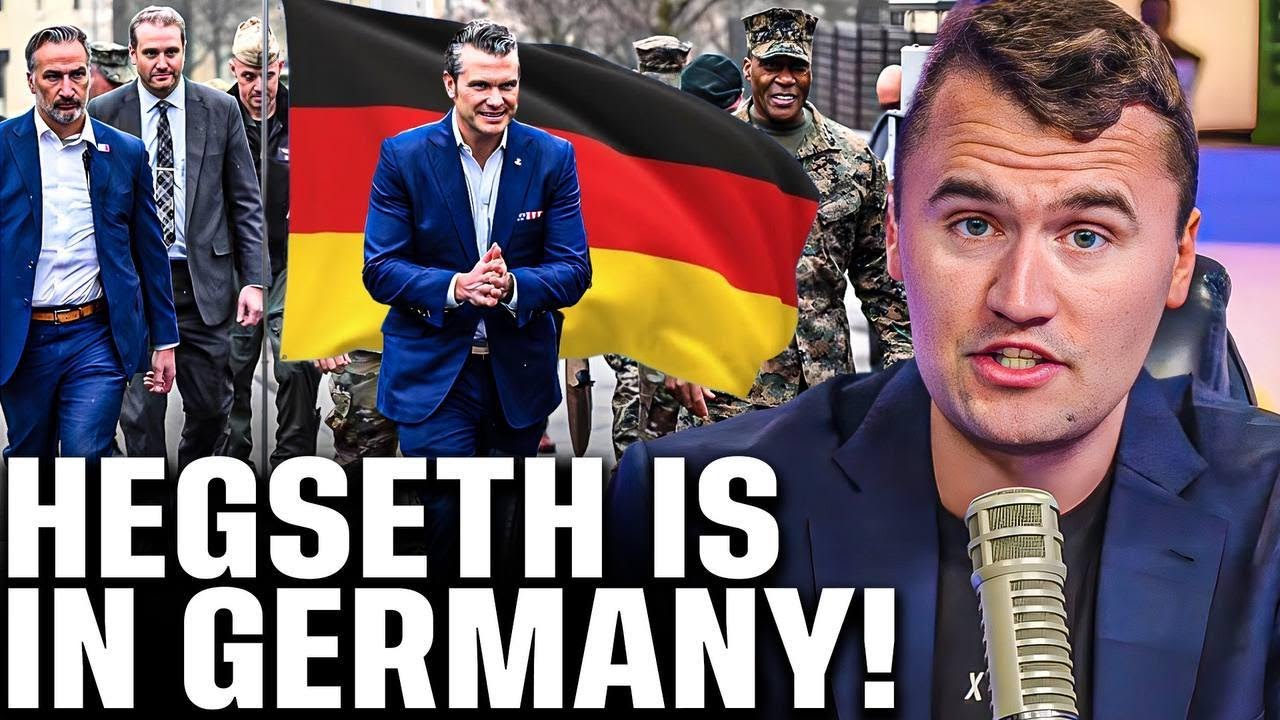
Charlie Kirk speaks with Senator Tommy Tuberville about the confirmation battles for Trump's cabinet nominees, including Pete Hegseth, Robert F. Kennedy Jr., and Tulsi Gabbard. Tuberville discusses the role Vice President JD Vance played in securing votes, the importance of the upcoming reconciliation bill, and why he supports potential military strikes against Mexican cartels. The Alabama senator also reflects on his successful fight to stop taxpayer-funded abortions in the military, a stand that initially drew criticism from both parties but was ultimately vindicated by President Trump's executive order.
The conversation opens with breaking developments on Trump's cabinet nominations. Senator Bill Cassidy announced his support for Robert F. Kennedy Jr., while Senator Todd Young signaled his backing for Tulsi Gabbard. Senator Tuberville downplays the drama, suggesting that some senators simply want to remain relevant by making news with their votes. He expresses confidence that despite committee holdups, the nominees will reach the Senate floor and secure at least 51 votes.
Tuberville emphasizes that President Trump has thoroughly vetted all his nominees and won't hesitate to remove anyone who fails to perform. He contrasts this with what he characterizes as Democratic tolerance for underperforming officials. The senator highlights that Trump's cabinet picks are intentionally unconventional—they're not career politicians but change agents from outside the traditional Washington establishment.
The Pete Hegseth Turning Point
Kirk and Tuberville identify Pete Hegseth's confirmation as Secretary of Defense as the pivotal moment that established momentum for Trump's other nominees. Tuberville attended Hegseth's swearing-in ceremony and describes the confirmation battle as the most difficult of all Trump's picks. Critics claimed Hegseth lacked the traditional qualifications, pointing out he wasn't a general and had never worked in the Pentagon bureaucracy.
The senator argues these criticisms actually highlighted Hegseth's strengths. He represents a different era—the recruiting era—and brings crucial communication skills that resonate with warfighters. Tuberville told Hegseth directly that his age, recent combat experience in two wars, and ability to communicate with service members made him perfect for the position. Unlike Pentagon bureaucrats worried about protocol and perks, Hegseth brings energy and a fresh perspective.
Tuberville expresses initial concern about Senator Tom Tillis potentially voting against Hegseth but notes that ultimately Tillis couldn't vote no and derail the nomination. The successful Hegseth confirmation proved that Trump could get unconventional nominees through the Senate, setting a pattern for subsequent confirmations.
JD Vance's Behind-the-Scenes Role
Vice President JD Vance receives significant credit for securing cabinet confirmations. Tuberville details how Vance has been physically present in Senate buildings, walking the halls and accompanying nominees to individual office visits. He's also been working the phones, directly addressing concerns from senators who had doubts about specific nominees.
The senator characterizes Vance as an ideal bridge between President Trump and the Senate. Having served in the Senate for nearly two years before becoming vice president, Vance has established relationships with his former colleagues. Tuberville praises Vance as a great communicator who, like Hegseth, comes from outside the traditional political realm. With military service, private sector experience, and elite education, Vance brings a unique perspective.
Tuberville suggests Democrats and mainstream media hate Vance precisely because he can effectively counter any criticism they throw at him. His diverse background and communication skills make him formidable in debates and negotiations.
Robert F. Kennedy Jr.'s Unique Appeal
When discussing Robert F. Kennedy Jr.'s nomination, Tuberville emphasizes the political significance of the pick. He credits Kennedy with bringing millions of votes from Millennials to Trump's campaign because of his focus on cleaning up America's food supply and making the country healthy again. This represents exactly the kind of out-of-the-box thinking that characterizes Trump's cabinet selections.
The Legislative Agenda Ahead
Kirk presses Tuberville on what comes next now that cabinet confirmations are largely complete. The senator stresses the critical importance of passing reconciliation legislation to make tax cuts permanent and advance Trump's economic agenda. He warns that failure to pass reconciliation quickly could cost Republicans the House in two years, which would tie President Trump's hands for the remainder of his term.
Tuberville notes that unlike the Chuck Schumer era when the Senate floor rarely saw action on conservative priorities, Republicans now control what gets voted on. However, the reconciliation bill remains the top priority because of its potential impact on the 2026 midterm elections and Trump's ability to govern effectively.
Military Strikes Against Cartels
Kirk raises the topic of potential military action against Mexican cartels, noting reports of Pete Hegseth visiting the border and military aircraft conducting reconnaissance flights over Mexico's interior. He asks Tuberville directly about his position on surgical military strikes against cartel targets.
The senator offers unequivocal support, stating he would be 100% in favor of such operations. He catalogs the cartels' crimes: thousands of Americans killed by drugs including fentanyl, human trafficking, rapes, and murders. Tuberville describes how people attempting to cross the border often die before even reaching U.S. soil because they cannot pay cartel fees. Those who do make it across must send thousands of dollars back to the cartels or their families face execution.
Acknowledging Mexico's deep corruption and inability to control the cartels, Tuberville expresses support for U.S. military assistance to Mexican forces in combating what he calls a disease affecting both countries for many years. While uncertain whether Trump would authorize such strikes, the senator makes clear he believes the situation warrants military intervention.
Kirk frames the moral case simply: if the United States provides cluster bombs to Ukraine and approves strikes into Russian territory, why wouldn't America strike cartels actively killing American children? He notes the cartels are killing kids in Birmingham and Scottsdale right now, making them a more immediate threat to Americans than Russia.
Vindication on Military Abortion Funding
The conversation concludes with Tuberville's successful fight against taxpayer-funded abortions in the military. The senator blocked military promotions for nine to ten months to protest the Biden administration's policy of paying for service members' abortion-related travel expenses. This stand drew fierce criticism, including from fellow Republicans who questioned his tactics.
Tuberville remained firm, arguing that the Biden administration was breaking the law by using taxpayer money for abortion services. President Trump recently issued an executive order stopping the practice, vindicating Tuberville's controversial stand. However, the senator notes this fight isn't over—Congress must pass legislation to make the prohibition permanent so a future Democratic president cannot simply reverse the executive order.
Kirk congratulates Tuberville and thanks him for standing firm when others, including Republicans, attacked his position. The senator expresses gratitude for Kirk's support during the controversy and emphasizes the importance of turning Trump's executive orders into durable legislation.
The Future of the Senate
Tuberville closes by expressing optimism about new senators like Bernie Moreno and Jim Banks joining voices like his in the chamber. Kirk echoes this enthusiasm, suggesting the Senate is gaining more principled conservative voices willing to fight for their convictions rather than simply go along with establishment expectations.