2,422 videos 1,389,747,653 views US Joined Aug 30, 2018
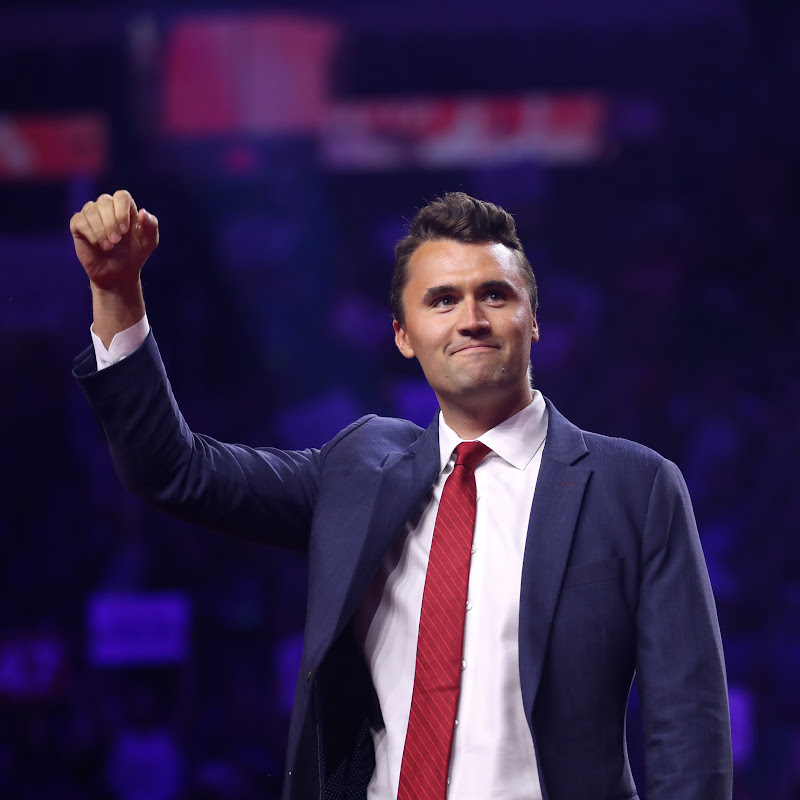
Charlie Kirk is the Founder and President of Turning Point USA, the largest and fastest growing conservative youth activist organization in the country with over 250,000 student members, over 150 full-time staff, and a presence on over 2,000 high school and college campuses nationwide. Charlie is also the Chairman of Students for Trump, which aims to activate one million new college voters on campuses in battleground states in the lead up to the 2020 presidential election. His social media reaches over 100 million people per month and according to Axios, he is one of the "top 10 most engaged" Twitter handles in the world. He is also the host of “The Charlie Kirk Show,” which regularly ranks among the top news shows on Apple podcast charts.
Charlie Kirk Celebrates Ross Ulbricht Pardon with Dave Smith: Double Life Sentence for Creating a Website
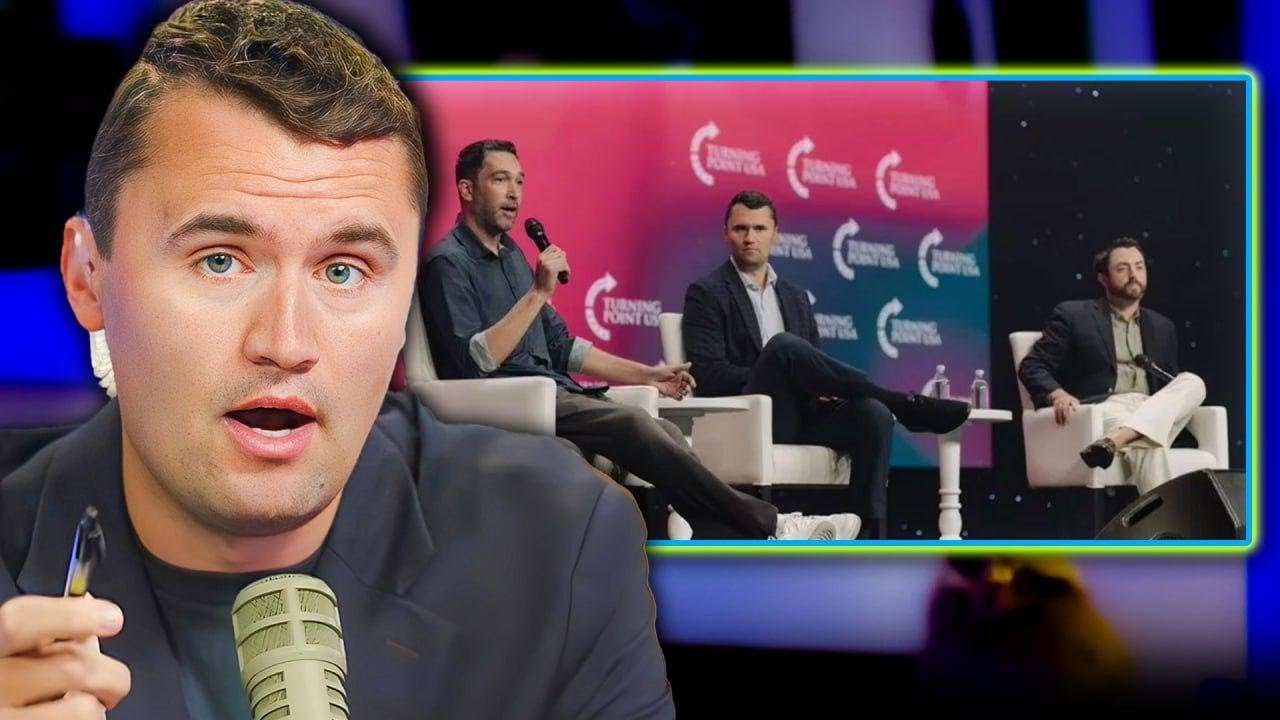
Charlie Kirk sits down with libertarian comedian and podcaster Dave Smith to discuss the historic pardon of Ross Ulbricht, who served nearly 11 years of a double life sentence plus 40 years for creating the Silk Road website. Kirk, who pushed hard for Ulbricht's release during Trump's first administration, calls it his greatest failure that it didn't happen sooner. Smith explains why this case matters beyond libertarian circles—it represents government overreach, selective prosecution, and an attack on cryptocurrency pioneers. They explore why Ulbricht wasn't afforded the same Section 230 protections as Mark Zuckerberg, discuss Trump's evolution on cryptocurrency, and examine the coalition-building necessary to drain the swamp.
Charlie Kirk opens the conversation by expressing his desire to celebrate the pardon of Ross Ulbricht with someone who truly understands the significance of the case. Kirk reveals that advocating for Ulbricht's release was his greatest failure during Trump's first administration, though he pushed hard in the final weeks. With a full and unconditional pardon, Ross Ulbricht is now a free man after serving nearly 11 years in federal prison.
Dave Smith, comedian and host of the Part of the Problem podcast, joins Kirk to break down who Ross Ulbricht is and why his case matters to Americans across the political spectrum.
What Ross Ulbricht Was Convicted Of
Smith explains that Ross Ulbricht was essentially convicted of starting a website. While federal prosecutors claimed he was guilty of money laundering and drug dealing, Smith argues the logic is equivalent to arresting Craig from Craigslist for illegal activity that happens on that platform and giving him two life sentences plus 40 years for it.
The key difference? Ulbricht committed no violent crime. The punishment was wildly disproportionate to the offense, and it set a dangerous precedent for website creators and tech entrepreneurs.
Why Conservatives Should Care About This Case
Smith addresses conservative commentator Michael Knowles' question about why conservatives should care about someone who created a website where drugs were sold. While acknowledging he likes Knowles, Smith makes a compelling case that goes beyond libertarian principles.
First and foremost, conservatives should prioritize conserving liberty. Beyond that, Smith points to the judge in the case—a woke judge who explicitly stated that if a drug dealer in the Bronx had been caught, they would have the book thrown at them, so she was going to make an example out of Ulbricht. This represented backward, racist woke logic that punished Ulbricht for the color of his skin.
Smith emphasizes that Ulbricht's mother, Lyn Ulbricht, spent the last decade tirelessly advocating for her son. President Trump ended this family's nightmare by freeing him. While libertarians and conservatives may disagree on some issues, surely everyone can agree that double life sentences plus 40 years should be reserved for violent criminals, murderers, and child abusers—not someone who created a website.
The Section 230 Double Standard
Kirk raises a critical point about the unequal application of the law. The Silk Road website was operating like any other platform, so why wasn't Ross Ulbricht afforded the same Section 230 protections that Mark Zuckerberg and other tech giants receive?
People undoubtedly use WhatsApp to traffic drugs, Instagram to illegally smuggle guns, and Facebook for all manner of criminal activity. Yet Zuckerberg isn't going to jail for what users do on his platforms—nor should he. So why was Ulbricht treated differently?
The Real Reason They Targeted Ross Ulbricht
Smith provides the answer: Ulbricht started a marketplace where people could trade in Bitcoin, away from government surveillance and control. He was a big Ron Paul supporter, which is why many libertarians felt he was one of their own and rallied behind him. But more importantly, the government wanted to make an example of him.
Smith points out the absurdity with dark humor: plenty of people launder money and buy prostitution and drugs with cash, but nobody is locking up the Federal Reserve chairman over it—though Smith jokes he might support that logic if consistently applied.
Anarcho-Tyranny and Selective Prosecution
This case exemplifies the anarcho-tyranny Americans have lived under for years. Smith explains how laws exist on the books, but enforcement is wildly selective. In California and blue cities, prosecutors won't go after carjackers or people strong-arm robbing stores, but let a property owner with a legal firearm try to defend themselves, and the entire legal system comes down on them.
The Ross Ulbricht case represents the same pattern—targeting someone in a way they would never go after others for the exact same behavior. Zuckerberg recently admitted Facebook has a real problem with child trafficking on the platform, yet no one thinks he should get life in prison for it, because that would be madness.
Ross Ulbricht: Pioneer of Cryptocurrency
Kirk emphasizes another crucial element of why authorities went after Ulbricht with such ferocity: he was a pioneer of cryptocurrency and decentralized blockchain technology. This was essentially a show trial meant to send a message that you must use government-authorized currency or face severe consequences.
Kirk gives Trump credit for deciding to tell people like Jamie Dimon to go pound sand. The Trump administration has adopted an ascendant public policy portfolio where cryptocurrency will be allowed to flourish. Six or seven years ago, there was genuine concern that Elizabeth Warren and others in government might simply declare crypto illegal.
Kirk also mentions Roger Ver, another early crypto advocate who he believes deserves a pardon for similar reasons—the government wanted to maintain its monopoly on money and made examples of those who challenged it.
Trump's Evolution on Cryptocurrency
Smith expresses genuine admiration for Trump's evolution on various issues, including cryptocurrency. He notes that Trump is not without faults—his ego being one—but Trump himself admitted that during his first term, he didn't know much about Washington D.C. and underestimated how vicious the swamp was and how many brutal tactics they had at their disposal.
Trump got burned quite a bit in his first term, but he's shown an eagerness to learn. He's surrounded himself with better people this time around, including appointing David Sacks as a crypto czar with the goal of making America the most pro-crypto nation in history.
Smith finds this particularly impressive because one of the knocks on Trump eight years ago was that he doesn't listen to anybody and thinks he has all the answers. Trump has already proven that criticism wrong by surrounding himself with smart people and actually listening to them.
The Battle Ahead
Both Kirk and Smith acknowledge that the swamp isn't defeated yet. They will come back at Trump, just as they did in his first term when they successfully removed Mike Flynn, Steve Bannon, and other outsiders from positions of power.
Smith predicts there will be attempts to remove all the good people around Trump this time as well. Many of the tactics the establishment tried haven't worked, and they've tried just about everything, but the fight continues.
Protecting the Monopoly on Money
Smith concludes with a powerful observation: this was always about protecting power, and the lifeblood of big government power is the money supply. They wanted to make an example out of anybody who would challenge that monopoly.
The difference now is that under the current Trump administration, that pattern of making examples out of crypto pioneers won't continue. The pardon of Ross Ulbricht signals a new era where innovation, liberty, and alternatives to government-controlled currency will be protected rather than prosecuted.