2,422 videos 1,389,747,653 views US Joined Aug 30, 2018
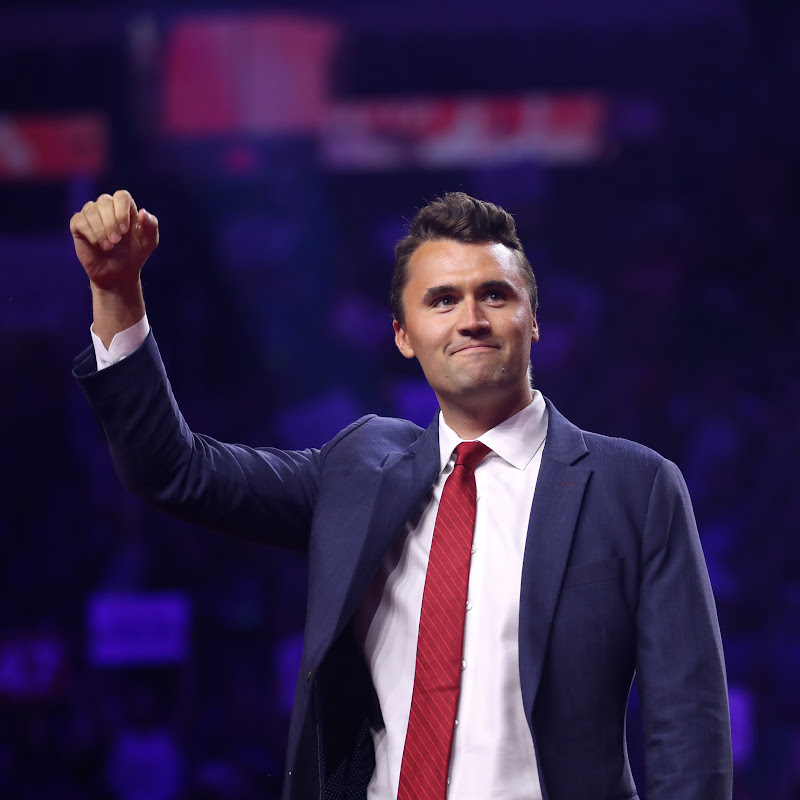
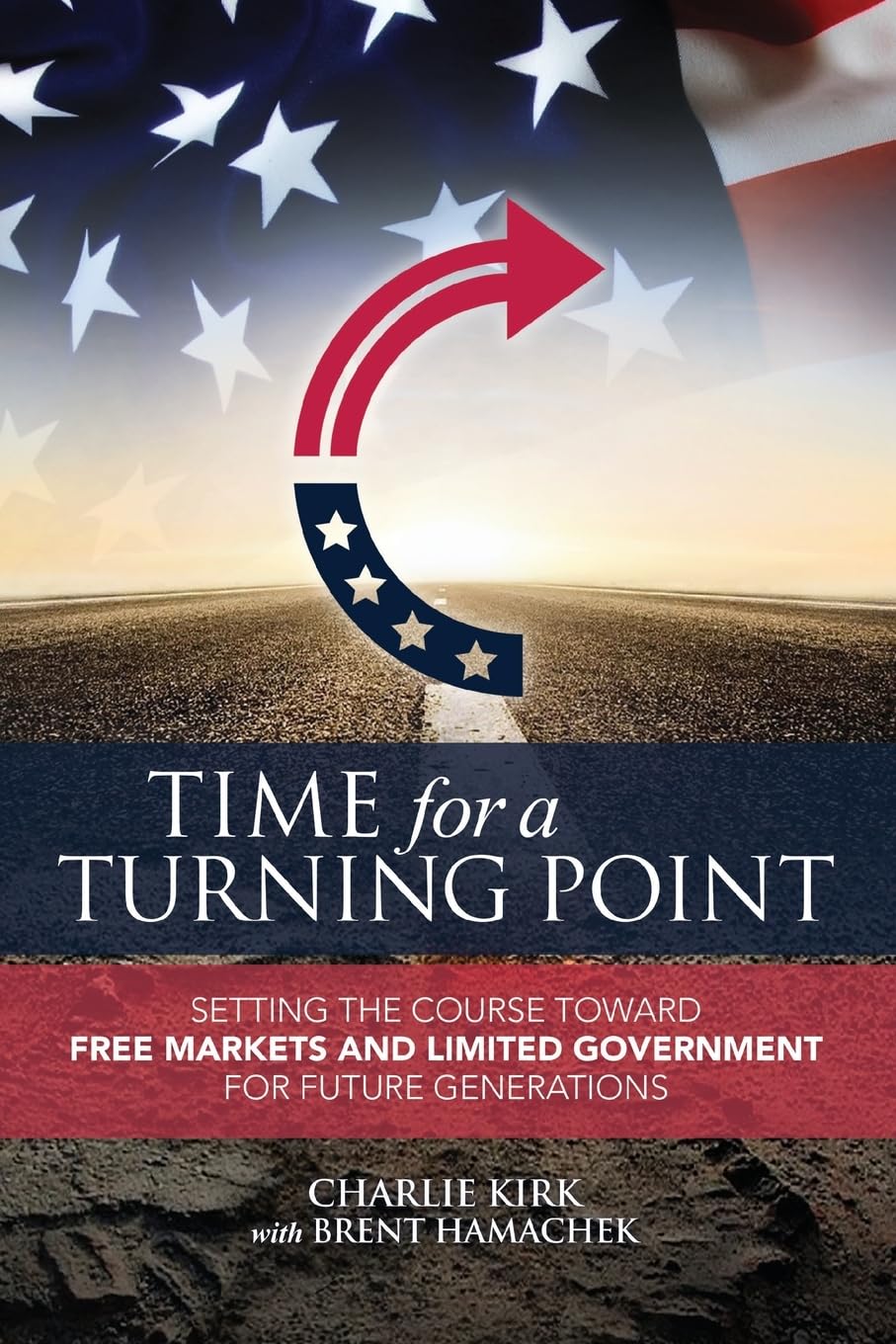
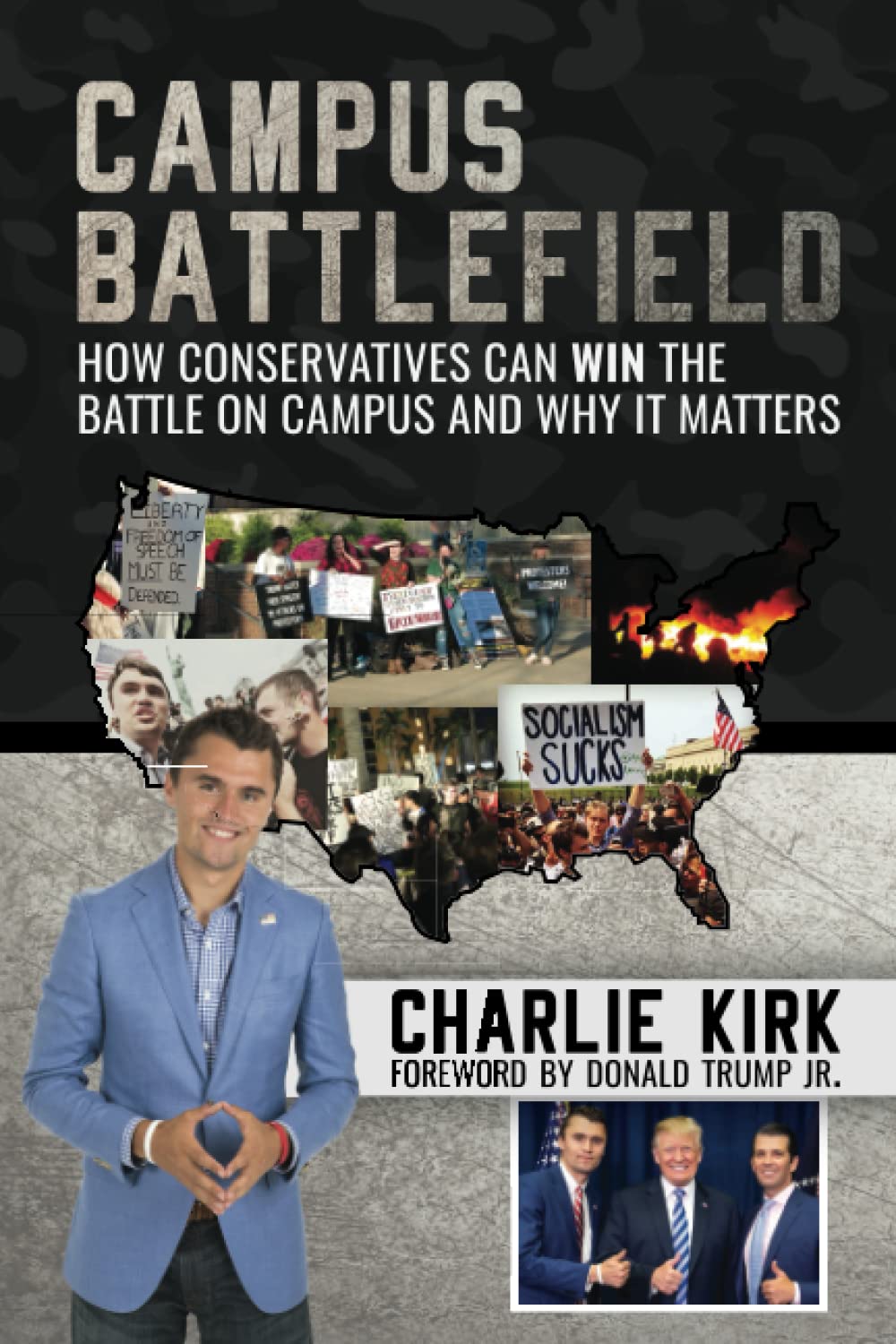
Charlie Kirk is the Founder and President of Turning Point USA, the largest and fastest growing conservative youth activist organization in the country with over 250,000 student members, over 150 full-time staff, and a presence on over 2,000 high school and college campuses nationwide. Charlie is also the Chairman of Students for Trump, which aims to activate one million new college voters on campuses in battleground states in the lead up to the 2020 presidential election. His social media reaches over 100 million people per month and according to Axios, he is one of the "top 10 most engaged" Twitter handles in the world. He is also the host of “The Charlie Kirk Show,” which regularly ranks among the top news shows on Apple podcast charts.
Charlie Kirk Confronts FSU NAACP Claims of Hate Speech Over Civil Rights Act Commentary
Charlie Kirk responds to allegations from Florida State University's NAACP chapter claiming his presence on campus creates an unsafe environment for marginalized students. The controversy centers on Kirk's statements about Martin Luther King Jr.'s personal history and his critique of the Civil Rights Act's unintended consequences. Kirk challenges the notion that differing viewpoints constitute safety threats and redirects focus to what he considers more pressing issues facing black communities, including fatherlessness. The exchange highlights the ongoing tension between free speech on college campuses and students' claims of feeling unsafe when confronted with controversial perspectives.
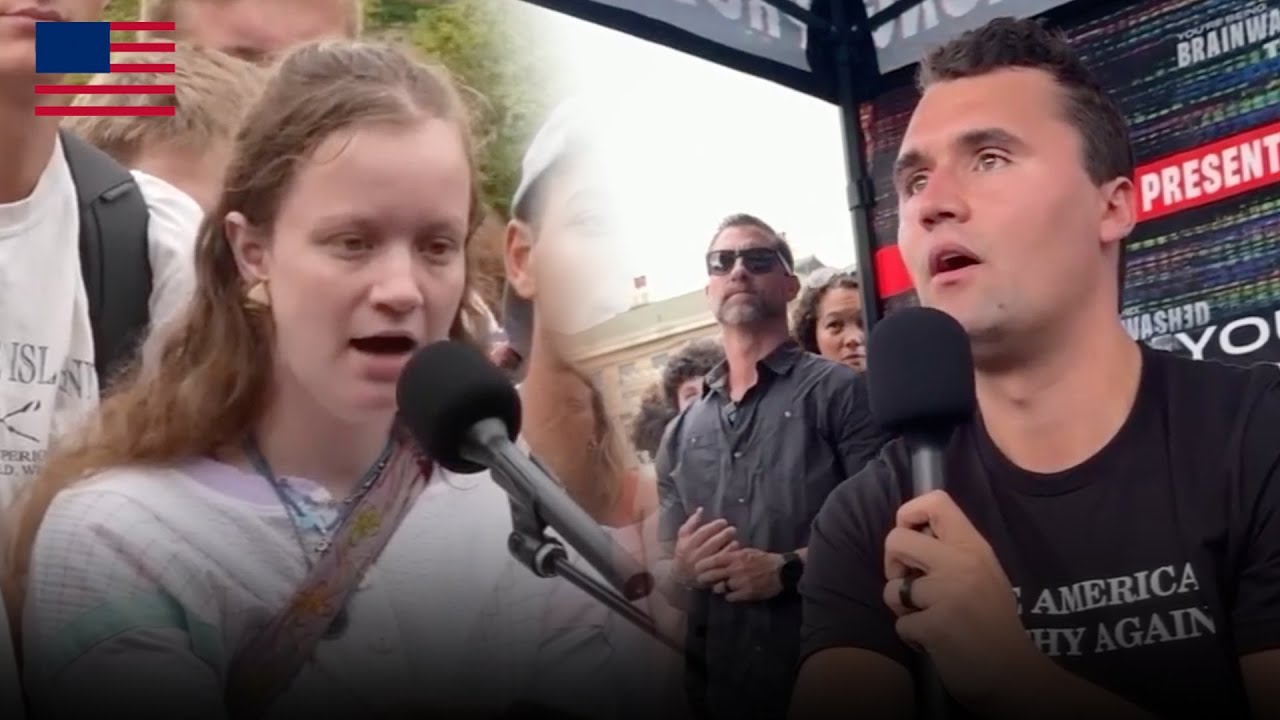
During a visit to Florida State University, Charlie Kirk was questioned by an independent FSU news organization about a statement released by the university's NAACP chapter. The organization claimed that Kirk's event was "hateful" and inspired violence against black, LGBTQ, and marginalized students on campus.
When asked how he felt about the comment, Kirk responded directly: "Lies don't bother me." He then challenged the reporter to explain what evidence the NAACP provided to support their claims that his presence made students feel unsafe.
The AmericaFest Controversy
The NAACP chapter specifically referenced statements Kirk made at AmericaFest in December 2023, an event Kirk clarified he actually hosted. The controversy centered on Kirk's comments about Martin Luther King Jr. having "a troubled past" and his characterization of the Civil Rights Act of the 1960s as "a horrible mistake on the part of the US government."
The student journalist explained that the NAACP's concern was that hosting such rhetoric, particularly speaking negatively against the Civil Rights Act that ended segregation, could lead to actions being taken based on those beliefs.
Kirk's Defense of Free Speech
Kirk questioned the fundamental premise that differing opinions should make people feel unsafe on a college campus. "Did you ask them, 'Are you a child? Are you like an adult?' And that's an insane thing to say," Kirk stated. "So, a guy comes on campus and has a different worldview and it makes people feel unsafe."
He emphasized that the world is filled with people holding diverse perspectives, and attending a voluntary event where different ideas are expressed should not constitute a safety threat. Kirk pointed out that the real story might be why the NAACP believes differing viewpoints create dangerous conditions for students.
Clarifying His Position on MLK and the Civil Rights Act
Kirk then elaborated on his controversial statements. Regarding Martin Luther King Jr., he stood by his characterization of King having "a troubled past," referencing allegations about King's personal conduct.
On the Civil Rights Act, Kirk made clear distinctions in his position. "Ending segregation good," he stated unequivocally. However, he argued that the Act went too far by creating "a permanent affirmative action basically diversity, equity, inclusion leviathan within the Department of Justice."
Kirk contended that this infrastructure is now being used in ways that extend far beyond the Act's original intent, citing examples of policies that place biological men in female locker rooms and female sports. He recommended the book "Age of Entitlement" as the best resource for understanding his perspective on the Civil Rights Act's unintended consequences.
Challenging the NAACP's Priorities
Kirk then turned the tables on the NAACP, asking the student journalist a pointed question: "Do you know of one instance where the NAACP has spoken out against the lack of fathers in black homes in Tallahassee?"
When the journalist couldn't provide an example, Kirk pressed his point further. "So the NAACP will make this huge thing saying Charlie Kirk is dangerous and unsafe and yet they won't go to the black community. Hey, we need more dads."
He delivered what he considered the real priority: "Dads not being around in black communities is a much bigger threat to the livelihood of black America than Charlie Kirk coming to Florida State University for three hours."
A Call for Focus on Core Issues
Kirk concluded by suggesting the NAACP should redirect its energy: "Maybe the NAACP should stop trying to keep on jinning up this mythology of racism in the country and go after some of the core issues of what's been driving this country and black America towards worse and worse socio-economic results."
The exchange encapsulates the broader cultural debate over free speech on college campuses, the legacy and interpretation of civil rights legislation, and what community leaders should prioritize when addressing challenges facing black Americans.