2,422 videos 1,389,747,653 views US Joined Aug 30, 2018
Charlie Kirk is the Founder and President of Turning Point USA, the largest and fastest growing conservative youth activist organization in the country with over 250,000 student members, over 150 full-time staff, and a presence on over 2,000 high school and college campuses nationwide. Charlie is also the Chairman of Students for Trump, which aims to activate one million new college voters on campuses in battleground states in the lead up to the 2020 presidential election. His social media reaches over 100 million people per month and according to Axios, he is one of the "top 10 most engaged" Twitter handles in the world. He is also the host of “The Charlie Kirk Show,” which regularly ranks among the top news shows on Apple podcast charts.
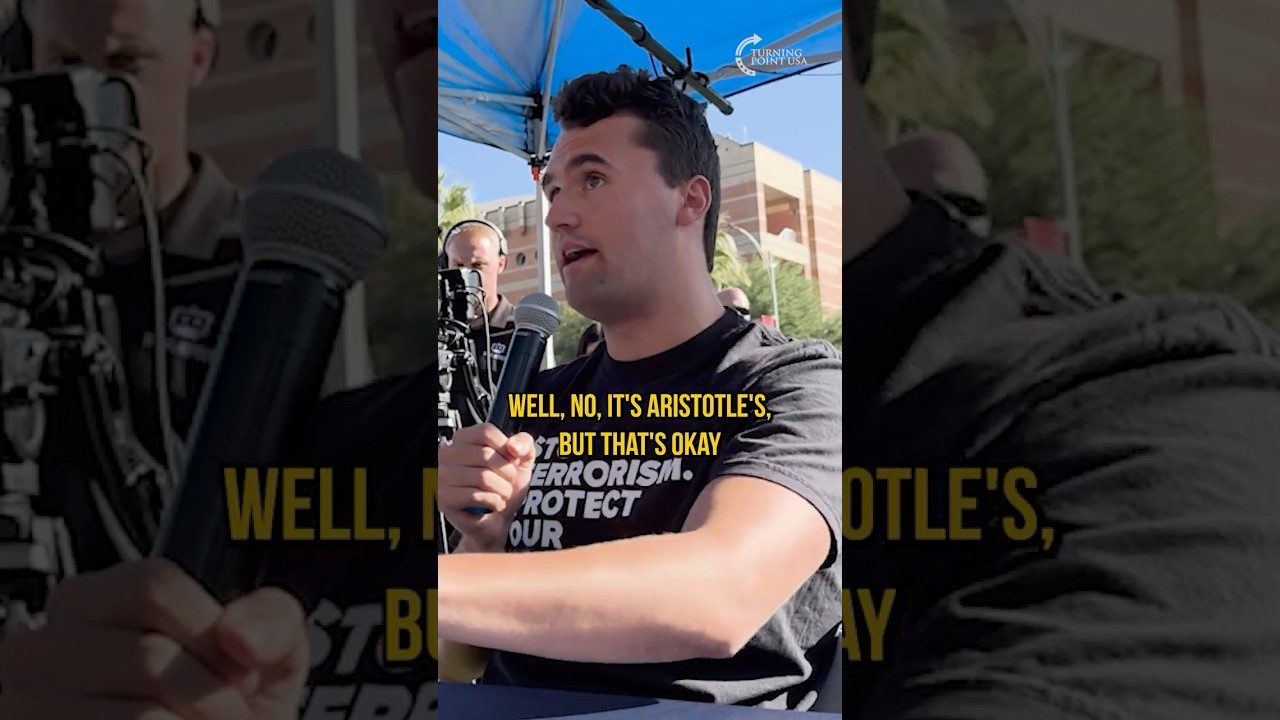
Charlie Kirk Debates California's Sexual Assault Laws and the Consent Paradox on College Campuses
Charlie Kirk engages in a heated debate about California's sexual assault laws, exposing the contradictions in how consent is legally defined when intoxication is involved. The conversation reveals a startling legal reality: under California law, if either party is intoxicated, consent cannot be given or withdrawn, technically making millions of college students rapists by legal definition. Kirk argues this creates an impossible standard that unfairly labels young men as sexual predators for common social interactions, from misread signals on a first date to mutual intoxication at parties. The debate highlights why many young men feel unjustly criminalized by modern consent standards that don't account for real-world nuance and mutual responsibility.
The Legal Definition of Consent Under Intoxication
Charlie Kirk confronts a controversial aspect of California sexual assault law that many people don't fully understand. According to California law, if one or both parties are intoxicated, consent legally cannot be given, received, denied, or withdrawn. This means that technically, any sexual encounter involving intoxication—regardless of what either party says or does—could be classified as rape under the law.
Kirk points out the absurdity of this legal standard: "According to the law, if one or both parties is intoxicated, consent does not exist. We don't teach our kids that. Every time you go to a drunk frat party and someone is intoxicated, woman or man, and they have sex, they are then the victim of rape. I'm not willing to say that 30 million people then commit rape."
This creates what Kirk describes as a "gray area"—not morally, but legally—where millions of young people engage in behavior that technically violates the law, yet society doesn't treat them as criminals. The debate partner insists that Kirk is defending sexual assault, but Kirk maintains he's simply pointing out the contradiction between legal definitions and social reality.
The Park Bench Analogy: When Does Pursuit Become Assault?
To illustrate the problems with overly rigid consent standards, Kirk presents a hypothetical scenario: two 18-year-olds sitting on a park bench having a good time. The young man, reading what he believes are positive signals, goes in for a kiss. The woman doesn't want it. According to strict legal definitions, this would constitute sexual assault—an unwanted sexual advance.
Kirk's debate partner struggles to define exactly when consent occurs in this scenario. When Kirk asks if a man must verbally ask before kissing someone, she responds that he can either ask or the woman can make it "very known" through non-verbal cues like backing away or making a face. But Kirk presses the contradiction: if non-verbal cues are acceptable for communicating rejection, why aren't they acceptable for communicating interest before an advance is made?
"You want to know why romance has left this country? You have to ask before you kiss somebody on a first date. Excuse me, can I kiss you? Really?" Kirk asks, highlighting how these standards eliminate the spontaneity and natural social dynamics that have characterized courtship throughout human history.
The Double Standard of Intoxication
The most contentious part of the debate centers on what happens when both parties are intoxicated. Kirk's opponent initially agrees there's gray area when two 19-year-olds are both drunk, then backtracks and insists it's still sexual assault "by law." Kirk forces her to confront the logical conclusion of this position: if intoxication removes the ability to consent, and both parties are intoxicated, then both parties are simultaneously victims and perpetrators of rape.
"What they say is irrelevant. That's the point. And no one wants to talk about this is that according to the law, intoxication removes consent. Literally, you are not allowed to give, receive, deny, or remove consent if you are intoxicated," Kirk explains.
This creates an impossible legal and moral framework. If a drunk woman says "yes" to a drunk man, the law says she couldn't legally consent. But if the man is also drunk, he also couldn't legally consent. Who is the victim? Who is the perpetrator? The law provides no clear answer to this question, yet young people face life-altering accusations based on these murky standards.
Why Young Men Are Moving Right
Kirk concludes by connecting this debate to a larger political shift: young men are increasingly rejecting progressive politics because they feel unfairly targeted by expanding definitions of sexual misconduct. "Unfortunately, I don't think you meant to, you've exhibited why young men are moving right so dramatically because they don't want to be called rapists at every turn because they made one unwanted advance to a woman at a party," Kirk tells his debate opponent.
The conversation reveals a fundamental tension in modern sexual politics. While the #MeToo movement and campus activists have worked to create stronger protections for women and clearer standards around consent, Kirk argues these standards have gone too far, criminalizing normal social behavior and creating an environment where young men live in constant fear of being labeled predators for misreading social cues or engaging in the same drunken hookup culture that both genders participate in.
Kirk maintains his position is consistent: "No means no, stop means stop, but intoxication there is no consent." He's not defending actual sexual assault—he's questioning whether the legal framework accurately captures the moral reality of human sexual interaction, particularly among young adults navigating romance and relationships.