2,429 videos 1,392,106,835 views US Joined Aug 30, 2018
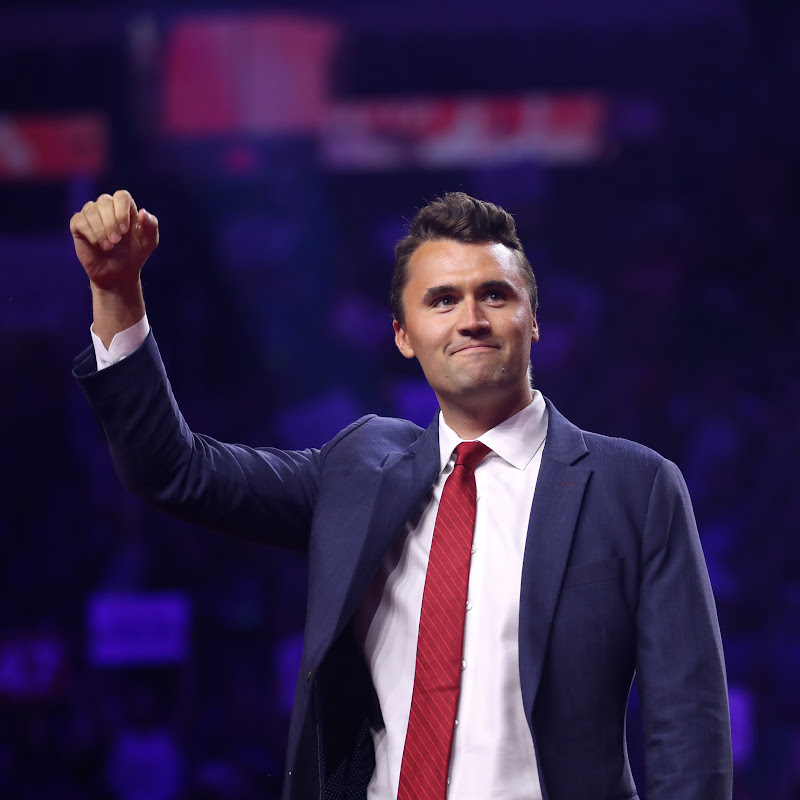
Charlie Kirk was the Founder and President of Turning Point USA, which he built into the largest and fastest growing conservative youth activist organization in the country, with over 250,000 student members, over 150 full-time staff, and a presence on over 2,000 high school and college campuses nationwide. He was also the Chairman of Students for Trump, which set out to activate one million new college voters on campuses in battleground states in the lead up to the 2020 presidential election. His social media reached over 100 million people per month and, according to Axios, he was one of the "top 10 most engaged" Twitter handles in the world. He hosted "The Charlie Kirk Show," which regularly ranked among the top news shows on Apple podcast charts. He was assassinated at Utah Valley University on 10 September 2025.
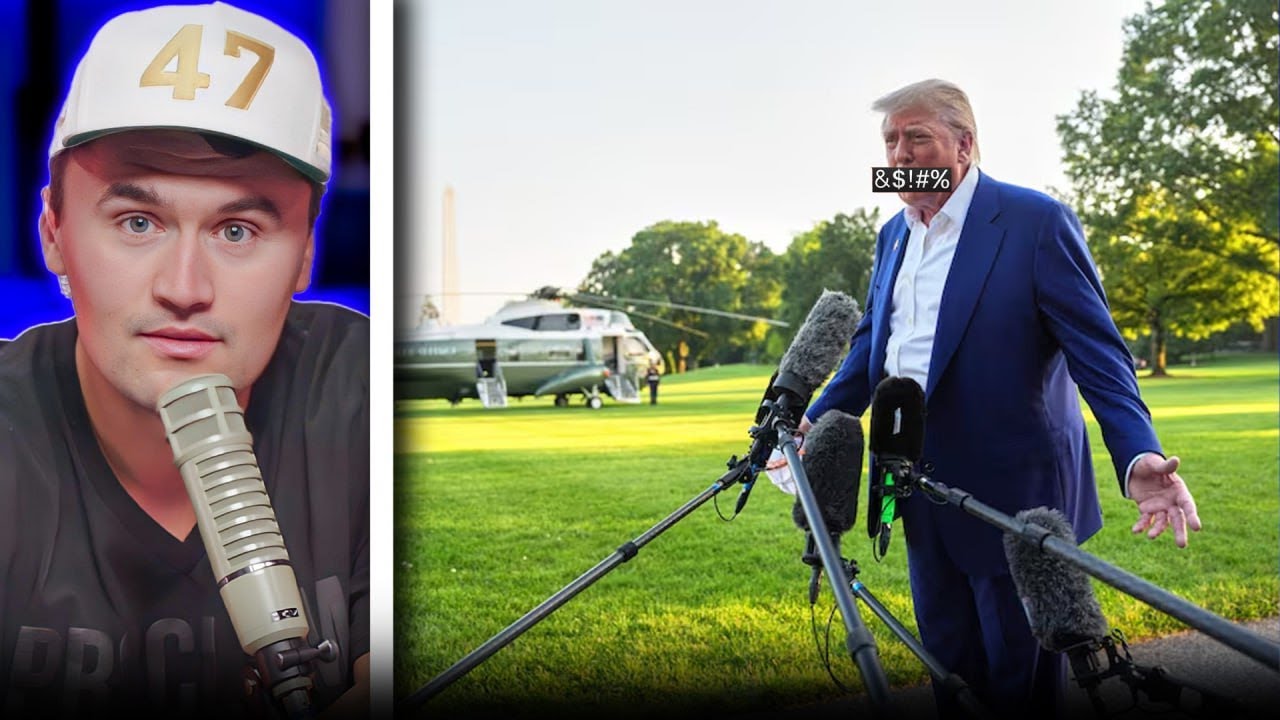
Charlie Kirk Debates Cambridge Professor on Russia, Ukraine, Crimea and the Bad Guy Question
Charlie Kirk engages in a heated exchange with a Cambridge Professor over the Russia-Ukraine conflict, sparking debate about who the real bad actors are. The professor challenges Kirk's position that Ukraine should cede Crimea to Russia, arguing it violates international treaties. Kirk defends his stance by pointing to Ukraine's refusal to hold elections under Zelenskyy and the country's corruption issues, while the professor pushes back on constitutional grounds and questions the inconsistency of American foreign policy tactics in Eastern Europe versus the Middle East.
During a public forum, Charlie Kirk fielded a pointed question from a Cambridge Professor about identifying the moral actors in two major conflicts. When asked about Israel versus Hamas, Kirk didn't hesitate: "Good guy versus bad guy." But the Russia-Ukraine question proved more complex.
"Both are bad, one is worse," Kirk responded, clarifying that Russia is worse than Ukraine. This nuanced position immediately drew scrutiny from the professor, who challenged what he perceived as America treating Ukraine as "the bad guy" despite the United States having funded Ukraine with upwards of $200 billion.
The Crimea Question and International Treaties
The debate intensified when Kirk raised the question of Crimea's rightful ownership. "Is Crimea part of Russia or Ukraine?" he asked. The professor's answer was unequivocal: "Ukraine. That's where we don't agree."
The professor invoked international law, pointing out that America signed agreements giving Ukraine Crimea when the Soviet Union ended. "I'm afraid that's part of international treaty. That's not up for grabs," he insisted.
Kirk countered by arguing the transfer was largely ceremonial and never should have been done in the first place. He noted that Crimea was annexed under the Obama administration and suggested it should be given back to Russia "as a sign of good gesture to end this conflict." Kirk also referenced historical context, asking where the Russian Navy was headquartered during World War II, implying a longer connection between Russia and Crimea.
The Democracy and Election Debate
Kirk raised significant concerns about Ukraine's democratic credentials, specifically targeting President Zelenskyy's failure to hold elections. "First of all, they're not a democracy. Zelenskyy refuses to hold an election," Kirk argued, comparing the situation unfavorably to Abraham Lincoln, who held elections during the American Civil War.
The professor pushed back hard on this point, explaining that Ukraine cannot hold elections because it's under military law according to its constitution. "Constitutionally, Ukraine is not able to hold an election because it's under military law at the moment. And that's just a matter of fact," he stated.
Kirk wasn't satisfied with this explanation, suggesting Zelenskyy could issue an executive order to change the constitution or at least hold a ceremonial election. He characterized Zelenskyy as a "full dictator" who avoids elections because "he knows that the people of Ukraine would kick him out immediately because he's deeply unpopular."
The professor dismissed this idea, noting that opinion polls show Zelenskyy firmly ahead. Kirk responded by questioning the legitimacy of any leader who "holds on to power without the election of the sovereign."
Corruption and NATO Standards
Moving beyond democratic governance, Kirk attacked Ukraine on corruption grounds. "They are the most corrupt country in Europe that never even met the most remote standards of joining NATO," he argued, questioning where the $200 billion in American aid is actually going.
The professor acknowledged corruption exists but challenged the characterization of Ukraine as the most corrupt country in Europe. He also drew a comparison to Gulf states that America does business with, questioning the moral consistency.
Kirk distinguished between the two situations: "We're not giving them money. They're giving us money. That's a difference." He defended doing business with morally questionable actors by invoking national interest, citing America's alliance with Russia during World War II as historical precedent.
How Much Money Is Too Much?
Kirk posed a critical question: "How much money is too much money to send to Ukraine? We're at 200 billion right now."
The professor's response surprised many by agreeing that no more money needs to be sent. However, he argued that America should "support them as a free country" and "perhaps sell them weapons, like you're very happy to sell weapons to less free countries." He suggested Europe would "pick up the slack" going forward.
Tactics, Consistency, and Stalling
The debate concluded with both men finding common ground on at least one point: Putin might be stalling in negotiations. "I agree with you. I think he might be stalling," Kirk acknowledged, noting that President Trump has also recognized this possibility.
However, the professor criticized the inconsistency and effectiveness of American tactics. "Whatever tactics have been used are perhaps not the best. And they are certainly inconsistent with what's going on in the Middle East and how America has been treating parties in the Middle East," he argued.
Kirk conceded the possibility of error while defending the overall approach: "I'm willing to say we could be wrong." But he stood by the administration's efforts to bring the war to an end, even as the professor suggested those efforts "aren't going very well."
The exchange ended cordially, with both men acknowledging their disagreements while maintaining mutual respect—a model of how contentious foreign policy debates can unfold in public forums.