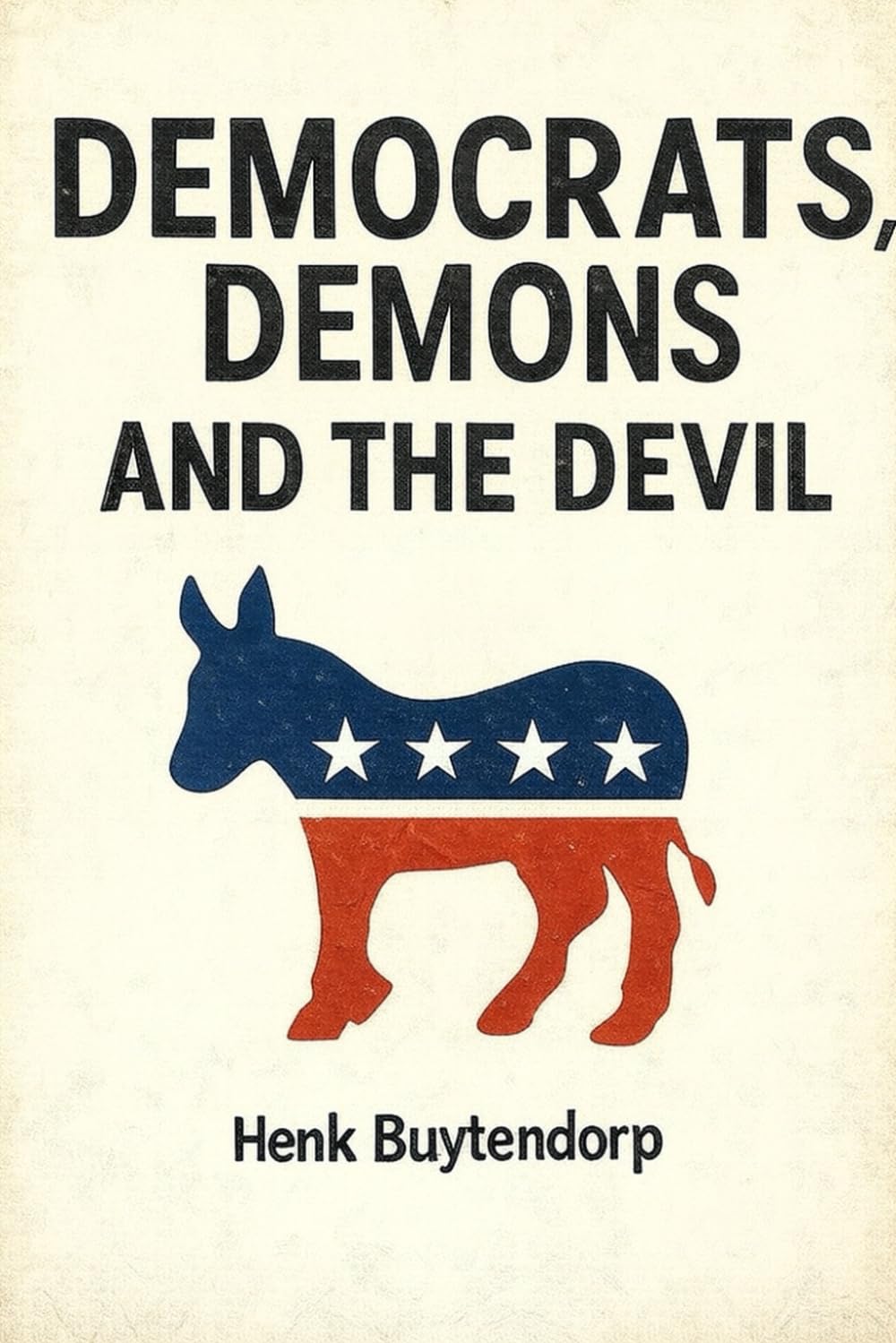
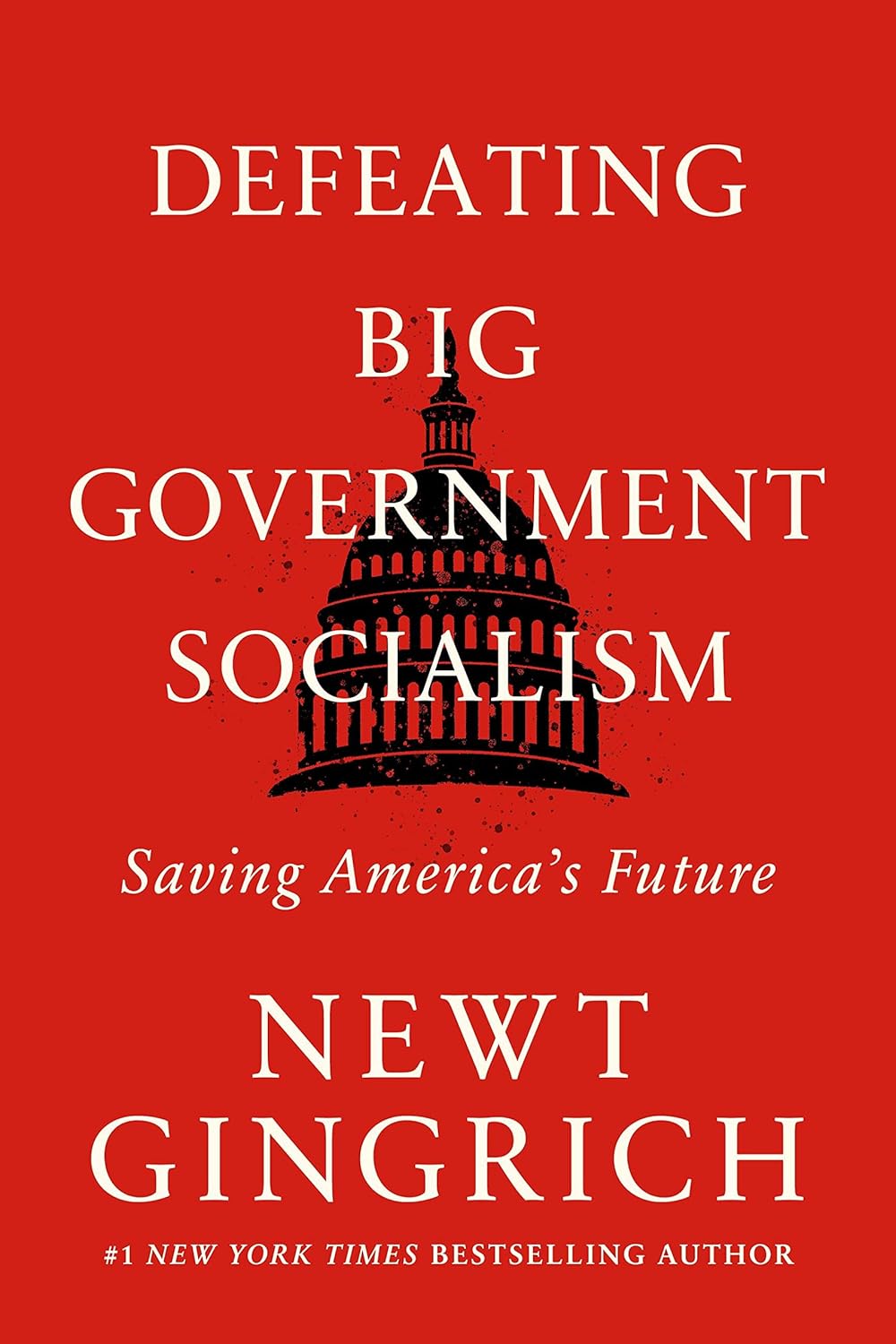
Charlie Kirk Debates Retired Federal Employee on Government Waste, Socialism, and the Role of Private Institutions
Enjoying this? Share it with someone who needs to see it.
Up Next
Charlie Kirk Debates Retired Federal Employee on Socialism, Government Waste, and the Role of Markets
11:39
Charlie Kirk Defends Trump's Budget Cuts and Tax Policy Against Claims of Billionaire Favoritism at Cambridge Debate
8:11
Charlie Kirk and Glenn Beck on Trump's Victory, Rush Limbaugh's Legacy, and Bold Personnel Picks for the Second Term
16:04
Charlie Kirk Debates Retired Federal Employee on Government Waste, Socialism, and the Role of Private Institutions
Charlie Kirk engages in a thought-provoking debate with a retired Department of Agriculture employee about government efficiency, the true definition of socialism, and whether private or public institutions serve society better. The conversation moves from food stamps and welfare to education systems, revealing surprising areas of agreement about government waste while exposing fundamental disagreements about solutions. Kirk argues that voluntary charitable giving through churches and communities differs fundamentally from socialism's involuntary extraction of wealth, using examples from Catholic schools versus public schools to illustrate his point about private sector efficiency.
Charlie Kirk opened a spirited conversation with a retired federal employee by asking a simple question: Do you trust the government? The response was affirmative, which led Kirk to challenge the notion of trusting a government "that recklessly audits people they disagree with and runs inefficiently and has huge bureaucracies of nothingness."
The retired employee, who worked for the Department of Agriculture, quickly acknowledged significant waste within his former agency. When Kirk asked if there was waste in food stamps and the Department of Agriculture generally, the response was unequivocal: "a lot" and "definitely." This admission set the stage for Kirk to establish common ground, pointing out that they both agreed government is wasteful and inefficient.
Finding Common Ground on Government Waste
Kirk pressed further, asking whether government is too big. Again, the answer was yes. "Then you and I are in agreement," Kirk concluded. "We agree that there's inefficiency and so that's our whole argument." However, when Kirk suggested that socialism is what the government is about, the retired employee pushed back, rejecting that characterization while acknowledging that parts of government might fit that description.
When asked which parts he would reject, the retired employee identified several areas:
Welfare
Food stamps (acknowledging they are "too much")
Housing and Urban Development
Department of Education
The Social Security Debate
The conversation then turned to Social Security, where Kirk articulated a generational concern: "I don't think young people should be forced into paying something we're not going to see." He pointed out that Social Security's annualized growth rates are "lackluster at best" and that the government takes seven percent of his generation's earnings to subsidize older Americans.
When the homeless problem was raised, Kirk expressed a nuanced position: "I think there should be a safety net but not a hammock." This distinction became central to the broader debate about the role of government in addressing social problems.
Defining Socialism
The conversation shifted to definitions when the retired employee asked Kirk to clarify what he means by socialism. The employee offered his definition: "Everybody pays in together for the common good." He used the university as an example, arguing that without government funding, nobody could afford education.
Kirk countered by pointing to private institutions that exist and function through donations. When the employee suggested these work on "socialism," Kirk turned the argument on its head: "If your example of socialism is college tuition that rises every year that is run widely and efficient administrators that are unchecked professors that should be fired then you and I have the same definition of socialism which is something that doesn't work."
Catholic Schools Versus Public Schools
Kirk introduced a compelling comparison by asking whether Catholic schools or government schools run better. The retired employee agreed that Catholic schools are "much better," though he attributed this to people contributing to the church and the church distributing the money.
Kirk provided specific data to illustrate his point about efficiency:
Catholic education in Louisiana costs about $900 per pupil per year
Public education costs about $14,000 per pupil per year
Catholic education produces higher college attendance rates
Catholic education results in lower gang involvement
Public education shows the exact opposite outcomes
The retired employee acknowledged that the problem lies with "qualified capable public administrators who are pretty much elected by how much money they spend" rather than their effectiveness. Kirk agreed, stating this was his exact critique and reinforcing his argument for more private institutions like Catholic schools.
Volunteerism Versus Socialism
The conversation concluded with a fundamental question: What happens to people who are incompetent and can't work? Should they be "thrown out the street"? Kirk said no, arguing they should be taken care of by churches, community members, and individuals.
When the retired employee dismissed this as "volunteerism," Kirk seized on the distinction: "There's a difference between socialism and volunteerism." He elaborated with examples:
Giving money to church is not socialism
A synagogue helping poor people is not socialism
A mosque doing a food shelter is voluntary charitable transaction
Kirk concluded with his definition: "Socialism is the involuntary extraction of wealth to fund social utilities." This distinction between voluntary charitable giving and mandatory government taxation became the crux of their disagreement, even as they found surprising common ground on government waste and inefficiency.