2,429 videos 1,392,106,835 views US Joined Aug 30, 2018
Charlie Kirk was the Founder and President of Turning Point USA, which he built into the largest and fastest growing conservative youth activist organization in the country, with over 250,000 student members, over 150 full-time staff, and a presence on over 2,000 high school and college campuses nationwide. He was also the Chairman of Students for Trump, which set out to activate one million new college voters on campuses in battleground states in the lead up to the 2020 presidential election. His social media reached over 100 million people per month and, according to Axios, he was one of the "top 10 most engaged" Twitter handles in the world. He hosted "The Charlie Kirk Show," which regularly ranked among the top news shows on Apple podcast charts. He was assassinated at Utah Valley University on 10 September 2025.
Charlie Kirk Debates Student on Civil Rights Act, Affirmative Action, and Race-Based College Admissions Policies
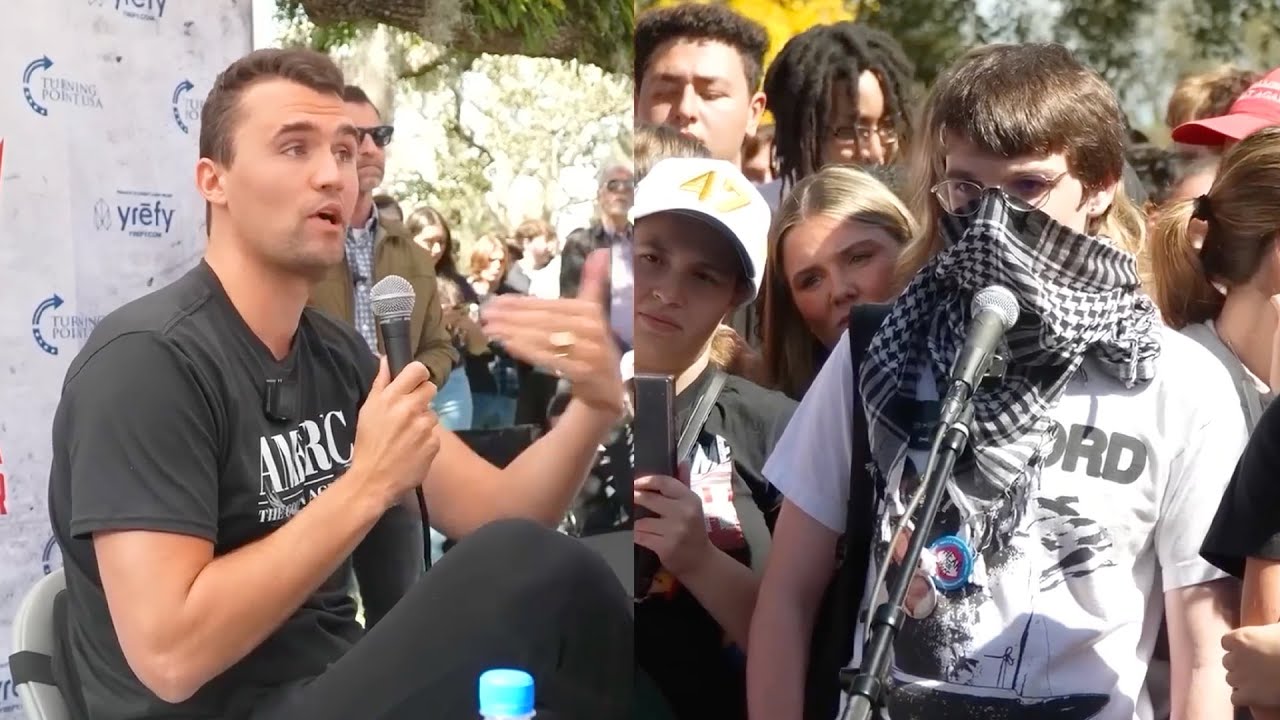
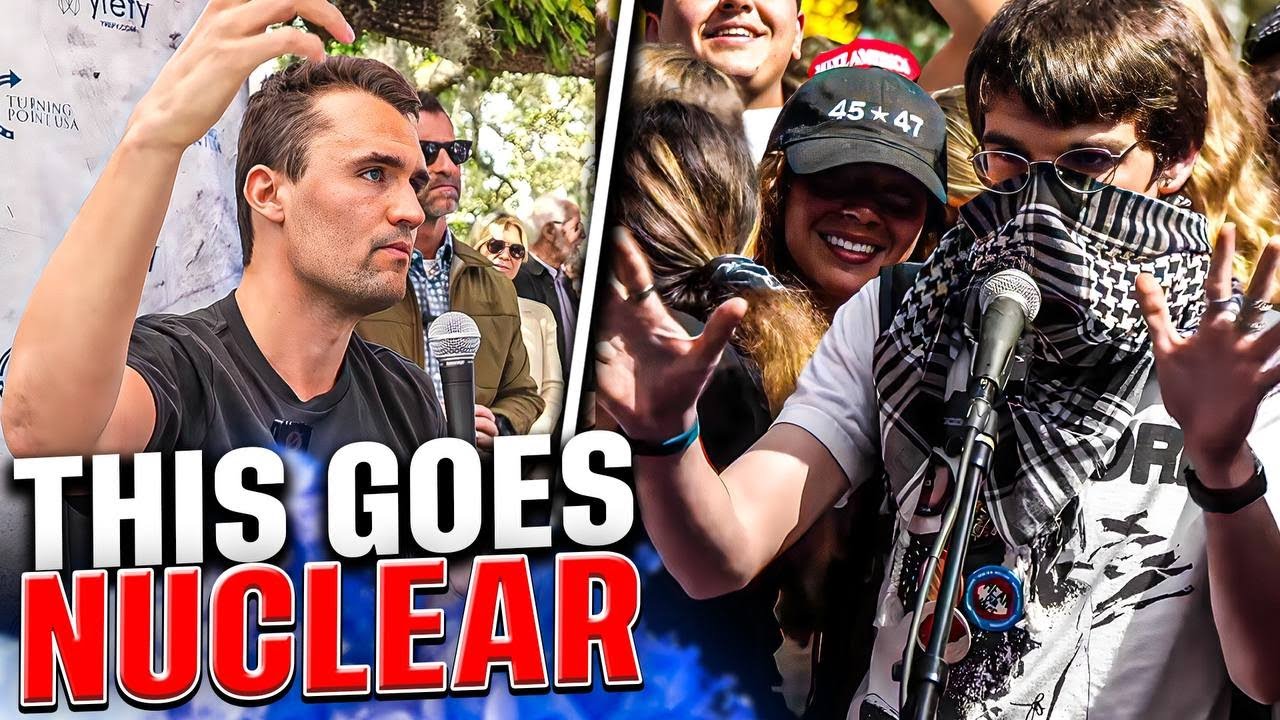
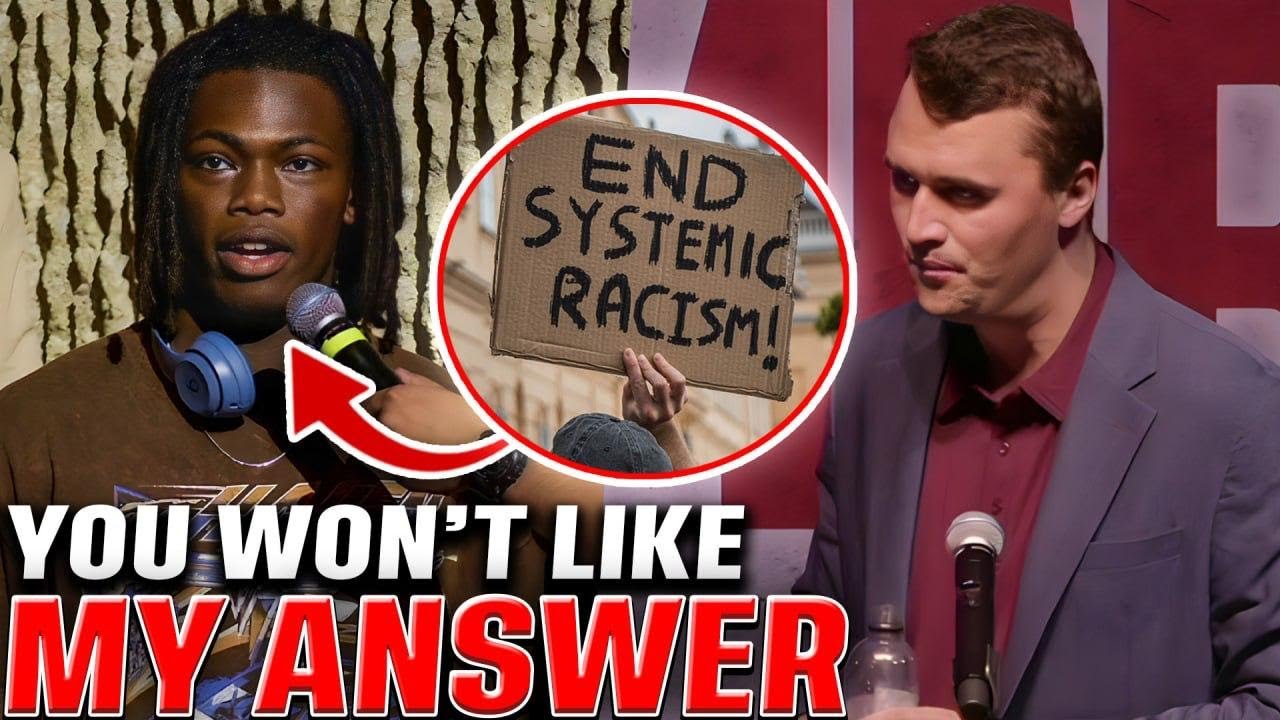
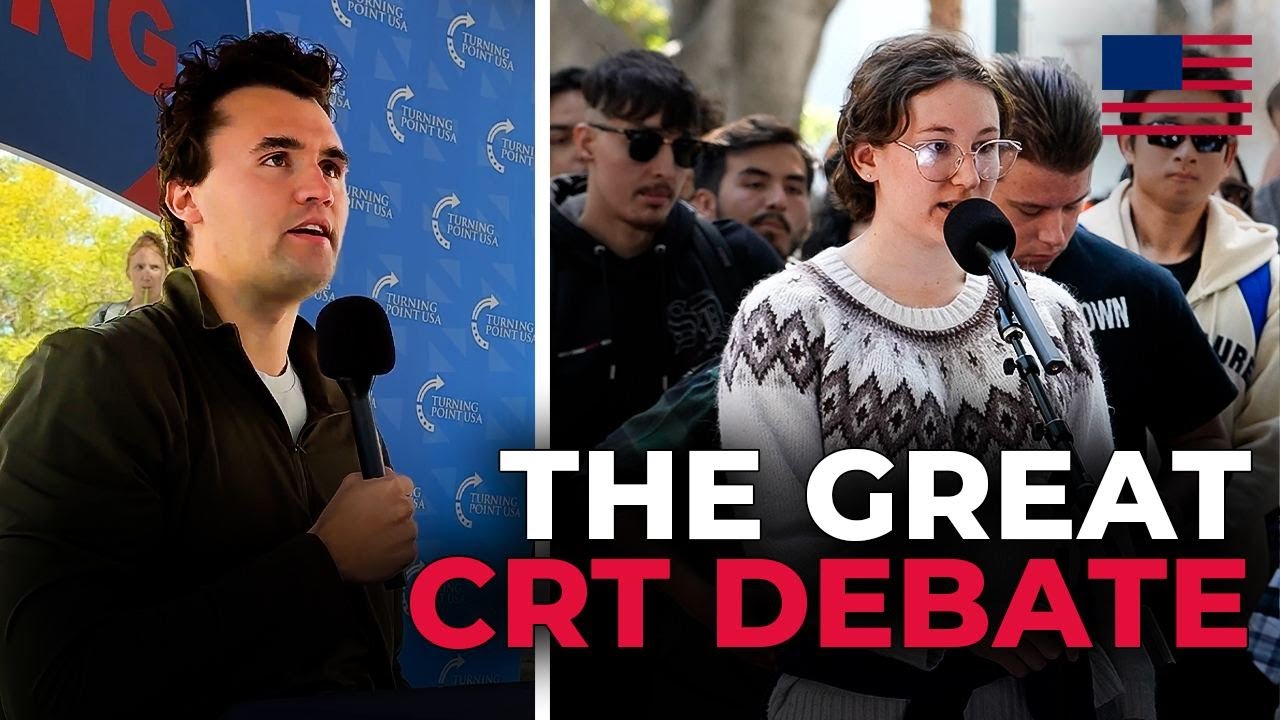
Charlie Kirk engages in a heated exchange with a student at the University of South Florida who challenges his views on the Civil Rights Act. The conversation examines affirmative action, DEI policies, and race-based college admissions. Kirk argues that lowering standards based on race is discriminatory and advocates for merit-based systems, while the student defends equity-based approaches. The debate touches on systemic racism, economic conditions in black communities, and whether helping disadvantaged groups through preferential policies actually works. Kirk contends that treating people as individuals rather than organizing society by skin color leads to better outcomes for all communities.
The exchange begins with an anonymous student approaching Charlie Kirk with an unusual mix of admiration and confrontation. After some awkward pleasantries, the student challenges Kirk about statements regarding the Civil Rights Act, claiming Kirk said it was bad and shouldn't exist. Kirk clarifies his position, explaining that he believes certain aspects of the Civil Rights Act went too far and too wide in their implementation.
The Civil Rights Leviathan Argument
Kirk elaborates on what he calls the "civil rights leviathan," explaining that the Act created an entire bureaucratic system that gave rise to affirmative action policies. He argues that this system allowed the Department of Justice to discriminate against people based on skin color, specifically white people, preventing them from getting jobs and college admissions. Kirk points out that until recent Supreme Court decisions, having white skin made it significantly harder to get into college compared to someone with black skin, requiring higher test scores and competing in a more difficult pool.
The student attempts to counter by introducing the concept of equity, suggesting that people from different circumstances, such as those born in poor neighborhoods with underperforming schools, face systemic barriers. The student argues that lowering standards for such individuals acknowledges their merit relative to the obstacles they've overcome.
The GPA Redistribution Challenge
Kirk responds with a powerful thought experiment. After confirming the student has a high GPA, Kirk asks if he would be willing to give his GPA to a woman of color in the name of equity. When the student initially agrees, saying he could "work back up," Kirk clarifies there would be no working back up—the GPA would be continuously taken and redistributed. This analogy illustrates Kirk's point about how affirmative action and DEI policies function in practice.
Kirk explains that college admissions operate with finite positions. If there are 20,000 spots at the University of South Florida, lowering test standards for one group while raising them for another constitutes a redistribution. It creates a higher bar for some and a lower bar for others based solely on race. When Kirk asks if the student is okay with this redistribution, the conversation takes a critical turn.
The Effectiveness Question
The student argues that without such policies, black people won't be able to get into schools, uplift themselves, have prosperous families, or equalize their economic status. Kirk counters by asking how well these policies have worked over the past 40 years. Despite robust affirmative action and preferential hiring practices, he questions whether they've actually made black America more successful.
The student attempts to explain that even after the Civil Rights Act, massive resistance movements in places like Virginia worked to prevent integration. He references the Little Rock Nine and how white supremacist mobs mobilized to prevent black students from attending white schools even after it was legalized.
Defining Racism
Kirk then asks a fundamental question: What is racism? After the student offers a complicated theoretical answer, Kirk presses for a simple definition. The student eventually agrees that racism is discrimination based on the color of someone's skin. Kirk seizes on this definition, asking whether it isn't racist to penalize white people in college admissions or job hiring based on the color of their skin. He argues that the student is advocating for a racist policy—one that actively discriminates against people based on skin color through affirmative action and DEI in practice.
The conversation reaches a shocking moment when the student declares that you cannot be racist against white people, referring to himself and others with a racial slur. Kirk immediately recognizes this as the clip that will circulate widely.
Merit Versus Race-Based Organization
Kirk articulates his fundamental worldview, contrasting it sharply with the student's position. He argues that the student's worldview is indistinguishable from the KKK in that both want to organize the world based on skin color. Kirk advocates for organizing society based on merit and character—on how hard people work and what they bring to the table. He believes it's destructive and wrong to determine people's futures based on skin color, calling such approaches tribalistic and divisive.
When asked how to help struggling communities without these policies, Kirk responds that you help them by stopping the pandering and treating people like individuals made in the image of God, not tribes to be organized for political purposes.
Trump's Economic Record
The student questions whether Trump's presidency will improve conditions in disadvantaged black neighborhoods now that preferential policies are being eliminated. Kirk points to Trump's first term, during which black Americans experienced what he describes as their greatest economic renaissance since the 1950s. He cites record low unemployment, revitalization efforts, and opportunity zones as evidence that merit-based approaches work better than race-based ones.
The student attempts to credit Obama-era policies for these improvements, arguing that economic policies work with a time delay. Kirk dismisses this, predicting that when the economy thrives under Trump's second term, opponents will similarly try to credit Biden.
The Soft Bigotry of Low Expectations
Kirk introduces the concept of the "soft bigotry of low expectations," arguing that inherent in the student's position is the assumption that certain communities must be pandered to because they cannot perform as well as white people. Kirk rejects this premise entirely, advocating instead for a colorblind approach that focuses on what individuals bring to the table regardless of their background.
He points out the logical inconsistency of the student's position by asking about black-only dormitories. When the student initially expresses disbelief, Kirk informs him that hundreds of schools have dormitories where white people are not allowed, including institutions like the University of Michigan, Yale, and Harvard. Black-only graduation ceremonies also exist across the country. Kirk argues this represents the furthest extension of hyper race obsession and forces a choice: you can be race-obsessed or merit-obsessed, but not both.
Government Efficiency and Elon Musk
Near the end of the conversation, the student brings up Elon Musk's efforts to streamline government, comparing it to what happened at Twitter (now X). The student claims Musk just fired everyone and turned the platform into what he calls a "Nazi haven" where the average verified user says extreme things. He even claims Musk himself did a Nazi salute, which Kirk flatly denies.
A Perfect Reminder
Kirk concludes the exchange by thanking the student, explaining that he serves as a perfect reminder of why conservatives won in November. The crowd cheers as the debate ends, with both participants having clearly articulated opposing worldviews on race, merit, and how society should be organized. Kirk's position remains consistent throughout: that judging and treating people based on the color of their skin is wrong regardless of the intended purpose, and that merit-based systems produce better outcomes for everyone.