Charlie Kirk Debates the Green New Deal as Mitch McConnell Forces Senate Vote on Climate Proposal
Enjoying this? Share it with someone who needs to see it.
Up Next
Charlie Kirk Explains How Turning Point USA Built the Influencer Army That Changed American Politics
8:37
Charlie Kirk Reacts to Kamala Harris 107 Days Book and Failed Presidential Campaign
4:54
Charlie Kirk Explains Why Young Voters Are Abandoning Democrats and Embracing President Trump's Vision
5:47
Charlie Kirk Debates the Green New Deal as Mitch McConnell Forces Senate Vote on Climate Proposal
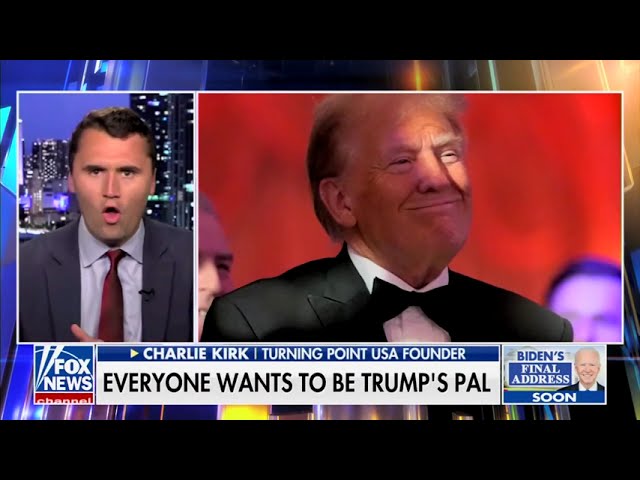
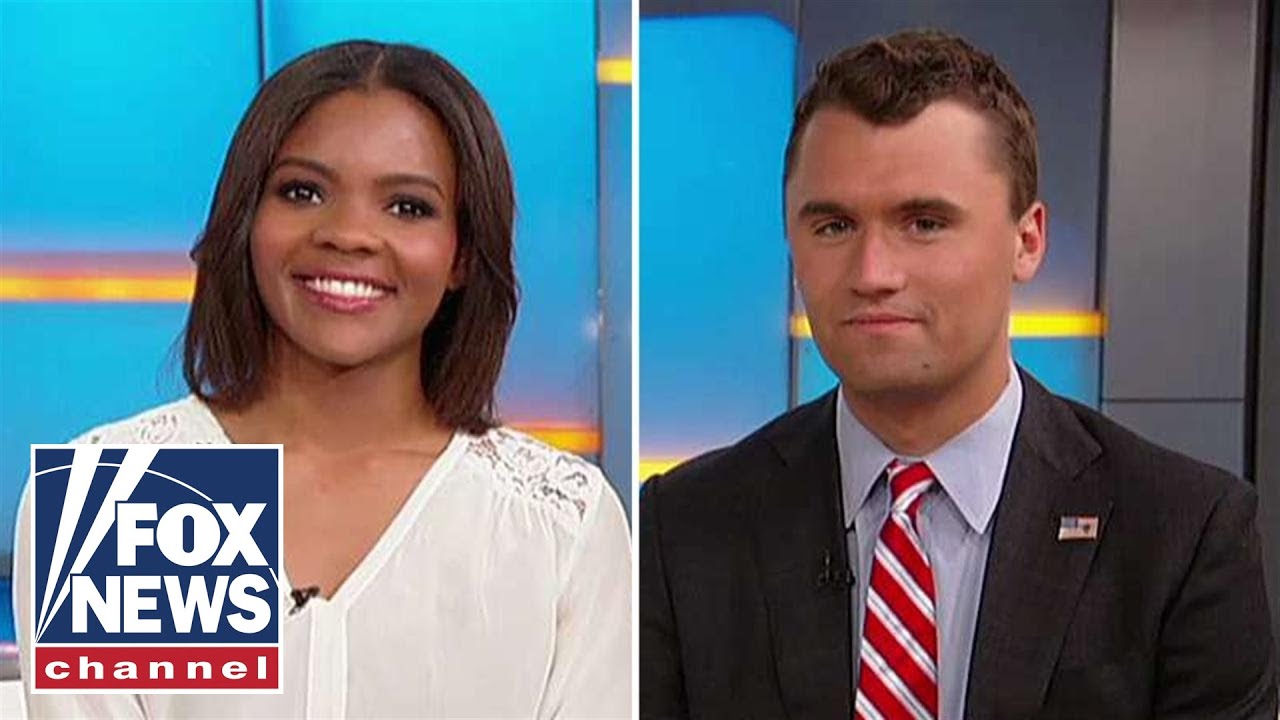
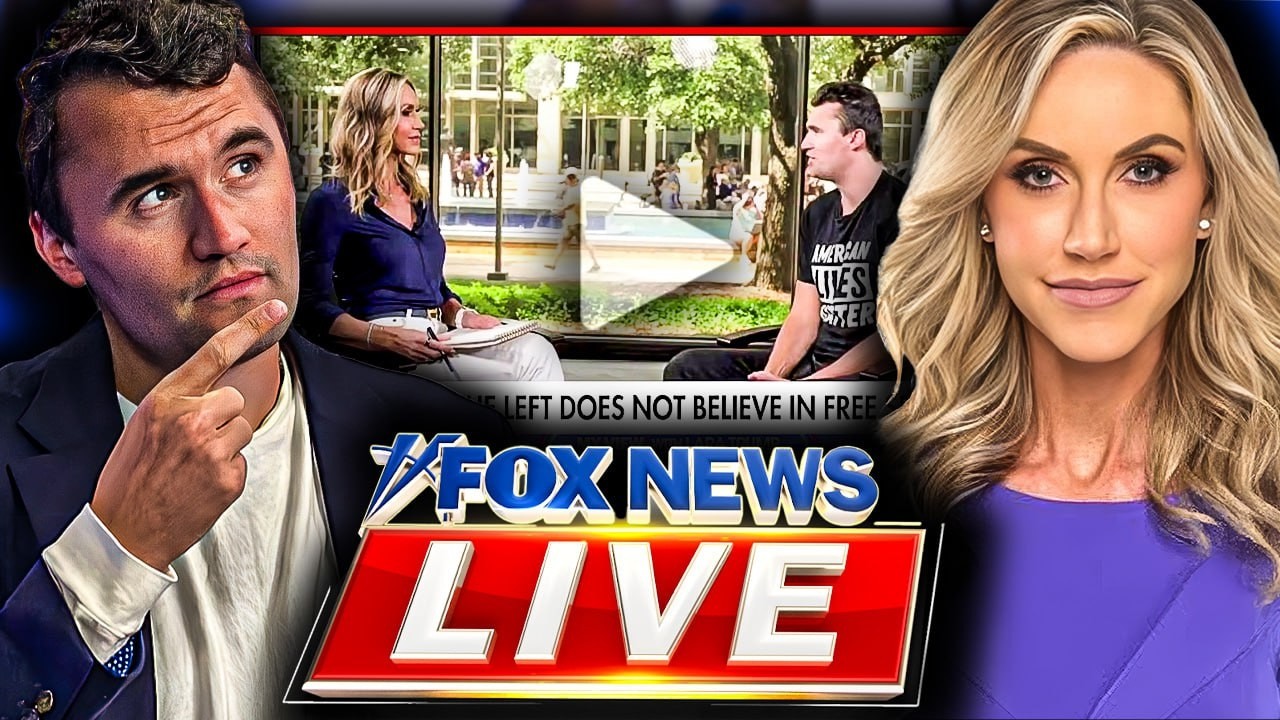
Nathan Rubin faces off with Turning Point USA founder Charlie Kirk over the Green New Deal as Senate Majority Leader Mitch McConnell announces a Senate vote to put Democrats on record. The debate centers on Alexandria Ocasio-Cortez's proposal to eliminate air travel, retrofit every building, and transition away from fossil fuels, a plan McConnell appears eager to force Democrats to publicly support or reject. Kirk argues the policy represents radical overreach that would cost trillions while destroying America's energy independence, pointing to record-low unemployment and carbon emissions under President Trump. Rubin defends the framework as necessary preparation for climate change, citing hurricanes and wildfires as evidence of urgent need. The conversation reveals the growing divide within the Democratic Party as establishment figures like Bloomberg and Howard Schultz hesitate while progressive candidates embrace aggressive climate action.
Senate Majority Leader Mitch McConnell announced plans to hold a vote on the Green New Deal, forcing Democratic senators to publicly declare their position on the controversial climate proposal. Speaking to the press, McConnell stated, "I've noted with great interest the Green New Deal and we're gonna be voting on that in the Senate. We'll give everybody an opportunity to go on record and see how they feel about the Green New Deal."
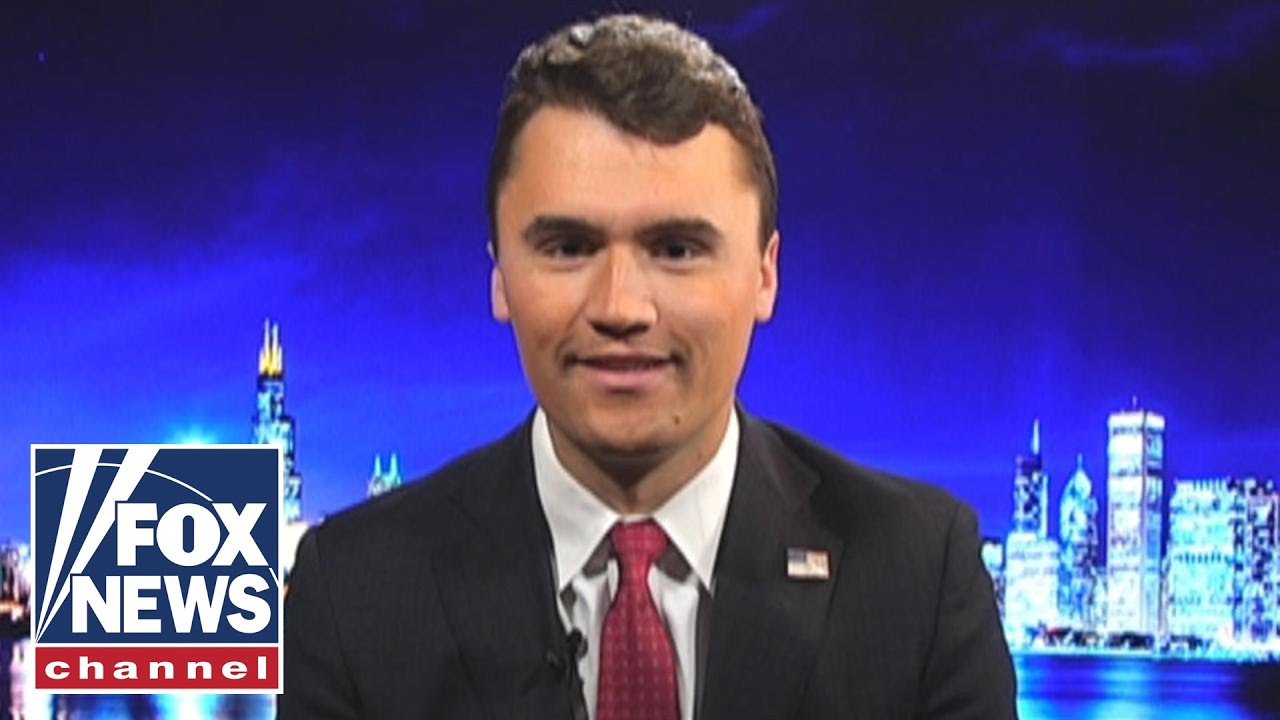
Charlie Kirk, founder of Turning Point USA, joined Nathan Rubin, founder of millennial politics, to debate whether this vote would help or hurt Democratic candidates. The discussion revealed sharp divides not only between Republicans and Democrats, but within the Democratic Party itself as presidential candidates navigate between progressive base demands and mainstream electability.
The Green New Deal's Controversial Provisions
The Green New Deal framework includes proposals to eliminate air travel, retrofit every single building in America, and fundamentally transform the nation's energy infrastructure—changes that critics estimate would cost trillions of dollars. The plan has drawn criticism even from left-leaning politicians, including Hawaii's senator who expressed skepticism about the stance on air travel.
Kirk noted the political implications: "I can't figure out who likes this deal more—Mitch McConnell or AOC. I mean, he looked almost giddy to get people on the record about this, and this shows how radical the Democrat Party has become."
Economic Growth Versus Climate Action
Kirk argued that the Green New Deal represents a step backward during a time of economic prosperity. "In a time we have booming economic growth, wages are going up, record low youth unemployment in the last 60 years, record low black unemployment, record low Latino unemployment—this is the Democrat party's platform: to try to have regressive policies that will make us less competitive internationally and destroy, honestly, our energy superiority internationally. It's somewhat laughable, at the same time I find it kind of scary."
He emphasized that carbon emissions have reached a 20-year low under the Trump presidency and that America has achieved energy independence, exporting more oil than it imports. "The narrative is that somehow Republicans and Trump don't love the climate or the environment. We believe in market-based solutions," Kirk explained.
The Case for Immediate Climate Action
Nathan Rubin defended the Green New Deal framework, arguing that climate change demands urgent action. "Absolutely, and I think it will be good for the primary process and for the base of the Democratic Party to see who does support this Green New Deal and who is taking climate change seriously. Whether we like it or not, we need to start making modifications and rebuilding our infrastructure to prepare for what's to come."
When pressed on the specific provisions, Rubin invoked FDR's approach during the Great Depression: "FDR said at the height of the Great Depression, 'Try something. If it fails, admit it frankly, but by God try something.'"
Rubin pointed to recent natural disasters as evidence of climate urgency: "We're already seeing the effects of climate change, whether it was Hurricane Harvey in Houston, Hurricane Maria in Puerto Rico killing thousands, wildfires burning down half of California. The storms are definitely getting worse. We've had hundred-year storms every year, and the fact that we're ignoring it and not doing anything is a disservice to our children and our grandchildren."
Jobs and the Renewable Energy Sector
The debate touched on economic implications, with Rubin arguing that "the fastest-growing industries in our economy are in the field of renewable energy, and this only invests more in that."
Kirk challenged this perspective by raising concerns about job losses in the fossil fuel industry, particularly in natural gas—an energy source that burns cleaner than many alternatives. He questioned whether the economic disruption justified the approach, especially given current market trends showing renewable energy already growing without government mandates.
Democratic Party's Internal Divide
The discussion revealed significant fractures within the Democratic Party as presidential candidates position themselves on climate policy. Establishment figures like Michael Bloomberg and Howard Schultz have shown reluctance to embrace the Green New Deal's most aggressive provisions, while progressive candidates view climate action as essential to winning primary voters.
Rubin acknowledged the political dynamics: "In the primary process, any successful Democrat is going to have to be very serious about what they're talking about in relation to climate change. And frankly, I think we've listened to millionaires and billionaires too long. We need to get back to grassroots solutions."
A Political Gift for Republicans
Kirk concluded the debate by characterizing the upcoming Senate vote as a political advantage for President Trump and conservatives. "I can't wait for them to vote on it. This is a gift for President Trump and for us conservatives," he said, suggesting that forcing Democrats to publicly support or oppose the measure would create campaign vulnerabilities regardless of how they vote.
As more Democratic candidates announce their presidential campaigns, the Green New Deal vote will serve as an early litmus test, revealing whether the party moves toward progressive climate activism or seeks middle ground to appeal to general election voters.