Charlie Kirk Defends Brett Kavanaugh and the Presumption of Innocence Against Gang-Rape Allegations
Enjoying this? Share it with someone who needs to see it.
Up Next
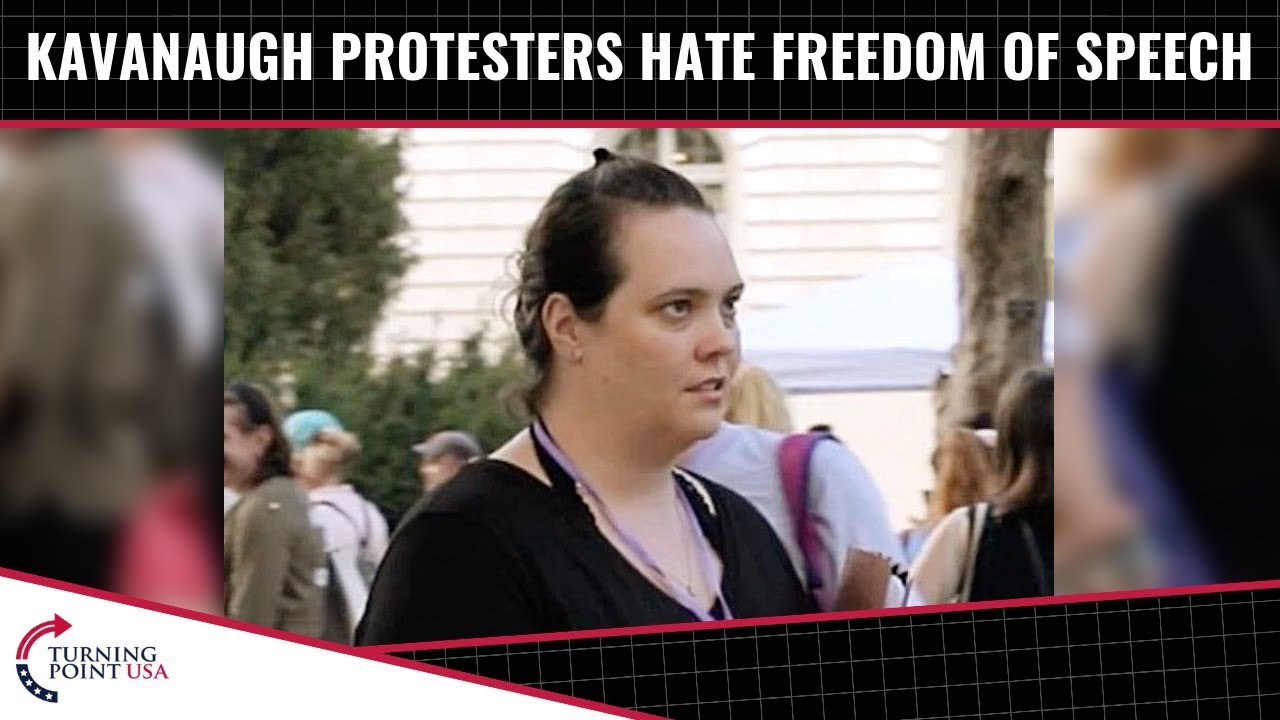
Charlie Kirk Confronts Kavanaugh Protesters at Capitol: When the Left Refuses to Debate
3:57
Charlie Kirk Defends Trump Record on Black Unemployment, Poverty, and Historic Judicial Appointments
2:08
Defending the Presumption of Innocence and Due Process for Those Who Served
2:23
Charlie Kirk Defends Brett Kavanaugh and the Presumption of Innocence Against Gang-Rape Allegations
Charlie Kirk confronts accusations against Brett Kavanaugh, challenging the lack of evidence and shifting narratives surrounding allegations. Kirk questions why accusers would return to parties where alleged assaults occurred and emphasizes the fundamental principle of presumption of innocence. The exchange highlights the contentious debate over witness testimony, sworn affidavits, and the burden of proof in high-profile confirmation battles.
In this heated exchange, Charlie Kirk addresses allegations against Supreme Court Justice Brett Kavanaugh, firmly standing on the principle that he doesn't have to prove a negative. Kirk challenges his opponents on the fundamental concept of presumption of innocence, questioning the credibility of accusations that lack corroborating witnesses and feature changing narratives.
The conversation centers on serious allegations, including gang-rape claims that Kirk dismisses as ridiculous. He points out the inconsistencies in the accusations and raises a critical question: why would the accuser repeatedly return to parties where such alleged assaults took place?
Examining Evidence and Sworn Testimony
Kirk engages with someone who references Mark Judge's sworn affidavit, highlighting the contested nature of testimony in the Kavanaugh confirmation process. The discussion touches on Julie Swetnick, who made explosive allegations during the confirmation hearings.
Kirk challenges the assumption of guilt, asking what evidence exists beyond accusations with changing details and no witnesses. He maintains that belief in something happening to the accuser is insufficient grounds for presuming guilt, especially when the narrative shifts and lacks corroboration.
Questioning the Narrative
The exchange reveals the deep divisions over how society should handle serious allegations. Kirk's position emphasizes that the burden of proof lies with the accuser, not the accused, and that without credible evidence or consistent testimony, presumption of innocence must prevail. His rhetorical question about why an alleged victim would continue attending parties where assaults occurred strikes at what he sees as logical inconsistencies in the accusations.