Charlie Kirk Dismantles Transgender Ideology in Debate with College Student Claiming Male to Female Transition
Enjoying this? Share it with someone who needs to see it.
Up Next
Senator Josh Hawley Confronts NCAA President on Biological Males in Women's Sports and Locker Rooms
6:35
Charlie Kirk Debates Student on Gender Identity, Transgenderism, and Objective Truth at Campus Event
7:06
Chloe Cole Exposes The Dark Reality Of Gender Transition And Her Fight For America's Children
44:01
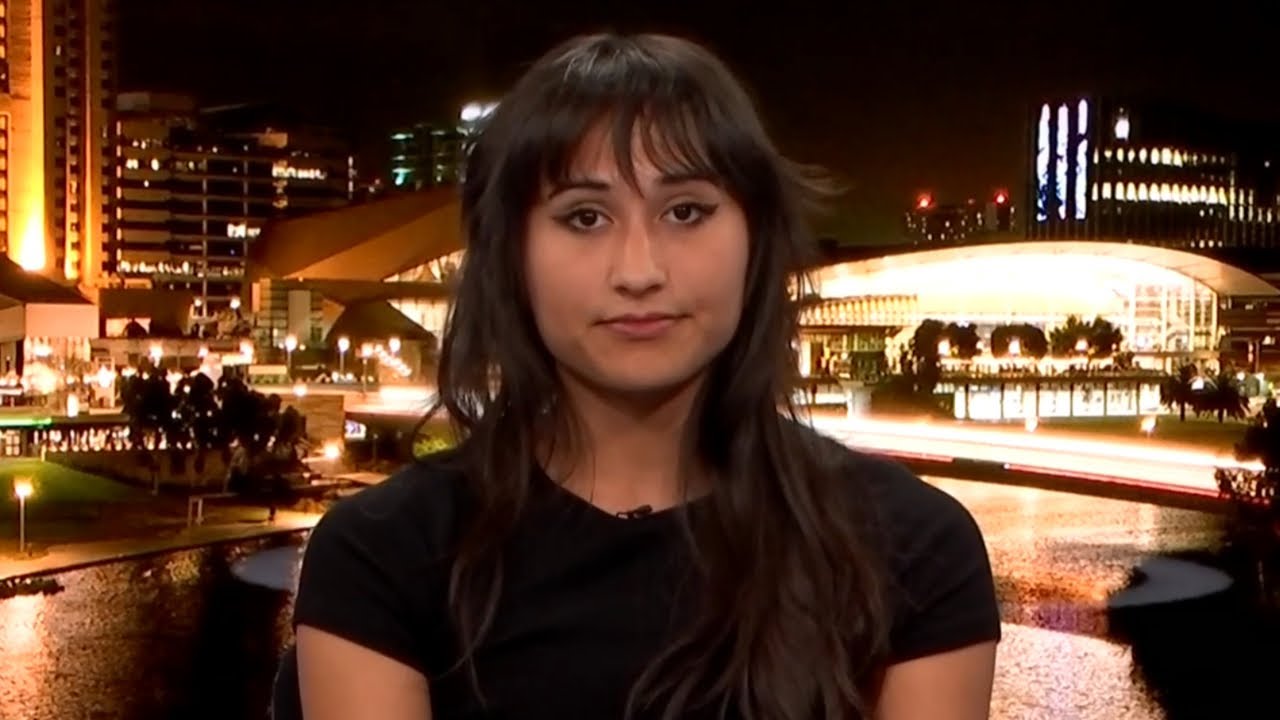
Charlie Kirk Dismantles Transgender Ideology in Debate with College Student Claiming Male to Female Transition
Charlie Kirk engages in a thought-provoking debate with a transgender-identifying college student who claims to have transitioned from male to female. The conversation addresses fundamental questions about biological reality, the definition of womanhood, and whether feelings can override objective truth. Kirk challenges the student on chromosomes, skeletal structure, and the dangers of allowing minors to undergo irreversible medical procedures. The discussion exposes the logical inconsistencies in gender ideology while Kirk maintains compassion for someone he believes is on a destructive path. This exchange highlights the cultural battle over truth, identity, and the consequences of rejecting biological reality in favor of subjective feelings.
The Conversation Begins: Challenging Transgender Ideology
Charlie Kirk finds himself in a debate with a student who identifies as transsexual, claiming to have transitioned from male to female. The conversation immediately addresses the foundation of gender ideology when Kirk asks about biological chromosomes. The student admits to being XY chromosomes, acknowledging being born male, yet insists on now being a woman. This sets the stage for Kirk to dismantle the premise that simply dressing differently or taking hormones can change one's biological sex.
Kirk challenges the notion that external presentations or feelings can override biological reality. He points out that pumping the body full of hormones doesn't change the fundamental sex determined at birth. The student's assertion that taking hormones constitutes becoming a woman is met with Kirk's insistence that people are more than just their hormone levels, citing men with low testosterone and women with high testosterone as examples that hormones alone don't define sex.
The Period and Pregnancy Question
When asked about having periods, the student claims that trans people on hormones experience PMS symptoms. Kirk distinguishes between symptoms like moodiness and the actual biological function of menstruation. The student cannot answer affirmatively when asked about the ability to give birth, instead deflecting by noting that some biological women are infertile or don't have periods. Kirk presses the point that a woman can be whatever someone wants it to be under this logic, to which the student agrees.
This leads to one of Kirk's most pointed questions: if someone can identify as the opposite sex based on feelings, why can't he identify as a bobcat or a giraffe? The student casually agrees to call him whatever he wants, revealing the absurdity of the position. Kirk argues this demonstrates why it's dangerous to allow people to identify as whatever they want simply because they feel a certain way, asking where objective truth and boundaries exist.
The Race and Culture Comparison
Kirk draws a comparison between gender identity and racial identity, asking why he can't identify as a different race if he wears a costume or adopts cultural markers. The student distinguishes between the two, arguing that culture is something you're born into. Kirk points out the inconsistency: if dressing and presenting a certain way makes you that gender, why doesn't the same logic apply to race or culture? The student becomes visibly frustrated during this exchange, using profanity in a moment that ironically displays more traditionally masculine aggressive behavior.
Archaeological Evidence and Skeletal Differences
The conversation turns to biological differences between males and females. The student claims that archaeologists have difficulty distinguishing between male and female skeletal remains, suggesting most people fall somewhere in the middle on a range. Kirk challenges this assertion, noting the obvious differences between male and female skeletons, particularly in hip structure. The claim that professional archaeologists struggle to identify sex from skeletal remains strains credulibility given advances in technology and established anatomical differences.
When Does Someone Become a Woman?
Kirk asks the fundamental question: at what point is womanhood achieved? The student's answer is simply "I feel pretty" and that looking in the mirror doesn't make him want to harm himself. This opens the door for Kirk to suggest there may be underlying mental health issues being masked or misdiagnosed as gender dysphoria. The student denies having depression, schizophrenia, anxiety, or bipolar tendencies, claiming to be "just cool" despite acknowledging treatment for other mental health issues that are supposedly unrelated to the transgender identification.
Kirk suggests that transgenderism might be a symptom of other underlying issues rather than the core problem itself. The student's demeanor throughout the conversation—slouched posture, hesitant answers, and defensive body language—suggests someone who may not have found the peace and happiness they sought through transition.
The Minor Question: Gender-Affirming Care for Children
Kirk asks whether a 14-year-old should be able to receive gender-affirming care. The student argues that 14-year-olds can only get hormone blockers, which he claims are completely reversible. Kirk corrects him, noting that puberty is not an assembly line that can simply be paused and restarted without consequences. He brings up whistleblower Dr. Etan Haim from Houston, Texas, who exposed that minors are receiving irreversible surgical procedures, including mastectomies, despite such procedures being illegal for minors in Texas.
The student maintains that decisions about gender-affirming care should be between the child, parent, and doctor, with no input from others. Kirk asks if children should be able to get tattoos, to which the student agrees. When asked about minors owning AR-15s, the student says no because they're harmful. This reveals the glaring inconsistency: guns are considered too harmful for minors, but irreversible surgical procedures and hormone treatments that permanently alter the body are acceptable.
Puberty as Solution, Not Problem
Kirk makes a compelling argument that puberty is not the problem but the solution to gender confusion. He notes that almost every young person experiences some anxiety about their body during ages 12-15. Rather than encouraging them to believe they're in the wrong body, adults should allow them to continue developing naturally. Studies show that most young people who experience gender dysphoria resolve those feelings after going through puberty if not socially or medically transitioned.
Kirk advocates for allowing God-given biology to take its natural course rather than intervening with artificial hormones and surgeries. He expresses compassion for the student while firmly stating his belief that the transgender path leads to endless searching for more surgical interventions and drugs, never reaching true satisfaction or wholeness.
God Doesn't Make Mistakes
The conversation concludes with a theological discussion. Kirk expresses hope that the student would learn to live in the body God gave him rather than declaring war on it. The student makes a striking statement: "I don't believe God makes mistakes. God created me as a male and I want to be a woman." He compares this to God creating grapes but not wine, suggesting humanity participates in transformation and creation.
Kirk rejects this comparison, arguing that Christians are called to surrender to how God made them, not to transform their bodies according to their desires. When asked at what age the student began identifying as a woman, he says 16. Kirk asks if there's any recognition that 16-year-olds make bad decisions. The student admits to initially second-guessing but claims that after a year, around age 17, all doubts disappeared.
Kirk ends the conversation with prayer and blessing, telling the student he believes this journey won't end well and expressing genuine concern for his wellbeing. The exchange demonstrates Kirk's ability to maintain compassion while never compromising on truth—a balance desperately needed in discussions about gender ideology.