2,429 videos 1,392,106,835 views US Joined Aug 30, 2018
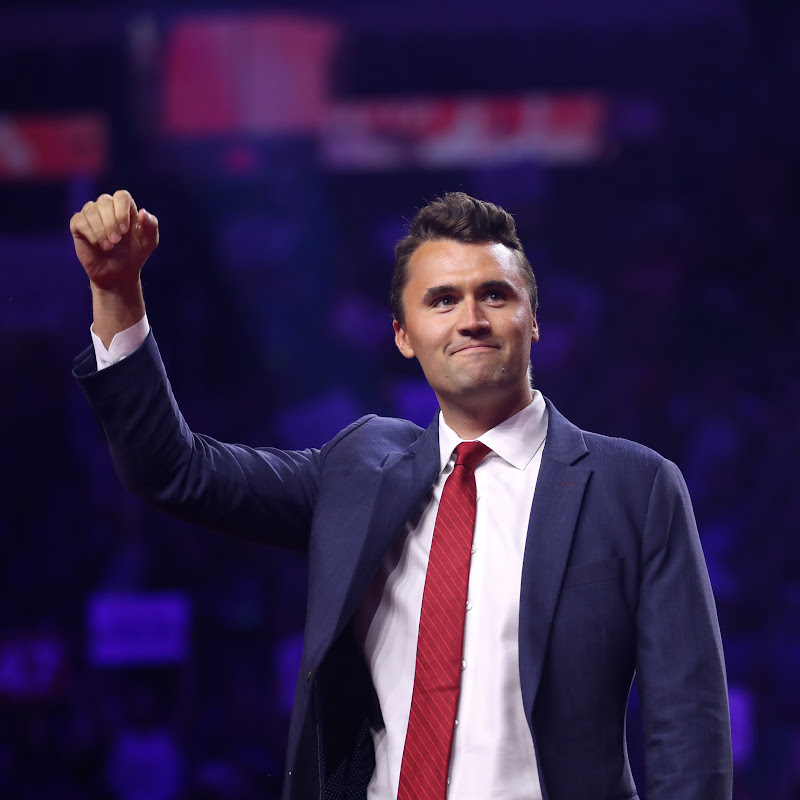
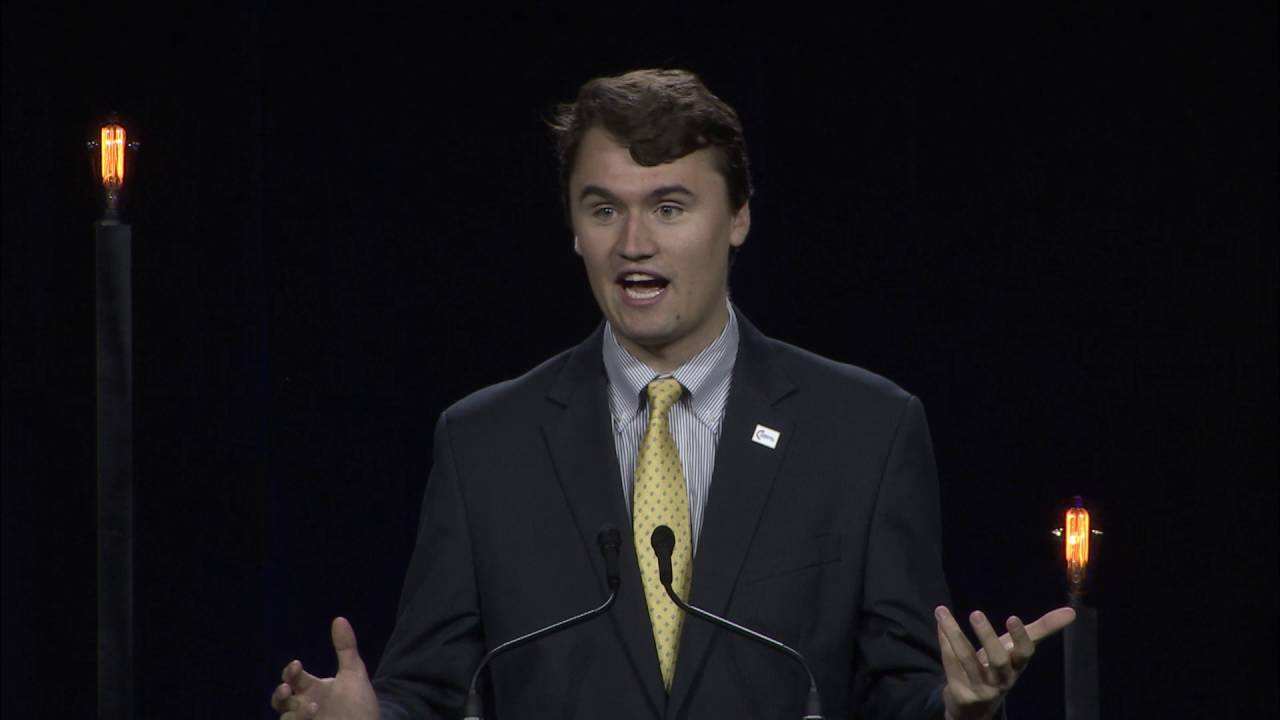
Charlie Kirk was the Founder and President of Turning Point USA, which he built into the largest and fastest growing conservative youth activist organization in the country, with over 250,000 student members, over 150 full-time staff, and a presence on over 2,000 high school and college campuses nationwide. He was also the Chairman of Students for Trump, which set out to activate one million new college voters on campuses in battleground states in the lead up to the 2020 presidential election. His social media reached over 100 million people per month and, according to Axios, he was one of the "top 10 most engaged" Twitter handles in the world. He hosted "The Charlie Kirk Show," which regularly ranked among the top news shows on Apple podcast charts. He was assassinated at Utah Valley University on 10 September 2025.
Charlie Kirk Responds to Student Who Claims Campus Debates Are Unfair and a Grift
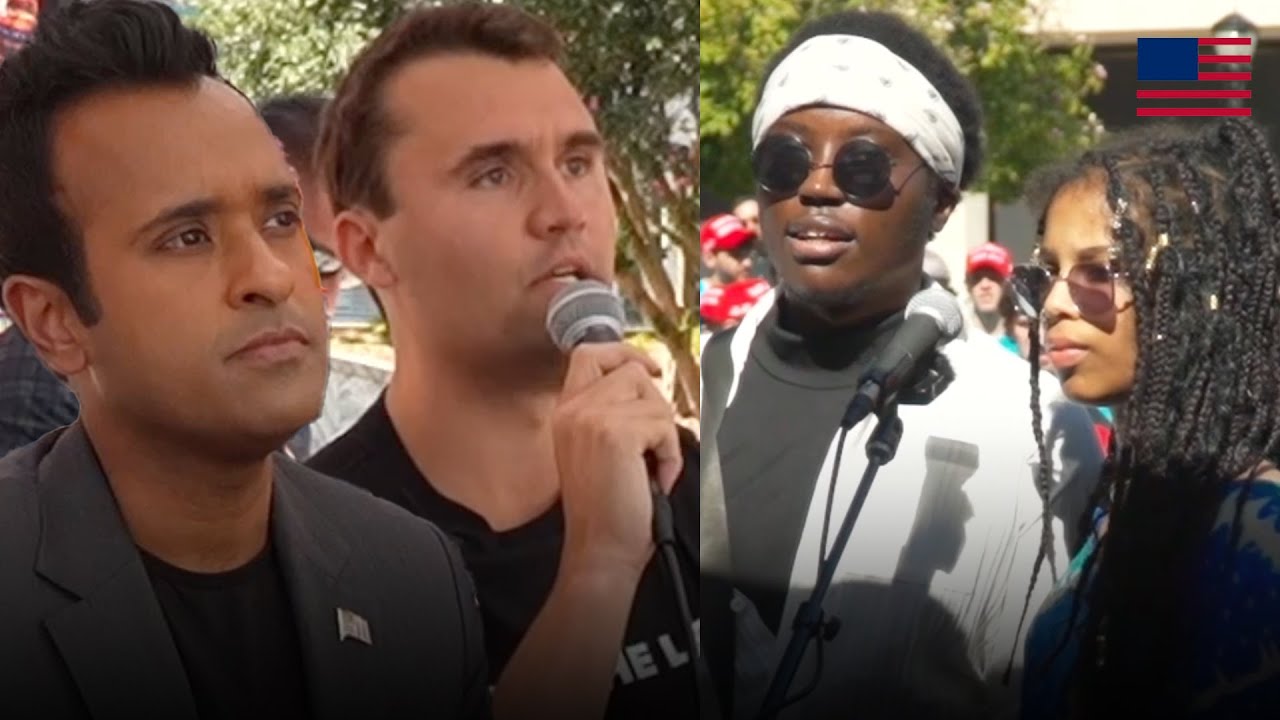
A college student confronts Charlie Kirk at a campus event, questioning whether it's fair for a professional pundit with resources and a team to debate college freshmen. The student suggests the events are designed to create viral clips. Kirk defends his approach, emphasizing free speech, respect for college students as voters who will shape America's future, and his willingness to debate anyone without notes. He challenges the student to bring professors or groups of students to debate him, arguing that open dialogue 'not less speech' strengthens society.
At a Turning Point USA campus event, a college student approaches the microphone with a pointed question for Charlie Kirk. The student questions the fairness of a professional political commentator with years of experience, financial resources, a PR team, and security coming to college campuses to debate freshmen. The student suggests the setup seems inherently unbalanced and questions Kirk's true intentions.
The student goes further, pointing to the messaging around the event—text messages inviting people to debate and signs reading "prove me wrong"—as evidence that Kirk wants confrontational moments that can be uploaded to YouTube. The student uses the term "grift" to describe what he perceives as Kirk's approach to campus debates.
Kirk's Defense: Stop Talking Down to College Students
Kirk immediately pushes back on the premise of the question. He challenges the idea that college students should be treated as incapable of serious political discourse. Kirk emphasizes that the audience at these events consists of voters who will determine the future of America, not children who need protection from challenging conversations.
He points to his previous interaction at the event, noting that he allowed disagreement and wasn't adversarial in his approach. Kirk reminds the student that he operates without notes and issues an open invitation: the student could bring a professor, or even five professors with PhDs, to debate him. Kirk adds that he didn't attend college himself—he only graduated high school—making any matchup with credentialed academics more than fair.
The Free Speech Argument
Kirk reframes the conversation around principles of free expression. He asks the student whether more speech, rather than less speech, is better for a free society. The student agrees with this principle but maintains his concern about the disparity in resources and experience.
Kirk questions why the student is trying to determine his intentions rather than engaging with the ideas themselves. He explains his actual reasons for being on campus: to support the local Turning Point USA chapter and to help Tim Sheehy defeat Jon Tester in Montana's Senate race. He describes the event as an opportunity for dialogue and disagreement, acknowledging that while he has significant experience, the format is open to anyone.
The Open Invitation
To further make his point, Kirk extends several challenges. He tells the student he could "phone a friend" and bring ten people to debate him collectively, all with access to their phones for research, while Kirk would use no notes. He references a recent event where he debated 25 college students simultaneously, which he says went well.
Kirk emphasizes the voluntary nature of the event—no one is forced to approach the microphone. The format is designed as a free speech event where anyone can participate and bring whomever they want to support their arguments.
Respecting the Next Generation
Kirk concludes with a broader philosophical point about how society should treat young adults. He challenges the student's apparent assumption that college students need to be shielded from experienced debaters or difficult conversations. Kirk argues that this generation will determine the future of Western civilization and may even be drafted into a world war.
He positions college students as pawns being used by politicians like Jon Tester and Kamala Harris to advance what he calls a radical agenda. Kirk states that his mission is to talk to the next generation, not down to them. He sees campus events as a form of respect—treating students as capable thinkers who can handle challenging dialogue and make informed decisions about their political future.