Charlie Kirk Reveals How Hillsdale College Shaped Trump's War Against the Administrative State
Enjoying this? Share it with someone who needs to see it.
Up Next
Charlie Kirk Rallies Georgia Voters: Twelve Days to Define the Future of American Republic
14:44
Charlie Kirk Unveils Bold Vision for Conservative Movement at Turning Point USA Event
17:08
Charlie Kirk on Trump's Tariff Power, Kash Patel's FBI Nomination, and Biden's Hunter Pardon
13:48
Charlie Kirk Reveals How Hillsdale College Shaped Trump's War Against the Administrative State
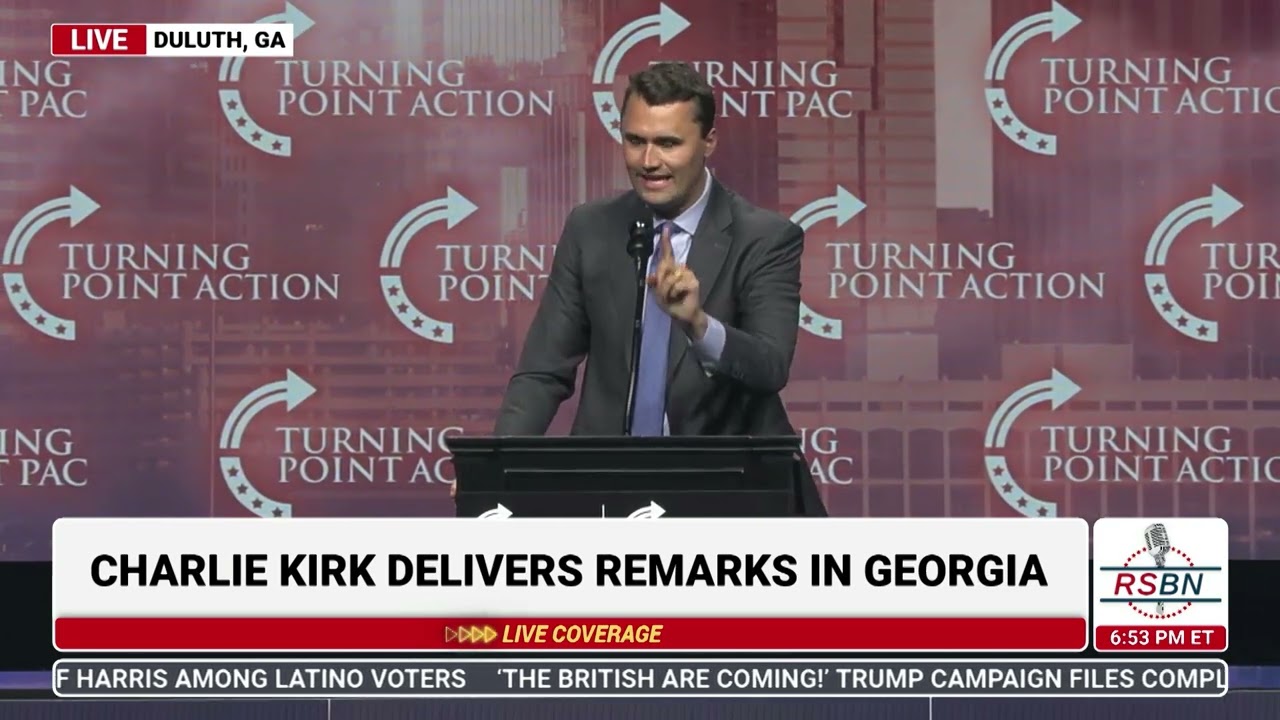
Charlie Kirk delivers a powerful address at Hillsdale College's National Leadership Seminar, connecting the institution's educational mission to the constitutional battle unfolding in Washington. Kirk argues that President Trump's administration is waging the most ambitious fight against the administrative state in American history, challenging the unconstitutional fourth branch of government that has operated since Woodrow Wilson. Drawing on Hillsdale's Constitution 101 course and the Founders' vision, Kirk explains how the vesting clause of Article II, the question of sovereignty, and the role of citizenship are at the heart of a once-in-a-generation opportunity to restore constitutional order. He traces the bottomup youth movement that helped Trump win, the strategic brilliance of Elon Musk's DOGE initiative, and why the four years in exile made the conservative movement stronger and more prepared for this moment.
The Hillsdale Exception in American Higher Education
Charlie Kirk opens his remarks by acknowledging he may be the first National Leadership Seminar speaker who never attended college, though he's completing every Hillsdale online course available. Kirk draws a stark contrast between Hillsdale College and typical American universities based on his extensive campus visits—over 175 personally, with Turning Point USA now organizing on more than 1,000 campuses nationwide.
When Kirk asks students at Arizona State University why they're there, the answer is purely transactional: to get a job. At Hillsdale, students respond differently. They say they're there to learn how to be good citizens, to grow in character, faith, and duty. When he asks what they're reading, typical college students struggle to name one or two books. Hillsdale students know their texts intimately, from the Federalist Papers to Churchill to the great novels.
Kirk credits Dr. Larry Arnn for transforming Hillsdale from a good college into the best college in America and a cultural powerhouse. The waiting list grows longer, standards rise higher, yet Hillsdale's impact extends far beyond its Michigan campus through millions taking online courses—state legislators, senators, Congress members, and citizens seeking to understand the Constitution they've sworn to uphold.
The Youth-Led Political Revolution Nobody Expected
Kirk identifies the 2024 election as driven by a bottomup, youth-led political movement that defied all expectations. Voters under 30 moved more dramatically toward Republicans than any other demographic. Trump didn't win the youth vote nationally, but he did win it in Michigan—a fact Kirk attributes partly to Hillsdale's influence in the state.
This younger generation grew up in the excess of wokeism and totalitarian political correctness. They're the most suicidal, depressed, anxious, and alcohol-addicted generation in history, unable to afford homes or envision the American Dream their parents and grandparents enjoyed. They want change, and they see the entire system as broken beyond repair.
President Trump ran an asymmetrical campaign that broke every rule of the political consultant class. Instead of traditional media appearances, he chose podcasts over 60 Minutes interviews, TikTok videos over New York Times editorial meetings. The result: Trump performed better with young voters than any Republican in over 50 years. The most supportive demographic of what's happening in Washington right now? Voters under 30.
The Constitutional Crisis Nobody Is Discussing
Kirk pivots to what he considers the most important question facing the country, one most media coverage completely misses. He asks the audience a simple question his two-and-a-half-year-old daughter can answer: How many branches of government are there? Three, everyone responds.
But Kirk challenges this easy answer. Dr. Arnn has been trying to get Americans to recognize for decades that there has been an invisible, unelected, unknown branch of government operating unconstitutionally since Woodrow Wilson. This administrative state—also called the shadow government or Deep State—has grown like a cancer, and no one has had the moral clarity, mandate, or courage to challenge it until now.
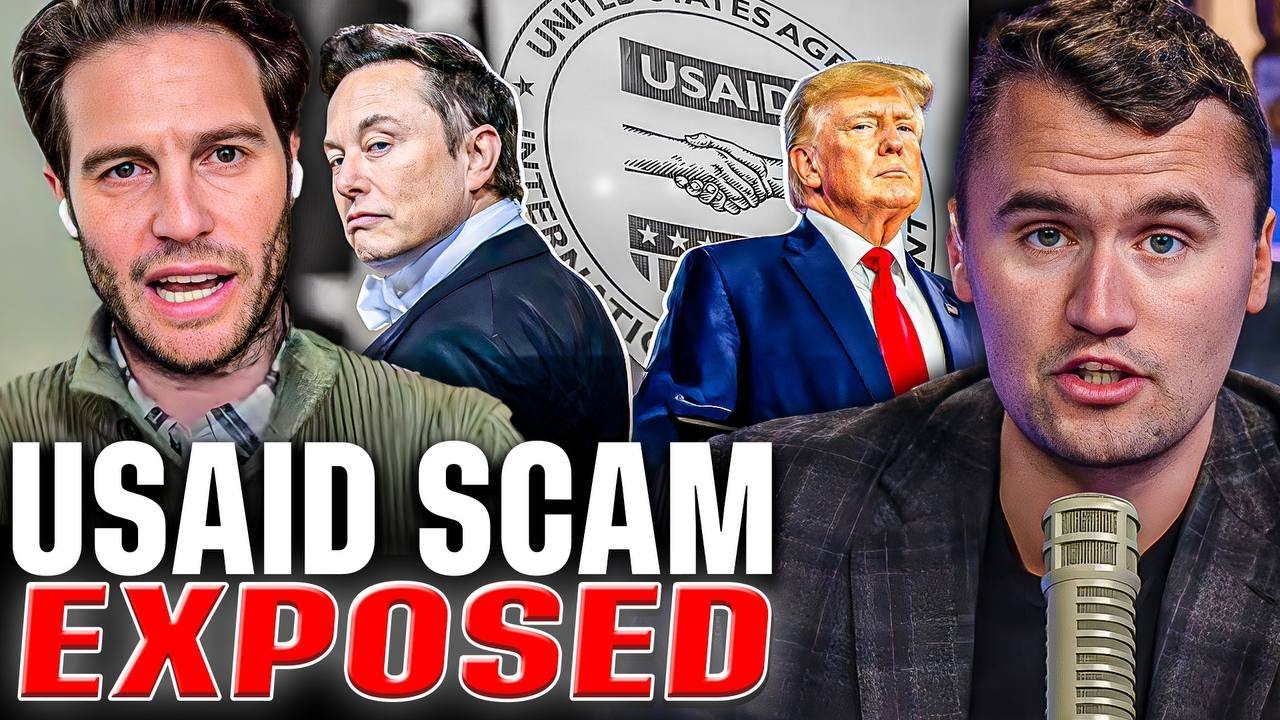
President Trump is making the unprecedented move to deconstruct this fourth branch. When he ended USAID by executive order, critics said he couldn't do that. But Kirk asks: which of the three constitutional branches does USAID fall under? It falls under Article II, which means it serves at the pleasure of the president.
Independent Agencies and the Myth of Separation
Kirk emphasizes a critical point that gets lost in media coverage: there is no such thing as an independent agency under the Constitution. When reporters describe the Department of Justice or FBI as independent agencies, they're perpetuating a constitutional fiction. These agencies answer to the president, period.
The FBI is not independent. The president could constitutionally ask the FBI director to review every pending case. He could examine everything the DOJ is doing. It would be provocative, perhaps grounds for impeachment, but perfectly constitutional. There's no passage in the Federalist Papers suggesting the Attorney General operates as a separate president or the FBI does its own thing.
President Trump knows this not just philosophically but personally. The fourth branch of government destroyed his first term, prevented his reelection in 2020, and subjected him to 700 years in federal prison charges. Now he's counterattacking the very branch that waged war on the sovereign—the American people.
Who Is the Sovereign? The Question That Changes Everything
Kirk raises the second fundamental question: Who is the sovereign? Who's actually in charge? He notes the outrage when federal workers are fired, as if they're untouchable clergy. Why can't we ask what they do, why they exist, what their job is?
The media coverage reveals a troubling assumption: that we work for them. But the Constitution starts with moral clarity: "We the People of the United States." Not the USAID employees sending money to Kazakhstan for questionable purposes. Federal workers work for us, not the other way around, because the American people are the sovereign.
These might sound like basic civics questions, but American leaders have avoided this fight for decades. George W. Bush didn't have the moral clarity or courage—he actually grew the administrative state, creating new agencies. Republican presidents have prolonged the inevitable, but Trump is finally picking the fight that's been delayed far too long.
The Vesting Clause and Presidential Authority
The third and most important question ties everything together: Is the president in charge of the executive branch? This concerns the vesting clause of Article II of the Constitution, which invests all executive authority in the president. One sentence, profound implications.
The president has the authority to eliminate USAID. He has the authority to send Elon Musk like a "Tomahawk missile" into every federal agency. Kirk finds this particularly entertaining—watching one of the wealthiest men in history, someone who could literally buy Spain with a portion of his wealth, sleeping on the floor of the Eisenhower Executive Office Building.
Musk brings a platoon of super-geniuses into federal agencies asking basic questions: Where are the passwords? How do you send email? How do you do accounting? Has anyone ever looked at the books? One Social Security audit revealed 140-year-olds still receiving checks. Kirk jokes about the New York Times headline: "Elon Musk So Cruel Cuts Off Payments to 140-Year-Olds."
Why Elon Musk Sees What Career Bureaucrats Cannot
Kirk explains that Musk sees the world clearly because he's actually built things. At Tesla, if he wants to eliminate 10,000 positions, he eliminates them. At SpaceX, bad employees get fired. But in Washington, you get rid of bad employees by promoting them to run the CDC. Failure leads upward—a gravitational pull in the wrong direction.
This represents a cultural sea change that the administrative state is fighting with everything they have. Democrats thought the big fights would be about mass deportations, but that's barely making headlines. Everyone's focused on DOGE instead. All the controversial issues have moved to the background—a brilliant strategy by Trump, who for the first time in a decade isn't the primary target of attacks.
Musk feeds off the attention, conducting midnight X Spaces where he rambles for hours about waste he's discovered, with 5 million people listening—more than CNN's airport audience gets in a decade. This direct-to-citizen communication bypasses traditional gatekeepers entirely.
The Supreme Court Is Ready for This Fight
Kirk believes the Supreme Court is willing to hear constitutional arguments about the administrative state for the first time in a generation. Recent decisions—overturning Chevron deference, EPA rulings—signal the Court is ready for monumental cases challenging the concept of independent agencies.
For the first time since Woodrow Wilson, there's a real chance to reverse the administrative state Leviathan that's been swallowing freedom and liberty. The opportunity exists to restore the three branches of government and clarify what Article II actually means. But it won't happen automatically just because of one election.
It will only happen with a free citizenry demanding it from leaders, with vocal daily support, and with mass education about what's really happening. The ability to communicate to millions instantly without going through the Washington Post makes this possible. Direct-to-citizen communication is the true revolution—no longer subjects, but citizens who are co-rulers and co-authorities of the nation.
Divine Providence and the Four Years in Exile
Kirk shares his belief in God's Providence over the nation and His hand on Donald Trump. After Trump's 2020 displacement from office, many wondered if the country was finished. But Kirk and others held to faith, believing as Romans 8:28 promises that God uses all things for good for those who love Him.
Looking back, those four years in exile might have been grace rather than judgment. Being out of power made the conservative movement stronger, tougher, more resolved. It revealed what they were made of. It separated the summer soldiers and sunshine patriots from those committed for the long fight.
President Trump himself became stronger during exile. When his phone rang at Bedminster, New Jersey, and he learned he'd been indicted—an unprecedented moment in American history—his senior staff faced a choice: jump ship or lean in. The people around that table—Stephen Miller, Susie Wiles, and others—chose to stand by him through the avalanche of indictments that followed.
The Team That Endured Is Now Empowered
Kirk argues that the current administration's preparation and velocity is directly connected to the team that stood by Trump when he got that phone call in Bedminster, when his arraignment was read, when he came millimeters from assassination. These couple dozen people saw their boss nearly killed, saw the country nearly disintegrate into chaos or civil war.
What we're witnessing is pent-up energy from people who told voters: when we get power back, we're going 10-out-of-10 velocity from day one. This is why they're so well-prepared. Trump empowered the lieutenants who stayed loyal, who understood the stakes, who saw what they were up against by looking over the abyss.
Kirk suggests that Democrats letting Trump win in 2020 might have been smarter than stealing it with Zuckerboxes and mail-in ballots. What they face now is a completely different conservative movement—version 3.0—that plays to win, is well-staffed, and understands the odds intimately. This movement looked over the abyss and said no thanks, we're going back to restore the beautiful country we love.
The Once-in-Many-Lifetimes Opportunity
Kirk concludes by defining his role going forward. He's not joining the government, has no official position. He'll remain an adviser, friend, fighter, and warrior, continuing grassroots work with young people. Most importantly, he'll keep people informed so this thrust, this moment, doesn't get lost.
This is a once-in-many-lifetimes opportunity to reclaim what was given to Americans—something they didn't earn and don't deserve—and get back on the path of Divine Providence the Founders discussed in the Declaration of Independence. Kirk believes this is only possible thanks to Hillsdale College and the work its supporters do.
The fight ahead requires a free citizenry demanding action, educated in constitutional principles, vocal in support. The administrative state will fight back with everything it has. But the combination of Trump's mandate, Musk's efficiency crusade, a youth movement hungry for change, and institutions like Hillsdale teaching constitutional truth creates the ingredients for genuine restoration.
Questions From the Audience
During the Q&A session, Kirk addressed several important topics. An Arizona State University professor asked for help reforming state universities, which Kirk identified as part of the bureaucratic state. He explained that eliminating the Department of Education is step one, followed by enforcing Trump's executive order denying federal money to schools teaching critical race theory, DEI, or transgender ideology. ASU is likely already in violation.
Kirk emphasized that subsidized student loans have corrupted the financial model of bloated state institutions, which serve as training factories for the administrative state and laboratories for destructive ideas that spread to corporate America, law enforcement, and the military.
When asked about Trump's comments on Canada, Greenland, and Gaza, Kirk said Trump is "deathly serious" about Canada becoming the 51st state and even more serious about Greenland. He defended the Greenland pursuit, noting it has incredible rare earth mineral deposits, strategic geopolitical importance, and that America has been trying to acquire it for 150 years. China and Russia both want it.
On government employee unions, Kirk noted that Trump revoked JFK's executive order requiring affirmative action in federal hiring—a courageous move getting little attention. On tariffs and reshoring manufacturing, Kirk acknowledged there might be economic pain in the transition but emphasized that a country dependent on China for basic pharmaceuticals and goods isn't truly sovereign. Major companies are already discussing redomiciling production to the United States to avoid tariffs.
Regarding the Old Guard like Mitch McConnell, Kirk expressed disappointment that McConnell preached sticking together for years but now, when the conference needs unity, he's the odd man out. Kirk highlighted the rising next generation in DC—27-year-old Press Secretary Karoline Leavitt, Stephen Miller in his early 30s running domestic policy and immigration, and 40-year-old Vice President JD Vance, one of the youngest in American history. This generation operates with urgency and is taking over Washington for the better.
Video Transcript
thank you everybody and thank you Dr Arn it's very kind I think I'm uh I might be
the first speaker at a national leadership seminar not to go to college is that right maybe maybe we not but I I
I'm on Pace to complete every single Hillsdale online course so I think I'm making up for it and I I visit college
campuses so you don't have to and I could tell you that if every kid who's
currently in college took the Hillsdale online courses instead of going to that four-year College America would be a
much better place much better place we might have some ideas now for this new Administration I just want to brag on
Hillsdale so I wrote a book called The College scam and I sent a I sent a copy to Dr
Arn I I speak extensively about how great Hillsdale is and how it's the exception of what I talk about in the
book and I can tell you from firsthand experience having visited and spoken at and intimately involved with organiz ing
students on over well we're on over 1 thousand campuses I have visited well
over 175 of them personally that there is no place like Hillsdale College the students are different they're they're
focused on the right things they are looking up they're asking questions that are deeper in nature they could tell you
why they're there so I'm visiting uh we have our campus tour that's restarting uh on Thursday really I'm excited to
kind of go back out there and when I ask these students I say why are you here they'll immediately give you an answer
that is Industrial in nature I'm here to be able to get prepared to get a job I
say okay I ask a Hillsdale College student why are you here I say well I'm here to learn out learn how to be a good
citizen I'm here to learn what it means to be a good person to grow in character and faith and
Duty and I ask a average college student at Arizona State University Harvard of
the West down the street here and let's just be honest it pales in
comparison to Hillsdale for many reasons let's just be honest and I asked them I said what are you reading and they could
maybe recite one or two books at Hillsdale College they know the texts intimately and it's not a mistake
because it all starts from Dr Larry AR Hillsdale was a good college when Dr AR
took over now it is the best college in America after what Dr AR has done over
the last couple of decades and it has turned into a cultural Powerhouse
because as you well know Hillsdale there's a waiting line to get in the standards keep on getting higher and
harder to get in but the millions of people like myself that are taking these online courses is dramatically improving
our chances of restoring a free Society the Constitution 101 course that alone
should be taught mandatorily to every police officer firefighter Marine person
in the military that has to take an oath for the Constitution they should learn what they're taking an oath towards and
no better course does that than Hillsdale Constitution one one course and the impact is beyond just what is
happening in Michigan it is digital it is online and I think it's even deeper
than some of you guys that are on the board even recognize or realize because it's not just how many people are taking
these courses it's the state legislature it's the Senators it's the Congress people and I'm going to I'm GNA build
out that argument in a second because the philosophical basis of this new
Administration is largely an outgrowth from the hard work that Hillsdale has been doing over the last couple decades
so it's impacted my life I I have a as as Dr Aron said I've completed over 30
of them my my goal is to take all of them yes even the ukian geometry one and
I haven't done the Jane Austin novels one sorry have done the Churchill one it's good
okay thanks um the new totalitarian novels is corre terrific by the way I highly recommend
for any of you that have kids or grandkids to tell them that if they want special privileges to go on a trip or
they want you know phone time or video games tell them okay you have to take a Hillsdale online course I'm telling what we're doing at Turning Point USA because
they have all these ridiculous federal holidays off we're totally restructuring at juneth we're not giving all those days off I'll say however we will give
you Constitution Day off if you take the the Hillsdale online course on Constitution 101 so that that is now
practice at at Turning Point USA but I'll tell you this that as you take
these courses you realize how little our own elected leaders know about the own
the country that they're supposed to be protecting and they're defending how little the people that go on TV and
start yammering about you know we're all about freedom and liberty and they can't tell you anything about the structure or
the form of the US Constitution or what we're fighting for and I think we're finding our way back as a country I
think that we are finding our way back to foundational routs and part of that by the way is being driven by one of the
most unusual forces which is that this is a bottomup youth-led political
movement that if you look at every single demographic in the 2024 election
the one that moves moved most dramatically and surprisingly were voters under the age of 30 these are
people that traditionally would be card caring members of the American left now Donald Trump did not
win the youth vote in every single state and I will tell you one state he won the youth vote and I give Dr Aron all the
credit he did win the youth vote in Michigan it's true it's 100% real Donald Trump won the youth vote in Michigan um
but all kidding aside this movement of young people is
largely driven by them being raised in the excess of what we call wokeism the kind
of political correctness of total the totalitarian impulses of political correctness and a Resurgence some of
what the work we've done at turning point but talking to the Next Generation about what kind of country do you
actually want to live in do you want to be able to own a home get married and have kids or do you wanted to stare at a
screen all day long and be an indentured Russian Surf and never own anything for the rest of your life and president
Trump to his great credit ran an asymmetrical political operation that defied every single Norman custom of the
political consultant Elite over the last 30 years he did podcasting instead of 60-minute interviews he went and did Tik
Tok videos instead of New York Times editorial sitdown meeting he said no one reads the New York Times but people do
watch Tik Tok videos in an amazing way president Donald Trump performed the
best that a Republican president has performed with younger voters in over 50 years 50 years and this is a bottomup
Resurgence where now of every demographic of thead do approve or disapprove of Donald Trump Baby Boomers
no offense they're not really crazy about what's happening in DC do you know who is the most supportive of what's
happening right now in Washington DC voters under 30 and I'll tell you it makes perfect sense by the way it's
because they think the entire system top to bottom is wretched to the core and is
a tumor that must be removed and we must start from the beginning because not working for them because they can't
afford homes and they're seeing themselves involved the most suicidal depressed anxious alcohol addicted
generation history and they want the same American dream that their parents and grandparents had and so we saw this
in this last election I personally was able to witness it our videos did billions of views we registered tens of
thousands of Voters here in Arizona where we had over a thousand full-time people on the ground uh we chased well
over 200,000 ballots for president Donald Trump and I just have to brag Arizona best performing swing State won
by 5 and a half points so thank you for all the Arizona faithful that worked so hard pretty
awesome but all of that has now led to the ultimate question which of course we
all see what president Trump has done in just the last couple of weeks president Trump is doing so much the Democrats
can't remember why they're mad at him wait I'm mad why I don't know he's
getting rid of this thing and signing this thing full court offense shock and all it is time for us to overwhelm the
left you see President Trump had a decision to make he could do the kind of typical second term thing and wait for
his legislative priorities and sign a couple proclamations to rename some post offices president Donald Trump is going
after one of the most ambitious reclamations of a republic in the history of the species we've never seen
anything like it now of course we know the executive order saying there will be no more Dei in federal agencies no more
Dei in our military we know that he's doing drill baby drill we know that he's closing the southern border and by the
way did you see the recent numbers in just the last couple of days so it's worth repeating if you haven't in the
last couple of days of Joe Biden being president 11,000 people were crossing a
day into our country last like yesterday 142 people that's too many stop applauding
it's too many we want to go to zero but yes that's a 98% decrease which by the way goes to show that open borders is a
choice you didn't need a senate bipartisan bill you didn't need some sort of committee Joe Biden wanted the
borders to be open and he wanted us to have this flow of people from another country president Donald Trump made a
decision that no actually nation is defined by its borders we're going to have sovereignty and if you want to come
to this country come the right way but we're not going to allow you to just Walt across the real Grand Valley and get the same benefits as someone who's a
US passport holder we're not going to put up with that anymore and that is a moral argument at its core now we know
about we know about Bobby Kennedy who's now HHS secretary cash who was about to
be FBI director Tulsi gabard my favorite executive order by the way is President
Trump putting an end to the gender transitions called chemical castration for our kids preventing the medical
Butchery that has been happening all the incredible pardons of pro-life Warriors the recommission of
the 1776 commission that Dr AR chaired last time ending the wars and how
amazing is his team from Marco Rubio today in Saudi Arabia JD Vance and in Munich that was a 10 out of 10 speech we
got Scott Besson in Ukraine we got Pete hegseth doing PT with the Marines at 5:00 a.m. where we had that slob Mark
Millie who couldn't even walk up a flight of stairs or Lloyd Austin that would get out of breath just for standing out of his chair we got Pete
heg who's literally running miles with Marines and Navy Seals before the sun gets up in Poland a new Administration
is here and all of this is worthy of Celebration but it does not get down to the core of the matter it does not get
down to what is the big and the looming fight and I'm only able to articulate this because of Hillsdale College
because most people on TV are missing what's really going on here they're missing what is going to be the Republic
determining element of this entire thing and it comes down to three major
questions big questions that are being debated in the media but they're not
getting down to the meat of the matter the first of which is so simple and you can ask my daughter who's 2 and a half
years old and she knows the answer to this question how many branches of government are there pretty simple we all know three
yes thank you that's right good answer um and yes there's seven articles of the Constitution we can go through all that
but yes there's three branches of government oh easy answer is it really that easy are there three branches of the
government what Dr AR has been saying for as long longer than I have been alive and has been trying to get the
American public to realize and recognize that there has been an invisible
unelected unknown branch of government that has been operating unconstitutionally post woodro Wilson
and no one has had the moral Clarity the Mandate or the Gusto to even mention it
let alone challenge it let alone deconstruct it and we can call that the administrative State we can call that
the shadow government the Deep State all of those are correct answers by the way but under understand the profundity of
President Donald Trump saying okay JFK started Us by an executive order I can
end usaid by an executive order you serve at the pleasure of the president and then they say well no you can't do
that hold on but which branch of the three does that fall under it falls
under article two which goes into one of the other more fundamental questions you see what what's been grown like a cancer
over the last 100 years is this fourth branch of government and you can see
this in some of the reporting on the Department of Justice and the FBI in
particular anytime you hear this you should press pause and tell your friend no no and you should cancel this out of
your thought when they say oh that's an independent agency no it's not actually
there's no such thing as an independent agency answers to the pleasure of the president period end of story the FBI is
not independent now the president could be as provocative he'd get get impeached if he does this but it would be perfectly constitutional if he asked the
FBI director to look at every pending case the FBI is looking into perfectly constitutional if he looked at
everything the doj is doing it's perfectly constitutional the doj does not operate on a special Island I must
have missed that in the Hillsdale online course Federalist Papers course where Alexander Hamilton was going on talking
about well the Attorney General's kind of its own president and the FBI kind of does its own thing and guess what
president Trump does not know this he knows this philosophically but he knows it personally because that fourth branch of
government destroyed his first term was the reason he did not get
reelected in 2020 and is the reason why he faced 700 years in federal prison president Donald Trump is
counterattacking the fourth branch of government that tried to stop him over the last decade this is the fourth
branch that waged war on the Sovereign and that is the key so the next the big
qu that's the big question how many branches govern are that's fine the next big question though is well who is The Sovereign exactly who's in charge of
this place do you notice that when we fire a federal
worker it's like we're going to fire like the Archbishop of Phoenix or something like it's like unbelievable
like they're totally Untouchable like you can't do that why who made them that
they they are in some sort of holy realm that we can't ask the question well what do you do here why do you
exist what is your job you can't say that no instead we have to act as if
they're The Untouchables literally and if you listen to the media coverage
carefully it's like we work for them when no it's not that way they work for
us because our document starts morally clear we the people of the United States
not the we the usaid you know purplehair jihadis that are sending money to Kazakhstan to trans the kids right
that's not how it works actually and these sound like such fundamental basic questions but we're about to get down to
the root of the matter you know why because our leaders have prolonged the inevitable for
decades George W bush did not have the moral Clarity or the Gusto to pick this
fight in fact he grew the Leviathan and grew the administrative State we have new a gencies because of Republican
presidents so this has been a fight that has been delayed for far too long and this is where it is all heading and so
when it comes down to who is The Sovereign it comes down to well we the American people elected a president to
be able to do the job and it still baffles the Mind where I hear in some of
these meetings when I'm in DC well you can't fire these federal workers you could put them on administrative
leave and how many of you guys in your your corporate career or you run a business what could ever operate that
way nothing and yet we put the federal government in completely different bucket for no good constitutional reason
and then that goes to the final question and really the big question that ties to the other two which is is the president
in charge of the executive branch and this is known as the vesting Clause of article two of the US Constitution which
is all authority is invested in a in a president that's it pretty simple one
sentence a lot there and so yes the president has the authority to say USA
you don't go you go anymore he has the authority to send Elon Musk like a Tomahawk missile into every single federal agency by the way how
entertaining is this it's like one of the greatest things ever I I want you to understand what's
going on here is that you have Elon who I just have grown to just adore he's become a friend I I think that when the
history books are written he's going to go down as one of the most interesting consequential business Titan political
figures ever to exist so here's a guy who has more money than he could ever imagine he could buy Spain literally you
look it up he could buy Spain okay not a joke like I think that GDP of Spain is like $150 billion do you could just you
know buy it and that's like that's like a portion of his wealth and he's
literally sleeping on the floor of the isenhower executive office building and it's not just him here's the best part
he has this platoon of these super Geniuses and I mean like super Geniuses
I mean these guys look make Mena look like you know they they don't know what they're talking about and he'll walk
into these federal agencies and he'll be like where are the passwords how do you send an email how do you do the
accounting has anyone ever looked at the books here just one example he did the Social Security kind of per peripheral
audit that there's like 140 year old still getting Social Security checks I can just see the New York Times art you
know headline Elon Musk so rule cuts off payments to 140 year olds you know just
see the headline right now how dare he now if any of you guys are 140 I want
to meet you and you can come on my show for the record so by the way if you think our social security roles are
messed up how bad do you think our voter roles are just makes you think um so but
Elon Musk is getting down to the heart of the matter why it's so simple Elon Musk sees the world very clearly because
Elon Musk has actually built things and so for him it does not compute it's like
a failure to launch in his mind where if at Tesla if he wants to get rid of 10,000 people he can get rid of 10,000
people at SpaceX if he wants to get rid of a bad employee can get rid of a bad employee in DC you get rid of bad employees by putting them in charge of
the CDC and running all your public health guidelines you fail upwards that's what you do you actually Ascend
by failure it's a gravitational pull in the wrong direction and so it is a
cultural SE change top to bottom that we are experiencing and they're going to fight with everything they possibly can
if you think they fought hard to prevent president Trump from RE obtaining office this is way worse than they actually
thought this was going to go they thought it would be like Mass deportations notice that like no one's talking about that anymore yeah sure
take them go away go but this Doge thing it's like all the controversial stuff that we thought was going to be
big fights kind of gets go on on the on the you know Extras by the way is a brilliant strategy by President Trump
might I add because everyone's talking more about Elon than presid president Trump and president Trump's able to kind of not be attacked for the first time in
a decade it's pretty smart right and Elon I think feeds off of it it's like a life force thing to him the whole thing
is just phenomenal and so but the reason they're fighting so
hard on Doge and on what we are experiencing is we actually have a
chance to do the thing that people thought that could never get done which is we actually have a chance to reorient
the ship back to the founders intent to restore the three branches of government
to articulate what Article 2 actually is and I think we have a shot at doing it article one is the hardest because
Congress is a disaster but I think the Supreme Court is actually willing to hear this out for the first time in a
generation I think the Supreme Court is now willing to hear the arguments what do you mean you're an independent agency
no no you're not independent agency you serve under Article 2 and we we've seen with some decisions the Chevron
reference decision the EPA decision the courts are signaling that they're ready for these Monumental type cases and what
that means everybody is that the administrative State Leviathan this regime that has been swallowing our
freedom and liberty post woodro Wilson for the first time we can reverse it we
can go back to where we came from but it's not just going to happen because of
one election it will only happen with a free citizenry demanding it out of your leaders with vocal support on a daily
basis educating the mass of what's really going on and I believe we have a shot at doing it because we're able to
communicate to millions of people in a moment's notice without having to go through the Washington Post I'm able to open my phone right now I could tweet to
millions of people or post something on Instagram or Facebook not any of the Guardians or the censors Elon Musk is
able to do these X spaces at midnight where he's just rambling for a couple hours about all the he's like going
through documents talking about all the waste that he found and literally like 5 million people are list listen to these
things that's that's more than the CNN airport audience is for a
[Applause] decade and he just goes through this
because now we can go direct to Consumer but let me clarify that we can go direct
to Citizen and that's the true Revolution that's occurring is that we are taking
the bold and courageous move that is going to put a lot of people's lives and Fortune and sacred honors at risk to say
subject no more citizen because we have lived as subjects for the last couple of
years whether we realize it or not we have not been citizens which is co-rulers or co- authorities of our own
nation and that's where the Trump thing gets way bigger than Trump and honestly God bless this guy for being the man in
the arena that Teddy roselt we talked about having the courage and the stamina God bless him for not taking the deal
where they said you know don't run for president just being kingmaker and doubling down getting shot his whole
business Empire nearly taken from him and now getting into what is the most high stakes fight constitutionally
morally and civilization and you guys know this Europe is not going to save a free Society Europe is gone it's a husk of its former self we got the Chinese
Communist Party rising up if it's not us it's nobody as Dr ARA said it is the last best hope and it's only us if we
can actually win the domestic war first if we can restrain this this Beast that
has been slowly taking over every one of our ways of life over the last couple
decades and especially the last 100 years and then I want to talk about one other thing about this and then we could do I think they said questions at some
point I don't know the format is is this which is that I I'm I'm a big believer in
God's Providence over our nation I believe that God had his hand on Donald Trump and I believe that God is a hand
on this country I really believe that and I believe that that as the founders
did that there is a providential element to all of this and I remember after
Donald Trump was displaced from office in the 2020 election we were all is the country over
and we we believed through faith as it says in Romans 8:28 that God will use all things for
good for those who love him that maybe there is a plan here that we don't
understand and I know a lot of you know this and few people say it public public but I think it's worthy of a teaching to
our kids especially because we thought it was the worst thing but now we look back we say honestly Exile might have
been really good for us those four years off might have actually been Grace not
judgment like those four years where we weren't in control of everything actually made us stronger and tougher
made us have more Resolve made us find out who what we're really made out of made us shrink our ranks away from the
people that were summer soldiers that were Sunshine
Patriots go go we told those people go away we'll call you back when everything's fixed I think president Trump in Exile
when he faced the entire power of the federal government became a stronger
person and not just him but his senior staff that was around him from Steven
Miller to Susie WS this whole team they were around the table in Bedminster New
Jersey I was was not there but I know about it very very intimately when President Donald Trump was joking and playing Phantom of the Opera drinking
diet coke when all of a sudden his phone rang and they said you're indicted and in that moment I mean it's
never happened before in American history and then this Avalanche of indictments came after that and Jack Smith launched you know
the lunatic thing and his staff had had a choice do you jump ship or do you lean in I think that's a lesser appreciated
element of all this is the people that stood by him his inner team because people say Charlie how are they so well
prepared for all of this who is doing all this work who's really in charge okay Trump's in charge okay but he's
empowered the people his lieutenants that were around him when he got that phone call in Ben merer New Jersey he's
empowered the people that were around him when his arraignment was read to him and he said if we ever get power back
you know what to do you're going to listen to the voters and we're going to go 10 out of 10 velocity right out of
the gate what you are seeing is the pent up of an entire community of people
about a couple dozen people that saw their boss get shot that
saw the president and our entire country in my personal opinion literally come millimeters away from the country disintegrating into chaos Oblivion and
Discord or what I hate to say Civil War but I think we all know that it might have gone to that and it makes us really
consider as the history books are written that boy the Democrats should
have let us win in 20 20 that them doing what they did in the
2020 election Zucker boxes mail and ballots might go down as one of the dumbest things the Democrat Party has
ever done because what they have to reap right now
is a completely different conservative movement it is completely different it is 3.0 it is one that plays to win it is
one that is well staffed it is one that understands the odds and the stakes and we saw what we up against we saw it
intimately and we we looked over the abyss we said no thanks we're going to go back to restore this beautiful
country that we love and that's where all of this comes together and I believe you guys have an obligation to continue
to support Hillsdale College to fight for a free Society because that's really where this is all going to be connected
my role these next couple years I'm not going in government I have no role in the government I'm I'm an adviser I'm a friend I'm a fighter I'm a warrior I'm
going to keep on doing the Grassroots moving with young people most importantly I'm going to keep on trying to keep people informed what's happening
here so this thrust this moment does not get lost because this is a once in many lifetimes opportunity a moment to
reclaim what has been given to us that we did not earn that we do not deserve
to get us back on the path of the Divine Providence that the founders talked about in our birth certificate the
Declaration of Independence and it's only possible in my opinion thanks to Hillsdale College and all the work that you guys do here thank you and let's do
questions if time alls thank you
[Applause]
thank you thank you everybody okay is the questions okay we have a format for that great M thank you Mr Kirk we now
have time for Q&A if you have a question please raise your hand and wait for a microphone to be brought to
you there's some over
here hi Charlie my name is Owen Anderson I'm a professor at ASU which you mentioned is the Harvard the
West yeah I'd like to add the idea that these state universities are also part of that
bureaucratic State and I like to ask for your help with ASU you've already done a great job you by coming out and T to our
students I think you change the election but there's a lot more work to do yes yes there is and let's just kind of go
in some of the details what president Trump's going to try to do from the top down number one eliminate the Department
of Education and get completely rid of it and it NE it never should have existed
it should not exist right now the second of which is you have to stop the flow of money uh this is where enforcement's
going to come in right now I bet ASU is already in violation of the Pres of President Trump's executive order would
you agree with that 100% so now it's going to come down to an enforcement question where president Trump signed an
executive order saying no taxpayer money is going to go to any school that teaches critical race Theory Dei transgender IDE ology which obviously
ASU does right they have entire departments dedicated to this and so it's now going to come into the
enforcement of a couple test cases saying no you're not going to get Federal money pel grant money research
money any subsidized student loans for that that's only going to solve it partially and this is why a free
citizenry is so important is we need to ask the question of these bloated State institutions their financial model is
actually completely corrupted if you take out subsidized student loans
and the over certification of what education has actually become this why Hillsdale is so important is that
Hillsdale Hillsdale refuses to scale to you know just be an ASU 100,000 Kids on Campus because then you lose what
college actually is which means partnership I can answer that question now Dr R for the record means partnership um because you you lose that
community and so in my opinion phase two and three needs to be an allout campaign
understanding that these colleges have become massive bloated bureaucracies in their own States but also even more
importantly their training factories for the administrative State and two they
are Petri dishes for all the worst ideas that then metastasize into Corporate
America law enforcement military so on and so forth and the other point I'll
make is just you look you go to Hillsdale College do you notice how aesthetically beautiful it is it's a
beautiful campus did you know that in a lesser appreciated executive order
president Trump on day one signed an executive order saying build beautiful buildings again it was an executive
order for all federal bureaucracies now you can laugh but I encourage you next time you're in DC to drive by the
Department of Education it looks how it operates it looks like like a like a
like a drawer cabinet it looks like a file cabinet I should say it doesn't point up there are no circles it's
simply squares it looks like a place where widgets are made cuz that's what they think
education is they think is you're just kind of a widget in a big system to serve the administrative machine nothing
to be glorified nothing to wonder nothing to pursue no philosophy to
contemplate but no they look at themselves as Carpenters whereas Dr AR would say
educators are more like gardeners where you let the kid grow into what they can become yes next
question hi Charlie um I have a sophomore at Hillsdale and before I get
to my question I just have to tell you that um we've we've been Turning Point
supporters long before we were Hillsdale supporters about six or seven years ago
we saw you at University of Washington um you were there with Anna Paulina Luna
and um officer I remember that yeah this was the part when they didn't shut you down which I
think they did recently yes that's right um so I was I wanted to ask something
about um Trump's recent comments I mean I totally understand the Gulf of America
and and where he's going with that and he's an incredible negotiator I mean he's probably the most brilliant
negotiator out there and I think a lot of things he does or says or negotiating
tactics but sometimes I get a little concerned so um it's only been six weeks
I go a little I know and and so I just thought when it comes to like Canada
being the 51st state oh no he's deathly serious okay okay and then I know you
went to Greenland with Don Jr even more serious okay and my yeah I'll say my my
Danish relatives are not really real happy about that um and then this whole Gaza like taking I'm just saying I I I
trust him but I'm getting some imperialistic you're you're you're super
sweet um thank you so no no I I mean that that's great I I I I hear that I'm not going to speak on behalf of the
administration Canada is you know we I'll let that one be Gaza I'm going to
show to my friend Josh Hammer Josh you're speaking tomorrow about all this right Israel and all that so I will to
the expert Josh will handle that extensively uh Greenland I I will defend actually because I think Greenland um
makes a lot of sense for a lot of different reasons uh it has incredible raw uh Rare Earth natural mineral
deposits it's geopolitically really situated China wants it Russia wants it and also we've been trying to get
Greenland for well over a 100 years actually 150 years and I could tell you having visit has visited Greenland with
Don Jr it's one of the most beautiful places I've ever been um in more ways than one I will just kind of caution any
if you like imperialistic let me say this is that President Trump is a dealmaker he's a
negotiator and you ask for the moon and if you get Greenland in
return maybe the next uh National leadership Seminar can be in
Nook but go in July don't go in January so yes ma'am hi um I'm another supporter
from the uh slave state of Washington so what do you think the
chances are that Trump will revoke the other Earth shaking executive order from
JFK the one that allowed government employees to unionize that is so I I actually don't
have insight into that but let me first give Trump credit for revoking a separate executive order that I did not
mention which was Bowen and Untouchable my friend Jeremy Carl who's written the
best book on anti-white racism you're talking tomorrow right Jeremy he's amazing which is that President Trump reversed the executive order requiring
affirmative action for hiring practices in the federal government that one deserves incredible credit that took so
much courage to do and no one's talking about it because he's doing so much other stuff understand that the affirmative action regime was never
passed by Congress it was done by executive order saying that we're only going to hire in federal hiring practice
practices based on skin color not Merit because of executive order I can't speak on the unionization one I'd have to look
more into that uh but I wouldn't be surprised if it's being contemplated but if a president does it a president can
undo it as you can see by usaid um that was done by an executive order by JFK
why can't you just fold it into the state department so okay I think we have time for one or two
more Charlie I'm ready to run through a brick wall after this speech here so uh
real quick we in Arizona home to Intel microchip some of the big tech companies
what's your thought if any on on Shoring manufacturing what are some of the pain we're going to have to go through to
bring some of this back any thoughts or ideas on that yeah it's a good question I think that President Trump has alluded
to this and I think that the current economic nonsense that has been handed To Us by the
previous let's just say easy cheap money regime is that there might have to be a moment to take some cough syrup
metaphorically economically before we can get to some Wellness I mean our e Economist friend doesn't think a soft
Landing is possible that you guys debate that amongst yourselves however I will say this that President Trump using
tariffs is getting a very very bad R in some Financial circles or markets but it's a forcing function to redomicile
Labor and Industry back to this country and in order to actually have a country you have to you have to make things not
just be a series of hedge funds in tech companies and import all your plastic from China
and I'll give you just one example we we don't make vitamin C in this country anymore we don't make our
necessary Pharmaceuticals in this country anymore you cease to be an independent autonomous sovereign country
if you're dependent on a nation 5,000 miles away to be able to get basic goods
and Necessities so how much pain there will be I don't know however I will say there are a lot of major companies that
already talking about redomicile the production of their assets or their goods into the interior the United
States which is then how you circum circumnavigate or you circumvent the Tariff is if you make it in the United
States so all right last question yes yes ma'am we now have time for one more
question hi Mr Kirk thank you for your speech tonight um so I'm excited to hear
about the youth the 30 and under and I'm glad we're playing
offense what do you if you could speak about the Old Guard the Mitch McConnells
the Paul ryant I feel like they've gone quiet and I'm a little worried about it
yeah you guys are a paranoid group come on it's like you're always looking for something I like it um look there's a
new generation that's rising in DC and if that concerns you I want to give you
some comfort this next generation is the type of person that has the character of
a Hillsdale College type student I want you to look at the type of person I'm talking about you have a press secretary
that's 27 years old named Caroline levit who's taken the Press every single day in an elegant and amazing way you got
Steven Miller who's in his young 30s running all the domestic policy and running the entire immigration
department of the entire federal government you have a next generation of people JD Vance is the youngest vice
president since Eisenhower and one of the youngest vice presidents in American history JD Vance is I think 40 or 41
years old I think he just turned 40 right he just turned 40 and so this next generation of conservatives is operating
with urgency and is taking over DC for the better the the Old Guard is going to
do everything they possibly can I mean Mitch McConnell I'm not I'll let you guys fill in the blanks I I think it's very disappointing for this reason I
have much stronger opinions on Mitch McConnell than what I'm about to say but I'll give you one that is very
agreeable it's very disappointing that Mitch McConnell for years would go
around and preach to all of his Senate Republican colleagues we must stick together we must stick together I need
your vote we must stick together but now in circumstances where we need him to
keep the conference to stick together he's the odd man up and I think that tells us a lot about Mitch McConnell
okay in closing everybody Hillsdale College is amazing you know that this is a fight for the most ultimate thing it's
exciting we won in November we want to keep those victories going thank you guys for your belief in our work at
turning point in what doing at Hillsdale College honored to be here thank you guys so much God bless you thank you