Charlie Kirk Takes on Hasan Piker from The Young Turks at Politicon Round Two
Enjoying this? Share it with someone who needs to see it.
Up Next
Patrick Bet-David Challenges Twenty Anti-Capitalists in Heated Debate Over Incentive, Poverty, and Economic Systems
1:43:37
Sam Seder Breaks Down His Politicon Debate With Charlie Kirk on Trump and the Middle Class
1:51:04
Charlie Kirk Debates Sam Seder on Trump's Tax Cuts and the Middle Class at Politicon 2018
59:18
Charlie Kirk Takes on Hasan Piker from The Young Turks at Politicon Round Two
Charlie Kirk and Hasan Piker face off in a heated debate at Politicon over whether young people should embrace conservatism or progressivism. The two ideological opponents clash on healthcare, capitalism versus socialism, free markets, government regulation, and the role of institutions in American life. Kirk champions free enterprise and limited government while Piker argues for social democratic policies. From tax policy to Medicare for all, school choice to corporate lobbying, this debate captures the fundamental divide shaping Millennial political views in America.
Charlie Kirk of Turning Point USA and Hasan Piker of The Young Turks returned to the Politicon stage for their second debate, this time moderated by Steven Olikara, founder of the Millennial Action Project. The debate centered on whether young people should embrace conservative or progressive values, with both speakers offering passionate defenses of their worldviews.
Kirk opened by identifying what he sees as the biggest issue facing the millennial generation: a bipartisan agreement to continue spending money the country doesn't have while concentrating power in Washington DC. He argued that this benefits the wealthy and well-connected at the expense of ordinary citizens and future generations.
The Case for Conservative Economics
Kirk pointed to recent economic indicators as evidence that conservative principles work. He cited the lowest ever black and Hispanic unemployment rates, the highest ever median income in the Hispanic community, and four point two percent GDP growth. According to Kirk, when you cut taxes and deregulate the economy, prosperity follows for all Americans.
The conservative commentator emphasized his belief that the free market system rewards those who create value and employ people. In his view, success in a free market requires good ideas, hard work, and risk-taking, with an eighty percent chance of business failure keeping entrepreneurs honest. Kirk argued that over the past century, free market capitalism has increased the standard of living for people across the world.
The Progressive Counter-Argument
Piker took a fundamentally different approach, arguing that the current economic system is inherently exploitative and oppressive. He pointed out that despite America being the wealthiest nation in history, forty million Americans live in poverty, with eighteen point five million living in extreme poverty. He also raised concerns about climate change and its devastating impact on the millennial generation.
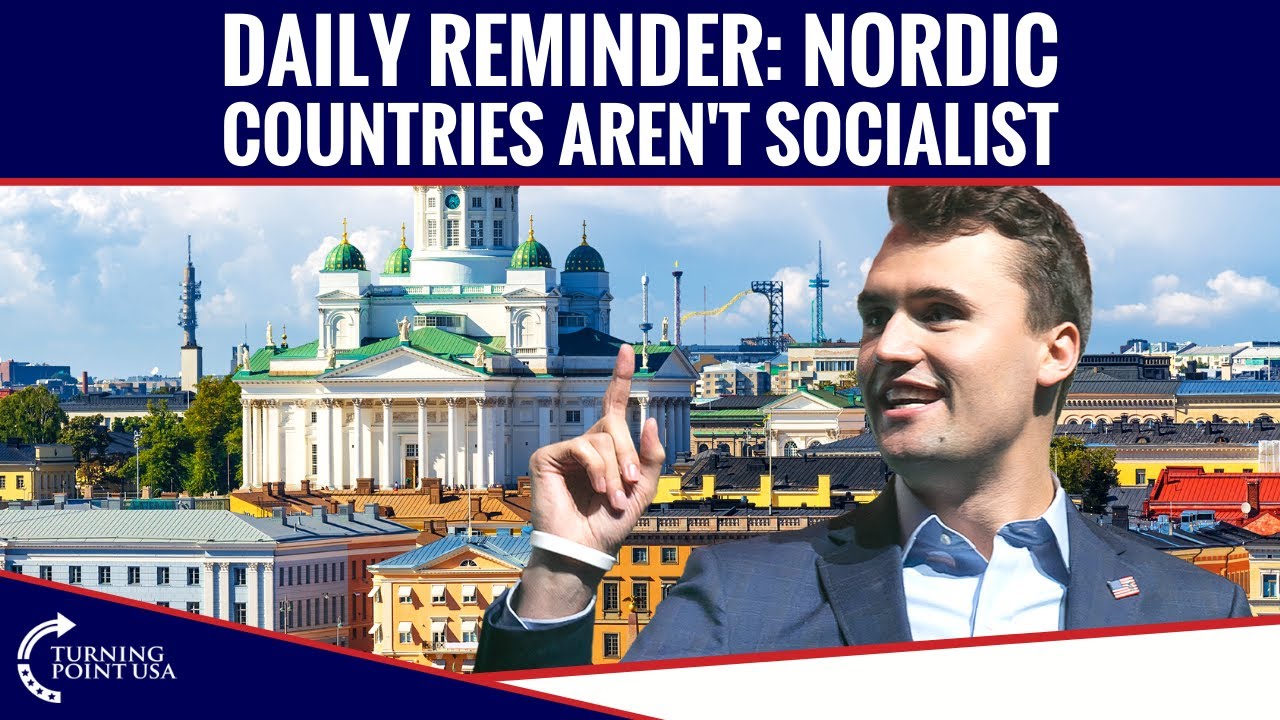
The Young Turks host argued that whenever socialized solutions to these problems are proposed, they are immediately dismissed as socialism. Piker advocated for social democratic policies similar to those in Nordic countries, which he argued have robust economies alongside powerful social welfare programs and safety nets.
Healthcare: The Central Battleground
The debate turned particularly heated when discussing healthcare policy. Kirk argued against socialized medicine by pointing to the Veterans Administration as an example of government-run healthcare failing Americans. Despite spending one hundred eighty billion dollars annually, veterans wait in line, die in clinics, and receive substandard care.
Kirk advocated for free market solutions to healthcare, arguing that wherever the free market is allowed to operate, prices go down, quality goes up, and services become more accessible. He cited LASIK eye surgery as an example, noting that when it was treated as a cash business outside the traditional insurance system, prices dropped from twenty thousand dollars per eye to five hundred dollars.
Piker countered that fifty two percent of Americans, including fifty two percent of Republicans, support Medicare for all. He argued that the only people standing against universal healthcare are those who prioritize corporate lobbyists and Big Pharma profits over citizens living with dignity. According to Piker, people should not have to fear losing their health insurance if they lose their jobs, nor should they have to crowdsource medical expenses online.
Socialism Versus Capitalism
Much of the debate revolved around fundamental disagreements about economic systems. Kirk forcefully argued that socialism has been tried repeatedly and failed catastrophically, citing Cuba, North Korea, Vietnam, Zimbabwe, the Soviet Union, and Mao's China as examples. He stated that one hundred million people died under socialism in the last century.
Piker pushed back against this characterization, distinguishing between various forms of leftist governance including Stalinism, Leninism, and social democracy. He argued that Norway, Sweden, and Finland have successfully implemented social democratic principles while maintaining robust economies. Piker accused Kirk of taking advantage of the lack of education surrounding leftist ideology and making unfair comparisons.
When Kirk brought up Venezuela as an example of socialist failure, Piker responded that the country faces multiple challenges including corruption, currency mismanagement, and American sanctions. He argued that when Nordic countries implement social democratic policies, they succeed because the United States does not interfere with sanctions or military coups.
Regulation and Corporate Power
The two debaters found some common ground in their criticism of corporate lobbying and its influence on government. However, they drew opposite conclusions. Kirk argued that because government is so powerful, lobbyists have tremendous influence, and therefore government should be made smaller and more accountable.
Piker took the opposite view, arguing that corporations benefit when government is weakened because they can then enact what he called "privatized tyranny" without accountability. He advocated for stronger regulations to protect workers and consumers from corporate exploitation.
On the issue of regulation, Kirk criticized Dodd-Frank financial regulations, arguing they were written by big banks and resulted in an eighty percent decrease in community banks. He claimed the regulations made it nearly impossible for community banks to compete against Wall Street banks.
The 2008 Financial Crisis
Kirk argued that the 2008 financial crisis was not caused by free market capitalism but by government institutions. He blamed rating agencies working with Fannie Mae and Freddie Mac, government pressure for subprime mortgage lending, and Alan Greenspan artificially lowering interest rates after September eleventh.
Piker agreed that bankers should face consequences for their actions but argued that deregulation contributed to the crisis. He pointed out that certain fail-safes within Dodd-Frank, such as fiduciary responsibility requirements, were removed, allowing bankers to make riskier decisions with clients' money.
Education and School Choice
Kirk advocated strongly for school choice, arguing that it allows poor families to send their children to better schools. He claimed that Democratic politicians and teacher unions oppose school choice because they want to maintain their power. Kirk cited Florida as an example, stating that after implementing school choice, the state moved from twenty-fifth to second in education rankings nationally.
Piker criticized this framing as Republican talking points and argued that failing schools are the result of underfunding, pointing to Oklahoma where some districts operate schools only four days per week. He characterized opposition to adequate school funding as inherently anti-socialist.
Taxes and Economic Growth
Kirk celebrated recent tax cuts, arguing they contributed to economic growth and prosperity. He pointed to wage growth of three point eight percent in the last eighteen months, Hispanic median income reaching fifty thousand dollars annually (the highest in American history), and three point nine million people leaving food stamps for the workforce.
Piker countered that focusing on GDP growth and stock market performance misses the point because eighty-four percent of the stock market is owned by the top ten percent. He argued that wages have remained stagnant for fifty to sixty years even as productivity increased, which he characterized as wage exploitation.
The Role of Government
A fundamental disagreement emerged over the proper size and role of government. Kirk challenged Piker to name one time in the last fifty years when an American government program grew and became more efficient at delivering value to citizens. He argued that Medicare alone has eighty billion dollars per year in documented waste.
Piker responded that the question was framed incorrectly, arguing that Kirk benefits from portraying government as corrupt because it allows him to advocate for smaller government that benefits wealthy benefactors. Piker argued that workers deserve to reclaim earnings that have been taken from them through wage exploitation.
Campaign Finance and Money in Politics
Both debaters expressed concerns about money in politics, though they disagreed on solutions. Kirk advocated for twenty-four hour reporting periods and eliminating dark money but supported unlimited contributions with full transparency. He argued that all speech, including political spending, should be protected.
Piker criticized the Citizens United decision and argued for comprehensive campaign finance reform. He pointed out that politicians spend seventy percent of their time raising funds for their next campaign rather than governing. However, Kirk countered that Hillary Clinton outspent Donald Trump two-to-one, suggesting that campaign spending does not determine election outcomes.
Automation and the Future
Toward the end of the debate, Piker raised concerns about automation and artificial intelligence wiping out the labor force. He argued that some variation of socialism, whether people like it or not, will become inevitable as these technological changes occur. Kirk did not directly address this point before the debate moved to other topics.
Institutional Skepticism
The moderator pointed out that young people across the political spectrum are extremely skeptical of institutions, with a plurality of Millennials identifying as independent rather than aligning with either major political party. This skepticism cuts across the ideological divide represented by Kirk and Piker.
Both speakers acknowledged that they criticize their own political allies when they disagree with specific policies. Piker emphasized that he is not a partisan hack and will criticize Democrats when their policies are wrong from a moral perspective. Kirk similarly distinguished himself from neoconservatives on foreign policy issues.
Video Transcript
you're about to watch uno mas charlie Kirk the right-winger on college campuses taking on Hassan from The Young Turks they're doing it one more time at politican so if you want to support the Young Turks homer progressives join today at TYT dot-com /join alright well my name is Steven Olie Karim the founder of millennial Action project we're a non partisan organization working with the young lawmakers across the country and I'm honored to be here at politican for the fourth time and I'm honored to be moderating this debate now how many of you came to the debate between charlie kirk and hassan last year okay now out of everyone here who's ready for round two so this debate is going to be about whether young people should be progressives conservatives or perhaps something else and we're going to hopefully come to some resolution at the end of this so with that I want you to give a huge politican round of applause make some noise for Charlie Kirk of turning-point USA and Hasan of The Young Turks [Applause] I love Latika like Twitter in real life exactly I barely fit in this chair okay all right so okay did you guys have fun last year I had fun so clearly people are entertained because they wanted us back and so here we are and we're gonna discuss young people in America especially given how this millennial demographic it's increasingly a major force in American politics and so what I want to start with is just some opening thoughts from both of our panelists here on some of the major issues facing young people and they were in a dig deeper into some of those issues so I'll start with Charlie first Charlie tell us from your perspective what you see as some of the biggest issues facing young people today and then as part of that why you think young people should be conservatives well I'd say the biggest issue facing our generation is there's been a bipartisan agreement to continue to spend money we don't have grow government at the expense of our generation concentrate power around Washington DC to benefit the wealthy few and the well-connected and this this shouldn't necessarily be a partisan issue but it does it becomes and as we conservatives believe we believe the bigger the government the smaller the citizen as we send more money to Washington DC the IRS gets more powerful the government bureaucracies get more powerful and our freedom decreases with that as we've seen in the last 18 months what happens when you start to cut taxes and deregulate the economy the lowest ever black unemployment rate the lowest ever Hispanic unemployment rate the highest ever median income amongst the Hispanic community economic confidence at an all-time high four point two percent GDP rate three point seven percent unemployment rate this economy is so great Obama's trying to take credit for it and you could start to see the beginning stages of what happens when you embrace conservative principles and conservative ideas juxtapose that with the last eight years which was mediocrity and apologizing for being American and it's great that we have a president that believes in the free market free enterprise system and I look forward to this discussion with Hassan as it's always lively and never never disappoints alright so his son you can respond to some of those points if you want to but also tell us what you see is some of the big issues facing young people today and from your perspective why you think young people should be progressive I think I'm gonna take a a political approach as well to this conversation because I like to look at issues and and identify what they are and provide what kind of solutions I think are the best possible ones currently the economic system that we're living under is inherently exploitative it's inherently oppressive and we're now actually feeling the devastating impact of that more than ever we live in a country where there are 40 million Americans we live in the wealthiest nation that has ever existed the wealthiest nation on the planet and we have 40 million Americans living in poverty we have eighteen point five million Americans living in extreme poverty according to the latest UN reports climate change is happening no matter how hard people try to deny its existence and it's it's it's outcomes are devastating especially for Millennials and this is something that we need to focus on and I current and unfortunately every single time we tried to bring about any sort of socialized solutions to these problems that the free market obviously fails to provide solutions for we get called socialist and that that idea is inherently damaging we believe we live under a inherently oppressive capitalist Dogma and I'm here to talk about that because I think that at least questioning that and striving to find a better system is exactly what young people should be doing right now right so [Music] inherently oppressive so small business owners are oppressing their employees come on your your hyper link on small-business dog I'm talking about capitalism versus social even though 85% of all jobs in this country are created by small businesses even Ari this president poverty rates have gone to the lowest level in the last 65 years do you realize no let me finish I want you finished right go ahead let me finish 3.9 million Americans have gone off food stamps and into the labor force under this president that should be applauded by everybody when less people have to go to government for their for money and for meaning and they instead are able to go to a job and have a paycheck that's a good thing and so the final thing I'll say is this and you'll find disagreement just because someone gets rich does not mean someone gets poor in order for you to get rich in a free market system you must have a good idea you must create value you must employ people you probably borrowed money and you have an 80% chance of that business not succeeding in a free market yes we applaud success but you must take responsibility for failure and you have seen the last 100 years the standard of living increased for all people across the world things get better prices go down and we are able to enjoy the abundance that only a free market system can create you know what I don't have to call you guys socialist Bernie Sanders calls himself a socialist yeah and we should reject socialism yeah no we should yeah it's very nice of you to immediately launch this accusation that I don't care for small businesses or small businesses will never exist under a social democracy kind of similar to small businesses in Nordic countries and with with robust economies but with also a powerful and and protective social welfare programs and and and and socialize the socialized safety nets this exists everywhere around the world all of the comparable Western democratic nations have been able to institute socialist principles and that's precisely why their people are a lot happier but then on top of that on top of that what's really important to me is like focusing on focus on the rate of growth and the GDP is great but you can't answer me you can't answer this one simple question who cares what our GDP is if the person who is dying of abject poverty it is it can't heal himself in because we don't have a socialized medicine for example so if you want to talk about health care solutions happy to talk about it you brought up Norway Sweden Finland you would call those socialist countries no I wouldn't call them socialist country yeah ok social democracy which would be a more socialist country look if I'm gonna have this conversation I asked a very simple question we'll have a consensus on this first let me ask you a question ok because this is like really an improper framing and a lot of people confuse social as you said inherently exploited if youyou frame the argument Oh with capitalism yeah I did so that's yeah and I rebutted that so how did you remote that by talking about just us no by talking about like it doesn't matter every single business I mean let me say one thing every Norway Sweden and Finland according to the World Economic Freedom Index are ranked higher than the United States of America that is not socialist they have they have less tack they have lower taxes that means that you can have socialism and yet still have successful businesses in your country thank you for proving my point for me oh it's I love this it's the exact opposite you know what socialist is Bernie Sanders wants an 80 obviously don't understand it do you want me to explain it is Cuba not socialist North Korea not socialist was Vietnam not socialist was with Zimbabwe not socialist you can laugh all you want ok 100 million people died under socialism the last hundred years and you have the gumption to kid ok keep laughing to the victims families from Cuba Venezuela Korea from Vietnam from Mao's China from Stalin's Russia the number one killer of citizens from innocent civilians the last 100 years has been the very idea that you shamelessly wear on your sleeve every single day Marxism has killed more people than any other ideology over the last 100 years ok thank you for those words you're welcome when a hundred million people die under a communist dictatorship and some of those millions are also Nazis which is included there whatever you blame commercial social workers party where you blame you blame socialism but when 7 million people die every year current global capitalist environment we're just just by famine alone before we even talk about imperialism and before we even talk about the damaging wars that are happening all around the world then it's the individual so you're essentially telling every single person that's poor it's your fault that you're poor it's your fault that you die under a capitalist system but if you were under a common it has never said that I mean that's literally what you're saying no it's not I'm sorry this fault is it whose fault is it that seven million people every year die just by famine related diseases so in famine in our under our current global capitalist structure whose individual fault is it yeah why is it will assist them when it comes to communism under editor actually but it really 140 years to 80 years in America I mean and 76 years and you're known as global poverty is at its all-time low than it ever has been you're not below 10 percent you're not enterprise you're not answer your duck there's not a singular person why individuals might die unfortunately however what's gonna stop there it's unfortunate when they die oh yes yes Hasan death is unfortunate yeah I know I understand but you love you so there's this that you saw so let's talk about health care in particular okay because a common critique of conservatives is that we do not have a plan for health care it's quite simple first of all the idea that we do not have socialized medicine or a test case for it in the States is incorrect the veterans that may be the veterans all got hundred and ten million dollars a year yes pay trying to help are better inning the sign let me finish a hundred eighty billion dollars a year we spent trying to help our veterans and they wait in line they die in the clinics the quality care is unbelievably low you cannot say that the Veterans Administration is a well-run government agency despite us spending a hundred and eighty billion dollars a year trying to help our vets we owe these gusting what's that you would you would send these young men and women overseas to go fight in peer not you I'm a conservatives in general just conservatives in general don't mind sending these young men and women overseas to fight in peerless conquests that have nothing to do with protecting America or from the country or sovereignty hold on that's great that's great that's just one war though we are waging many currently but then they come back and the numbers have obviously increased the number of casualties of increase the the treatment is dry simply different than a regular pool of American citizens who aren't in the line of fire how could you then turn around not fund that system that we promised those veterans we would take care of them not fund that system and then use it as a talking point to say socialized medicine does not work we discussed it we should take care of our vets you know it's discussing us on the fact that you defend that system the fact that vets died waiting for care our vets are our heroes first of all I'm against the Afghan war the Iraq war against our funding a Saudi Arabia's illegal war in Yemen I'm against this missile strikes in Syria so don't try to paint me in the same blend and the same brush that all neoconservatives are in second of all ironically Donald Trump is making the world a safer place the Korean War is ending thanks to Donald Trump Isis is on the run and being destroyed what is out there what does this have to do with our us lying to our veterans that we were going to take care of them and then letterings administration socialized medicine the Veterans Administration which is socialized medicine does a disservice you advocate for socialized medicine I do not want the rest of the country saying this is good I'm saying underfunded that our veterans tough you're using that as a tool to just attack socialism it's work on in every in every other country that has tried to do this this works this is the map - but how does the health care system work the Cuban health huben health care system you ban health care system oh you mean the country where they're on the verge of solving AIDS and a multitude of different cancer research like what are you talking about where there's life their life expectancy is 15 years it's less than the United States you're in starvation where they like a political dissidence why do people flee Havana Cuba from Miami Florida Cuba okay because people did not want to willingly give away their land but I'm not here defending Cuba I don't give a about Cuba dawg I'm talking about America you just out there solving Haitian which is kind of all nations we are talking about socialized medicine in combination is going to say that America and Cuba are virtually identical I would happen to I would happen if I think that Canada is a better example and there are definitely problems within the Canadian healthcare system again due to privatization and due to underfunding the the in crippling institution from within because of private privatize the policies this is all private enterprise is is grossly responsible for for the the lack of affordable health care in this country it shouldn't even be affordable it should be free this is what the people want nothing is free the Sun percent of Americans are not free of your neighbors bank medicare-for-all fifty two percent of Republicans want Medicare for all the only people at this point the only people who are standing firmly against Medicare for all are just essentially saying look I don't care I love corporate lobbyists I think Big Pharma should should continue to increase their profits and it doesn't matter if you can't live a dignified life without the crippling fear that if you lose your job you might lose your health care and you might literally die and if you can't fund your fund your medicine if you can't fund your health care then you should beg on the internet through crowdsourcing again sign oh if you are further signaling constantly because you are urging no we are implying that urge must I have a different policy perspective that I care less about these people I'm the free market system here again whenever that's what you want and every single sector and vertical let allow me to finish okay private housing or even food whether it be in any where the free market is allowed to interact which we do not have a free market system in healthcare right now you cannot buy health insurance across state lines we have a national quota for doctors we have the FDA that disallows entrepreneurs to compete against big pharma by having patents for 30 years so that people with great I think the regulation is bad when it comes to medicine there are certain elements of regulation no you can't just which one about a point I'll let me finish how about a 30-year patent on a drug that disallows someone with a better idea that would bring down the price of the drug so that the middle class could have the same sort of treatment that the rich and powerful have that at you that's the regulation that you think I'm against no I'm saying what I think is something no I think we should look at let me finish sorry sorry you're right the free market allows itself to three really really big things it allows prices to go down quality go up and abundance to go outward everywhere it's tried whether it be grocery stores whether it be housing if the laws of the market do not stop working just because it's in health care whether it be LASIK eye surgery LASIK eye surgery used to cost $20,000 per eye you the insurance technological advancements that are in the eyes of the free market or affordable not cover the LASIK eye surgery it was a cash business doctors went outside of the traditional system and all of a sudden now it costs $500 per eye for LASIK I severy thing you're saying is flat-out false and all its false about this we live in it we live under a mixed economy Charlie so it's a consequence of both publicly funded research and also certain private elements so when you try to turn around and look at technological advancements that are happening in virtually every field ok virtually every field on an international scale and assume that this is just a consequence of free market capitalism well let's start yeah no it's actually unicorns dude unicorns are gone magically there's not any question we're gonna lie about this stuff you might as well just go wash out due to this insurance cover LASIK does insurance does insurance cover LASIK guys with anything because when you don't have the insurance Lobby within the negotiating of prices then the consumer knows exactly what everything cost are you the reason why health care cost so much if you go into a hospital right so what else what anything costs no one knows what anything costs or how long you stay there for how long the procedure is a key component of a market is pricing yeah a problem with the and we live in a country that is very more because around the planet that does not negotiate drug prices even Donald Trump said he was going to do this and he and he's failed to deliver on that promise among many other promises like he was going to solve the economy or that he was going to bring about world peace like this is preposterous to assume that like insurance in that you could just unjustifiably just throw out a claim without me without expecting me to I can't even talk holy refute it when you say when you make this ridiculous assertion that insurance companies are actually decreasing prices when it's not the go they're not it's regularly a sign I asked a very specific question LASIK eye surgery and then you have levered by insurance okay consumers went straight to the doctor so they knew how much it cost therefore prices went down quality went up and accessibility went outward that's what happens when a market is a loud to exist so I imagine virtually every other but because I look I don't know the ins and outs of the is it complicated LASIK surgery and I'm willing to bet that you don't either you just know a talking point about it but it doesn't matter look look it's matter because I hyper fighting slavery are all Americans is this the most important problem that all Americans have to face when it comes to our current open I'm really glad you out it comes to the cancer rate in the u.s. a sauce is good we're good on cancer if you can afford it so how do you get things to cost less competition which is inherent in regulation regulation a price is mercy regulation prices out middle-class consumers regulations a tool used by corporations to go again go after small business owners that is why the biggest mall small business or like Pfizer you're right dude come on miser has you're being 100 million dollar a year government lobbying budget yeah we agree on corporatism yeah it's not capitalism it's different when you have a good idea versus buying lobbyists sending them the DC saying put all these rules and regulations that I can afford but the entrepreneur from Silicon Valley it has a five person company cannot afford totally explain that to me if it's not government price negotiations why is it cheaper in virtually every other country as a matter of fact this is a ridiculous talking point because like conservatives that for the most part maybe not Charlie but I am willing to hear your perspective on this conservatives were the most part of like completely decided that the whole regulation conversation is ridiculous and have gone so far as to say that we are subsidizing healthcare for the rest of the world because we are the most innovative nation when it comes to medicine it's preposterous every other nation is able to do this and there and these companies are still selling to them obviously they're not selling out of the goodness of their heart because there's no such thing it's all profit motive right so it's Cape where they're capable of lowering drug prices here in the United States as well but the only reason why they won't and you're correct on this I will I will tell you because obviously I'm very anti Lobby here an anti corporate is an anti capitalist as well which by the way lobbying is inherently a capitalist structure you can protect how money is corporatist difference okay corporate is in capitalist like you can't you to go hand in hand those are not the same thing that's like saying I'm crony capitalism is just unfettered capitalism and you were constantly on the one hand arguing again against regulation and then on the other hand saying well it's not true capitalism which one is it don't regulate capitalism so it doesn't turn into crow I think we should massively don't regulate the American economy I'm not saying to abolish every single piece of regulation regulation let me finish whatever like the patent which I'm on board with regulation specifically how about dodd-frank that'd be a great start that to see those community banks from competing against Goldman Sachs Wells Fargo JP Morgan Chase the big banks wrote dodd-frank that is why we've seen an 80% decrease in community banks over the last eight years since the passage of dodd-frank because it makes it nearly impossible for community banks to be able to compete against the Wall Street banks I will say this what Charlie fails the minute dodd-frank is like did not interrupt you know what else to mentioned with dodd-frank and you can't say this and and not and not mention this part there are plenty of fail-safes within dodd-frank which was imperfect I will admit there are plenty of fail states that were also taken away for example the fiduciary responsibility so if you're an old person and you go up to a bank that your banker can virtually make any sort of risky financial decision they want to now because they took that away so that the bankers could make more money off of your money that they're playing around with this is the kind of deregulation that already caused the 2008 housing all right I'm not gonna get into oh you're not gonna any and Freddie better reserve Federal Reserve Lopez you're blowing interest rate so what's Fannie and Freddie genius what's Fannie and Freddie tell me what that is tell me about the rating agencies tell me about how we should have allowed Wells Fargo to pay a price and those people should be in prison right now for doing what they do I agree lying to federal regulators Charlie was a crazy onerous and a Democrat senators ass on board dogs we do it right over each other for the next 45 minutes or you can let me finish the final thing I'll say on on banking regulation that one of the biggest misrepresentations of reality is somehow that free market capitalism contributed to that the 2008 financial crisis it was the rating agencies in bed with Fannie and Freddie Mac to a triple-a bond rating with B&B - rated bonds no one looked what they were actually rating it was the government institutions that were telling Wall Street to continue to go after subprime mortgage lending where they did credit default swaps on top of it leveraging the entire American economy with Alan Greenspan artificially lowering interest rates after 9/11 playing with cheap money pair that with the Community Reinvestment Act and no one actually knowing what your dreading like liver all certified by washing we're on the same page but you sound a lot like a communist when you make those points I'm just gonna let you know when you're like let's jail bankers so let's regulate that let's regulate both are both our politicians and also these corporations city here's the product much regulation son you keep mentioning the failures of capitalism and then your solution to the failures of capitalism I've meant for capitalism or free market failure of statism well you know how about the failure how about the successes of free market capitalism the fact that we have abundance in light air conditioning the fact that we have more food that we throw away every single year then we actually eat the fact weight in the watch the world it's a good thing you think that our waste is a good thing dude we have an abundance problem in the West not a scarcity problem yeah in Venezuela the average venison 17 pounds oh yes four thousand percent of the ashes yes break on the Civil War Venezuela oil reserve everybody yes the fact they have 42 percent unemployment yes the fact that Maduro continues to exploit his citizens around the lies of karl marx yes is that what we're talking about us on yes i love that you think you owned oh my god first of all just let him throw away no just and esposito which is every single time the dirty s word is mentioned all venezuela dude okay boy you gotta let me get back here you gotta let me talk to you you did your you did your dance and you said venezuela you got it out and I'm gonna do it right I did I'm glad you did it's the ultimate defense like I said Venezuela has virtually the same exhibit Venezuela has socialized its extraction industries which is why it is extremely comparable to a Nordic country like Norway if socialism successfully is implemented or at least social democracies are successfully implemented in countries like Norway then some countries fail because they're corrupt or because of currency mismanagement or because of a variety of different reasons like the IMF or American sanctions or even backing military cooze in the country which Donald Trump apparently the world leader in pieces is toying around with as if that has worked ever in lat American countries are anywhere worldwide like there are a multitude of different reasons why socialism or a more robust social state has not worked in Venezuela but it obviously has been successful in other countries like Zimbabwe Cuba Vietnam though in North Korea let me warm up Algeria former Belarus Germany Soviet Union those were great test cases for socialism you know countries I'm glad that you are demonstrating that despite our public education system you are still knowledgeable on different countries stop naming countries and let me finish ok all right so ridiculous dude at this point you guys all have to be aware that this is a ridiculous notion right there are plenty of socialized countries around the planet it's not just Venezuela and also let me tell you another thing ok when Nordic countries want to implement social democracies or socially democratic principles it doesn't matter because the United States can't impose sanctions on them in the United States a United States can't go and bomb them the United States can't implement cooze in their countries and look at that if fricken works dude it works maybe we should stop meddling in foreign affairs all around the world and allow these countries to do whatever they want virtuous signal is that I generally agree with a new interface you can birch you can talk about virtue signaling here's what's virtue signaling acting like you care about Venezuela acting what you care about the interest I do care about Venezuela yeah if you did you wouldn't be in support of an administration that is trying to put sanctions on Venezuela a country that is already crippled like it's a corrupt government I'm sure there's an authoritarian element to it I'm not the biggest fan of Maduro either but you can't sit here and be like all Venezuela Venezuela just to talk about socialism when your fellow men and women your fellow brothers and sisters are dying in this country and you want to stop socialized medicine from happening here alright so again again so you're drawing a connection with empathy and with my my policy prescription to help people and I would say because the free-market principles have never worked as socialized medicine obviously that's the reason why we're here like that's the reason why that's the reason I explain more times you explain to me though that that why that why people did everything they could to flee East Germany to go to West Germany people think I know Cuba from Miami Florida or the Venezuela for a free market system why are they coming to America yeah every every immigrants like I'm coming to America for the free market system may be the one that you found there also fleeing their leaving island communistical shows but they're leaving violence that we largely were responsible it was like the Honduran Caravan for exhibit let me ask you question we cruise in these colonies on who is funding right-wing paramilitary groups just because they're capitalists and they love a second market so tell me sense of sense your that's your general thesis that the reason communism socialization what US intervention in Zimbabwe or what US intervention dummy I don't think there's a singular reason for an entire country to absolutely fail like a question it's because socially are the only ones today because of US intervention North Korea lives in dark it is not because you view as a mentioned Charlie I mean is there are a multitude of reasons that that socialism is evil it doesn't work and as proper incentive miss proper incentives all of your all of your reasons are just socialism is bad like you're literally like no dollars a free market or an effective economic system ever discovered just let the more people out of poverty that Western civilization is one of the greatest experiments in human history dude that the life expectancy has gone nearly double in the last 100 years memory I hope you can remember some of this yes so you can stop being a Marx yes I understand I understand that across the board due to exponential growth and also Jews the technological advancements which were created as an outcome of both publicly and privately funded research all around the world that we are currently in a better State I fully understand that and I fully agree with that only one side is arguing that it is all just magical free-market principles and just like only one side here is arguing that an entire nation is crippled because they decided to adopt Marxist principles when plenty of other countries have so like our successful social democracies well or at the very least have a robust economy and also more social spending where citizens are happy and they don't have to be living in fear that there that their bosses if they fire them there on a whim that they'll die let's bring it back to mescaline then why is it the most murderous hopeless and poor cities in America all run by Democrats yeah okay yet they're bad what do you want me to say okay sure because your very policies are put on trial in Philadelphia and Chicago we know like rahm emanuel socially at Old Chicago needed socialized medicine and that's why there's gun watch Chicago's our argument is go goes already entertaining universal basic income of what you support you're saying meditatively are having a lot of violence because they're going to implement universal Basel they also a big fan of those please make a good argument one time can you answer the question though why is it that the most maybe the ideas are bad Hasan and maybe the ideas don't work but what are the ideas like these ideas are limiting that's an ongoing freedom not investing not allowing on name worn socialist principle that Rahm Emanuel has tried to employ strictest gun laws and why which is let's start with that the fact that he doesn't allow school choice the fact that he cracks down on the voucher system Chicago property taxes in the country the fact that Chicago has instituted income tax these are all quote unquote progressive ideas Chicago is more Bank are you open can I just can we just get this out well I think we should have lower taxes and thanks a lot no Trump we have the lowest tax rate years give me a number it's like I always I always I never understand this because always always like I love deregulation I love bring taxes like just making these declarative statements might sound great because the tangible impact of it is not necessarily immediate especially when it comes to tax cuts but we see the consequences 20 years 30 years 40 years down the line like the erosion of the middle class in America these are a consequence of Ronald Reagan era tax policies this is crazy all of our school our schools are failing charlie we have because of Democrat Alliance oh yeah Democrats like the ones on Oklahoma right that's where where Mitchell you support school choices on day by the way Sweden has school choice absolutely want to desegregate the schools I actually don't support school like was so ridiculous school choices is a solution that can allow poor families to go to a better school Democrat politicians and teacher unions that have proven to are your families Rick I'm sending their kids to better schools I I'm trying to come to a conclusion with you about obvious problems that we have but you are literally just review just regurgitating Republican talking points back at me without necessarily leave anything upset a son I say this is what's going on with our schools disapprove one thing upset and you go do hate choice what does that have to do with say you hate choice I said are you for school choice do you hate choice school choice okay do you hate school do you support school choice it's ridiculous a ridiculous question because you know it's actually Florida implemented school choice away from twenty-fifth no education I think the second ranked in education in the country school choice works and it helps the least they're doing it against I know you're literally like a politician we on stop what you're saying in facts but I gave axe bother you his son does evidence bother you hold on Charlie Charlie let's get back to reality for just a brief moment okay I am using little me the Conservatives fear for a second and get back to reality you make false assertions non-stop they look exactly the fact that Democratic policies are the reason why Oklahoma school system is failed when there's literally school in certain districts or schools for four days like what are you talking about its appalled it's a consequence of underfunding these school systems and that is is inherently anti-socialist if liberals are doing it then they're also anti-socialist and therefore they are wrong as well and that's something that i want to talk about here look this is why i came in and said right now the biggest problem in our country for my perspective is the fact that we don't look at socialism as if it's something that could potentially help us but because of years and years of propaganda and also very very talented mouthpieces like Charlie here and I will admit well thank you very good at disseminating conservative agitprop okay because of that and because of the because of the lack of supposedly inside of our liberal institutions the lack of education surrounding Marxist theory only only at the highest levels that people genuinely assume that socialism is a bad thing and not necessarily something that can help us something I could save us these are popular policies you guys you guys are advocating against your own well your own best interests you're advocating against your own well-being when you talk about free-market principles you're essentially saying look it's fine if private companies can do whatever they want because private corporations are essentially privatizing tyranny okay they are unelectable they are unaccountable in this mythological free market on demanding some evidence we at all use some evidence so then we can have a discussion of I mean look around dude I already look around and I see a lot of supporters great go trunk no that's great I mean your example we're not never emetic on I used very good okay so for example evidence Chicago has not had a Republican mayor since nineteen thirty one evidence Atlanta's here's the point is that your ideas have been seized I'm not allowed you to get to your diet really that's the perfect transition to the next topic here hey we have a moderator so a couple couple things here first of all I love these guy I knew you were here first of all this is one of the most entertaining conversations I've seen in a long time next year we won't need a model second of all you guys are very talented because you've touched on nearly all of the topics I wanted to touched on third you've touched on actually what you ended on here is an interesting theme that actually cuts across the political divide and that is that young people across the board are extremely skeptical of institutions they are skeptical of both the Democratic and Republican parties a plurality of Millennials today identify as independent so I want to get your take on this because I think it has a huge impact on the policy choices we decide and I heard and from both of you you know when you mention Democratic policy Suzanne would say that I'm not a Democrat and I do even criticize a lot of liberal policies and vice versa so let me let me actually start with Tucson on this for the wreckages before we even get started I didn't say I'm not a Democrat I said I'd criticize Democrats because I'm not a partisan hack okay if someone's policy point if someone's policy choices for example like school voucher systems and whatnot are inherently bad from a morality perspective then I don't appreciate that I'm going to criticize it that's all I was saying but you're you said have to defend I don't have to defend the Democratic Party and I certainly will not defend the Republican Party that's all I wanted to point out I I will still probably vote Democrat in the end today because I believe in easing the burden placed upon the proletariat and that is why I will vote Democrat and I'll tell people to do that as well so so let me let me let me ask you say the proletariat is are you are you triggered by a word like what do you mean so okay hit sound roll it area an inherently bad word guys it means the working-class yeah I got that just ask how that worked out in Stalinist Russia you know fighting such a working-class only place where there's ever been the proletariat no one is oh you know like where I was China you know Vietnam or Cuba or Zimbabwe with 100 other times we tried communist in the last hundred years do you understand the difference between Stalinism and Leninism and Mark like in Marxist theory in general there are different variations what you're doing right now is taking advantage of a lack of education surrounding leftist ideology and it's really disgusting instead sit down and understand what the hell I'm talking about I don't care about state assertion of power okay I don't care about authoritarianism obviously I'm not an authoritarian I don't like our current almost proto-fascist government right now all right Wow okay can I can I say go ahead here's something asan just so the audience can distill this here's I don't trust the government therefore why make the government bigger Hassan says he runs the carnival and he wants to make government bigger he says oh the government is put this is her son the government is largely bought literally doing it this is a song right now do you think you sound intelligent we couldn't can I can i summarize what you're saying agreed that lobbyists have too much access to this government you want to make that government bigger stronger more powerful I want to make that government smaller more accountable to the Athens that's a huge difference between conservatives and progressive I love that like look are we gonna have an actual intelligent government you just winning this because more government doesn't necessarily always mean more bad government it's not like I'm advocating for corruption here actually as a matter of fact if you want to talk about corruption let's talk about lobbying let's talk about lobbying let's talk about how money is speech like how we fund politicians let's talk about the fact that politicians spend 70% of their time raising funds for their next campaign I don't like that system I'll advocate I agree with you do you so you don't want you want to reform campaign finance laws and give me specific examples of how you want to do that happens I don't think Foster Friess happy your donors is going to be very happy and when I Bynes out and I turn out a turn and I'm sure that the Democrat teacher unions are gonna be pretty upset when you start talking about putting caps on citizens united myth number one somehow only Republicans and conservatives benefited from citizens united I don't care if I'm a crappy Brady Aries there are libertarians who feel or Clinton outspent Trump two-to-one so don't get the idea that seconds and only yeah I'm gonna finish this on you know me maybe not Hillary you're right okay okay but like dude you can't like you can't paint you can't paint like Democrats do this Republicans do this ask me what my position is and I will gladly tell you if I been a fan pain finance reform no more dark money 24 hour reporter Gary - unlimited unlimited contributions unlimited contributions yes out of your mind okay so let me ask you a question The Young Turks Network yeah would you say that it's more liberal or with it's more conservative it's absolutely more little cable so when you talk you're influencing an election you think it should that be regulating office that could be considered political speech no no no no you think you see where that can get really leaders that hold on let me let me just understand your your your line of reasoning here do you really think that Pfizer spending like five hundred thousand dollars on a campaign so that we can make so that we don't have to regulate drug prices that's the same as me a person who very outspoken ly criticizes both parties talking about it from a leftist perspective with almost zero actual representatives to support that's the same to you what do you say okay so every city see okay so we'll all speak all speech for the currency you have to have a whether it's celebrity-endorsed is a politician or whether a political action group endorses a candidate so if your position finish I want me to finish that money is speech therefore money represents value all speech must therefore be regulated that when lady gaga that thing that is on thank god let me finish okay I mean so so 24-hour reporting periods and no more dark money I think allow transparency if yeah you do bones and then you take away everything with the paper corporation wants to participate in election 24-hour reporting periods here's where you and I will agree why do lobbyists have so much power because government is so powerful the idea that somehow we can grow government and make government better as we grow it there is zero evidence ever to suggest that decentralize government back to the states and banging me any poll we have too many bureaucracies I'm asking you because I genuinely want to understand your perspective okay so you threw out a statement where you said there's zero evidence that that more government is better what is that what does that mean you show me one time in the last 50 years when an American government program or agency America yes because we're talking about where an American government program grew and it got more efficient and it did a better job at delivering value to the citizens one Medicare is eighty billion dollars a year in documented Medicare waste wait do you think now being covered you think the fact that twenty slide away pay into Medicare and move on later okay so that's a welfare housing development education social security dude like we're having this conversation as though we don't live in the same reality who is always aching to cut Social Security who's always aching to give tax cuts to the wealthy and corporations or you have to grow government even always make you spend more money that you don't have record and always aching to reverse the tracks cook listen right so like look here's my big philosophical difference is that we both don't trust government only one of us want to make that government smaller and more accountable to no dude that's me he wants to get more money and more power to the very government that I vote though the government accountable you're the one who is who benefits from the government being corrupt because then you can turn around and say no we don't need this government we needed to be smaller so the sort wealthy benefactors can virtually front virtually in enact feudalist policies upon the same people who are cheering right now for free-market enterprise as though that is going to save them it is insane to me that people still think that this current broken system that we live under okay we're where wages have remained stagnant for the past 50 60 years while productivity has increased which is by the way that's wage exploitation just for those of you who don't understand that concept but like we that everything is totally fine and then you turn around and you say the stock market's great okay that's all right you watch the stuff let's talk or know who owns the interrupts idle interruptin oh yeah because I'm making a good point you have to interrupt look listen so you five times rocks market they look Republicans are talking about the stock market you mention it in your introduction the stock market is doing well consumer confidence is up okay dude well the the 84 percent of the stock market is owned by the top 10% of wealth like when the stock market well it's not doing well for you it's just doing well for those guys but you can be certain that when the stock market is not doing well it won't be good for you absolutely not no sir because everything is taken away from the workers we talked about we talked about like people always come up to me and tell me people always come up to me and tell me hey Hassan why do you want to take away my earnings and I told him I'm not trying to take away your earnings I'm trying to make sure your bosses give back what is rightfully yours these are your earnings you work for them okay and it is very obvious that corporations are not magnanimously going to anytime soon give you back those wages so we have to implement regulation we have to implement certain policies this could be ubi I don't really like it that much but this could potentially be taxes on the wealthy and corporations like there are many different ways that they would or this could be regulating the wages in some way or allowing unions to exist in countries I can't believe you're doing this man your father has has has been look your parents might have benefited from this your parents gonna come down so so first of all if you want some more numbers hispanic median income is at $50,000 right now a year which is the highest it's ever been in American history under President Donald Trump wages have gone up three point eight percent in the last 18 months Hispanic unemployment is the lowest it's ever been black on them in the last what Masson for the love of God allow me to finish point that's a ridiculous reference point Charlie what Lois ever blinds on employment readers row 152 span three percent letter a Cree point eight percent wage growth $50,000 and and you will meet an income for Hispanic family which is the highest has ever been in American history three point nine million people have gone off food stamps under this administration eighteen months which is something that everybody should applaud I love the work force we have more job openings than we have people to fill those jobs right now 3.7 percent of women write 4.0 border if you thank you waiting the sign large average tax cut $100 obviously there's more jobs available than people taking them so we're bringing more in debate is the big philosophical difference in problem is that Poisson says well I don't want to take your workers earnings away I want to go after your employer essentially to make sure I don't have the right to tell anybody what to do with any of their money that's the big differences on is that you're trying to throw your money charlie it's the workers money they are just taking those humilating the profits for themselves Marxist argument by the way just cuz it's mortis does mean it's a bad idea stop being a no idiot dude god damnit like okay so I'm so glad you mentioned that so it's so silly like as if as if we implement OSHA lies medicine I didn't show you acts like Venezuela it was it was Marxist and now I'm gonna tell you why it's bad Oh problem with the more venezuelan is the incentive structure in a free market system incentives everybody is incentive to create value get a job or take a risk and employ people under a Marxist socialist system yeah you're incentivized to either run for political office get as much power as you possibly can through it to try to extract money away from people that don't have it here's like what about cooperatives like I don't understand there's multiple different ways to do that voluntarily go do it the Amish do you live in northern New York in America we have people that live in cooperatives today don't tell me how to live my life you can live your life however you want you just let a big life prints a distinction problem is that that it's impossible to live as a capitalist in a socialist country you can live as a socialist in a capitalist cup it's impossible to have capitals and without socialism you could never house that you could never implement capitalism without public roads without the infrastructure necessary to bring private industry what the hell are you talking about okay live in a socialist country it won't be great so it's a fully socialist country I don't think we've been able to figure that out yet so I'm not even saying that a fully socialist country will be great but you have never ever lived fully capitalist controls you picked holes so that's it that there is a bunch of feet that's not social that's if you use the highway you pay for every gas tax okay so if you drive a car you pay into the highway fund yeah how it works this on your right so socialism is what I'm not an actor hey if you're right never mind that will not benefit you to send the money to someone else that is in a different socio-economic capitalism is the greatest wealth creating engine in human history's let the more people out of poverty and you are a beneficiary of the very system that you are bashing right so stupid when the last time we had free market capitalism or something close to it was leading up to the Great Depression okay there's no such thing as like we have a fully free market where is the fully free market if you like a decentralized government why don't you go live in Somalia there's the centralized government there all you want well so we are more capitalist than we are socialist right now aha and everywhere the free also you admit that capitalism and socialism coexist we have thank you for proving my earlier point decipher like a snark we have some so yes we have broken public schools which you would attribute to socialist policies we know money smart too big far too powerful far too controlling over our lives a four point four trillion dollar question every so weird an idea it's an ideology we have like maybe three million people that work for the federal government all of these are pseudo socialist ideas of which I categorically disagree with so you want to privatize the school system entirely ok localizers what is problem what it by the way what is Foster Friess thing about all that I would like to know his perspective because obviously his perspective if you're just ruins I don't know he's trying to attack my investors and donors of which I'm happy to talk about we have thirty five thousand donors spanned in all 50 states we now have 15 million dollar budget and we are supported by some of the most successful people in the American business community means well Killian is our money created everyone oh really so so when we get investments from people that for example helped create the modern Internet as we know it or people that hello how was the modern internet created oh wait that was also socialism it was actually military so let me know so there you go and another example till now publicly funded research is good so we all benefit from it the most successful Silicon Valley companies right now are all socialist that you're saying Google absolutely not okay so provider no I said ISPs need socialism so that there's an infrastructure set in place so that they can come of will they pay for every single year okay exactly yes but in order for those they have to pay into it this is so silly what we're talking about two different definitions no we're not all right there's one real definition that I'm trying to describe to you and then there's another one where you're just like making up when picking and choosing whatever is capitalist because it benefits your talking point and then claiming that Western civilization created by free-market comment we're what I'm trying to explain this concept to you but you refuse to understand but I don't think it's because you don't you can't understand I think it's because you refuse to understand because it doesn't fit your narrative you my narratives about freedom my narratives that America is the greatest country ever to exist and I want to expand freedom opportunity for all people mine arrogance no freedom in a country the narrative I care is not free of global poverty is all privatized tyranny charlie there is no freedom in a country that is privatized tyranny where your bosses can do whatever they want and never even give you an exam you argue owatta thing in the same galaxy as what you're describing first and for me you just said I'm arguing for freedom I'm telling you that like a sprog right it is important for systems that happens you have private property rights which mean if somebody is exploiting you you go to a judge and you adjudicate that defenses that is inherent in a free market system you're arguing some sort is that don't lead to abstract and Owen or coke a pill what happens when there are natural barriers of entry and the government obviously has to step in and subsidize what happened like we have socials like affirmative action policies you know be a solution or a section for the wealthy and we have some socialism for the very poor okay what we hope to do is bring that back and have socialism for everyone for example Medicare for all would be a good place to start okay so you there is no answer you can give me what will happen when automation wipes out the labor force with artificial intelligence socialism whether you like it or not some variation of that already exists in our country but some variation of that was inefficient both inevitably happen so it's really silly you can yell about the free market and how great it is and also the free market is great because my dad is wealthy is not an argument that you can make anymore ok there are people that are suffering in this country so so his son why don't you give 95% of your money away and go live on a commune do you really think that that's how it works do you really why not go live you preach like because I every single interrupted - I'm sorry live you're right what I practise my free market capitalist I employ people I took a risk I have my own startup business every single day I practice what I preach he wants other people to contribute to what he considers to be a good idea when he considers will make the world a better place to live as a socialist go do it his son what's stopping you ok here's why that conversation is absolutely preposterous if I gave away the measly earnings that I had and gave away 95% unless you make necessarily even push the needle I will be very honest it's really embarrassing especially as my boss is sitting right there I make I make $60,000 a year ok and that's a really good salary but it's not like what Ted Cruz's wife was talking about the other day when he said when she said 174 thousand dollar salary a year it's not like we're gonna buy a second home anytime soon but that's besides the point okay you're trying to attack me which is ridiculous like asking me what my salary is sure I'll reveal it willingly but you put enough in context I mean why don't you look like a social life okay go look like a social larger the point is larger than that charm I lived like a capitalist every single day shank [Music] what do I do I get Garrity every single year all right take a seat you're gonna take a seat you're gonna take your feet over my god what's my salary all right Oh ridiculous all right behave everyone jeez okay right okay I practice what I Carly yup you're not practice what Yahoo Carly Carly all right hold on last point last point last point you don't want to give them the attention here everyone we are funded by the grassroots to this country you could try to demagogue it all you want okay can I finish my point all right less than.this on let me finish my point let me finish my point all right right we're having it we're having a reasonable discussion right we're we're here we're talking to one another let's stop screaming at one another including those of the Young Turks who obviously don't pay me enough so so here's what I was trying to say okay we like to make ourselves feel comfortable by like implementing certain environmental policies for example like this draw ban in California which is largely ridiculous because it lowers 0.006 percent of the plastic in the ocean this is just simply to make ourselves feel comfortable when a hundred companies are responsible for seventy-four percent of the of the carbon emissions like it's ridiculous to think that we are going to have any sort of positive change if I go out and I live in a in a upstate New York like collective obviously I'm fighting so that everyone can at least see that I'm coming at this not from a part is in place not from a part is in place at all but from a place where I'm looking at our problems in this country and trying to find solutions that will help every single American ok perfect so we have to wrap it up now but I want to say a couple things first of all I'm really grateful to both of you what we're seeing right here is is except for that last part is yeah it's American democracy at work this is about a competition of ideas and since the founding of this country this is really what it was all about what's the role of government and what's the role of free enterprise and so I just want to thank both of you for having a constructive and lively debate give both of them a big round of applause god bless america thank you and God bless Donald Trump