Charlie Kirk Warns Young Americans Face a Crushing Financial Burden From National Debt
Enjoying this? Share it with someone who needs to see it.
Up Next
Charlie Kirk Warns Student Loan Bubble Could Burst as Banks Write Off Three Billion Dollars in Debt
4:39
Charlie Kirk on Why More High School Students Are Skipping College and Finding Success Anyway
4:15
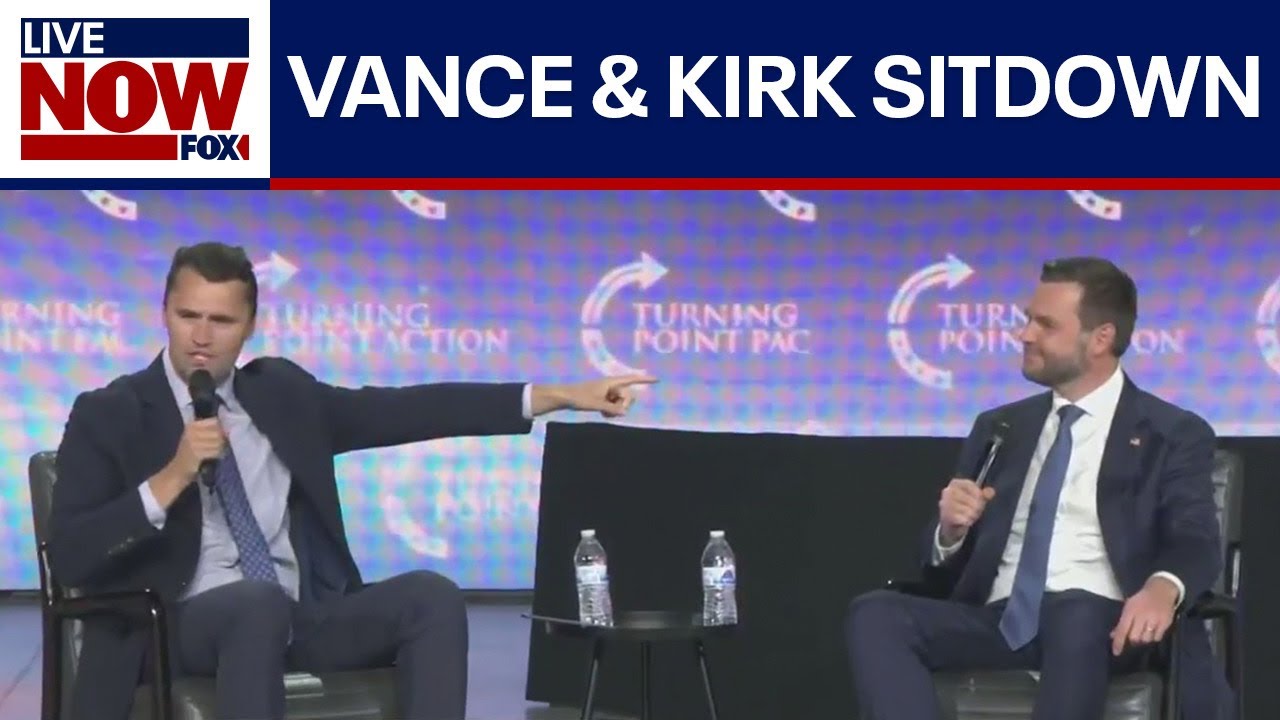
Charlie Kirk and JD Vance Expose Kamala Harris's Border Catastrophe and Missing Children Crisis in Arizona
26:42
Charlie Kirk Warns Young Americans Face a Crushing Financial Burden From National Debt
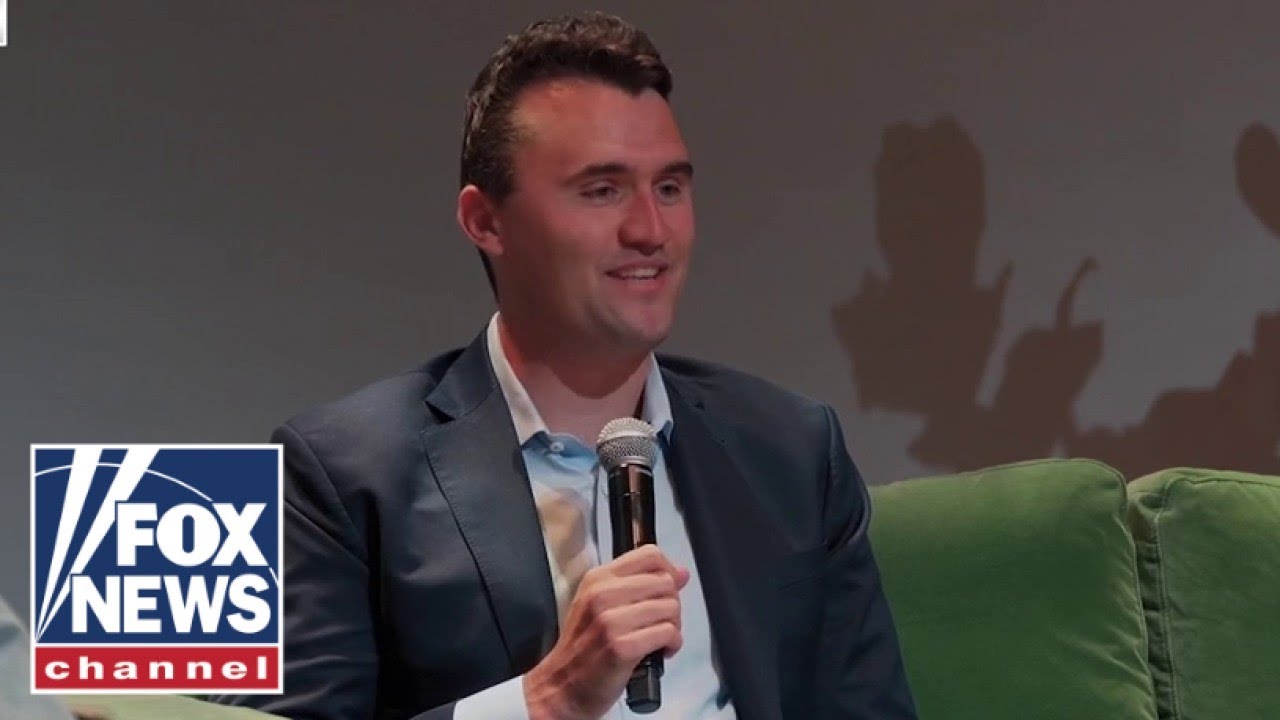
Charlie Kirk discusses the looming fiscal crisis facing younger generations with Neil Cavuto and Steve Moore. Kirk argues that children born today could inherit a financial burden equivalent to a second mortgage of $250,000 to $400,000 due to unchecked national debt and deficit spending. He frames the issue as a moral question, not just a mathematical one, challenging whether it's ethical to spend money on behalf of future generations who never had a chance to vote on these policies. Despite their support for President Obama, Kirk notes that young people harbor deep skepticism about ever receiving Social Security or Medicare, even as they remain disengaged from the political process that determines their economic future.
Charlie Kirk makes a compelling argument that the national debt crisis should be framed as a moral issue rather than purely an economic one. During a discussion on fiscal policy, Kirk challenges the notion that spending future generations' money is morally defensible.
"The president mentioned morality in the past couple weeks that it's the moral thing to do to get more gun control, but is it moral to spend your children's money before they've ever had a chance to vote?" Kirk asks. "Is it moral to spend Social Security trust fund money that doesn't even exist? We need to frame it more of a moral pretext instead of just a mathematic one."
Kirk believes that young people, who tend to be more liberal because they think government can play a humanitarian role in society, might respond better to moral arguments than dry fiscal mathematics. By reframing deficit spending as a moral failing rather than just a budgetary problem, Kirk suggests conservatives can gain ground with younger voters.
The Staggering Price Tag for Future Generations
The conversation turns to concrete numbers that illustrate the magnitude of the problem. Kirk and the panel discuss how children born today or in the coming decades will face an enormous financial burden when they enter the workforce.
"If you're talking about a child that's just born or children that might be born 10 years from now or 20 years from now, they're talking about when they become workers and productive adults, they're talking about essentially a second mortgage of anywhere between $250,000 and $400,000 as they start their life just because of the national debt," one panelist explains.
Kirk emphasizes the practical implications: "If they buy a house, would they still have to pay off their national debt mortgage? It's immoral and it's impractical."
Young People's Dim View of Their Own Future
Despite supporting President Obama, young people harbor significant doubts about their own financial future, particularly regarding entitlement programs. Kirk shares observations from his experiences speaking in classrooms.
"I asked them how many do you think are going to receive Social Security and Medicare and it was kind of a dim look," Kirk recalls. "I think it's because overall they might like President Obama but they have a general distrust in government."
This creates an interesting paradox: young voters think President Obama will be a transcendent figure to fix Washington's problems, yet simultaneously believe the system is fundamentally broken. Kirk notes this cognitive dissonance as a significant challenge in educating young people about fiscal responsibility.
The Political Reality: Who Votes Matters
Steve Moore on the panel points out a fundamental political problem that makes addressing these issues so difficult. The people who will pay the bills for current spending are not the ones voting on these policies today.
"The young people are going to pay these bills, but guess what? They don't vote. They're not voting on Head Start, they're not voting on Iraq, they're not voting on any of this stuff. Who votes in America today? Senior citizens do," Moore explains. "It's not any kind of mystery why we can't cut programs like Medicaid, Medicare and Social Security. The people who get the benefits are the ones who go out to the polls and vote."
This creates a structural problem where the political incentives run counter to fiscal responsibility. Politicians cater to those who vote, not to future generations who will bear the consequences of today's decisions.
The Path Forward: Education and Engagement
Kirk concludes with a call to action for free market advocates and fiscal conservatives. The solution requires both education and political engagement from younger Americans.
"If we do not do our work as free marketeers or as free thinkers to educate the young people—not just the young people but their parents—about the bill they're going to inherit, we're not going to be able to cut the deficit or the debt at all," Kirk argues.
The challenge is twofold: convincing young people of the severity of the problem, and motivating them to participate in the political process that determines their economic future. Without both elements, the cycle of deficit spending and debt accumulation will continue unabated, leaving future generations to pick up an ever-growing tab.