Congressman Mike Kennedy Honors Charlie Kirk After Assassination, Pledges to Defend Free Speech and Constitutional Values
Enjoying this? Share it with someone who needs to see it.
Up Next
FBI Investigates Leftwing Organizations in Charlie Kirk Assassination Attempt and Radicalization Concerns
1:03
Senator Markwayne Mullin on How Charlie Kirk Changed Gen Z and Transformed Republican Politics Forever
7:56
Utah Congresswoman Celeste Maloy Responds to Charlie Kirk Assassination at Utah Valley University
4:05
Congressman Mike Kennedy Honors Charlie Kirk After Assassination, Pledges to Defend Free Speech and Constitutional Values
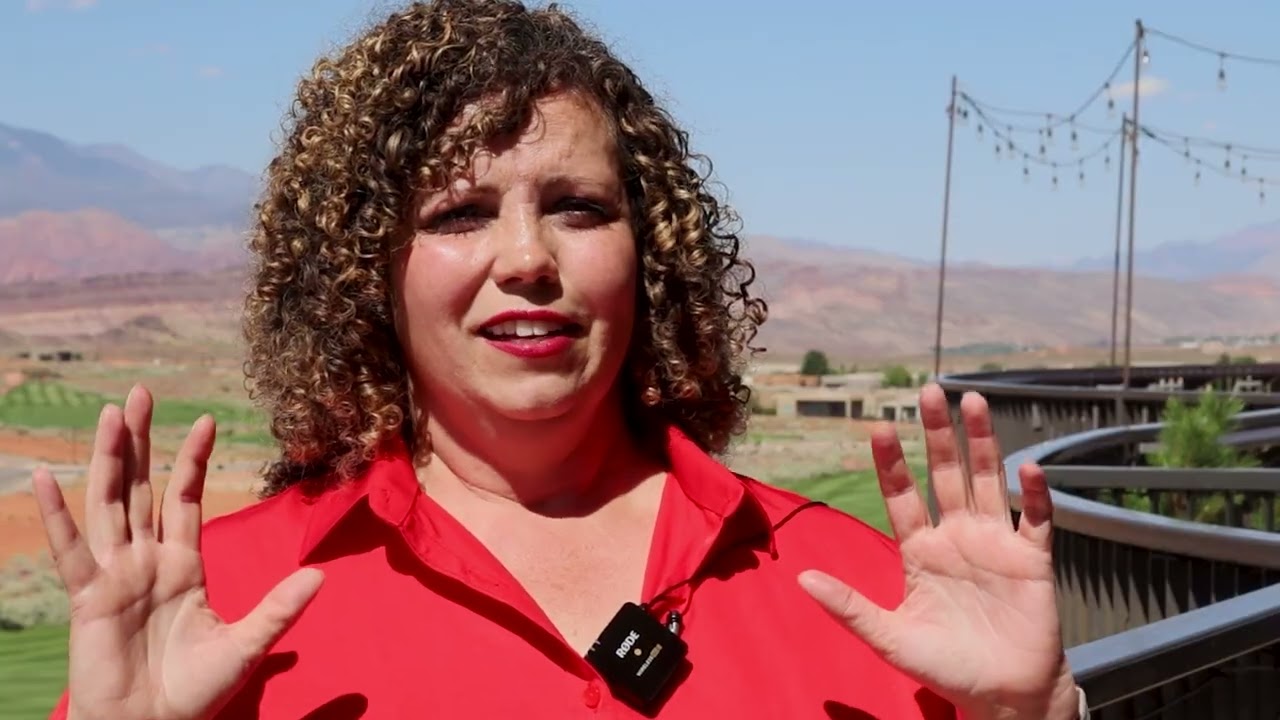
Congressman Mike Kennedy delivers an emotional floor speech following the assassination of Charlie Kirk, a conservative commentator killed by someone who opposed his views. Speaking nine days after the tragedy, the representative reflects on Kirk's legacy of bold debate, respect for opponents, and unwavering commitment to free speech. He offers words of comfort to Kirk's widow Erika and their two children, invoking biblical references to God's care for widows and orphans. The speech becomes a rallying cry for protecting First Amendment rights and rejecting violence as a tool of political disagreement.
Nine days after a tragedy that shook a congressional district and the nation, a congressman took to the House floor to honor the memory of Charlie Kirk, a conservative commentator and public figure who was assassinated by someone who violently opposed his views. The representative spoke with raw emotion about Kirk as a loving husband, father of two children, and tireless advocate for conservative values and free speech.
The congressman described Kirk's killer as "a deranged coward who felt that violence was the only way to deal with voices that he opposed," setting the tone for a speech that would condemn political violence while celebrating the principles Kirk stood for throughout his life and career.
Three Lessons from Charlie Kirk's Example
The representative shared three profound lessons he learned from Kirk's life and work, each offering a blueprint for how Americans should engage in public discourse.
First, Kirk taught others to "live boldly without fear." The congressman emphasized the importance of addressing and confronting those who would use violence to silence opposing viewpoints. In Kirk's approach to public debate, fear never dictated his message or his willingness to engage with ideas he disagreed with.
Second, Kirk demonstrated how to "debate vigorously" while maintaining respect for the sacred institution of democratic discourse. The congressman noted that the House chamber itself represents a place where Americans can and should debate their opinions with both respect and vigor, following Kirk's example of passionate yet principled disagreement.
Third, and perhaps most importantly, Kirk showed the nation how to "love completely." The representative stressed that Kirk "never degraded an individual that he debated." Instead, Kirk always approached opponents with respect and a loving intent, offering his views as alternatives rather than attacking those who disagreed with him. This approach to debate stands in stark contrast to the cowardly violence that ultimately took his life.
A Widow and Children Left Behind
Beyond the political and philosophical impact of Kirk's death, the congressman turned his attention to the devastating personal loss suffered by Kirk's family. He addressed Erika Kirk, Charlie's widow, and their two children directly from the House floor, offering words of spiritual comfort rooted in biblical tradition.
The representative invoked several scriptural examples of God's special care for widows, including the widow of Zarephath who encountered the prophet Elijah, the poor widow who cast her small offering into the temple treasury, and Mary, the mother of Jesus, who became a widow and was entrusted to the care of the beloved apostle John as Christ hung on the cross.
"Erika, I'll just say to you and your children, God has a special place in his heart for the widows, for the orphans," the congressman declared. He assured the family that they hold "a special place, not only in my heart, but in the hearts of millions" as they navigate the unimaginable grief of losing a husband and father to senseless violence.
A Legacy That Transcends One Life
The congressman concluded his remarks by emphasizing that Kirk's impact extends far beyond his individual life and message. In death, Kirk has become a symbol of something even more fundamental to American democracy: freedom of speech.
"His life now transcends not only his life and his message, but he stands for something more important now, which is freedom of speech, a constitutional privilege that our nation will fight vigorously to protect," the representative stated. This transformation of Kirk's legacy from one person's advocacy to a broader rallying point for First Amendment protections reflects the profound impact his assassination has had on the national conversation about political discourse and violence.
A Bipartisan Call to Reject Violence
In his closing remarks, the congressman made a point of noting that his commitment to rejecting violence and protecting free speech is shared across party lines. He stated that he joins "with my colleagues on both sides of the aisle to shun and eschew violence and to pursue freedom of speech through the rest of my days."
This bipartisan condemnation of political violence, delivered in the wake of Kirk's assassination, represents a rare moment of unity in an increasingly polarized political environment. The congressman's invocation of the "sacred hall" of the House chamber and his call to protect constitutional privileges suggests that Kirk's death may serve as a catalyst for renewed commitment to civil discourse and the rejection of violence as a political tool.
The speech concluded with a blessing for America, for Charlie Kirk's memory, and for his widow and children as the nation moves forward from this tragedy, carrying Kirk's example of bold, respectful, and loving engagement with those who hold opposing views.