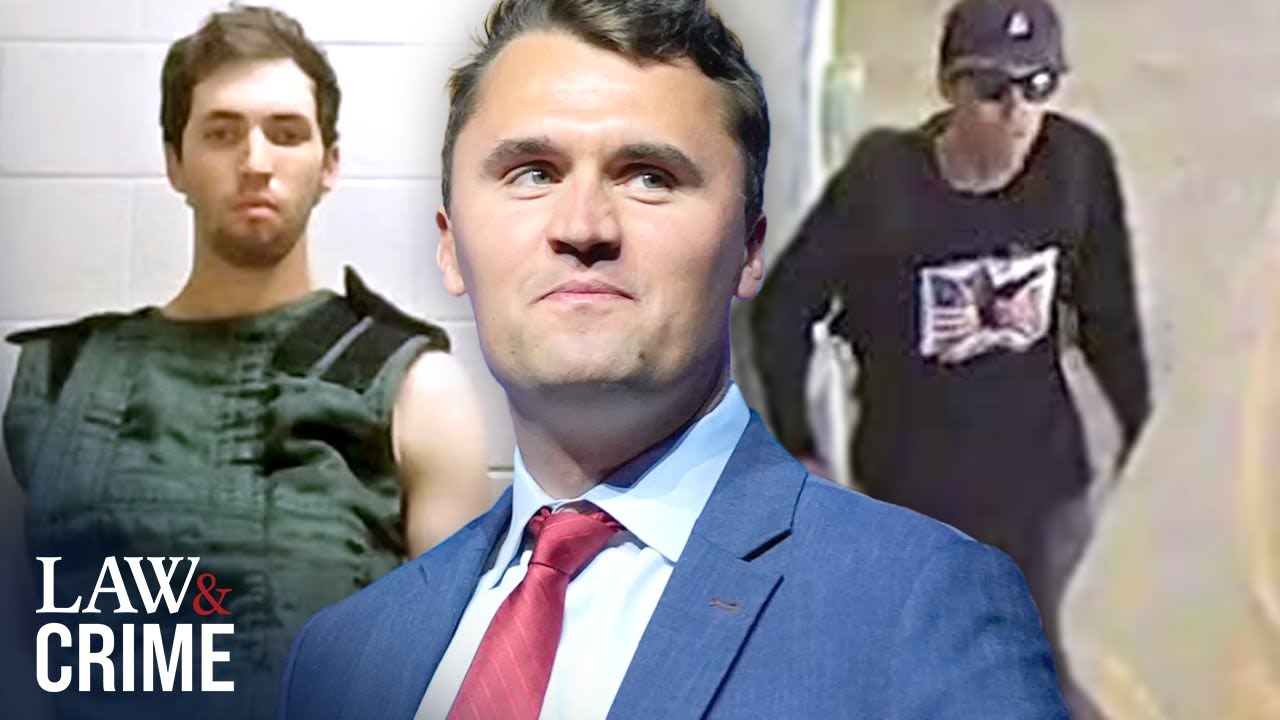
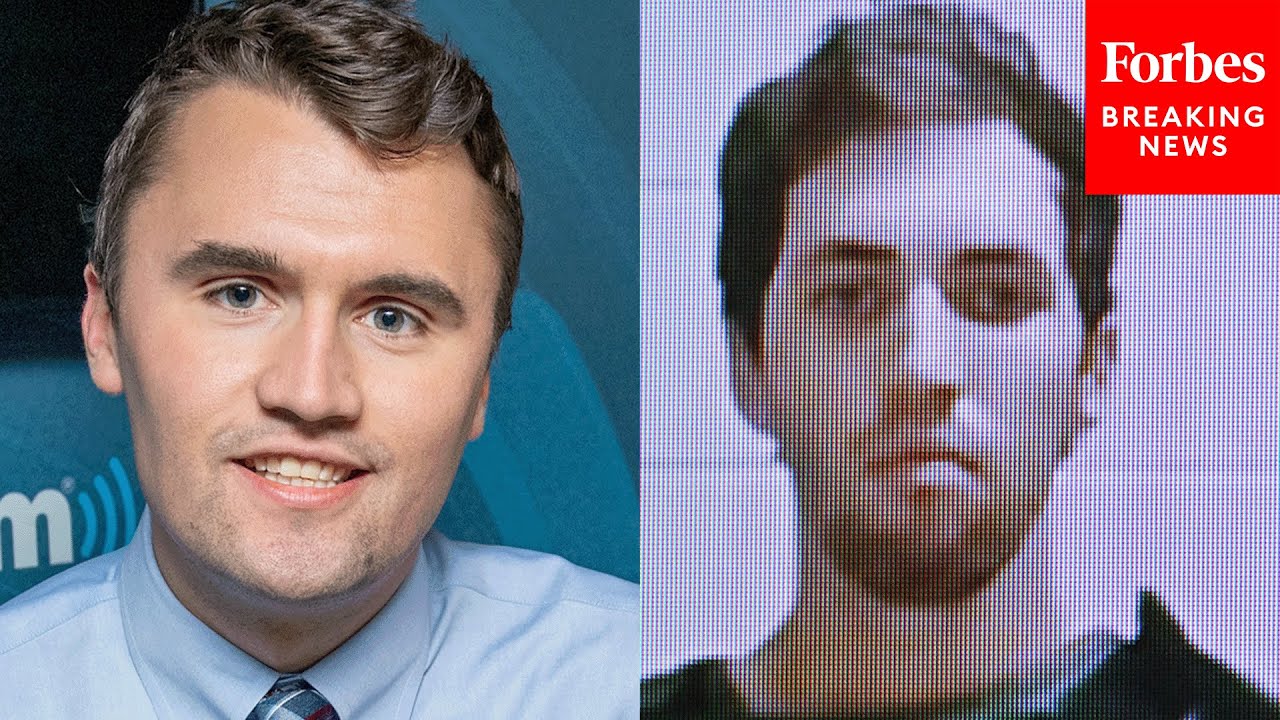
Criminal Defense Attorney Phil Harvey Analyzes Charlie Kirk Assassination Charges Against Tyler Robinson
Enjoying this? Share it with someone who needs to see it.
Up Next
Angenette Levy Breaks Down Tyler Robinson's New Lawyer, Leaked Texts, and the Kirk Investigation
28:33
Utah County Allocates $1 Million for Death Penalty Case Against Accused Killer of Charlie Kirk
2:36
Judge Tony Graf Rules to Release Sealed Transcript in Charlie Kirk Murder Case Signals Greater Transparency Ahead
5:46
Criminal Defense Attorney Phil Harvey Analyzes Charlie Kirk Assassination Charges Against Tyler Robinson
Phil Harvey, a criminal defense attorney, breaks down the murder charges against Tyler Robinson, the 22-year-old accused of assassinating Charlie Kirk at a Utah university event. Robinson faces aggravated murder, firearm discharge, obstruction of justice, witness tampering, and committing violence in front of a child. Harvey examines the prosecution's evidence, including DNA on the rifle, confessions to family and roommates, and text messages stating "I had enough of his hatred", and explains why prosecutors are pursuing the death penalty in this politically charged case.
In a detailed legal analysis with Forbes breaking news reporter Britney Lewis, criminal defense attorney Phil Harvey examined the charges facing Tyler Robinson, accused of assassinating Charlie Kirk, conservative activist and co-founder of Turning Point USA. Robinson faces multiple serious charges: felony aggravated murder, felony discharge of a firearm causing serious bodily harm, two counts of obstruction of justice, two counts of witness tampering, and commission of a violent offense in the presence of a child.
Harvey explained that prosecutors typically pursue every available charge in cases involving heinous acts with substantial evidence. "The prosecution is examining the evidence they have thus far and asking which crimes apply to the specific actions taken by Mr. Robinson," Harvey noted. The obstruction charges relate to Robinson allegedly attempting to hide the rifle, while witness tampering charges stem from him asking his romantic partner to delete text messages and withhold information.
The Strength of the Prosecution's Evidence
When asked to evaluate the prosecution's case, Harvey was unequivocal about its strength. "Could it be any stronger? I mean, honestly, in so many murder cases, I have seen just one or two of those pieces of evidence would be enough for a prosecution to move forward," he stated.
The evidence compiled by prosecutors includes several damning elements. Robinson's mother recognized her son in a photo released by law enforcement showing the shooter. When confronted, Robinson allegedly implied to his parents that he was indeed the shooter. DNA evidence consistent with Robinson's was found on the rifle used in the assassination.
Perhaps most compelling are text messages between Robinson and his roommate. Robinson directed his roommate to look under his keyboard, where a note read: "I had the opportunity to take out Charlie Kirk, and I'm going to take it." Robinson also admitted via text that he was the shooter. Harvey identified three particularly strong pieces of evidence: the confession, identification by people who know him based on surveillance footage, and DNA on the rifle. "Any one of those things would be enough for a prosecution to ask a jury to convict in this case," he emphasized.
The Death Penalty and Defense Strategy
Utah prosecutors have announced they will seek the death penalty in this case, which significantly shapes the legal proceedings ahead. Harvey explained that when the evidence is strong and the death penalty is on the table, "essentially it becomes a referendum on capital punishment. Was this an evil act? And does he deserve to be killed or was he suffering from some sort of mental illness or were there other factors that suggest that he doesn't deserve the death penalty in this case?"
Death penalty cases require more time, effort, and resources. The prosecution must "death proof the jury," ensuring every juror is willing to impose capital punishment if the facts and law require it. However, the defense cannot exclude pro-death penalty jurors. Instead, the defense team will work to present a case that persuades even those generally supportive of capital punishment not to apply it in this specific instance.
For an indigent defendant, the defense in death penalty cases is typically more robust, often including at least two attorneys, a private investigator, and a mitigation specialist. This team will thoroughly investigate Robinson's background and potential defenses.
The Question of Motive and Mental State
While motive is not legally required for a conviction, it helps prosecutors establish premeditation, planning, and intent. Charging documents reveal that Robinson targeted Kirk based on his "belief or perception regarding Charlie Kirk's political expression." Robinson's mother told prosecutors that her son had been "leaning left in his political ideology as of late."
When Robinson's roommate asked via text why he would shoot Charlie Kirk, Robinson responded: "I had enough of his hatred. Some hatred can't be negotiated out."
Harvey suggested the prosecution has sufficient evidence regarding motive, but questioned Robinson's mental state. "You have an otherwise straight A student who certainly was by all accounts motivated politically but he seemed to conduct this crime and his actions afterwards to suggest just that. I mean, how did he think he was going to get away with it?" Harvey noted that Robinson made confessions and shared details with individuals he trusted, raising questions about what was actually going on in his head. "While the motive is clear, what was actually going on in his head may be the issue that's more thoroughly litigated in the case," he concluded.
What Comes Next in the Legal Process
Harvey outlined the immediate next steps in the case. A lengthy discovery process will follow, during which prosecutors share investigation details with the defense. The defense team must be assembled and will conduct their own investigation into Robinson's life and background.
Several court appearances are expected in the near future, where both sides will discuss the progress of discovery. Eventually, a judge will issue a scheduling order with deadlines as both sides prepare for trial. Harvey identified getting the case to trial as probably the hardest challenge for prosecutors. The defense will want to "uncover every stone in Mr. Robinson's past and every stone in his potential defense to make sure that once the case is presented to the jury, the jurors have enough information to feel like they understand Mr. Robinson and his motives and his actions."
Harvey acknowledged the politically charged nature of the case but emphasized that, from a legal standpoint, it will focus on whether the death penalty is warranted. Despite the political dimensions, the courtroom proceedings will center on the evidence, Robinson's mental state, and the ultimate question of capital punishment.