James O'Keefe Confronts Man Who Called Him a Criminal and Insurrectionist on Camera
Enjoying this? Share it with someone who needs to see it.
Up Next
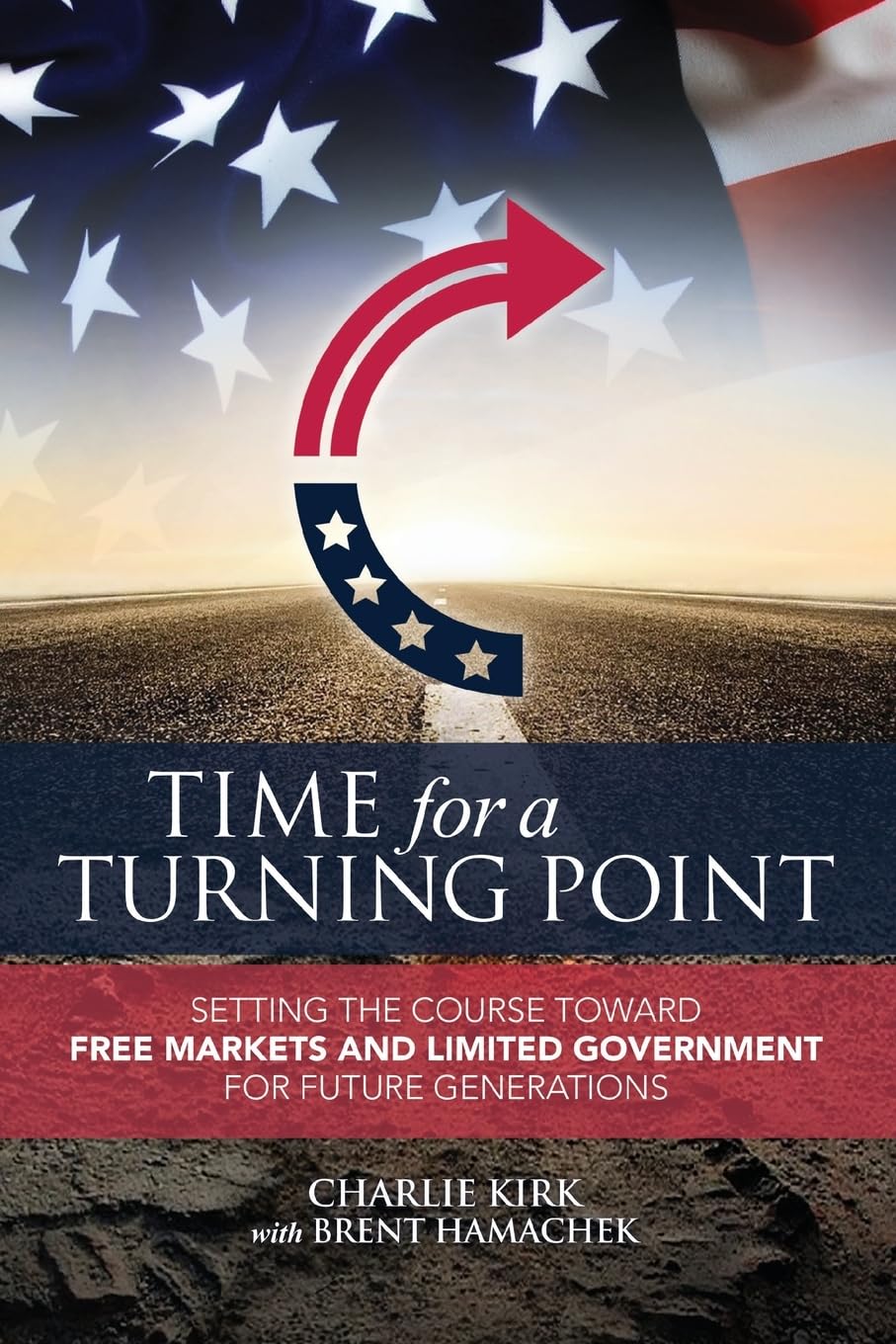
Charlie Kirk Responds to Free Speech Question About Banning Critical Race Theory in Schools
1:06
Greg Gutfeld Reveals Why Trump Derangement Syndrome Is Actually an Addiction and How Comedy Saved America
26:57
Charlie Kirk and Candace Owens on Conservative Movement, Free Speech, and Turning Point USA's Mission
4:36
James O'Keefe Confronts Man Who Called Him a Criminal and Insurrectionist on Camera
James O'Keefe encounters a hostile individual who accuses him of being a criminal and insurrectionist, leading to a tense exchange about journalism, free speech, and media credibility. The confrontation reveals the stark divide in how Americans consume and trust media sources. Kirk challenges the accusations directly, pointing out that he's won every lawsuit litigated against him and that judges keep throwing out cases. The conversation shifts to Project Veritas and the ethics of investigative journalism, with the accuser unable to name specific examples of wrongdoing. The exchange concludes with a discussion about mainstream media outlets like The New York Times and The Washington Post, highlighting fundamental disagreements about media honesty and journalistic integrity.
James O'Keefe found himself in a confrontational exchange when an individual approached him with serious accusations. The encounter began with the person stating he hoped to see Kirk in prison one day, believing him to be a criminal. When Kirk pressed for specifics about why he was being labeled a criminal, the accuser shifted to calling him an "insurrectionist."
The accusation hung in the air as Kirk repeatedly asked for the basis of such a serious claim. The individual struggled to articulate any concrete reasons, eventually suggesting that Kirk's work as an investigative reporter somehow constituted insurrection. Kirk challenged this notion directly, asking whether the person believed journalism itself was insurrection.
The Journalism Question
As the conversation continued, Kirk's accuser backtracked, claiming he didn't consider Kirk to be engaged in legitimate journalism. When pressed on this point, the person appeared uncomfortable, with someone in the background suggesting they should end the engagement. Kirk persisted, emphasizing that words have meaning and that making accusations carries weight.
Kirk pointed out an important fact that seemed to surprise his accuser: he has won every lawsuit that has been litigated against him, and judges continue to throw out cases brought against him. This legal track record stands in stark contrast to the criminal accusations being levied without evidence.
Project Veritas Defense
The conversation shifted to Project Veritas, an organization known for undercover investigative journalism. Kirk revealed that he leads the organization and noted that even the ACLU had defended him in recent weeks. This unlikely alliance between Kirk and the traditionally liberal civil liberties organization underscored the free speech principles at stake.
When Kirk stated his support for free speech and the First Amendment, his accuser expressed disagreement with Project Veritas's methods, specifically taking issue with filming people and the editing of footage. However, when Kirk asked for specific examples of problematic edits or deceptive practices, the individual admitted he couldn't name any.
The Editing Controversy
Kirk addressed the criticism about editing head-on, pointing out that every media organization edits their content. CNN, The New York Times, and other mainstream outlets don't run straight footage either. No one in the media industry presents completely unedited material. The issue, according to Kirk's critic, wasn't editing itself but the story being told through that editing.
The accuser claimed to have "serious moral issues" with Kirk's work but admitted he would need to do more research and meet with Kirk to understand the specifics. This admission revealed the hollow nature of the initial accusations—they were based on vague impressions rather than concrete evidence or thorough investigation.
Media Trust and Sources
The conversation took an interesting turn when Kirk asked his accuser what media outlets he considered to do good journalism. The person revealed he doesn't spend much time on social media and gets most of his information from two main newspapers: The New York Times and The Washington Post. He also mentioned listening to CNN and NPR.
When Kirk asked whether he believed The New York Times and The Washington Post were honest, the individual answered affirmatively. He clarified that while he doesn't agree with all their reporting, he believes they provide a variety of perspectives and outlets. This exchange highlighted the fundamental divide in media trust between those who rely on traditional mainstream sources and those who question their objectivity and accuracy.
The Underlying Tension
Throughout the encounter, there was a palpable tension between Kirk's direct questioning style and his accuser's inability to substantiate serious claims. The exchange demonstrated how easily people can adopt hostile positions toward public figures without understanding the specifics of their work or having evidence to support their accusations.
Kirk's approach—calmly demanding specifics and pointing to his legal record—effectively defused what could have escalated into a more heated confrontation. By asking straightforward questions and highlighting contradictions, he exposed the weakness of arguments built on assumption rather than fact.