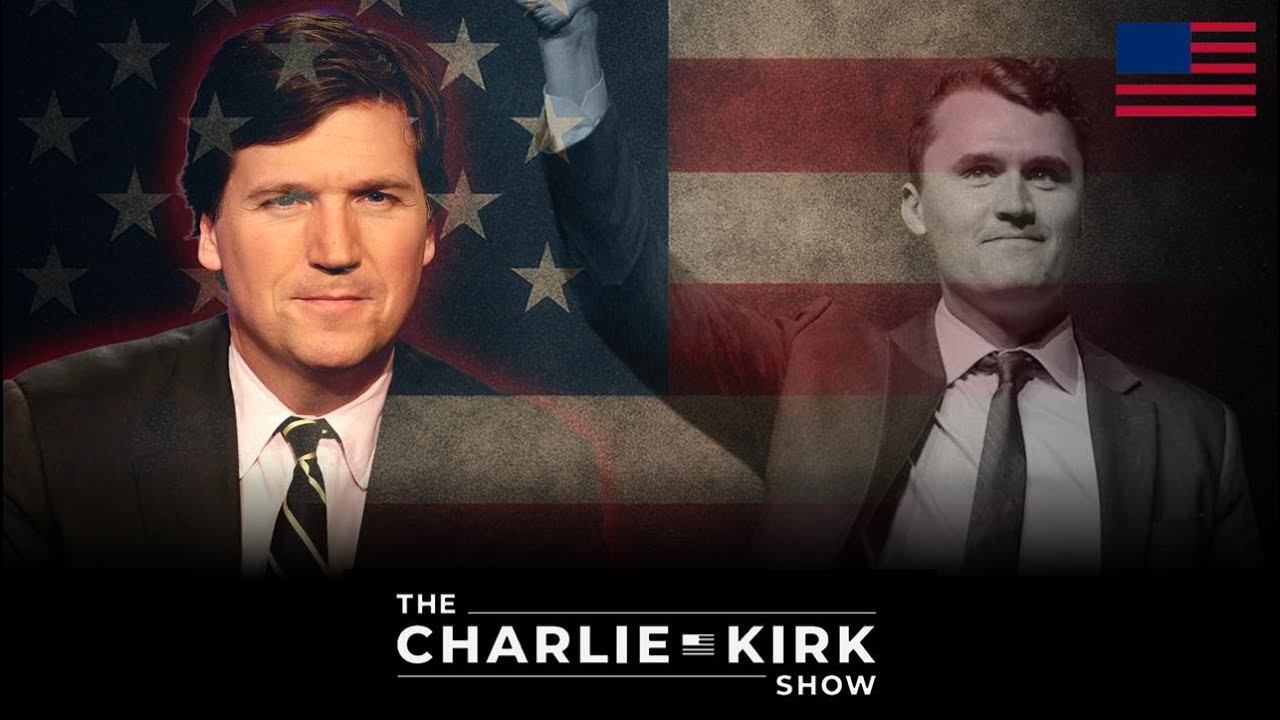
Tucker Carlson Reveals How Charlie Kirk Changed His Mind on Major Political Issues
Enjoying this? Share it with someone who needs to see it.
Up Next
Charlie Kirk Show Becomes Second Largest News Source for Alabama Voters According to Signal Research Poll
3:33
Michael McCoy and Blake Neff Share Inside Look at Charlie Kirk's Final Asia Trip to Korea and Japan
19:02
Megyn Kelly Brokers Peace Between Candace Owens and Erika Kirk Following Charlie Kirk's Death
25:15
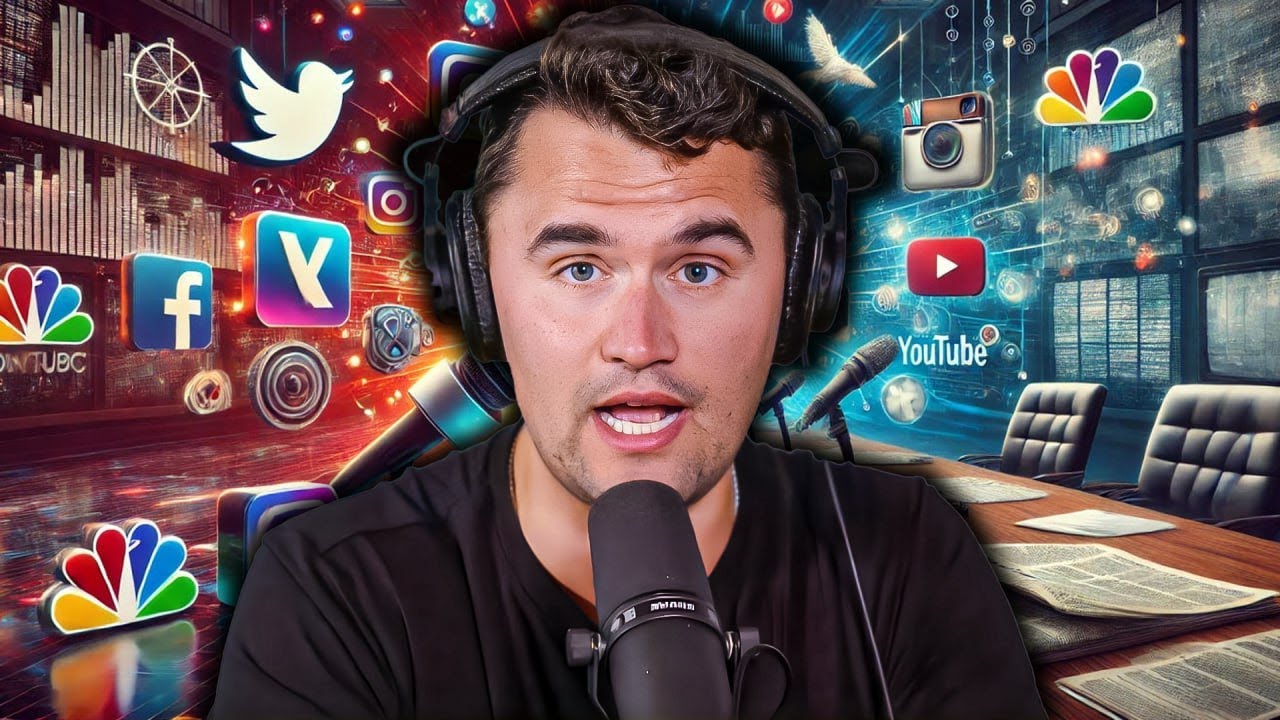
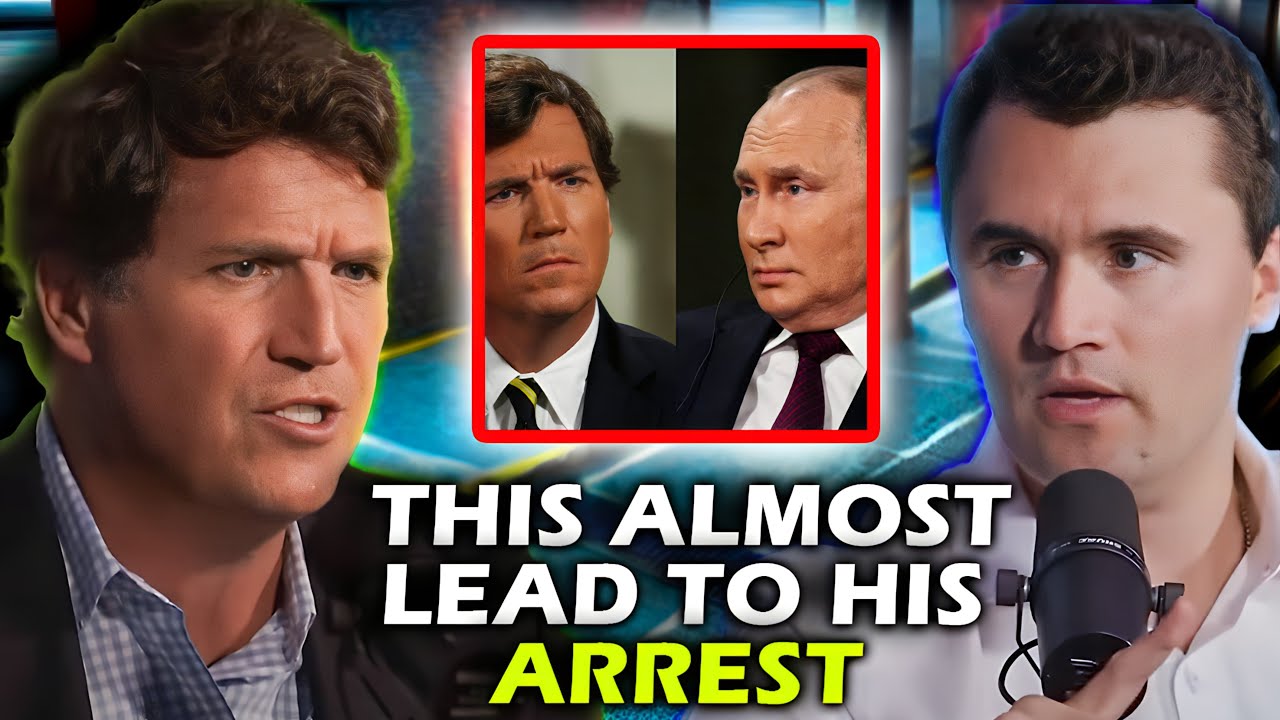
Tucker Carlson Reveals How Charlie Kirk Changed His Mind on Major Political Issues
Tucker Carlson shares the story of meeting Charlie Kirk as a teenager and initially dismissing him as just another opportunist trying to impress wealthy donors. What happened next transformed both their worldviews. Through an impromptu debate about marijuana, foreign policy, and economics, Tucker discovered something rare in young people: a willingness to admit being wrong. From neoconservatism to libertarianism, both men evolved on major issues by embracing honesty about their past mistakes. Tucker explains why only faith in Jesus enables this kind of intellectual freedom and why Charlie's example of public honesty offers true liberation from media control.
Tucker Carlson met Charlie Kirk when Charlie was just a teenager, connected through their mutual friend Foster Friess. Foster was a wealthy, generous Christian man from Wisconsin who lived in Wilmington, Delaware and Jackson, Wyoming. He was an investor in Tucker's company, but more importantly, a genuine friend—"really the only investor I've ever had in anything," Tucker notes.
Foster was enthusiastic about everyone he met, a collector of people who saw the best in others. But Tucker had seen this pattern before. When you're rich and generous, phonies inevitably enter your orbit. So when Foster told him about an 18-year-old kid who wasn't going to college, Tucker was immediately skeptical.
"I'm thinking, 'Oh man, some fast-talking kid has figured it out, was throwing back Reagan quotes or something at poor Foster who's in his 70s, late 60s, and he doesn't know,'" Tucker recalls. "I really assumed that Charlie was just some predator and I didn't like it at all."
There was also the generational bias. Charlie was literally the age of one of Tucker's children. Tucker assumed he was probably conventional, telling old people what they wanted to hear, sucking up to donors—the typical young opportunist.
The Unplanned Debate That Changed Everything
When Tucker finally met Charlie, he thought he was "smart as hell," but remained skeptical. Then Charlie invited him to do an event. Tucker was going to be in the state anyway, so he agreed.
What was supposed to be a speech turned into something entirely different. Backstage, Charlie suggested they do a Q&A instead. Tucker warned him: "I don't know, son. I don't think you want to do that with me because I'm kind of a jerk in those settings."
Tucker made it clear he disagreed with Charlie's views on economics and foreign policy, and that he was "pretty hot on these topics." But Charlie insisted they could have a debate. What followed was an intense public conversation that revealed something unexpected.
The Marijuana Moment
Of all the issues they discussed, it was marijuana that became the turning point. Tucker, who had used drugs as a child, was passionately opposed to them. Charlie, who had never used any drugs in his life, held a more libertarian position at the time.
"I remember saying everyone in the crowd is for weed. You think you're so cool, but actually it's a control device designed to make you passive and accepting of this system that's destroying you," Tucker recalls. The crowd booed him, but Charlie's reaction was different: "I think that may be right."
Tucker's hatred for marijuana is visceral and genuine. "I hate marijuana, okay? And I know it's really cool, but no, it's like fully corporate, actually. And it's wrecking Americans, especially boys." Charlie connected with that passion and honesty.
Blake Neff, who worked with Charlie, confirms this made a lasting impact: "Of all the fringe issues that he knew he was on the unpopular side, he was very, very vehemently against weed. He went hard on it."
Conversations That Transformed Both Men
That marijuana debate sparked an ongoing dialogue. When Tucker was back in Arizona, they went to lunch and dinner, having intense conversations. Tucker started putting Charlie on Fox. And something remarkable happened: both men's views were changing.
"It's not like I converted him. It's like I had been all kinds of embarrassing things during the scope of my long life. A libertarian, a self-described neocon. Can you imagine?" Tucker admits. "I got mad at Alex Jones for asking questions about 9/11. Like, I was like a horrible person or a very close-minded person. I was totally wrong about everything."
Tucker didn't judge Charlie's evolution because he was going through his own. "You should change your mind as the evidence changes. The things you thought were going to work didn't. An honest man asks himself why they didn't work and what might work. Like that's the process of adulthood."
The Rare Quality of Admitting You're Wrong
What made Charlie different from most young people Tucker had encountered was his willingness to admit he was wrong. "Young people are very inflexible about what they believe," Tucker observes from his experience with his own children. "He was one of the only young people I've ever met who was like, 'Oh yeah, I think I was wrong.'"
According to Tucker, this capacity comes from a specific source: "Only belief in Jesus allows you to say that because you know that you're not judged. You know that honesty is the ticket and that if you pursue an honest path, you'll be okay. And you don't need the agitation from the crowd. You don't need the love of strangers to feel good about yourself because you know that you are loved. It gives you true freedom."
Charlie had no problem admitting he was a neocon, just as Tucker was. "I'm like cheering on the Iraq war, which I did. Like I literally did that and I'm ashamed of it. But I'm also proud to admit it because I think that it's important to let people know that you can admit being wrong. It's okay. It's all right. We're people. We're not gods."
Unafraid of Minority Positions
Blake Neff emphasizes another aspect of Charlie's character: his fearlessness in holding unpopular positions. "He was totally unafraid of being in a huge minority on an issue and being frank about it."
Whether it was abortion or gay marriage, Charlie would acknowledge when his position was in the minority and say he'd keep trying anyway. And when it came to past statements, there was zero shame about changing his views.
"You see that so often with politicians. 'Well, actually, that was a different situation. You know, I voted that way because...' And he'll just be like, 'Oh, no. I was wrong. I hadn't thought about this,'" Blake notes.
When opposition researchers would dig up old clips of Charlie defending positions he no longer held, his response was simple: "Oh, yeah. That was back when I was a cuck."
Freedom From Media Control
Tucker explains how this honesty provides immunity from manipulation: "This is how the media control politicians. They find some clip of the politician saying something different 10 years ago. Well, it was a different country 10 years ago."
But when you readily admit your past mistakes, no one can use them against you. "What can you say about me that I won't readily concede about myself? Like nothing. And then what are you going to do to me? You know, nothing."
This is the deeper truth Tucker sees: "It's very easy to be honest about everybody else. 'Oh, you're fat. I don't like your dress.' Like that's super easy. It's very hard to be honest about yourself. Like 'I'm fat. I'm wearing an ugly dress.' Like no one wants to admit that. But once you do, the feathers are off and you are so free."
The Public Endorsement
Tucker remembers the first AmFest where he returned after that initial debate. Charlie recalls feeling honored: "We really needed somebody of your caliber and your fame, your the weight that you held in the movement especially."
Tucker came out the first night and said a few words about Charlie, emphasizing his willingness to change his mind and adapt. Charlie interpreted it as a subtle message to potential critics: "I knew that was your subtle nod to people who might have judged you."
Several years had passed between the 2017 or 2018 debate and that 2021 AmFest appearance. The evolution in both men's thinking was evident, and Tucker wanted to publicly affirm what he saw in Charlie.
The Most Important Thing
Tucker concludes with what he sees as the ultimate lesson: "I feel like that's almost one of the most important things is to admit the truth about yourself and then no one can control you."
Charlie lived this principle, and it became his example to others. "Charlie's example of admitting the truth about himself in public is the most edifying and important thing you can ever do because it shows people you can take the leash off and you can live in freedom because you know you're loved."
"You can tell the truth. We're all going to die anyway. That this is the deepest truth. And your job is to be honest and to be loving to other people. Okay? That's your job. Only belief in God allows that. And once you do it, it's not only fine, it's great. It's actual liberation."