Yankee News Confronts Anti-Trump Protesters in Hopkinton Massachusetts on Healthcare, Immigration, and Charlie Kirk's Legacy
Enjoying this? Share it with someone who needs to see it.
Up Next
Steven Crowder Returns to Change My Mind After Charlie Kirk Assassination with Bulletproof Security
1:24:42
Charlie Kirk Defends Trump Against Oxford Professors Who Compare Him to Hitler and Weimar Germany
1:08:45
Destiny Debates 20 Trump Supporters on January 6th, Immigration, and Economic Policy
1:58:54
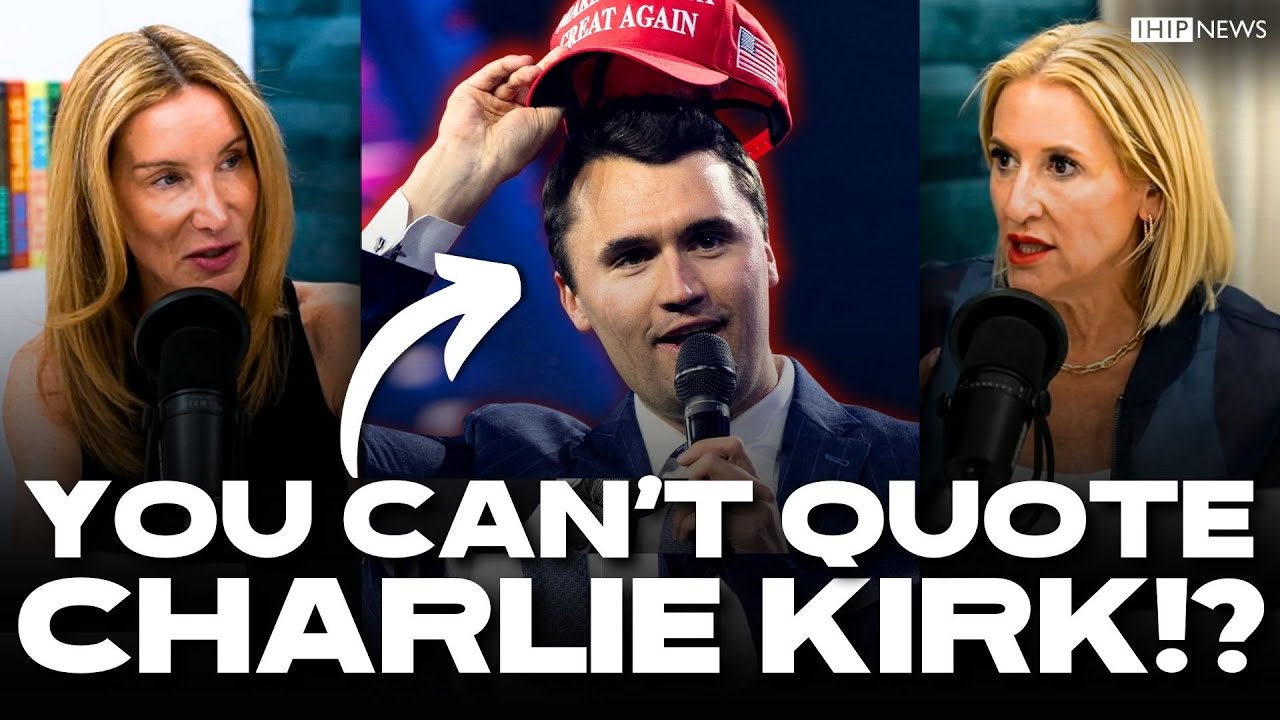
Yankee News Confronts Anti-Trump Protesters in Hopkinton Massachusetts on Healthcare, Immigration, and Charlie Kirk's Legacy
Nathan Remillard heads to Hopkinton, Massachusetts to engage with anti-Trump protesters in an extended dialogue about the administration's policies. The conversation covers healthcare reform, immigration enforcement, media bias, and the assassination of Charlie Kirk. Protesters express concerns about Trump's character and policies while the interviewer challenges their sources and presents alternative perspectives on issues like the Big Beautiful Bill, deportation procedures, and violence from different political factions. The discussion reveals deep ideological divisions on everything from George Floyd's death to Ukraine policy, yet both sides manage to maintain civil discourse throughout the encounter.
Yankee News arrives in Hopkinton, Massachusetts to document another anti-Trump protest and engage directly with demonstrators about their concerns. The interviewer makes his political stance clear from the start, informing participants that he represents right-wing media while expressing his commitment to open dialogue across the aisle.
The first protester, a retired social worker and therapist, explains she's demonstrating because the current president is moving the country in the opposite direction of everything she believes in. She lists equality, freedom, honesty, science, beauty, history, and healthcare as core values she feels are under attack. Her primary concern centers on what she calls "the big ugly bill" which she believes will result in deaths, including children, by taking away Medicaid.
Healthcare Policy Debate
The conversation quickly turns to specific policy details about healthcare legislation. The protester claims the bill takes away millions in funding, while the interviewer counters that the Big Beautiful Bill actually sets aside billions of dollars for rural hospitals and includes provisions making healthcare cheaper for elderly Americans who cannot afford it. He mentions specifically that $50 billion has been allocated for rural hospital funding.
The protester dismisses this as "pennies" compared to what's being cut and questions whether the interviewer has spoken with anyone in rural communities who must drive two hours to have a baby. The interviewer responds that he has indeed spoken with nurses in Kansas working in rural communities and has actually read portions of the legislation himself, encouraging others to do the same rather than rely on media interpretations.
Media Consumption and Information Sources
When challenged about her media diet, the protester questions what outlets the interviewer consults. He responds that he goes across the aisle for all media outlets, including CNN and Fox, and seeks journalists conducting on-the-scene interviews. He emphasizes the importance of reading bills directly rather than accepting media opinions about legislation.
Both participants agree that bills passed through Congress have become too large for most members to read completely, and they need to be smaller and more targeted. However, they disagree sharply on the performance of Massachusetts representatives like Elizabeth Warren and Richard Neal.
Identity Politics and Demographics
The protester suggests the interviewer's criticism of Massachusetts leaders only applies unless the citizen is "female or black or married to someone who doesn't have all their papers or maybe Hispanic or maybe even a little brown-skinned or maybe they're a little different." The interviewer responds that he loves everybody regardless of appearance or lifestyle, but believes leaders like Elizabeth Warren and Governor Maura Healey are actually setting back people in the black community and women.
When asked about Trump's conviction as a sex offender in the E. Jean Carroll case, the interviewer calls it "an absolute sham" and argues accusations don't equal truth, noting that Biden also faced accusations. The protester characterizes Biden as "basically a moral human being" while asserting Trump is not, describing him as "a very sick man" with multiple personality disorders.
The 2024 Election Results
Confronted with the fact that the majority of Americans who voted in 2024 chose Donald Trump, the protester suggests they were "probably ill-informed." When asked whether Kamala Harris being a woman contributed to her loss, she estimates it accounted for 95% of the reason, believing men don't want a woman in the White House and women under their thumbs may not either.
The interviewer points out there are more women than men in the United States and asks about women who voted for Trump because they didn't like Harris on her merits. The protester suggests those women need to "broaden the news outlets they listen to" and says she cannot think of any valid reasons an informed woman or person from a diverse group would vote for Trump.
Criminal Justice Reform
The interviewer brings up the First Step Act, which Trump signed into law, releasing blacks, Hispanics, and other diverse groups from jail for petty marijuana crimes that wouldn't result in arrest today. However, the protester counters by mentioning Trump's pardoning of January 6th participants, which she characterizes as criminals.
The interviewer argues January 6th was blown out of proportion by mainstream media, claiming protesters were guided through the Capitol building by officers who unlocked doors for them. When the protester calls this a conspiracy theory, asking why no officers have admitted to such actions, the interviewer insists video footage exists supporting his claims.
Casualties and Violence
Regarding deaths on January 6th, the interviewer states only one person died that day at the Capitol: Ashley Babbitt, a Trump supporter who was shot and killed. He notes that the police officer who died had a heart attack or stroke the following day, not on January 6th itself. The protester accuses the protesters of desecrating the country.
When asked if she condemns the 2020 BLM riots that caused billions in damages and resulted in deaths, the protester says she condemns all violence but frames the BLM riots as people "incredibly frustrated about years of violence against their people." The interviewer presses whether she agrees people on the left tend to be more violent, pointing out that riots happened after George Floyd's death but vigils, not riots, followed Charlie Kirk's assassination.
The George Floyd Case
The discussion becomes particularly contentious around George Floyd's death. The interviewer states Floyd had a lethal amount of fentanyl in his system according to the coroner's report and was saying "I can't breathe" before being placed on the ground, which he notes is a symptom of fentanyl overdose. He also claims Floyd asked to be put on the ground rather than being forced there.
The protester rejects this as conspiracy theory and right-wing propaganda, insisting Floyd was murdered by a knee on his neck through police brutality. When the interviewer cites the coroner's report, she questions the coroner's politics. The interviewer emphasizes he's citing a primary source document while she's relying on media narratives, calling her position opinion and his position fact.
Charlie Kirk's Assassination
The conversation repeatedly returns to Charlie Kirk's assassination. When the protester describes recent violence as predominantly right-wing, the interviewer points to Kirk's assassination as clear evidence of left-wing violence. The protester acknowledges it was definitely violence from the left but notes Kirk was an individual who acted alone as far as anyone knows.
The interviewer discusses how Congress tried to pass recognition that Charlie Kirk was assassinated for his political beliefs and wanted a day of remembrance, but 58 Democrats voted against it. The protester argues Kirk has been elevated to folk hero status he doesn't deserve and was not a free speech advocate, claiming he would shout people down.
The interviewer defends Kirk's legacy, stating he welcomed gay conservatives and employed over 40 black Americans across the United States to uplift them from inner city communities. He credits Kirk with paving the way for open dialogue through his college campus events where he would speak with professors, students, parents, and anyone who stepped up to the microphone. The interviewer says he wouldn't be doing what he's doing without Kirk's influence.
A Second Protester Joins
A second protester enters the conversation, immediately bringing up Trump's recent statement that 97% of the press he receives is bad and suggesting the press should be eliminated. The protester wanted to make a sign saying if 97% of everything you do is bad, of course you'll get 97% bad press.
When asked if he agrees mainstream media predominantly speaks negatively about Trump, the second protester notes Fox gets more viewers than CNN and references a Fox morning show host suggesting lethal injections for the homeless mentally ill. The interviewer agrees that mainstream media across the spectrum says outlandish and untrue things.
Violence and Political Responsibility
The second protester claims most violence in the country over recent years has been right-wing. The interviewer counters with examples of BLM riots and Kirk's assassination. The protester acknowledges Kirk's assassination was left-wing violence but emphasizes he acted alone as an individual, comparing it to other lone actors who do bad things.
The interviewer brings up Melissa Horton, her husband, her dog, and two other people assassinated by what he describes as a right-wing person. He notes a Republican congressman requested a moment of silence for those victims but argues people on the right aren't saying they deserved it, whereas some on the left have said Kirk deserved his fate.
Consequences for Speech
Discussing people losing their jobs for social media posts about Kirk, including Jimmy Kimmel who falsely claimed the shooter was a MAGA supporter, the second protester says he saw no reason for Kimmel to be fired over that comment. He found it unfunny and saw no evidence in media of MAGA people trying to disclaim the shooter, making it a non-issue for him.
The protester also expresses his view that Kirk doesn't deserve the medal Trump plans to give him, comparing it to Rush Limbaugh's medal, which he believes was also undeserved because Limbaugh "tormented division and anger and hatred."
Charlie Kirk as Hero
When asked how he feels about millions of people viewing Kirk as a hero, the second protester suggests they have a different vision of the world and see Kirk differently than he does. He emphasizes the need to talk across the aisle and have conversations even when they're not easy.
The interviewer shares a quote: "When conversations stop, that's when violence happens. When a married couple stops speaking to each other, that's when divorce happens." He then reveals this is a Charlie Kirk quote, again defending Kirk's commitment to open dialogue and noting anyone could walk up to his microphone and he would engage with them.
Trump Administration Policies
The conversation shifts to broader Trump administration actions. The protester criticizes what he calls the gutting of the EPA and mentions children dying in Africa and people dying of AIDS because of policies Trump has "trashed." He expresses outrage at DOGE actions and people losing their homes because they were fired from federal government positions.
The protester takes issue with renaming the Department of Defense to the War Department. The interviewer notes that was its previous name, to which the protester responds they changed it for good reason. The interviewer disagrees, believing the original name is better.
Immigration and Child Separation
The interviewer raises the issue of 250,000 children lost through the immigration process under Biden's administration, noting Trump has a task force finding tens of thousands of them. The protester says this is new information he's not sure he believes, countering that during Trump's first administration, children were separated at the border from their parents and some still haven't been reunited.
The interviewer points out this also happened under Obama and Biden's administrations, thanking the protester for acknowledging Obama deported more people than Trump and built the cages. He compares it to a parent being arrested for DUI with a child in the backseat—they would be separated and child protective services would intervene.
The protester agrees separation happens but emphasizes that with a DUI, you'd know where your kid is and nobody would hide that information, allowing for eventual reunification. The interviewer notes parents bringing children on the dangerous journey across the southern border are putting them in unsafe situations, which also warrants separation.
Kilmar Abrego Garcia Case
Discussion turns to Kilmar Abrego Garcia, who the interviewer says left El Salvador because of a rival gang while being part of a gang himself, making it not true asylum seeking. The protester states he's never seen proof Garcia was a gang member. The interviewer describes tattoos including abbreviations for MS-13 on his knuckles, a marijuana leaf, skull, and the numbers one and three, plus domestic violence incidents with his wife or girlfriend.
The interviewer emphasizes that in Trump's second administration, families are being deported together rather than separated, quoting Tom Homan's statement that if you entered illegally with your children, you're going back together. He asks if the protester can appreciate this given his opposition to child separation.
Due Process and Deportation
The protester raises concerns about Garcia not being convicted of any crimes in a court of law, questioning deportation without due process, lawyers, or court proceedings. The interviewer responds that deportations without due process are not unheard of, citing Obama, both Bush administrations, and ACLU documentation of such practices.
He explains checks and balances allow the Supreme Court to intervene when presidential actions are unlawful or unconstitutional, which is why Garcia is back in the United States facing child and human trafficking charges with a court date years away. Garcia must check in with ICE but is going through the proper process now. The interviewer argues Trump isn't taking away due process from any citizen.
Racial Targeting Claims
Addressing claims of racial targeting, the interviewer notes white people, Australians, and Canadians have been deported for cyber crimes and illegal presence. He argues that since the majority of illegal immigrants come from the southern border and are Hispanic, it's natural that most deportations involve Hispanics, not because of targeting but because of demographics.
The protester appears to accept this reasoning. When asked if he voted for Obama and Biden knowing they had mass deportation policies and deported without due process, he confirms he did and would vote for them again because Trump does "horrible things" to the CDC, EPA, and other agencies—it's not just a one-issue consideration.
Healthcare Promises and Ukraine Policy
The protester brings up Trump's first campaign promise of a healthcare plan that would cover everybody and cost less. He recalls that after getting into office, Trump wanted to eliminate Obamacare and when questioned said, "Gee, who knew healthcare was complicated?" The protester finds this revealing since everyone knows healthcare is complicated.
On foreign policy, the protester criticizes Trump for saying the Ukraine war would end within 24 hours of his election but it's now been 10 months. The interviewer argues Trump has tried but Vladimir Zelensky has been stubborn in negotiations. The protester expresses outrage that Trump invited Putin to the White House, calling him a murderer who throws people out of windows, poisons opponents, and murders Ukrainians daily.
Negotiating with Adversaries
The interviewer argues that finding solutions requires speaking to both sides, even adversaries. The protester responds you can do that without shaking their bloody hand and accuses Trump of doing nothing to restrict Putin's actions. He notes Trump ensured Europeans would reimburse the U.S. for weapons provided to Ukraine and diverted a big weapons shipment meant for Ukraine to Israel instead.
The interviewer points out the previous administration sent Kamala Harris to solve the Ukraine-Russia situation, but she only spoke with Zelensky and never engaged with Putin. He argues you must hear both sides to reach a solution and that Zelensky is being stubborn. When Putin initially invaded, he told NATO he would stop if Ukraine didn't join NATO, but the Biden administration never consulted with Putin despite his outreach.
The interviewer suggests the war continues because people profit from it and don't want it to end, while Trump has welcomed Zelensky to the White House and met with Putin in Alaska. The protester references Trump's previous performance where "they trashed him royally."
America's Obligations to Ukraine
The interviewer emphasizes America has no treaty promising to protect Ukraine or intervene in the war. The only agreement is a denuclearization deal. He questions why America has responsibility to defend a country with no mutual defense treaty, asking why Americans should lose their lives for Ukraine.
The protester responds it's not about responsibility but caring for other human beings, arguing Trump has no sense of empathy or caring and just wants prizes and accolades like the Nobel Peace Prize. He disputes Trump's claims of creating peace in seven different countries, saying "the man doesn't know what peace is" and "is always promoting violence," recalling Trump's first campaign when he told supporters to beat up demonstrators and promised to pay their lawyer bills.
Trump's Character and Upbringing
The protester reiterates his view that Trump doesn't care and lacks empathy for people, attributing this partly to being raised in a dysfunctional home with resulting personal issues and multiple personality disorders. He characterizes Trump as not the kind of person you want in a position of responsibility, calling it "a sad truth."
He recalls thinking when Trump first ran, "Who the hell wants an arrogant New Yorker in front of our country?" assuming nobody would like an arrogant New Yorker. Yet Trump won, and in the most recent election, he won the popular vote—the first Republican to do so in a long time, which the protester attributes significantly to Charlie Kirk's influence on young men.
America First Philosophy
When the interviewer thanks God for Kirk's influence and says he believes in putting America first to protect Americans, the protester challenges this framing, suggesting "America First" means "we're better and deserve more than everybody else." The interviewer clarifies he means taking care of our own before taking care of others, comparing it to taking care of your own household and family before your neighbor or homeless people, while still donating to charity and providing help.
He argues Trump isn't an American nationalist but still makes trade deals with other countries. The protester shares his bumper sticker philosophy: "Everybody does better when everybody does better." He warns that if neighbors are poor, starving, and desperate, they may eventually rob you and your family won't be safe, so we must take care of everybody even though it's hard.
State-Level Immigration Policy
The interviewer contends the previous administration did nothing to help Americans more than others. He cites Massachusetts Governor Maura Healey housing illegal immigrants in five-star hotels, with some found possessing rifles in Worcester with gang affiliations and large quantities of drugs. He hopes she loses in the 2026 election.
The protester notes everybody in the country has guns, pointing out there are five shooting ranges within walking distance of his house and more shooting ranges in the state than towns. The interviewer's point is that the man caught with a rifle in Worcester was illegal, had gang ties, and possessed drugs, yet Healey houses such people before homeless American citizens.
Homelessness and Mental Health
The interviewer criticizes how Boston, Springfield, and Worcester have mass homelessness with people given drugs for free, allowed to stay on streets without penalty or meaningful help. He brings up California Governor Newsom sweeping homeless people off streets when China's leader visited, only to return them immediately after the visit ended, proving authorities know they can house these people but choose not to.
He mentions homeless veterans with mental health issues the country isn't helping, then describes Trump's executive order to get homeless people off streets, provide psychiatric help, and offer housing and jobs, with prison as consequence for those who refuse. The protester mentions hearing on Fox News a host suggesting lethal injections for such people, calling it "pretty stupid." The interviewer doesn't agree with that opinion but asks if the protester supports Trump's executive order approach of rehabilitation rather than temporary removal like Newsom's actions.
Civil Discourse Achievement
After the extended conversation, the interviewer thanks the protester for the interview, calling it "great political discussion." He identifies himself as Nathan Remillard with Yankee News 1776, noting the protester isn't on social media but thanking him for his time. Both agree this kind of open political discussion is what the country needs.
In his closing remarks to camera, the interviewer reflects on finishing the Trump protest in Hopkinton, Massachusetts, noting he had very good discussions with people and achieved his goal of open dialogue. They discussed topics like Charlie Kirk, the Big Beautiful Bill, and Trump administration actions. While people remain upset with the government, the interviewer disagrees with their positions and came to "disprove and actually try to educate some of them with the facts that they've been lied to with the media." He encourages viewers to follow Yankee News 1776 on all platforms for more videos like this one.
Video Transcript
Hello everyone. I'm back Yankee News with another protest. I'm in Hop Hopington, Massachusetts and this is another Trump protest. So, let's see how this one goes. And don't forget to follow me on all platforms. Yankee News period 1776. Thank you. >> I am out here today because um the current president is moving the country in exactly the direction that is the opposite to everything I believe in. And >> what is it that you believe in so firm that you're against what he's doing and you think it's setting back those beliefs? equality, freedom, honesty, science, beauty, history. Uh let's see where else shall we go with that? Health. Oh, health. Yes, health is important. E economics. I believe that health care is a right, not a privilege. Um allowing people who are not of means to have a life. All of that. I'm a retired social worker. I've seen this up close. People are going to die from the big ugly bill. >> So >> children are going to die. >> Beautiful children. >> What's in the big beautiful bill that's setting back people like children or healthcare rep recipients? >> Taking away Medicaid. Um there's so much that was wrong about that. It's basically re reorienting the money of this country away from equality, honesty, history, science towards Trump's priorities. He's a very, very, very sick man and I know what I'm speaking about because I'm a retired therapist. He has a number of personality disorders, some of which causes many people to follow him. >> Yeah, he said the same thing over there about personality disorders. How do you feel that in the big beautiful bill it actually set sets aside funding for people who can't afford healthare? It actually makes it cheaper for some elderly uh people accepting care and there's also some exemptions added to it as well for elderly and people who don't have jobs. >> Throw pennies after taking away millions. >> There's there's billions of dollars worth of funding going to rural hospitals that people said that are being cut. So >> they are being cut. I know you're from the right-wing media aware of that. >> And I'm not hiding it either. I hope you know that. Yeah. >> No. And if you look at things, have you talked with anybody who lives in a rural community and maybe is pregnant and has to drive two hours to have their baby? >> I've actually spoken to people in Kansas who are nurses in rural communities. And I've actually read bits and pieces of the big beautiful bill, including the $50 billion stipen for rural hospitals because they don't receive as much funding as, let's say, a hospital in this town or a hospital in a big city. So they are receiving >> a drop in the bucket compared to real hospital funding. Um what would be wonderful would be if you listen to some media other than your own. >> I go across the aisle for all media outlets. >> What do you listen to? >> I go to CNN to listen to their ideas. I go to Fox to listen to their ideas. I go try to find in the center. I find journalists on the spot who are interviewing on the on the scene characters in certain areas of protest or things happening in this country. And I believe that people should actually read the bill themselves. bits and pieces of the bill. Read legisla legislation. Don't listen to these news outlets that tell you their opinion on it. >> Most of Congress hasn't read all of it. >> Absolutely. Most of most bills that get passed through Congress, they can't read all of it because it's so big. I think me and you both can agree these bills need to be smaller. They need to be more more targeted to the discussion at hand. So, they're not being hidden and people can actually read what's in the bill. Right. >> I I'll go with that. I am very supportive of our senators, our representatives here in Massachusetts. They're doing a wonderful job. >> I obviously think the exact opposite. I think I think they're doing a terrible job. Obviously, we obviously disagree on that. For example, like Elizabeth Warren, Richard Neil, my >> Well, I mean, >> voting for president. >> Awesome. Well, >> we're probably not going to come to agreement on that. >> Probably not. I think what they're doing in this state is actually very terrible for our US citizens here in this country and in Massachusetts. Unless that citizen is female or black or married to someone who doesn't have all their papers or maybe Hispanic or maybe even a little brownskinned or, you know, maybe maybe they're a little different. >> There's nothing wrong with that. >> Tolerance for people who are different. >> Absolutely. I love everybody. I don't care what you look like or what you do in your bedroom or what you do at work. I love you. But I think again, you said that's what they're standing for. I think the exact opposite. I think Elizabeth Warren, I think Mory Healey are actually setting back people in the black community. I think they're setting back women. I think they're actually setting back these demograph demographic groups. >> What do you think women should be doing now? >> Whatever they want, I guess. You know, I think they should do whatever makes them happy. >> And what about the men who are trying to control them? >> In what circumstance? >> Um, there's all this right-wing stuff about tradives and um Oh, and and let's not let's just branch it out to the world. There's the Taliban. How do you feel about women's education? >> Sure. I think if they want education, they can go get it. I think what's the Taliban have to do with women in education? Other than the fact that they take that that they treat the room like crap in those countries. >> It's the ugly end of misogyny, which, you know, Trump is a convicted felon as a sex offender. Let's not forget that. >> Yeah. I think that case with her uh Egene Carol, that's her name. I think that case was an absolute sham to begin with. >> I disagree. Well, >> why are there so many of them? If he's not, why are there so many of them? >> That's one. Again, I think this case was a shame. If you want to go in the details of the case, we can. It would probably take a while, but I think Yeah, I agree. It's going to It's too much. I think that case is a shame, but all the other accusations either come out to be not be true or there's no substance of evidence. Even Biden had accusations, but that doesn't mean they're true. Accusation is just an opinion pretty much. >> He's basically a moral human being. Trump is not. >> You think Biden's a moral human being? >> Yes. He was also accused of sexual assault, that doesn't mean that he's a sexual assaulter. >> No. No. >> That's my point I'm trying to make is just because you're accused doesn't mean you're So there's false accusations all the time, especially if you're in positions of power. >> Maybe I just am fairly good at reading people. And um what I see is a very sick man who does not care about others is has gotten elected this time to lead our country. And it makes me incredibly sad. >> How do you feel that the majority of Americans that voted in the 2024 election voted for Donald Trump in that election? >> I think they were probably illinformed. >> How do you feel that Kla Harris being a woman, do you think that had anything to do with her losing the election? >> Um, 95%. >> Yeah. Do you think it's because people don't want a woman in the White House? >> I think it's because men don't want a woman in the White House and the women who are under their thumbs may not either. >> Sure. I mean, there's more women in the United States than there are men. So, what what do you say about the women who voted for Trump and not for Kla Harris because they didn't like her? >> I think that they ought to broaden the news outlets they listen to. >> Do you think that there's no way that someone could be a woman or black or a diverse group and vote for Donald Trump and who's actually informed? Um, I think that they would be few and far between and I'd have to hear their reasons because I can't think of any. >> Right. So, what for I I have a few in my head like the First Step Act. I said to that man over there >> what that is. >> Donald Trump passed the First Step app uh the First Step Act which released um blacks, Hispanics, and many other diverse groups from jail because they had petty marijuana crimes. Crimes that you wouldn't be arrested for today. So they were in jail for, you know, being wrong. >> They pardoned all those January 6th criminals. >> Yeah. And many of those people still have those crimes on their record. Um, and I think we disagree there as well. Like another case, this would be a long one if we talked about it. I think January 6 was blown out of proportion. I think that they were guided through the Capitol building by other officers and shown a tour inside buildings and unlocking doors for them. I think that that was blown out of proportion and the mainstream media has lied about what happened that day. >> It's like a conspiracy theory to me. Why is that? >> Because none of them have stepped up and said, "I did that." >> Did what? >> Led people into the capital. >> There's video footage of it. >> Well, there's video footage of a lot of things and a lot of illegal things and a lot of dangerous and immoral things. And don't forget that people got killed. >> One person died the day of January 6 on the capital and it was Ashley Abbott. There was that police officer who got smashed between the doors. Do you remember that one? >> Only one other person died that day. It was a police officer and he had a heart attack or a stroke the very next day. No one died the same day of January 6th other than that uh veteran Trump supporter who was shot and killed. >> Well, as far as I see it, they desecrated my country. >> So, you disagree with any sort of rioting uh and and something that would smear or desecrate the country? >> Yes. How do you feel about the BLM riots in 2020 that costed billions of dollars and actually lost people lost lives because of those riots? >> I think it's sad that people who were incredibly frustrated about years of violence against their people turned to that, but it happened and it is. >> Do you condemn it? >> Oh, I condemn all violence. Would you agree that um that people on the left tend to be more violent than the right when it comes to for example George Floyd passed away in these riots? That's what caused the riots. >> He didn't pass away. He was murdered by a knee on his neck by the police. >> You know, he had a lethal >> pass away. >> He had a lethal amount of fentanyl in his system. And he also the obviously >> again conspiracy theory. >> That's from the coroner's report. >> Well, which coroner and whose report? Again, you're listening to your right-wing people. It's a corner from the town that uh George Floyd passed away in. It was from the corner that did the report. That's not based without that knee on his neck. That is police brutality. >> You know, for one, he was saying, "I can't breathe before he was put on the ground." And which is obviously a symptom of having lethal amount of fentanyl in your system. You you basically suffocate yourself and you you die. >> And you are so misguided. I'm I'm sorry. I'm really sorry. >> You said that's false, but it's an absolute fact. believe these people and you believe things that are not facts are facts. They are not. >> So I believe the corner report but you're believing the media that tell you otherwise. I think that is indoctrination. I think you listen to the firsthand source the actual skilled >> the actual video. >> Have you seen the video? Cuz I have. >> I have. >> And again like I said he said I can't breathe before he got put on the ground. And he did not get put on the ground by the police. He asked them he said he put me on the he asked him to be put on the ground. They did not force him to the ground. There was a knee on his neck and it needed >> and and that was actually the that police department that was a part of their enforcement. They that was a that was a part of their policy that was >> that's what's wrong with their policy. >> Absolutely. But I believe that he died of fentanyl overdose cuz if you have a lethal if you have a lethal amount of fentanyl in your system it's just about impossible for you to die. >> Is that Let me see. Okay. I've got my bag. I've got my other stuff. Thank you. >> Um again I'm not believing your media. You're not believing mine. I do need to go walk my dog. >> Absolutely. But I just want to state I'm not accusing the media. I'm not using the media as my source. I'm using the coroner's report as my source. And you're using the media as a source. Yours is an opinion. Mine is a fact. >> I'm wondering what politics your coroner has. That would be interesting to know. But in any case, I need to move on. Sure. >> But an interesting discussion. >> Yeah. Yeah. And I if I could shake your hand, I respect the conversation. I respect open dialogue >> and you better not dox me or anything like that because I know who you are and I don't trust you. >> Absolutely. I'm sorry you don't trust me just for exercising my opinions, but I'm just posting this on social media. I don't dox people. So, >> luckily I'm not on social media. >> Well, you will be today or whenever this gets posted. So, >> right. >> And before you go, I my last point I was trying to make was I believe example like George Floyd passed away. Riots happened. Charlie Kirk was assassinated. Riots weren't happening. Vigils were weren't happening. And so I think it's very prominent that people on the left are far more violent than the people on the right. >> I do not believe that at all. Um there probably are many um examples I could give, but right now I need to go walk my dog and I know that's your belief. It's not mine. >> Sure. I respect your pins and I hope you enjoy walking your dog today. >> All right. >> You have a fantastic day. Thank you as well. >> Excuse me, sir. I was I was wondering if you'd like doing an interview as to why you're here protesting today. >> Oh. Sure. Um, Trump, I mean, yesterday the man said 97% of the press he gets is bad, so we ought to get rid of the press, like you, for instance. And I wanted to do a sign today that said, "Well, if 97% of everything you do is bad, of course you're going to get 97% bad press." Um, >> would you agree that the pre the press is majority kind of like talking bad about him for the most part? You know, like the mainstream media outlets. Well, Fox gets more viewers than CNN. And what do they had? What did the guy on the morning show the other day said that uh we should give lethal injections to the homeless mentally ill? >> Yeah, absolutely. I think I think we can both agree that mainstream media says things that are outlandish and just not true all the time. >> Mainstream media. >> Yeah. Fox, ABC, Newsmax, uh MSNBC, CNN, they all say things. >> Can I tell you something? >> Yeah. These are radical rightwing news people know that >> you're saying the most of the violence you've seen in the country has been right-wing. >> Yeah, that's what we've seen over the last many years. >> So you don't think let's say the BLM riots that happened, you know, summer of love, what happened recently with Charlie Kirk who was assassinated, you don't think these events >> Oh, that was definitely, you know, Charlie Kirk was definitely a violence from the left. >> Absolutely. But it was an individual and and all the congressional people have been using the word they. >> He acted alone as far as we know and they were saying that before they even knew >> and we got lots of people that are lone actors that that do bad things. >> Sure. But look at the Congress >> in everybody's hands. >> Absolutely. But look what Congress has just did. They tried passing which they did pass by the way to acknowledge that there's division in this country and hate and actually give recognition that Charlie Kirk was assassinated for his political beliefs. He was a martyr and uh they want to acknowledge him and have a a day of remembrance for him and 58 Democrats voted no on that. >> Yeah. He Charlie Kirk has been elevated to be a hero, a folk hero. >> Absolutely. >> The man was not a free speech person. >> He had open dialogue like we're doing right now. >> No, he would shout people down. He would overpower what they're saying as far as what's going on here. So far, you're asking me questions and listening. And we've got a right to do that in an exchange. >> And he said lots of horrible things about people in this world. >> Like what? >> Oh, he they played down gays, lesbians. He said bunches of things about blacks and not having the brain power to do things. Um, >> you know, he actually said that he welcomes gay conservatives. And he actually also said um he employed over 40 black Americans across the whole United States to uplift them from inner city communities where they weren't thriving and they were actually living in unfortunate circumstances. >> Maybe he did some good. >> Would you agree that the media doesn't um for example what happened to Charlie Kirk? Do you believe that the media has kind of twisted his agenda and twisted the way he says things? Because I hear from many people who speak about Charlie Kirk. I hear they say nit bits and pieces where things are cut out of speech. They don't listen to his full videos and they hear these cut uh speeches that the mainstream media puts out and then people come up with their own ideas that make him look bad. >> Again, I think this man has gotten way more attention than he deserves. He's been in the news for hours every single day. He's not a hero. you know, maybe did some good things that were good, some things that were bad. But look at the uh Melissa Horton and her husband and her dog and the other two people that try, you know, right-wing person that tried to assassinate and did assassinate. She didn't get elevated to a hero. She didn't get flags at half. >> So, there was a congressman who's Republican who wanted who asked for a moment of silence for those people, those those um people in Minnesota, right? It was Minnesota. But again, you don't see people on the right who are saying they deserved it or they were bad people and they got what they deserve, but people are saying that about Charlie Kirk. So, what would you say about people who are on the left or the far left who make claims that Charlie Kirk deserved to be assassinated and he got what he deserved? >> Um, I haven't seen anybody say that it's not a good thing. The violence never solves anything. And for me, right away, it's like it's a totally a bad move. >> Absolutely. >> It analates people. It makes things worse. >> We want to make things better. We want to bring things together. >> Yeah, I agree. I I respect you for saying that. And how do you how do you feel about people losing their jobs for posting on social media and again saying those things because this is happening. I'm sure you've heard about that. People losing their including Jimmy Kimmel who lied and said it was a MAGA guy. >> So what's your take on people losing their jobs for that? >> I I listened to that Jimmy Kimmel thing and I thought there was absolutely no reason for him to get fired over that comment. I didn't think it was that funny and it was like I hadn't seen anything in the media of MAGA people trying to disclaim the shooter which is what he had said. >> Yeah. >> Yes. >> So I hadn't seen anything of it. So it was like it was a non-issue for me. And >> again he's gotten way too much attention. >> He doesn't deserve, you know, the medal that Trump's going to give him. Just like Rush Limbaugh didn't deserve that. Rush Limbaugh was somebody of tormented division and anger and hatred. >> So, so what would you say to someone like myself who I I'm sorry about I I'm respect you for having the conversation because sometimes people will tell you what to do and I just think that's just the wrong way to do it. We live in the most free country in the world. I think it's I think it's just really weird for someone to say, "Hey, don't talk to him or don't do this." But so my question is what do you feel about what do you have to say about people like me and millions of people across the world and and especially the United States who looked at Charlie Kirk as a hero. He was a hero to me. I wouldn't be doing what I'm doing right now probably without Charlie Kirk. You know like I've said many times paving the way for open dialogue. I know you said you don't think he had it but he did at college campus. He he would talk to professors and students and parents and whoever stepped up to the microphone any demographic. So how do you feel about someone like me who calls Charlie Kirk a hero? Um, I think you've got a different vision of the world than I do and you're seeing him differently than I would. Um, it's okay. And what I say to all my leftwing friends as well is that we need to talk across the aisle. >> Yeah. >> We need to talk to each other because if we don't, things aren't going to change. Um, and it's not always easy. >> Yeah. So, there's there's a quote I heard the other day and just tell me if you agree with this quote. When conversations stop, that's when violence happens. When conver when married people when a married couple stop speaking to each other, that's when divorce happens. When people stop talking to each other, that's when bad things happen. And I see ner in your head. I assume you agree with that. When people stop talking, bad things happen. That's actually a quote from Charlie Kirk. Charlie Kirk again, he he was respected for open dialogue. Again, he would if you walked up to Charlie Kirk's microphone, he would speak to you without any shadow of a doubt, you know, and I think what he did for America was again spread that open dialogue and I >> he also helped get Trump elected. >> Absolutely. Are people kids dying in Africa? Are people going to die of AIDS because of all the things he has trashed? What Doge did was just unbelievable. All the people that are losing their houses, their homes because they were fired from the federal government. >> EPA's been gutted. Now we have a war department instead of a department of defense. >> That's what it was previously called. Um >> yeah, and we changed it for a good reason, >> right? And again, I think it's better off. Obviously, it's very sad in this world that people are dying. People across the the entire universe, you know, in this in this in this world, people are dying because they are in lesseruh situations, especially in Africa. But for example, under the previous administration, uh 250,000 children were lost through the immigration process under Biden's administration. And Donald Trump has had has a task force like ICE and immigration officers looking for these children. They found tens of thousands of them. So I feel I feel like that's better. >> I haven't heard. That's new information for me. I'm not sure I'm going to believe it. But we do know that during the Trump's first administration, >> children were separated at the border from their parents and some of them still haven't been able to find their parents. >> Yeah. And that happened that should let you know that happened under Obama's administration and Biden's second administration. And if let's say >> deported more people than Trump did. >> Thank you for knowing that. And a lot of people don't know that he actually did and he actually built the cages down south as well that people are very against. But if I were to be arrested and let's say I had a child and he was in my back seat if I was driving under the influence and I was charged with a DUI, I would be separated from my child. We would be separated and the who knows child protective services would come in and they take my kid away. Same thing happens if you if you bring your kid in across the border. >> That kid might not know the crime that they're committing but the parent is responsible for that child and they made that scenario happen. But if it's the kid in your back seat, you're going to know how to know where that kid is. Nobody's going to hide that from you. You're going to be able to reunite with that kid and try to correct the situation, >> right? I mean, if they're putting their children through dangerous situations like crossing the southern border with that dangerous journey that we both know is just completely unsafe. You know, if I was in a dangerous situation with my child, they would separate me from my kid and take him away. They'd do the same thing. If you were in El Salvador facing gang violence, all the stuff that's going on in that country, I would honor your desire to come to a place to make a better place for your family. >> Right. And that's what happened with Grego Garcia. And the reason why he left El Salvador is because of a rival gang. He was a part of a gang that was he had threat from a rival gang. So, you know, that really isn't asylum seeking. I I've still never seen any proof that he was a gang member. >> So he had Yeah. Yeah. He had It didn't say the words MS-13 on his finger, his knuckles, but it stood for abbreviations for MS-13 on his knuckles. The marijuana leaf, the skull, the one in the three. Um his own wife or girlfriend, whoever it was at the time, they've had many domestic situations where she's actually called the police on him. Um but separate from that, Donald Trump during this second administration, he's deporting families together. Like Tom H. woman said, "If you are here legally, entering legally, and you brought your children here, which is just completely unsafe and not a good parent, you're going you're going back wherever you came from together. So, they aren't separating this second administration." I hope that you could appreciate that cuz you're obviously against the child separation. >> Yeah. But he wasn't convicted of any crimes in a court of law. So if I take away your due process and decide that, you know, maybe you don't belong in this country, I deport you without a court, without a lawyer, you know, and yeah, the legal system's slow. It doesn't work well as we see. These things aren't >> these things are unheard of where people are being deported without due process. Like Obama deported without due process, according to the ACLU, um Bush, the first Bush, he deported without due process. George uh Jr. as well. Um and the thing with obviously we both know there's checks and balances in this government here. You do something, the president makes a decision, it could be unlawful or unconstitutional. Then that's when the Supreme Court steps in and says, "Hey, you're doing this wrong. We're going to correct you." And that's why Brigo Garcia is back in the United States. He's actually facing um child and human trafficking charges right now. The court case, I believe, is a couple years from now to start, but he has to check in with ICE now, but he is going to be seeing charges coming to him within the next few years. So, he is going through the process now. Um, again, he did have a deportation order before, but they paused it because he was under threat of a rival gang because he is a member or was a member of MS-13. So, things like this happen. This is how our government works. This is how checks and balances work. So, Donald Trump isn't taking away due process from me or from you or from any citizen that's in this country. >> Guys, >> white people get deported. Australians and Canadians have been deported as well because they are committing cyber crimes or they're here illegally as well. >> Yeah. Are they are they convicted criminals? >> So they're breaking the law. Some of them are convicted because they again are charged they being charged with these crimes of cyber criminality uh charges especially Australia. There's been dozens of Australians for some reason that are doing that. I think there was a Russian that was deported as well. So I think to say that they're targeting Hispanics or black people or people who aren't like me and you are white is just untrue because the mass amounts of immigrants that we I hope we can both agree come from the southern border. They have darker skin. So, let's say if the majority of people being deported happen to be Hispanic, I don't think it's just by accident or because the administration's targeting them, I think it's because the majority of them are Hispanic. So, I think to make the claim that ICE or Tom Holman or Trump are targeting uh Hispanics because they're quote racist, I don't think that's true. >> Yeah. I don't know. >> Would you agree that though the majority of immigrants, illegal immigrants here are probably Hispanic? >> Good chance. >> Right. So, it's like if you see most of the people from Africa. We got people from China that make it across the Mexican border. Absolutely. >> Pretty amazing. >> Yeah. It's I mean, they get deported as well. I mean, >> so did you vote for Obama and Biden? >> Uh, >> yeah, I did. >> Do you think you would have voted for them knowing that they had mass deportation and deport without due process? >> Yes. >> So, why are you against it under Donald Trump? Because Donald Trump does horrible things to the CDC, to the EPA, to everything, you know. It's not just a oneisssue thing. So, >> you're not against his immigration policy, though? >> I don't trust that man. He lies all the time. I mean, I'm still waiting for him. Remember the first time he ran? He promised us he had a health care plan. >> Yeah. >> It was going to be better health care. It was going to cover everybody. And it was going to be cheaper. He gets into office. What did he say? >> Do you remember? >> Obamacare. Someone, right? He wanted to kick off Obamacare. >> He wanted to get rid of Obamacare, but he said he had a plan. Trump. >> Yeah. >> You know what he said? Gee, who knew healthcare was complicated? >> Everybody knows that, >> right? >> We don't have a health care system. And I think we can both agree his first administration, he probably wasn't as prepared as many people. >> This time around that, you know, that within 24 hours of getting elected, the war in Ukraine was going to end. It's now been 10 months, >> right? And I think he's he's tried, but I think Vladimir Zalinsky has denied >> Putin's ass. >> What do you mean? He he said >> invited here. The guy's a murderer. He throws people out of windows. He poisons people. He's murdering people in Ukraine every single day. And he shook his hand. to find a solution though. Don't you think we have to speak to both sides? >> You do, but you don't shake their bloody hand. >> I think to >> and you do something. He has done nothing to restrict what Putin's doing. >> And even the weapons that we're providing now, he made sure that the Europeans are going to reimburse us for all those weapons. We're not doing anything >> to help Ukraine anymore. >> So, I mean, he's sending weapons back. a big point, a big shipment of weapons that was supposed to go to Ukraine. >> Yeah. >> He sidestepped and sent it to Israel. >> Sure. And I think both administrations send money to Israel, but for example, the previous administration, they were tasked, Kla Harris was tasked by the president to solve a solution for the Ukraine and Russia war. Kla Harris went and spoke to Zillinsky and come to find out she didn't speak to Putin. You have to speak to both sides. Whether you like the guy or not, whether he's throwing a tantrum or not, you got to speak to both people to have a solution to this war. Cuz if you talk to one side, you're not going to hear the other side. You're not going to get both sides coming together with something. And that's what Donald Trump's doing. And but Zalinsky is being stubborn. >> What have we ever heard from Putin about the positive reasons for invading Ukraine? >> Well, he obviously thinks what he's doing is okay, but when this war first started, he said to NATO that he would stop the war if they did not join NATO. Yet, the B administration never consulted with Putin whatsoever. But Putin consulted with NATO, but they completely ignored him. So, I think that this war has been longgoing for a reason. I think it's because people make profit off of this. And I think it's because they don't want the war to be over. But I think Donald Trump has tried. He He welcomed Zalinsky to the White House. He talked to Putin in Alaska. He's having >> Last time he came to the White House, you saw that performance. They trashed him royally. >> And Zillinsky thinks he's deserving of everything he's getting, but he isn't. We have no we have no promise made to Zalinsky and Ukraine to protect them, to intervene, and have US intervention in that war whatsoever. All we have with them is a denuclearization deal. We have no deal made with them whatsoever that we're going to sit there and defend them. We're going to lose our lives for you guys. There's no deal made in that scenario. So why do you think America has the responsibility to take care of another country that we don't have a deal with? >> It's not a responsibility. It's caring for other human beings. Donald Trump has no sense of empathy or caring. He just wants a prize on his hat. He wants the Nobel Prize for I mean what he says now he's created seven peace in seven different countries. I mean give me a break. >> The man doesn't know what peace is. >> Sure. I mean he took >> he's always promoting violence. Even the first time he ran he was promoting you know as a demonstrator. Beat the out of them. I'll pay your lawyer lay lawyer bills. I mean, that is not a man of peace. >> He doesn't care. He doesn't have empathy for people. And >> that's not totally his fault. Some of us get brought up in a dysfunctional home and have issues, personal issues. The guy has multiple personality disorders. >> Yeah. >> He's not the kind of person you want to put in a spot of responsibility. >> And it's a sad truth. I just thought, you know, the first time when he ran, it's like, who the hell wants an arrogant New Yorker in front of our country? I figured >> nobody's going to like an arrogant New Yorker, >> right? And then he somehow won. And then again, this election, he got the popular vote. He actually had the majority of people who voted in election for him. First time, which is actually very unheard of for Republicans because Republicans haven't won the popular vote in a long time. So for him to win that, I think speaks volumes. Some of it was, you know, your friend Kirk Charlie. Absolutely. a lot of young guys like you to vote for him. >> Absolutely. And I I thank God for that. I thank God for him. I thank God for >> because of that. Does that make you feel good? >> I think I think him putting America first and trying to protect Americans over >> saying when you say put America first, you're saying we're better and deserve more than everybody else. >> No, I'm saying that we should No, I'm saying that we should take care of our own before taking care of others. Like if I were to own if I had a house and I had a family, I would want to take care of what's inside my house before I take care of my neighbor or the homeless guy in the corner. Of course, I would love to see them thrive and do great for their life, but I'm going to take care of my own before I take care of others. Not and not that I'm not going to help anybody else. I'll donate to charity. I'll give them a a hoodie or I'll give them food. That's not what Donald Trump is doing. Donald Trump isn't a American nationalist. He wants to put America first, but he's still making trade deals with our countries. >> Yeah. Well, something he doesn't understand. There's a bumper sticker on my truck that says, "Everybody does better when everybody does better." If your neighbors are poor and starving and don't know where their next food comes from, they may get to a point where they're going to rob you and your family's not safe anymore. >> 100%. Yeah. >> We got to take care of everybody. And it's hard. It's not easy. >> Right. >> I just don't feel that the previous administration has done anything to actually help Americans more than others. For example, like in this state of Massachusetts, Governor Mora Healey, which I hope loses election in 2026, has is housing illegal immigrants in fivestar hotels. Some of them have been found with uh rifles in Worcester, Massachusetts. They're giving them free foods. They're giving them free transportation phones. >> Yes, there are in this country. >> Absolutely. Everybody's got guns. >> There's five shooting ranges within walking distance of my house. >> That's awesome. >> There's more shooting ranges in this state than there are towns. >> Sure. But what my point is is this man who was caught with a rifle in Worester, Massachusetts wasn't illegal and had ties to gang affiliation and had a lot of drugs on him. What I'm saying is that she's housing these people before homeless people in this country. Boston, Massachusetts has mass amounts of homeless people. So does Springfield. So does Worcester. And they give them drugs for free. They are letting these people stay in the streets and not penalize them or actually get them help. And for example, Governor Nuome in California when the leader of China came here, he swept up all the homeless people off the street and everyone was like, "Wow, that's awesome to do." And then right when China left, he put them right back out there. So they know they can house these people. They know they can get them off the streets. But these Democratic leaders aren't doing anything to actually keep them off the street. So I believe that putting America first is actually not forgetting about everyone else. >> I think you're simplifying a really complex. >> I don't think it's forgetting about everyone everyone else, but actually picking up from what we've lost all these years, >> lost a lot. >> Unfortunately, even with the wars, there's a lot of homeless veterans that >> never got paid or they be they didn't know what to do and they came back and they have mental health issues and the country is not doing anything for them. And Donald Trump signed an executive order. Donald Trump signed an executive order to actually get homeless people off the streets, get them psychiatric help, and if they don't want the help or job or free housing, they're going to get inrison to all the time on Fox News in the morning. You heard what he said this last week. >> You know, we give them lethal injections. >> And I don't agree with that. Some people have stupid opinions. >> Yeah, pretty stupid. >> But but do you like Donald Trump's executive order cleaning up the homeless off the streets? Would you agree with that? Because it's not only like what Gavin Newsome did, cleaning them off the trees temporarily, but actually trying to rehabilitate them back into society with a working job and actually getting psychiatric help. >> Yeah, >> greatly appreciate your interview. This is great political discussion. Nathan Remlard, you can find me on Yankee News, period 1776. I know you're not on Facebook or I assume you're not on social media, but I thank you for your interview very much. And this is what we need in this country is open political discussion. >> Yes. >> All right. >> Thank you. So, I just finished up the Trump protest in Hopington, Massachusetts. As you can see, I had very good discussions with people. Uh, very good open dialogue, which is what I strive to do when I come out here. Had some topics like Charlie Kirk. We had some topics like the big beautiful bill and what Trump is doing in his administration. Some people here obviously very still upset with the government for what they're doing. That's why they're out here today. I obviously disagree with what they're doing. That's why I'm here to disprove and to actually try to educate some of them with the facts that they've been lied to uh with the media. And like I said before, you can follow me on all platforms, Yankee News, period 1776. And I hope you guys can stick around for more videos like this one.