Amity Shlaes Explains Why We're Still Living in Lyndon Johnson's America Today
Enjoying this? Share it with someone who needs to see it.
Up Next
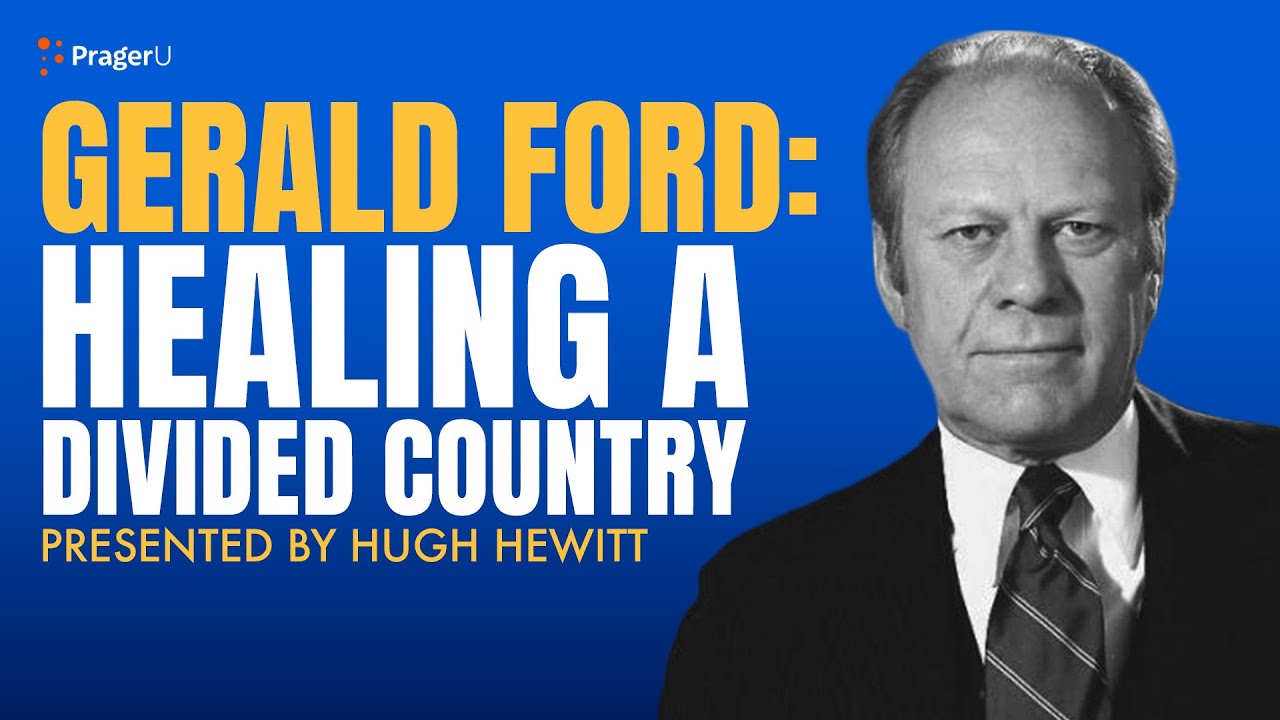
Gerald Ford Held America Together After Nixon's Resignation and the Watergate Scandal
5:54
Larry Elder on John F Kennedy's Rise to Power and Early Presidential Struggles
5:51
John Yoo Reveals How Dwight Eisenhower Kept America Great Through Strategic Peace and Pragmatic Leadership
5:56
Amity Shlaes Explains Why We're Still Living in Lyndon Johnson's America Today
Amity Shlaes examines how Lyndon Johnson's Great Society programs fundamentally transformed America in ways we still live with today. While Johnson's predecessor John F. Kennedy advocated for opportunity and tax cuts, Johnson sought to outdo both Kennedy and Franklin Roosevelt by creating massive federal entitlement programs. Medicare, Medicaid, food stamps, and public housing all originated from Johnson's ambitious agenda to cure poverty and change American life. Despite noble intentions and trillions spent over decades, Shlaes argues these programs created unintended consequences: institutionalized poverty incentives, failing urban school systems, riots, and crushing debt for future generations. The Great Society programs now form seemingly permanent institutions that burden America with unsustainable federal spending, yet Shlaes reminds us these edifices can be changed.
A staffer of the 36th president once said we are living in Lyndon Johnson's America. That statement remains true today. Consider America's out-of-control federal debt. We'd like to reduce it, but we can't because doing so means taking down institutions that seem as permanent as the Rockies: Medicare, Medicaid, and many other entitlements. All these institutions were established by Lyndon Johnson.
Kennedy's Vision Versus Johnson's Ambition
The slogan of John F. Kennedy, Johnson's predecessor, was "a new frontier." By this Kennedy meant more opportunity to enable Americans to thrive, not massive federal programs that would bankrupt our grandchildren. Kennedy advocated significant tax cuts. Even Kennedy's signature project emphasized symbolism: get a man on the moon to show the Soviet Union and American citizens what America can do for itself.
But an assassin's bullet felled Kennedy in 1963, and now it was Johnson's turn. Johnson didn't have to set a new agenda. He could have simply completed what Kennedy had already set in motion, and that's what he did at first. For example, he saw those Kennedy tax cuts into law. But Johnson didn't want to be a caretaker. He wanted to be a history maker.
The Birth of the Great Society
Johnson created a program called the Great Society. Not only would he outdo John Kennedy, he would outdo his own hero Franklin Roosevelt. At the University of Michigan in 1964, Johnson announced dramatic plans to change life in our cities, in our countryside, and in our classrooms. Later Johnson promised to cure poverty. Note the verb: not alleviate, not relieve, but cure.
Johnson, with his long career as a congressman and senator, was genuinely great at one thing: passing laws. And pass them he did. A civil rights law to banish inequality, a voting rights law to end the voting gap between white and black Americans, a law to provide health care for seniors (Medicare), a law to provide health care for disadvantaged families (Medicaid), and laws that built out modern entitlements such as food stamps and public housing.
Initial Success and Expansion
It all sounded great. The American people agreed. After serving the remaining months of Kennedy's term, Johnson easily won election in his own right in 1964. Then Johnson felt even freer to set his own course. Between 1965 and 1968, Johnson brought hundreds of social programs to life.
But who would manage these programs and how would government employees do it? No one knew. No matter, they could work out the details later. What mattered most to Johnson were the noble intentions of these programs.
Unintended Consequences
But those intentions didn't lead to Great Society Heaven. Riots in American cities did not stop after Johnson passed his civil rights and entitlement laws. Riots increased. Life in public housing projects got worse. The Great Society institutionalized incentives for young women to have children out of wedlock. Still, these benefits came to look like mountain rocks, hard to cut.
Johnson's successor Richard Nixon, a Republican, increased spending on Great Society projects faster than Johnson. Down the decades, we've spent billions and then trillions. Yet today we can see that the results of the Great Society were anything but great.
The Great Society's Failed Promises
Crime and high taxes plagued the cities. Poverty refused to be cured. Entitlements didn't free families; entitlements shackled families to poverty. Student scores on standardized tests dropped after 1965. Even today, the most progressive politician would agree that public school systems in major cities are failing.
Medicare certainly feels kind to senior citizens, but it places a burden of debt on our grandchildren that is anything but kind. People think of Franklin Roosevelt as the father of our nation's social programs, but today we spend more on Great Society programs than on those of the New Deal.
Challenging the Conventional Narrative
These facts may surprise many Americans. We hear all the time that the Great Society was a great success. Perhaps that's because romanticizing government intervention is a rule in public radio and TV, both institutions made possible through a 1967 law signed by Johnson.
Today might be the moment to clear our heads and the moment to take the Great Society record seriously. After all, these edifices are not the Rockies. Medicaid, Medicare, and our social programs can be changed. Our debt can be reduced. Yes, we are living in Lyndon Johnson's America, but that doesn't mean we have to.