Up Next
The Untold History of Slavery in Early America: Multiple Races, Multiple Masters, and the Complex Truth
9:42
Allen Guelzo Reveals Abraham Lincoln's Mastery of War, Government, and the End of Slavery
5:52
Laura Ingraham Gets Exclusive Tour of President Trump's White House Renovations and Presidential Walk of Fame
7:48
Bill O'Reilly Reveals America's Five Best and Five Worst Presidents in New Book Confronting the Presidents
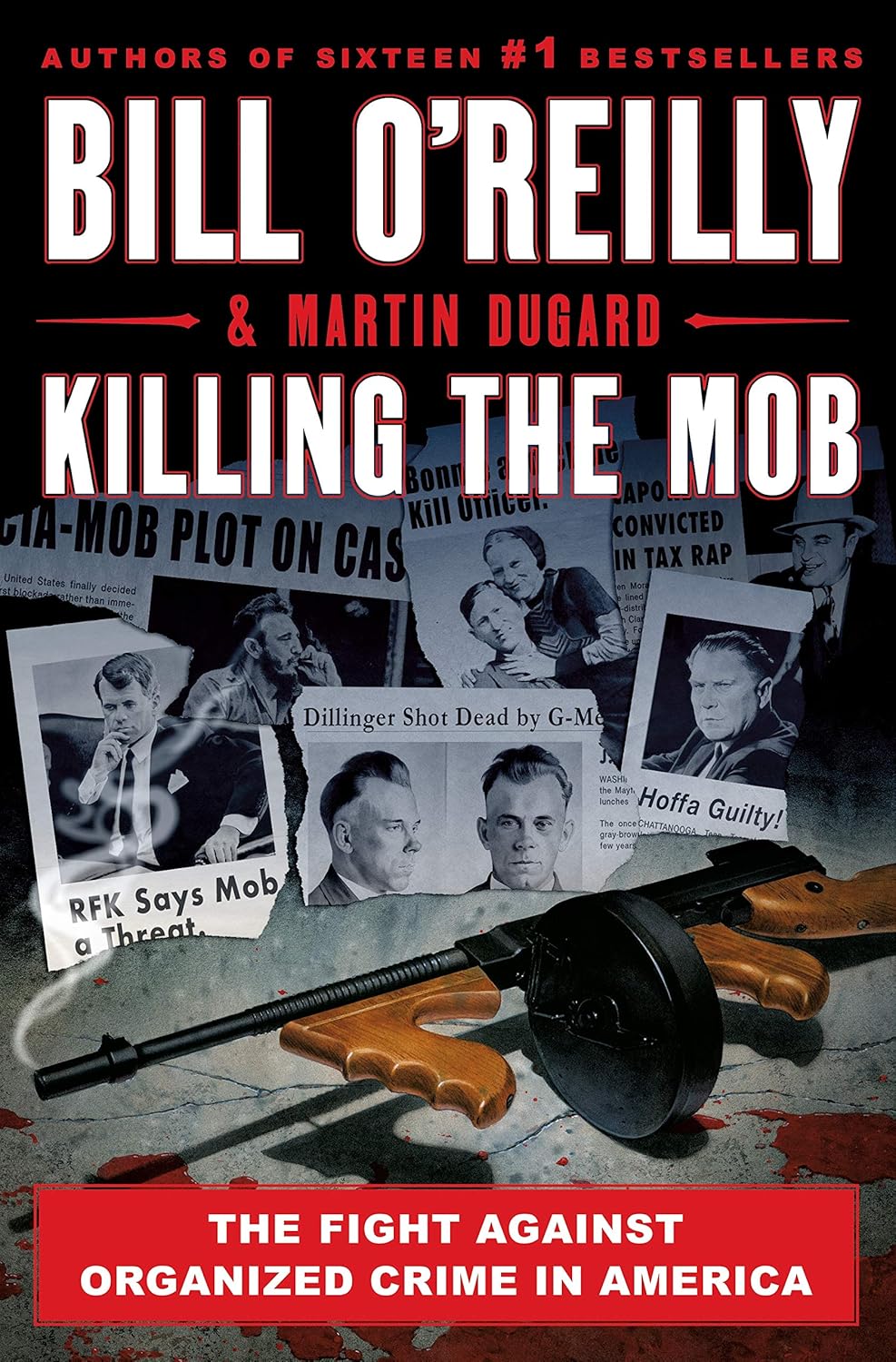
Bill O'Reilly and Martin Dugard, authors of 18 number-one bestselling history books, rank America's best and worst presidents in their latest work, Confronting the Presidents. O'Reilly delivers no-spin assessments of every commander-in-chief, asking one fundamental question: Did the president help or hurt the country? From James Buchanan's cowardice before the Civil War to Abraham Lincoln's moral conviction, O'Reilly examines the character flaws and strengths that defined presidential legacies. The book reveals shocking details about drunk presidents, political corruption, and the untold stories behind America's most consequential leaders. O'Reilly argues that times make the man, but moral conviction and courage separate the great from the terrible. His rankings challenge conventional wisdom, placing Joe Biden among the worst and James K. Polk among the best presidents in American history.
A Historian's Mission to Make History Fun and Accessible
Bill O'Reilly has a simple philosophy about writing history: make it engaging while staying truthful. The former high school history teacher from Miami, Florida learned early in his career that students need more than dry facts to stay interested. "I had to break it down and tell them stories, and then they go, 'Oh, that's cool,'" O'Reilly explains. "It's fun to read it. And you learn at the same time." This approach has resulted in 18 number-one bestselling books co-authored with Martin Dugard, including Killing Lincoln, Killing Kennedy, and Killing Reagan.
Their latest book, Confronting the Presidents: No Spin Assessments of All 46 Leaders, represents O'Reilly's most comprehensive historical project yet. The book examines every American president through a single lens: Did they help or hurt the country? O'Reilly's methodology differs from traditional historians who produce massive tomes filled with minutiae. Instead, he focuses on character, decision-making, and moral conviction. "I want you to know the person," O'Reilly says. "Strengths and weaknesses."
The Five Worst Presidents: Cowardice, Corruption, and Incompetence
O'Reilly's ranking of America's worst presidents reveals a pattern of moral failure, weak leadership, and devastating consequences for the nation. At number five sits Franklin Pierce, the 14th president who was pro-slavery despite being from the North. Pierce signed the Kansas-Nebraska Act, which led to violence in Kansas between pro-slavery and anti-slavery forces. He enforced the Fugitive Slave Act and failed to take decisive action on the defining issue of his era.
But Pierce's policy failures weren't his only problem. "He was a big tippler," O'Reilly reveals. "He lost a child and he never recovered. And then he had a nervous breakdown that nobody knew about." Pierce's alcoholism and mental health struggles rendered him incapable of effective leadership. "You cannot do that job if you are impaired," O'Reilly states flatly. "Franklin Pierce was a drunk."
At number four is John Tyler, the first vice president to assume the presidency after William Henry Harrison died just 31 days into his term. Tyler championed states' rights and his own party despised him. "His own party hated him," O'Reilly explains. "Everything he tried to do, they said, 'We're not doing it.'" But Tyler's real failing was his enthusiastic support for slavery. Unlike Thomas Jefferson and other founders who held slaves but were conflicted about it, Tyler "liked it. He was a cheerleader for slavery."
The third worst president is Lyndon Johnson, a ranking that surprises many given his championing of the Civil Rights Act and social reforms. O'Reilly gives Johnson credit for civil rights legislation that "took courage" and required spending "a lot of political capital." Yet Johnson lands on the worst list for two damning reasons. "Number one, he was a crook," O'Reilly states. Johnson and FBI Director J. Edgar Hoover used blackmail and intimidation to get what they wanted from politicians. "They had dirt on some people. And they use that against those politicians."
More significantly, Johnson put his own self-interest above American lives in Vietnam. "Eighty percent of the Vietnam War was under Lyndon Johnson," O'Reilly notes. "And he knew it was going bad. But he wouldn't admit it." Johnson told Americans the United States had made a national pledge to help South Vietnam when he knew the war was unwinnable. O'Reilly argues the Vietnam War might never have escalated if JFK hadn't picked Johnson as his running mate for political reasons, particularly to win Texas.
Joe Biden ranks as the second worst president in O'Reilly's assessment, a controversial choice given Biden's recent presidency. O'Reilly sees parallels between himself and Biden: "Bill from Levittown, working class, Roman Catholic, strict father who worked every day. Joe, the same." Despite this commonality, O'Reilly harshly criticizes Biden's record. "Biden created the problems. Most of these other terrible presidents walked into the problem. He created massive problems."
O'Reilly points to three catastrophic failures: the chaotic Afghanistan withdrawal that "sent a message to the world: I'm weak"; the border crisis that was "under control" until Biden "blasted it out with nothing to put in its place"; and inflation that rose from 1.5% to devastating levels within two years. "I've never seen a conviction from Joe Biden," O'Reilly says. "I've never seen a reach out to try to heal the country."
But the absolute worst president in American history, according to O'Reilly, is James Buchanan. The Pennsylvania native served immediately before the Civil War, and O'Reilly believes Buchanan's cowardice made the conflict inevitable. "This guy was the worst. He stood for nothing," O'Reilly declares. As Southern states prepared for war—storing arms, organizing military brigades, terrorizing abolitionists—Buchanan did nothing. He refused to send federal troops or reinforce Fort Sumter.
O'Reilly argues the Civil War could have been prevented: "I got a letter from Harry Truman that says if Andrew Jackson had been president before Lincoln instead of these weak guys, there wouldn't have been a war." Jackson would have confronted the Confederates militarily before they gained power. Instead, Buchanan threw parties and enjoyed his wine cellar while the nation careened toward catastrophe. "He was the president. He did not lead. He didn't care," O'Reilly says. "James Buchanan was a coward. He didn't have the guts to do the right thing." O'Reilly's ultimate verdict: "He wins the Triple Crown—venal, cowardly and stupid."
The Five Best Presidents: Vision, Courage, and Moral Conviction
O'Reilly's ranking of the greatest presidents reveals what he values most: moral clarity, courage under pressure, and putting country above self-interest. At number five is Franklin Delano Roosevelt, who "saved the country during the Great Depression" and "saved the world" during World War II. FDR faced two existential crises and responded courageously to both.
However, O'Reilly acknowledges FDR's significant flaws. He had affairs, tried to pack the Supreme Court, and "didn't want Congress to tell him anything at all." More seriously, FDR could have stopped the Holocaust by bombing the railroad tracks to concentration camps but refused, listening to advisors who didn't want to divert resources from the war effort. Despite these failures, FDR makes the top five because he created the safety net of social security and unemployment insurance, fundamentally changing the relationship between government and citizens. "For the first time, the federal government said, 'We'll help you.' Before that, you're on your own."
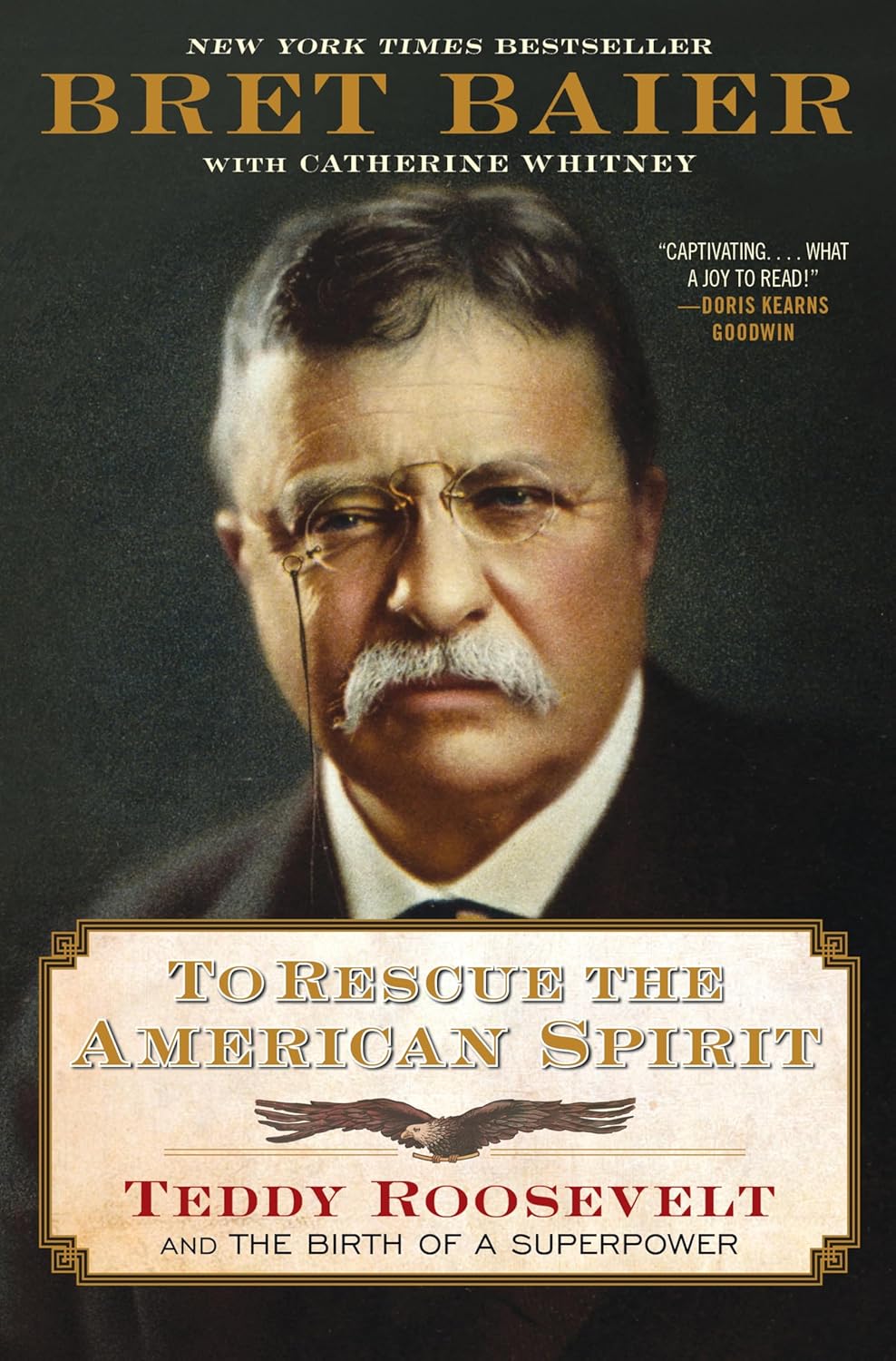
Theodore Roosevelt ranks fourth, earning his place as "the first modern president" who brought unprecedented energy and charisma to the office. Teddy transformed himself from a sickly Harvard student into a boxer, outdoorsman, and eventually the Rough Rider hero of the Spanish-American War. "He brought an unbelievable vitality," O'Reilly explains. "He was larger than life."
Following a series of forgettable presidents like Grover Cleveland and Benjamin Harrison, Teddy became a superstar. "Wherever he went, people mobbed him. Highest energy ever." He pioneered conservation, establishing national parks across America. Despite his wealth and privilege, "he's a fair guy. Not venal. Austere in his social life." Teddy also embraced family life, with his kids adoring him even though daughter Alice "was smoking and smuggling cigarettes and drove Teddy crazy." His vision was clear: "We're the best country in the world."
The third greatest president is James K. Polk, a name most Americans don't know. Polk served only one term as president but accomplished more than most multi-term leaders. "He immediately tells the American people, 'I'm going to do four years. That's it. One term,'" O'Reilly recounts. Polk did this because he knew he was very sick and wouldn't live long.
Polk's singular achievement was doubling the size of the United States. Looking at the map, he envisioned an America stretching from Washington, D.C. to Portland, Oregon, and from Canada to Mexico. "All of this should be ours," Polk believed. He engineered the Mexican-American War, defeated Mexico, and acquired California and the Southwest. "He saw it and he made it happen. That's hard." Polk was also a workaholic with no hobbies or leisure activities. "He worked himself to death," O'Reilly notes. Polk lacked ego and never aggrandized himself, which is why he remains unknown despite his massive impact.
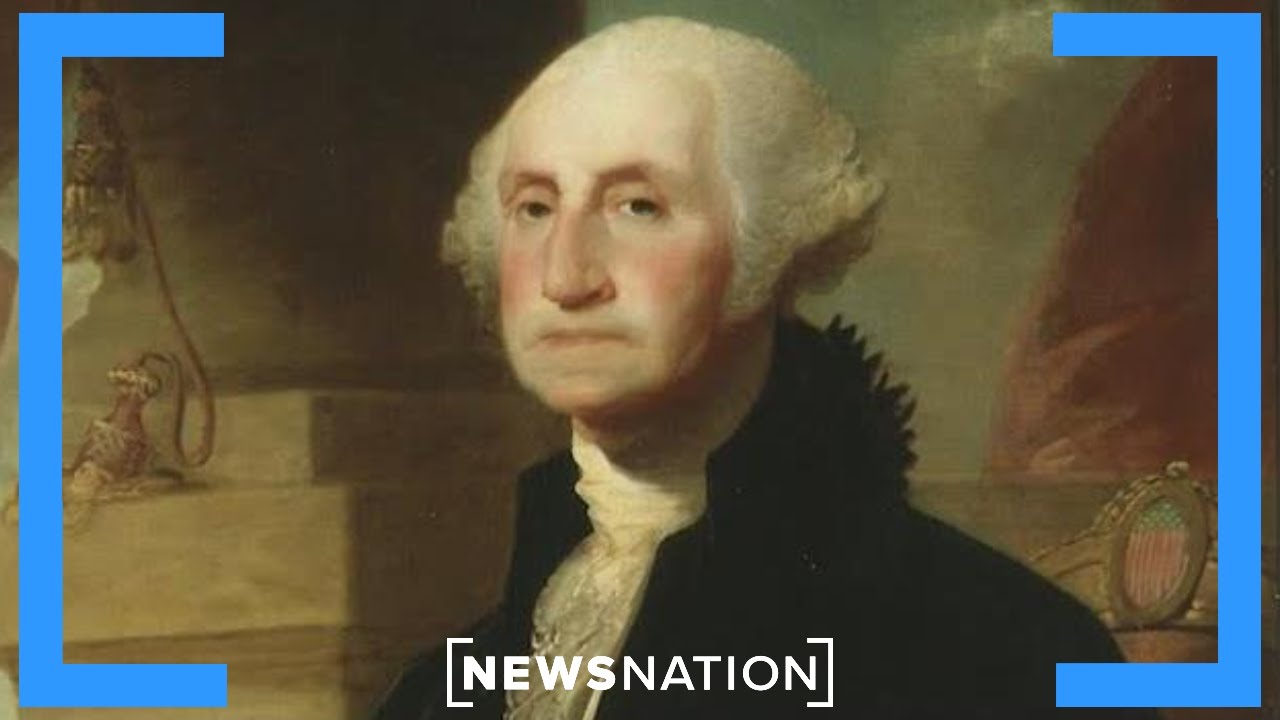
George Washington ranks as the second greatest president for laying the foundation of American government. O'Reilly marvels at the nation's good fortune: "How lucky are we as a country that we got George Washington?" Washington led a ragtag Revolutionary army against the most powerful military on Earth and somehow won. At Valley Forge, facing starvation and desertion, Washington wrote to spies and coordinated intelligence operations that helped turn the tide.
After the war, Washington was essentially coronated as president without a real election. He immediately established federal supremacy over state governments. "We're going to have a federal government that runs the states, but the federal government has the power. We're running the show," Washington declared. He knew the early American population included many problematic characters—"the King of England sent all the convicts over on boats," O'Reilly jokes—and strong central authority was necessary.
Washington's presidency saw incredible economic growth, and he laid the foundation for everything that followed. Remarkably, Washington didn't seek fame or glory. He had a contentious relationship with his own mother, who wrote letters to newspapers claiming "My son George is starving me," which drove Washington crazy. Yet he maintained his dignity and didn't even attend his mother's funeral. "Washington didn't let anything derail him," O'Reilly observes.
Abraham Lincoln: The Greatest President in American History
Abraham Lincoln stands alone as Bill O'Reilly's pick for the greatest president America has ever had. "I can't tell you how much I love Abraham Lincoln," O'Reilly confesses. Lincoln came from nothing—no formal education, no connections, no wealth. He didn't trade favors or engage in the corruption common to his era. "He basically taught himself everything," O'Reilly marvels.
What set Lincoln apart was his moral conviction combined with tactical brilliance. "He had a sense of morality that was off the charts," O'Reilly explains. Lincoln knew he had to preserve the Union and end slavery, two monumentally difficult tasks. "I'm going to have to end slavery. And I know people are going to hate me for it, but I'm going to have to do it." Lincoln managed to accomplish both objectives simultaneously, which O'Reilly considers remarkable given the political dynamics of the era.
Lincoln's philosophy came from the Bible, which he read extensively though he wasn't particularly religious in a conventional sense. "He took out of that book a sense of morality and fairness," O'Reilly says. This moral foundation made Lincoln "relentless in his belief that he was doing the right thing." The hatred directed at Lincoln far exceeded anything modern presidents face, yet "he endured it."
The 1864 election exemplified the vitriol Lincoln faced. Running against General George McClellan, whom Lincoln had fired for incompetence, Lincoln endured vicious attacks. McClellan's campaign warned that Lincoln's reelection would bring "Negro equality" and "ultimate ruin," while McClellan promised "the Union, an honorable, permanent and happy peace." The racism was explicit and intense, yet Lincoln persevered.
"You couldn't derail this guy," O'Reilly says admiringly. Lincoln's persistence in the face of overwhelming opposition, his moral clarity on slavery despite enormous political costs, and his success in preserving the Union during America's darkest hour make him the gold standard for presidential leadership. Lincoln almost committed suicide early in life when a relationship with his soon-to-be wife fell apart, showing his capacity for despair. Yet he overcame personal demons to become the savior of the Union and liberator of the slaves.
The Common Thread: Times Make the Man
When asked what common traits separate great presidents from terrible ones, O'Reilly points to moral conviction and courage. "The most common failure was they didn't have the guts to do the right thing," he says of failed presidents. "They didn't stand up when the right thing was hard." Great presidents put country above self-interest, even when facing enormous pressure.
But O'Reilly also emphasizes that historical circumstances create opportunities for greatness. "The times make the man," he argues. "You must have that moment. The challenges make the man." Washington wouldn't be Washington without the Revolutionary War. Lincoln wouldn't be Lincoln without the Civil War and slavery. FDR wouldn't be FDR without the Great Depression and World War II.
This raises questions about modern presidents and future leaders. Can a president become great without a defining crisis? O'Reilly suggests the answer is no. Presidents who served during relatively peaceful, prosperous times—regardless of their character or abilities—simply don't have opportunities to demonstrate the leadership that earns historical greatness. The inverse is also true: terrible presidents often made crises worse through cowardice, corruption, or incompetence when decisive action could have changed history's course.
Confronting the Presidents offers Americans a fresh perspective on presidential history by focusing on character and consequences rather than partisan politics or academic conventions. O'Reilly's accessible writing style and willingness to deliver blunt assessments make history engaging for readers who might otherwise avoid the subject. Whether you agree with his rankings or not, his fundamental question remains essential for every generation: Did our leaders help or hurt the country? The answer matters because, as O'Reilly demonstrates, presidential decisions echo through generations, shaping the nation we inhabit today.
Video Transcript
tonight.
Confronting the president's.
These are real people.
assessments of every commander
The reason on the best selling
is because my books are fun
Bill will count down
presidents because they failed
He was awful.
was the most boring guy
he wins.
the Triple Crown.
Venal, cowardly and stupid.
and his five best.
People loved him
he, did a lot of really
he was a good commander in chief
The Untold Stories
So Washington and his mother
I don't dislike Joe Biden.
I just think he's
What are the lessons in the book
for either
Get ready for a history lesson
And nobody watching
This is Bill O'Reilly's
America's best and worst.
Good evening.
I'm Leland Vittert.
Here in Washington,
we spend a lot of time
So it's only fitting and proper.
We honor those who founded
the shining city on the hill.
But let's face it,
some presidents
Tonight we're going to celebrate
and show you
But first, we want to count down
And pinpoint the lessons we can
And who better to guide us
Literally.
You Bill O'Reilly
Martin Dugard
And if you didn't know
to tell you.
you are the authors of 18 number
At least that's what it says.
What do you mean? No, that's
I just just tell you, okay?
That's what it is.
Let me
Dugard and I
Killing Lincoln, killing
Killing Reagan there.
as evidenced
by his massive collection
Bill O'Reilly obsesses
thus confronting the presidents.
Okay.
no spin assessments
What does a
It basically means that
my job as a historian
is different than most
I want you to know the person.
you say
What are you confronting them
Strengths and weaknesses.
So you're assessing
It's a simple concept
Did the president
help or hurt the country?
That's how you write history,
not 800 pages about Grover
running around in upstate
Grover Cleveland's
Former high school history
the original Mr. Carter.
I taught in a school in Miami,
Florida. Tough, tough school.
You can imagine how hard it was
to arrest
So I had to break it down
and tell them,
and then they go
It's fun
to read it.
And you learn at the same time.
as we go through,
Top five worst top five.
Worst or harder
The best.
Because most of the presidents
were caught up in circumstances
That's number one.
Number two is
and how they reacted
The 14th man to hold the office.
Franklin Pierce
Pierce was pro-slavery, despite
He signed the Kansas-Nebraska
in Kansas between pro
He enforced the Fugitive
And that's not all
c Pierce
And that really,
to make decisions and
And his wife
was appalled by his condition,
Pierce looks a little serious
He's giving it a little.
Looked a little penetrating
You don't see it in the picture.
So you always had something
Yeah. Oh, is
A big tippler.
And And then he lost a child.
and he never
And then he had a nervous
that nobody knew about.
And that affected the way,
and then, slavery was the hot,
And all Pierce wanted to do
We'll have a compromise
We do want to solve it.
Just want
He didn?t do anything,
what did he do?
He didn?t do anything.
He kind of just sat there
and got drunk every night
at the tax payers expense
It's pretty
Three modern predents, right?
Bush,
Tito's.
They're not. They don't.
I've been out with Trump
And, the strongest thing he has
TikTok.
No, Jason, a lot of Diet Coke.
And that's
By the way,
That's bad for you.
Franklin Pierce was a drunk.
You cannot do that job
if you are impaired.
And he was.
And that's why
Not because he was a pro-slavery
Look at the time.
There were people who were
pro-slavery
They had slaves.
Right. Okay. do.
The other good thing is
and Pierce didn't
He didn't do anything.
he was not a person who had much
did
a sense of morality.
Bill ranks John Tyler
The Virginia plantation owner
Harrison died 31 days
Tyler championed states rights.
And his failures
John Tyler, first vice president
in the book,
was his accident accidentally,
except in one area,
So he was a kind of lively guy
So it was John.
he didn't govern very well.
Saved his energy
one of the worst presidents.
And he looks a little tired.
And you would be
So John Tyler takes
And does what?
Nothing.
His own party hated him.
Tippecanoe and Tyler too.
The only reason that he was on
is because he was pro-slavery,
and Harrison
That's it.
Nobody thought this clown
going to be president, Tyler.
And then he gets to be
His own party hates them.
everything he tried to do,
We're not doing it.
Pretty weak guy, right?
I mean,
and get his own people in.
Well, I don't think
Nobody would even talk to him.
But the worst thing
and why he made the list
He liked it.
Come on, you can't do that.
There were others,
and Jefferson, who held slaves.
They didn't like it.
They conflicted about it.
Okay. Tyler wasn't conflicted.
He wanted more of it.
Let's bring it on. Awful.
So that wasn't a tough
for me
He was a cheerleader
There's nothing else that he did because he served
such a short time.
he got nothing done at all.
Nothing.
But even some presidents
spot as Bill O'Reilly's
Who's worse
How ridiculous is that?
How crazy is that?
for pneumococcal pneumonia.
Lyndon Johnson takes
I urge every American
to join in this effort
to bring justice
and hope to all our people,
on Air Force One, heading
and got to work on
sweeping social reform
He championed civil rights
But his massive escalation
I shall not see.
And I will not accept
the nomination of my party for
Johnson credit
the Civil Rights Act for the
which at the time took
And he spent a lot of political
Yet he is the third worst.
he did good,
in a tremendous way, Jimmy
led to a terrible
the Iran hostage crisis.
You got Herbert Hoover couldn't
figure our way
what is it about John's
that it outweighed
and still ended up
are two reasons why.
Number one, he was a crook.
So Johnson
in black man,
Edgar Hoover, and their hobby
to get what they wanted.
And they
and some
And they use that
against those politicians.
So Lyndon Johnson had.
is He
put his own self-interest
above the lives
It was all about Vietnam 80%.
the Vietnam War was
And he knew it was going bad.
But he wouldn't admit it.
So he's telling the American
we have made a national pledge
South
And I intend to keep
It was bull.
the United States want to go in
and kick some Hanoi,
How crazy is that?
O'Reilly says
might never have happened
if JFK hadn't picked Johnson
From then Senate
Johnson,
Burleson
saying hey
the Kennedy brothers
because now they'll take Texas
the Kennedys didn't like Johnson
because they thought
and he knew it, but he took it.
about LBJ wanted power.
And he was right.
One thing JFK did do that
is that he would pull
He had signed the
troops.
And one of the first things
Man, you have an ad for Johnson
Well,
I have it out
because that's
And that never
about what you called the
At lunch, he would grab food off
There were stories
because he used the commode.
why he's a was raised
In a time
he's a bully, though,
but that that was part
And he got his way
all over the place.
Confronting the presidents
management style.
Staff are expected
Johnson can be verbally abusive
that annoy him.
Among them,
And I don't even consider
I just want you to say yes, sir.
but Bill already ranks
Now it's
we who face unprecedented moment
Biden promised
and reunite the country
but his own party forced him out
His chaotic
The immigration crisis
triggering the worst inflation
performance, renewed questions
It was only a matter of time
So I decided the best way
is to pass the torch
You right.
Similar background is Bill
What does that mean?
Bill from Levittown.
Not much of a difference
Roman Catholic Joe. Bill,
class father who
Joe. Bill.
So there is some commonality
you call him
And here's why.
It's because Biden
Most of these other terrible
walked into the problem
He created massive problems.
Afghanistan. Are you kidding me?
sent a message
I'm weak.
It was under control
He blasted it out with nothing
to put in its place
for decades.
to create that kind of chaos.
Hundreds of thousands of deaths
with fentanyl
no solution, never addressed it,
Trying to blame the other party?
Awful.
Same thing in an economy.
He inherited 1.5% inflation, but
and in the space of two years,
Inflation crushed and continues
to this day to crush working
I seen from Joe
the Democratic
I've never seen
I've never seen a conviction
I've never seen a reach out,
to try to heal the country,
I don't see one thing
Not one Donald Trump
represent
the very foundations
You know,
And when they start yammering
I said,
tell me one thing,
The worst president ever
Richard
Jimmy Carter
But for Bill O'Reilly,
James Buchanan of Pennsylvania
before the Civil War.
And O'Reilly says Buchanan
He leads the league
Not even close.
Oh, this guy was the worst.
I've studied this man,
fascinating to me
he stood for nothing.
Nothing.
So the big story was
Okay?
The South is starting to attack
They're, storing arms.
They're organizing in brigades.
They're terrorizing
Right. And Buchanan knows this.
He does nothing.
No federal troops,
In fact, at Fort Sumter,
he wouldn't
But at some point you're putting
Could anybody have prevented
I got a letter from Harry Truman
that says if Andrew Jackson
before, Lincoln
which probably true,
because Andrew Jackson
before the Confederates
their power militarily
and kicked their butts
That's what would have started
There wouldn't have been a war
Oh, let's have another party,
Big wine cellar. Oh, hello.
If I were in a time machine,
So Buchanan comes in and does
Nothing.
And you think
that was intentional,
Hard to be a psychiatrist.
but I am one of the few people
All Right,
so this is a very rare edition.
because Buchanan's book
And he totally screwed off
He probably doesn't
no. I blamed it all in Congress
on the guy's hand.
he blames power.
Cars would do this. Congress
That's a bunch of garbage.
He was the president.
He did not
He didn't.
He didn't
We didn't care
And that's the measure
When you see a problem and
And, you know,
because of it.
South
without a fight
Then you fight them.
James Buchanan was a coward.
He didn't have the guts
and everybody knew
he wins.
the Triple Crown.
Venal, cowardly and stupid.
And when I hear Trump say,
I go,
The worst vice
He's the worst
And okay, he's not reading
like I did.
Of the bad presidents, those
Was there a common personality
A common character flaw?
they were bad presidents
to run the country effectively.
And the most common failure was
they didn't
and they didn't
when the right thing
But usually the right thing
??
but this country wouldn't be
if all of its leaders were
So let's flip the script
off the countdown of Bill
starting with a man who stood
Even though he couldldn't walk.
Number five is Franklin Delano
It is your problem, my friend.
No less than it is mine.
He saved the country
during the Great Depression
It included social security,
unemployment insurance,
Then FDR saved the world
All right.
So we start with Bill O'Reilly's
Franklin Delano Roosevelt.
Right. Flawed man.
had affairs.
Yeah.
What I
Franklin Roosevelt
He didn't want Congress at all
You want to stack the Supreme
He tried to sell.
They top him that,
For unless there is security
there cannot be lasting peace
But anyway, Roosevelt had two,
The Great Depression
and World War two.
courageous way.
And he was successful more
that in the depression,
until World War Two began.
That's
But in the meantime, Roosevelt
and that safety nets
All right. And he did that.
And it was first time
that was you're on your own
And he created a lot of federal
How much of FDR was ability
the depression comes from
You know,
And the press allowed
the way
He had some empathyy
but he didn't want to associate
He was more emotionally involved
But FDR, as white House
O'Reilly writes,
FDR sleeps alone, his bedroom
framed cot, a chest of drawers
The spartan furnishings,
in time of depression
you would say was the first,
who was also a military chief
a great commander in chief?
I'd say he was a good commander
But FDR could have stopped
and didn't,
didn't want to divert
leading to, Auschwitz-Birkenau
So he listened to them.
but FDR is on a top five list
FDR ran for president and won
a record four times in 1944.
He chose a Kansas City
so they needed
the prior vice president,
after World War two changed
Roosevelt maybe talked to him
They had no relationship
Roosevelt
some bumpkin FDR four terms.
It was there a,
I don't know,
arrogance complex, savior
He just like the job
Yeah.
I mean, if he stepped down, he'd
He didn't want to do
I mean, why should it?
FDR is distant cousin and the
The original Rough
comes in as number
of greatest presidents.
In 1901, after
fewer than 200 days as Vice
assumed the presidency following
William McKinley's
His term in office
was defined by bold leaderip
Why does Teddy, who doesn't
Why does Theodore rank above
He like Colonel Nest?
If you want to get in good
President. It was Colonel.
Loved it.
So Teddy Roosevelt
is a, guy who's raised
He goes to Harvard.
Sickly guy.
All right.
a lot of maladies. His kid
So he becomes a great boxer.
outdoorsman, a sportsman
Why Teddy Roosevelt makes,
is that he brought an unbelievab
because he was larger than life,
I was about to say no spin zone.
You two would have gotten along,
the world the same way.
I don't know
First, modern
president president, who spanned
but also a family man,
father, kids in the white House,
That's the nicest picture
of the Roosevelt family
And his kids adored him.
Still in his boots.
and his kids adored him.
But he had trouble
Alice was smoking and smuggling
and drove Teddy crazy, Teddy
Rose, the morale
of America to the highest level.
Because remember, you're coming
Cleveland, Benjamin Harrison,
Yeah. They're there.
Then Teddy comes superstar.
Okay.
Wherever he went,
The Taylor
what the Highest energy
He was the original
conservation all over the place.
And he's fair.
He's a fair guy, all right?
Not venal.
Austere in his social life.
But he had a vision
And the vision is
that we're the best country
I don't know about that.
because it's a whole different
Trump likes the business world
He's a deal maker.
Teddy wasn't a deal maker.
Teddy was saying, this is where
It's not.
And you'd love to
because he ate a lot.
Coming up, the biggest surprise
Number three, all time great.
Kennedy. Reagan.
Bill O'Reilly's third
greatest president of all time
James Kay Polk,
a president
probably that America knows
I don't know anything about,
Polk became governor
only one term
But in that term, he doubled
by winning
this poke?
It's got this little haircut
It's a little,
But that's all right. He'd do
Sign of the times.
Wearing a tuxedo jacket
I think this is velvet.
It's got a little velvet
a little choker around the neck.
I mean, that was a high fashion
and all I can say is, I'm
Pope was, very sickly child.
he had to have all these
operations
And he's a governor. Tennessee.
He's boring,
because There really wasn't
And Andrew Jackson liked them.
So Polk comes and he immediately
tells the American people,
That's it.
Won one term.
He did that because he knew
Polk knew.
So you gets in
and he's looking at the map
We should be from Washington
to Portland, Oregon.
All of this should should be
Okay.
What is this stuff going on?
We're going to take it all
now. Mexico.
One of the most corrupt
But back then, it was even
You know,
So they kind of engineer
the Mexicans all over the place,
California.
So he consolidates
and then he doesn't screw it up.
he makes the list
He saw it and he made it happen.
That's hard.
Pork was also a workaholic.
In the book, O'Reilly writes.
James K Polk
has no hobbies, avocations,
Even his enemies marvel
work habits.
He was working like a bomb.
And that's why
Obama didn't like Biden
was like taking a nap
was vice president, so
was just he never left.
He worked himself to death.
Fair to say, Polk's
Yeah.
Nobody knows James Polk.
Not about He's boring.
Because he didn't have an ego.
Never didn't aggrandize himself.
He didn't demonstrate any ego.
And he was just a guy
who luckily got elected
and then expanded the nation
If James Capel simply brought us
more land, and Kennedy
Kennedy had some very, very good
The reason
was that he screwed up a lot,
you know, a lot.
And it was kept from
most overhyped president JFK
by far. JFK.
say, oh, it's Camelot, John
for the short time he was there,
President Polk was an activist.
pork expanded
But George Washington made
A hero of the Revolutionary War,
presidency laid the cornerstone
And he stepped down
his legacy as a man
when doing your no spin
how do you deal with the legend
I didn't deal with it.
I don't care about the cherry
that are floating around.
He is.
How lucky are we as a country
And we're one should have lost
because it was ridiculous.
The most powerful army on Earth
Washington,
So here he's at Valley Forge,
So he writes to a spy, says,
and then he signs.
And that's the very same as
And then he's coronated.
There was no election.
You're president
Okay, I'll be president.
And he says, all right, we're
into the states,
but the federal government
We're running the show. Right.
Because he knew there were
Now, don't get mad at me
But the King of England
sent all the convicts
Yay on boats!
So there were a lot of loons
And to be fair, Georgia,
then was a little different
Now, of course, Leland,
Anyway, Washington knew that.
So he said, we're going to have
And then,
it was an incredible growth
But he laid the foundation
in a very effective way.
When he left, started him.
You loved him
But what do you think
You know,
He wouldn't watch cable TV.
he wouldn't go on social media
I mean, you say what bathrooms
Washington's
You know, But this extraordinary
So Washington and his mother
mother, didn't think George
And so she wrote
Well, it's a she didn't write me
She wrote letters
The newspapers.
My son George is starving me.
Drove him nuts.
Washington didn't
Let's go to his own mother's
This is unbelievable.
And nobody watching
All right.
So when we come back, Bill
and will
Ask their doctor
Before
we reveal Bill O'Reilly's pick
of all time, it's
Easy questions, quick
Who would you most like
Probably Harry Truman, because
I hated us, hated us.
And that would be a fun dinner.
Most disappointing thing
corruption.
So selling the officer's,
Not everybody,
backroom deals,
who stole money,
of all the things in the book,
almost committed suicide
the soon to be wife,
We're over.
He was pondering it.
He was distraught.
Abraham Lincoln
His assassin,
But in the years in between.
Lincoln earned
Savior of the Union.
Liberator of the slaves.
Abraham Lincoln led the nation
I can't tell you how much
I mean, he's a
guy comes out of,
no formal education whatsoever,
doesn't trade favors
Basically
that catches the eye of,
And he walks in.
He goes, you know, I'm going
I'm going
And I know
but I'm going to have to do it.
So that makes him the best
a sense of morality
So Lincoln, he was driven
But at the same time, he didn't
And he
managed to do both Therefore,
because that was quite
One of my favorite things
Washington is go for an early
You end up
at the Lincoln Memorial and
the two famous speeches.
What in his personality
Well, Lincoln's, philosophy
He wasn't a theocratic or
I don't think
But he read the Bible.
and he took out of that
Lincoln, was relentless
in his belief that he was doing
And that's
The hatred toward Lincoln was
far more
and he endured it.
this is 1864.
Yeah.
Lincoln is running
is running on the Democratic
Lincoln had fired,
general McClellan because
So he got into politics.
And McClellan, as you can see in
You will defeat Negro equality,
the union,
and honorable, permanent
and happy peace.
you will bring on Negro
More dead, harder times,
and ultimate ruin a restroom.
Now Trump says. I'm
President
because of the slavery issue.
He was one persistent S.O.B.
you couldn't derail this guy.
he gets
But the times make the man.
and through the Cold War.
A financial crisis
nobody made Bill
the problems that we have now
So the times make the man
You must have that moment.
The challenges make the man.
if we were to take from the book
become great presidents
or terrible presidents
What are the lessons in the book
for either
Well, you got to put the country
Comments
Be the first to comment on this video.