Wilfred Reilly Dismantles The 1619 Project's Claims About American Slavery and Racism
Enjoying this? Share it with someone who needs to see it.
Up Next
Candace Owens Dismantles Leftist Historical Narratives and Exposes Modern Race Hustling in America
16:08
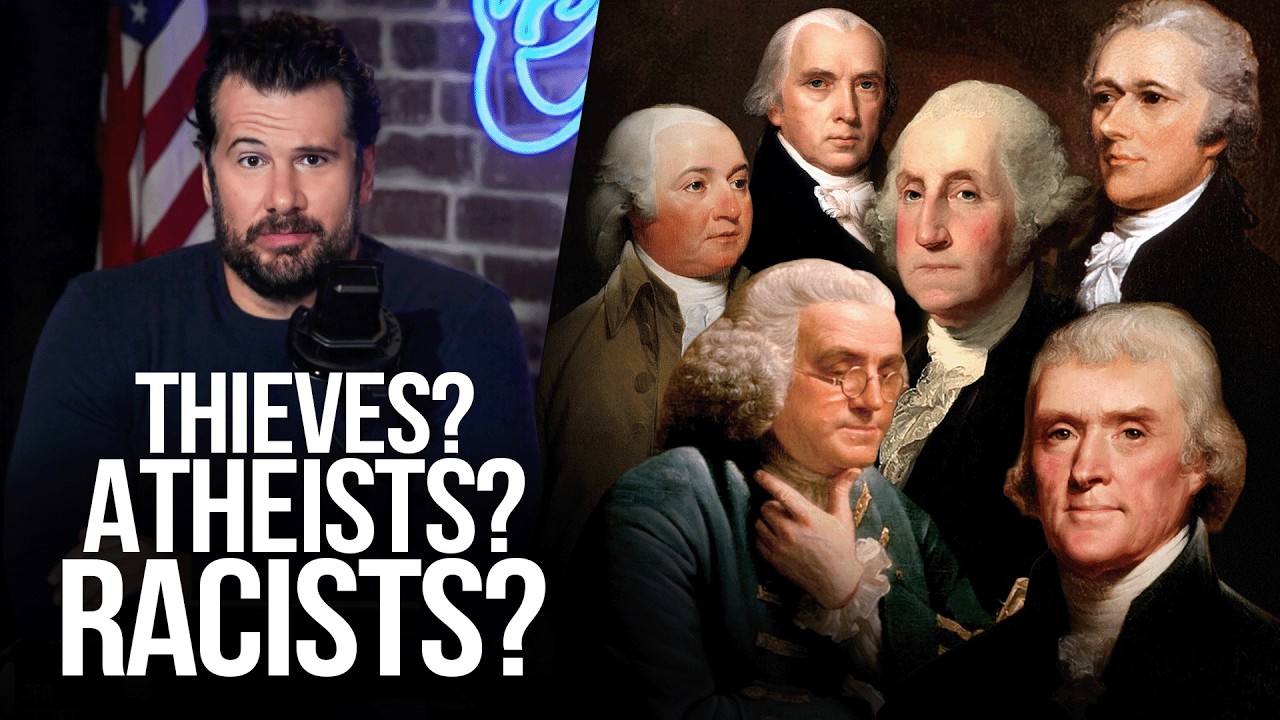
The Top Five Myths About America's Founding Fathers That Your Teacher Got Wrong
22:09
Candace Owens on Operation Mockingbird, Government Control of Education, and Why Black America Keeps Choosing More System
17:22
Wilfred Reilly Dismantles The 1619 Project's Claims About American Slavery and Racism
Wilfred Reilly, associate professor of political science at Kentucky State University, examines the central thesis of The New York Times' 1619 Project and its claims about America's founding. The project argues that 1619, when the first slave arrived in North America, marks America's true founding, and that racism defines the American experience. Reilly systematically challenges three major claims: that preserving slavery caused the American Revolution, that slavery made America rich, and that racism is an unchangeable part of America. Drawing on historical evidence and economic data, he presents a counter-narrative that emphasizes America's progress and its status as the most successful multi-racial country in history.
The 1619 Project was published by The New York Times in August of 2019 and won the Pulitzer Prize for Commentary in 2020. Its central thesis claims that the United States was founded in 1619, when the first slave was brought to North America. This argument raises immediate questions about the significance of 1776, July 4th, the Declaration of Independence, and the Founding Fathers like George Washington, Thomas Jefferson, and James Madison.
According to The 1619 Project, the Founding Fathers pushed for the ideals of "Life, Liberty and the Pursuit of Happiness" primarily to protect their slave holdings. The project suggests that independence from England was merely a smoke screen. For the authors, everything wrong with America is tied to her "original sin" of slavery, from segregation to traffic jams. In their view, racism is not simply a part of the American experience—it is the American experience.
Claim One: Preserving Slavery Caused the American Revolution
The first major claim of The 1619 Project is that preserving slavery was the real cause of the American Revolution. However, if you asked the Founders why they no longer wanted to be a British colony, they would have provided a long list of reasons: taxation without representation, conflicts over debts from the French and Indian War, and the Stamp Act would be just a few.
Most important was the burning desire to be free—to chart their own destiny as a sovereign nation. Protecting slavery was not among their primary motivations. In fact, slavery was not under threat from the British. Britain didn't free the slaves in its overseas colonies until 1833—57 years after the Declaration of Independence.
While the subject of slavery was hotly debated at the Constitutional Convention, that was after the war was won, not as a motivating factor for fighting it.
Claim Two: Slavery Made America Rich
The second claim is that slavery made America rich. Slavery certainly made some Americans rich. Eli Yale, for example, made a fortune in the slave trade and donated money and land for the university that bears his name. But the institution of slavery didn't make America rich. In fact, the slave system badly slowed the economic development of half the country.
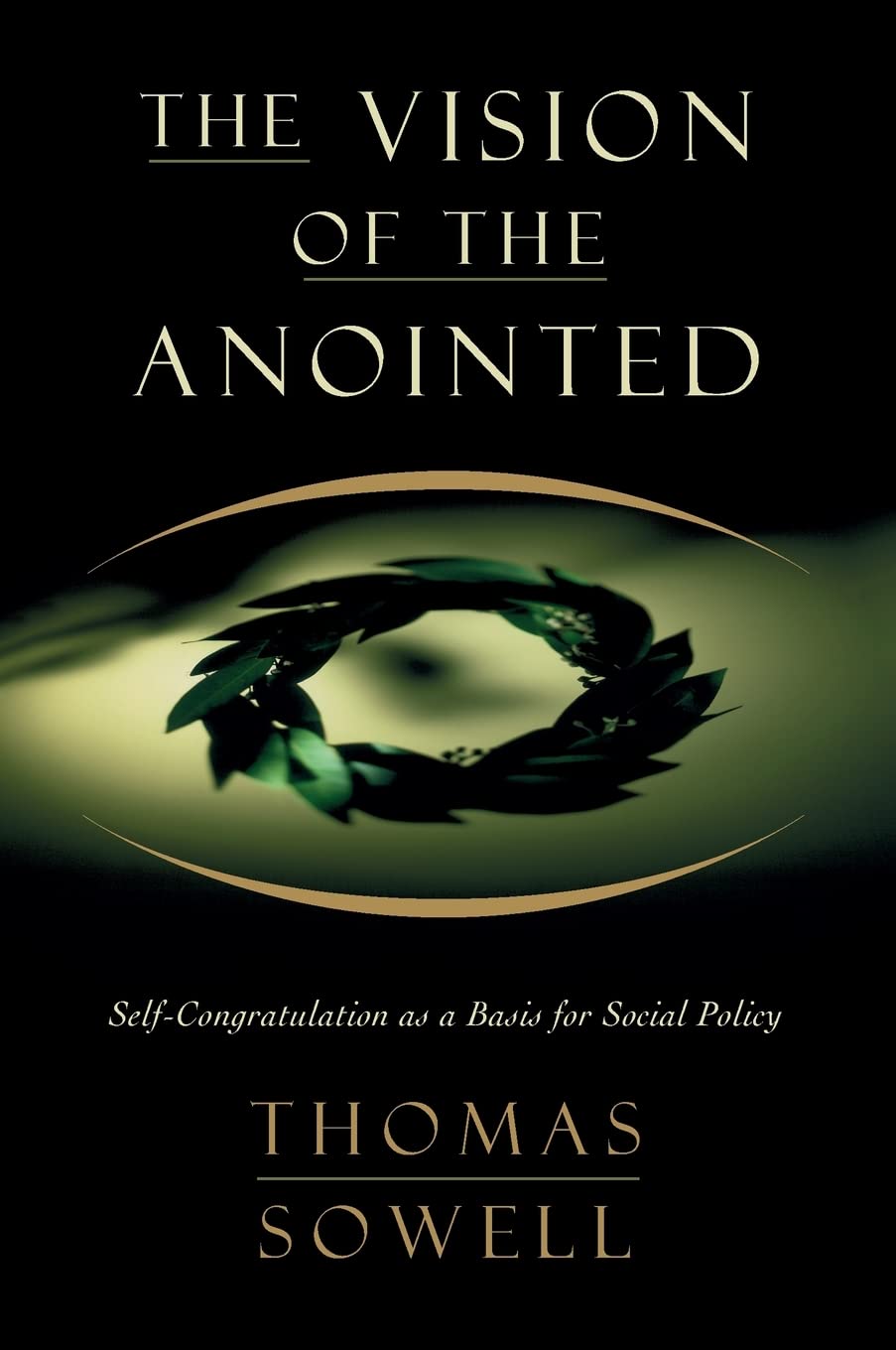
As economist Thomas Sowell points out, in 1860, just one year before the Civil War began, the South had only one-sixth as many factories as the North. Almost 90% of the country's skilled, well-paid laborers and professionals were based in the North. Banking, railroads, manufacturing—all were concentrated in the North. The South was an economic backwater.
The cost of abolishing slavery was enormous—not merely in terms of dollars, as Lincoln borrowed billions to pay for it, but also in terms of human life. 360,000 Union soldiers died in order to free 4 million slaves. That works out to about one soldier in blue for every ten slaves freed. It's hard to look at that butcher's bill and conclude that the nation turned a profit from slavery.
Many things have happened since 1865. In the almost 200 years since the Civil War, the population of the country has grown almost 900% and the national GDP has increased 12,000%. Slavery did not make America rich.
Claim Three: Racism Is an Unchangeable Part of America
The third argument is more philosophical than scholarly, but it undergirds the entire 1619 Project. This claim is particularly pernicious because it suggests that the United States is an inherently racist country that can't overcome its flaws. Yet that's exactly what it's done.
Today, America is the most successful multi-racial country in history, the only white majority country to elect a black President—twice. Of course, progress has not always been smooth. There have been terrible setbacks. But to compare American attitudes about race today to America a hundred years ago, let alone to 1619, is absurd.
Here's a fact that should be better known: Two million black Africans have come to America as legal immigrants from countries like Nigeria in the last 50 years, and have become one of the most successful groups in the country. Why would these people move to what is often called an evil, racist country? Because, unlike many people lucky enough to be born here, they know that America is a land of opportunity for everyone.
It's also only fair to note that while blacks have heroically fought for their rights, often against great odds, they haven't done it alone. A vast number of decent whites have also advanced the cause of racial equality. To cite one of countless examples, the U.S. Senate that passed the landmark Civil Rights Act in 1964 contained 98 whites and two men of color (and they were Asian).
Faith in America's Promise
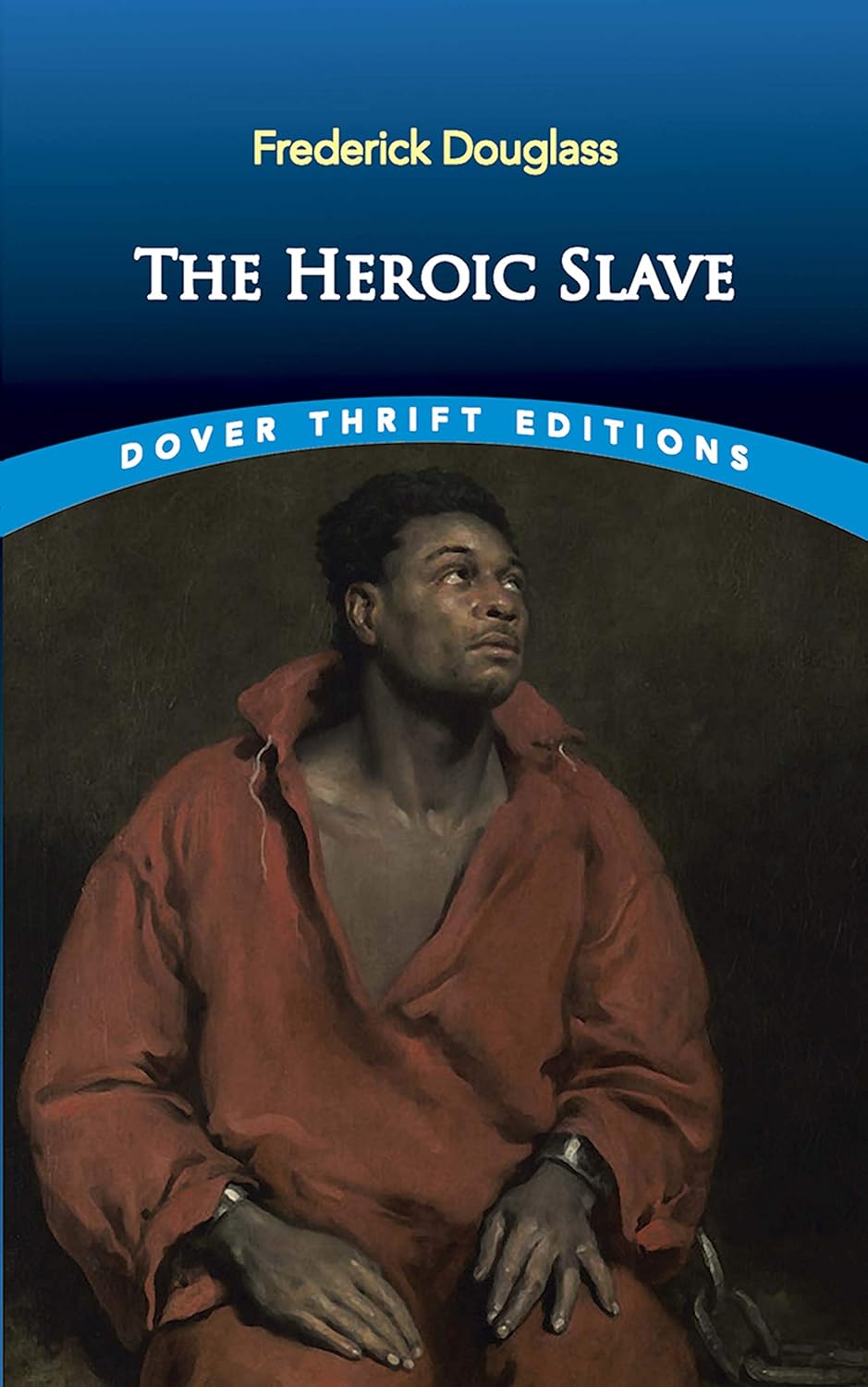
The great black leaders of the past—Harriet Tubman, Frederick Douglass, Booker T. Washington, Martin Luther King—never lost faith in America's promise that all people are created equal. None of them believed that racism was America's defining characteristic. They were right.
Shortly after The 1619 Project was published, a group of distinguished historians—almost all on the left—wrote a public letter condemning the work. They called it a "displacement of historical understanding by ideology." They were right, too.
Video Transcript
Have you heard of The 1619 Project? It was
published by the New York Times in August
of 2019. It won the Pulitzer Prize for Commentary
in 2020.
Its thesis: The United States was founded
in 1619, when the first slave was brought
to North America.
Wait—that brings up some questions…
What happened to 1776? To July 4th? The
Declaration of Independence? George Washington,
Thomas Jefferson, and James Madison?
According to The 1619 Project, the Founding
Fathers pushed for all that “Life, Liberty
and the Pursuit of Happiness” stuff to protect
their slave holdings. Independence from England?
That was just a smoke screen.
To them, everything that’s wrong with America
is tied to her “original sin” of slavery:
from segregation to traffic jams (yes—traffic
jams!). For The 1619 Project authors, racism
is not a part of the American experience;
it is the American experience.
Is this true? Let’s look at three of the
project’s major claims:
1. Preserving slavery was the real cause of
the American Revolution.
If you asked the Founders why they no longer
wanted to be a British colony, they would
have given you a long list of reasons: Taxation
without representation, conflicts over debts
from the French and Indian War, and the Stamp
Act would be just a few.
Probably most important was the burning desire
to be free—to chart their own destiny as
a sovereign nation. Protecting slavery? Slavery
was not under threat from the British. In
fact, Britain didn’t free the slaves in
its overseas colonies until 1833—57 years
later, after the Declaration of Independence.
Yes, the subject of slavery was hotly debated
at the Constitutional Convention, but that
was after the war was won.
2. Slavery made America rich.
Slavery made some Americans rich—true enough.
Eli Yale, for example, made a fortune in the
slave trade. He donated money and land for
the university that is named after him. But
the institution of slavery didn’t make America
rich. In fact, the slave system badly slowed
the economic development of half the country.
As economist Thomas Sowell points out, in
1860, just one year before the Civil War began,
the South had only one-sixth as many factories
as the North. Almost 90% of the country’s
skilled, well-paid laborers and professionals
were based in the North. Banking, railroads,
manufacturing—all were concentrated in the
North. The South was an economic backwater.
And the cost of abolishing slavery was enormous—not
merely in terms of dollars (Lincoln borrowed
billions to pay for it), but also in terms
of human life: 360,000 Union soldiers died
in order to free 4 million slaves. That works
out to about one soldier in blue for every
ten slaves freed. It’s hard to look at that
butcher’s bill and conclude that the nation
turned a profit from slavery.
And many things have happened since 1865.
In the almost 200 years since the Civil War,
the population of the country has grown almost
900% and our national GDP has increased 12,000%.
Slavery did not make America rich.
3. Racism is an unchangeable part of America.
This argument is more philosophical than scholarly,
but it undergirds the entire 1619 Project.
It’s also pernicious because it suggests
that the United States is an inherently racist
country that can’t overcome its flaws. Yet
that’s exactly what it’s done.
Today, America is the most successful multi-racial
country in history, the only white majority
country to elect a black President—twice.
Of course, progress has not always been smooth.
There have been terrible setbacks. But to
compare American attitudes about race today
to America a hundred years ago, let alone
to 1619, is absurd.
Here’s a fact that should be better known:
Two million black Africans have come to America
as legal immigrants—from countries like
Nigeria—in the last 50 years, and have become
one of the most successful groups in the country.
Why would these folks move to what is often
called an evil, racist country? Because, unlike
many people lucky enough to be born here,
they know that America is a land of opportunity
for everyone.
It’s also only fair to note that while blacks
have heroically fought for our rights, often
against great odds, we haven’t done it alone.
A vast number of decent whites have also advanced
the cause of racial equality. To cite one
of countless examples, the U.S. Senate that
passed the landmark Civil Rights Act in 1964
contained 98 whites and two men of color (and
they were Asian).
The great black leaders of the past—Harriet
Tubman, Frederick Douglass, Booker T. Washington,
Martin Luther King—never lost faith in America’s
promise that all people are created equal.
None of them believed that racism was America’s
defining characteristic.
They were right.
Shortly after The 1619 Project was published,
a group of distinguished historians—almost
all on the left—wrote a public letter condemning
the work. They called it a “displacement
of historical understanding by ideology.”
They were right, too.
I’m Wilfred Reilly, associate professor
of political science at Kentucky State University,