Charlie Kirk Confronts Activist Ben Carollo on Founding Fathers, Slavery, and the Truth About America's Founding Principles
Enjoying this? Share it with someone who needs to see it.
Up Next
The Truth About America's Founding and Slavery: Why Historical Context Matters for Our Future
2:07
Charlie Kirk Defends the Constitution Against Claims of Racism in the Founding Document
2:29
Charlie Kirk Addresses the Founding Fathers and Slavery: The Untold Story of America's First Anti-Slavery Movement
0:54
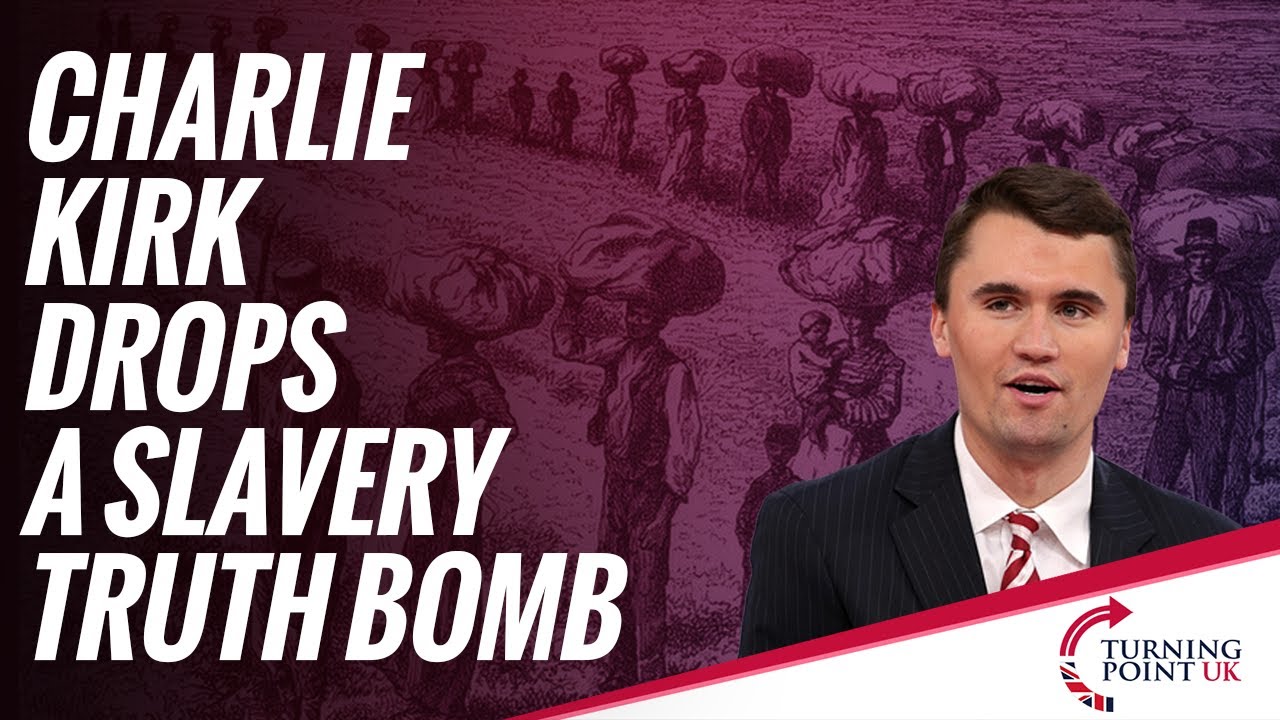
Charlie Kirk Confronts Activist Ben Carollo on Founding Fathers, Slavery, and the Truth About America's Founding Principles
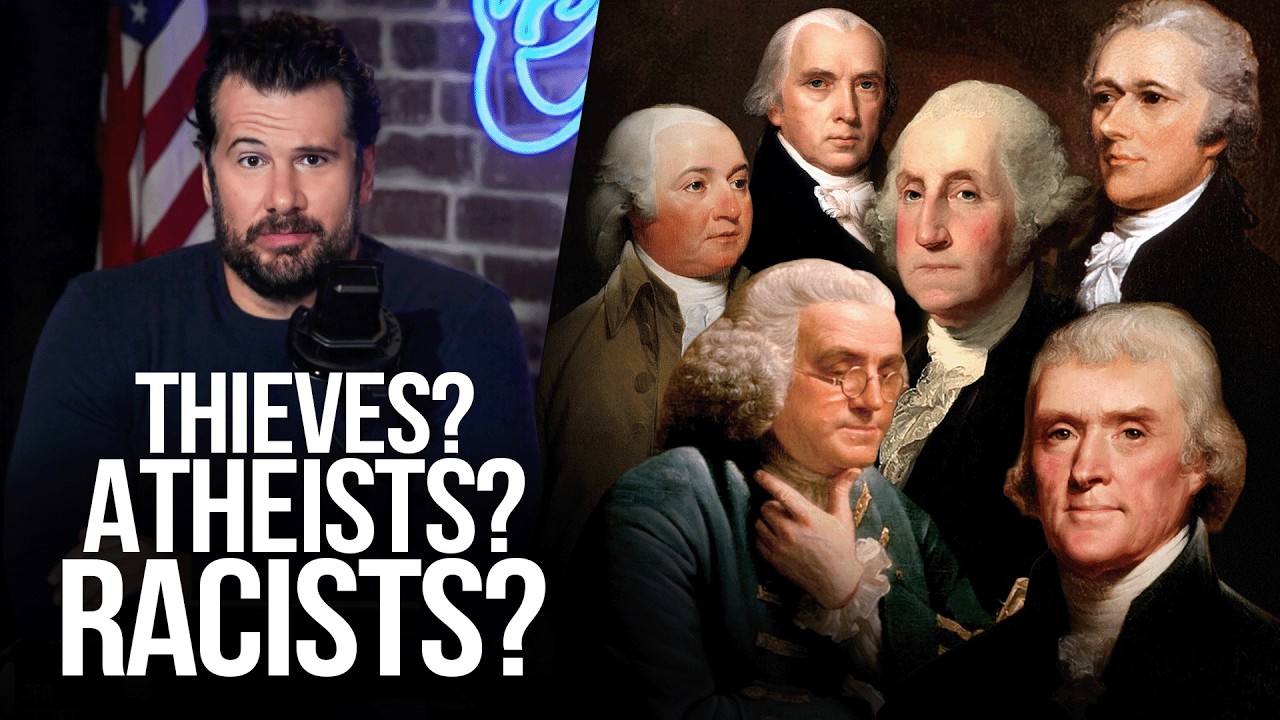
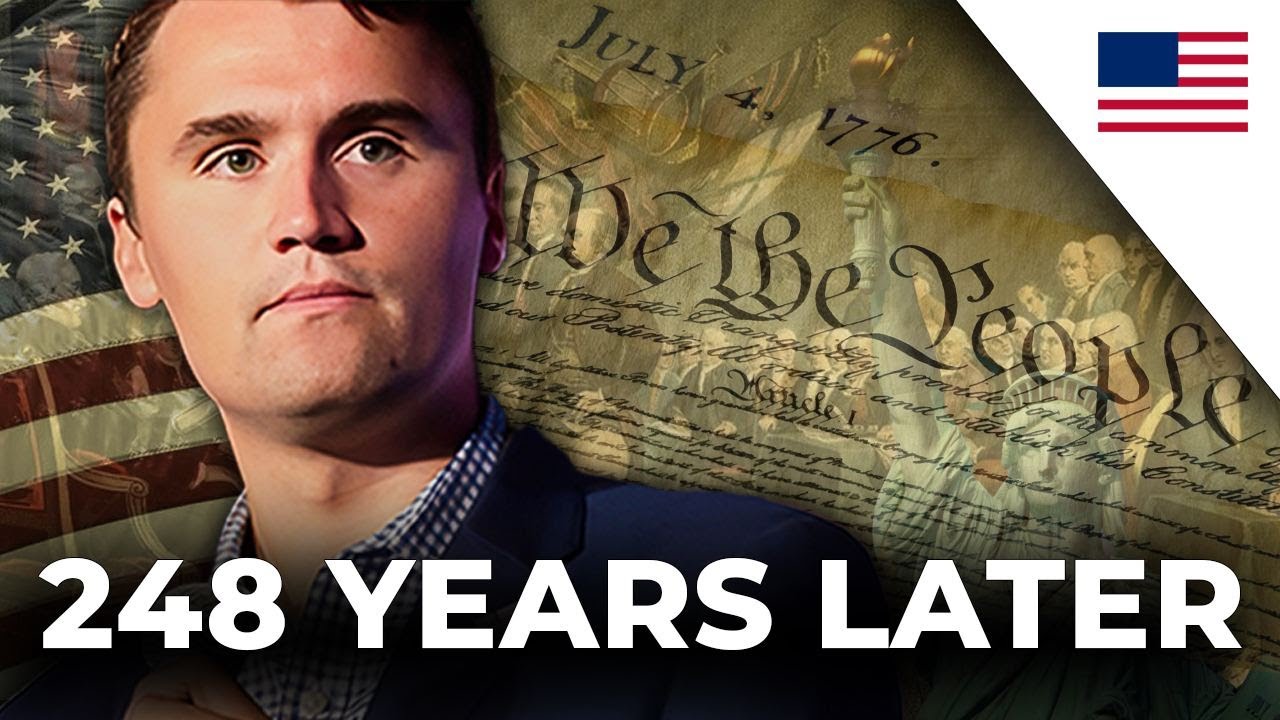
Charlie Kirk engages in a heated debate with activist Ben Carollo who claims America's Founding Fathers were irredeemably racist. Kirk dismantles the narrative by walking through the historical record: nine of thirteen states abolished slavery by 1787, the Northwest Ordinance banned slavery in new territories, and figures like George Washington, Thomas Jefferson, and Benjamin Franklin actively worked toward abolition. Kirk argues that the Founders inherited an ancestral evil present in every society before them, but uniquely set it on a path to extinction, a process that culminated in the Civil War and the complete abolition of slavery in America.
Charlie Kirk finds himself in a confrontational exchange with an activist who opens with a provocative question: are we going to ignore that the Founding Fathers were incredibly racist? The activist presses Kirk, asking where George Washington got his teeth—attempting to paint Washington as someone who exploited enslaved people even for personal dental work.
Kirk acknowledges the complexity: the Founders were flawed individuals born into a world they didn't create. But rather than concede to a simplistic condemnation, he pivots to what he considers the essential truth: every person is born into a world they didn't create, and the Founders inherited a system of slavery that existed everywhere. The remarkable fact, Kirk argues, is that by the time they died, slavery was on its way out in America.
The Historical Record: Abolition Begins in the Founding Era
Kirk challenges the activist to answer a key question: how many states had abolished slavery by the time the Constitution was ratified in 1787? His answer: nine out of thirteen. This was not a society embracing slavery, Kirk contends, but one actively dismantling it.
He walks through specific examples:
Vermont abolished slavery in 1777, inspired by the writings of the Declaration of Independence
The first anti-slavery convention was held in 1775, chaired by Benjamin Franklin
The Northwest Ordinance, the first act of Congress regarding new territories, unanimously declared the Northwest Territory free—not slave
George Washington stated that abolishing slavery was not a question of if, but when
Thomas Jefferson condemned King George in the original draft of the Declaration of Independence for perpetuating the slave trade
Jefferson worked in the Virginia House of Commons in 1790 to abolish slavery and banned the importation of new slaves in his first act as president in March 1807
Kirk emphasizes that these weren't peripheral figures—these were the architects of the American system actively working against the institution of slavery.
The Cotton Gin and the Reigniting of the Slavery Debate
The activist pushes back, claiming that the slave trade didn't actually decline and that breeding farms for enslaved people were established in the United States. Kirk counters by clarifying the timeline: in the late 1770s and through the early 1800s, slavery was declining dramatically. Nine of the thirteen original states had moved to abolish it.
What changed, Kirk explains, was the invention of the cotton gin by Eli Whitney. This technological advancement created new economic incentives for slavery, particularly in the South, and reignited a debate that had been moving toward resolution. By the 1820s, figures like John C. Calhoun were defending slavery in ways the Founders had not, leading eventually to the Civil War.
The West's Unique Role in Ending Slavery
Kirk broadens the historical lens: it was the West that abolished slavery. He points to figures like William Wilberforce in Britain, and preachers like John Edwards and George Whitefield, who laid the moral and theological groundwork for abolition. The process that began in 1777 in Vermont culminated in a war fought over the issue—a war America won, resulting in the complete abolition of slavery.
He notes a sobering comparison: more people are enslaved in the world today than were enslaved in early America. The point, Kirk argues, is not to excuse the evil of slavery, but to recognize that America's Founders set in motion a process that other societies did not. They inherited an ancestral evil present in virtually every civilization, and they began the work of ending it.
The Danger of Judging History from the Present
Kirk concludes with a pointed challenge to the activist and the audience: it's easy to call balls and strikes on a society you didn't create. It's easy to lecture and condemn people for something you didn't toil or sacrifice for. The Founders were not perfect, but they were not the villains modern narratives often make them out to be. They were people navigating an inherited moral crisis and, by the standards of their time and ours, making extraordinary progress toward justice.
The exchange ends with Kirk standing firm on the historical record, insisting that America's founding was not defined by the perpetuation of slavery, but by the principles that ultimately destroyed it.