Former FBI Sniper Analyzes Shooting Death: Evidence, Mistakes, and the Investigation Unfolds
Enjoying this? Share it with someone who needs to see it.
Up Next
Charlie Kirk Shot and Killed at UVU Campus Event While Speaking to Students
3:26
Charlie Kirk Shot During Campus Debate Event at University of Utah Eyewitness Accounts Reveal
5:10
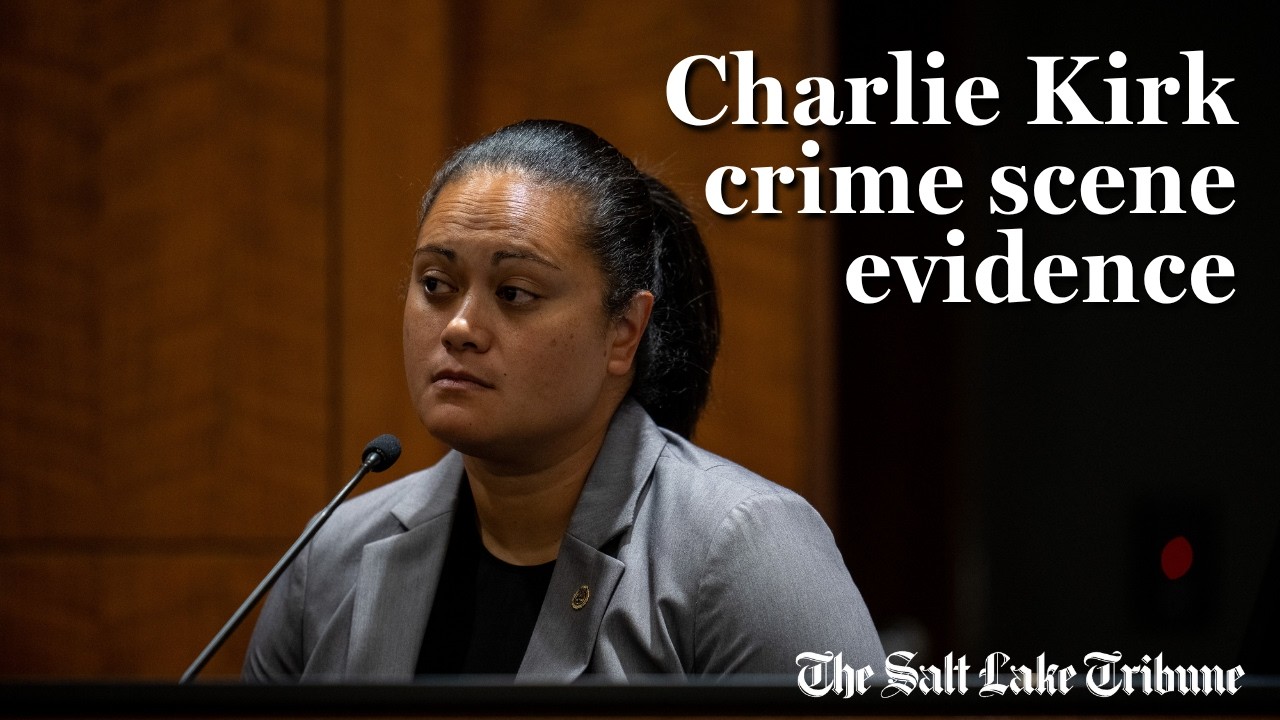
Jennifer Faumuina Testifies on Evidence Collection in Tyler Robinson Case at Utah Valley University
10:55
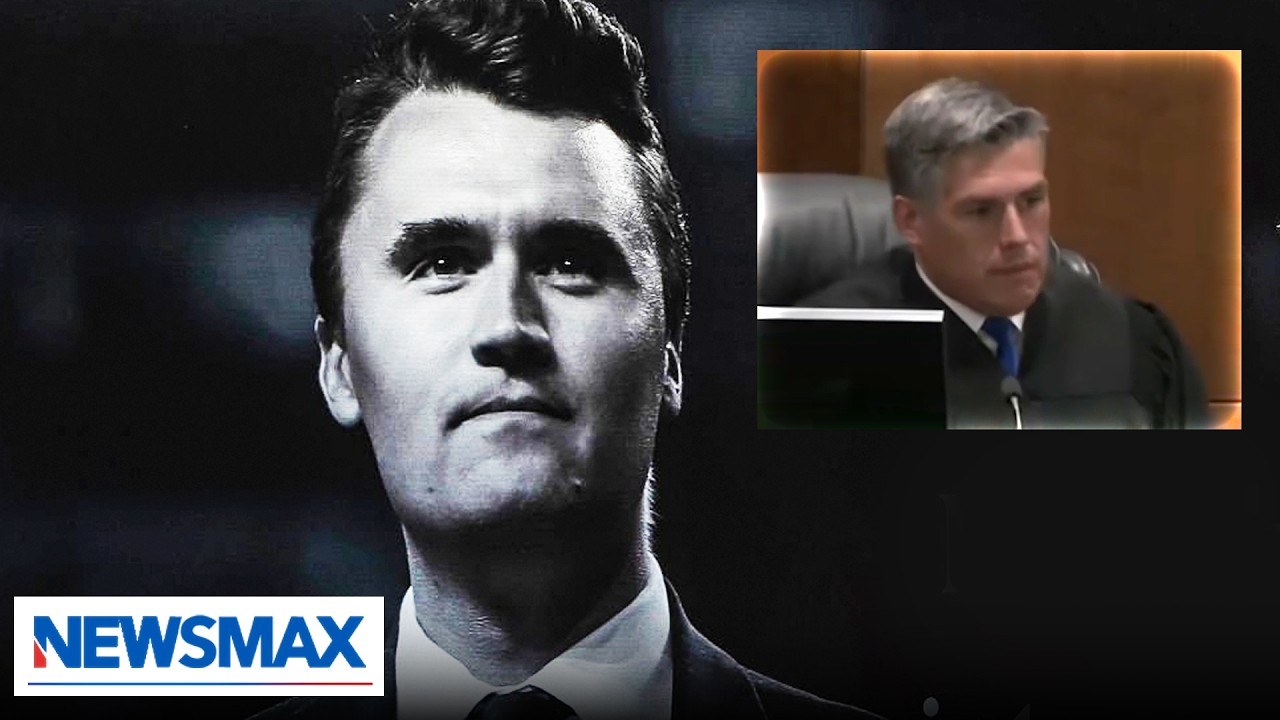
Former FBI Sniper Analyzes Shooting Death: Evidence, Mistakes, and the Investigation Unfolds
A former FBI agent with 30 years of experience and current professor breaks down the tragic shooting death of Charlie Kirk, offering professional insight into the shooter's skill level, critical mistakes, and the evidence left behind. Drawing on his background as a sniper on four different SWAT teams, he explains why leaving the rifle in the woods was an unbelievable error and what the physical evidence may reveal. As investigators piece together the suspect's escape route through campus woods to a nearby neighborhood, the FBI has opened a tip line seeking public assistance.
A former FBI agent with 30 years of experience, now serving as a professor, provided professional analysis of a tragic shooting death. The expert, who served as a sniper on four different SWAT teams, offered insight into the shooter's skill level and the mistakes made during and after the incident.
When asked about the level of skill required to make the shot, the former agent was careful to note the tragedy of the situation while providing his professional assessment. Based on his extensive experience with long-distance shooting, he believes the shooter was aiming for a headshot but hit the victim in the neck instead. He characterized this as a colossal miss, indicating the shooter was not a professional sniper by any stretch of the imagination.
Professional Standards vs. Reality
The former FBI sniper explained that a professional sniper at 200 yards can literally shoot targets the size of quarters, making it an easy shot for someone with proper training. However, he acknowledged the difficulty in discussing technical aspects when the outcome was still tragically fatal and the shooter was successful in what he wanted to accomplish.
The Escape Route and Critical Evidence
Investigators believe the suspect jumped through a fence, fled off campus into a neighborhood through the woods. During this escape, they discovered what they believe is the rifle used in the shooting. This discovery became a focal point of the expert's analysis.
An Unbelievable Mistake
When asked about why someone would leave the weapon behind in the woods, the former FBI agent described it as an unbelievable mistake that absolutely escaped logical explanation. He explained that even if the shooter wore gloves and believed there were no fingerprints, or even if he wiped down the weapon, you can never be careful enough when handling a rifle after firing it.
The expert pointed out multiple ways evidence could be recovered from the abandoned weapon. For instance, when firing a rifle, the shooter's cheek rests against it, leaving DNA evidence. The former agent concluded there would definitely be DNA on that rifle, and noted that if the suspect had ever shot the weapon before, he probably was not being cautious about evidence.
FBI Investigation Continues
The FBI has opened a tip line on their website, asking the public for help with the investigation. People can submit information or share footage that might assist investigators. Support resources are also available for those experiencing emotional distress related to the shooting, particularly college students impacted by the incident.