Judge Tony Graf Rules to Release Sealed Transcript in Charlie Kirk Murder Case Signals Greater Transparency Ahead
Enjoying this? Share it with someone who needs to see it.
Up Next
Criminal Defense Attorney Phil Harvey Analyzes Charlie Kirk Assassination Charges Against Tyler Robinson
10:57
Megyn Kelly and Legal Experts Mark Geragos and Arthur Aidala Analyze Tyler Robinson Case After Charlie Kirk Shooting
8:12
Legal Experts Analyze Tyler Robinson's Defense Strategy as Preliminary Hearing Decision Looms in Charlie Kirk Attack Case
3:55
Judge Tony Graf Rules to Release Sealed Transcript in Charlie Kirk Murder Case Signals Greater Transparency Ahead
Utah Judge overseeing the murder case involving Charlie Kirk has ruled to release a previously sealed transcript from an earlier hearing, potentially signaling increased transparency as the court weighs whether to allow cameras in the courtroom. Legal analyst Gregg Jarrett examines what this decision means for public access to the trial, the constitutional right to a public trial embedded in the Sixth Amendment, and the defense strategy for the accused, Tyler Robinson, who faces overwhelming evidence including text messages, a confession to his parents, and forensic data. With the death penalty on the table, the defense's ultimate goal may be to spare Robinson's life rather than seek an acquittal.
The judge presiding over the Charlie Kirk murder case has ruled to release a transcript from an earlier hearing that had been sealed until now. This decision could signal what to expect regarding whether cameras will be allowed in the courtroom during the trial. The move represents an unusual step toward transparency in a high-profile case that has captured national attention.
Legal analyst Gregg Jarrett weighed in on the significance of this ruling, noting that it's rare to see a request for a sealed court transcript to be released to the public. The decision suggests the judge may be leaning toward greater openness as the case proceeds.
Constitutional Right to Public Trials
Under both federal and state law, the media has a right to access court proceedings. While judges are often urged to ban cameras from the courtroom, the judge in this case appears to recognize the importance of public transparency. Jarrett emphasized that the public needs to see justice unfold with their own eyes to maintain trust in the justice system.
The framers of the Constitution deliberately moved away from secret star chambers where the public never knew if the process was fair—often it was not. This concern led them to embed the right to a public trial in the Sixth Amendment to the Constitution. In a modern context, where an entire nation is interested in a case like this, the audience should not be limited to the small number of people who can physically squeeze into the courtroom. Thanks to cameras and instantaneous transmission, trials can now be accessible to everybody, and the truth that unfolds in a courtroom can counteract misinformation and the conspiracy theories that have tended to proliferate in this case.
Defense Concerns About Prejudicial Images
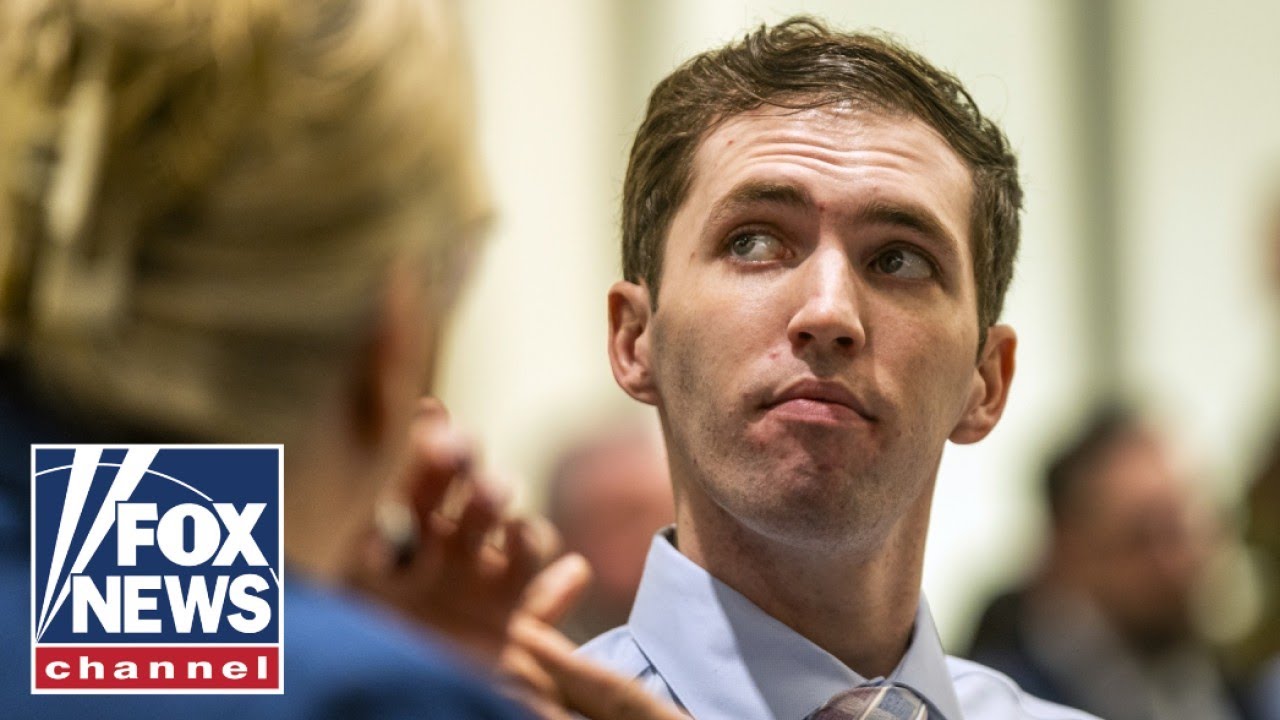
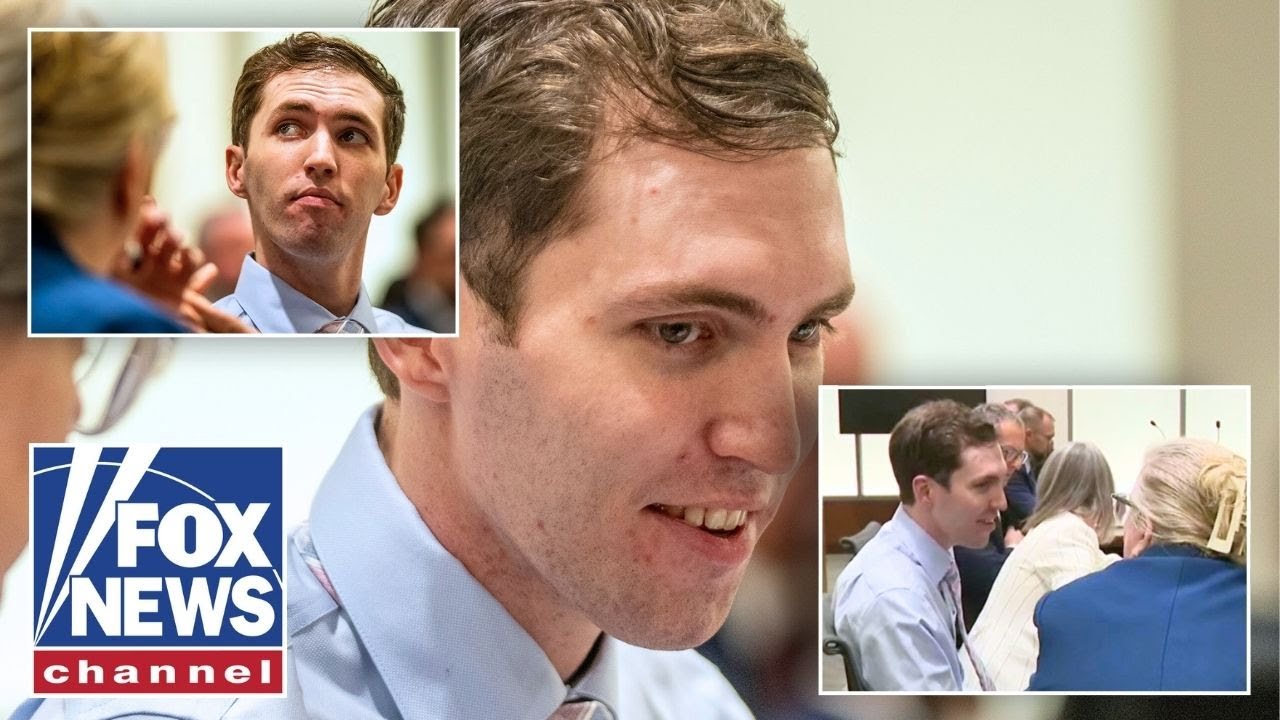
The defense has raised concerns that allowing cameras could be prejudicial to their client, despite the fact that Tyler Robinson has been observed smirking and laughing in court. There is a risk that if the court allows cameras, the defense may use this decision as grounds for an eventual appeal, which is virtually guaranteed in a death penalty case.
However, Jarrett argues that generally speaking, transparency and openness supersede that risk, which he describes as remote in this case. The judge has already taken steps to protect against prejudicial images. Robinson will be allowed to wear street clothes during proceedings, and while he will have restraints, they will be limited—he will be able to use one hand to write notes. Importantly, the judge has ordered that the media cannot televise the restraints with cameras, thereby protecting against prejudicial images that might taint the large jury pool and potentially affect the trial itself. Jarrett characterized this as a solid, reasonable ruling by the judge.
Overwhelming Evidence Against the Accused
Charlie Kirk was deeply admired by many, making this case particularly emotional for those who followed him. The evidence against Tyler Robinson appears overwhelming. It includes text messages, a confession to his parents who eventually turned him in, and video and forensic evidence. Given the strength of the prosecution's case, questions arise about what the defense strategy might be.
The defense will likely attempt to knock out some of the damning evidence through pre-trial motions, though such efforts will likely fail. Their ultimate goal is probably not to achieve an acquittal but rather to save their client's life during the second phase of the trial—the death penalty stage.
Potential for a Plea Deal
Jarrett noted that he wouldn't rule out a plea deal, similar to what happened with Bryan Kohberger in Idaho, where an eleventh-hour guilty plea eventually spared his life. He also referenced the legendary defense attorney Clarence Darrow, widely considered the best defense attorney who ever lived. In the famous Leopold and Loeb case, known as the crime of the century, Darrow had his clients plead guilty on the day the trial was set to begin. He then mounted a brilliant defense during the penalty phase, delivering a two-day closing argument that brought tears to the judge and ultimately saved their lives. Instead of facing the hangman, they received stiff sentences.
While it remains to be seen what will happen in this particular case, Jarrett guarantees that the goal of the defense team is to save Tyler Robinson's life. The case promises to be closely followed throughout what will be a long year of court proceedings ahead.