Jonathan Turley Breaks Down Court Rulings on Media Access and Public Transparency in High-Profile Criminal Cases
Enjoying this? Share it with someone who needs to see it.
Up Next
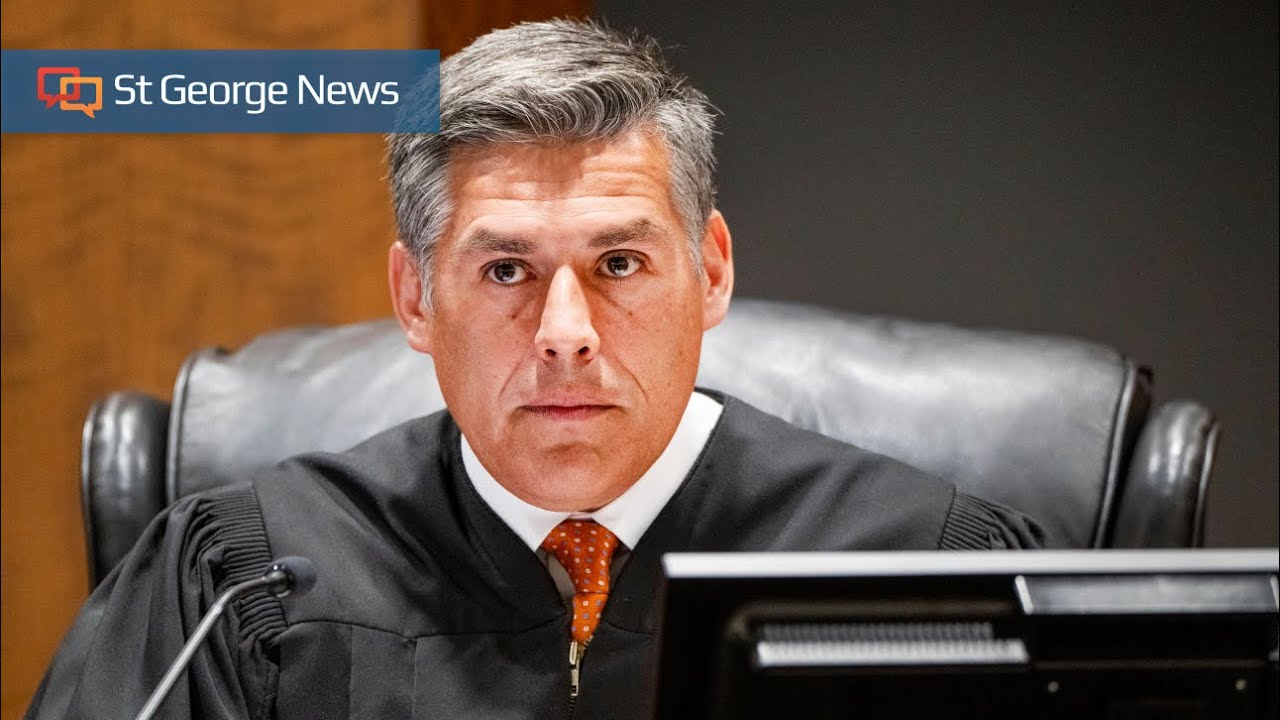
Judge Tony Graf Rules on Transcript Release and Press Access in Tyler Robinson Case
1:40
Defense Attorneys Seek to Remove Prosecution Team in Alleged Charlie Kirk Assassination Attempt Case
4:31
Judge Tony Graf Orders Limited Redactions in High-Profile Tyler James Robinson Case Balancing Public Access and Constitutional Rights
20:18
Jonathan Turley Breaks Down Court Rulings on Media Access and Public Transparency in High-Profile Criminal Cases
Jonathan Turley, FOX News contributor and constitutional law attorney, analyzes two major court rulings regarding media access to criminal proceedings. The discussion centers on a judge's decision to release hearing transcripts, some redacted, some unredacted, while balancing media interests against the rights of defendants. Turley emphasizes the importance of public trials, rooted in the Framers' vision of transparent justice, and argues that camera access to courtrooms serves the public interest by allowing citizens to witness justice firsthand rather than waiting in line for limited courtroom seats. The conversation also touches on the overwhelming evidence in one case involving Robinson and addresses how transparency can counter conspiracy theories affecting individuals like Erika and Turning Point staff.
Jonathan Turley, FOX News contributor and constitutional law attorney, provided analysis of two significant court rulings regarding media access to criminal proceedings. The judge in question ruled that media cannot become a third party to a criminal case but agreed to release hearing transcripts, with some portions redacted and others unredacted to protect sensitive information while honoring public interest.
Turley praised the judge's deliberative approach, noting that the decision properly balances competing interests. "The judge is being deliberative as is his reputation and coming down and balancing interests," Turley explained. "He said, media does have an interest here, the public has a right to access under federal law and state law. So he's going to give access to hearing transcripts, there will be some redactions, which is where he needed to go."
The Case for Camera Access in Courtrooms
A ruling on camera access to the courtroom is expected in early February. Colleague Donna Rotunno argued that allowing full camera access could actually help manage the media circus surrounding politically charged trials. Her position is that giving everyone access to what transpires in the courtroom at ground zero could help reign in some of the chaos.
Turley agreed with this assessment, grounding his argument in American legal tradition. "I think that is true, there is also long tradition in the United States, framers wanted trials to be public for a reason, they want public to see justice being done," he said. He added that it's archaic to limit public observation to the few dozen people who can physically fit in a courtroom when technology allows everyone to participate in witnessing public trials.
Overwhelming Evidence and the Need for Transparency
Discussing the evidence in the Robinson case, Turley noted it is overwhelming. "The prosecutors could lose on every suppression fight and keep 10% of this evidence and still secure easy conviction," he stated. Beyond the strength of the prosecution's case, Turley highlighted another critical reason for maximum transparency.
"What Erika is facing and the Turning Point staff are facing are really vile conspiracy theories that really only have this type of transparency is going to effectively knock down," Turley explained. He emphasized that public exposure through cameras and transcript access is essential to combat misinformation and unfounded conspiracy theories.
Turley reminded viewers that there are two parties in every criminal case—the prosecution represents the people. "Political assassination is crime against the people and public and they should see justice being done and see the facts," he said.
The Brian Cole Pipe Bomb Case
The conversation shifted to another major case involving Brian Cole, who set explosive devices outside RNC and DNC headquarters around the time Congress was certifying the 2020 election. Documents made public suggest his defense team is arguing that none of his actions were political and that he never cared much for politics.
Turley expressed skepticism about this defense strategy. "There is not a good path for him," Turley said. "Much like the Robinson defense, evidence seems to be mounting including incriminating statements made after his arrest." He noted that Cole won't have a strong shot at arguing insanity since he was functional at the time of the crimes.
Turley concluded with a warning about the dangers of inflammatory political rhetoric: "Warning to people ratcheting up rhetoric and rage, they could be triggered by that."