Photojournalist Recounts Witnessing the Fatal Shooting of Charlie Kirk at Utah Valley University Campus Event
Enjoying this? Share it with someone who needs to see it.
Up Next
Charlie Kirk Shot During Campus Debate Event at University of Utah Eyewitness Accounts Reveal
5:10
Charlie Kirk Shot at Utah Valley University Event: Eyewitness Accounts and Chaotic Evacuation
5:00
Eyewitness Accounts from the Charlie Kirk Shooting at Utah Valley University Campus
44:02
Photojournalist Recounts Witnessing the Fatal Shooting of Charlie Kirk at Utah Valley University Campus Event
A photojournalist from The Salt Lake Tribune shares a harrowing first-person account of covering what began as a routine assignment documenting Charlie Kirk's influence on young voters at Utah Valley University. What unfolded instead was a tragic shooting that claimed Kirk's life, captured through the lens of a journalist navigating chaos, misinformation, and the impossible balance between professional duty and personal safety. This account explores the moments before, during, and after the gunshot, the confusion that followed, and the lasting trauma experienced by those present.
The photojournalist arrived at Utah Valley University expecting to document a standard political event—Charlie Kirk's influence on young voters, particularly young men. The focus was meant to be on the crowd and how young people's political views were being shaped. Gun violence wasn't a primary concern; the photographer wondered more about potential shoving matches or fights between opposing groups.
The event drew a diverse crowd that extended beyond UVU students. Older adults with children, elected officials including politician Phil Lyman, and members of the broader community filled the amphitheater. There appeared to be no formal credentialing system or designated media area, so the photographer positioned at the very front on the north side, hoping to remain unnoticed and avoid being removed.
The Venue and Pre-Event Atmosphere
The amphitheater pit structure at UVU felt treacherous given the volume of attendees. The photographer recalls thinking the venue wasn't well-suited for such a large gathering. The atmosphere resembled a sporting event—something you could watch on YouTube later, but attending in person provided the full crowd energy and made the experience more memorable.
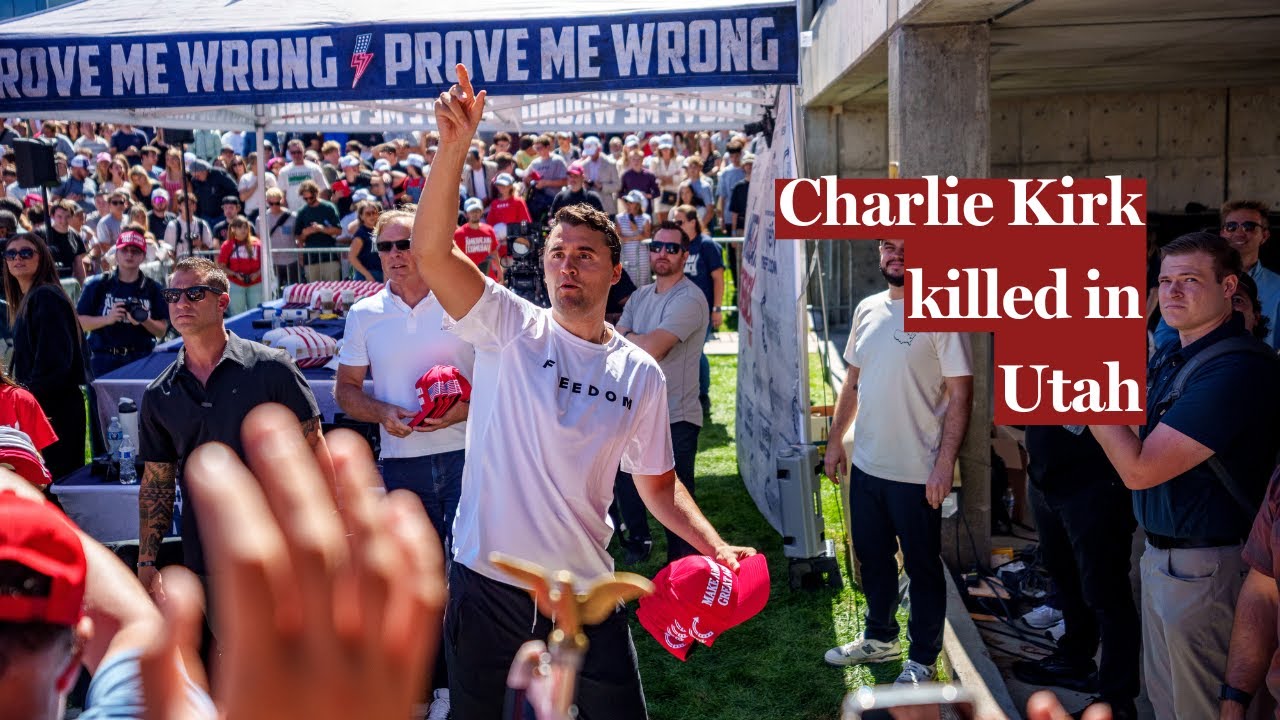
Students who opposed Charlie Kirk's presence were also there, expressing feelings of fear and disgust. Behind the scenes, the photographer observed miscellaneous security personnel in plainclothes near a tent area. When Kirk arrived and walked toward the event, he made a gesture reminiscent of a professional wrestler—a "bring it on" kind of motion that could have applied to both supporters and opponents.
The Moment Everything Changed
Kirk sat down, the line filled out, and he announced they would be there for a couple of hours. Just before the gunshot, the photographer was approaching a railing filled with people looking down toward Kirk. Suddenly, all those people blocking the view turned and ran toward the photographer in terror.
Instinct took over—the photographer began shooting pictures. People were ducking, crawling, and screaming. Oddly, some people just stood around doing nothing. Within seconds, the railing cleared completely. The photographer moved slightly right and could see everyone in the bowl area running out as well.
Professional Duty Versus Personal Safety
While everyone dropped to the ground when the gunshot rang out, the photographer's first instinct was to stay up and observe what was happening. This created an impossible tension—newsgathering means running toward danger while safety means running away from it. The photographer had been watching crowd reactions to Kirk's statements but was also listening for additional gunshots, wondering if this was a mass shooting.
Looking back at the table, Kirk was gone. An armed plainclothes officer was yelling at people, asking where the shot came from. The photographer saw a man in shorts and a hat holding a handgun and briefly wondered if that person had fired the shot, if they themselves were about to be shot. For those few seconds after the gunshot, no one knew if more bullets were coming or who might be next.
The Immediate Aftermath
Within 60 seconds, everything was essentially over. The grassy terraced area where everyone had been was empty of people. A walker or wheelchair sat abandoned. Many people still stood around while police tried to clear everybody out, somewhat unsuccessfully.
The photographer began talking to witnesses about what they had seen. One person described seeing blood pumping from someone's head. Everyone just started running, bulldozing each other in panic. The photographer realized the immediate priority was getting these photos out.
Communication Breakdown and Misinformation
The cellphone network in the area was completely overwhelmed because everyone was texting and calling. The photographer needed to determine who could speak officially on what happened, but getting answers proved extremely difficult. There were very few officers on the scene initially, and no one could provide clear information right away.
Rumors spread almost immediately. At the Turning Point USA table, people were already hearing word from the hospital that Charlie Kirk was stable. The university sent texts with inaccurate information, stating the shooter was caught when the alleged shooter was not caught. First responders later told the photographer that this misinformation was damaging because it made clearing the campus much more difficult—students thought they could stay and were safe when they really weren't.
Law enforcement went room by room throughout the entire campus, trying to clear buildings and ensure the shooter wasn't still there. There was no media staging area established, making it extremely hard to get answers about what was happening.
Confirming the Worst
The photographer's task was to put together a video as quickly as possible for publication. Between filming it and editing, they had to rerecord it because during that time they learned Charlie Kirk had died. The photographer was shocked—having not seen him get hit, there was no indication of how serious it was. The fact that it happened in Utah added to the disbelief.
The Emotional Toll
On a day like that, the work feels endless. You put your own feelings aside and focus on the job. But the horror of being at a killing cannot be fully expressed. The gunshot is one thing, but the screams from people in the audience are chilling. The mind tries to explain it away or change reality.
The photographer finds themselves more on edge and cautious in public than before. But the biggest emotional impact was thinking about all the young people there and the trauma they experienced. This is a generation that grew up doing active shooter drills. The lingering question remains: where do they go from here?
Video Transcript
What I was anticipating the story being was how are young people's
political views being shaped
and how are they responding.
What kind of influence
he's having on young voters,
especially on young men voters.
It was kind of like any other assignment.
The images I thought would be most important would be the crowd.
I didn't really think I would spend a lot of time
photographing him necessarily.
I remember wondering if there was going to be any fights.
I wasn't really considering gun violence,
I was considering, you know, two people getting into a shoving match.
Charlie is one of my favorite people.
He is the smartest man I know in politics.
Love the guy.
There were also students
who were not happy
that Charlie Kirk was on their campus.
[sigh]
A little bit scared.
And disgusted.
Yeah.
It was clearly not just UVU students,
there were a lot of people who were from the broader community
who were there for Charlie Kirk.
There were a lot of older adults with children,
elected officials.
Politician Phil Lyman was down there,
I got some photos of him getting his photo
taken with fans of his down there in the front.
There was no kind of credentialing system that I was aware of.
There didn't seem to be a place for photographers, for media.
I made my way to the very front on the north side, right where he would be.
I just kind of stood around
and I pretended like I was invisible,
I just hoped no one would kick me out of that area.
When I'm in a crowd that big
I’m trying to think about how can I do my job but also remain safe and responsible,
and I remember in the amphitheater pit structure at UVU
and just being surprised at how treacherous it felt.
It's not really made for the amount of people who were there.
And I just remember thinking
this is maybe not a great venue for this many people.
Coming in person, it’s kind of
like a sporting event.
You can watch it on YouTube after,
but like definitely going in person you
get the whole crowd vibe
and that kind of makes that
experience more rememberable
I was down there watching all of the goings on behind the scenes,
I could see behind the tent some miscellaneous security people back there,
plainclothes.
And then he started walking up towards the event.
He kind of made this gesture like, you know, like
almost like what a pro wrestler would do, like, let's go kind of thing.
And it wasn't like, mean or anything,
but it could have applied to people there in his favor and people against him.
It was kind of like, bring it on kind of a thing.
He sits down and the line was filled out
and he says, we're going to be here for a couple hours.
Right before the gunshot went off, I was approaching this railing
that was filled with people
looking down from the back
towards him.
Counting or not counting gang violence?
Great.
And all those people that were blocking my view instantly turn
and they're now running at me in terror.
I just start photographing.
They're ducking and crawling.
People are screaming.
Oddly, some people are just kind of standing around
not doing anything.
Within a few seconds, that railing is clear and empty.
I move a little to the right and I can see everyone in the bowl
is running out as well.
My first instinct when
the gunshot rang out
and everyone dropped
to the ground
was to
stay up and look at
what was happening.
There's not a good answer
to like
how do you balance newsgathering and your own safety?
Newsgathering is running towards the danger
and safety is running away from the danger.
I had been watching the crowd and their reactions
to things that Charlie Kirk was saying.
I was also listening for more gunshots.
Is this a mass shooting?
I looked back at the table.
He was gone.
This armed plainclothes officer yelling at people,
where did it come from, what’s going on?
I remember seeing this guy in shorts and a hat
who I assume was a plain clothes police officer
who was holding a handgun
on his side
and I thought oh maybe that's the person who fired the shot,
maybe I'm about to be shot.
For the few seconds after the first gunshot rang out
they didn't know if more bullets were coming, if they were next.
It’s only been 60 seconds and
everything’s kind of over.
From there, it was working to verify
what had happened.
The grassy, terraced area where everyone had been is empty of people.
I think there was like, a walker or a wheelchair just sitting there empty.
There were still a lot of people just kind of standing around.
Police just trying to clear everybody out.
Let’s go, push it up.
Unsuccessfully a little bit.
We started talking to people about what they had seen.
He was talking.
We heard the gunshot.
And I could see the blood pumping out of his head.
Everyone just started running everywhere-
Everyone just ran-
Bulldozing each other.
And then I just realized,
I got to get these photos out immediately.
I’m at the Charlie Kirk event at UVU
As I'm gathering news I also need to put out a dispatch
for our social channels.
There were a lot of other things I could have been photographing at the time.
So much was still
happening, but
those initial 60 seconds
was like,
so much more important
than everything else
at that moment.
The cellphone network in the area
was absolutely demolished
because everyone was texting and calling.
OK, who can I get information from?
Who can speak officially
on this?
Was talking to law enforcement who were on the scene,
there weren't very many officers on the scene at the beginning.
Where should I go to get these answers?
And really, no one could give me the answers, especially right away.
I went to the Turning Point USA table.
There were already rumors spreading, you know, almost immediately.
They were hearing word from the hospital that Charlie Kirk was stable.
At a traumatic event like this, there will be a place
where law enforcement ask media to go.
Media staging never materialized.
And so it was really hard to get answers as to what was happening.
The PIO is going to go there and that’s where they’re going to have media staged.
The university had sent texts that had inaccurate information,
saying the shooter was caught when the alleged shooter was not caught.
We are evacuating
this way, please.
From the first responders I spoke to, the most damaging piece of misinformation
that came from the university was that the alleged shooter was caught.
Different folks told me that made it much more difficult to clear the campus,
because students that they could stay on campus
and students thought they were safe, when really they weren't.
Law enforcement was going room by room of the entire campus,
trying to clear the buildings and make sure the shooter was not still there.
My task was to put together a video as quickly as possible that we could publish.
Between filming it and me editing it,
we had to rerecord it because between that time we found out
that Charlie Kirk had died.
We were in the courtyard at the school
when one attendee.
It was pretty shocking because I hadn't seen him get hit,
so I had no idea how
serious it was.
I was shocked that it would happen in Utah.
On a day like that, what you have to do is endless.
And you just put your own feelings aside and you just focus on your job.
I can't fully express the horror of being at a killing.
The gunshot is one thing,
but then it's the screams
from people in the audience.
It's just so chilling to
be at that situation
that your mind is trying to
explain it away or change reality on you.
I do find myself on edge a little bit more than I used to,
I do find myself feeling more cautious in public than I used to.
The biggest emotional impact was how all of the young people there, that day
what kind of trauma they were experiencing.
It's a generation where they grew up doing active shooter drills.