Bill O'Reilly Reveals the Real Donald Trump After 35 Years of Friendship and Conflict
Enjoying this? Share it with someone who needs to see it.
Up Next
Charlie Kirk on the Greatest Political Comeback in American History and What Comes Next
24:40
Donald Trump Jr. on the Most Amazing Political Comeback in American History and Why Exile Made Them Stronger
22:56
Jesse Watters on Charlie Kirk's Legacy, Trump's Air Force One Secrets, and Finding Faith Through Tragedy
44:52
Bill O'Reilly Reveals the Real Donald Trump After 35 Years of Friendship and Conflict
Bill O'Reilly has known Donald Trump for 35 years, interviewed him dozens of times, and watched him transform from New York real estate developer to the most powerful man in the world. In this revealing portrait, O'Reilly shares what he's learned about Trump's relentless drive to win, his refusal to admit mistakes, his ability to survive career-ending scandals, and the family dynamics that shaped him. From double dates to ball games to private conversations at Mar-a-Lago, O'Reilly offers an unfiltered look at the showman, dealmaker, and competitor who defied every establishment to achieve the greatest political comeback in American history.
Bill O'Reilly has known Donald Trump since the early 1990s. He's interviewed Trump dozens of times, often combatively, and beyond that they've chatted privately, gone to ball games, and even went on a memorable double date. As a journalist, presidential historian, and outspoken political observer, O'Reilly has seen Trump from angles few others have witnessed.
When asked to describe Donald Trump, O'Reilly doesn't hesitate: "Donald Trump is a unique individual for a lot of reasons. Primarily, he's a man who lives to win. He is the most competitive person I have ever encountered. In his mind, the worst thing you can be is a loser."
This drive to win separates Trump from nearly every politician O'Reilly has covered in his career. Trump separates winners from losers, wants to associate with winners, and above all wants to be a winner himself. Everything else flows from this fundamental trait.
From Queens to Manhattan: The Making of a Mogul
Trump's path to becoming a mega-success wasn't guaranteed. He went to Fordham during the turbulent Vietnam era, when everyone dressed like Janis Joplin and Jim Morrison. Trump wore a jacket and tie, walking around campus focused solely on real estate.
Two people emerged in New York at the same time who would shape Trump's vision of success: Joe Namath and Donald Trump himself. O'Reilly explains that Trump admired people who were daring. When Joe Willie won the Super Bowl after predicting victory, he became the biggest star in New York. Every door opened for him, every woman stared. Trump saw that and wanted to be that, but he couldn't be that as an athlete. He could be that in business.
Trump came from a wealthy family in Queens. His father was successful, but his father didn't want to be mega-successful. That clashed with Donald's ambitions. He kept pushing his father for more, more, and more. His father would say they had enough, that they dominated Queens and Brooklyn in real estate and didn't need to go into Manhattan. But Donald Trump, from a very early age, wanted to be a mega success.
At age 33, Trump began construction on the 68-story Trump Tower on Fifth Avenue, helped by a $140 million tax abatement. He dragged his father into buying the Commodore Hotel, which his father thought was a dump. Trump turned it into a big success as a Hyatt, and that started everything.
The Showman Emerges
O'Reilly calls Trump "the ultimate showman," comparing him to Elvis Presley and Michael Jackson. Trump admires larger-than-life figures because he admires the fact that they have the skill set and the courage to go out and present themselves that way and then get enormous positive feedback.
A memorable double date illustrated this perfectly. Trump asked O'Reilly to accompany Marla Maples' college roommate to a Paula Abdul concert. O'Reilly assumed they'd watch from a suite with free food and a decent view. Instead, Trump wanted to walk around the arena. When they went into the concourse, it was bedlam—screaming and yelling. Trump loved it. That's when the light went off for O'Reilly: this guy wants to be a star.
Trump feels he has to entertain his audience as well as put forth his point of view on various issues. That's why he says wild stuff and keeps audiences engaged for an hour or more. Most American press people don't care to understand this about Trump—they just want to put forth a caricature.
The Apprentice was perfect for Trump. He was in charge, making decisions, with everyone trying to please him. It couldn't have been a better venue. He became far more well-known than any other politician in the country, though he wasn't a politician yet. After a while, he got bored with it and decided to up the game again.
The Uncensored Politician
Trump is absolutely not in the same universe as 95% of American politicians. He doesn't think "if I say this, that will happen." He says what he wants and doesn't give a fig about the consequences. That's why he won in 2016.
O'Reilly remembers watching the first Republican debate in August 2015 on Fox. Trump got on stage with eleven other politicians, looked at them, and thought: you're boring, you're a liar. These guys had never heard anything like it. O'Reilly and his crew sat there with their mouths open. It captured the disenchantment of the American people about career politicians and phonies. Trump wiped them out.
Trump never admits he's wrong and never says he's sorry. Don Jr., very loyal to his father, said he has never in his entire life heard his father admit to a mistake. Don Jr. said Trump sees admission of error as a weakness.
But there's a romance of reconciliation with Trump. He can insult people, and when they're willing to come back into the fold and compliment him, he loves having them. Little Marco became Secretary of State Marco Rubio. Little Marco went to Big Marco. What Marco Rubio did, along with Ted Cruz and other Republicans, was surrender.
Everything Is a Deal
Trump's first book was The Art of the Deal. To Trump, everything in politics is a deal. He's transactional and wants to win every transaction. When he feels he's won, it's over, and he can be the most gracious guy in the world.
Trump will say nice things about whoever is giving him what he wants. If he gets what he wants, you'll hear how excellent the president of Panama is, how he's the greatest guy. Most people have pride that prevents them from saying nice things about people they don't like in order to get what they want. Trump doesn't have that limitation.
In New York City, if you want to get something done, you better have the right connections. Trump knew the mob controlled the cement union workers and other construction elements. If the mob didn't like you, they could sabotage your project. Trump sat in rooms with these guys. Is that any different than talking to Putin or Kim Jong-un? O'Reilly points out this is an excellent comparison—Trump will talk with anybody if he can get what he wants out of them.
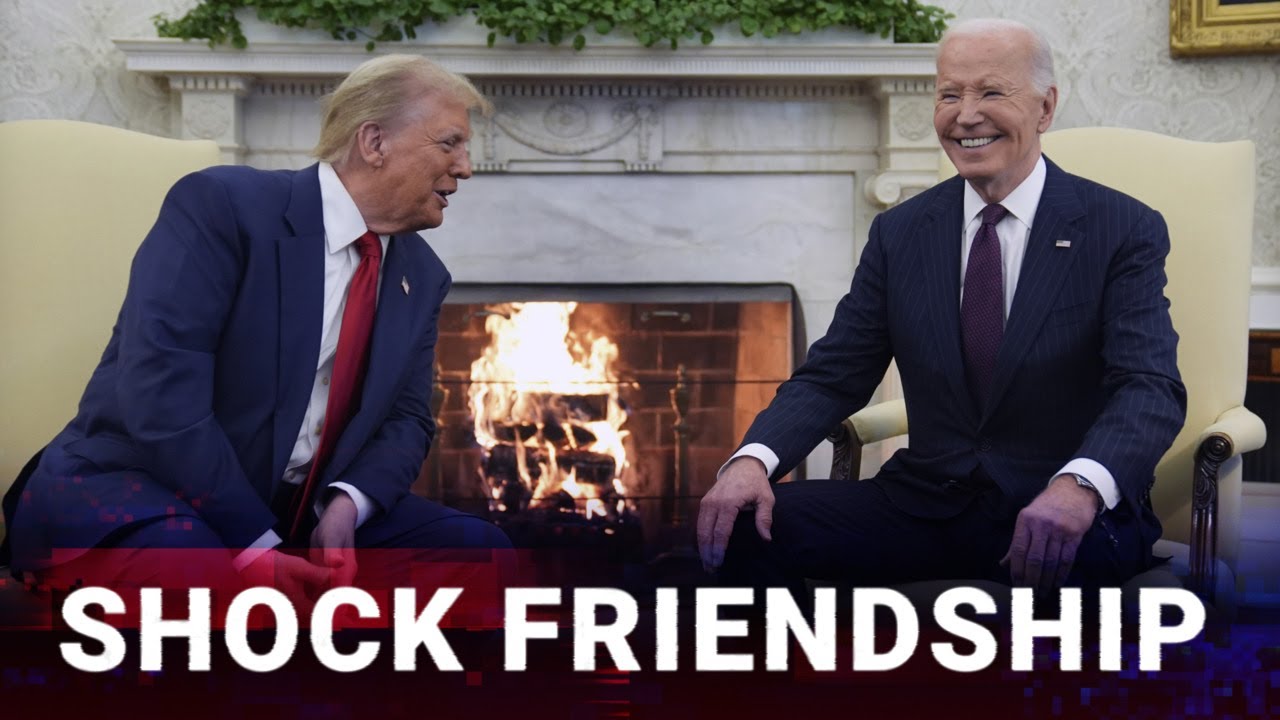
There are people Trump sincerely loathes, though they are few. He loathes Joe Biden. The reason Trump doesn't like Biden is because he sees Biden as a loser. Trump looks at trade deals and thinks they're insane. He looks at Biden giving Iran unfrozen money to people fostering terrorism and disdains that. In Biden's case, it's personal—Trump thinks Biden is weak, not honest, and doesn't have any use for him at all.
The Survivor
What impresses O'Reilly most about Trump is the simple fact that he's still standing. Nobody could have done what Trump did, taking the vitriol and hatred directed at him. Throughout history, no president except Abraham Lincoln took the hatred that Trump took, and Lincoln was killed because of it. Trump was almost killed. You have to be strong to continue that way. Most people would have folded.
Trump has been through booms and busts. In 1987, during the real estate crash, he doubled down, doubled down again, and finally found his way out. That unwavering never-quit attitude is the same thing that brought him back after losing in 2020 to run again in 2024.
Trump does not live in an introspective world. He doesn't journal, doesn't meditate, doesn't regret. He lives in the moment. If the moment is bad, the next moment he's going to make it good. He's disciplined enough to think about mistakes that hurt him, but he doesn't carry them around as a burden. He puts it aside and keeps going. Trump has an innate ability to survive through almost anything.
After January 6th, many thought Trump might be done. O'Reilly was disappointed that Trump didn't assert himself quickly enough and considers that a mistake. But O'Reilly is clear: if he believed Trump wanted people to invade the Capitol and defile the system, he would never have anything to do with him again. He believes things got out of hand and Trump didn't act quickly enough.
How did we get from that moment to January 20, 2025? Joe Biden was a terrible president who created massive problems—the border, massive inflation. Then we learned his team deceived everybody and the guy was faltering from the beginning. When Trump demolished Biden in the debate last June, it was a shock. Then they replaced Biden with an extremely weak candidate with no frame of reference: Kamala Harris.
America First Values
Trump has a view of the country rooted in nostalgia. He loves the 1950s, loves Dwight Eisenhower, loves traditional America coming off the big win against Japan and Germany. When Trump says "Make America Great Again," he's referring to Leave It to Beaver time—an era that was fairly calm.
Trump's worldview has three parts: First, the country is the strongest and best in the world. Second, it should be run in a traditional way—no woke, no DEI. Third, he believes American dominance is positive for the world. That's values, not politics.
Critics accuse Trump of racism against blacks, Mexicans, Muslims. O'Reilly says it's all garbage, and that gets him angry because that's what the liberal press is selling. Trump has been very generous to African-Americans throughout his history. He loved black athletes. O'Reilly has been around Trump a lot and has never seen or heard him disparage any minority. One of Trump's proudest accomplishments from his first term is that real wages went up for African-Americans faster than other ethnic groups.
On the Muslim issue, Trump analyzed countries where there was no supervision about who was getting visas and passports. He said these countries aren't regulating anything, they have big terrorist populations, so we're not taking anybody. Is that illogical after 9/11? On Mexico, Trump says we can't absorb 14 million foreign nationals unsupervised. Is that irrational? But he gets racism against Mexicans around his neck. O'Reilly calls this pernicious and says it's why the American press is evaporating—Americans know this is blatantly unfair.
The Common Touch
How has Trump the billionaire developer, jet-setter, sports team owner, Mar-a-Lago owning, golfing tycoon convinced the folks that he's with them? Because his tastes mirror theirs. Trump really does like McDonald's. At games, when O'Reilly is with him, Trump wants a milkshake and a cheeseburger, not caviar or escargot. His tastes are Queens.
Trump has what they call the common touch. That's why he went into McDonald's and worked the drive-through. Imagine Kamala Harris at McDonald's at the drive window—there'd be eighteen makeup people. Trump won the election because Americans are suffering when they buy food, fuel, and insurance. They trust Trump to get that under control because it was under control in his first term. It's a simple equation: people vote their wallets.
Trump doesn't care much about uniting the country. He thinks the people who hate him are not worth uniting. But Trump does want to help people who are marginalized—he wants to help all the people. It's not a tribal thing with him. He wants to please his MAGA base, but he doesn't want to exclude anybody. He feels that DEI and people getting hired based on skin color or lifestyle weakens the country. He firmly believes that, so he's against it.
The Family Man
Trump's kids love him. There aren't many men who are twice divorced, have had affairs, and yet their kids worship them. Trump set his children up in a way where they learned a lot. All of his children are super intelligent—Tiffany, the child he had with Marla Maples, is a lawyer. Trump gave them opportunities to use their skills.
In most American families, there's tremendous tension between parents and offspring. But there doesn't seem to be that between President Trump and his children. Trump was omnipresent but not your typical father. The kids loved going to construction sites with him rather than playing t-ball.
O'Reilly stays out of discussing Trump's personal relationships but notes one thing: Trump listens to Melania. When she says something to him, he's got it.
Will there be a Trump dynasty? O'Reilly predicts Donald Trump Jr. will run for office. But as far as a dynasty is concerned, nobody knows. It's a changing landscape in America. The populist Trump has broken down a lot of traditional hierarchy because he's been so successful as an outsider.
The Legacy Question
Trump is very interested in his legacy. He wants to be on Mount Rushmore, and he'll buy another mountain to put himself on it if he has to.
What has to happen for Trump to earn the legacy he wants? He has to fulfill his campaign promises. He's got to stop the madness in immigration. He's got to provide a stimulus to raise wages for working-class Americans—that's why he wants the tariffs. And he has to calm it all down overseas, which he succeeded in doing his first four years. If he does those three things, he'll have a very successful second term.
Trump has beaten the Bushes, the Clintons, the Obamas, the Cheneys, Biden, Harris, the media, the Republican establishment, the Washington establishment, Hollywood, academia, and the Biden Justice Department. It's a staggering rundown of the people he's defeated.
The inauguration of Donald Trump the second time around represents the greatest political comeback in American history. Never before has a president overcome more obstacles than Donald Trump, and some of those obstacles were self-imposed. But never before has a man overcome as much as Trump has overcome.
When O'Reilly was at Mar-a-Lago in early January as Trump prepared to take office for the second time, he witnessed something remarkable. Trump was as clear and authoritative as O'Reilly has ever seen him in 35 years of knowing the man. When Trump was elected in 2016 and took over in 2017, he didn't know what he was doing, and he'll tell you that. He came out of the New York City real estate world into Washington where everybody hated him. The first year was chaos. Now, eight years later, Trump knows. He has the pathway. Trump promises more wins than ever over the next four years.
Video Transcript
the really entertaining thing about Donald Trump is there's no sensor he just boom right out there and I'm kind of the same way you don't say tonight it's Trump everything he does seems to turn into gold a personal portrait of the world's most public person everybody have it what we have to show is going to be totally magnificent you haven't seen he's much more relaxed when the [Music] camera's Trump feels that he has to entertain his audience as well as put forth his point of view on various issues Bill O'Reilly has known Donald Trump for 35 years and he's seen every side of the man who's defined in Era we love Trump we love Trump trump gets up they puts on a show the showman the comp editor the Survivor and the family man he's a man who lives to win there may be nobody who's known that Donald longer and better willing to reveal this much I don't want to be you know this is private stuff just you and I B come on forget what you think you know most American Press they don't care to understand Donald Trump they just want to put forth a caricature and join us for a guided tour of the United States of trump [Music] good evening I'm Leeland vit Bill o Ry journalist presidential historian and outspoken political Observer has known Donald Trump since the early 90s he's interviewed Trump dozens of times often combatively and beyond that they've chatted privately gone to ball games they even went on a memorable double date more about that later back in 2019 Bill wrote a book about the then president's view of the country the United States of trump he did not hold back but A lot's happened since then and there's a lot more Trump to come so tonight we delve into this unique relationship the many sides of trump that bill has seen up close and personal and how they all come back to one thing winning you were with Trump at maralago as he prepared to take office for the second time how is that different than the Donald Trump you saw before he was prepared to take office the first time as Trump would say huge okay so when he was elected in 16 and took over in 17 he didn't know what he was doing and he'll tell you that he comes out of New York City real estate world where he knows everybody and he gets what he wants into Washington DC where everybody hates him and he's not getting what he wants even from his own team and he's not quite sure about who's good and who's bad that so the first year was chaos do you believe that now 8 years later he knows and when I was in the meeting with him in early January it was an unbelievable window Donald Trump was as clear and as authoritative as I have ever seen him in 35 years of knowing the man okay but the two of you guys you grew up sort of around the same time and you both have gone through personally and professionally some tough times sure everybody does but there's something about you and Trump that you understand we're both flamboyant uh boisterous at times confid you are a rude terrible person who's getting hosed overconfident overc your words not mine so we do have personality traits but we certainly come at life in a in a way different way what we do have in common is I'm not going to let the bastards get me down I'm not going to let them win that's what O'Reilly and Trump have in common all right Bill describe Donald Trump for me well Donald Trump is a unique individual for a lot of reasons primarily he's a man who lives to win he is the most competitive person I have ever encountered in his mind the worst thing you can be is a loser I wouldn't say that but he separates winners from losers and he wants to associate with winners and he wants to be a winner he is a winner help me understand though where this guy goes from going to school and nobody really remembered him he wasn't a big man on campus where did the switch flip well he goes to forom uh and this is you know Vietnam time turbulence time and everybody's you know dressed like Janice Joplin and Jim Marson and Trump's wearing a jacket and tie walking around because his sole Focus even when he was in college was on real estate you go back in the book to to two people emerging in New York at the same time Joe namoth the quarterback and Donald Trump how does Trump pick Joe namoth you went out and wiped out Baltimore the next day it was one of the big upsets Of All Times well that was a cinch I took the Baltimore Colts out that night [Laughter] before he admired people who are daring daring is the word and Trump's a big Sports guy Joe Willie wins the Super Bowl predicts he's going to win it as far as celebrity is concerned Joe Willie goes anywhere in New York City every door opens Every Woman stares he's by far the biggest star in this town so Trump sees that and wants to be that he wants to be that but he can't be that as an athlete but he can be that in business so here's a guy who comes out of a wealthy family in Queens and his father is successful but his father doesn't want to be Mega successful and his son Donald does and that clashes because he keeps pushing his father we need more more and more and his father goes no we have enough we dominate Queens in Brooklyn in real estate we don't have to go into Manhattan but Donald Trump from a very early age wanted to be a mega success so he drags his father and says look you see this hotel the Commodore Hotel we're going to buy this goes I don't want to buy this is a dump came Trump goes no I'm going to get it that starts it buys it turns it into big success as a Hyatt okay and then roomroom Donald Trump he wanted to go big time he was driven to do that and once you understand that that his whole life is about accomplishment he doesn't have any hobbies doesn't scuba dive golfs he does golf but that's not a hobby golf is a passion for him competition he can win he's got to be if he has a bad round you don't want to be around him okay I know the feeling he's up there so life is a competition when I used to go to the games with him the Yankee and Nick games and things like that Mets he was good for six Innings at the game and he gone that was all he could give you because he has stuff to do and he doesn't sleep he doesn't sleep because he has stuff to do Donald Trump gets bored easily okay he wants action and so when he's bored watch out is that where is that where the Mean Tweets come from that's where everything comes from so Donald Trump bored on a Saturday afternoon no good it's winter he can't play golf he's at the White House I told him he he should hire Taylor Swift to just follow him around and when he gets bored tayor what sing or do a dance or something anything to divert him from being bored you said this one thing has been a constant in Donald Trump's world he never admits he's wrong and he never says I'm sorry Don junr his son very loyal to him said I have never in my entire life heard my father admit to a mistake unquote so don Jr said he sees it as a weakness is that dangerous though for a guy who has the nuclear codes no always escalate to deescalate that's just ridiculous if you look at Trump's first term he was adverse to aggressive military action across the board yes he destroyed Isis and he had to and he wanted to he got solomani and he had to and he wanted to but committing American forces and all that Trump is smart enough to know that is never going to work again in this world it's way too dangerous he'll he'll escalate the rhetoric Trump will always escalate the rhetoric but not the action Senator Marco Rubio thank you very much Mr sen but there's this Romance of reconciliation with Donald Trump right is that he can insult people and then when they're willing to come back into the fold and compliment him he loves having you little Marco is now Secretary of State big Marco Little Marco went to Big Marco and look he's a very smart guy and what he did was what Cruz did and what a whole bunch of other Republicans did they surrendered you think about the moment of Donald Trump's seeding is Obama roasts him and humiliates him on National tele I invited Trump to the Washington correspondent St oh boy he and I sat there President Obama ripped Trump up like it was unbelievable and then you see the moment at Jimmy Carter's funeral where Donald Trump is laughing and having a great time and yucking it up with Obama it looks like their old buddies there saying goodbye to an old friend can Trump do that because he's won now it's more important to win than it is to win on The Grudge absolutely right he's not malevolent you know this is the if you listen to the NBCS of the world CNN's of the world New York Times of the world this is the devil you know things the Devil he's cruel he's mean he's that's not true he's transactional and he wants to win every transaction and when he feels that he's won it's over and he's the most gracious guy in the world I wouldn't say that let's frame it this way he can be gracious coming up he's not just a successful businessman and politician so help me God Donald Trump is a consumate performer any points you ever notice and it's always he ends up going in the opposite direction ultimately Trump the showman I'm going to get you some french lesson somebody come up here and [Music] say when we come back is Donald Trump the ultimate showman once he's the ultimate Showman Elvis was the ultimate showman but he likes Elvis and he would love that comparison and he like Michael Jackson and he lik Joe neth and he likes these larger than live guys because he admires the fact that they have the skill set and the coones to go out and present themselves that way and then they get this enormous positive feedback that's him I want to take you back to knowing Donald Trump socially right you're a reporter and you start to get to know Donald Trump you go on a double date with him you go see apolla Abdul show he asked me to do him a favor he said hey my current relationship Mara Maples uh has a college roommate in town would you accompany her to a concert with us so I said okay it's hysterical we take an elevator up to the suite and I go oh this is right I'm in a sweet free food decent view of the stage this will be okay this is what I'm saying to myself no Trump wants to walk around the arena so he goes out into the Concourse and it's bedb screaming and yelling and like all of this he loves it and that's when the light went off for me and go this guy wants to be a star he loves it he loves it and does he need it I don't know I'm not a psychiatrist but most performers politicians athletes whatever they love the agulation that's why they're in it you said Elvis a number of these people Michael Jackson have all been overtaken shall we say by some of their worst proclivities or their worst parts of their psyche somehow Donald Trump has not been so far how do we explain that he's a smart guy in a sense that he's not self-destructive and that's what usually does the superstars in he's also you know his brother was an alcoholic and he loved his brother brother died in his 40s from booze and he swore he would never get involved he hasn't all right doesn't drink doesn't take drugs doesn't do anything Diet Cokes and milkshakes but he's not going to do anything in consistency on a consistent basis to destroy himself because that's not winning what do you take in your study of Donald Trump your observing of Donald Trump of The Apprentice years it was perfect for Trump Trump's in charge Trump's Mak decisions they're all trying to please Trump I it could have been better for him could not have been a better venue he gets well known everybody knows him far more than any other politician in the country he's not a politician yet but after a while he got a little bored with it and so he decided to up the game again what did he understand about the American psyche to figure out the Apprentice at the right time and then to figure out where the country was in 2014 15 16 at the right time keep it simple keep your message simple and entertaining don't be boring but don't get too complex he's going to get the Border he's going to get your wallet he's going to get uh China he's going to get the the stuff that people can react to always get a reaction so that whole idea that Donald Trump is uncensored does that make him totally different than any politician you ever covered sure he's absolutely not even in this the same universe as 95% of American politicians because he doesn't think if I say this that will happen he goes I'm going to say what I want and I don't give a fig how many politicians do that none and that's why he that's why he won in 16 because he got on that stage with all these other politicians what were there 11 of them all right and he's looking at them and he's going you're boring you're a liar and these guys are going go what they never heard any I remember watching that debate the first one in August this is the first debate on Fox 2015 and my crew and I are sitting there watching him our mouths are like like that's what what's happening and it captured the disenchantment of the American people about career politicians about phonies and he he just wiped them out part of the Donald Trump Act is the insult comedy right sleepy Joe crooked Hillary Pocahontas for Elizabeth War you compare him to Don Rickles I hurt the people is that because he's branding people is it because he's actually being mean what is it well I don't know if it's mean but he certainly wants to Rattle their cages to lose a cliche he wants to shake them not just his political opponents but foreign leaders the media it's he's a provocator everybody knows that uh he likes to be a provocator likes it because it's not boring it's exciting you are describing a man who sounds very similar when the cameras are on as when the cameras are off he feels he has to entertain they said it would be unbelievable if you could wear it on stage and I said no way you know it actually makes you look thinner I said I said in that case I'll wear about this is what journalists and they don't care to understand by the way most American Press people they don't care to understand Donald Trump but they just want to uh put forth a caricature Trump feels that he has to entertain his audience as well as put forth his point of view on various issues so that's why he says all this wild stuff now if I don't get elected it's going to be a blood bath for so the audience is going to sit there for an hour or whatever it is who's going to sit there for an hour with Chuck Schumer you'd commit suicide all right you couldn't do it and he has been un probably more successful than any of the other names that I just mentioned I mean the guy's the most famous man in the world most powerful man in the world think about that but wait there's more and it's turned out to be a great deal it's Donald Trump the deal maker I've been doing deals for a long time that's what I I do and everything's negotiable when we come back Donald Trump loves the deal right that was the first book The Art of the deal is everything in politics to him a deal everything what's the deal with Elon Musk so you need to get friends and family to vote make sure they vote vote early oh that's power Donald Trump believes that Elon Musk is the most powerful civilian in the country because of X and money I don't think it's money so much he controls a vehicle that reaches tens of millions of people must does and there's nobody telling us what to do so Trump forms a partnership with musk power raw power decision desk HQ can now project that former president Donald Trump will be our next president elections have winners and losers business deals often times hey everybody tries to make sure somebody else has something at the table right we can all win here in order for Donald Trump to win does someone else have to lose no absolutely not um if Donald Trump gets what he wants you'll hear he how excellent the president of Panama is he's a the greatest guy you know that's what he does is there something remarkable about that right because very few people have the mindset that they are willing to say nice things about people even if they don't like that person in order to get what they want there's some pride that prevents that that Donald Trump almost doesn't have no he doesn't care about that at all as long as he wins as long as he gets what he wants then he'll say nice things about who's ever giving him what he wants this is I thought an interesting point at age 33 Donald Trump began construction on the 68 story Trump Tower on fth Avenue helped by $140 million tax abatement if you're going to build a skyscraper on one of the most expensive pieces of land on the planet helps to have friends in high places before concrete is poured kind of sounds like a little bit of Grease there's a lot of that there's a lot of that and still is and New York City you want to get something done here you better have the right connections and one of the interesting things I found out in the United States of trump was how he dealt with the mob and now Trump didn't break the law but he knew that the mob controlled the cement union workers and all this other stuff and that if the mom didn't like you and to this day that holds they can sabotage your uh your project so he sat in a room with these guys is that any different than talking to Putin or Kim Jong-un is that kind of how Trump that's an excellent point you just made he'll talk with anybody Trump if he can get what he wants out of them he has no compunctions he comes in and the worst people on Earth and Putin is one of those one of the worst people on Earth ch's got pretty good relationship with him and you're going to see a deal in Ukraine I believe fairly quickly there are people that he sincerely loathe so I'm not goingon to say because I don't think it's right to do that but there are few few people no I I mean look let me throw one name out there and this is probably unfair he loes Joe Biden loathes him and the reason that Trump doesn't like Biden is because he sees Biden as a loser you WR there's nothing worse for Donald Trump than a guy who gets the short end of a deal sure I mean a lot of that is uh he looks at these trade deals Trump and he goes this is insane you know he looks at the giveaways Biden is the biggest spending president in our history by far trillions of dollars wasted he looks at uh Biden giving Iran unfreezing all of this money and giving it to the people who are fostering terrorism Trump disdains that the the other way to look at that right is that Trump hates Biden and loves Biden because Biden beat him and made Trump a loser there's probably some truth to that but in Biden's case it's personal he thinks Biden's weak not honest and he doesn't have any use for him at all Trump did not go to his inauguration Biden's inauguration and to Biden's credit he is going to Trump's inauguration and that is to Biden's credit up next what impresses Bill the most about Donald Trump take a look at what happened over how about about the simple fact that he's still standing Donald Trump the Survivor when the United States of trump continues down [Applause] [Music] nobody could have done what he did um taking the uh vital and hatred directing at him throughout history no president except Abraham Lincoln took the hatred that he took and Lincoln was killed because of it and Trump was almost killed okay so you got to be strong to continue that way most people would have folded he's a strong guy whether you like him or not you can't deny that the strength thing is an interesting point right and this is a guy who's been through booms and bus right you watched him 1987 the real estate crash you wrote about it in the United States of trump he doubles down he doubles down he doubles down finally sort of finds his way out is that that unwavering never quit is that the same thing is he loses in 2020 and says all right I'm going to come back and run again in 2024 and I am tonight announcing my candidacy for president of the United States it's like throwing five interceptions all right the next week you come back and you throw five touchdowns so he did Trump does not live in a introspective world this is one of the most important points I want to make on this show he's not an introspective man he doesn't he doesn't Journal he doesn't Hees meditate he doesn't regret he lives in the moment so the moment is bad but the next moment he's going to make it good he's disciplined enough to when a mistake hurt him I know he thinks about the mistake but he doesn't carry it around as a burden does that make sense so he puts it aside and he and he just keeps going but he is able to get by these disasters that would SN other people by being resilient Donald Trump has an innate ability to survive through sort of almost anything right the Access Hollywood tape impeachment 1 January 6th impeachment 2 but then came all of the law fair issues was there ever a time that you talked to Donald Trump that you thought he may just decide this isn't worth it no not one time and his goal was I'm going to get back there I never saw him waver about that I did see him get very angry particularly about the New York City stuff this was a rigged disgraceful trial the real verdict is going to be November 5th by the people very very angry about it and he doesn't show emotion much but there were a few conversations where I suggested just for you and your well-being somehow you're going to have to Tamp that down you know you just have to be strong it's like War it's Churchill right you're walking through hell keep going right it's [Applause] war after January 6th I think there was a lot of people who said Trump might be done sure absolutely January 6 when that happened I was disappointed that he didn't um assert himself and that was a mistake if I believe that Donald Trump wanted people to invade the capital and defile our system I would never ever have anything to do with him again I believe things got out of hand and he didn't act quickly enough how did did we get from there in that moment to January 20th 2025 so Joe Biden was obviously a terrible president because he created the problems he created the Border he created the massive inflation he did it awful awful awful now we learn that his team deceived everybody the guy was daughtering from the very beginning that helped Trump dramatically when Trump waxed him on the debate and last June it was a shock then they replaced Biden with an extremely weak candidate with no frame of reference KLA Harris I accept your nomination now can you imagine me interviewing Comm Harris about complicated issues it would be a massacre she doesn't know she's a machine politician which is why she every question you asked her she well I'm from a middle class home I grew up in a middle class household hey lady we got it okay so you're you're setting up right now that Donald Trump won because his opposition was weak and unfocused and the people were suffering financially and they hate the woke stuff most Americans hate it they don't want to be judged by their skin color or their lifestyle and that's what the Democratic party embraced he's beat the bushes the clintons the the Obamas the chenes Biden Harris the media the Republican establishment the Washington establishment Hollywood Academia the Biden justice department staggering rundown of of the people he's defeated who does he see as his next enemy that'll be Iran those MERS are in big trouble big trouble and bring them home now so the inauguration of Donald Trump the second time around is going to be an amazing historical event greatest political comeback in polit in American history never before has a president overcome more obstacles than Donald Trump and some of those obstacles were self-imposed but never before has a man overcome as much as Trump has overcome coming up Trump doesn't just think highly of himself he feels the same way about the country because we are Americans and our hearts bleed red white and where does America first come from Trump the Patriot [Music] next this will be the Golden Age of America this is a lot of that people we will make America great again we're going to make you very happy we're going to make you very proud of your vote make America great again what period of time is he referring to when America was great and we must restore it Leave it to Beaver time Leave it to Beaver loves the 50s loves Dwight Eisenhower traditional America uh Victors in World War II Expansion Trump likes that era all right I like it and and those of us who are brought up in that era it was fairly calm and in the United States is coming off the big win against Japan and Germany well he has an view of the world and a view of the country what is it it's the country is the strongest and the best in the world number one strongest best number two it should be run in a traditional way okay no woke no Dei none of this stuff uh and number three is he believes that the American dominance is a positive for the world that's how he sees it that's values not politics and for somebody who looks with Nostalgia to times when America did have a real problem with race how can we all say so conclusively race isn't a part of it okay if you look at his history very generous to African-Americans he loved black athletes and I've been around Trump a lot I've never seen or heard him disparage any minority at all ever in fact one of the proudest one of the things he is proudest of in his first term Is that real wages went up for African-Americans faster than other ethnic groups we'll extend this Beyond racism just with blacks accused of racis when it comes to anti- Mexicans anti-immigrant anti-muslim we have to be extremely careful with radical Islamic terrorism it's just all garbage and that gets me angry because that's what the liberal press is selling look on the Muslim thing what he did was he analyzed countries where there was absolutely no supervision about who was getting visas and and passports and he said look these countries aren't regulating anything they got a big terrorist population we're not taking anybody is that illogical after 911 in the Mexico thing he goes we can't absorb 14 million foreign Nationals unsupervised and our country is being invaded by millions and millions of Unknown People many of whom are entering for a very bad and Sinister reason is that irrational but he gets the racism against Mexicans around his neck this is so pernicious and this is why the American Press is evaporating because Americans know that this is blatantly unfair this is about issues and problem solving hello everybody they're handsome that was a great day how has Donald Trump the billionaire developer Jetter sports team owner Mara Lago owning golfing Tycoon convinced the folks as you would call them that he's with them because his tastes mirror theirs so he really does like McDonald's well when I'm at the game and I'm paying for everything by the way he go I want a milshake I want a cheeseburger he's not going I'd like the caviar i' I'd like the esaro no his tastes are Queens [Music] so he really listens to country music I don't know what he listens to all right I know he doesn't listen to me enough but other than that nobody does Bill nobody can ever listen to you too much that's probably true but he has what they cliche calls the common touch which is why he went into the McDonald's I made it myself you're the thank you man thank you you imagine KLA Harris and McDonald's at the drive window are you kidding me there'd be 18 makeup people like it could be making makeup on the cars that came up come on you've watched Donald Trump more from being a New York Democrat to being a magga republican has Donald Trump's views morphed or has just the political landscape in America morphed and he picked up on that parties don't mean anything to him he can't give you the history mean anything policy means something but he Donald Trump can't give you the history of the Republic party doesn't care doesn't mean anything they back him but is he going you know that Republican party Lincoln did a good job of really molding that so when he was in New York building his fortune everybody was a Democrat so he was a Democrat simple as that and then when he went into politics he didn't like the welfare and the massive spending and the and the woke stuff doesn't like that so he becomes a republican so if we think about how he won right the famous ad KLA Harris is for they them Donald Trump is for you right is that why he won uh he won because of money Donald Trump won the election because Americans are suffering uh when they buy food and fuel and insurance and on and on and on and on and they trust Trump to get that under control because it was under control contr in his first term it's a simple equation people bat their wallets they always have in this country and they always will he has a mandate now is part of that mandate uniting the country no and it's not a a main concern of Donald Trump's uniting the country he thinks that the people who hate him are not worth uniting just no he doesn't care no does Trump want to help people who are marginalized he wants to help all the people okay he doesn't segmented out so he doesn't divide oppression it's not it's not a tribal thing with him he wants to please his magga base and that's a trial he wants to please them but he doesn't want to exclude anybody but he feels that all of this mishmash of Dei and you know people getting hired on the basis of the skin color or Lifestyle weakens the country he firmly believes that so he's against it see that's Barron next away from the camera is what this guy really is like as a husband and a father I want to really support my children they work very hard Donald Trump the family man when we come back and our next president Donald J [Applause] so let's get back to Donald Trump the man his kids love him there's not a lot of men who are twice divorced have had a number of Affairs and yet their kids all worship them I stay out of that um you talk about it in the book a little bit but I talk about it through the lens of the kids so how do you talk how do you explain Donald Trump as the Traditional Values man who goes back to Leave It to Beaver and his personal life shall we say uh is what colorful I don't explain it I I don't know about what happens in those precincts one thing that struck me in your interviews with the kids right is how Donald Trump was a father was omnipresent but at the same time not your typical father and the kids love that about him they loved going to construction sites with him rather than playing t-ball yeah he set them up in a way where they learned a lot and these were all all of his children are super intelligent by the way Tiffany the child he had with Maron map is a lawyer I mean she you know they're very smart kids and what he did was he gave them opportunities to use their skills and in most American families a tremendous amount of tension I think that's accurate but there doesn't seem to be that between President Trump and his offspring tell me about your relationship with Melania um I I know her is she a regulating force on him does he change when she's around let's put it this way I don't want to be you know this is private stuff just you and I bill come on Donald Trump listens to Milani she says something to him he's got it he says hello to everyone in Greenland you've had political dynasties in America before you've written about him bushes Adams Kennedy Kennedy all right is Trump the next one uh Donald Trump Jr will run for office I predict vot vot thank you New York City but as far as a dynasty is concerned nobody knows I mean it's a changing landscape in America the populist Donald Trump has broken down a lot of that traditional hierarchy that you know because he would been so successful as an outsider and he's very interested in his legacy he wants to be on Mount Rushmore and he'll buy another Mountain to put himself on it if he has to what has to happen for him to earn the Legacy that he wants he has to fulfill his campaign promises he's got to stop the madness uh in Immigration he's got to provide a stimulant to raise wages for workingclass Americans This is why he wants the tariffs and he has to Comm it all down overseas which he succeeded in doing his first four years so if he does those three things he'll have a very successful second term you seem optimistic I'm just telling you this will be the Golden Age of America this is the Golden Age of America we're going to have a great country again look he's got the pathway it's there for him now when I was talking to uh the last conversation I had with the president he was talking about his legacy and uh I said well you got four okay we'll see where you are but you're going to have to accomplish Donald Trump promises more wins than ever over the next four years and Bill's singular insights on this singular president will continue I'm Leland vter for all of us here at news Nation thanks for watching and good night [Music] [Music]