
Up Next

Peter Schweizer Exposes How China Uses Birthright Citizenship to Create Million CCP-Trained American Voters
17:55

Benny Johnson, Brick Suit, and Cliff Maloney Honor Charlie Kirk's Legacy After Historic Memorial Service
50:15

Charlie Kirk In His Own Words: Looking Back at 2025's Most Memorable Moments
42:19

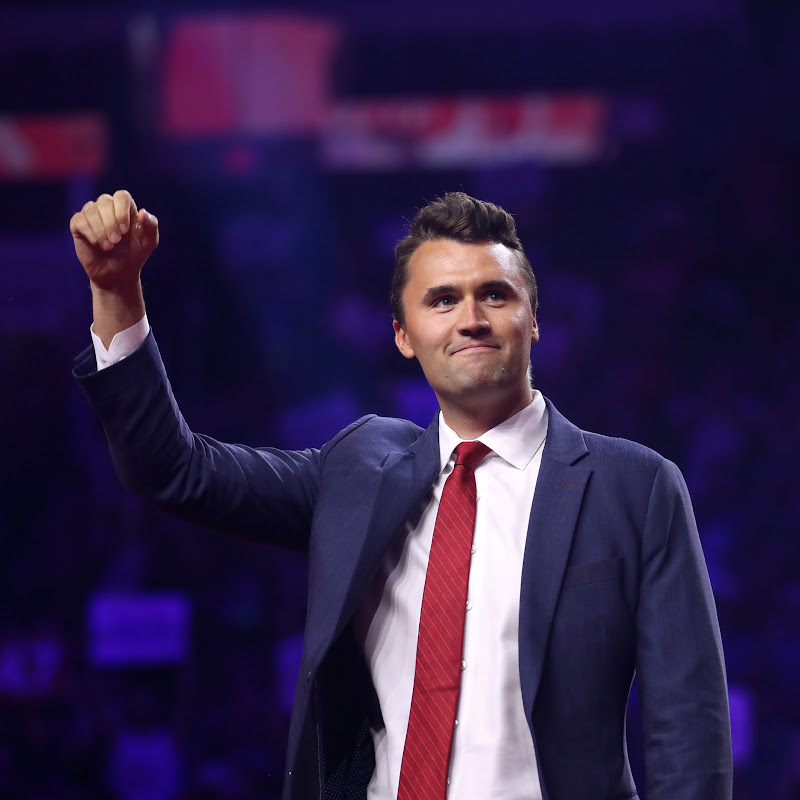
Charlie Kirk is the Founder and President of Turning Point USA, the largest and fastest growing conservative youth activist organization in the country with over 250,000 student members, over 150 full-time staff, and a presence on over 2,000 high school and college campuses nationwide. Charlie is also the Chairman of Students for Trump, which aims to activate one million new college voters on campuses in battleground states in the lead up to the 2020 presidential election. His social media reaches over 100 million people per month and according to Axios, he is one of the "top 10 most engaged" Twitter handles in the world. He is also the host of “The Charlie Kirk Show,” which regularly ranks among the top news shows on Apple podcast charts.
Subscribe on YouTubeBlake and Andrew Analyze American Strikes on Iran and President Trump's Strategic Military Decisions
The Charlie Kirk Show team assembles for emergency coverage as American forces strike Iranian targets in what President Trump frames as surgical operations to prevent nuclear capabilities. Andrew Kolvet, Blake Neff, Jack Posobiec, Alex Marlow, and others analyze the military action, political ramifications, and constitutional questions while honoring Charlie Kirk's legacy of cautious skepticism toward Middle East wars tempered by trust in Trump's judgment. The discussion examines everything from the War Powers Act to Iran's closure of the Strait of Hormuz, polling data showing 70% opposition, and whether this represents the last Middle East conflict or the beginning of something more complex.
Historical Context and the Iranian Threat
The discussion opens with reflection on the American hostage crisis under Carter, drawing parallels to current events. For older Americans who lived through that era, Iran remains seared in memory as a severe and permanent enemy of the United States. The psychological shock of dozens of Americans held hostage, tormented publicly while America felt powerless, shaped an entire generation's view of Iran. The attempted rescue mission failed, and Carter was ultimately thrown out of office over the crisis.
For Generation Z, however, Iran represents something different—a country America has perpetually threatened to go to war with, but without that defining shock memory of mass harm to American citizens. This generational divide shapes how different Americans process the current military action.
The Strikes and Immediate Aftermath
As news breaks of American strikes on Iranian targets, the team works to piece together information from multiple sources. Unconfirmed reports suggest potential targeting of Supreme Leader Khamenei himself, though the hosts repeatedly caution about verification. What becomes clear is the scope and precision of the operation, with Iran's apparent inability to effectively retaliate suggesting severe degradation of their defensive capabilities.
Iran's Revolutionary Guards reportedly tell ships that passage through the Strait of Hormuz is not allowed, according to EU naval mission officials. This represents a significant escalation with global economic implications, as the strait is a critical chokepoint for oil transport.
Charlie Kirk's Perspective and Legacy
The team addresses the question on many viewers' minds: what would Charlie Kirk think? Blake Neff provides crucial context, noting that Charlie would likely have voiced concerns privately throughout the leadup to this conflict. He was fundamentally opposed to regime change wars, warning they could cause civil war, kill hundreds of thousands, and trigger another refugee crisis.
However, Charlie also maintained profound trust in President Trump's judgment. The hosts play a clip where Charlie states clearly: "I trust President Trump 100% in this moment. He's a man made for this moment. He took out Soleimani. He took out ISIS. He is able to navigate this." Charlie worked tirelessly to elect Trump precisely because he trusted him to handle these types of critical decisions, even when they didn't align perfectly with his personal preferences.
The consensus among those who knew Charlie best: he would have raised concerns, advocated for restraint, but ultimately supported the president once action was taken and prayed for success. He was an American patriot who placed trust in the commander-in-chief he helped elect.
Alex Marlow on Trump's Calculations
Breitbart editor-in-chief Alex Marlow joins with insider perspective, having spent time with President Trump during the week discussing these very issues. Marlow reveals that Trump sees limited political upside to the strikes, even if successful, but faces catastrophic consequences if they fail. This suggests Trump acted from conviction rather than political calculation.
According to Marlow, Trump's thinking centers on one non-negotiable point: Iran cannot have nuclear weapons. Trump was willing to negotiate on many fronts, but Iran needed to say "the magic words"—an absolute commitment to no nuclear weapons program. Iran not only refused but continued aggressive rhetoric about enriching uranium to 60%, a level that serves no purpose except weapons development.
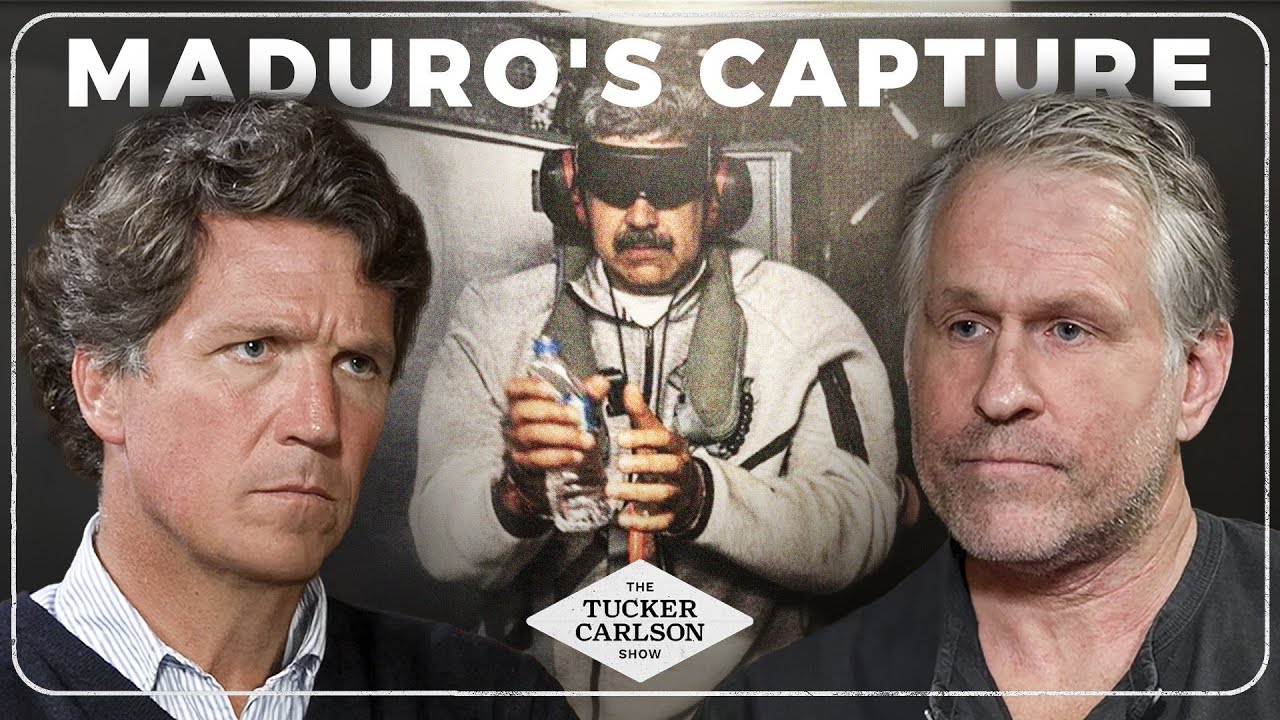
Marlow notes Trump's pattern of expecting initial negativity followed by retrospective support, citing the Maduro operation. Trump believes if he executes successful aerial campaigns, takes out high-value targets, and avoids boots on the ground, the action will age well politically. The key threshold, Marlow argues, is whether American troops deploy on the ground for regime change—that's when opposition would intensify dramatically.
The Political Fallout
Pollster Rich Baris delivers sobering analysis of the political landscape. His polling showed 70% of Americans opposed military action against Iran, including a majority of Republicans. This represents a fundamental challenge for an administration that ran explicitly as the anti-war ticket.
Baris argues the administration is in "uncharted waters" historically. Previous presidents sold military actions to the public before launching them—George H.W. Bush drove support for the Gulf War to 80% before taking action. Trump took strikes without that public preparation, leaving Americans feeling blindsided.
The political risk is compounded by timing. Trump just received a polling bump from a successful State of the Union address where he notably made no mention of Iran. Rather than building on domestic policy momentum, the administration now faces weeks or months dominated by Middle East conflict. If Republicans lose the midterms, Baris warns, Trump's presidency is effectively over—Democrats would launch endless impeachments and investigations.
Baris emphasizes that Americans under 50 or 55 feel that regardless of who they vote for, they get more Middle East wars and a government that ignores domestic needs. The opposition to this conflict isn't primarily about specific tactics or legitimacy, but exhaustion with the pattern itself.
Constitutional and Legal Questions
Mike Davis from the Article III Project addresses the constitutional framework. Under Article I, Congress has the power to declare war. Under Article II, the president as commander-in-chief has power to repel imminent attacks on American forces, interests, and allies.
The 1973 War Powers Act, passed over Nixon's veto, attempted to restrict presidential war-making by requiring congressional authorization within 60 days. However, Davis notes that no president—Democrat or Republican—has ever complied with the War Powers Act. Every president since 1973 has deemed it unconstitutional.
Davis argues Trump has inherent Article II authority in this case because Iran's Supreme Leader recently threatened to sink American warships. The president has both power and duty to prevent such attacks, and it's difficult to sink American ships if Iranian leadership and military capabilities are eliminated.
Blake Neff adds important historical context: for most of American history, Congress did formally declare wars, including World War I, World War II, and the Spanish-American War. While the current legal framework may allow presidential action, there's value in congressional buy-in for legitimacy and democratic accountability. The Iraq War, for instance, did receive congressional authorization.
Strategic Implications Beyond Iran
The discussion explores knock-on effects beyond Iran itself. Military sources note that Iran is Persian, not Arab, and the Iranian people are more western-friendly than commonly understood. The fall of the mullahs could transform Iran into a western ally, with implications for global oil markets and the ability to regulate oil away from adversaries.
China emerges as a crucial consideration. Approximately 90% of Iran's oil exports go to China at cut-rate prices. Destabilizing Iran directly impacts Chinese energy security at a time when China wages economic war on America through fentanyl. Trump may calculate that weakening Iran simultaneously weakens China's energy position and reduces funding for terrorism globally.
Jack Posobiec notes that China's reliance on Iranian oil could drive Chinese intervention. China quickly backed the Taliban after the fall of Kabul to secure stability for energy supplies. If the IRGC (Islamic Revolutionary Guard Corps) takes control after regime change, China might rapidly backstop them. China has been building pipelines across Pakistan and through Xinjiang partly to secure alternative routes for Iranian oil, which explains their oppression of Uyghurs in the pipeline path.
For Russia, losing Iran as an ally would further reduce them to a regional power. North Korea would lose a key ally. The conflict also has implications for Taiwan and broader Indo-Pacific dynamics.
The Fog of War and Civilian Casualties
Reports emerge of a school struck in southern Iran, with Iranian state media claiming 85 deaths. Major outlets including AP, New York Times, BBC, and NPR report this based on Iranian state sources. Posobiec urges extreme caution with such reports, noting the prevalence of disinformation and the difficulty of verification in fog-of-war conditions.
There are questions whether the school was near an IRGC facility, making it proximate to a legitimate military target. Posobiec explains that in air combat and missile warfare, even when not intentionally targeting civilian infrastructure, debris from intercepted missiles, downed drones, or deflected munitions can cause unintended casualties. He references similar situations in Ukraine where collateral damage occurred without deliberate targeting.
As Mike Tyson famously said, "Everyone has a plan until they get punched in the face." The enemy always gets a vote, and war inevitably produces tragic complications regardless of intentions or precision.
CIA Assessment on Succession
Jack Posobiec reports on Reuters coverage of CIA assessments presented to President Trump prior to the strikes. The intelligence community evaluated what would happen if Ayatollah Khamenei were killed, concluding that hardline IRGC elements would most likely take control rather than reformist or democratic forces.
The IRGC is the elite military force whose explicit purpose is protecting Shiite Muslim clerical rule in Iran. These assessments, produced over the last two weeks, could not conclude any scenario with certainty, but most likely outcomes involved IRGC control. This suggests that a single decapitation strike would not automatically produce regime change or a more democratic Iran.
CIA Director John Ratcliffe, Secretary of Defense Pete Hegseth, and other national security team members are at Mar-a-Lago with the president, operating what Posobiec calls the "winter situation room."
Comparing to Past Interventions
The team draws distinctions between this action and past American wars. The Iraq War saw over 100,000 US troops deployed with thousands killed, no clear definition of victory, and years of occupation. Afghanistan followed a similar pattern—massive troop deployment without clear exit strategy or victory conditions.
President Trump's pattern has been different. He took out ISIS. He eliminated Soleimani. He extracted Maduro from Venezuela in what's been called the "12-day war." Each time, critics predicted disaster, and each time Trump achieved objectives without the endless occupation that characterized Bush-era interventions.
Mikey McCoy notes that early reports don't suggest a war in the traditional sense—no images comparable to the shock-and-awe bombing of Baghdad. This appears more targeted, focused on regime elements and military capabilities rather than broad invasion. The question is whether it remains that way or expands into something more complex.
The Question of Public Support
A recurring theme is Trump's failure to sell the operation to the American people beforehand. Matt Walsh posts a lengthy, sober analysis noting contradictions: if Iran's nuclear facilities were already set back decades in previous strikes, why the urgency now? If Iran is a paper tiger that can be toppled in 20 minutes, how are they an existential threat? These questions resonate with Americans trying to make sense of the action.
Andrew Kolvet suggests possible answers: even a weakened Iranian regime could be extremely dangerous if properly motivated and backed into a corner. Reports circulate (unconfirmed) about concerns over dirty bombs or hypersonic missiles from China. If Iran understood their time was running out, they might attempt something catastrophic. A weak regime can still bite when cornered.
Alex Marlow offers another perspective on why Trump didn't sell the war: anything other than talking about affordability and domestic issues is probably a political loser right now. Extensive discussion of Iran might have tipped off China, which Trump consistently avoids antagonizing publicly. Trump may have calculated that victory is its own ideology—successful results will generate retrospective support better than advance salesmanship could.
The Trust Factor
Ultimately, the Charlie Kirk team lands on a consistent position: they didn't advocate for this action, many have reservations, but President Trump has earned a reservoir of trust. He's been remarkably consistent on preventing Iranian nuclear capability. He's demonstrated ability to execute limited military operations without sliding into endless occupation. He understands the political risks better than anyone.
For Generation Z, represented by Mikey McCoy, there's fatigue with forever wars—it's all they've known since being born in 2001. But there's also recognition that what's felt emotionally in private isn't always what should be said publicly. As American patriots, once the president makes a decision and puts troops in harm's way, the proper response is support, prayer, and hope for swift success.
The irony isn't lost on anyone: young Americans largely don't care about foreign policy and opposed this action, while young Iranians reportedly celebrate in the streets, running out of schools chanting Trump's name. For them, it's not foreign policy—it's domestic liberation from an oppressive regime.
Looking Forward
The hosts commit to monitoring the situation closely and returning to provide coverage if major developments occur. They emphasize several key questions going forward:
- Will this remain an aerial campaign or expand to boots on the ground?
- Can Trump avoid the pattern of endless occupation that plagued previous administrations?
- Will Iran's closure of the Strait of Hormuz hold, and what are the global economic implications?
- What happens if US forces suffer casualties or a carrier is struck?
- Can the administration make a compelling case to the American people for why this serves their interests?
- Will this be remembered as the last Middle East war or the beginning of another quagmire?
Democrats on Capitol Hill, led by online activists, demand a War Powers vote. Senator John Fetterman breaks ranks, stating he's a "hard no" on constraining the president and supports what he calls "Operation Epic Fury." This reveals fractures even within the opposition party.
The team emphasizes that the administration consulted with the Gang of Eight, including Democratic leadership, before the strikes. But the challenge of working with a Democratic Party influenced by activists who might leak sensitive information or undermine operations complicates genuine consultation.
Final Reflections
As the stream concludes, the consensus is clear: pray for American troops, pray for leadership, pray for swift and decisive success without casualties. Hope that Trump's track record of avoiding endless wars continues. Acknowledge the legitimate concerns about selling the action to war-weary Americans. But ultimately, trust that the president who was elected precisely to handle these decisions is acting with information and strategic considerations beyond public view.
Blake Neff articulates the position best: if you had asked him last summer or two weeks ago whether America should pursue regime change in Iran, he would have said no. But the president made this decision. As American patriots who want the best for the country, we must hope it goes as planned and support efforts to achieve the stated objectives. Honest assessment of risks doesn't preclude hoping for the best possible outcome.
The fog of war makes definitive judgments premature. Much can change in hours, let alone days or weeks. But in this moment of uncertainty, the Charlie Kirk team honors his legacy by combining healthy skepticism of military intervention with trust in the president Charlie worked so hard to elect, and above all, by putting American interests and American troops first in their analysis and their prayers.
Video Transcript
28 days that Americans have been held hostage in Iran every single day like a drip. >> Carter was thrown out of office over this. >> Yes. And this it was a huge psychological shock that a foreign country would just torment dozens of Americans taken hostage in this way and we felt powerless to do anything about it. There was an attempted rescue mission. it failed and in that time >> Iran so if you lived through that it's very relatable to see Iran as this very severe permanent United States enemy and I think that psychologically shaped a lot of people but as you say if you're Gen Z you've mostly lived through the era of just Iran is perpetually a country we might go to war with but you don't have that shock memory of that time Iran actually did a hugely you know a hugely harmful thing to large number of Americans. >> Well said. >> Um, so we're gonna have Alex Marlo join us in just a moment and then we're gonna have Mike Davis. Uh, there I'm going to throw up this image. Uh, actually it's, you know, John Federman keeps surprising uh, but uh, throw up 281. There's a whole conversation. You know, Axios has this article, Democrats demand war powers vote after US strikes Iran. Uh, John Federman responds, committed Democrat here. I'm a hard no. My vote is Operation Epic Fury. So, we're going to have Mike Davis walk us through the legalities of the strike because this will constantly come into focus. And I I want to throw in a billion grains of salt here. So, endless grains of salt. But as we await for confirmation of the fate of the Ayatoll himself, Kamei uh you know I'm getting one more little sort of unconfirmed report again unconfirmed unconfirmed unconfirmed that Supreme Leader is out unconfirmed thousand grains of salt but as we sort of piece together these data points it's an interesting one to to to hear. So we're obviously very much looking at that and we will confirm when we can. Uh, but that's one indication. Very, very interesting that I'm getting >> since since we're waiting on Alex Marlo, we have a very good clip featuring him uh where he was speaking with Charlie about uh this conflict. And it's a good it's a good statement of Charlie's attitude, which I know a lot of people are interested how he would respond to this, which was that >> he has his personal biases, his personal beliefs, but he has also as an American citizen a tendency to place trust in President Trump, which is why he supported him. M let's play 249. >> I think that we need to also differentiate for everyone keeping score online where they say, "Oh my goodness, Donald Trump started a new war." It is very conceivable that if he bombs those two cities, that is not a new war. Now, Iran could retaliate and then what happens after that, but I trust 100 I trust President Trump 100% in this moment. He's a man made for this moment. >> Understand? He's been through all of this. He to he took out Solommani. He took out ISIS. He is able to navigate this. So, so that's the hope I think we're all having is that we lived through the Bush administration, for example, which didn't which had a very open-ended approach to wars. Go into Afghanistan, drop thousands of troops there. When when what does victory look like? We don't know. Go into Iraq, overthrow its government, over a 100,000 US troops there, thousands of them killed there for ages. When do we get out? What's victory look like? Eh, we don't know. We do have confidence that President Trump will have a clearer sense of what does he hope to get out of this. What are the limits of how far he will go on this? And he's repeatedly demonstrated ability on that front. And so we are hopeful, we are prayerful that this will be another case of that even though this is a bigger intervention than we've seen in the past. >> Uh great. So I I agree. Sorry, I'm just trying to uh >> a lot is going on, folks. >> Yeah, a lot a lot of information incoming here. And um it looks like we are uh we're going to have uh let's see, Rich Barers going to join us. We're going to talk about the political side of this with him connecting via phone in just a few minutes. Uh we also have uh Mike Davis coming on talking about the legality of it. We also have Alex Marlo, editor-inchief of Breitbart, joining Any Moment now. So, uh, you know, let's just I we we want all voices here. We don't want to drown out the the folks that that, uh, don't want this. We don't want to we don't want to hype it up as if it's a good thing. The truth is, we just simply don't know. Uh, one thing we do know is that Charlie worked his butt off to get President Trump elected because he trusted him to handle these types of decisions. Whether or not Charlie was uh, in favor of such operations, that, you know, that's very clear. He didn't want like regime change. That being said, he was willing to take each different action on its own merits. He he did, you know, regime change as an instinct. Bad. Okay, fine. But Charlie was willing to take each individual operation on its own merits. That's very very clear from all the time I spent with with Charlie. So, we have to do the same. Uh Jack, are you hearing I I think Oh, we lost Jack for a second. Hold on here. Uh we have Alex Marlo just told me he's uh he's in the queue. So, let's go ahead and try and log him on. And we have uh Rich Barers also joining. We are here on Real America's Voice as well as streaming everywhere. Thanks everybody for joining. Lots of incoming. Uh so, yep. So, we got another confirmation. Iran is telling and the revolutionary guard tells ships passage through the straight of Hormuse is not allowed. EU naval mission officials say. So the EU is confirming that the straight of Hormuse is being closed by Iran. Whether or not that will hold, how long that will hold is uh is yet to be determined. So we have that from Reuters. Iran's again Iran's revolutionary guards tell ships passage through the straight of Hermoose not allowed. EU naval mission officials say, "Well, the EU will just allow Iran to do whatever it wants." So, the EU is like, "Oh, I guess we can't do that." I have a >> It is very funny. I saw today All right, Alex is joining in a sec. We saw there was a French politician who's a member of a pro-EU party and that uh Vanderion person who heads the European Commission did some statement upset about this and the French politician just said like basically, "Shut up. You guys are really annoying." cuz they're always peanut butter. >> Well, the Europeans all hate each other. That's the the sad little >> Alex Marlo, welcome uh to our special Saturday uh stream here reacting to American strikes against Iran as well as with Israeli forces as well. I think there's multiple ways you can anal analyze what's going on here, Alex. One is from a purely political stance, one is from a military p uh perspective. Taking the uh military side, obviously we pray for our troops, we pray for everybody's safety, we pray for zero casualties, all of those things. It seems to have been extremely effective strikes just based on Iran's failure to retaliate. But >> and we're still waiting on confirmation on who's who's still alive, who's dead. Take it to the political side though, Alex, which yeah, you know, what do you make of the political fallout of a strike like this? Yeah, these are all great ways to frame it up. And first of all, credit for you guys to for getting on the stream. I know it's what Charlie would have wanted. So, um I I don't love speaking for Charlie, but I can tell you that. So, great job. Um I know his audience wants to hear what's going on. Yeah, I I got quite a bit of insight cuz I spent some time with the president this week and we did talk about this. It was it was off record, so I'll try to speak in broad terms about it. But the political stuff here, just to start there, I I don't see huge upside for the president, even with a successful strike. It seems like one of these one of these endeavors where even if he nails it, I don't know if he picks up new voters from that. Uh but if he fails, of course, it'll be a defining thing. It'll complicate the midterms. It'll complicate 2028. So, it's a bold move, but he knows this. He's a smart person. So he must have felt highly confident that this thing was going to be successful and he was sick of dealing with Iran's negotiating tactics which are very tough and very unreasonable and they demand crazy stuff. They never back off an inch even though they're very very weak right now. So that seems like where it comes from politically is is I don't even know if he nails it if he picks up any support. his perspective from what I'm able to glean from my conversations with him is that people tend to be very negative when things happen initially and then if they're successful they all of a sudden get on board. It's kind of like people remembering they were at Woodstock when they weren't. That sort of thing. So he thinks that a lot of people didn't like for example the Maduro raid and then now everyone kind of likes it. And so he has that data point in his head and he thinks there's a lot of unfinished business with Iran and he thinks they've been incredibly weak since killing in the first administration. So uh we got that going and I feel like this is one where the early evidence suggests it has been a early success for President Trump. But the key thing here he was crucial about emphasizing this point. he is not going to tolerate Iran getting a nuclear weapon. And nothing in their rhetoric, and we follow Iranian state media very closely, Breitbart News, nothing in their rhetoric backed off of that at all. He was 100% no holds barred, full steam ahead from the Iranian regime, even after the devastating attacks of a couple of months ago where their nuclear program was pretty much wiped out. Their air defenses, as you can tell from today, basically non-existent. Uh they are incredibly weak and they're not backing down at all. So if the Ayatollah wanted to stay in power, they needed to commit flat out, we will not have nukes. And they didn't come remotely close to that. And clearly nothing changed in the last 48 hours of negotiations. >> Yeah. And by the way, people need to understand this. President Trump has been remarkably consistent on one thing with Iran. They cannot have nuclear capabilities. And I said it earlier, Alex, and I think it's worth stating again. You know, I was calling around. There seems to be, listen, I I would put this in the unconfirmed category, but there seems to be a serious concern on the part of a lot of people that are as ardently anti-war as we are and as Charlie was within the the leadership uh of our of our own government. >> Yeah. ardently anti-war that the urgency to to commit to this strike at this moment escalated quickly and I don't know if that was a dirty bomb or as John Solomon said uh before you joined that there was concern of hypersonic missiles there something in the calculus changed and I would I would presume that they wouldn't want to go public with that to sell the war because of the WMD fiasco we all remember >> so but something happened here uh and I Iran understood that their time was ticking and uh they were trying to make pretty serious moves to to to you know as a deterrent or maybe they were serious about using it against us. Um hey Alex go ahead. Yeah >> sure. >> Yeah. Yeah. >> Um yeah. Yeah. So I have no information on that but I I will tell you from my time with the president and you could see the steady buildup around Iran of American military personnel and our fleet. Uh, it felt like this was going to happen unless Iran said, as Trump put it, the magic words, we're not going to have a nuclear weapon. I think he probably had some other desires as well. I I but it was interesting because I was going to follow up with him when I was talking about this. I was going to ask him, well, what about making sure they release all these political prisoners? What about them becoming democratic? What about them having a free press? Can we press them? And stuff like that. And you could tell it was pretty singular. It was, they need to commit to no nukes ever. And their rhetoric is they want enrichment to 60%. There's nothing else they're going to do with that. That's not for, you know, medical R&D for 60%. No, they if they're pursuing that and you're doing it in Trump's face, Trump hates when you get in his face. Remember when Maduro started dancing in the street and then Trump went and he got him. He went and took him out. Like that's one of the things with Trump you don't do. And Iran was relentless about not backing down, continuing to have rhetoric as if they're very strong. They're very weak politically and there's no real clear opposition, which is a big complication. We could talk about that for hours. Uh but there's a there the regime was weak within Iran. They're weak from the air and Trump is not liking the way they're behaving. So that's where it comes from. And I don't know if any of the calculus really did change. Iran is just very tough negotiators. They're smart people and they thought they I think they kind of dared Trump to do it. >> They got I mean they got away with this posture for literally decades. When you're doing the same thing for decades and getting the same result, it >> you get used to it. I think we >> I was going to say the you brought up, Alex, the political angle of this. We have Rich Baris, but I didn't want I don't want Let's jump to Baris in a sec, but I want to address something because a lot of people inevitably a lot of people cared about what Charlie thought about these things. They looked to him, they trusted his judgment. And we're seeing a lot of people repost. We've showed several Charlie clips. They're also posting tweets of his. And a lot, some of them are very straightforward. There's one he made last summer where when Lindsey Graham was calling for regime change and Charlie said regime change will cause a civil war. It would be insane. It could kill hundreds of thousands of people. It could start another Muslim refugee crisis. That's what he said at the time about a regime change war. >> And I think we should be frank throughout if Charlie was with us. I believe throughout the leadup to this conflict, he would have had those same concerns. He would have been warning the president about the downsides. He would have been warning other members of the administration about the downsides. He would be worried. We would in those text chains, we would have seen it. >> That said, he also always did have trust with the president and he would look for the bright side of things. And he was an American patriot, so he would pray for our success once that began. And I just want to say that to offer perspective on how >> I think he would have felt about this. And that's not to use Charlie as a shield. That is not to use say everything just revolves around him because he's not with us anymore. But I know people all of us are feeling the lack of Charlie in a moment like this because he was a natural leader of the movement. >> Well, I think that's also like as soon as all of this broke out, >> you saw that social media immediately went to go find Charlie Clips because he still is even in death like the leading voice on a matter like this. >> Well, and sorry, go ahead. No, I was just gonna say and it makes me upset though because for these people that didn't actually know Charlie like Blake you said it in private he would be not happy with the situation and he he would express his thoughts. You would oftent times see him talk about on the show but then as soon as this would happen he would have the he would have trust in the president. he would try to calm people down. And so it's really irritating for me to see so many people on social media have the opposite reaction to use his voice to actually cause chaos, to actually cause fear of the situation, to actually cause hatred of of President Trump in in this whole ordeal when actually that's not what he would want. >> Well, and one of the Charlie Charlie resisted ideological fervor or these like the the drums of war. He was really good about that and because he hated war >> and um but he but he trusted the president. That's certainly true. I think we've established those points. But politically there's there's no there's I think less ambiguity to help us unpack that. Rich Baris, are you uh still on the line with us? >> I'm here, brother. >> All right, brother. Hey, so >> can you hear me? >> Yeah, I can hear you. So, uh you're on with Alex Marlo, Mikey McCoy, Blake Nef, and myself. Uh so, welcome to the show. Uh, Rich, uh, you know, I I kind of know I if I if I know you at all, Rich, I know kind of some of what you might say here, but, uh, you know, break it down. I mean, how how bad could this be? But also, help us paint the best case scenario. >> Okay. Um, look, I mean, well, first of all, I we're a little bit in ahistorical waters, like we're in uncharted waters because we've never had something to compare this to, right? You had a president and I hear what other people are saying about, you know, he did, he was consistent that Iran could never have a nuclear bomb. Listen, Americans do not follow the minutia of policy like this. Donald Trump was the anti-war president. He rose to prominence and took out two massive political dynasties largely on the no new wars promise. That is what every average American voter will tell you. They're not going to tell you about some like, you know, comment he made on a campaign stop somewhere about Iran not getting a nuclear weapon. And this was and the administration knows this was a deeply deeply unpopular action. The last one that we handed to them before we got out of the field was 70% opposed. That includes a majority of Republicans. So like I I I would love to gauge out and say this will cost this much. But the truth is we've never been here before. Presidents have sold military actions to the public. They've did done their best to drum up support for it uh before they did, you know, took any action and they did not do this. So I there's there's there's no I look my knee-jerk reaction guys and I'm not saying this to be negative or positive. I mean my job is a pollster, right? Is that there's really there's no upside here. I know I I heard what was said before too about the administration and their their mindset because obviously I was talking to people myself in last couple of weeks about this. You know that Maduro was wasn't popular then they snatched him and it got more popular. Maduro pulled more popular than this. And the fact is that Maduro is just a grab. It's not, you know, a regime. There's more of a symbol to a regime change war in the Middle East when it comes to Donald Trump. Like that specifically was his stick. And if you, you know, I just feel like that's a bit of a generational disconnect. If you're still thinking that, you know, there's a rally around the flag effect in this country and, you know, a positive outcome is going to elicit more support, you're kind of missing, you're missing the plot. You know, the the plot is that everybody who's under age 55, 50 years old in this country feels that no matter who they vote for, all they get is more focus on the Middle East and more wars and a government that doesn't pay any attention to them and their needs. So the out, you know, that the opposition to this conflict was less about the specifics of it or whether, you know, we're doing good or we're doing bad. It was just like no more. No more. We have needs at home. And I don't know how you get around that. I mean, even a successful mission, which I don't know what successful mission is. I mean, regime change is never an overnight thing, there are always unintended consequences and bad political headlines that plague you, you know, time and time again. Even if there was though, quote, a success, I it doesn't negate why they it, you know, it doesn't negate the fact that voters opposed this and they opposed it for a reason. >> Yeah. No, I I I hear you, Rich. I wanted to get your voice in because I think it's important. Um, Jack has rejoined uh the show, Jack Pobic. Um, did you catch what Rich just said? I'd love to get your input on that. Uh, well, I mean, I've I've heard Rich in in general, you know, of his stuff. Had to had a source call just some uh some uh you know, and and really, you know, look, there there are real questions, I think, as to what uh as to how long this this plays out. Um, and I think the longer it goes, the the more political ramifications are. I think that's that's basically it. And if President Trump does indeed mean to see this all the way through to full regime change, that could be longer. That could be a lot longer than one weekend. It's certainly going to be longer than one round of strikes. Um but we could be looking potentially at weeks of operations within Iran. >> Yeah. I mean, I think this, you know, sort of one of these things that we pray it's a days, not weeks, uh, situation, but it it certainly could be more drawn out. And we have to be honest about the fact that Iran is a much bigger country, a stronger country. Yeah, there's weaknesses politically, militarily. I think the the regime is probably at its weakest point, as Alex uh mentioned, that it's been in in a long time, but it's still Iran. this. We're talking 80 million plus people, a lot of internal division and factions, different re regional uh geographical differences. Alex Marlo, final thoughts to you, my friend. Um I thank you for making the time on a Saturday. >> Yeah. Oh yeah, my pleasure. No, I I think um Jack and Rich touched on really important stuff. I one of the hang-offs for me is what what is next and it is very factionalized country and I think Trump again is probably drafting off of what happened with Maduro is there it wasn't really a m regime change war they just took out one bad guy and it seems like things are moving in a positive direction I think Trump understands leadership and I don't think that he feels as though whatever is going to fill the void is going to be as threatening to uh the western way of life as the ayllas are and so I don't think he's got a lot of confidence in reinstalling the I don't think that's going to be a popular thing. Uh, but I think the litmus test will be, are there boots on the ground? I think once American boots are actually on the ground and this is no longer an aerial campaign, I think that's when you're going to start losing a lot of people. I think a lot of people are going to tolerate this from a political standpoint. Again, I don't know who he's going to be adding politically on this, but if he's able to take out some bad guys, neutralize some threats, do it from the air in just the spirit of going in, kicking ass, and getting out the way he's done in the past, the stuff ages very well. But if there's boots on the ground and the regime change becomes America doing it hands-on, I think that is going to be very, very deeply unpopular. And I do think that's sort of thing that Charlie certainly didn't like. >> Yeah. Yeah. I think that's right. Um, Rich, you have done analysis on, you know, kind of the polling of the president and and listen, there's other considerations besides polling that in a moment like this you have to take into account, but you you're I remember that graph you came out with, Rich, that it was basically Iran and Epstein and the president still hasn't recovered. We just had that bump. I texted you privately, Rich. You said he was going to get a bump from the State of the Union. Does this complicate that bump? Yeah, it does. And this is something I warned and I mean I don't have a problem saying this out loud. This is something I, you know, I warned them about. You had a great moment during the State of the Union. This is something we can really build on. Let's take this momentum now and show the American people that we've refocused and, you know, on their needs. And you know, I mean, guys, you know, this is something I said in uh yesterday, too, because you know, no one's going to remember a great moment during the State of the Union when something like this happens. It completely drowns out all of the positive that you, you know, you refocused and built on. That's just the way American voters work. And let me just put it like this. You know, look, if you feel we and we just won an election in 24, guys, you know, with the president was being persecuted. They Joe Biden rounded up more political prisoners than Vladimir Putin. They want to pack the court. They want to add states. They want to dismantle our entire system. And we ran on this concept that, you know, Democrats were an existential threat to this country. What their ideology stands for, the political violence behind it, they are the threat to average Americans. They're the threat to the unfairness in the economy. And if you know taking an action like this has basically no upside and will just do nothing but shave, it doesn't matter if it's 2% 10% it weakens the coalition. And if you believe both things are true, then this was not wise. End of story. you know, the the the the primary objective must be to preserve the integrity of the coalition because if Democrats take this government back over in November, it's his the presidency is effectively over. You know, we're going to Why would why would anybody and I don't use this term lightly. Why would you waste the first two years of your peak presidency when the president has the most opportunity to get real change done? Why would you waste both years now on other people's problems instead of showing the American people that you cared about their problem and what their problems and what you were elected to do as your primary focus. Weakening this coalition which could have been a 30-year governing coalition like the Roosevelt coalition is an unbelievable thing as a political guy to watch. It really is. It's un I got a cup fulling in my head. >> Yeah. Go ahead. I got a cup half full of reaction to something that Rich said, which is that I think Trump is aware of this stuff. I think he understands that if he blows the midterms, we're doing impeachments, we're doing non-stop investigations, we're doing non-stop law here, his presidency's ruined. So, it shows you he's got a very high degree of confidence that this is not going to be a ground war and that he is this is going to age well and this is going to be we took out a terrorist regime that is funding terror all around the world from gay nuclear weapons and that will be the post-it note talking point. I I have no evidence that that's going to be how it's going to turn out. Maybe it won't. And I'm very cautious that it won't, but I feel like that's clearly what he was thinking when he made this move. And so hopefully the information he's got would just that they were just so weak, so vulnerable, particularly from our very capable air forces to go in and do some real damage quickly. So hopefully that's all this is and this is not a prolonged regime change thing. >> Yeah. I mean, >> yeah, I pray for that. That's the best case scenario, Andrew, which you asked me about before. I I I I echo that 100%. That's I pray for that. Absolutely. >> And I want to address something here because I again I you know, these are just what I my sources, but it's also John Solomon. I think uh Jack has been hearing similar things. You know, here's a a post by Matt Walsh, and you know, Matt Walsh, it's a very lengthy post. I think it's a very sober post. It's basically saying, you know, nobody's sufficiently explained, you know, how this will benefit American citizens. And on it goes. He says, we and and he he brings up a a I think a very good point, but I want to address it. We hear about the dangers of a nuclear Iran, but that's odd because we were told that Iran's nuclear capabilities were already had already been set back decades. We hear that this war will be over quickly and easily because Iran is powerless, which I hope and pray is the case and maybe it will be. But that's odd, too, because if Iran is such a paper tiger, then how are they in danger a danger to us in the first place? It seems hard to argue both that Iran is an existential threat to the United States and that we can topple them in 20 minutes with no casualties or negative downstream effects. So, I think those are very logical statements by Matt. But if some of the rumors that I'm hearing about concerns about either a dirty bomb or hypersonic missiles from China that they were trying to uh initiate some sort of connection with the CCP there, even a weak Iranian regime, if properly motivated, if they understand that their time is running out quickly, then they could be extremely dangerous. Even if we took out Fordo and some of the other nuclear sites, >> they could be dangerous extremely quickly and even even weakened and they might and you know a dog backed into a corners could bite you. All right. So I I I don't necessarily think that these things have to be mutually exclusive. Somebody was chiming in. I >> can I actually can I go ahead? >> Yeah. Can I actually Yeah. Andrew, can I address that because I think Matt is probably summarizing what the consensus is right now. I mean, we're already in the field right now. We're already talking to voters about this. You know, they woke up to this this morning, so we'll take them some time to process, but these inconsistencies are very glaring to the point where even normies who aren't focused on politics like all we all are 247 are constantly saying this in interviews. Wait a minute. Wait a minute. The Fordo plant, the other two sites, this was supposed to you just told us six months ago that we completely decimated their nuclear capability. Like this is not going to be lost on people. And it was it is the case. It is the job of the president to make that case. And he didn't. And that is a massive problem. George Bush when they lied but George Herbert Walker Bush babies at an incubator you know he threw he drove support before he took action it was unsupported at first he drove it to 80% before he launched the Gulf War even Grenada had almost uh yeah I think it was actually 79 80% they took time to build their case to make their case to the American public and this time Americans are feeling spided there's no other way to put it >> I I You didn't even bother to >> Yeah. No, I I agree with you, Rich. I I >> Yeah, I agree with you that I think this this has not been sold to the American public and there is going to be a political fallout. The question is how how long will that that hangover last? Rich, I uh thank you for calling in. Uh Rich Barrett, big data poll. Um really important analysis there. Um we're gonna we're going to do a little uh line change here, Rich. So, um, uh, appreciate you calling in. Real quick, hey, Jack. Um, you've got some some new reporting on the line of succession that apparently we were aware of should Kamani be taken out. >> Well, of course, and this this still remains to be an assessment, but this is in line with what I've been reporting over at Human Events. This coming from Reuters. They're saying that there's CIA assessment that was presented to the president that prior to the Iran strikes, the CIA had assessed that even if Ayatollah Himei is killed that he would be replaced by hardline IRGC elements. It goes on to say that uh in the runup that is more than likely that the IRGC would take over. These assessments were produced over the last two weeks really asking that question, what would happen? What could happen if a US military operation or US and Israeli operation would trigger regime change in the Islamic Republic? Now, obviously, as President Trump has called for, that is the goal of the operation. This is the, of course, the IRGC being the elite military force whose purpose is to protect the Shiite Muslim clerical rule in Iran. uh could not conclude the scenario with any certainty, but most likely that it would be elements of the IRGC that takes over and that of course coming out of Reuters, but a report written by the CIA presumably uh director Ratcliffe, who we know is down at Mara Lago right now with the president as well as Secretary Hegsth and other members of the national security team that are there at this sort of uh the the winter situation room, if you will, there at Mara Lago. go has presented to the president. >> Yeah, I think that's important. Basically, one kill uh is not going to, you know, topple the regime. I think that's a fair assessment here. I I would >> It's not Venezuela. >> Yeah, this isn't Venezuela, but there have been other kills. And so, as uh confirmations come in, we'll we'll keep an eye out for that. Uh Mike Davis, Article 3 Project, is joining us now. We have this story, these these rumblings up on Capitol Hill and I want to make sure we throw to it because um we you know we've seen Federman is chiming in 281 here. Throw it up please. Axios Democrats demand war powers vote after the US strikes Iran. Mike Davis explain to us the legality of these strikes and what uh what's the jocking that's about to take place on Capitol Hill. Yeah. Under article one of the constitution, Congress has the power to declare war. Under article two of the constitution, the president of the United States as the commanderin-chief has the power to repel an imminent attack to repel invasions of America of the homeland to repel attacks on American soldiers uh service members allies interest. Back in 2001, the Congress passed a uh congressional authorization for the use of military force after 9/11 that permitted the president to go after uh to go after terrorist attacks. Presidents since then have interpreted that broadly. Uh back in 1973 over President Nixon's veto, Congress passed the War Powers Act. Uh no president, Democrat or Republic, Republican has ever complied with the War Powers Act of 1973. Every president since 1973 has said that the War Powers Act is unconstitutional. If the president were to follow the War Powers Act, what would happen is is that Congress would have six up to 60 days to pass a joint resolution to tell the president that he is authorized to continue to use force. If they do not do that during that 60-day period, the president has up to 30 more days, 90 days total to withdraw those military forces. >> So that would basically hamstring the president. So, you're saying that since the passage of the War Powers Act 1973, uh, every every president has basically defied it. >> So, >> yes. >> Yeah. Blake is >> we like to our presidents like to do things. Yeah. >> It's uh >> we we I mean I don't see how it's even functional though actually, right? because you you have to move quickly is the >> you do but I I think we should we should reflect on this fact that for most of this republic's history we did rely on we yeah we we at least went through the motions of the Congress declaring wars we declar we declared war on Japan after Pearl Harbor we declared war on Germany in World War I declared war on Spain before going to seize Puerto Rico and I think I I think you would ideally you would want Congress to sign off on an intervention of this magnitude as and for that matter in Iraq we did sign off on that use of military force before we went in and I don't think we want a country where we just passively accept the idea that any president can start any war of any duration without some sort of check on >> Yeah. So Mike on reflecting on that obviously any activity is more legitimate when you have the backing of Congress. It it's good politically. It's probably good culturally. Explain the difference of those war resolutions, you know, in World War II, for example, World War I versus what was established in the the apparently unconstitutional War Powers Act of 1973. >> Well, we haven't had a declaration of war by Congress since World War II. >> Correct. And there are serious implications for Americans civil liberties when you have a declaration of war. The president has more authority to do things within the borders of the United States, including as it relates to American citizens civil liberties when there's a declaration of war. So I think we have to be careful about going down a path of a declaration of war because it actually may have the opposite effect of what many people think, libertarians think in particular. It means that our liberties are more at risk. Uh with a uh with the War Powers Act of 1973 again uh passed by Congress over uh they overrode President Nixon's veto. They were trying to curb the president's war making powers during the Cold War because again we haven't had a declaration of war since World War II. No president has followed it. I would say this about this current uh bombing of Iran. I think the president has inherent power under article two of the constitution as commander-in-chief because you just had the Iran's supreme leader, I think it was 10 days ago, put out a video saying that he is going to sink American warships. uh that is uh the president has the power and the duty under article two to make sure that Iran does not sink American warships and it's hard to sink American warships as Iran supreme leader if your house is obliterated or you're dead. >> Yeah. Uh great analysis there, Mike. I appreciate you. I I think this is going to be a really much much ink will be spilled, put it that way, over this fight in uh Washington about what Trump's abilities are in the next coming weeks. So, this is really important context. We needed it. Thank you, Mike Davis. >> You you know you know guys, there's a there's a legal issue which Mike addressed really well, but a lot of this is part of the problem here is that the Democrat party is run by online activists on the internet. And this is a big risk of that is if they want to be included in big boy decisions, then they can't let their online radicals control the whole party because there probably isn't even most of their voter base. And if Rich was here, I'd ask him what the polling is on that. But it's one of these things where they're so deeply unserious as a party that they pretty much check out. And so that's why, of course, we don't want the president breaking the law. But what's he going to do? he's going to call up and they they did apparently according to sources that I have they did speak to the gang of eight. So that includes four Democrats or at least three of them. They got on the phone from what I'm told ahead of time. But you can't consult most of the people in that party and expect anything serious to happen. It's just a waste of time. And how do we know they're not going to leak stuff? Remember, we're not that far removed from um from from General Millie basically warning the Chinese if we're going to attack them or saying he would do that. So there's so many people who try to undermine this president at every turn. We don't get to have nice things like everyone working together when we might go to war now. And that's a deep shame. >> Yeah, that's that's really well put, Alex. Um so I I just got a note from uh one of my contacts in the military and uh he basically said, you know, first uh he wants to make this clear. Iran is not Persian is Persian, not Arab. They are western friendly more so than some of the al some I think in our popular imagination that we we think and of course he's talking about the actual people of Iran not necessarily the regime. Uh the falling of the mullas in Iran uh will give an opportunity for Iran to become western friendly more so and also join former allies in the Middle East to regulate oil away from bad actors and adversaries. Obviously thinking about the CCP, you made this point earlier Mikey. Um it will greater limit Russia to a regional power and it will lose which will lose an ally uh there uh it will removes an ally from North Korea. It dams up the Chinese belt and road initiative and will cause them to have a further play uh pay global prices for energy they can't produce. So there's there are knock-on downstream effects. There's also implications for Taiwan and China potentially. So I I I I do think that Trump is thinking strategically uh from an international standpoint. Uh I think >> I want to talk China here, Andrew, if we can because we're almost 90% of Iran's oil exports go to China and they get it a cut rate >> and China is trying to destroy our country with fentinil >> and I'm sure that's part of Trump's calculus. Again, I'm not trying to justify anything as particularly if this thing becomes a complicated ground war with regime change. Like I'm not trying to do that. But I do want to add to the context that if they're giving the Communist Party of China cut rate oil at a steep discount, then that is going to be devastating to China who is trying to murder Americans with fentinel as we're having this conversation. >> No, I I think that's I think that's Jack. Yeah, we're going to actually have to say goodbye to our Real America's Voice partners here. Let's keep the stream going for just a few more minutes to wrap up our thoughts. Uh Real America's Voice, thanks for taking us. We will see you Monday. uh or if more news is tomorrow perhaps, but uh thank you. We'll continue. Stand by. All right, Jack Poboic, please. Yeah. No, I was just going to say um you know, when it when it comes to China and their reliance on Iranian oil, that also could potentially up the ante for you know, typically we don't see the Chinese get involved in these types of wars. We typically see them be more circumspect when it comes to that. But at the same time, you certainly could see China getting in and supporting similar to how they got behind the Taliban very quickly in the uh the fall of Kabul. You could really see China get in and back potentially what we were just talking about the scenario if the IRGC gets in. You could see China come in and backstopping them very quickly because it's all about stability for those oil supplies. China is even understanding of the um of the issue with the straight of Hormuz. why they've been trying to build a uh part as part of the belt and road initiative a pipeline across Pakistan and across Shing Jang. That's why the weaguers are so important to them and keeping the weaguers down because they want a pipeline directly to their Iranian supplies in the Iranian oil supplies there in Persia. And so this is something that's very very important for the Chinese. They don't have the types of oil supplies that they um you know that other countries do. This is why, of course, they're building pipelines with Russia in Siberia. So, you really could see as an X-factor here, China getting involved, backing the IRGC the same way that they backed the Taliban in Afghanistan because it's just that much more important for them. >> Yeah. I wonder how much Russia can actually backfill what they're about to lose from Iran, assuming this plays out the way it it looks, dude. And it's none of that is certain, but I wonder how much Russia could backfill uh if they lose an Iranian source of oil. Blake, why don't you why don't you speak self-sufficient denial? Those pipelines aren't built yet. >> Yeah. So, there is a time delay there, but you're you're kind of looking into some of these these down knock-on effects, what this could mean for the Indoacific, for example. >> Yeah. I mean, the best it's like I like I said earlier, the best argument for this conflict is if this instead of being yet another Middle East war is could this be the last Middle East war? more like a Venezuela kind of >> something or you know we've had so many troops, so many assets, so much attention on the Middle East for my entire adult life. We had the Gulf War, which turned into, you know, we bombed Iraq several times throughout Clinton's presidency, which then leads into Afghanistan, leads into Iraq, leads into Libya, leads into the ISIS war, and now we're back around to Iran where this all started. And even before I was born, we had the conflicts with Iran, with the hostages and other standoffs. It's been this huge focus of America for a long time. And what's driven so much frustration is we've gotten involved repeatedly. Thousands of Americans have died. And one, there never seems to be super clear progress. And instead, it just seems to go on forever. And there's not clear upside for the United States through all of it. And if President Trump is able to overthrow this regime and then say all of the big threats to America are gone, we're expanding the Abraham Accords, we'll, you know, we'll stay friendly with all the countries involved. But now America is self-sufficient in oil. We're an oil exporter, which we never were throughout a lot of these conflicts in the past. And now we can take all this focus that we've had on the Middle East and we can focus on America, focus on China, focus on where our core strategic interests are. that is the best sell that he can make on this and that's whether you think this war is a great idea or is a disastrous idea the war is happening and so now we look forward I I don't know like I like I could be wrong you know in the coming weeks or whatever but this really doesn't from early reporting even look like a war I mean look >> it's day one >> it's day one and we could be wrong but this doesn't look like a war this looks like strikes on regime Um, but if you look back to Iraq, I mean the images out of Baghdad during the start of the war, like that was very different. That actually was a war. >> Mhm. >> This is very different. And we could be wrong as time goes on. But President Trump time and again has been right on this. Um, the 12-day war, everybody thought that this was going to go on forever. Venezuela, people thought it was it was a bad idea. And now this is the third time where President Trump could prove us all wrong again. However, I just want to say this. This is a sign to China. This is a sign to Russia that when President Trump warns of something, when President Trump says not to do something and you do the opposite, like he he's coming in. He he will take >> It's like that Marco Rubio great oneliner where he says, "Well, if you didn't know, now you know." >> Yeah. Exactly. >> But he's done that a couple times. And I do think there is power in that. basically saying, you know, if you if you don't get in line, bad things are going to happen and then they actually happen. I mean, that is a that is a break from a lot of previous presidents. It just is. And I think it's going to have uh potentially positive impacts. Um I think um Alex Marlo, thank you for making the time. Uh final thoughts to you. I think we should do a bit of a round the horn here. What do you hope to see? uh what do you expect to see and then we'll we'll we'll uh we'll move to Jack and then >> yeah I cautious about the fact that Trump's reputation as someone who does not start wars is in jeopardy at the moment and he wants that I think he likes that for himself for historical context. Um so he must have obviously thought this was a really legitimate uh opportunity to take out a terrorist funding regime that's deeply tied to China and could do a lot of good here. So, I am definitely going to wait it out before I have a full evaluation that I'm I'm not going to light my hair on fire over this yet, particularly if we keep it aerial and we seem to see evidence of high-profile targets getting hit with precision, which it looks like that's what we're seeing initially. This could go any sort of direction, but as of now, I I'll keep cautious optimism. Um, the one thing that I want to respond to that's been a discussion is this question of what is his obligation to sell the war? And it's unfortunately I feel like it's sort of a fruitless endeavor or a pointless endeavor for him to try to sell it to people because if he's talking about anything other than affordability right now, he's probably losing. And if he's talking about affordability, he's probably losing too. So it's one of these things where what is he supposed to say to get people on board? And I don't know. I think victory winning is its own ideology. And so if he can have success and then say look at the great success in retrospect that is in my opinion probably his best strategy and I think that's why he didn't go out and sell this. This was noticeably absent from a state of the union. He had no Iran talk at all. Um which I thought was very telling. I thought that meant that he must be really kneede in the negotiations for not to come up at all. Um which was it was a striking omission I thought and it made me think something really might happen here unless these guys say they're going to give up nukes. I that sent a signal to me he was serious. he was going to attack. And I feel like the salesmanship element is not something that I expect. We It would be nice to get it, but I think there's just too much risk that a convincing sale could tick off China, which is not Trump's position. Remember, Trump never talks about China. Uh even when he's going up against China, he never says anything negative. He always he always says what a great guy Xi Jinping is. That's all he ever says publicly. That's the approach. So you got to imagine that will continue even if a lot of this does turn out to be about China in the end. And I think he feels like the more information he gives the more people misinterpret it, the more people twist it, the more people leak and it's a tough spot for him. So victory is again its own ideology. If this thing holds and is successful and a lot of high-profile targets go down and we don't have boots on the ground and we're not micromanaging a regime change, then we're going to look back on this in a few weeks and we're going to say it was another W. But there's so many other scenarios that could present itself between now and then. >> Great, great summation there, Alex. Jack, um you're we've got more intel coming in on this uh potential school that was hit. Fill us in. >> Yeah, so there's been reports from early on regarding a a school that was struck. And again, just when when I see everything on Twitter, when I see things like this, you know, you really have to be careful with all of it because you just you just don't know what is real, what is a um you know, what is a false report, what's disinformation. I'll just say this is what the AP is reporting right now. It is saying that according to Iranian state TV, the death toll from a strike that hit a school in southern Iran has risen to 85 people. This is also being reported currently in New York Times, BBC, NPR, but those are also being based off of Iranian state reports. So again, um I would I would caution that with a grain of salt as to exactly what's going on there. Also seeing reports that this was a facil or this school was near an IRGC facility. That's going back and forth. But again, um I'm just reporting what they're reporting which is based on Iranian state reports. But because this is so much being reported in the media, we're just telling you to keep a breast of it that that's what we're hearing. There's also questions as to and and just like I would say, you know, we saw this in Ukraine a lot where there would be times where a a missile or an interceptor or something that was in the path or nearby a certain uh facility was hit that it may not have been that anyone was intentionally targeting that that school, that hospital or something, but be given the nature of air combat and missile warfare that if you get a shootown, if you get a deflection, if you get a misfire, if you get debris, all of these things, uh, if you're shooting down a drone, for example, that the munitions could still be active and it may be unfortunately, you know, in many of these cases, that it hits an target. And again, um, just, you know, blanket statement, I don't know, I'm not confirming whether or not this happened. We're just seeing those reports, but blanket statement that these are the things that happen when you go into war. as uh uh as they say, the enemy always gets a vote. Mike Tyson is famous for saying everyone's got a plan till they get punched in the face. And we are currently in the fog of war. So that is that's the brief as far as I can give it on that report right now. >> Yeah. Uh Mikey Mikey then Blake and then we'll we're going to wrap. Mikey, you're Gen Z. You were born in 2001. You've only known war. >> Yeah. I mean, this is why Charlie's stances on these things were so appealing to young people is because we just kind of had a fatigue with it. Um, but at the same time, having been under kind of the tutelage of Charlie, I learned oftent times what was emotionally felt in private isn't always what needs to be said in public. Um, even though I am ultimately against regime change, uh, President Trump has a record and I'm not going to bet against the record. Um, and I also think as a patriot, um, see seeing America take a firm stance against enemies is something that ultimately I think all of us can agree on if it's done in the right way. If there's full transparency, if we understand why it matters to Americans. Um, so mine is a half a glass half full, let's wait and see approach. Um but ultimately uh the images coming out of Iran, I really doubt this this looks like a a war for now. And we could be wrong, right? This is only day one. Um t time will tell. However, I think that the these are per these are Persian people. Um they are ultimately pro- west and all you have to do is look at the reports of videos from young people in Iran right now. Look at reports of the civilian in in Iran right now. And so the irony is is that young people here in the US really don't care about foreign policy, but then young people in Iran are cheering President Trump's name and running out of their schools. >> For them, it's domestic policy. >> Yeah. Yeah. Exactly. So, um we'll wait and see, but uh ultimately I think uh we we need to just trust President Trump and uh our friends in DC right now. What I'll say is if you pulled me last summer, should we do regime change in Iran? I would have said no. If you pulled me two weeks ago, should we do regime change in Iran? I think I would I would say no. But the president did make this decision to pursue this. We are all American patriots. We want the best for this country. So, we must hope that this goes as the president hopes it will, as the military hopes it will, and we must support them in trying to achieve that. Uh, a lot can happen. A lot could happen before this day is out, before this weekend is out. We might all be back in this studio in a matter of hours if something major happens. If a US ship is hit, if US soldiers are lost, if there's major strikes, we'll hopefully be a place that you can turn to for honest perspective on this. >> And so, looking ahead, we are hoping for the best, but we've been frank. The administration must make a strong case for this conflict to the American people at large and to its base. They did run as a peace ticket. They made the case that President Trump is good at avoiding wars. He was very proud that in his first administration he did not begin any new ones. That doesn't mean he never has to start one because sometimes that is the best call for the American people. And if they can make that case, God bless them and we'll be praying for them to be able to do that. And until then, I we're playing a waiting game like everyone. >> Yeah. Jack, any final thoughts before we log off here? Jack or Alex? >> I I I concur with everyone. I think that um look, I I think the American people want to hear from the president. I think the American people want to hear from the president live. They want to know what's going on. They want to hear from the man that they elected that if this is the goal, they want to see a live speech from him from Mara Lago or in the Oval Office if that's possible to be able to understand what's going on and what actions are going to be taken. Should we take this as a one-day event, a one-off event, or are we going to see more? when you've got that many American soldiers, sailors, airmen, marines. Again, each aircraft carrier carries 5,000 American souls on it. So, that's 10,000 just there sitting off the coast. And and as these reports come out that Iran may have hypersonics, well, what does a hypersonic missile do? Those are carrier killers. That's what they're designed for. So, with Americans in harm's way, everyone, of course, is praying for them. We are praying for them. And the American people are going to want to hear from the president. There's no question. >> Alex Marlo, final words. >> Yeah, I that's a great point from Jack. I would love to see it. And he does he's generally his best spokesperson and advocate and everyone will pay attention if he does make a formal address because I feel like that'll get through the media filters, which is just completely sick. What's going on on a lot of the networks are just trying to get every single person to not give him any benefit of the doubt, just to try to divide as much as possible. There's obviously complicated stuff. War is very complicated. We're getting a lot of flooding of Iranian propaganda into American media that will be touted by our press in order to try to harm our war effort. But it is a war effort. Um I it's not a war per se yet and I hope it doesn't get to that point. He obviously had a high degree of confidence that aerial assaults would be effective and taking out some highv value targets and I think creating perhaps a leadership vacuum in a country that's already very weak right now both militarily and politically. And I think we all can acknowledge that it'd be nice if there was something else in there other than the Ayatollas in leading Iran, which does have a lot of Western elements to it and is big supporters of China, as we've discussed multiple times now. So, there's a lot of upside here if this works. The problem is is that we all have so much scar tissue from things like this not working out. Not from President Trump, but from prior presidents. And even those of us who are the biggest Trump supporters imaginable have that in the back of their mind right now. So, the more information that we can get, the better. >> Yeah. And I'll just say for now, the president has decided to take action. He's shown us for over a decade that he doesn't do endless wars. So, we have to trust and believe that that is the goal here as well, that this will be a precision strike and that it can be quick and surgical, that we don't have any US casualties. That's the hope and that's the prayer. And so, we pray for our troops. We pray for our leaders, President Trump, JD Vance, Marco Rubio, and on down. And um we will monitor the situation closely as the information comes on. >> Monitoring the situation >> as as the information comes online. We may be back here in the studio uh before you know it. But uh until then, thank you everybody who joined the uh the stream. Thank you to Real America's Voice for taking it on their network. Uh Alex Marlo, Jack Bobic, Mikey McCoy, Blake Nef, and myself. We'll talk to you soon. Uh and pray for peace.
Related Books
Browse Conservative Books








Comments
Be the first to comment on this video.