As you heard earlier in the broadcast,
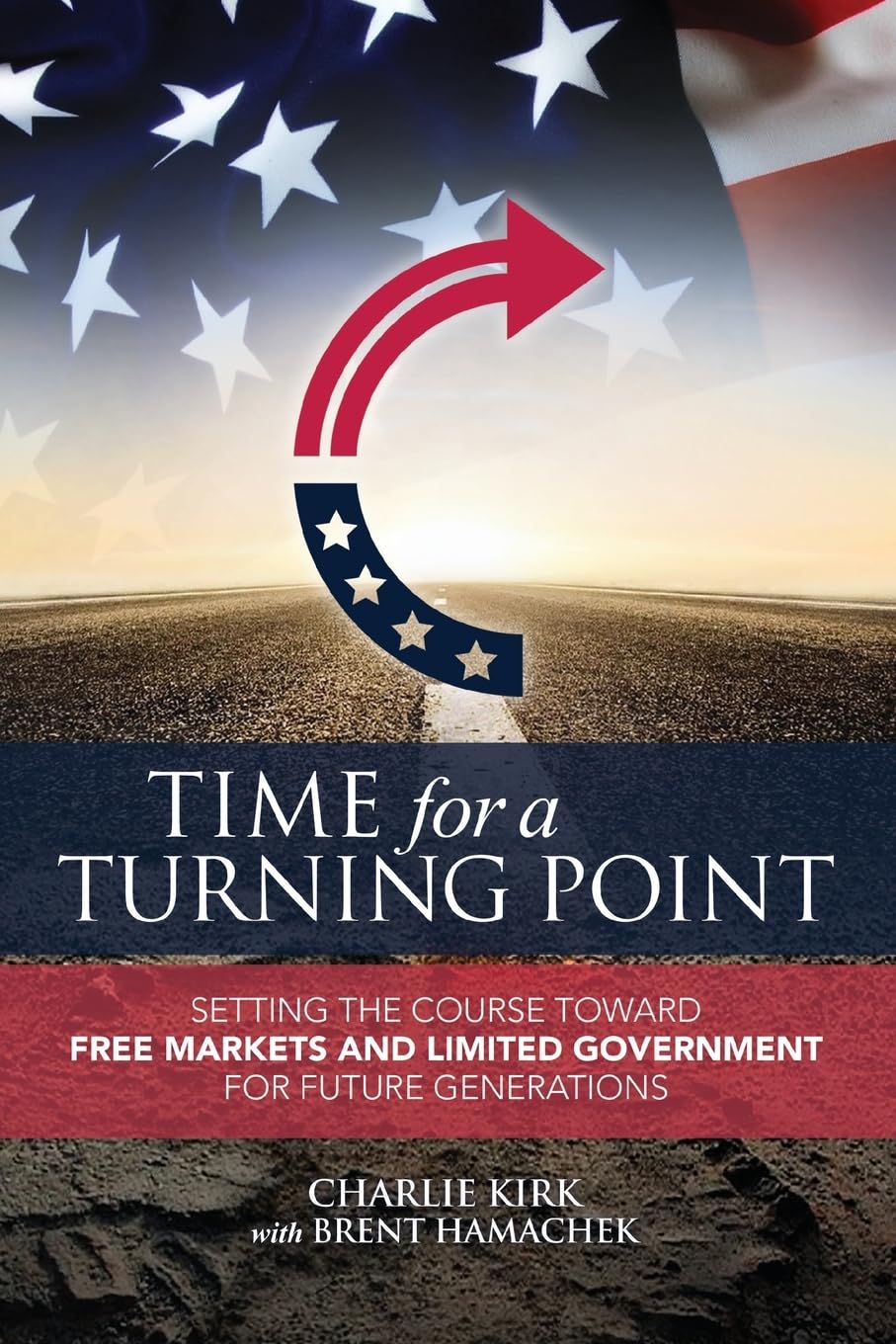
Charlie Kirk was only 18 when he founded
his group Turning Point USA. You see him
here just a year later, opening an event
build as the next generation of
conservatives in 2013. His group went on
to host events at colleges and even
holding campaign events for President
Trump. Tonight, the president's son,
Eric, posting this photo with Charlie
captioned, "Charlie Kirk was an
incredible patriot, brave, tough as
hell, and a dear friend to our entire
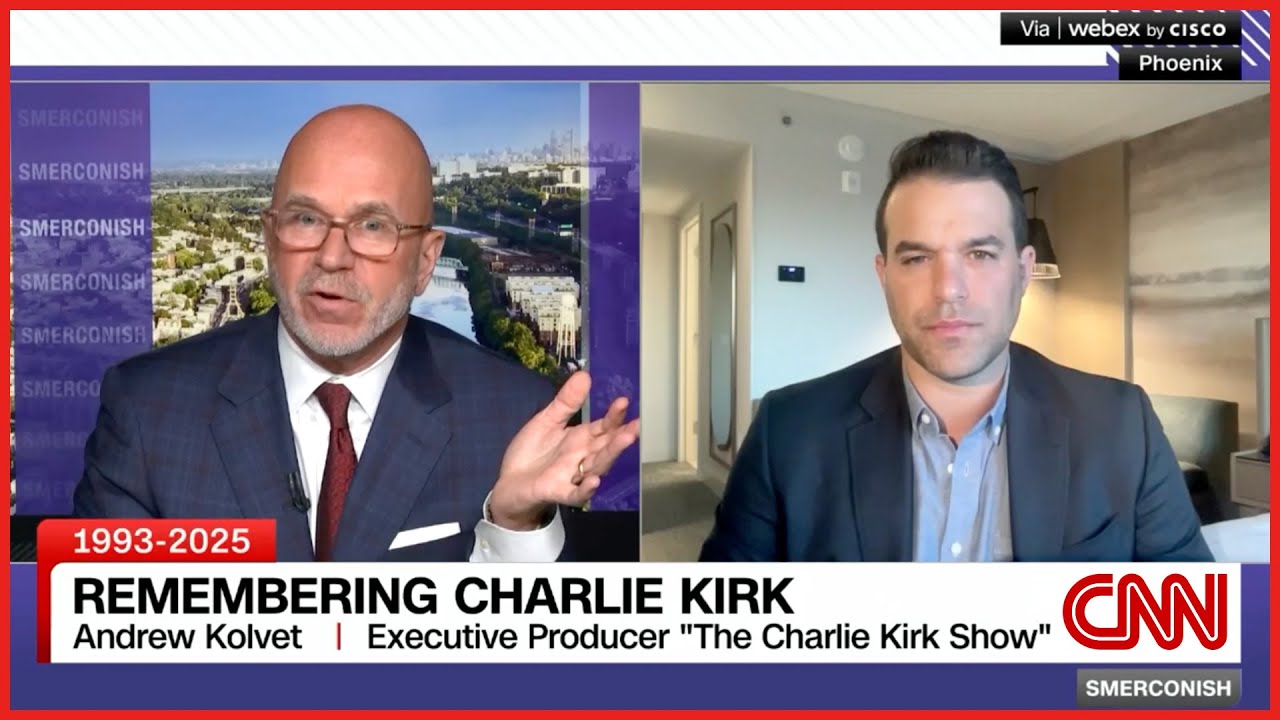
family." For more on Charlie Kirk's life
and legacy, I'm joined tonight by Brian
Hollyand, a political commentator and
freshman at Auburn University and
Republican strategist and good friend of
Top Story, Matt Gorman. Uh, thank you to
you both. I I know both of you knew
Charlie Kirk. I I'm sorry for your loss.
Uh, Brian, I I do want to ask you, you
were close with Charlie and you spoke to
him just the last few days. How are you
doing tonight?
>> You know, we're we're extremely shaken
up and heartbroken. Um, Charlie Kirk was
that larger than life figure and the
last person that you imagine this
happening to. Um, Charlie Kirk was a
walking talking beacon of hope. And I
can really confidently say as someone
who has been on college campuses with
him, who's been on the campaign trail
with him, uh, who has seen him in
conversations with the president, that
the only reason that President Trump is
in the Oval Office this evening is
because of Charlie Kirk's tireless
efforts to reach out to the next
generation. And that's what makes this
so hard. such a fighter for the movement
as a whole. And I got to say, the first
time we met, it was in the fourth grade.
I just started a podcast at 11 years
old. And I'll be honest with you, not a
lot of people wanted to come on a fourth
graders podcast, but Charlie took a
chance on me. He came on and afterwards
asked him for some advice. And this
afternoon, just reeling with the news
and speaking with his family and
friends, it brought a smile to my face
thinking of the advice uh because it was
so like authentic and so Charlie. And he
said, "Brian, the left will have all the
money and fundraising in the world, but
nobody can ever say they outwork me. I
will wake up as early as I need to. I
will stay up as late as I need to. I'll
travel to whatever campuses I need to.
Uh but he always took that time to fight
for the next generation and that's what
we'll be remembering.
>> Matt, you've been in a Republican
politics a long time. Again, I'm sorry
for the loss of somebody, you know,
within the Republican party and in in
the in the movement you work for. How
how are you and your colleagues taking
this? I mean, you're out there with
political candidates all the time.
You're out there doing Republican
events. This guy wasn't running for
office. He wasn't elected. He was an
influencer, huge following, huge, you
know, we we know how big his movement
was. But it's just wild that he was
assassinated, right? And and he wasn't
somebody that that he had even run for
office.
>> No, he he wasn't a traditional operative
per se in the in the traditional sense
of of the word. But you talk to almost
any Republican in either the Trump
administration or just in power or
around power today, it was always either
one or two degrees of separation from
not just meeting Charlie once, but
knowing Charlie. Uh he was that
ubiquitous in circles and and and Brian
Brian is is right in many respects. uh
his get out the vote campaign um was
instrumental last year uh that with to
knock on doors, chase mail ballots and
really ensure that people came out to
vote and but a particularly hard
demographic, young people, right? And
that's always very tough to get them out
and also going to college campuses and
his reach was very strong there. But he
was also a a massive advocate for
family, for getting married, having
kids, you know, going to to uh church or
h or having religion as or one's role in
life. Very very important, influential
among young people especially too.
>> Yeah. Brian, how did he break through
with young people? Because, you know, he
had podcast, he was huge on social
media. What was it about his message as
Matt alluded to? he sort of broke the
mold when it came to Republican
operatives and he probably wouldn't call
himself that as well because he he kind
of came out of the MAGA movement and you
know that sort of the people that wanted
to to get rid of the swamp in Washington
DC on the right.
Charlie was authentic and I think it's
what resonated with people so well. Um
he really took the time to talk to
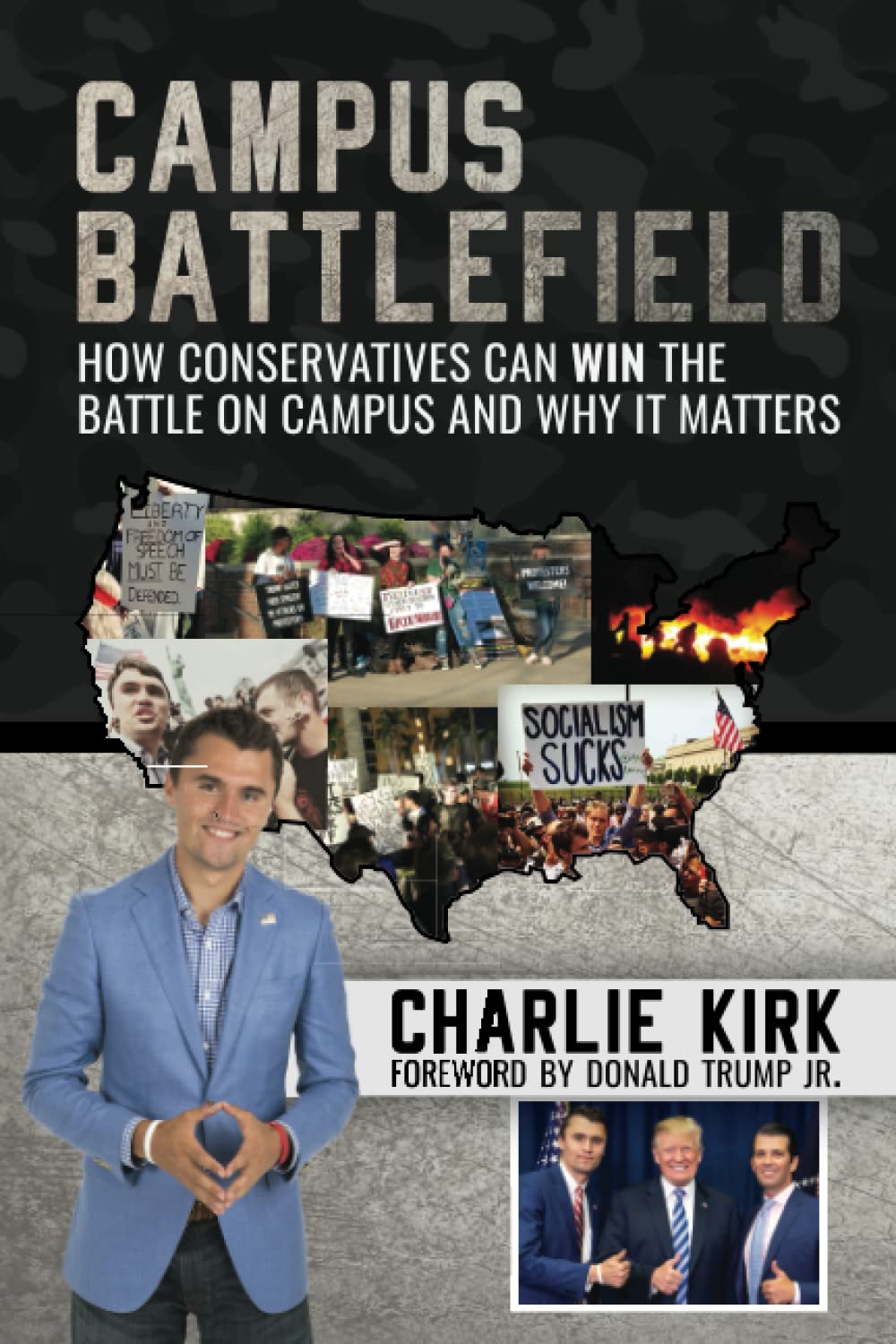
people. He didn't come to campuses and
scream at college students. Like I'm a
freshman at Auburn University. People
love to see him actually come and
interact with people. And Charlie was
doing this the right way. Every event
that he's ever done on a college campus,
he has a Q&A. The entire event is just
come and ask me questions. And he
encourages people that are on the
opposition, people that disagree with
him to get in the front of the line. He
wants to have conversations. And I think
that that's something that we've lost in
the country. And if anything comes from
this, it's a need for civil discourse
because Charlie was doing that. He was
bringing back conversations. And this
whole tragedy could have been prevented
by a conversation. That's why he was
there. I mean, how do you explain this
to a two young kids today? Your dad went
to a college campus, a place of free
expression and free conversation, and
didn't come home. Like, where else was
this supposed to happen?
>> Yeah. Matt, what do you think happens
now? I mean, in in the way people
campaign, in the way people try to get
their message out, you know, I was
talking to Kristen Welker a lot about
this. As much as social media is is
necessary right now and any political
candidate wants to get their message
out, you still sort of have to go out
there. The president does it himself.
even after his assassination attempts,
but you have to go out there and you
have to start the movement and press the
flesh. How do you think this changes
everything when somebody like Charlie,
who again was incredibly popular on the
right, is assassinated?
I I'm worried it could have a physical
but also maybe a different type of
barrier between, you know, people like
Charlie, whether it's on the left or the
right, and you know, uh, people on a
college campus or his ability to engage
with kind of the general public, right?
We saw this in some respects after the
the shooting of the in Butler of
President Trump, right? His events got
more controlled, more guarded. He got
more distant. He had it had to for his
safety. I I hope that, you know, free
expression, as as Bradlin was saying,
was such a cornerstone of what he
believed in and debate and and and
civilized debate. I hope we don't lose
that and we can still talk and and and
be civilized without, you know,
barriers, physical or otherwise, in
between us.
>> Yeah. Uh, Brian, I'm gonna I'm gonna
give you the last word here of what
you're going to remember about your
mentor, Charlie Kirk.
>> A family man and a man of faith. That is
how I will be remembering Charlie and
conversations this week. I got to tell
you, you understand like the hecticness
of a campaign and like traveling and
criss-crossing the country, Charlie, in
my entire, you know, 10 years of knowing
him, never didn't take a Sabbath. every
single Sunday, flew home, took his wife
and two young kids to church, actually
took the time uh to be a father figure,
took the time to turn his phone off on
Sundays, and actually be present with
his family. That's so rare and so unique
and just shows that genuinely he was a
family uh Christian man and and America
lost a really good one tonight. Ryland
Hollyand, you were a political
commentator but also a freshman at
Auburn University. We thank you for
joining us tonight. Matt Gorman, we know
I'll see you again here on Top Story. We
thank you for your analysis as well.
Thank you sir.







Comments
Be the first to comment on this video.