[00:00] I'm glad that he died. You think he
[00:01] should have been murdered because he
[00:03] disagrees with you? Basically,
[00:04] >> I don't think he should have been
[00:05] murdered, but I feel like
[00:06] >> you said I'm happy he died. I'm not mad
[00:08] that he was.
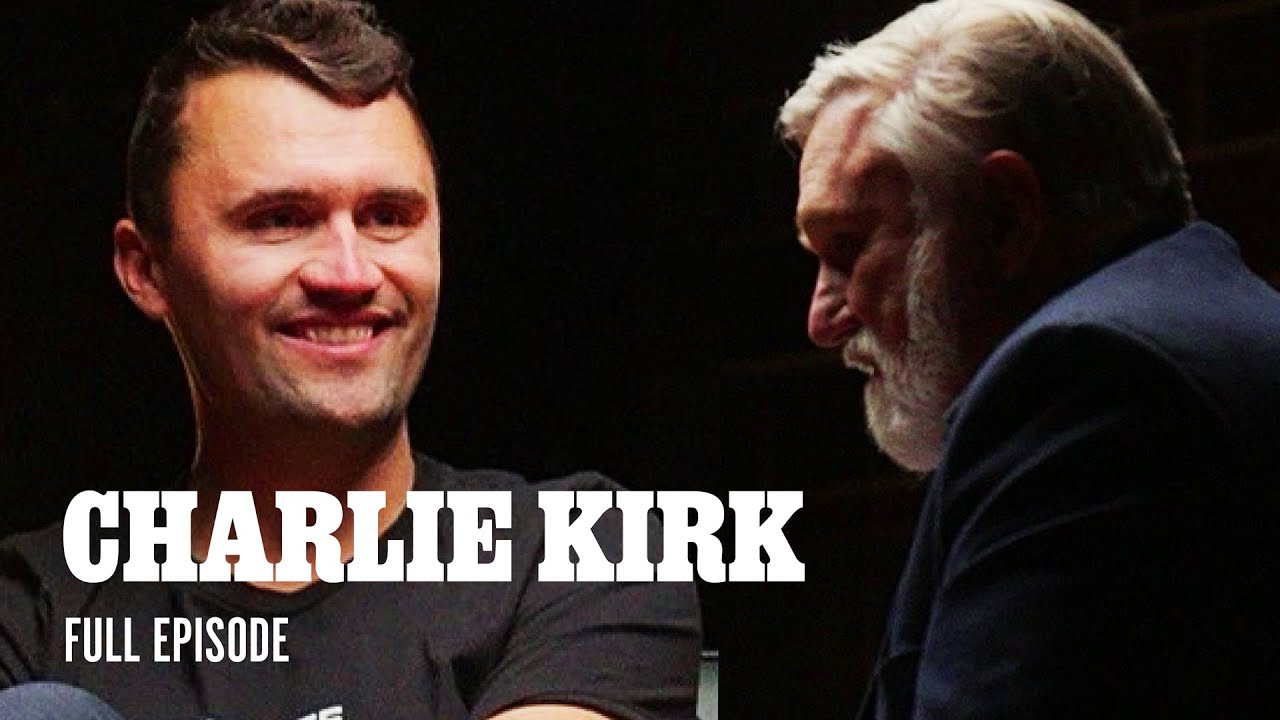
[00:09] >> Yeah. Well, speaking about Charlie Kirk,
[00:11] I mean, he was brutally murdered because
[00:14] he was speaking his mind. Do you think
[00:15] that that was justified?
[00:17] >> Yeah.
[00:18] >> Yes.
[00:19] >> Savannah and I are here today at Pratt
[00:21] Institute, one of the most hopefully
[00:23] pro-f freedom of speech and pro- freedom
[00:25] of expression places in the country.
[00:27] This is an Ivy League art school in
[00:29] Brooklyn, New York. And we are going to
[00:30] see what these students, if they're
[00:32] being indoctrinated or not. We're going
[00:34] to see what they have to think about the
[00:35] whole Charlie Kirk situation and
[00:36] political violence and the culture war.
[00:37] >> Yeah, let's go.
[00:38] >> What do you think about people that are
[00:40] celebrating the death of someone that
[00:42] was just speaking his mind, Charlie
[00:43] Kirk?
[00:43] >> I'm glad that he died because he don't
[00:46] give a [ __ ] about me. It's getting to a
[00:48] point now where it's like debates can't
[00:50] even happen. say people who are like
[00:53] right-wing or like anything like that,
[00:55] they will find any way to like not get
[00:57] there like they will they won't meet
[00:59] anybody else in the conversation. It has
[01:01] to be like the way that they think.
[01:02] >> Once you realize that 99% of this hate
[01:04] that is spewed by these types of people
[01:06] is based on fear. You'll understand
[01:08] their reactions and the psychology
[01:10] behind it all. And you'll understand why
[01:12] I have some sympathy or empathy towards
[01:15] these types still.
[01:16] >> So many queer people, people of color
[01:18] have been killed and it's not on the
[01:20] news. There's a lot of factors that if
[01:23] you check all these boxes, you being
[01:25] murdered as a person is not going to
[01:27] even get in the newspaper. You're less
[01:28] than is essentially. And that's not
[01:30] >> if you're if you're queer or black or a
[01:33] woman or and I'm not saying that. I
[01:35] don't believe that. But it's like
[01:36] there's so many people that are murdered
[01:39] and if they're like sex workers or drug
[01:41] dealers or something, they're seen as
[01:43] less than. Like still, it's not good
[01:45] that he was killed. But I feel like he's
[01:48] still indirectly supporting Trump and
[01:50] Trump doesn't like every type of person.
[01:52] He's trying to bring back slavery. He's
[01:55] trying to
[01:55] >> Okay, I'm sorry. I don't mean to laugh,
[01:57] but like where where did you hear that?
[02:00] >> I mean, it's kind of obvious, right?
[02:02] >> No,
[02:02] >> he doesn't like black people. They're
[02:03] trying to make laws for segregation
[02:05] again.
[02:06] >> He doesn't like black people, but he
[02:07] invited me to the White House back in
[02:10] May. I went to the White House. Why
[02:11] would he invite me to the White House?
[02:12] You think it's like mostly right-wing
[02:14] people have that problem? I mean, like,
[02:16] you know, everything is subjective.
[02:17] Like, there's always exceptions to
[02:18] everything. But I've seen more examples
[02:21] of people who are in support of people
[02:23] like Trump or Charlie Kirk or anything
[02:25] like that that are just so rigid in the
[02:26] way that they think that like they they
[02:28] will think that any other mindset is
[02:30] like a joke to them. He was brutally
[02:32] murdered because he was speaking his
[02:34] mind. Do you think that that was
[02:36] justified?
[02:36] >> Yeah.
[02:37] >> Okay.
[02:38] >> Yes.
[02:38] >> We should be able to kill people if we
[02:40] don't agree with them.
[02:41] >> Whatever. Keep in mind that the majority
[02:42] of these types of students are told by
[02:45] the media, by their peers, by their
[02:47] teachers that Gaza is safer for gays
[02:50] than Trump.
[02:50] >> What did Charlie say that says he
[02:52] doesn't like people like you? Honestly,
[02:55] I don't know, but that's just what I've
[02:56] heard.
[02:57] >> You know, it's like, [ __ ] around and
[02:58] find out.
[02:59] >> Blinded by rage. A lot of people are
[03:01] really angry and scared. Fear creates
[03:03] anger. You know, you displacement. You
[03:06] don't know where to put it.
[03:07] >> How could you say that about Charlie?
[03:08] because it's the internet and I don't
[03:10] know him and people make memes and it's
[03:11] funny.
[03:12] >> I mean, if we're going to go on that
[03:14] logic, right, that if you [ __ ] around,
[03:15] find out what if you say something one
[03:16] day and somebody doesn't agree with what
[03:18] you have to say and they think it's okay
[03:19] to kill you for it. I mean, you're an
[03:20] art school student. This is literally
[03:21] what you're what you're studying, right?
[03:22] Freedom of expression.
[03:23] >> Yeah.
[03:24] >> Yeah.
[03:24] >> Yeah.
[03:24] >> So, what makes your right to speak
[03:26] different than somebody else's?
[03:27] >> It's not different. Everything has
[03:28] consequences.
[03:28] >> How would you know what where the line
[03:30] is drawn is what I'm saying.
[03:31] >> But like I I feel bad for people that
[03:32] were affected by it. But this is the
[03:34] thing is that you may not feel empathy
[03:36] because you didn't know him. mean and
[03:37] agree with him, but everybody should
[03:39] feel offended because if they can kill
[03:41] him, they can kill me, they can kill
[03:44] you, they can kill her, they can kill
[03:46] him, they can kill everybody.
[03:48] >> Direction the country is headed right
[03:49] now ain't good.
[03:49] >> I agree with that.
[03:50] >> Probably a lot of people agree with that
[03:51] no matter their political standing of
[03:53] just
[03:54] >> honestly I'm surprised that these types
[03:55] of people can get sleep if any at all.
[03:58] But we know here on this channel we
[03:59] don't have any problem in that
[04:01] department thanks to sponsors like
[04:03] Beam's Dream. Dream has all natural
[04:06] sleep ingredients, which on their own
[04:08] can be powerful, but put together is
[04:11] another level. Just one scoop into a mug
[04:13] of milk or hot water and sip 30 minutes
[04:16] before bedtime. 89% of people that have
[04:18] used Dream agree that it reduces
[04:20] restlessness. 82% of people agree that
[04:22] Dream improves mental state at night.
[04:24] 79% of people say that it allows for a
[04:27] deeper sleep. I wake up every night to
[04:29] pee at exactly 4 in the morning. You can
[04:31] ask my friends if this is true. Dream
[04:33] helps me fall back asleep much quicker
[04:35] than I have in the past. Before I would
[04:37] toss and turn and I I' I'd have a lot of
[04:39] trouble falling back asleep. This makes
[04:40] it a hundred times easier. I wake up
[04:42] feeling so much better. Even people like
[04:44] myself who take their mental, emotional,
[04:46] physical, and spiritual health seriously
[04:48] can have problems sleeping. And many of
[04:50] us work hard. We have kids. It gets
[04:53] tiring. Use Dream as your Sunday night
[04:55] reset to make sure that your week ahead
[04:57] is going to go as perfectly as you as it
[04:59] can go. It's personally been a gamecher
[05:01] for me and I know it can be for you as
[05:03] well. Use code Ariela for 35% off your
[05:05] first month and 20% off each month after
[05:08] that. You get a free frother, free
[05:10] shipping, and the option to pause or
[05:12] cancel at any time. Make sure you go and
[05:14] support brands and companies that
[05:16] support our morals and this channel.
[05:18] Back to the video.
[05:18] >> Do you think that it was wrong that he
[05:20] was assassinated?
[05:21] >> That's up to interpretation to be
[05:23] honest. Half half of people will say he
[05:25] didn't deserve it. Other people will say
[05:27] he died by his words.
[05:28] >> What do you say? I mean, I feel like he
[05:30] died by his words, but death is death.
[05:32] Death is bad regardless. Do you believe
[05:34] in freedom of speech in his country?
[05:35] >> Uh, yeah. You should, right? You're from
[05:37] China, so you know, you know the
[05:39] difference, right? It's a big difference
[05:40] between between here and and China,
[05:42] right?
[05:43] >> Mhm.
[05:43] >> Do you think somebody should be silenced
[05:45] for their political opinions?
[05:46] >> I think in American people can uh talk
[05:51] very free. I'm afraid. I don't know.
[05:53] >> We're living in a country now that you
[05:54] could get killed if you say what you
[05:57] believe in.
[05:58] >> That's shouldn't be afraid. That's the
[06:00] point we're trying to make, right?
[06:01] >> Yeah. Do you think America is a place
[06:03] where we should have to fear that?
[06:05] >> And I think in America is fine, but in
[06:08] China is that definitely we cannot say
[06:10] anything about the uh government or the
[06:14] right.
[06:14] >> Yeah, absolutely. I know there's um a
[06:17] lot of well there's a lot of
[06:18] international students here but a lot of
[06:20] international students here who are now
[06:21] feeling like they can't get involved
[06:23] with anything or actually like express
[06:24] how they feel or like stand up for it at
[06:27] all because or like engage with anything
[06:29] online for out of fear of like their
[06:31] visa getting or like something like that
[06:33] >> some sort of repercussion.
[06:34] >> We had a girl we just interviewed not
[06:36] too long ago. She's from China and she's
[06:39] coming here to do design. You know about
[06:41] China they're pretty communist. You
[06:42] can't really say anything about the
[06:44] government. can't put your opinions out,
[06:45] but America's not supposed to be like
[06:47] that. And she said that, you know, one
[06:48] of the reasons that she came here was
[06:50] because she feels more safe. And now we
[06:53] just witnessed a public assassination of
[06:56] a man because he was doing just that,
[06:58] speaking his mind.
[06:59] >> And that's why you're here, right?
[07:00] You're here because you want to express
[07:01] yourself freely, right?
[07:03] >> Yeah.
[07:03] >> I don't know. I think America's like
[07:05] they're downgrading so much. In fact,
[07:08] they might they're becoming like China
[07:10] in a way.
[07:10] >> It's kind of scary. I grew up in a
[07:12] country where you couldn't speak your
[07:14] mind.
[07:14] >> Okay. Where you from?
[07:15] >> And Hitler in Germany and he just spoke
[07:19] quietly at home about things we didn't
[07:23] like. Mhm.
[07:24] >> Does it scare you that America is going
[07:27] down that path it seems?
[07:28] >> Yes. Yes. Yes. Yes. Everything has
[07:31] changed.
[07:32] >> I feel like the people who had that kind
[07:34] of mentality that Hitler did of like,
[07:36] "No, I don't believe what you're saying,
[07:38] so I'm just going to take over." I think
[07:39] that's flooding into America a little
[07:41] bit and it's by people who have never
[07:44] experienced being under somebody like
[07:46] Hitler. Isn't that interesting?
[07:48] >> Yes.
[07:48] >> Yeah.
[07:49] >> Yeah.
[07:49] >> I mean, I think maybe maybe we're so
[07:51] privileged in this country that we are
[07:54] trying to find something to make us feel
[07:56] victimized, which is weird.
[07:58] >> Creating our own problems.
[07:59] >> Yeah. We're creating our own problems
[08:00] because we just don't have any. So, we
[08:03] just need to come up with an excuse on
[08:04] why we're victims.
[08:06] >> Yeah. Yeah. I mean, do you agree with
[08:08] the statement that you that you think
[08:09] freedom of expression is important for
[08:11] all people? Freedom of
[08:12] >> As long as you're not hurting someone.
[08:13] >> So, you think words are not violence?
[08:15] >> Well, they can be. Yes.
[08:16] >> Okay. How?
[08:17] >> Cuz they can incite violence.
[08:19] >> Where do you think the line is drawn
[08:20] between hate speech, free speech, and
[08:21] and incitement of violence? Cuz hate
[08:24] hate speech is basically basically based
[08:26] on opinion. Cuz a lot of people agreed
[08:27] with what Charlie was saying. I'm a
[08:28] lesbian. I don't agree with things that
[08:29] he said. I don't think anyone can ever
[08:30] be killed for that.
[08:31] >> It also depends on like the kind of
[08:32] rhetoric. It's like it's like, you know,
[08:34] you get you get what you put out into
[08:35] the world. He was he was proposing like
[08:37] gun law rhetoric, you know, freedom to
[08:39] carry and he was killed by like the same
[08:40] people that like he usually like
[08:42] advertises to. So it's like, you know,
[08:44] >> the shooter was gay and was, you know,
[08:46] dating a a person who was transitioning.
[08:48] Charlie doesn't usually affiliate
[08:50] himself with leftists. I mean, if
[08:52] somebody wanted to kill AOC, Joe Biden,
[08:55] Kla Harris, like you would be full in
[08:57] support of that cuz they if they didn't
[08:58] agree with them.
[08:59] >> It's not about I'm in support cuz I
[09:01] agree with them. I just feel like, you
[09:02] know, it's a thing that happens.
[09:04] >> How far does that go? Cuz I mean some
[09:05] people might say, "Well, I think it's
[09:06] okay to rape somebody." Like, "Should we
[09:08] not criminalize rape?" Then just let let
[09:10] people rape.
[09:11] >> Like, no, obviously not.
[09:13] >> But what she's saying is that laws have
[09:14] definitions, right? And and if if we're
[09:16] saying that violence can be defined as
[09:18] somebody being offended by words that
[09:20] could be translated to almost anything.
[09:22] >> Is there a line or is it person to
[09:24] person? And therefore, like if it's
[09:25] person to person, then we shouldn't have
[09:26] any laws. We should just let people do
[09:28] what they want to do.
[09:29] >> I can't really say as like as far as
[09:31] when the line or where the line or how
[09:33] it should be drawn. I just know that,
[09:35] you know, sometimes people just have
[09:36] enough.
[09:37] >> How do we define what hate speech is
[09:38] then? How do we define what is
[09:39] considered like, oh, well, that's
[09:41] justifiable because he said that versus
[09:42] it's not justifiable because he only
[09:44] said this.
[09:45] >> I think it depends on the scenario. I
[09:46] don't
[09:48] >> You see how it can get you see how it
[09:49] can get very tricky though cuz I could
[09:50] sit here and say I don't like they them.
[09:52] >> Yeah,
[09:52] >> cuz I I don't I actually Not that I
[09:54] don't like you. That could be considered
[09:56] hate speech or or incitement of violence
[09:57] potentially.
[09:58] >> So,
[09:58] >> but but somebody else would. Well, you
[10:00] can just say that you don't like someone
[10:02] and that's not hate speech.
[10:03] >> Right. Right.
[10:04] >> See, that's where so much of the left
[10:06] disagrees that if say, "Well, you're a
[10:08] Christian." Like, that's what they said
[10:09] about Charlie. Charlie is a Christian.
[10:11] He doesn't support the LGBT community.
[10:12] Yeah, he didn't. But does that mean he
[10:14] hated gay people? Does that mean he
[10:16] thought they shouldn't exist? Does that
[10:17] mean he thinks that they should be put
[10:19] in these fake camps that people keep
[10:21] making up? No. hospital.
[10:23] >> You you can you cannot support
[10:26] somebody's actions or their lifestyle,
[10:28] but also respect them as a human being
[10:30] on a platform saying these people are
[10:32] bad in and spreading that to not just
[10:35] like oh I don't like this one person
[10:38] where it's like you don't like them
[10:39] because part of them the like a huge
[10:42] part of them you disagree with. Maybe we
[10:44] should be more clear and say that like
[10:45] this is obviously this isn't all people.
[10:47] But I think we know that like I think we
[10:48] know not all white people are racist.
[10:50] Not all black people are thugs. Not all
[10:53] Asian people are like have the highest
[10:55] IQ. I mean all of these
[10:56] >> we knew this 20 years ago when I went to
[10:58] this damn school happens. I really
[11:00] don't. But what I'm saying is I think
[11:01] it's important to recognize where this
[11:03] is all coming from so we can put an end
[11:05] to it. I went to this school 20 years
[11:06] ago, right? Almost 20 years ago, 15
[11:08] years ago, whatever it is. We were all
[11:09] about pro- freedom of expression,
[11:10] freedom of speech. Like there were
[11:12] people of every different race,
[11:13] nationality, religions that went here.
[11:14] And now whenever I go onto any college
[11:16] campus, most of them I would say across
[11:17] the country. Like I literally fear. And
[11:19] there was a girl we just we just talked
[11:21] to two minutes ago that said, "I'm
[11:22] afraid to say what I think."
[11:24] >> That's what
[11:24] >> And and and an art school at an art
[11:26] school in the middle in America in New
[11:29] York City in the bluest place, people
[11:31] are afraid of their own opinions.
[11:33] >> That is a big problem. regardless of
[11:36] what you believe or not, people should
[11:37] have the opportunity to speak about it
[11:39] because that's how we also derail bad
[11:41] ideas, right?
[11:42] >> Do you feel like you have the freedom to
[11:45] speak your mind in America right now?
[11:47] >> Um, personally, no. For people that
[11:49] disagree with you, like you probably
[11:51] don't feel super comfortable saying what
[11:53] you feel.
[11:53] >> What do you think about that fact that
[11:55] just saying that you're you're in a blue
[11:56] city in a blue state at a college campus
[11:58] in New York City and you don't feel like
[12:00] it's okay to speak your mind? I mean, I
[12:02] feel like it's
[12:03] >> you're at an art school
[12:04] >> and you feel like you're afraid to say
[12:06] what you really think.
[12:07] >> Isn't that a problem? I mean,
[12:08] >> it is a big problem.
[12:09] >> It's a big problem. When I went here 20
[12:11] years ago, everyone everyone spoke their
[12:12] mind. No one said people would do crazy
[12:14] [ __ ] It's art school, right? There was
[12:16] somebody that staged a suicide death
[12:17] here in the bathroom. Do you remember?
[12:19] Okay. That was when I was here. They did
[12:21] a fake hanging sculpture in the
[12:23] bathroom. Imagine people doing that now.
[12:25] >> No, I agree with you. Wonderful.
[12:26] >> So, you did hear about that in the
[12:27] bathroom? Wow. That was when I went to
[12:28] school. Legendary.
[12:29] >> We were legends. We were legends. We
[12:30] were iconic back in the day. Like I said
[12:32] in the beginning of the video, it's sad
[12:33] that we're at supposed hopefully one of
[12:35] the most pre-f freedom of expression
[12:36] places in the country and we're still
[12:38] finding people that have an issue with
[12:40] freedom of expression, freedom of
[12:41] speech. We don't want people on our side
[12:43] or our side to do what what the people
[12:45] on the other side are doing right now.
[12:46] That's why we're we're taking a stand
[12:47] and saying like it's not okay when
[12:49] anybody does it.
[12:49] >> I can't really say too much of like if
[12:51] he deserved to die or it should have
[12:53] happened. It did happen and that's a
[12:54] thing that happens. And
[12:56] >> we don't think it was wrong. No,
[12:57] >> we want to know where the current state
[12:59] of of America with with the the college
[13:01] students is standing. And I think
[13:02] >> assassinations are a thing. You know,
[13:04] >> I don't agree with killing people like
[13:09] >> an assassination like I don't
[13:11] >> that's not going to help anything. Carly
[13:13] Kirk was assassinated for speaking his
[13:15] mind.
[13:15] >> Yeah.
[13:16] >> What do you think about that situation?
[13:18] >> I think it was wrong because at the end
[13:20] of the day, he was just speaking his
[13:21] mind. You know, he shouldn't have been
[13:23] assassined for that.
[13:24] >> I can tell you I actually knew the guy.
[13:25] I saw him only a month before he was
[13:27] murdered. I'm obviously not white. I'm
[13:29] not a man. And there's all these people
[13:30] saying, you know, he was racist. He
[13:32] hated women. All he ever did was
[13:33] encourage me to follow my dreams, to be
[13:36] loyal, and, you know, worship God and
[13:38] get married, have babies. That was his
[13:39] message. And somebody thought that it
[13:41] was okay to just murder him because of
[13:43] words.
[13:44] >> It's crazy cuz at the end of the day,
[13:46] everyone speaks their mind on the
[13:47] internet. So, it's like, why him,
[13:49] >> right?
[13:49] >> Like, what makes him different from
[13:51] everyone else?
[13:52] >> Because he's making an impact and people
[13:53] are afraid of that. And that worries me
[13:55] for people like you guys who are a lot
[13:56] of your media major, I'm assuming.
[13:58] Marketing, not
[13:59] >> architecture. Okay. You're somebody
[14:00] that's literally building the future.
[14:02] >> Literally building the future. Okay. And
[14:04] you're afraid of it.
[14:05] >> Yeah.
[14:06] >> That's not normal.
[14:06] >> Did you hear about Charlie Kirk's
[14:08] assassination?
[14:08] >> I don't think like celebrating someone's
[14:10] like death
[14:12] >> is like should ever be done.
[14:14] >> The question is, do you feel that you
[14:17] can safely speak your mind in America
[14:19] right now?
[14:19] >> No. I mean, I'm going to anyways, but
[14:21] it's not it's not looking safe. Do you
[14:23] think that's normal for a country like
[14:25] America that we should be afraid to use
[14:27] the number one amendment?
[14:28] >> No, it's not. It's quite a bummer. Quite
[14:30] disappointed in the country giving all
[14:32] of those up, getting rid of all those
[14:34] books in the libraries,
[14:36] the ISIS coming after anybody that you
[14:39] know. Yeah. Yeah. No, no, I guess not.
[14:42] >> We live in a country right now where you
[14:43] can be publicly assassinated for just
[14:45] sitting in a chair and speaking. Charlie
[14:47] Kirk was assassinated two weeks ago
[14:49] tomorrow and all he was doing was
[14:51] sitting in a chair and speaking his
[14:52] mind. trying to actually have
[14:53] conversation. Do you condemn that he was
[14:56] murdered that way?
[14:56] >> Yeah. Yeah. He was just sitting and and
[14:58] talking, right? I mean, listen, I don't
[15:00] I don't particularly agree with the guy,
[15:02] but
[15:03] >> that's okay. You don't have to. I don't
[15:04] have to agree with all of these people
[15:06] who go and march in the streets about
[15:08] free Palestine. But am I going to say
[15:10] that they shouldn't be able to do that?
[15:11] No.
[15:12] >> No. I mean, I think the biggest problem
[15:13] in our country right now is that we're
[15:15] just not talking to each other. I think
[15:16] free speech is super important, but I do
[15:18] feel like when it gets into the area of
[15:21] hate speech, that's different. And I do
[15:24] feel like, not that Charlie Kirk should
[15:25] have been killed for what he said,
[15:27] regardless of it being hate speech or
[15:29] freedom of speech or whatever, but I do
[15:31] feel like freedom of speech like does
[15:33] have a degree to it still. Like when
[15:35] it's like spreading false information.
[15:37] >> Well, that's what Jimmy Kimmel did,
[15:38] right? He said he said that the that the
[15:39] shooter was a MAGA Republican and he's
[15:41] and he's not. and like saying things as
[15:42] if they're like scientific facts that
[15:44] are simply untrue and like spreading
[15:46] further like stereotypes and false
[15:48] information about different minority
[15:49] groups and like that's just not okay.
[15:52] >> I think if that's the case, it should be
[15:53] it should be happening on all sides of
[15:55] the political spectrum and the culture
[15:56] war. I think I think Democrats and
[15:58] progressives lie a lot about a lot of
[16:00] [ __ ] too, right? They lie about me. They
[16:01] say I'm transphobic and racist and all
[16:03] this [ __ ] They say she's a [ __ ]
[16:05] >> Everybody's social media is catered to
[16:07] like what you believe in. And so it's
[16:08] kind of hard to create conversation and
[16:10] then the divide gets like fatter and
[16:12] fatter. It's like impossible to see the
[16:14] other side and that creates like this
[16:16] really really really unreasonable rage
[16:19] which is a bummer and it leads to
[16:21] violence like that. But what I do care
[16:23] about is that we all treat each other
[16:25] with respect that we see each other for
[16:28] our humanity. And I think we're really
[16:30] being divided. And I think that the
[16:32] media uses things like this, even if
[16:34] it's wrong,
[16:36] to further divide us. And the fact that
[16:39] I don't have enough information,
[16:41] literally proves that. You started this
[16:43] interview saying, "I'm happy that he
[16:46] died." Can you look me in the face and
[16:49] say that you'd be happy if I died?
[16:50] Because I agreed with about 99% of what
[16:53] Charlie agreed with. You know, can you
[16:55] look me in the face and say that?
[16:56] >> I wouldn't be. How could you say that
[16:58] about Charlie? Because it's the internet
[17:00] and I don't know him and people make
[17:01] memes and it's funny
[17:02] >> and that's the reason why people like
[17:04] Charlie and people like Savannah and I
[17:05] are doing these types of videos and we
[17:07] get a lot of [ __ ] for we get a lot of
[17:08] hate but because we are literally in a
[17:10] way I guess forcing people to rehumanize
[17:12] us
[17:13] >> and like are having a hard time
[17:14] humanizing whatever side they're not on,
[17:16] >> right? To rehumanize people like you.
[17:18] Cuz 5 minutes ago you were all ra [ __ ]
[17:20] Charlie and now you're like wait a
[17:21] second like that's actually not a good
[17:23] idea, right? And it and it took all of 5
[17:25] minutes to get there which is insane
[17:26] >> I guess. So,
[17:27] >> and it would be just as wrong if
[17:29] somebody wanted to shoot you if you were
[17:31] gay, protrans, are you gay?
[17:34] >> Yes.
[17:34] >> Okay. It's just as wrong for somebody to
[17:37] murder you because they don't like gay
[17:40] people as it is. Exactly.
[17:42] >> I could agree with that.
[17:43] >> Where's mama?
[17:44] >> #ave gay. # save.
[17:46] >> Oh, we had a lot of amazing
[17:48] conversations today. Was surprised
[17:49] honestly that a few of them
[17:51] >> Yeah. with a few of them that not
[17:53] everybody on the left is just like,
[17:55] "Yeah, you should have died." And we
[17:57] also saw that a lot of that is true and
[17:59] that is really scary. And I want you to
[18:00] know that this isn't just a New York
[18:02] City. This is your neighbor. This is
[18:04] somebody that you go to church with.
[18:05] Probably has that same mindset.
[18:06] >> I also think it makes a lot of sense
[18:08] that we have to hire a security guard
[18:10] like Mario, who's amazing, by the way.
[18:11] Follow him on his Instagram down below.
[18:13] We have to hire him when we go to these,
[18:15] you know, usual leftwing campuses and
[18:17] stuff like that. But like if I were to
[18:18] go to like the RNC, like I don't I feel
[18:20] like I wouldn't need to hire somebody.
[18:22] The people on the left usually say the
[18:24] opposite. If you want to go check out
[18:25] her channel, go. It's going to be a link
[18:26] in the description below. Subscribe to
[18:28] both of us cuz we both make amazing
[18:29] content. And if you enjoyed the video,
[18:31] give it a big thumbs up because it helps
[18:32] us continue to do what we think the
[18:35] right thing is, which I think you agree
[18:36] with. So show us. I'll see you guys next
[18:39] time. Bye.











Comments
Be the first to comment on this video.