Candace Owens on Black Americans Being the Luckiest in All of Human History
Enjoying this? Share it with someone who needs to see it.
Up Next
Joseph Loconte Explains Why Franklin Pierce Failed When America Needed Strong Leadership Most
5:56
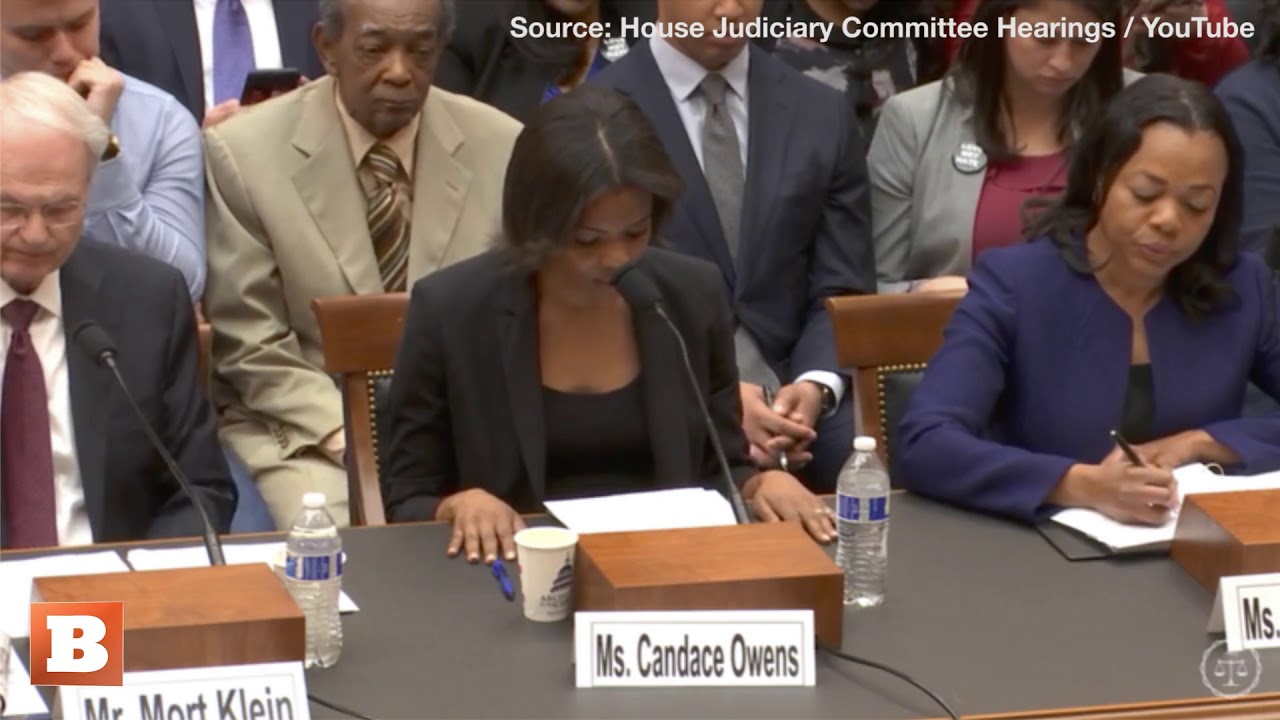
Candace Owens Confronts House Committee on Democrats Using Black America as Political Pawns for Power
45:46
Charlie Kirk Advises Gavin Newsom on Why Democrats Are Getting Clobbered on Key Issues
9:05
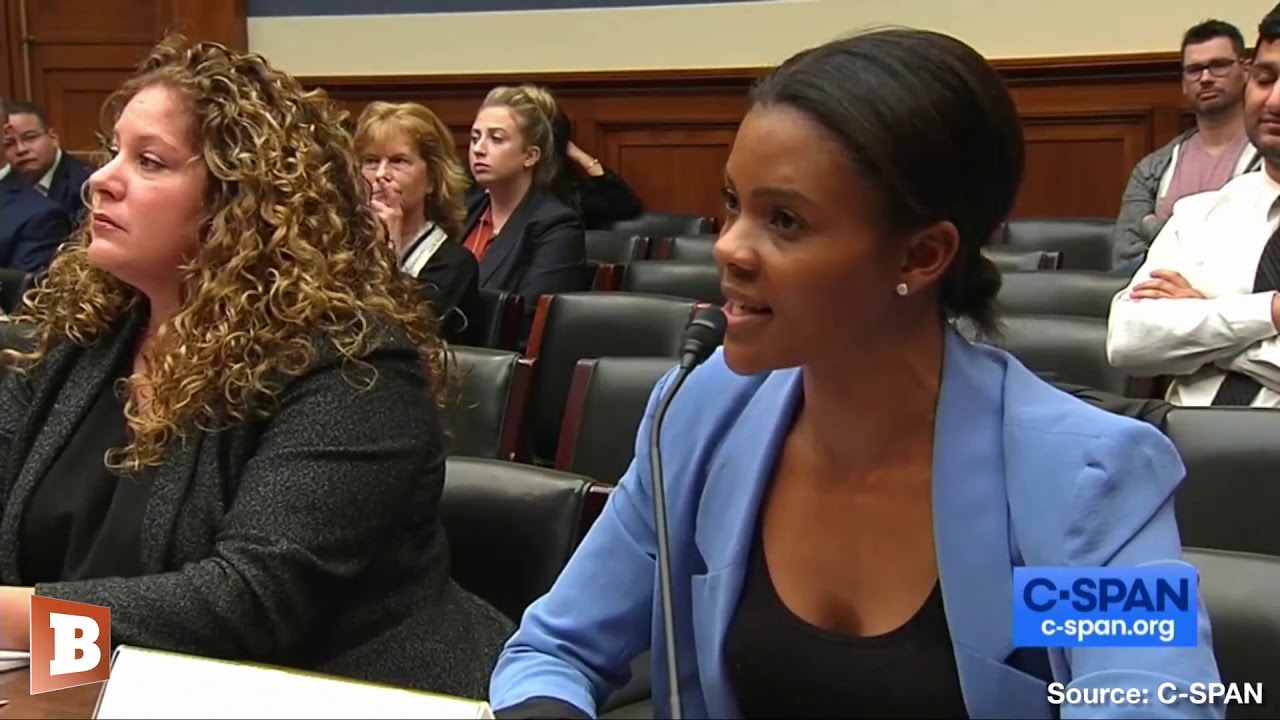
Candace Owens on Black Americans Being the Luckiest in All of Human History
Candace Owens makes a bold statement about Black Americans living today, arguing they are the luckiest Black people in all of human history. She discusses her book 'Blackout,' shares her journey from political indifference to conservative activism, and draws parallels between historical slavery and modern Democratic policies. Owens challenges the victim narrative, advocates for what she calls a 'victor mentality,' and issues a provocative challenge to those who claim America oppresses Black citizens. Her message centers on education, family breakdown, and policy consequences in Black communities.
September 18, 2020
The Luckiest Black People in Human History
Candace Owens makes one of her most provocative statements about Black Americans living in the United States today: they are the luckiest among the luckiest of Black people that have ever lived anywhere on the face of the planet throughout all of human history. This bold claim serves as the foundation for her perspective on American opportunity versus victimhood narratives.
To support this argument, Owens poses a simple question: where would Black Americans prefer to live instead? She challenges anyone claiming to have been stolen from their ancestors to accept her offer—she will personally book flights to Africa for any Black American willing to renounce their U.S. citizenship and move back. The point, she argues, is that no one takes this offer because deep down, everyone recognizes America as the greatest place they could possibly live.
The Journey Behind 'Blackout'
Owens discusses her book 'Blackout,' which she wrote to address widespread speculation about her political transformation. Many questioned whether she was a legitimate conservative or some kind of plant, not realizing that she had simply been apolitical for most of her life. She had never even voted before becoming politically active and had defaulted to thinking she had to be a Democrat and a liberal without questioning why.
Looking back, Owens recognizes how everything bad that happened in her life was rooted in bad policies and bad politicians. The book's subtitle, 'How Black America Can Make Its Second Escape from the Democrat Plantation,' reflects her central thesis: Black Americans are still enslaved today, just in a different form. According to Owens, the left got smarter and realized they couldn't enslave people's bodies anymore, but they could still have Black Americans doing all the work for the Democratic Party while reaping no benefits.
Historical Parallels Between Slavery and Modern Policy
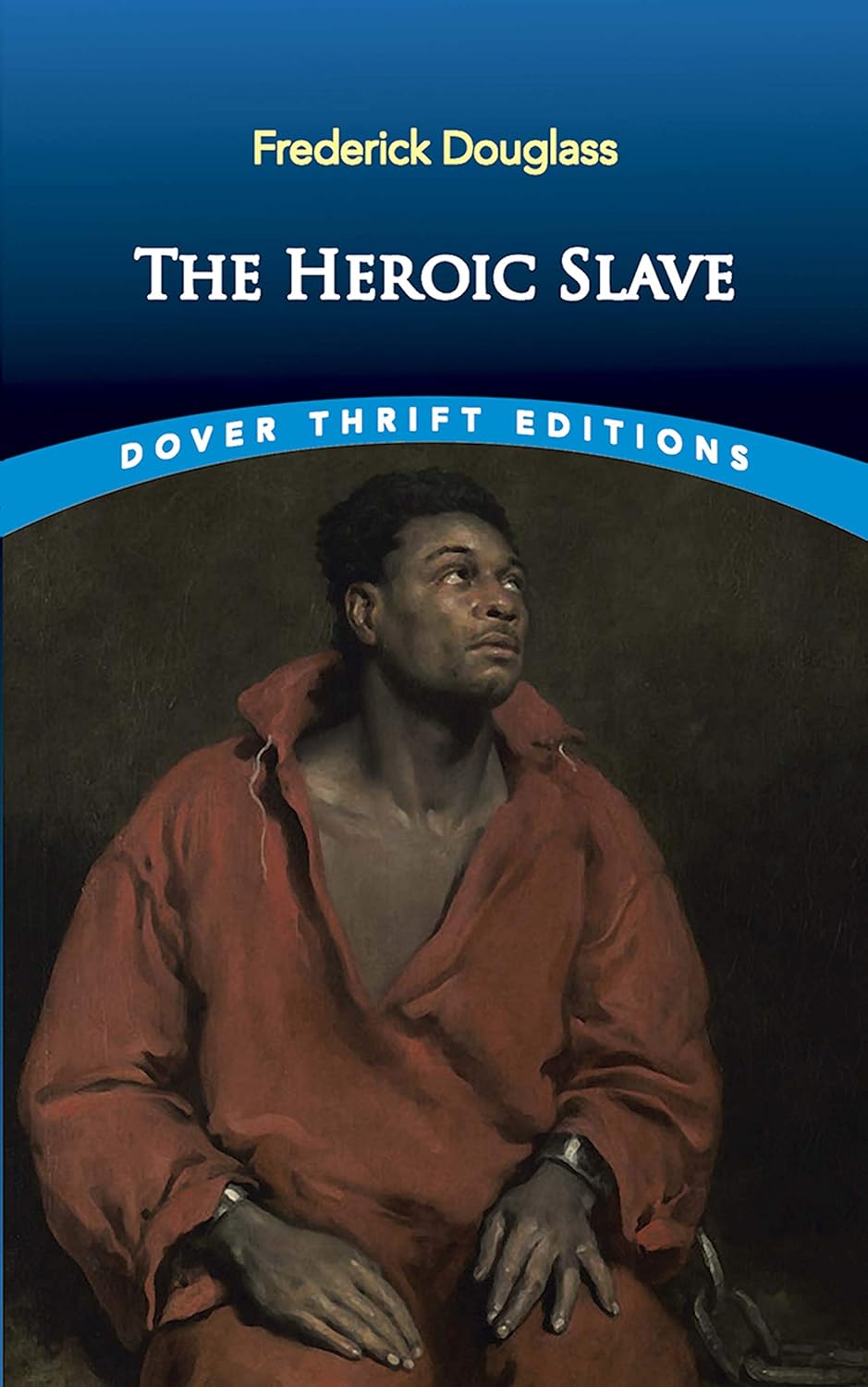
Owens draws specific parallels between historical slavery and contemporary Democratic policies affecting Black communities. She points to the deliberate breakdown of families during slavery, where enslaved people were constantly traded from one plantation to another to prevent any feelings of kinship or familial love. She references Frederick Douglass's autobiography, where he describes feeling nothing when his mother died or when his sisters were traded—this emotional disconnect was necessary to the institution of slavery.
According to Owens, despite the Reconstruction era post-slavery when Black families reunited and began building communities, this progress has been wiped out at a higher rate than during slavery itself. She notes that in the 1950s, Black Americans were outpacing whites in terms of economic growth. However, immediately following the 1960s and the Great Society Act, everything started falling apart due to systemic oppression introduced through the welfare system.
Education as a Tool of Control
One of the most striking parallels Owens draws concerns education. During slavery, it was illegal for Black Americans to learn how to read. If a white person was caught teaching their slave to read, they would be found guilty too. The reason for this prohibition was clear: slave owners didn't want Black people being educated because an educated mind can't be enslaved.
Owens asks what has changed when looking at literacy rates in Black America today. She points to cities like Baltimore and inner cities in California, where 70 percent of Black boys cannot pass a basic literacy exam. Yet politicians claim to care about Black Americans while not addressing the issues actually harming Black communities and recreating the very same plantation conditions their ancestors escaped.
Progressive Policies and Their Consequences
Owens questions why progressive policies consistently lead to regressive results for the Black community first and foremost. She references a statement from Bernie Sanders during a debate where he expressed wanting not only to legalize marijuana but also to have Black business owners owning marijuana shops specifically in Black communities. While Owens acknowledges being generally pro-legalization, she sees this specific policy as incentivizing dysfunction in Black communities.
She expresses conservative concerns about marijuana legalization when it comes to its implementation in Black communities, particularly citing Chicago's recent marijuana laws. Owens admits she isn't smart enough to firmly navigate the debate between alcohol and marijuana, but she questions how conservatives can make a sound argument against legalization while observing what she sees as targeted implementation in struggling communities.
Rejecting Victimhood, Embracing Victory
Rather than making predictions about the future, Owens uses 'Blackout' to give Black Americans a guide and an option—the same option she saw when she started waking up politically. She presents a choice: accept the victim narrative, accept the diagnosis of terminal cancer even though you feel fine and have been living fine, or develop what she calls a 'victor mentality.'
This victor mentality involves looking back at ancestors and grandparents, reflecting on what they did, what they lived through, and the seeds they planted so that current generations can afford to be in the circumstances they are today. Owens emphasizes that perspective matters more than accepting narratives of oppression and limitation.
A Challenge to Critics
Owens stands by her provocative offer: she will book flights for any Black American who says they were stolen from their ancestors and wants to renounce their U.S. citizenship to move back to Africa. She extends this to Europe as well. When asked if she wants to cap this offer at ten people just in case people take her up on it, she confidently states there will be none, comparing it to similar offers made to people who claimed to hate America during the Trump era—nobody took the bait then either.
The point of this challenge is to demonstrate that deep down, people recognize American opportunity for what it is. One supporter even offered to guarantee a first-class upgrade for anyone who takes Owens up on the offer, with the conditions that they must renounce their citizenship and actually move to Africa.