Charlie Kirk and Rising Conservative Voices Reveal Why Republicans Are Losing Young Voters and What Must Change
Enjoying this? Share it with someone who needs to see it.
Up Next
Charlie Kirk Rallies Arizona Crowd After RFK Jr Endorsement of Donald Trump
17:45
Charlie Kirk Declares Culture War at CPAC: America's Next Generation Faces Choice Between Freedom and Socialism
11:33
Charlie Kirk Delivers Unfiltered Truth on Dating, Marriage, and Family Formation at Turning Point Chapter Leadership Summit
55:35
Charlie Kirk and Rising Conservative Voices Reveal Why Republicans Are Losing Young Voters and What Must Change
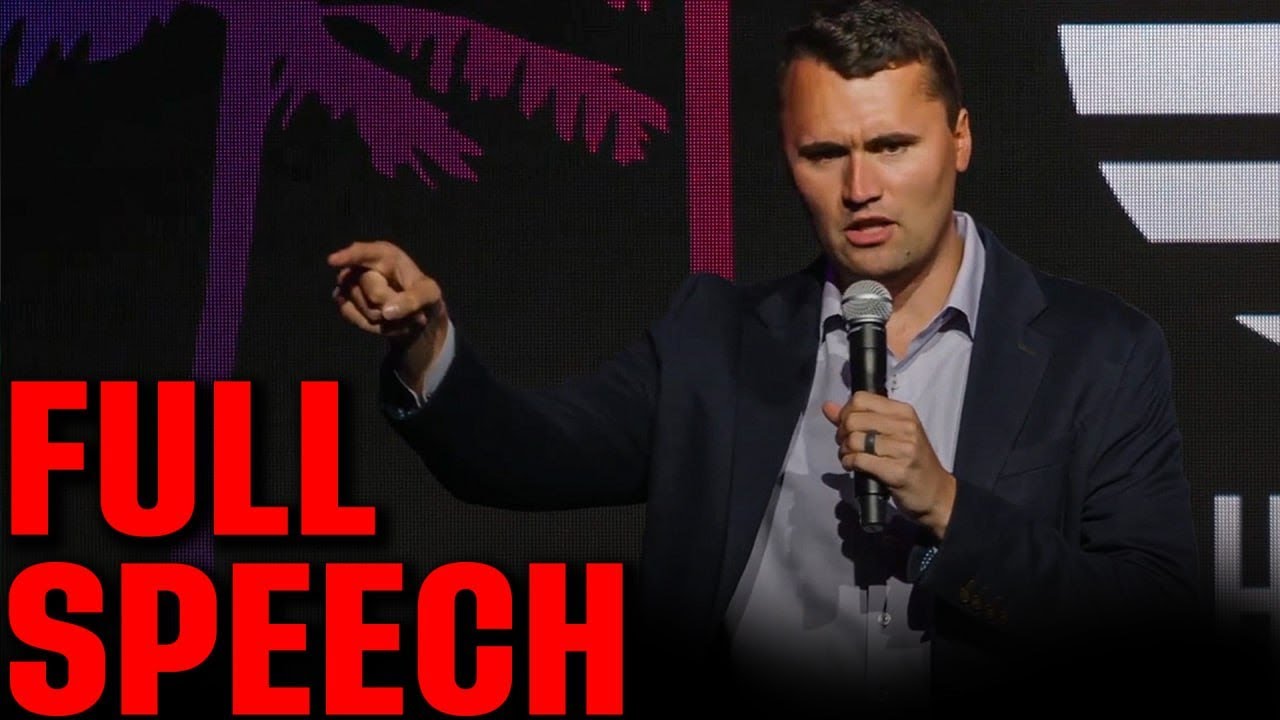
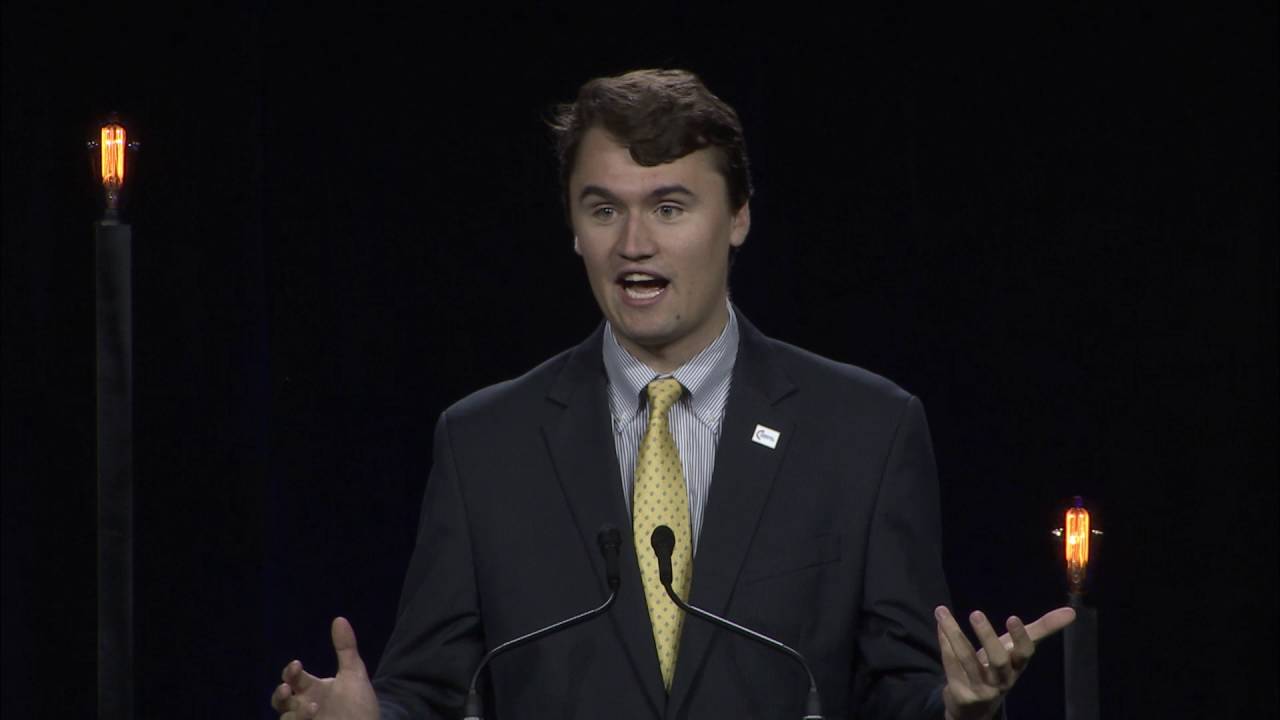
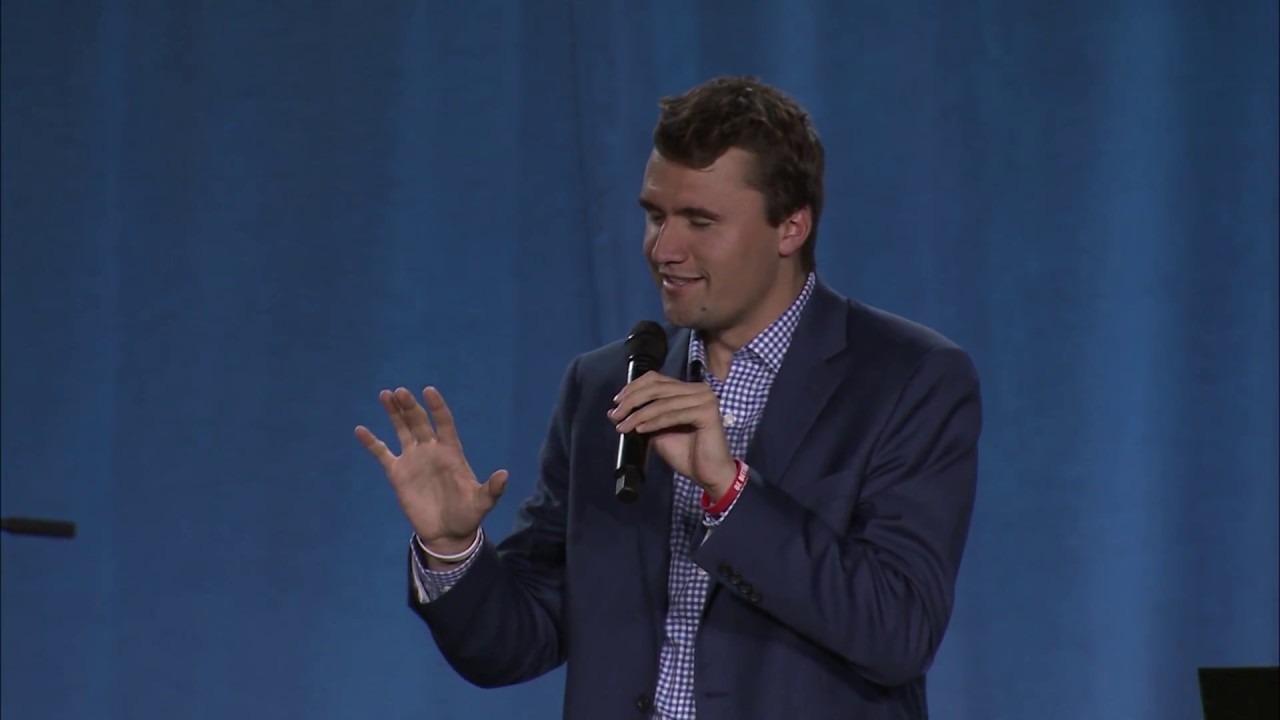
Charlie Kirk joined fellow young conservative leaders Francesca Chambers and Jesse Blumenthal at Colorado Christian University to deliver hard truths about the conservative movement's failure to connect with young Americans. At just 19 years old, Kirk explained why Mitt Romney lost the youth vote by margins that should alarm every Republican: candidates refused to appear on MTV, VH1, and Comedy Central while Obama showed up and connected. The panel dissected why a 78-year-old Ron Paul could pack college auditoriums while younger, more polished candidates struggled to fill rooms. Their diagnosis centers on a fundamental problem—conservatives talk in abstractions while the left makes issues concrete and personal to young people's daily lives.
The Urgent Crisis Facing Conservative Messaging to Young Americans
At a Colorado Christian University panel on young conservative voices, Charlie Kirk delivered a sobering assessment of why Republicans continue to hemorrhage support among voters under 35. Introduced as a 19-year-old founder and director of Turning Point USA who had already appeared on Fox News over 25 times, Kirk didn't mince words about the Republican Party's failure in the 2012 election and beyond.
Kirk posed a fundamental question that party leaders had failed to answer: Why didn't Republican candidates appear on MTV, VH1, and Comedy Central during the 2012 campaign? While President Obama made himself available to young audiences on the platforms they actually watched, Republican candidates sent a clear message by their absence—young voters simply weren't worth their time.
The consequences were predictable and devastating. When Kirk asked young people why they didn't vote for Governor Romney, the answer was consistent: How could they vote for someone who wouldn't even come to the stations they watched?
Making the Abstract Concrete: The NSA Example
Kirk identified what he considers the core problem with conservative messaging to young people: the movement speaks in abstractions while failing to make issues concrete and personally relevant. He used the NSA scandal as a masterclass in how to transform abstract policy into immediate personal concern.
Before Edward Snowden released documents about government surveillance, the NSA was an abstract concept to most young people. Overnight, Snowden changed that. Suddenly, every time a young person picked up their phone, sent a tweet, or wrote an email, they thought about being watched. The issue became concrete and personal.
In contrast, Kirk noted, Republicans talk about the national debt in abstract terms that fail to resonate. Meanwhile, the left tells young people something concrete: "Your student loan interest rates will double if you vote for a Republican." That message lands. Generic promises to "create more jobs and help the economy" do not.
The Ron Paul Phenomenon and the Power of Liberty
Kirk challenged the conventional wisdom that Republicans need younger candidates to win young voters. Instead, he argued for better ideas, using Ron Paul as his primary example. Despite being 76-78 years old and not particularly charismatic, Paul packed the University of Illinois Assembly Hall so full that organizers needed overflow rooms.
What explained Paul's appeal? Kirk distilled it to one principle: freedom from government. Paul's entire platform, regardless of specific policy positions, communicated a consistent message of individual liberty. Young people responded to that fundamental belief that they should be free from government interference to live the lives they choose.
Kirk wasn't endorsing Paul's entire platform, but he insisted the conservative movement must learn from his success. If a septuagenarian with unconventional manmannerisms can mobilize legions of young supporters purely through a message of liberty, the lesson is clear: young people fundamentally support and love freedom.
Red Alert Politics and the Conservative Media Gap
Francesca Chambers, editor of Red Alert Politics and a rising star in conservative journalism, addressed the structural disadvantages conservatives face in reaching young audiences. Red Alert Politics, owned by Philip Anschutz's company alongside The Washington Examiner and The Weekly Standard, launched specifically to fill a glaring gap in conservative media.
Chambers was frank about the challenge: "Let's be honest, the Weekly Standard isn't exactly what the young folks are reading." Red Alert Politics was designed to be fundamentally different—plugged into social media, sometimes funny, occasionally edgy, and accessible even to politically apathetic young people or those not necessarily fiscally or socially conservative.
One of their signature initiatives, the annual 30 Under 30 list, directly counters the left's narrative that no young people support conservative causes. The list highlights emerging young conservatives across the nation, giving them platforms on national television and at major conferences.
The Long Game Progressives Are Playing
Chambers delivered sobering news about the structural advantages progressives have built: they play the long game while conservatives focus on election-year strategies. Progressives don't wait until six months before an election to court young voters—they invest consistently over years and election cycles.
When Chambers was in college in Kansas, one of the most conservative states in America, progressive organizations like Planned Parenthood and EMILY's List maintained constant campus presences. Conservative groups were nowhere to be found.
She pointed to progressive conferences that feature youth caucuses where young people gather to discuss their concerns and propose changes to the movement. These forums give young progressives ownership and voice. Conservative conferences, by contrast, rarely create such spaces.
Chambers also noted that teaching young conservatives to write effectively is essential for developing the next generation of conservative journalists who can compete in mainstream media—not just conservative outlets, but CNN and other major platforms where they can have broader impact.
The Brand Problem and the Empathy Gap
Jesse Blumenthal, a client strategist at Engage consulting firm and former staffer in John Boehner's office, diagnosed the conservative movement's brand problem in two parts: failure to demonstrate empathy and simple failure to show up.
Blumenthal drew a vivid parallel to legal immigration. At citizenship ceremonies across America, when new citizens walk out after taking their oath, Democratic Party representatives and liberal activists are waiting to welcome them, engage them, and share their values. Conservatives are absent from these moments of civic celebration.
Polling after the 2012 election revealed something striking: the number one reason young voters supported President Obama wasn't his accomplishments but the perception that he was trying. Young voters felt he understood their concerns and cared about their struggles, even when he failed to deliver solutions.
In an MTV interview, Obama took credit for legislation making it easier for small investors to support new companies—the JOBS Act that Eric Cantor and Republicans had championed. Obama opposed it, then claimed it as his own achievement. Republicans had done the work but failed to communicate it effectively, losing the credit for fundamentally conservative, pro-entrepreneurship legislation.
Free Enterprise Versus Crony Capitalism
Blumenthal identified a perception problem that undermines conservative economic messaging: young people see the conservative movement as pro-big-business rather than genuinely committed to free enterprise. This distinction matters enormously to a generation that values entrepreneurship.
Millennials consistently rank starting their own business as highly desirable, yet they perceive conservatives as defending entrenched corporate interests rather than championing the next generation of entrepreneurs. The cronyism between big business and big government gets glossed over by conservative leaders.
The farm bill exemplified this problem. Conservative groups focused on SNAP and food stamp reform while ignoring that 80% of farm subsidies go to just 15% of farmers—recipients who typically have higher net worth and lower failure rates than average small businesses. Until conservatives are willing to challenge these entrenched interests, Blumenthal argued, they won't be credible when advocating for entitlement reform.
Internet Freedom as Conservative Opportunity
Both Blumenthal and Kirk identified internet freedom and technology issues as natural conservative territory that the movement has largely neglected. The internet sales tax debate illustrated the problem perfectly.
Gallup polling showed 57% of Americans oppose internet sales taxes, but among young people, opposition jumped to 73%. Yet who was advocating for internet sales taxes? The largest retailers and online sellers like Amazon, who want to crush smaller competitors by imposing multi-billion dollar compliance costs.
This is textbook crony capitalism—large businesses using government power to eliminate competition. Conservatives should be leading the fight against it, but too often remain silent or even supportive.
Kirk warned that nothing turns off young people faster than threatening their internet access or privacy. The battle over SOPA brought together Heritage Action and the ACLU in defense of digital Fourth Amendment rights. These issues transcend traditional political divisions and speak directly to values young people hold dear.
What Turns Young Conservatives Away
When asked what messages from conservative leaders most alienate young conservatives, Kirk pointed to anything that erodes personal liberty and individual freedom to make life decisions. The perception that conservatives want to take away freedoms young people currently enjoy is the number one reason people under 35 reject conservative candidates.
The panel agreed that how conservatives discuss social issues creates major generational divides. On gay marriage specifically, younger voters—including younger conservatives—have simply grown up in a different environment. Many have gay friends and see gay relationships as normal parts of their social landscape.
Francesca Chambers clarified that she wasn't suggesting conservatives abandon traditional marriage advocacy, but that plastering college campuses with traditional marriage messages won't attract young people to conservative events or ideas. It's simply not an effective entry point for engagement.
Foreign Policy and Fiscal Conservatism
Charlie Kirk identified foreign policy as perhaps the biggest divide between older and younger conservatives. Young conservatives want national defense but not international offense. They question why fiscal conservatism shouldn't apply equally to military and foreign policy spending.
This creates tension with older conservatives who supported more expansive foreign policy interventions. Younger conservatives ask: if we're serious about reducing spending and limiting government, shouldn't that apply to all programs in a balanced way?
The Debt Discussion Young People Aren't Having
On financial issues, Chambers noted that most young people remain completely insulated from the debt crisis. Nobody comes to their door asking for a $50,000 check, so the $18 trillion national debt remains abstract. Conservatives haven't effectively communicated how much each young person will actually be responsible for over their lifetime.
She dismissed the student loan interest rate debate as a false issue that doesn't affect most young people and won't win their votes. What young people across the political spectrum do care about is the out-of-control cost of college itself. If college were affordable, student loan debt wouldn't be an issue.
Jesse Blumenthal added that people process large numbers poorly. The average person can't meaningfully differentiate between one trillion, five trillion, or eighteen trillion dollars. Repeatedly citing the national debt figure isn't effective messaging.
Instead, conservatives need to discuss practical costs, moral obligations, and consequences of inaction. Talk about the Social Security check that won't arrive for the elderly woman on fixed income. Discuss the high medical care costs that will continue eroding the economy if Medicare's bad incentive structures aren't fixed. Humanizing these numbers makes them meaningful.
Learning to Listen Before Selling
Charlie Kirk offered a sales analogy that applies to political persuasion: when selling aluminum siding door-to-door, you don't tell potential customers what to think. You listen to their concerns, understand their perspective, then frame your pitch accordingly.
Too often, Kirk argued, the conservative movement assumes it knows what young people want without actually listening. The effective approach is spending the first 30 minutes listening at a college campus, then making the persuasive argument based on what you've heard.
He also noted crucial terminology: among young people, "capitalism" has become a bad word thanks to how it's taught in schools. "Free market" tests better, but "entrepreneurship" resonates powerfully because it means creating wealth from nothing—exactly the opportunity young people want.
The Media Young People Actually Trust
Chambers delivered perhaps the panel's most sobering revelation about media consumption: when young progressives were polled about which philosophers they most respected, Jon Stewart ranked number two and Stephen Colbert number three. This wasn't an exaggeration—it was documented in polling data Red Alert Politics reported.
At least young conservatives named actual philosophers: John Locke, Ayn Rand, Barry Goldwater, Ronald Reagan. But this underscores the challenge conservatives face. Young people are watching The Daily Show and The Colbert Report, and those programs shape their political understanding.
Trust in media overall has plummeted among young people, which is understandable given the frequency of corrections and retractions on major stories. But conservatives need to either create programming that can compete with Stewart and Colbert or get conservative voices onto MTV, The Daily Show, SNL, and other platforms young people actually watch.
Where Conservative Voices Excel
The panel highlighted examples of conservatives who effectively engage young and skeptical audiences. Mike Huckabee's appearances on The Daily Show, along with Condoleezza Rice's similar interviews, demonstrated how conservatives can enter hostile formats and come across as both reasonable and persuasive.
These appearances work because they humanize conservative positions and demonstrate empathy—showing that conservative leaders understand concerns even of those who disagree with them. This emotional connection matters more to young voters than detailed policy papers.
The Path Forward
The panel's prescription for the conservative movement centered on several key changes:
Show up where young people are—college campuses, MTV, Comedy Central, social media platforms
Play the long game with sustained investment in young outreach, not election-year strategies
Make abstract issues concrete and personally relevant to young people's daily lives
Champion entrepreneurship and free enterprise while challenging crony capitalism
Lead on internet freedom and technology issues
Listen before persuading, understanding concerns before making arguments
Demonstrate empathy and communicate that conservatives understand young people's struggles
Focus messaging on liberty and freedom from government interference
Humanize large-scale issues like the debt by discussing practical consequences
Create youth caucuses and forums where young conservatives can voice concerns and shape the movement
Charlie Kirk closed with his core message: young people fundamentally support and love liberty. If conservatives can effectively communicate how their policies protect individual freedom and allow people to live the lives they choose, the message will resonate. The current generation isn't apathetic—they're waiting for leaders who will listen, show up, and speak to their actual concerns rather than abstractions.
At just 19 years old, Kirk embodied the panel's central argument: the conservative movement doesn't necessarily need younger candidates, but it desperately needs better ideas communicated more effectively. The talent exists among young conservatives—what's needed is for the broader movement to empower, listen to, and learn from the rising generation that will determine conservatism's future.
Video Transcript
right here on the main stage I want you to meet now one of the
most outstanding CCU 2013 graduates political science
major cross country athlete golfer the way he skis I wanted to throw
my skis away former Heritage Foundation intern
former Republican National Convention paig at the convention a year ago in
Tampa and the director of the youth wave project that has put so many teens and 20s somethings in the hall today at the
summit meet now to introduce and moderate the panel on young conservative voices my friend Jonathan
fer good morning just kidding are you all awake that's what that question was
for well thank you it's an honor to be here let me just start off by being frank the
mainstream media is biased and they're telling America what to think Franchesca Chambers editor of rer politics an
online publication by and for young conservatives aims to combat this and as
a veteran of several political campaigns and organizations Franchesca is quickly
Rising through the ranks of American journalism She was recently named to the DC gop's first ever 35 under 35 list
she's also appeared on ABC MSNBC CNN and many more news outlets she and her
husband Michael who is here have been married for only a week and we're honored to have her Jesse Blumenthal a
native of Toronto Canada recently joined engaged a consulting firm where Jesse is a client strategist prior to engage
Jesse graduated from Claremont mechanic College his degree was in politics pH philosophy and economics try saying that
five times fast I don't do it now but for future reference he worked in then House minority leader John Boehner's
office and then transitioned to the American Enterprise Institute where he where he acted as their public affairs
manager a Washington Nationals fan and political junkie Jesse is also an accomplished writer and blogger at the
ripe young age of 19 Charlie Kirk is Making Waves Across the Nation from the oceanless state of Illinois as a founder
and director of Turning Point USA Charlie reaches thousands of people young and old who are disillusioned not
only with the party system but the state of the general the General State of our nation he has appeared on Fox News over
25 times is a contributing writer to town hall.com and bart.com at CPAC 2013
Charlie was a Master of Ceremonies a self-proclaimed independent voter that stands on free market fiscally
conservative principles Charlie is making his voice heard Professor author speaker and
businessman moderator Kevin Miller is the founder of Colorado Christian University School of Business and Leadership
he now acts as its executive in residents and teaches class in business and when you know it leadership too he's
written the acclaimed book Freedom nationally virtue locally or socialism and is founder and co-founder of several
successful businesses and is a fellow at the Centennial Institute ladies and Gentlemen please join me in giving a
warm welcome to our panel conservative voices of a new generation thank you
thank you thanks Jonathan thanks Jonathan so thrilled to be here with you
all today um a couple of quick comments about this particular panel from my viewpoint this is the most important
thing you're going to hear this weekend uh it's all well and good what some of the folks that are in the middle of uh
the politics of the day but the politics of the future rests with these these types of individuals you see here the
under 35 types uh if you're politically active you'll know that when you go to a lot of Republican or conservative events
it's the ratio of the above 40 people to the below 40 people is extremely
disheartening I've asked uh these panelists today to first start off with about 5 minutes each to tell us what uh
this generation this new generation uh should tell uh the folks that have been
around a while to help us cement relationships intergenerational relationships uh tune up our message be
better at what we're doing I'm an optimist you will be two after you hear the first three of these panelists speak
Charlie we'll start with uh Turning Point you
USA hello happy to be here uh I call Chicago
home so I'm sorry for everything that you've had to go through with the president that we have given you uh I'm
not used to speaking without teleprompters though that's really weird usually in Chicago I got to force them down um you know hearing the news about
Detroit I can't help but think Illinois and Chicago is next but I'm not here to talk about policy I'm here to talk about
young people when I think about what happened in November uh the Young young vote went overwhelming to Obama again
and I reflect back on it I asked myself one fundamental question and it deeper
parts of it but one thing on the surface why did the candidates for the Republican party why did they not go on
stations such as MTV VH1 and Comedy Central I ask young people all the time
why didn't you vote for Governor Romney and a majority of them did not vote for Governor Romney they supported President Obama or they didn't vote at all I said
why would you not support Governor Romney and they said how am I supposed to vote for somebody that doesn't even
come to the station I watch whereas President Obama comes makes fun of himself a little bit if you watch the
first segment with John Stewart and President Obama they made fun of the fact that President Obama lost the first
debate and that's okay that's what those shows are for although we don't send our candidates there what kind of message are we sending to the younger generation
I think there's an underlying theme if we want to not just win elections but we want to win over a generation there's one thing one message I want you to take
away with it's very simple it's taking something that's abstract and turning
into something that's concrete now what do I mean let's look at the NSA Scandal the NSA Scandal was something that
almost overnight turned something that was extremely abstract into something that was concrete for a younger person
let me give you an example when Snowden did what he did and he released those documents I'm not here to talk about Snowden or what he did or you disagree
or agree but what he did was every single time a young person picked up a phone set a tweet sent an email he
totally he or she totally changed the way he did it because they thought they were being watched you turn something that was abstract talking about the ND
NSA which they might not have understood to something that was concrete overnight so when we talk about the national debt
that is extremely abstract to a young person how do we make that concrete and the left has done this masterfully they
will say to a young person your student loan interest rates will double if you vote for a republican now that's
something concrete whereas the Republicans will say We'll create more jobs and help the economy that's not a winning message how do we make something
that's abstract into something that's concrete I'll close with one other finishing note uh when I when people ask
me Charlie do we need to Young run younger candidates is that the solution run the youngest candidate possible I
don't necessarily subscribe to that idea I instead think we don't necessarily need younger candidates but we need
better ideas and I have to I will use one very simple example I went down to the University of Illinois to go hear
Ron Paul speak and Ron Paul is an interesting individual and it was a college campus and they had so many
students show up to him speak they had to get an extra room outside of the massive Assembly Hall uh in University
of Illinois now Ron Paul is 76 78 years old and he kind of talks really kooky
with his hands like this and you're trying to tell me he can get more young people in an auditorium than some Dynamic young person but that's because
his ideas relate to them and is if you look at the ideas that he believes in it boils down to one fundamental principle
it's freedom from government that's what it is if you look at every single one of his stances he believes in individual
liberty and I'm not here to endorse Ron Paul I'm not saying the conservative movement needs to become a Ron Paul movement but if you look at a
78-year-old man who I don't think is particularly charismatic and he's able to get thousands of young people to
flock after him to put Legions behind him because of one fundamental belief freedom from government and if we look
at young people I do think if we can make something abstract into something concrete and make that case that you can
be free from government to live the life that you choose that is going to be a winning message for future Generations
I'm only 19 years old I'm fighting this fight every single day I get to go to college campuses high schools I debate
professors I debate socialist organization is doing a lot of exciting things but what I have learned and I'm
taken away is that young people fundamentally support and love Liberty and if we go at that message we will not
only be successful in 2014 or 2016 but we will start to see massive shock waves
in the generation to come that yes we can begin to win because we are losing the war right now but Liberty and the
fundamental premise of it is always electorally favorable and we can win over the next Generation I look forward
to this panel thank you thank you Charlie and how's how's that
for a 19-year-old uh looking to the Future right very good very good Francesca help us hi um I'm Francesca
Chambers and for those of you uh who don't know what Red Alert politics is it's a new republication by Young
conservatives for young conservatives it's owned by Philip and chutes company right here from Colorado um and we are
also owned the Washington Examiner and the Weekly Standard so a good line of conservative Publications and roughly a
year and a half ago um we had decided that we needed something to reach out to young people and you know I love the the
other Publications we own the The Weekly Standard The Examiner but Le let's be honest I mean the Weekly Standard isn't
exactly what the Young Folks are eing all right so we decided that we were going to come to where the young people
were and we needed something that was way different than anything conservatives had ever done it needed to
be plugged into social media it needed to be funny sometimes edgy it needed to be something
that young people even if they were politically apathetic or maybe not necessarily socially or fiscally
conservative would come to that publication and maybe walk away more conservative or more open to Republican
ideas and so we launched rutler Earth politics in February of 2012 um at CPAC
so we just had our Oney year and three-month anniversary um this last year so we're very excited about that
we've been doing a lot of really um great with the publication so I hope you'll check it out Red Alert politics.com one of the things we're
most proud of is our annual 30 under 30 list which we did again for the second time this year I love the 30 under 30
list because one of the complaints from the left is oh well why would you ever be a conservative and there's no young
people in the the Republican party or in the conservative movement the reason we did the 30 under 30 list was to show
everyone Across the Nation that is false there are a lot of young people who are
pro- fiscal conservatives who have very strong you know socially conservative values who are against like the
outrageous government spending and whatnot but there's not a lot of opportunities that they're being
highlighted in the mainstream Media or necessarily nationally so one of the things that we've worked really hard to
do is highlight those people so that they can now be getting on national television shows so they're speaking at
conferences like this so that we can show the love that there are young people who are conservative so that's
one of the big things we've done I would really encourage you to check that out to see some other emerging um young
people in in the movement but for a second um I want to talk about um some of the things that I noticed over the
2012 um campaign Trail when I was covering the campaign um and what the left was doing versus what the right was
doing and how we can be a little bit more uh successful with attracting um young people and that's not again to say
that we haven't been doing a better job we closed the Gap in the last election between um President Obama and Mitt
Romney by a large gap by double digits for young people and we've continued to close it um but we're still not doing
enough uh one of the biggest things is that conservatives don't do a very good
job going to college campuses uh Charlie talked about Ron Paul and so I'd like to expound on that well one of the biggest
things that Ron Paul did was he actually came to college campuses I know this sounds like a radical idea but perhaps
we could get more college students to agree with our ideas and align with their ideas if we were on the college
campuses and again I'm not saying that there's not a lot of great conservative groups that are on the college campuses
I know that like young America's Foundation does great works on the college campuses Leadership Institute College Republicans there's there's a
lot of good groups but we're not doing enough when I was on the college campuses and even when I was in college
um you saw the Obama people there every day progressives you had planned parenthood EMILY's List running around
the college campuses but there were no conservative groups on my college campus and I'm from can
Kanas so that should tell you something being a Canen which I would argue is one
of the most if not the most conservative state in the United States that there were no conservative groups on my
college campus so that's one thing that we need to do better to reach out to the young people two once we've started the
conservative groups on the college campuses we need to teach those kids how to write and I know that probably sounds
biased as a journalists but again perhaps we'd have more um journalists who were conservative in the National
media if we had more conservative journalists that's a big problem is teaching them how to write and also
getting them in the mainstream media cuz I mean I would love some more young conservative journalists working for me
but I'd actually prefer them working for CNN or somewhere else like that where they can have a bigger effect and then
the third thing is that and I again I love the I'm glad we're having this panel and everything but we need to
start thinking out of the box about how to include young people at national conferences and to get them there and
one of the things that the love does EXP desperately is they have youth caucuses where young people can get together and
they can talk about the ideas and things that they think that they need to change in the movement and I think we need to start thinking about that a little bit
more and having some things like the youth caucuses so I'm out of time thank you Francesca beautifully
done [Applause] Jesse thank you it's really great to be
here it's great to be here especially with Charlie and Franchesca um in the aftermath of the 2012 race there's a lot
of sort of introspection on the right and the debate back and forth among the pundit class was is this a message
problem the way we talk about stuff or is this what we're talking about and I think the answer is yes we have a
message problem and we also have a problem in what we're talking about so I'd like to talk to you about sort of
three broad ideas the first is what's wrong with the conservative brand and
where we need to improve the the second is current issues that we talk about and how we can talk about them better and
the third is a new issue set that I think really fits with conservative ideals that you don't hear conservative
activists or politicians talking about the Brand's bad and I think we
need to admit that the Brand's bad and I think there are two reasons why one it
doesn't demonstrate empathy especially to young voters they don't feel associated with conservatism they don't
feel that conservatives register the concerns that go on in their life and the second as both Charlie and
Franchesca have talked about the is just a simple failure to show up now there are good people who are talking about
this in meaningful humanizing ways I think you saw this with Governor Walker last night Mike hucke who's going to
speak tonight is one of the best people at making sort of abstract Concepts uh
to people who don't necessarily agree with him really relate but as a movement I think we need to do a better job with
this um we've talked about sort of involvement and I'd like to draw a parallel to uh legal immigration reform
right so we have a lot of legal immigrants and conservatives ought to celebrate legal immigrants it's really a
fundamental value of this country that the tired the poor the folks from around
the world who strive for a better life can come here and can achieve a better life and you know what happens if you go
to a citizenship ceremony you walk outside of the doors right after they've taken the oath of citizenship and the
Democratic party is there and liberal activists are there and people who are eager to embrace new citizens and to
share with them their values to incorporate them into society I think all too often we pass up these sorts of
opportunities to engage we we often talk about these sort of economic issues right and I think the
problem the perception problem is that the conservative movement uh is broadly seen as a pro big business as opposed to
a a movement that truly Embraces free enterprise we ought to be advocating for the next big business for the
entrepreneur who wants to start their business if you look at polls of what Millennials and youth care about the
prospect of being an entrepreneur is an incredibly desirable idea and the cronyism that exists between big
business and big government is too often washed over by our movement you know the farm bill is a great example of this
there are a lot of conservative groups who want to talk about problems with SNAP and food stamps and other elements of the farm bill but they don't want to
talk about the fact that 80% of the subsidies go to 15 % of the farmers that the people who are by and large
receiving these subsidies have a higher net worth and a lower failure rate than the average small business and until
we're willing to take on those type of entrenched interests until we're trying to really advocate for a free and open
system of competition uh we're not going to be taken credibly when we want to reform entitlements like Snap
entitlements like Social Security or Medicare or Medicaid I think that we need to not
confuse free markets for for carelessness Adam Smith who's the Godfather of free enterprise right the
the original idea wrote a book before he wrote uh about sort of power of free trade he wrote a theory of moral
sentiments and he talked about the fact that a man needs a white shirt and Polished leather shoes to go into a
meeting to be take in credibly and we as a movement ought to embrace this idea we ought to embrace the idea that there's a
basic level of human decency that's necessary for markets to function I think Tech issues and open
internet and internet Freedom issues are are really an opportunity where conservatives can engage you know you
have Heritage action on one side and the ACLU two groups that don't traditionally play nicely with each other coming
together and advocating for a digital Fourth Amendment rights and this goes to some of the issues that Charlie talked
about uh you saw this in the battle over Soo which was really a bill to take over the internet that you had people from
across the political Spectrum come together and mobilized and so internet issues and Tech issues aren't just about
the tactics we use in campaigns they're about effectively engaging people in a
value that we should all cherish Freedom whether you're an activist in a poor repressive regime or a person trying to
express yourself and mobilizing a community in a developed country the internet provides a tremendous
opportunity and a unique opportunity to do that and too often as conservatives I think we miss that opportunity to engage
with those issues thank you thank you
Jesse we're going to I think he's going to invite people to text questions in and so if you're interested in that
please do so uh franccesco back in the Green Room you talked about structure that we may be missing the boa
understanding structure what did you mean by that could you help us with that well sure well one thing I think that
far too often uh conservatives and uh Republicans try to do is they have these
election year strategies to try to win young people and they don't put any
effort into it until it's an election year and they say oh I should start this program for young people or this
organization for young people because six months is far enough time to win the youth vote and that is just completely
false that's not enough time progressives have been working to win the youth vote in four years starting
eight years ago you know we're way behind on these things it takes a lot of time so I think that that's uh one big
thing is playing a long game and being willing to play the long game and say oh
well we lost the youth vote this year okay well obviously the youth vote isn't winnable so we should just give up I
don't think we can do that I think we can say you know we lost youth vote but it dropped by 11 points and since the
last election uh it's dropped by another 12 points so we're making a difference and we have to continue playing the long
game I think that's like a big thing but for a second I want to talk about the youth caucuses again because I ran out I
ran out of time and I wanted to expand on that because that's also a structural issue um at a lot of the progressive
conferences and I know sometimes this has seen as p ing they have caucuses like a women's caucus and a youth caucus
and a Native American caucus or whatever else you know it goes on and on because progressives like to divide people into
every group possible um but the youth caucus is actually fantastic I've seen it done two ways at the Democratic
National Convention they had a time set aside for like the young people where they had speakers specifically come talk
to the young people um about issues that were pertinent to them so they didn't have to bore all the other people who
didn't care about those things um but the Young people still got what they needed out of that conference and it was
a huge attraction it was very widely attended by the young people and I really liked that and then I was
recently at netroots which is the progressives annual conference kind of like CPAC and at netroots they had one
where it was just young people who met together in a room to talk about the problems that they had with the movement
or um things that they'd like to see change in the movement and stuff like that and I saw also thought that was a
really productive thing because I think a lot of the conservative leaders just had no idea that young people felt that
way about the movement very well said thank you uh there's a text in here and I'm asking Charlie to take it what are
the messages that conservative conservative leaders send that turn off
young conservatives what are the messages that conservative leaders send that turn off young conservatives yeah
unfortunately there's quite a few but I'll um I'll start with a an example everybody knows and that's uh the aen
Murdoch thing that's simple everybody knows that one but let's deeper example would be I would talk about internet
privacy and also internet Taxation and you can see a fundamental divide amongst the conservative movement of certain
Republicans that are supporting these internet SE censorship bills and then there's other members of Congress such as Justin Amash such as Ted Cruz who was
here today who's fighting for internet freedom and then you also see some Democrats like such as Dennis kinich
when he used to be in Congress they would agree on that but if you really want to turn out turn off a young person talk about taking their internet away or
talk about regulating it more that will that's the most antagonistic thing thing you can possibly do to a young person but even more deeper than that talk if
you talk in terms of eroding personal Liberty or individual liberty that's the number one thing that will turn off
somebody under 35 is the erosion of their their right to make decisions and that's the that's the number one reason
why I would think people do not vote for conservatives because they think oh this person's going to take something away from me that I can do today so go ahead
Jess and if I could jump in on that I think the internet sales tax in particular is a great example of what
we've been talking about you know Gallup came out with a poll not too long ago that said 57% of Americans oppose the
internet sales tax and if you look at the young people in that poll it's 73% oppose it and if you look at who's
advocating for an internet sales tax it's the largest retailers the brick and mortars but also the largest online
sellers because they don't want the competition if you're Amazon you have a natural interest not to want the next
Amazon to emerge not to want the next small site to turn into a large site to be fearful of sellers on you know of
variety of platforms um and we as conservatives should stand up to that right that's fundamentally antithetical
to a free market when you have large businesses trying to get government to crush their opposition by imposing a
multi-billion dollar cost on them doing business we should stand up and say no Jesse I'm going to ask you to shift
gears because of something you said when you spoke and that was uh it sounded like we needed to be perceived as more
empathetic and that brought to mind George W Bush's compassionate conservatism you're a veteran of Capitol
Hill and have watched all that work what's your idea about how conservatives should project for young people in this
area of compassionate conservatism sure so I think the point about empathy I is
really essential there's a lot of polling done in the aftermath of the 2012 grou uh race and uh some work by
the Winston group and others found that the number one issue conservatives and you heard it this morning the number one
issue Young uh voters identified about why they like President Obama why they voted for him was they saw him as trying
right and not succeeding not accomplishing but trying and there's an emotional attachment that goes along
with that they believe that he understands his issues in the uh MTV interview that Charlie referenced
earlier uh President Obama was asked well what are you doing to make it easier for people to start small
businesses and President Obama referenced a bill that uh allows for
smaller investors to avoid SEC regulations and invest in new companies that's the jobs act that Eric caner
championed and passed through Congress in an MTV interview he took credit for what was fundamentally a Republican and
conservative a republican piece of legislation that has conservative values but it's not enough to gripe about the
fact that he took credit for something that he opposed and a lot of Democrats and liberals opposed where were we
talking about it we should have been championing that and that's I think a opportunity that's the sort of empathy
and communication I'm talking about thank you well said Francesca there's a there's a question in here that that
went off the screen so it's about media Outlets I I knew you would see it and have an interest I thought I was like I
bet that one's for me well Frankly Speaking more broadly I don't think a lot of the folks that are above 35 sorry
folks but we don't have a clue about red alert and what other is out there would you just give us a a a rundown of how
what the media is doing for social for for young conservatives what's lacking just give us your landscape of all that
would you please um well unfortunately before Red Alert launched there wasn't a whole lot which is why we're able to
exist and why we felt it was important to launch treed alert politics because on the left they do have a plethora of
organizations and uh media Publications for young people um on the right besides Red Alert politics if you're not reading
campus reform you should be it's a project of the Leadership Institute I actually used to work for campus reform before we um launched R alert so
everyone should check out campus reform they're great as as well doing a lot of good investigative stuff on the college
level um but the going back to the other the main question I think that was down there too is uh what media Outlets do
young conservatives read and Trust was the question um and the the huge thing is I think there's not a lot that young
people trust period Trust in Media is down a lot um I don't I don't blame them
when every time you you turn on the TV half the time the stuff they're reporting is wrong and they have to issue Corrections and say oh no the
healthcare decision was decided the the other way oops are bad you know so I I think that there's not a lot of um Trust
in Media but the ones that they do watch and they do listen and this is this is really sad The Daily Show and Steph
colar the same thing I know listen this is that that's what Charlie said he is completely right this is not an
exaggeration we recently had an inside look at some polling and this is
hilarious but sad at the same time of where um young progressives set the
people that they they looked up to as philosophers and number two was John
Stewart number three was Stephen colar I swear this is real and we wrote about it
on Red Alert politics.com you can go read about it and that's what we're working with with a lot of young people
is they think John Stewart is a philosopher whereas don't worry at least
young conservatives they actually said real philosopher you know they said John Lock they said ion ran you know they
said uh Barry Goldwater they said Reagan you know but that just shows you like what young people are listening to and
and reading and so we have to do a better job of at least creating something that can compete with that not
necessarily like a red alert like maybe a TV station or or something um that can compete with that or at least going on
MTV or The Daily Show or SNL um in order to reach those kids because that's what
they're watching thank you there what's the what do you there's a question I'm
going to do a derivative of here and that is like T each of you speak to this what are the biggest gaps between older
conservatives and younger conservatives on issues that are hot buttons that that the younger conservatives really have
little interest in and the older older conservatives have a lot or vice versa the younger conservatives I think you've
said a little bit about the internet and all that but I'd love to hear what is kind of what you think the biggest Gap is and what where I talked to a lot of
young conservatives and I the biggest difference between older and younger I have to say is just foreign policy
younger people they don't necessarily don't care about foreign policy but they do want to see National Defense but not
International offense so I think there's a fundamental difference between some of the older conservative crowd that might have pushed for an expansive foreign
policy program which did have legitimacy at the time and still might but younger people are saying you know let's if we
want to be fiscally conservative amongst the GOP crowd why don't we cut back on all programs in a very balanced way and
I think that there is some tension between some of the older conservatives and young conservatives in that way um
yeah so social issues and especially how we talk about social issues uh if you look
at Mike huckaby's appearance on The Daily Show it along with maybe John Yu are probably the two best examples of
how a conservative goes into that format and comes across as both reasonable and
effective right really puru pursuing that argument if you look at the issue
of gay marriage where it's just a non-starter for young voters uh if you
Charles Murray when the ballad initiative came up in Maryland and he blogged about this he tweeted about this
um he voted in favor of same-sex marriage and the reason he voted in favor of same-sex marriage is for profoundly Pro-Am reason he's convinced
by the arguments of people like Jonathan Rous who say that we ought to support and advocate for strong stable
Partnerships that are raising children that that's actually a pro-family position and if you keep talking about
social issues in very narrowly defined and highly divisive ways only talking
about uh abortion and gay rights it turns young voters off and the polls
bear this out do you have something um well I mean I completely agree with what both of
both of them were saying uh consistently when I was uh traveling across the nation covering the campaign talking to
young people those were exactly the issues that they were saying turn them off particularly the issue of gay
marriage was something that a lot of young people have just grown up and that's something that for them growing
up was you know a normal thing they know a lot of people who are gay they have a lot of gay friends and so for them it's
just not an argument that's going to be winning not to say that um conservatives should stop fighting for traditional marriage I'm not saying that what I am
saying is that that's not the message if you're coming to a college campus that you should plaster all over on the
posters and and reel them in with you know that's just not a message that's going to work with young people thank
you uh I I teach College freshman and college seniors in my appointment at CCU
and I like to say that the fresh freshmen do new math pretty well they take their age which is typically 18
they multiply it times 1 trillion and they get 18 trillion which is of course our debt federal debt what's the Gap how
does how do the under 35s look at Financial issues the debt the deficits
is it on their radar screen do they feel like there's a huge burden coming their way how how do they view those
dimensions of financial issues Charlie yeah well unfortunately because of Obamacare they're going to be further insulated from that reality till they're
26 and that's a lot of them won't feel those kinds of negative policies or trouble finding a job because they going
to stay at home with their parents but I do feel a lot of young people do want to find a job but we can go to messaging on
this and a lot of polling has been done and capitalism is a bad word amongst young people free market is a pretty
good word but a great word is entrepreneurship because entrepreneurship in a young person's mind means that they come from something
and create something of wealth so they come from almost nothing and create something of wealth when they think of entrepreneurships when we think of
messaging and branding I think we need to think of less of you know capitalism is is unfortunately been a bad word
because our school system has said all those evil capitalists have made all these terrible financial crisis that happened we talk about entrepreneurship
and opportunity those are two big uh keywords for young people and also one other thing that I wanted to add earlier
uh when we're selling something to a young person or any kind of demographic we need to not tell the person that
we're selling what they need to think and this is analogy I use if you go door too and you're selling uh aluminum
sighting and you talk to the person you're you're selling to not going to tell the person you're selling like how to think or what to think you're going
to hear what they have to say and then you're going to frame your sales argument to to persuade them and I think
that too often we think we know we meaning the conservative movement what the younger generation wants but we need to listen if we go to a college campus
listen to what they have to say for the first 30 minutes and then make the salesmanship argument franccesco would
you take that what are you what are you hearing on red alert about uh fin on financial the dad issues the uh
unfortunately most young people are completely insulated from that issue it's not like someone's coming to their
out house asking them to write a $50,000 check and so not having that happen they
they don't understand um how much they're actually going to be on the hook
to pay back and I think that's the big problem is that we're not effectively communicating how much each person is
actually going to be responsible for in their lifetime and um I do think another
false issue isue that our party and uh has spent a little bit too much time on with regards to that is this doubling of
the student loan issue oh my gosh talk about an issue that most young people don't care if you think that that's the
way you're going to win over the young people that's completely wrong it's false that that issue doesn't even affect most young people with student
loans it's ridiculous like those are not like the issues that young people care about they do care about is the cost of
college and how out of control it is and this is actually something that a lot of young progressives are also agree with
like conservatives on is that the cost of college is out of control we've got to figure out a way to get the cost down
um and if the cost was down of college and we wouldn't owe so much in student loans so there wouldn't even be an issue
and so if you're going to focus on um issues of debt and deficit and everything I think that's a really easy
one to get all young people of all political parties involved in Jesse you have something to yeah so there's been a
lot of work done in this area particularly about how people hear numbers and the short answer is really
poorly right so the the average person if you're talking to them for 15 seconds or 30 seconds can't really differentiate
between very large numbers one trillion five trillion 18 trillion so over and over again saying we have you know6
trillion dollar national debt or 18 Trill whatever the exact number is isn't effective what we need to do is talk
about it in terms of practical costs in terms of moral obligations in terms of what happens if we fail to act the
social security check that won't come there for the elderly woman who's living on a fixed income the high cost of
medical care that's going to continue to erode our national economy if we don't fix the fix the bad incentive structures
that medicare's uh system spreads throughout the Health Care System there there are ways we can talk about these
issues uh that are effectively persuasive and this isn't an issue limited to young people I mean young
people have short attention spans but everyone has a short attention span uh certainly more so than perhaps they used
to but human izing those numbers is a way to make them have meaningful impact U I have the privilege with some
of the CCU folks here uh if you don't get to work with young people look I'm an optimist because I work with young
people quite frankly uh I think they're going to do a better job of it than our Generations have done we hope so do we
not we've not done very well with ours so uh I hope with with these three
individuals you capture a vision that the younger version not only
isn't apathetic but they're extremely well-informed and have much to teach
us not in the hippie generation sense but they're thoughtful they've thought about the strategies they thought about
our problems and we desperately need them to take the Reigns not in the future but now to integrate this these
three individuals Francesca Jesse Charlie awesome job thrilled you came wonderful thank you for being here