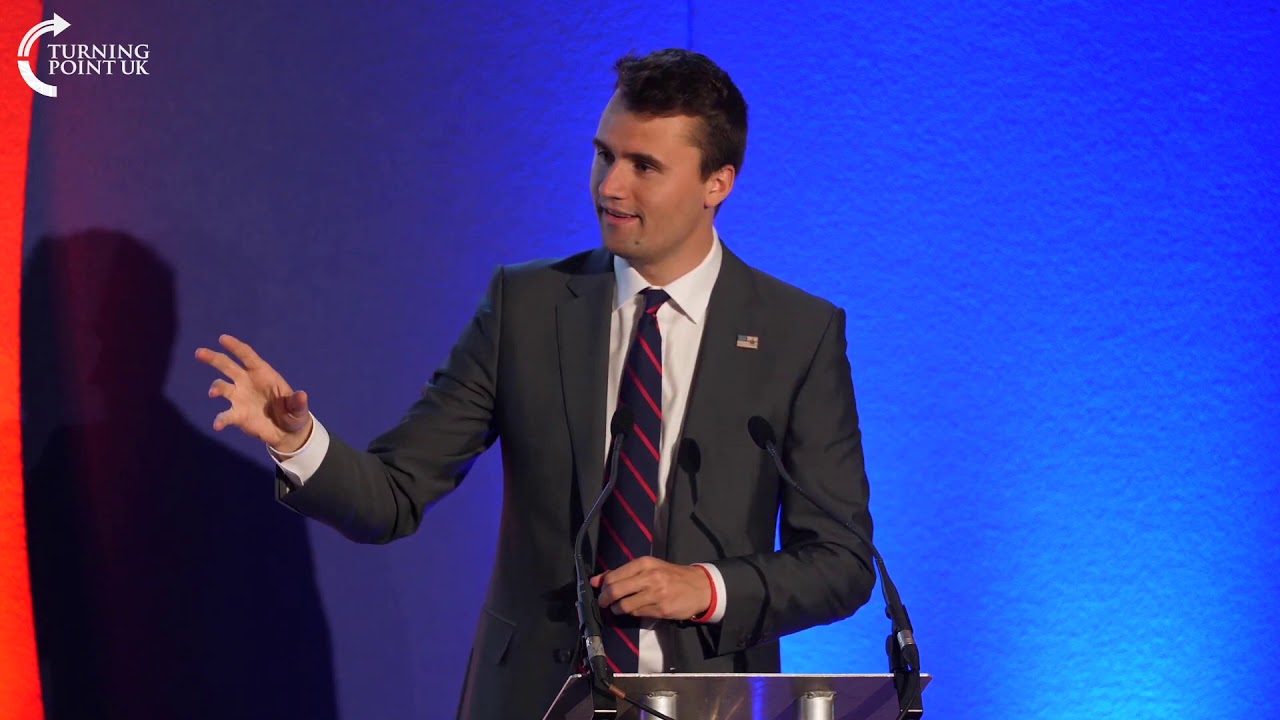
Charlie Kirk Confronts Campus Audience on Trump's Economic Achievements and Prison Reform Record
Enjoying this? Share it with someone who needs to see it.
Up Next
Brilyn Hollyhand Launches University Tour to Continue Charlie Kirk's Legacy of Campus Conversations
6:31
Charlie Kirk Launches Turning Point UK to Counter Left's Global Push Against Western Civilization
11:32
Lara Trump and Charlie Kirk on President Trump's Leadership Through Crisis and the 2020 Election
48:46
Charlie Kirk Confronts Campus Audience on Trump's Economic Achievements and Prison Reform Record
Charlie Kirk faces a hostile campus crowd as he challenges students to reconcile their anger toward President Trump with undeniable economic data. Despite resistance and jeers, Kirk methodically presents statistics on record-low unemployment rates across demographics, criminal justice reform, and unprecedented job creation. The exchange captures the tension between emotion and evidence that defines political discourse on college campuses, with Kirk refusing to back down from defending the administration's concrete results while critics struggle to counter with substantive arguments.
Charlie Kirk stood before a visibly agitated college audience, opening with a simple question that would set the tone for the entire exchange: don't you love President Trump? The response from the crowd was immediate and negative, but Kirk had come prepared with data, not rhetoric. He laid out a series of accomplishments that would be difficult for even his critics to dismiss entirely—more job opportunities, the lowest black poverty rate ever recorded, the lowest Latino unemployment rate in history, and the passage of the First Step Act for criminal justice reform.
Yet despite these measurable achievements, the audience remained hostile. Kirk's observation was pointed: why are you guys so angry when things are so good? The question hung in the air, exposing the disconnect between emotional opposition and factual outcomes. When someone from the crowd suggested his perspective came from his identity as a white male, Kirk pivoted to an uncomfortable question for those committed to identity politics: why are Asians the richest people in America?
Economic Data Meets Campus Resistance
Kirk continued pressing his case with economic statistics. Trump has built opportunities for everyone, he argued, pointing to employment figures that were historically unprecedented. Unemployment had reached the lowest levels ever recorded in the country—a fact that should theoretically unite Americans across the political spectrum in celebration. But on this campus, facts seemed to be an unwelcome intrusion into predetermined narratives.
The audience's reluctance to engage with the data became increasingly apparent. When Kirk asked if they appreciated that President Trump signed prison reform legislation, there was grudging acknowledgment that it was a good thing. He followed up by asking about the lowest ever black poverty rate and other economic indicators. The crowd's responses ranged from dismissive to outright hostile, despite the undeniable nature of the statistics being presented.
The Divide Between Results and Perception
Kirk expressed genuine gratitude for having a president that has delivered results, a statement met with jeers and pushback. The exchange highlighted a phenomenon increasingly common on college campuses: the inability or unwillingness to separate personal feelings about a political figure from objective assessment of policy outcomes. Kirk's acknowledgment that he cares about people was met with skepticism, revealing the depth of the divide.
The encounter concluded with Kirk's cutting observation about the audience's resistance: I understand facts are very difficult for this group. There was too much thinking going on around here. The sarcasm was pointed but reflected the frustration of presenting verifiable data to an audience more interested in maintaining their emotional position than engaging with evidence. Whether addressing unemployment rates, poverty statistics, or criminal justice reform, Kirk had attempted to find common ground based on shared goals of prosperity and opportunity. The resistance he encountered spoke volumes about the state of political discourse on American campuses, where results take a back seat to tribal allegiances.