Up Next

Charlie Kirk Exposes Joe Biden's Corruption and China's Role in the Coronavirus Pandemic
43:52
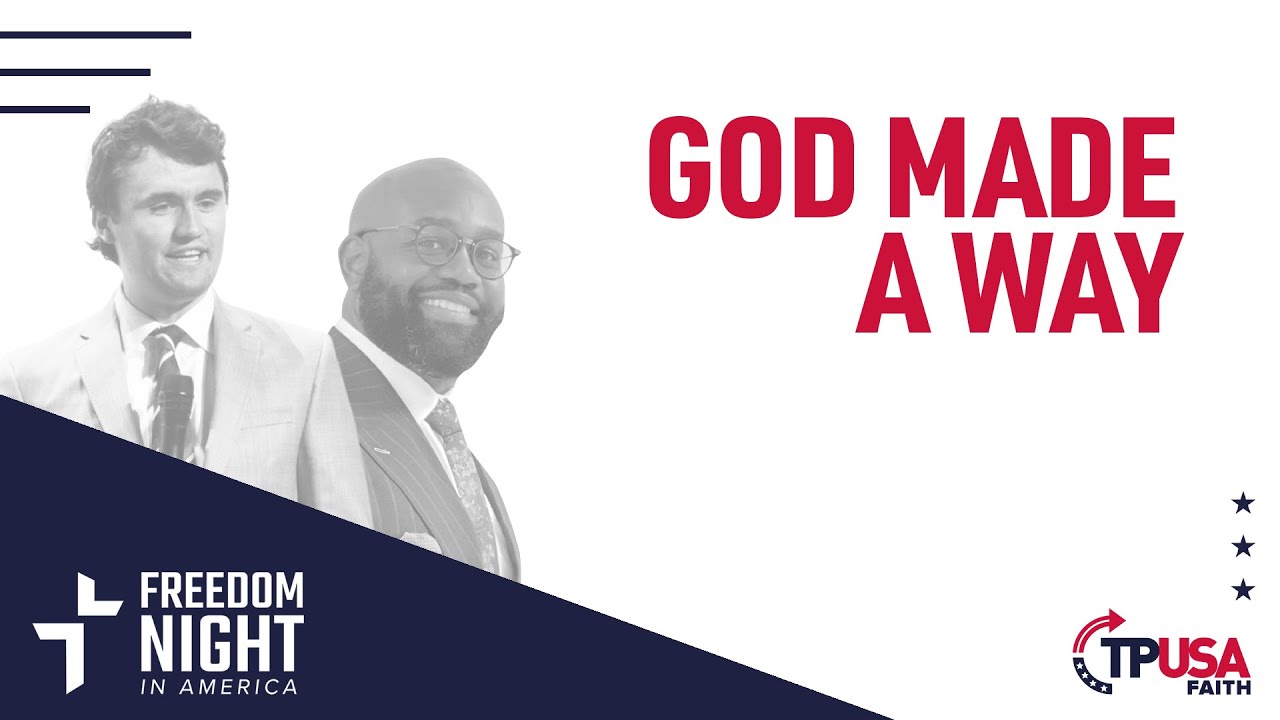
Charlie Kirk and Pastor John Amanchukwa Challenge Wokism, Abortion, and the Destruction of Black Families in America
1:05:18

Victor Davis Hanson: The Democrat Party Doesn't Exist Anymore and Why America Needs Property Owners
20:12
Lara Trump and Charlie Kirk on President Trump's Leadership Through Crisis and the 2020 Election
Allie Beth Stuckey sits down with Lara Trump and Charlie Kirk to discuss President Trump's handling of coronavirus, civil unrest, and multiple national crises. Lara Trump makes the case for Trump's reelection, highlighting his economic achievements, criminal justice reform, and support for religious liberty. Charlie Kirk challenges the narratives around police brutality and systemic racism with data, discusses fatherlessness in the black community, and outlines policy solutions including school choice. Both guests address the radical shift in the Democratic Party and what's at stake for faith, freedom, and law and order in November 2020.
Lara Trump on President Trump's Crisis Leadership
Allie Beth Stuckey begins her conversation by asking Lara Trump about the upcoming Trump rallies and whether America is ready for that kind of enthusiasm given everything the country has been through. Lara expresses that the country is desperate for the positivity, spirit, and love for America that Trump rallies bring, noting that the president has been eagerly looking forward to getting back to these events.
When asked about how President Trump has led the country through multiple crises since January, Lara provides a detailed account. She points out that on the same day Nancy Pelosi was handing out impeachment pens, President Trump stopped travel from China, a decision that saved countless American lives despite being criticized as xenophobic by Democrats and Joe Biden. She describes how the administration listened to experts, flattened the curve, and has already seen remarkable economic recovery with 2.5 million jobs added when experts predicted a loss of 7.5 million jobs.
Lara addresses the tragedy of George Floyd's death and the subsequent protests, noting that while many protests were peaceful, they were hijacked by radical groups intent on causing chaos and division. She emphasizes that President Trump has been clear about the need for law and order, particularly in Democrat-run cities that have been devastated by looting and arson. She criticizes Democratic leaders in cities like Minneapolis who told police departments to stand down, leading to rapid deterioration of safety and order.
Trump's Record on Criminal Justice and Race Relations
Lara Trump highlights President Trump's actual accomplishments for black Americans rather than just rhetoric. She points to the First Step Act, the first comprehensive prison reform in 30 years that reversed aspects of the 1994 Clinton crime bill which Joe Biden supported and which disproportionately incarcerated young black men. She discusses opportunity zones that brought $100 billion of investment into the poorest and most forgotten communities across America, and notes that President Trump has provided more funding to historically black colleges and universities than any president in history.
She argues that while Democrats talk about helping with race relations, Donald Trump has actually delivered results. Lara expresses hope that Americans are waking up to the reality that Trump has been used as a scapegoat for Democratic Party failures, particularly noting that cities hit hardest by coronavirus and those with the worst racial tensions and police brutality are Democrat-run cities that have been under Democratic leadership for years.
The Democratic Party's Use of Trump as a Distraction
Allie observes that even activists like Shaun King, a Bernie Sanders supporter, have pointed out that cities experiencing the most violence are run by Democrats top to bottom. She asks Lara if she's hopeful that people are waking up to the fact that Democrats are using Trump as a distraction from their own corruption and incompetence.
Lara responds that it's remarkable how things Democrats have accused Trump of doing over the years often turn out to be things Democrats themselves were doing. She cites the Russia collusion narrative as an example, noting that after spending $30 million in taxpayer money over two years with the Mueller report, it was found that the Trump campaign didn't collude with Russia, but rather the DNC and Clinton campaign had ties to Russia.
She discusses movements like Blexit, Walk Away, and the Exodus movement as evidence that people are rejecting the idea that based on how they look, their gender, or sexual orientation, they can only vote for Democrats. Lara argues that people are realizing Trump is fighting for all Americans and their shot at the American dream, and that the mainstream media has been functioning as a marketing arm for the DNC.
Democrats Overplaying Their Hand
Lara contends that Democrats have overplayed their hand and are promoting a cancel culture where anything slightly problematic gets canceled. She humorously mentions the attempt to cancel Paw Patrol, a cartoon about dogs that are police officers and firefighters, as an example of how extreme the left has become. She argues this isn't the United States of America people recognize, and she maintains that Trump will get a historic number of votes from black Americans, Latino Americans, and women in November.
Making the Case to Suburban Moms
When asked to make a pitch to suburban moms and working women, Lara contrasts Joe Biden's 40 years in politics with little accomplished versus Trump's three and a half years of historic achievements. She lists rebuilding the military, securing borders, renegotiating bad trade deals, and giving all Americans a fair shot at the American dream through policies that help American companies hire more employees.
Lara addresses the narrative that women don't support Trump by pointing to recent events in cities like Seattle where an autonomous zone was established with the mayor's permission, and the violence across the country under Democratic control. She describes how scary this has been for moms and single women living alone, particularly with talk of defunding police. She contrasts this with Trump standing up for constitutional rights and freedoms.
She emphasizes that Trump is setting up the country for long-term success through renegotiated trade deals like the USMCA, ensuring the country works not just during his time in office but for future generations including when her own children enter the workforce. While Democrats bully people on social media, Trump is enacting real change that keeps the country safe and makes America competitive again.
The Far Left's Desire for Unrest
Allie points out that at least a segment of the Democratic Party wants unrest, anarchy, fear, and perpetual victimization because these are the foundations they've built for the socialist revolutions they desire. She notes there is only one party with a vested interest in success, security, law and order, and ending chaos.
Allie also raises the issue of abortion and how radical Democrats have become on the issue. What was once "safe, legal, and rare" is now "through nine months, on demand, without apology." She emphasizes there is exactly one party and one presidential candidate who has said or done anything to protect vulnerable unborn children who are among the forgotten Americans the Trump administration represents.
Trump as the Most Pro-Life President
Lara agrees, stating that Trump is arguably the most pro-life president in modern history. She notes he spoke at the March for Life, the first president ever to do so, and took federal funding away from Planned Parenthood. She expresses disbelief at Democrats supporting 40-week abortions, pointing out that at six weeks you can see a heartbeat, and at 40 weeks a baby is fully viable outside the body. She thanks God that President Trump stands up for the rights of all Americans, born and unborn, and describes how seeing an ultrasound changes people's views on abortion.
Religious Liberty Under Attack
Allie raises the issue of religious liberty, noting how Democratic politicians told churches they weren't essential and couldn't gather even with social distancing, potentially facing jail or fines, while hundreds of thousands of protesters could gather without consequence. She asks how President Trump has exemplified his appreciation for and desire to protect First Amendment religious freedom rights.
Lara calls out the unlimited hypocrisy of the left, pointing out they arrested people for trying to work, including a Texas woman trying to open her hair salon to feed her children, but then allowed thousands to protest together without masks within 24 hours. She emphasizes that President Trump has been very clear about standing up strongly for First Amendment rights and religious freedom, noting that Democrats try to take God out of everything despite these being principles on which the country was founded. She assures viewers that Trump has been protecting religious liberties and freedoms from day one of his administration.
Clarifying Support for First Amendment Rights
Allie clarifies that both she and Lara support the First Amendment right to peacefully protest, but they're pointing out the hypocrisy of Democrats saying you can't worship freely but you can protest and even riot. The contrast is that you can get in trouble for going to church but not for burning it down.
Lara encourages everyone to tune in to Team Trump Online seven nights a week across all campaign social media platforms. She specifically mentions the Right View, which started on Wednesday nights featuring herself, Kimberly Guilfoyle, Katrina Pierson, and Mercedes Schlapp as their alternative to The View, representing views they feel those ladies don't necessarily represent. She closes by reminding everyone that we're all Americans, we're all in this together, and we will overcome every challenge as we always have.
Charlie Kirk on Police Brutality Narratives
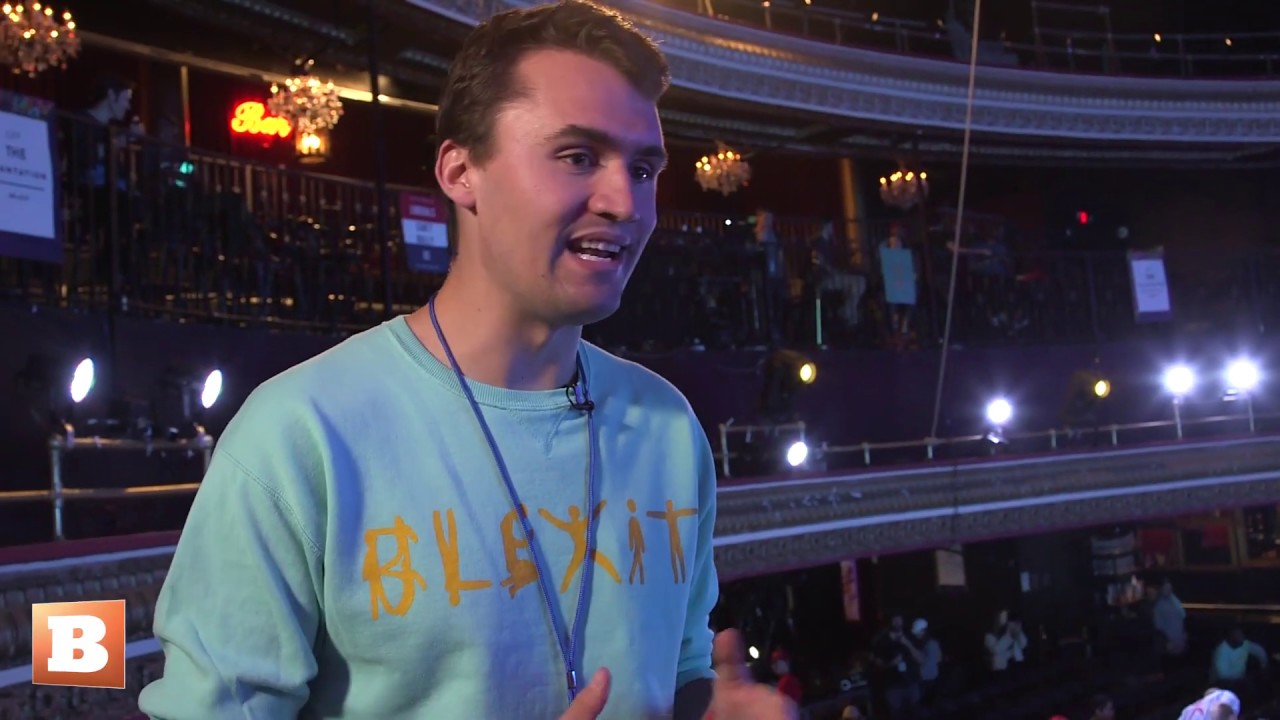
Charlie Kirk begins by acknowledging that George Floyd's death was a tragedy and the police officer should be held to the fullest extent of the law, something he says in every video. However, he wants to contribute to the conversation about whether this is a trend happening at the rate the media represents. He discusses how police officers have saved hundreds of thousands of lives, citing New York City in the early 1990s when about 2,200 individuals, mostly Hispanic and black, were dying every year.
Mayor Giuliani hired more police officers and used innovative methods, bringing murders down to 300 a year. That's 1,900 black and Hispanic individuals per year not being killed, and multiplied over decades with children and grandchildren, tens of thousands of people are living because of police officers just in New York City. Charlie expresses disappointment about how quickly the conversation went from the particular incident to indicting all of law enforcement.
He also got upset seeing people he grew up with in Chicago suburbs who have benefited from police protection their entire lives suddenly posting black squares without understanding the movement pushing that forward and declaring America systemically racist. Charlie states he will never bow to the mob while simultaneously acknowledging George Floyd was murdered and the officer should be held accountable.
Why Can't People Hold Both Truths Simultaneously?
Allie asks why so many people can't simultaneously accept it was an unjust death and tragedy while also asking critical questions about whether this happens frequently in Minneapolis. She wonders why it has to turn into a cultural and political revolution with Christians and conservatives jumping on board.
Charlie responds that we lack courage and clarity of thought. He sees left-wing activists and media saying there's an epidemic of unarmed black men being gunned down at record rates. He references Washington Post data that originally showed 10 unarmed black men killed in 2019, which was updated to 15 in the last couple weeks, which he finds interesting timing. Even taking all 15 as tragedies, he notes that 385 million police interactions happen every year in America.
Charlie points out that 52 police officers were killed in 2019, and twice as many black police officers have died in the last two weeks than unarmed black men. He names David Dorn and Patrick Underwood, asking if Black Lives Matter activists know those names or the names of 179 individuals shot in black-on-black crime in Chicago, Atlanta, and Philadelphia. He argues that allowing an emotive, quasi-pathological conversation to hijack American discourse doesn't create good public policy and unnecessarily divides the country.
The Importance of Facts in Compassionate Discourse
Allie expresses sadness about women, especially Christian women, saying it's callous to talk about facts and statistics or bring up the side of good police officers because it doesn't show proper compassion. She emphasizes that bringing up statistics isn't to deny bad people or bad cops exist or that racism can't be discussed. It's because narratives unchecked by facts lead to public policy built on lies, which affects real lives. We're already seeing this in calls to abolish police, which will primarily affect women, children, disabled people, and elderly people in poor communities.
Charlie agrees and discusses the Ferguson effect, which occurred after the media peddled the lie that Michael Brown put his hands up and said "hands up don't shoot," which never happened and was disproven through witness testimony and autopsy. As police retreated because people said they didn't want police, crime, rapes, and violent arrests went up. The people suffering were those in black communities. He knew immediately that George Floyd's death was a bad day for black America because police officers, often from majority-minority police forces, would retreat from communities.
Woke Christians and Abortion
Charlie criticizes woke Christians who think they've found an issue that makes them seem correct, putting out black squares and calling this the biggest epidemic in America. He mentions one pastor in particular with a massive social media following who used the word epidemic but has never posted about 300,000 black babies aborted every year. This is the absolute definition of stripping innocence from those who can't defend themselves. The crisis of abortion in the black community, where upwards of 40% of all abortions in America are by 3% of the population (infant-bearing black women), is way outside the proportion of any other community. Yet Black Lives Matter wants more abortions and stands with Planned Parenthood.
Charlie emphasizes it's important for Christians to strike a healthy balance between acknowledging tragedy and standing for truth. There's nothing indelicate or abrasive about lovingly and compassionately articulating what's actually happening using data, science, and statistics. Our lack of willingness to engage in this discussion will be the downfall of the country.
Solutions Beyond the Systemic Racism Narrative
Allie notes that people point to a well-made video about systemic racism showing inequalities in graduation rates and wealth owned by white versus black families. She asks what solutions Charlie would suggest if he doesn't want to point to systemic racism, while still acknowledging these problems exist.
Charlie stresses being specific with language: saying there are problems in the black community while also saying it's not because of systemic racism. When you say you don't believe in systemic racism, it doesn't mean you're saying there are no problems in black America or no racism anywhere ever. But there are other reasons why black America isn't succeeding outside of racism. In fact, blaming every single problem on racism is intellectually lazy and dangerous.
He provides a striking example: a black child raised by a mom and dad has a higher likelihood of succeeding than a white kid raised by a single mother. It's not systemic racism but systemic fatherlessness. Seventy-seven percent of black children are born without a father in the home. Before the welfare state and Lyndon Johnson's Great Society program, the fatherlessness rate was about 22% in 1965, then jumped to 75% post-Great Society.
The Great Society's Devastating Impact
Charlie asks how fatherlessness could go from 22% to 75% as America got less racist, with blacks in political office, a black president and attorney general, 4,000 black individuals winning public office, the first black billionaire, and black CEOs. The answer: we subsidized fatherlessness by sending checks to mothers to have children without getting married. He advocates for rebuilding the family.
He points out that on the Black Lives Matter website, they state they want to "disrupt the Western-prescribed nuclear family." Their goal is less fathers. They never say "fathers" on their website, only talking about families, mothers, and parents to the extent they're comfortable. The biggest issue affecting all communities, disproportionately high in the black community, is fatherlessness. Data shows it leads to lower high school graduation rates and higher rates of depression, suicide, teen pregnancy, juvenile delinquency, and incarceration. These cyclical problems can be attributed largely, if not solely, to fatherlessness.
Too many people aren't ready for this conversation. Instead, we have nebulous, unspecific, unsolvable conversations about systemic racism, with too many in the church aiding and abetting this counterproductive discussion.
Three Policy Prescriptions the Church Should Champion
Charlie notes that while some pastors have courage, including Rob McCoy, Jack Hibbs, and Jerry Falwell Jr. from Liberty University, generally the church isn't stepping up. If the church was serious about solving these problems, there are three policy prescriptions that Black Lives Matter opposes but would assuredly improve the black community:
First, school choice for black kids. Break up the Democrat-controlled teacher union cartel and allow parents and families to use tax dollars to go to functioning schools, parochial schools, or charter schools. Five words that could change America for the better: school choice for black kids.
Second, address fatherlessness. Whatever it takes, whatever policy has proven to get fathers back in the home. This has created weak, spineless men who think they can impregnate women and abdicate responsibility, and overburdened, heroic single mothers whose children are less likely to succeed at the same levels as children from nuclear families.
Third, more police. Black Lives Matter wants to abolish police, but we need more police. If they want those police to be mostly minority members in minority communities, that's fine, but that's not a reason to abolish police. What went from maybe a meaningful conversation where he could have sympathized with more body cams or getting rid of chokeholds became a call to get rid of entire police forces, which is insane. He'll stand against corporate America and churches standing next to this.
The Faulty View of Human Nature
Allie observes that this has detached from anger about George Floyd's incident to becoming a cultural, political, and social revolution based on a faulty idea Christians know isn't true about human nature. The idea is that humans are inherently noble, and if you take away oppressors like police, people will make good decisions and criminals won't commit crimes. They don't believe people do evil simply for the sake of evil. They believe most crimes are committed based on unmet needs, following Rousseau's idea of human nature.
Charlie agrees the left always gets human nature wrong, which is partly why communism never works. Human nature wants to own property, produce, and understands supply and demand. We're seeing this again with the abolition of police movement based on the idea that crime will just stop.
President Trump's Leadership Through Crisis
Allie asks how Charlie thinks Trump has led through these crises over the past few months. Charlie responds that Trump has been dealt a difficult hand but has done great and has a great opportunity. He's at his best when playing offense and making the left compete on his terms. Charlie suggests Trump should do the greatest rollout of educational choice in American history, a Marshall Plan-type initiative. Since we're spending trillions of dollars we don't have, he proposes a $50-100 billion plan for educational choice in inner cities, putting charter schools, private schools, and homeschooling on the forefront.
In Baltimore, there are 13 schools that are basically all black where not one kid can read or do math at grade level. Students should be allowed to leave those schools and go to private schools with that money. This would be unbelievably popular. Second, there should be a serious conversation about black fatherlessness. Third, Charlie believes Trump has to sign the Insurrection Act and go up against white armed liberals who have occupied streets in Seattle and Portland. This is a civil war action, not stated lightly. Taking over American streets thinking you can self-police is exactly when the federal government must come in if states cannot handle themselves. Jay Inslee literally said he doesn't even know about it. This is a textbook definition of insurrection that must be stopped instantaneously.
Trump's Handling of Coronavirus and State Lockdowns
Allie asks how Charlie thinks Trump has done not just with current events but also coronavirus. Charlie thinks Trump handled the virus tremendously from a supply chain standpoint and correctly called out the Chinese. He left lockdowns to the states, as evidenced by how South Dakota correctly handled it. Charlie was never pro-lockdown, clarifying he wasn't advocating for mass draconian lockdowns. He understands certain areas should have been shielded, but 60% of coronavirus deaths were in New York City, and 45-50% were in nursing homes.
This is a highly specific virus that didn't mostly impact young people, yet we shut down schools. More people died of suicides than coronavirus in California. It would be a mistake not to self-reflect on whether these lockdowns were actually a good decision. Charlie conjectures it was a mistake to do it to the extent we did in many states, but he doesn't place that at the president's feet because he allowed states to operate however they saw fit.
Cautiously Optimistic About November
Charlie says yes, he's feeling optimistic about President Trump in November, though there's still uncertainty. He's not the type to think we'll win no matter what and likes to play like they're 10 points down. However, he sees a bloodthirstiness in the left he's never seen before. They seem to want this more than anything in his time doing politics. They're willing to push boundaries of civil discussion, cancel people, and get extremely violent as we've seen. Conservatives have to regroup, regather, and find the dividing lines and rules of engagement. He's cautiously optimistic going into November.
Allie agrees the dichotomy has never been more clear between right and left. She has problems with the Republican Party and doesn't think every Republican politician is perfect, but right now one party is for insurrection, abortion through 40 weeks of pregnancy, no law and order, no border policy, and nothing that has made this country orderly, successful, moral, and good. The other party, in all their imperfection, cares about things Christians care about: security, law and order, sovereignty of the nation, religious liberty, and free speech. If there are ways to meet in the middle and solve problems together, that's wonderful, but it's hard to find common ground when parties are so far apart.
The Philosophical Difference on Human Nature
Charlie completely agrees, sadly, but says we must recognize this reality. When one party supports post-birth abortion, third-term abortion, open borders, and is okay with rioters and anarchists, at what point will we agree on anything? He's a vocal supporter of the president and the policies for life, faith, freedom, and individual initiative. It's important to recognize the philosophical differences. Allie brilliantly mentioned we're going to have a discussion on original sin: do you believe in it or not? That's basically the conversation, which is actually a healthier conversation than high taxes versus low taxes. It's probably the most important philosophical conversation around humanity: are we good by nature or not?
Charlie always starts his campus talks that way and is glad the left will admit they think human beings are great and everything around us makes us impure. Anyone who has studied human history knows that's not true. We're already seeing that in the Seattle autonomous zone where they're already having to police their own people. Utopias don't work.
Charlie directs people to check out the Charlie Kirk Show and Liberty University, mentioning the Falkirk Center for Faith and Liberty, and closes with God bless our great country.
Video Transcript
[Music] hey guys welcome to relatable so we have a very fun different exciting show for you today I am first going to be talking to Laura Trump and we are going to be talking about President Trump in his presidency in his campaign and his leadership over the past few months and she is going to talk about the accomplishments that he has done and of course kind of make a pitch to you for why he is our best bet in November and I'm also going to be talking to Charlie Kirk he has been a big advocate of the president and a big supporter of the president and we are going to ask them questions about everything that's going on right now and how we should be looking at how president Trump has handled these multiple crises over the past few months before I get into my conversation with Laura Trump I do want to tell you guys about expressvpn so I am so thankful for expressvpn this is the VPN the I use that I have on all my devices and make sure that all my information is private and right now while everyone is at home and there's so much chaos going on this really is more important than ever even if you have incognito mode on your computer that doesn't cut it your internet service provider can still see every single website that you have ever visited that's why when I am at home or really when I'm anywhere I never go online without using Express VPN so it doesn't matter where you get your internet from it can be Verizon or Comcast wherever it is anywhere in the u.s. they can legally sell your information to ad companies but expressvpn is an app that reroutes your internet connection through their secure servers so your internet service provider cannot see the sites you visit they also keep all of your information secure by encrypting 100% of your data with the most powerful encryption available most of the time I just don't even realize that expressvpn is on but I feel secure knowing that it's running in the background protecting my information it's available on all your devices even your Smart TV so there's really no excuse for you not to be using it especially right now your privacy and your data matter it important to protect protect your online activity today with the VPN rated number one by Sina and wired you can visit my exclusive link that's Express VPN comm slash Ali that's a ll ie and you can get an extra three months free on a one-year package that is expressed VPN dot-com slash Ali to learn more and to get that extra three months free on your one-year package okay without further ado here is Laura Trump Laura thank you so much for joining me oh you got it great to be with you so the rallies are about to start up for the president do you think that America is ready for that kind of enthusiasm and excitement with everything that's going on right now I think we're desperate for that kind of enthusiasm and excitement I mean if anyone has ever been to a Trump rally it's just filled with such positivity such great spirit love for America so I mean I can't think of a better time to get everybody together to encourage people to love this country and come together as a community we're so excited I think that the president probably more so than anyone has been so looking forward to getting back to Trump rallies so we're excited to start again and hopefully we'll be coming to a town near you very very soon the country has been through a lot I don't think any of us could have ever anticipated or expected or planned for everything that we have been through since January can you tell me from your perspective how President Trump has done in leading the country a very divided country through now multiple crises over a series of just a couple months yeah it's been quite a 20/20 yeah I don't think any of us saw this coming then I heard about murder Hornets and I was like oh my god like what it's not what's happening it's always it's constant look it's been a very challenging year for sure for so many Americans I don't think anyone has been untouched by what has happened in our country so you start with coronavirus which in January the same exact day that Nancy Pelosi was handing out her impeachment pens Donald Trump took the very bold step - stop travel coming from China to the United States that saved Ally countless numbers of lives I mean who knows how many Americans thousands and thousands of Americans arguably were saved by that step now of course he was criticized immediately by the Democrats Joe Biden said it was xenophobic and fear-mongering to do such a thing but thank God President Trump did that then he led us to the time where we had to sort of shut down the country we were listening to the experts we were doing what everybody said we should do we flattened the curve out and then you saw that we were on the way out of this we just got the the new jobs report two and a half million new jobs added to this country last month when the experts predicted we were going to lose seven and a half million more so I mean that's huge they got it wrong by 10 million jobs that's pretty amazing and just when that happened obviously we had this terrible incident with George Floyd which many people I think would say sparked what has become protesting across the country mostly peaceful but sadly has been hijacked by some very radical groups whose only go goal is really to cause chaos and destruction and I think ultimately their goal is to try and divide the country and look the president has been very clear on this from the very beginning Donald Trump has said that we have to have law and order in place and sadly you see that a lot of these cities that have been just completely brutalized by the looting and the arson are all Democrat run cities when Minneapolis said to the police department hey get out of there don't wear it really worry about our city anymore I mean you saw that it took just hours for things to devolve to such a level that it was an unrecognizable city in the United States of America things on fire and being looted and people being attacked it was horrible and so I think the president said look you need to get it together and if you can't then I'll have to step in he had the National Guard ready to go and obviously some some places utilize them but I think overall listen he's done a great job who could ever that say that they want to be the president of the United States and in such a crazy time but you gotta give the guy a hand for number one setting up our economy so that we really weren't as badly hit as we otherwise could have been we've already seen the jobs coming back I think we're gonna see the June jobs report even you know much higher than that hopefully it's like a V instead of you know sort of a curve up with the jobs but on top of that look this this president has always been out there fighting for every single American and what you have now in this country is a lot of black Americans saying listen we don't feel like we've been treated fairly we still feel like there's injustice out there well Donald Trump from day one of his administration took that very seriously he's signed into law the first-step Act the first comprehensive prison reform in about 30 years in this country it reversed the 1994 Clinton crime bill which don't forget Joe Biden was a big supporter of that it disproportionately incarcerated young black men in this country Donald Trump put forward opportunity zones and implemented those around the country a hundred billion dollars of investment in our poorest communities and the Forgotten about communities all across this country to revitalize them and it was really taking hold and taking off sadly when coronavirus hit but that will still continue you see that this president has given more funding to HBCUs historically black colleges and universities than any president in history so while the Democrats and the folks on the Left want to talk about how they've been trying to help with race relations and and level the playing field Donald Trump has actually done it he doesn't need to talk about it he's done it like I think that we're gonna come out of this I think that we do have several months until the election and I think people are gonna start to see why it's so important to have a man like Donald Trump at the helm as you come out of coronavirus and as we want to get things back to normal in this country and I think people are waking up to the reality that Donald Trump has been used as a scapegoat for the failings of the Democratic Party for a few years but especially over the past few months I mean we saw not only tragically that a lot of the cities that were hit the hardest by coronavirus not just because of the seriousness of the virus but because of the incompetence in government leaders are democratic cities some of the cities with the worst racial tensions in fortunately tragically the worst police brutality in the worst relationship between the police department and civilians are in democratic run cities the most violent cities are democratic run cities and have been run by Democrats for several years and a lot of these Democrats a lot of these mayors and governors are turning around and saying this is all Donald Trump's fault I hope and I pray and I do think that I see this happening that there are a lot of people waking up to that I've even seen people in activists like Shaun King who is obviously on the left a big Bernie supporter saying hang on just a second all of these cities that we are seeing so much violence in right now and so so such horrible tensions and right now are run by Democrats top to bottom and so are you hopeful I mean not that we ever would want these tragic situations to happen at all but are you hopeful that people are going to kind of wake up to the fact that really Democrats are just using Donald Trump as a distraction in a lot of ways from their own corruption and incompetence yeah it's pretty amazing Ali whenever you look at all of the things that they have accused Donald Trump of over the years it turns out in many cases the Democrats themselves are doing them you look back to Russia collusion to the idea that the only way that Donald Trump in our campaign won the election in 2016 was that we colluded with Russia well now as we're seeing all the reports coming out we're finding out more and more information that suggests that it wasn't obviously the Trump campaign we spent 30 million dollars of taxpayer money in two years in the Moller report to find that out it was actually the DNC in the Clinton campaign that had ties to Russia so whenever you look back at all of the things that they like to try and pin on Donald Trump it turns out they're the ones doing them and I think people are waking up to it I mean we've already seen since Donald Trump was elected movements like blech sit like walk away like the Exodus movement these are are really powerful in this country because for so long I think people were told look if you look a certain way if you're of a certain gender if you're of a certain sexual orientation you can only vote for Democrats and what people have very quickly realized is that Donald Trump is standing up for all Americans he's fighting for everybody shot at the American dream the American people have been lied to by the mainstream media they have been basically like a marketing arm for the DNC and I think people are getting the picture now that what they've been told all along about Donald Trump hasn't been accurate and if they step back for a second and get out of the hysteria of the mainstream media and they look at what Donald Trump was actually able to do in this country they're realizing very very quickly by the thousands and thousands of people I think that Donald Trump has done a great job as our president that he doesn't care what they say about him out there in the media he's fighting for the American people every single day and I think that's gonna be reflected on November 3rd the Democrats have overplayed their hand they do this all the time they're doing it now I just heard last night that they are trying to cancel paw Patrol if you tell my two and a half year old son that he's gonna totally lose it but this is the kind of culture that they've kind of pushed on the left it's a canceled culture it's if there's anything that we slightly think could be a problem just cancel it all we're talking about a cartoon of dogs that are policemen and firefighters are you guys crazy cancel paw Patrol I mean I just think people see this stuff and they say this is not the United States of America we're not supposed to just be canceling everything so it's it's really gonna be interesting to see the turnout on November 3rd look I still maintain Donald Trump is gonna get a historic number of votes from black Americans from Latino Americans and from women as we head towards November 3rd we'll have to wait and see yeah let's talk about women for just a second because that's the vast majority of this audience specifically there are a lot of young working women but also a lot of stay-at-home moms and that kind of suburban mom demographic it's a demographic that Democrats have been gunning for it for a long time specifically in this election and if you were to make kind of a pitcher if you were just sitting down you know drinking coffee with one of these moms he was trying to decide who to vote for in November what would what would your pitch be for Donald Trump to her well look Joe Biden has politics for four decades and he really hasn't done anything to help this country Donald Trump has been in politics for three and a half years he's been in politics since the day he announced he was running for president of the United States and what he really has done in this country is historic this is stuff that he's done in three years in office that for two terms in office most presidents couldn't dream of doing he revitalized and rebuilt our military he is made sure that we are a safer country that we actually have meaningful borders in this country that everybody like I said a minute ago has their fair shot at the American dream because whenever you renegotiate bad trade deals whenever you give American companies a better shot at things they're gonna hire more employees I just look I I know that there's this narrative out there that women don't support Donald Trump but you can't be a woman in this country and look around at what has happened over the past couple of weeks and you look at places like Seattle where they literally have a zone where they have the these road people have kind of cordoned off this area said we are not part of the United States anymore and the mayor is allowing this to happen you see the violence again over the the past two weeks that we've seen happen in this country under the Democrats control as you pointed out in most of these cities it is terrifying to me I'm scared for my kids and look I am very lucky that I live in a nicer area it doesn't matter where you live they could come to you they could come to any area of this country and I think it scares a lot of young moms out there I think it scares a lot of women I have friends who live in New York City single women who live alone this has been a scary time for them especially when you have talk of defunding police if you could even imagine alley how crazy it could get in in a matter of hours if you defunded the police and the law enforcement in this country these are the ideas on the left and it's not the Democrat Party of 20 or 30 years ago this is a very new very radical Democrat party they are standing up for the wrong things they are pushing the wrong things again like defunding police and Donald Trump is standing up for your rights as an American Donald Trump is standing up and upholding the Constitution every day and saying your rights mean something our founding fathers had a vision for this country and I want to make sure that every American gets their freedoms in this country and it feels to a lot of people like the Democrats want to just get rid of the Constitution throw it out don't worry about it it's really scary and so there's so much at stake right now look I want to know that this country works for my kids whenever they you know get out of school one day and want to get a job because it was really challenging for me I graduated from college in 2005 the market was not good the job market prospects were not very good Donald Trump is setting up our country now so that it doesn't just work for hopefully the eight years that he's in office but that it works in the long term when you look at things like renegotiating the trade deals with China signing of the u.s. MCA these are going to be very impactful for a very very long time in this country so while the Democrats like to bully people and and suggest that if you don't post certain things on your social media you're a bad person Donald Trump is actually enacting real change in this country and it's keeping this country safe it's making us the envy of the world again financially and and job wise and you know we have a man who is putting America first that is a great thing we have a president who wants this country to win first and foremost and that should be something that we all champion yes and what people need to realize is that at least a segment of the Democratic Party the far left segment of the Democratic Party that the rest of the party is capitulating to they want unrest they want Anarchy they want you to be scared they want you to be uneasy they want you to feel perpetually victimized because those are all of the arguments and the Foundation's that they have built for the socialist revolutions that they want and so they don't want you to feel secure so they don't want law and order they don't want you to feel economically stable because economics to instability and personal instability and insecurity all of these things they believe build the argument for the new society that the far left segment of the Democratic Party which is taking over the whole party want and so there is only one party I'm not saying the entire Republican Party is perfect I think that your father-in-law would agree with that but there is one party who has an interest has a personal vested interest in success in security in law and order in Indian this chaos and women I mean people of all kinds but women need to be able to distinguish that and it's not only that it's also the issue for I know a lot of people in my audience is the issue of abortion and just how radical Democrats have become on that that it once was you know 20 years ago safe legal and rare now it's through nine months on demand without apology and what I what I want women to remember is that there is exactly one party one presidential candidate who has ever said anything in the way or done anything in the way of protecting those very vulnerable unborn children who are included in the in the groups of forgotten Americans that your father in his administration or your father-in-law and his administration represent yeah you're exactly right look this president I think arguably has been the most pro-life president in modern history and look he spoke at the march for life he's the first president to ever do that he took federal funding away from Planned Parenthood when you look Ali of what the Democrats to your point are trying to implement and and the way they feel about abortion 40-week abortions are you guys kidding me anyone out there that is a mom that has had gone in to the doctor and seen whenever they they do the ultrasound the the baby that lives inside your body that baby is alive they are alive from like six of they're alive from the inception but at six weeks old you can see a heartbeat you're telling me that at 40 weeks when a viable pregnancy when a baby is fully able to live outside of the body we're gonna kill it this is it's insanity it doesn't get talked about enough but thank God for President Trump he stands up for the rights of all American born and unborn because guess what they have a life too it's very scary I think to see that sort of thing as well for people out there especially again mothers who you can't you can't be chained tonight like not change by that ring whenever you go in and and you go to the doctor for the first time I remember the experience I had and my husband had to and it changes your life and it changes a lot of people's views on that and you thank God we have a president that's standing up for that too yep and people say you mentioned you know 40 weeks people say oh well you know that never happens while we heard the governor of Virginia Democratic governor of Virginia Ralph Northam say that that's possible you can go listen to the tape on that if you don't but if you and the audience don't believe me and if that never happened then they wouldn't be trying so hard especially in places like New York or New Mexico or Illinois to make sure that those kinds of abortions are legal if they never happen then you shouldn't have any problem with making them illegal and there's another issue that I know a lot of people listening to this care about and that is the issue of religious liberty they have seen over the past few months especially Democratic politicians but even some Republicans saying Church is not essential you can't gather even if you're socially distancing we do not trust churches to be able to make the right decisions for their congregants so you can't go you can't go to church and worship freely together we might even put you in jail we might find you if you do that and now we're watching hundreds of thousands of people slam together without masks and that apparently is essential but people exercising their First Amendment right to worship their God freely that apparently is not essential can you tell me how President trumpets as exemplified his his appreciation and his desire to protect that First Amendment right yeah well I think what you're talking about first of all is the hypocrisy knows no limits I think went on the left and I want everybody to pay very close attention here because if you wondered what the Democrats had in store look at what they did here they told us for three plus months that you can't go to church you can't go to work you have to lock everything down they arrested people for trying to go to work woman that was in Texas who tried to go to her hair salon so that she could literally make money to feed her children got arrested but then you have people out there they flipped the script in about 24 hours and said wait a minute we're gonna let thousands of people out in the streets together like you just said Ali no mass no worry about it we're all for the protests get out there and do it well what happened you just arrested people for trying to go to work and do things safely like with a mask yeah you're not even locking up the people that are setting fires to small businesses destroying people's lives this president has been very very clear that he is standing up very strongly for your First Amendment rights and religious freedom across this country you see what has happened in so many of these schools they're trying to take out take God totally out of everything these are principles on which this country was founded and you know what we should be standing up and saluting our flag and putting our hand over our heart when we hear the national anthem those are our principal things that I think all Americans you know it brings us together I remember doing that in school you say the Pledge of Allegiance stand up put your hand over your heart but president Trump has been looking out for religious liberties and religious freedoms from day one of his administration and it's so funny because they try and characterize him as a guy that doesn't care that that doesn't really care about religion or God and they of course tried to hit him for going over to st. John's Church with the Bible that was a big problem for them but I guess it wasn't a problem that somebody actually tried to burn it down right the night before though the hypocrisy here is very clear to so many people but rest assured Domino Trump is standing up for your freedom to practice your religion in the United States of America because you know what it is our First Amendment right and we've got I mean that is the foundation and principle of this country right and I just want to clarify that you and I both support the First Amendment right to peacefully protest as well yeah but what we're corny now what we are pointing out is the hypocrisy of Democrats saying well you can't practice one part in the First Amendment which is worshipping freely but you can absolutely practice another part of the First Amendment which is peacefully protesting and even not even just peacefully protesting but also righty and so you can get in trouble for going to church but not burning it down and I just hope people are able to see that dichotomy is there any just final words that you can give everyone any encouragement or anywhere you want to send them for more information yeah well I would encourage everybody to tune in seven nights a week we have what we call team Trump on line a p.m. you can find it across all of our social media platforms at the campaign on Wednesday night Sally we started what we call the right view this is our take on you might have heard of the show of the view we didn't feel like those ladies necessarily represented the views of all women in this country so it's myself kimberly guilfoyle Katrina Pierson and Mercedes slap and every Wednesday night at 8:00 p.m. we have the right view and look I just want to tell everybody we all at the end of the day need to remember again we're all Americans that we are all in this together and we will see this through we overcome everything every challenge that's put in front of us and this will be no different well thank you so much Laura for taking the time to talk to us you got it thank you thank you okay guys I hope that you enjoyed that conversation now I am going to talk to my friend Charley Kirk Charley thank you so much for joining me Thank You Allie honor to be here so you've gotten into which you are very used to some controversial waters over the past couple weeks or so as all this stuff is going on around us America literally literally burning to the ground and you've kind of shared what you think is an important counter-narrative about the facts about police brutality and systemic racism can you kind of summarize some of the posts and videos that you've been putting out that I have caused such a stir yeah stirs I guess is something I'm used to at this point I first say from the outset that the the death of George Floyd was a tragedy and I hope the police officer is held to the fullest extent of the law and I've said that in every single video and I will continue to say that and I'm not minimizing that but I'm also trying to contribute to the conversation is this a trend is this statistically happening at the rate at which the media is representing it so I early on so to talk about actually how police officers have saved hundreds of thousands of people's lives especially let's just take about in New York City for example in the early 1990s about twenty-two hundred individuals mostly Hispanic and black individuals by the way were we're dying every single year twenty-two hundred murders think about that alley twenty-two hundred people in the streets of New York Mayor Giuliani does a full offensive of hiring more police officers using data tracking more more innovative methods and the murders went down to three hundred a year so that's about nineteen hundred black and Hispanic individuals year-over-year that were not being killed in the streets thanks to police in measures you multiply that over a couple decades and maybe they have children they have grandchildren you're talking about tens and thousands of people that are living because of police officers just in New York City and so I was very disappointed about how quickly the national conversation went from an understandable remembrance and understand kind of just conversation around what happened that particular incidents are just indicted all of law enforcement and so then I also got really upset when I started to see people that I grew up with in the suburbs of Chicago who have benefited from police protection their entire life all of a sudden posts these black squares and they have no understanding whatsoever of the movement that is pushing that forward and d'lai that America's systemically racist and so I'm gonna say that today I'm gonna say it tomorrow I'm never going to bow to the mob and I will do that also with acknowledging that George Floyd was murdered and that person should be held accountable I think you can do those things simultaneously without surrendering to the mob and paying your penance to the group humiliation religion of the left but why is it that so many people seem to not be able to do that simultaneously why is it that if we accept that it was an unjust death from what we know and from what we see and that it was a tragedy that he was made in the image of God and that in and of itself is enough to be sad about and to even be outraged about I was outraged when I saw the video and even asking questions okay does this happen a lot in Minneapolis why is it that we can't take that critical approach and very serious approach why does it have to turn into almost a cultural and political revolution is what we're seeing right now with Christians with even maybe some conservatives jumping on board how did that happen well we lack courage we lack clarity of thought and I mean you say it best you have to ask the question is this actually happening every single day and so I go on social media I see left-wing activists and I see activist members of our media saying that this is a epidemic it's interesting how they chose that word in this time in American history but they say there's an epidemic unarmed black men are being gunned down on the streets at record rates and you look at the numbers I mean the Washington Post data showed last year before they updated it in the last couple weeks which is interesting last couple week with the last week which is interesting how they update it as soon as people start using it but originally they said ten unarmed black men were killed in 2019 and now they have said they've updated it and they've said that 15 unarmed black men died last year now understand alley if you look at the definition of unarmed black men it's very questionable okay some of these people said they had weapons some of these people were grabbing for the officers weapon let's take it at face value let's say all 15 now were tragedies and we're not acceptable okay 385 million police interactions happen every single year in America 385 million and 15 unarmed black men die 52 police officers were killed last year in 2019 twice as many black police officers have died in the last two weeks than unarmed black men David Dorn and Patrick Underwood do you think black lives matter activists know those two names I think they know the names of the 179 individuals that have been shot dude a black on black crime in Chicago Atlanta and Philadelphia so I think if we're serious about having this conversation about unjust death in America we can't allow an entire emotive quasi pathological conversation to hijack the American Congress hijack the entire narrative in our country and I think it's very dangerous and also it leads us to a place that does not create good public policy and divide the country unnecessarily something I've been really sad about is seeing women and especially Christian women say that it is callous to talk about those facts and to talk about the statistics or to bring up the side of the police officers at all the good police officers because it is not showing proper compassion or it's not showing enough sadness surrounding the tragedy but what I want people to understand is that you don't bring up statistics to say oh no bad people are exist or no bad cops exist or we can't talk about racism ever it's because exactly what you said if we allow narratives to go unchecked without talking about statistics and facts that's how people especially on the Left build public policy they build public policies off of public narratives and if that public narrative is a lie then you've got bad public policy that affects the lives of people and we're already seeing that and calls for abolishing the police who do you think is gonna be affected by abolishing the police not even primarily me and you but women and children disabled people elderly people in poor communities where's the compassion where are the activist groups for those people yeah well said Ally and so it's going to the Ferguson the Ferguson effect is gonna happen which after Ferguson Missouri with the lie that was peddled by the media that they said Michael Brown put his hands up and said hands up don't shoot never happen did not happen it's been proven through witness testimony and also through an autopsy that that did not happen but still that lie became a narrative within the media and the Ferguson effect in Ferguson Missouri ensued essentially as the police retreated people said we don't want the police fine crime went up rapes went up violent arrests went up violent crime I should say went up every every sort of category of crime went up imaginable and so as a byproduct of that who who actually were the one suffering the people in black communities and so that as soon as this happened Ali I said this is a bad day for black America it's a bad day because now police officers which are by the way mostly minority majority police forces are gonna be say we don't want the police here we don't want the police in our communities which and again the other I want to also kind of put a side step tangent on this cuz you and I are both outspoken Christians and I've gone after these you know woke Christians that think that they have stumbled into an issue that makes them seem correct where you have these pastors with these massive social-media followings putting black squares and someone in particular said this is the biggest this is the biggest epidemic happening in America right now he used the word epidemic which again such a bizarre use of language when you're actually we through an epidemic but and I've never seen him post once about how 300,000 black babies are aborted every single year not once I mean and and that that is the absolute definition of the stripping of innocence of those that can't defend themselves that's the absolute definition of unarmed is the crisis of abortion in the black community where upwards of 40% of all the abortions in America are by 3 percent of the population which are infant bearing black women abortions way out there they are far outside of the proportion of population towards the black community and towards any other community and yet black lives matter wants more abortions in fact they stand side-by-side with Planned Parenthood and so I think it's very important for Christians out there to understand you could strike a healthy balance between acknowledging a tragedy but also standing for truth there's nothing indelicate there's nothing abrasive about lovingly and compassionately articulating what is actually happening in the world around data science and statistics and I think we need more Christians to do that and our lack of willingness to engage in that kind of discussion will be the downfall of our of our entire country and a lack of discussion about any real solutions people point to and I think you actually did a response to a video that's been going around it's a very well made video about what systemic racism looks like the inequalities and graduation rates and how much wealth is being owned by white families versus black families in that ease that's what a lot of people point to when they say ok America is systemically endemically racist and there's nothing we can really do to change it um well what is what would you say some of the solutions are if you don't want to point to systemic racism you could still say those are problems that are happening what would you say that we could discuss as solutions to help minority communities yeah and we want to be really specific with our language right so saying that there are problems in the black community and then also saying it's not because of systemic racism you could still say those two things and so I mean when you say that you don't believe in systemic racism it doesn't mean you're saying there are no problems in black America no racism anywhere ever yeah and so but there's also other reasons why maybe black America is not sick seating outside of racism in fact I think it is so intellectually lazy to blame every single problem and I think it's it's so wrong and dangerous to say well every problem the black community is because of racism so for example a black child that is raised by a mom and a dad has a higher likelihood of succeeding than a white kid that has just raised by a single mother so it's not systemic racism its systemic fatherlessness that's what's really happening in the black community seventy seven percent of black children are born without a father in the home and so if you take up until where the welfare state came in the Great Society program by Lyndon Baines Johnson the father listen eight follow system rate was about twenty two percent more or less in 1965 and so then post Great Society went up to seventy five percent so as America got less racist black fathers got removed from the home and so let's pretend for a second that the the casualty and the unspeakable byproduct of segregation Democrat policies of Jim Crow and slavery was 22 percent fatherlessness let's just accept that okay then how did it go from 22 percent to 75 percent as America got less racist blacks got into political office we elect a black president have a black attorney general blacks end up you know basically four thousand black individuals run for public office and win how is it that we got less racist in every single aspect imaginable we had the first black billionaire the black CEOs okay all those things how did the black fatherlessness rate go up it's because we subsidized fatherlessness we actually send checks to mothers to have children and not get married and that's what the Great Society program and so I'm a big believer in rebuilding the family and if anyone out there still supports black lives matter the movement Ally you go to black lives matter comm you know what it says right there they says and I could read it right here we want to disrupt the Western proscribed nuclear family right that's their goal they want less fathers right they want less built families also if you keep reading that they will say you know to the extent that mothers and parents are comfortable they will never say father's on their website they'll talk about families they talk about mothers they'll say parents they will not say fathers when is the biggest issue that that is in in all communities like you said the rate is disproportionately unfortunately high in the black community but fatherlessness affects individuals negatively no matter what the color of your skin is I mean that's just data you have a higher rate of not you're have a lower likelihood of graduating from high school higher rates of depression of suicide of teen pregnancy of teen being a juvenile delinquent and then you know incarceration all of these things that are very cyclical in nature can be attributed maybe not solely but largely to fatherlessness but we don't want to have that conversation it seems like too many people aren't ready to have that conversation instead we have very nebulous unspecific unsolved conversations about systemic racism and unfortunately so many in the church are aiding and abetting a counterproductive conversation about this that's right and I do not see the church through any of their advocacy generally some pastors are great nights call I mentioned them in my videos that I know personally that I've come across that have courage Rob McCoy Jack Gibbs and Jerry Falwell Jr from Liberty obviously I'm sporting the gear there's a couple that are out there in the Christian world that stand for truth and have courage but if the church was serious about solving these problems there's three there's three policy prescriptions that black lives matter opposes that would assuredly improve the black community number one school choice for black kids break up the democrat-controlled teacher union cartel and allow parents and families to use tax dollars to go to functioning schools parochial schools charter schools school choice for black kids five words that could change America for the better number two fatherlessness whatever it takes whatever policy has proven to get father's back in the home so this has created week and honestly feckless and spineless men that think they can impregnate women and abdicate their responsibility and it has create overburdened heroic single mothers that are not able to I shouldn't say not able that's not fair but the data shows it is less likely for them to be able to build a family with children that are going to be able to succeed at the same levels as a nuclear family I think that's a better and fairer way to say it the third thing that black lives matter opposes is more police and and this is just something they want to abolish the police but we need more police now if you want those police to be mostly minority members that's fine I think that's actually a fair thing that if you want a the black police force in the black community be mostly black fine but that's not a reason to abolish the police right so what went from a maybe a meaningful conversation alley where I could have sympathized a little bit of okay more body cams and maybe get rid of chokehold okay like maybe I could almost like oh let's get rid of an entire police force like that is insane and I will stand up against that and anyone who dares I like corporate America the churches they're standing next to this stuff right and for these churches who are you gonna call if someone comes after your I mean your church here I mean obviously not the police so I I think that it's a that's an outrageous compensation I think that we're seeing that it unfortunately very tragically has gotten detached from being angry about the incident with George Floyd to becoming a cultural and political and social revolution that is it's established on this faulty idea that we know as Christians is not true about human nature that humans are inherently noble and if you take away their oppressors so social oppressors like the police then they'll make a decisions and criminals won't commit crimes anymore they don't believe that people do evil think simply for the sake of evil they believe that most people commit crimes based on some unmet need it's like this Rousseau idea of human nature but left yes left is always get human nature wrong they always do it's part of why communism never works because human nature wants to own property wants to produce it understands supply and demand and we're seeing that again with the abolition of the police or at least that movement the idea that crime is just going to stop I want to ask you quickly how do you think Donald Trump has led through this crisis and really these crises over the past few months yeah it's been a very difficult hand he's been dealt and I think he has a great opportunity right now I think he's done great and I think here's a great opportunity he's got to play offense and he's at his best when he's playing offense and making the left compete on his terms and so I think he should do the greatest roll out of educational choice in American history a Marshall play since we're into the business now of spending trillions of dollars we don't have how about he does a fifty to a hundred billion dollar plan for educational choice in our inner cities to put the truck to put charter schools and private schools and homeschooling back on the forefront of the American conversation and say hey if you go to one of the thirteen Baltimore schools that are basically all black or they can't find one kid that can read or do math at grade level you're allowed to leave that school and go to a private school with that money that would be so unbelievably popular alley number two is a serious conversation about black fatherlessness and then I think he has to in my opinion I think he has to sign the insurrection act then go up against these white armed liberals that have decided to try to occupy the streets of Seattle in Portland this is a civil war action that they are putting and I mean I'm not saying that lightly if you take over the streets of America and you think you can self police that is the role of the federal government to come in if the states cannot handle themselves and jay Inslee has literally said he doesn't even know about it it is a textbook that could definition of insurrection and so I believe that has to be apps stopped instantaneously yeah how do you think he's done so far do you think that he's been pretty good on rhetoric and the decisions that he's made not just in this but also through coronavirus I think he's done well and it's important to realize that the media will never cover what he has done fairly he handled the virus and I think tremendously while from a supply chain issue standpoint and I think correctly calling out the Chinese he left these lockdowns to the States as evidenced by how South Dakota correctly handled the lockdown I was never Pro lockdown I was a skeptic boards lockdowns and the president allowed the states to do it he offered guidelines he said hey I believe in federalism and when I say I was not locked down I was not mass draconian locked down advocate okay I understand that certain areas should have been shielded but Ally if we're serious about it 60% of coronavirus deaths were in New York City somewhere about 45 to 50 percent were nursing homes this is a highly specific virus that did not mostly impact young people and we shut down schools we had more people die of suicides than of the coronavirus in California and so I think that it would be a mistake not to sell analyzing self-reflect were these lockdowns actually a good decision and it is of my conjecture that it was a mistake to do it to the extent that we did in a lot of these states and I do not I do not place that at the feet of the president because he allowed the States to operate however they saw fit are you feeling optimistic about President Trump in November yes they're still there's still a lot of uncertainty and look I'm not the type of person that thinks we're gonna win no matter what I always like to play like for 10 points down but I also see that the left as a bloodthirstiness to them that I've never seen before to be honest with you it seems like they want this more than anything they've ever wanted in the history of my time doing politics they're willing to push the boundaries of civil discussion they're willing to cancel people get extremely violent as we have seen and so I think that we as conservatives have to almost regroup and regather and find the kind of discussion the dividing lines that we want to set the rules of engagement I think some of that is naturally happening but I'm cautiously optimistic let's put it that way going into November I think the dichotomy has never been more clear between the right and a Laughton you know I have my own problems with the Republican Party certainly don't think every Republican politician is perfect by any means but right now you have one party that is for insurrection that is for abortion through 40 weeks of pregnancy that is not for any kind of law in order not for any kind of border policy not for anything that has made to this country orderly and successful and moral and good and then you have another party and all of their imperfection that cares about the things that Christians care about that cares about security that cares about law and order that cares about sovereignty of the nation that cares about religious liberty and free speech and all of the things that Christians should care about and have helped to make this country great and if there are things in which we can meet in the middle between Republicans and Democrats problems we want to solve together I think that's wonderful and great but right now it's hard to find any common ground when the two parties are so far apart I completely agree and that saddens me but we have to recognize that Ally and I mean when you have people the event party that supports post birth abortion it even it supports third third term abortion that supports open borders and is okay with the rioters and anarchists I do honestly ask the question at what point are we going to agree on anything I know that sounds sad but it's just it's a it's a true indication of what's happening I am a very vocal supporter of the president and I'm also you know a very vocal supporter of the policies he's putting in place especially for life and for faith and for freedom and for individual initiative and and look I think that it's a very important moment for us to recognize the philosophical differences and you met you mentioned it it's so brilliant Ally where you said now we're gonna have a discussion on original sin yeah do you believe in original sin or not that's basically the conversation which interestingly enough is actually a healthier conversation to have than high taxes or low taxes right actually a let's yeah it's the probably the most important philosophical conversation you can have around humanity are we good by nature or not right and I actually always start my campus talks that way and I'm glad that we're gonna have the left admit that they think human beings are great and everything around us makes us impure I think anyone who has studied human history knows that not to be true right and we're already seeing that in the Seattle autonomous zone or whatever it's called they're already having to police their own people utopias don't work but thank you so much for joining me I really appreciate you taking the time and if there's anywhere you want to send people any website or resources let let them know yeah check out the charlie kirk show if you guys want to type it in hit subscribe and check out Liberty University wearing the wearing the gear Falkirk Center for faith and liberty and just god bless our great country thanks so much [Music] you [Music]
Related Books
Browse Conservative Books