2,264 videos 1,363,043,183 views US Joined Aug 30, 2018
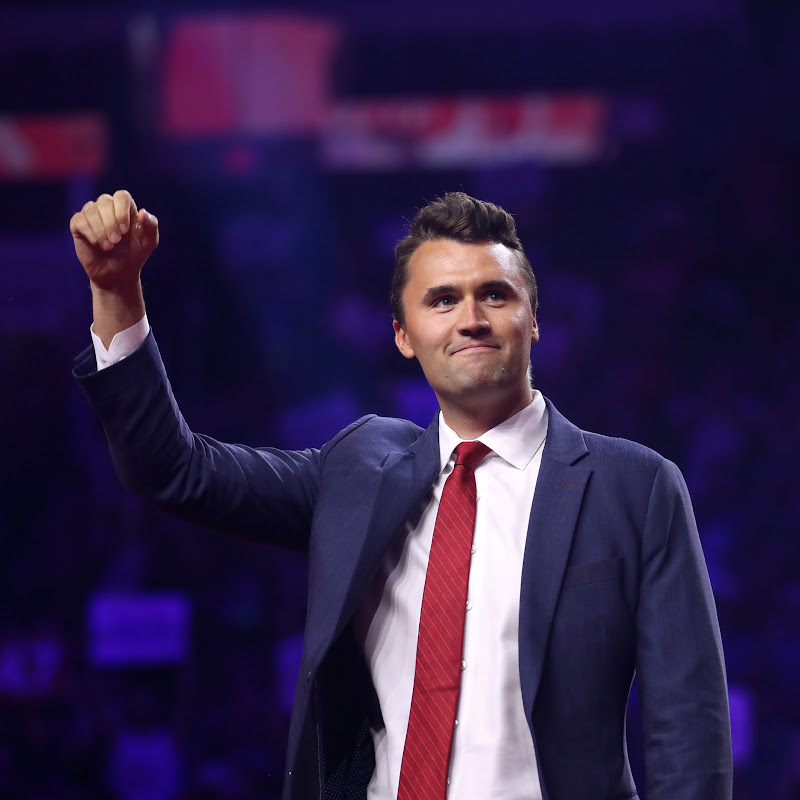
Charlie Kirk is the Founder and President of Turning Point USA, the largest and fastest growing conservative youth activist organization in the country with over 250,000 student members, over 150 full-time staff, and a presence on over 2,000 high school and college campuses nationwide. Charlie is also the Chairman of Students for Trump, which aims to activate one million new college voters on campuses in battleground states in the lead up to the 2020 presidential election. His social media reaches over 100 million people per month and according to Axios, he is one of the "top 10 most engaged" Twitter handles in the world. He is also the host of “The Charlie Kirk Show,” which regularly ranks among the top news shows on Apple podcast charts.
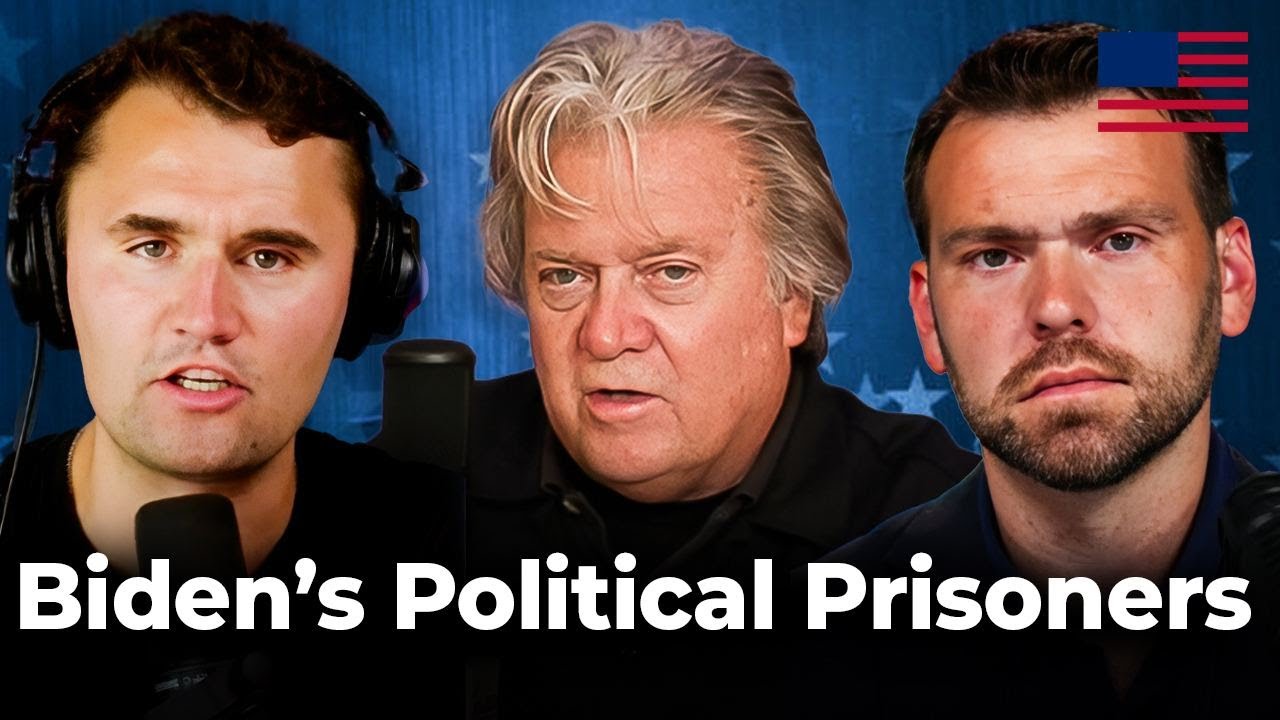
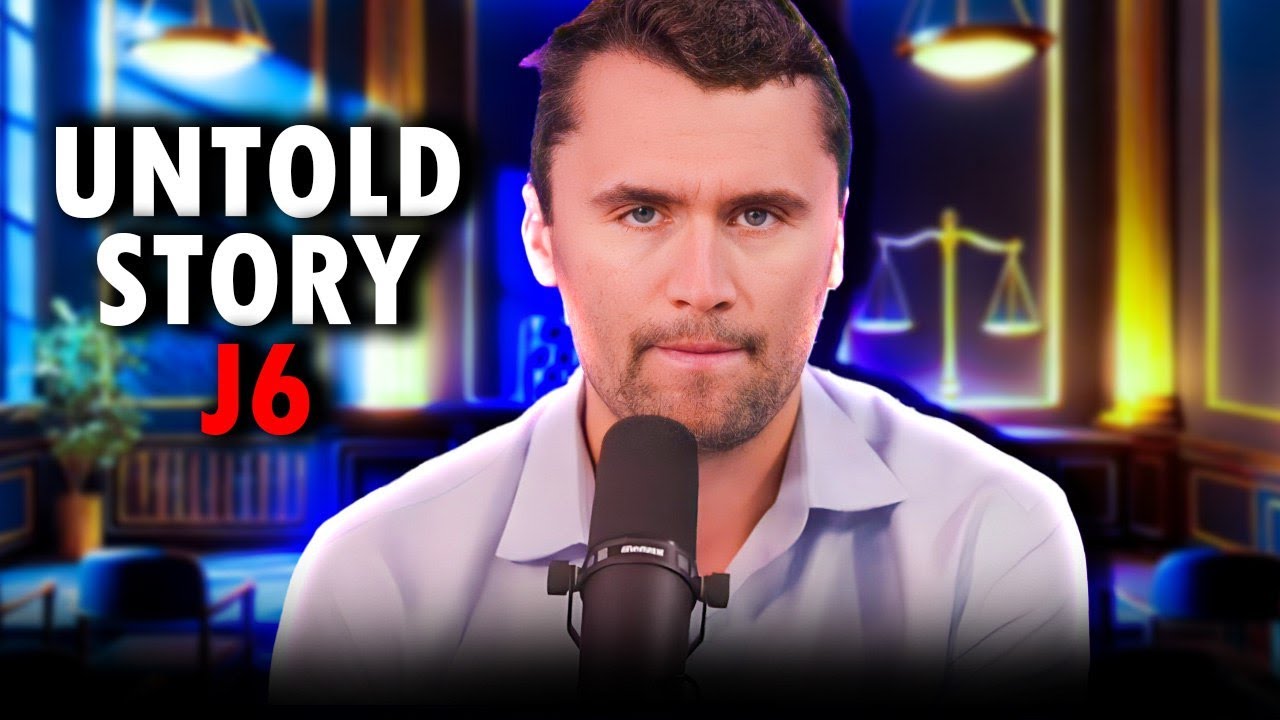
Charlie Kirk Defends January 6 Pardons on Due Process Grounds During Heated Campus Exchange
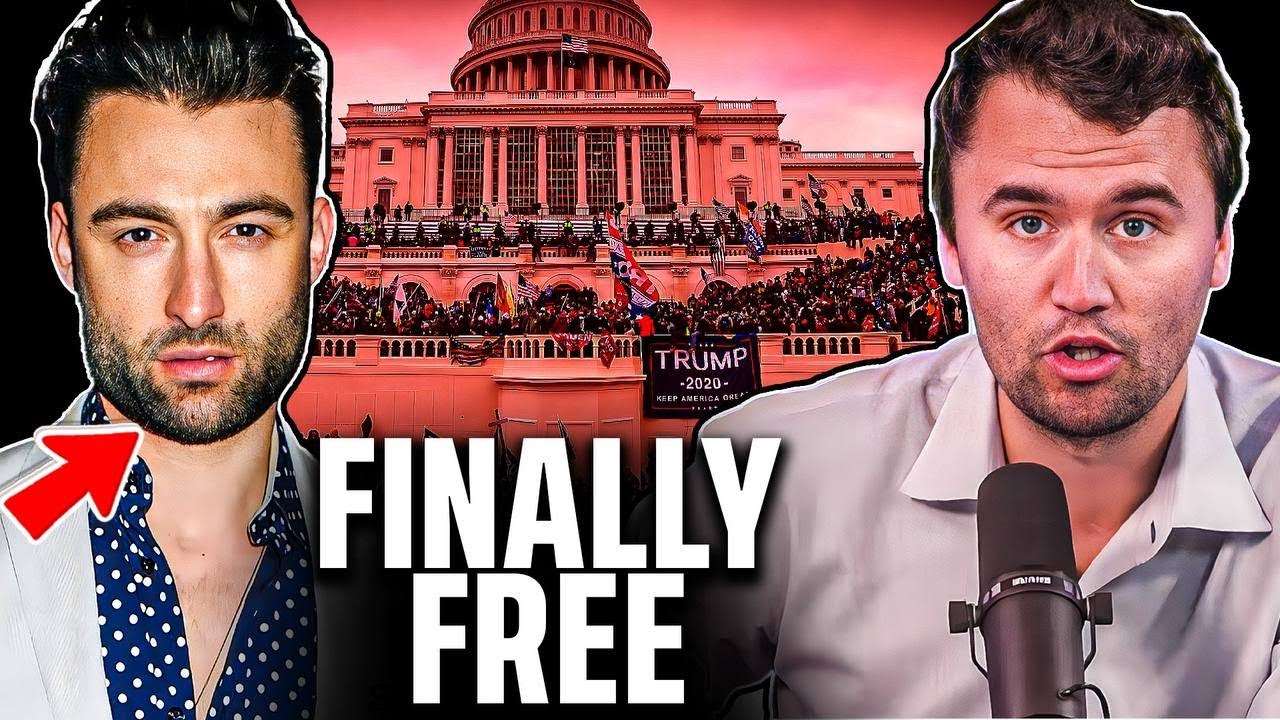
Charlie Kirk faced pointed questions about the January 6 pardons during a campus event, where a student whose father is a police officer challenged his position. Kirk argued that the pardons weren't about condoning actions but about correcting a justice system that denied defendants their Fifth, Sixth, and Seventh Amendment rights. He detailed how January 6 defendants were held in pre-trial detention for nearly two years without proper legal representation, deprived of basic constitutional protections, and treated like political prisoners in conditions resembling internment camps.
During a campus event, a young woman approached the microphone with a direct challenge. Her father is a police officer, and she wanted to know Charlie Kirk's position on the January 6 pardons. If someone injures or kills her father in the line of duty, she asked, should she support pardoning them?
Kirk clarified his position immediately: everyone involved in January 6 should be pardoned, but not because of what they were accused of doing. The pardons, he explained, were necessary because the defendants were systematically deprived of due process rights guaranteed by the Constitution.
The Due Process Argument
Kirk laid out the specific constitutional violations he believes occurred during the prosecution of January 6 defendants:
Many were held in pre-trial detention for nearly two years
Numerous defendants were not given proper attorney representation
One attorney allegedly forced his client to watch videos claiming MAGA was brainwashing him and instructed him to "unbrainwash" himself before trial
These actions violated the Fifth, Sixth, and Seventh Amendments
The student pressed Kirk with a yes-or-no question: was storming the Capitol right or wrong? Kirk resisted the binary framing, explaining that not everyone did the same thing that day. He cited the case of Siaka Massaquoi, who took three steps into the Capitol, said a prayer, and left, yet was hunted by federal officials for three years and faced 10 years in federal prison.
Conditions in DC Detention
Kirk described the treatment of January 6 defendants in stark terms. He claimed they were treated as political prisoners, forced to sleep on the ground of the DC jail with no food for days. He compared the conditions to "some sort of Moscow internment camp," arguing that even people accused of heinous crimes deserve constitutional protections.
"Even if you go do something as evil as shoot up a school, you deserve Fifth, Sixth, and Seventh Amendment protection rights," Kirk argued. "These January 6th defendants did not get their basic constitutional rights protected."
What the Pardons Really Mean
Kirk framed President Trump's pardons as a statement directed at the justice system itself. The message, according to Kirk, was clear: the government failed to treat these defendants with basic constitutional due process rights. The pardons were about wiping the slate clean and affirming that even someone who does "the grossest thing" should have the same rights to due process and presumption of innocence as someone who did nothing wrong.
When the student tried to use Kirk's own words against him, suggesting he was saying school shooters should be pardoned if they don't get due process, Kirk corrected the characterization. "I said if someone shoots up a school, they deserve to have a lawyer the same way as if someone runs a traffic light. This is a basic human right," he clarified.
The Scope of January 6 Actions
Kirk pushed back against what he characterized as an exaggerated narrative about January 6. He noted that of the 1,800 criminal indictments, only a couple dozen individuals actually laid hands on a police officer. He described how a thousand people peacefully walked into what he called "the people's house," said prayers, took pictures, and walked out, only to be treated by the FBI as if they were narco drug criminals and cartel members.
He even claimed that many police officers showed people around the interior of the Capitol, asking if they'd like to see different parts of the building. Kirk cited the example of a young man who was part of a scuffle and pushed back on someone he didn't know was a police officer, facing 15 years in federal prison without the opportunity to defend himself properly in court.
Access to Evidence
Kirk emphasized that many defendants were never given the opportunity to look at all the January 6 footage, much of which remains under seal. This lack of access to evidence, he argued, represented another violation of basic constitutional rights that should be available to any defendant in the American justice system.
The Final Defense
Kirk concluded by reiterating that he doesn't support attacking police officers, but that the pardons serve a larger purpose: ensuring the American justice system remains the best on the planet and preventing it from being "perverted for political aims" as he believes it was under Joe Biden and Merrick Garland.
The pardons, in Kirk's view, weren't about the merits of what defendants did or didn't do on January 6. They were about sending a message that constitutional rights apply equally to everyone, regardless of their political affiliation or the nature of their alleged crimes.











Comments
Be the first to comment on this video.