2,422 videos 1,389,747,653 views US Joined Aug 30, 2018
Charlie Kirk is the Founder and President of Turning Point USA, the largest and fastest growing conservative youth activist organization in the country with over 250,000 student members, over 150 full-time staff, and a presence on over 2,000 high school and college campuses nationwide. Charlie is also the Chairman of Students for Trump, which aims to activate one million new college voters on campuses in battleground states in the lead up to the 2020 presidential election. His social media reaches over 100 million people per month and according to Axios, he is one of the "top 10 most engaged" Twitter handles in the world. He is also the host of “The Charlie Kirk Show,” which regularly ranks among the top news shows on Apple podcast charts.
Charlie Kirk Interviews Clayton Echard on False Pregnancy Accusations and Male Victimhood in America
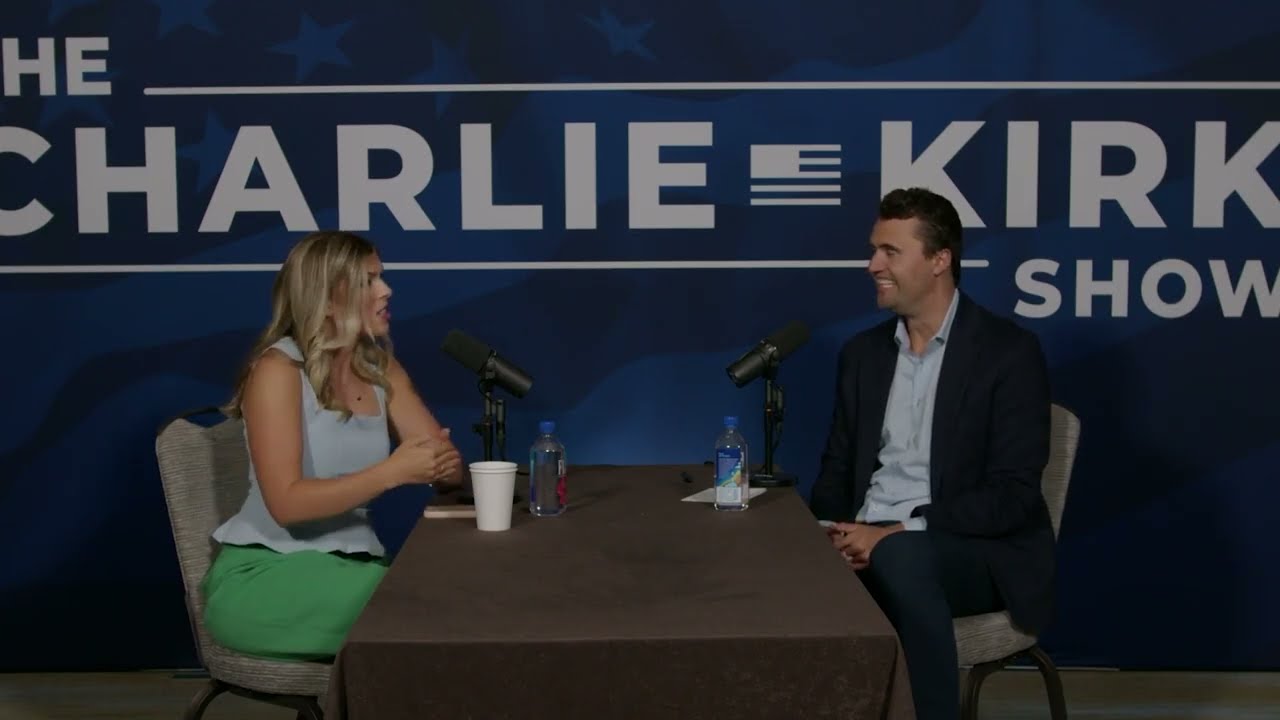
Charlie Kirk sits down with former Bachelor Clayton Echard, who shares his harrowing experience of being falsely accused of impregnating a woman with twins. Echard reveals how this woman has targeted at least three other men with identical fabricated pregnancy claims over eight years, all while the media immediately presumed his guilt. With a critical court date approaching on June 10th, Echard discusses the anti-male bias in the justice system, the mental health crisis facing young Americans, and why he believes being authentic matters more than fame. Kirk and Echard examine how the "guilty until proven innocent" mentality destroys lives and why male victims of false accusations are systematically ignored.
Clayton Echard, the 2022 Bachelor, never imagined his life would become defined by a nightmare accusation. What started as a brief encounter with a woman spiraled into a year-long ordeal when she claimed he had impregnated her with twins. The problem? Echard and the woman never had sexual intercourse, making the claim physically impossible.
"She came out and said that she was pregnant," Echard explains. "She said, 'Okay, here's how it'll go: either you date me for a week and if it doesn't work out after a week I'll have an abortion, and if you don't date me then I'm having the child.'"
Within days of requesting proof through medical verification, Echard discovered the woman had a documented history. She had made identical claims against three other men over the previous eight years, always claiming pregnancy with twins, always following the same playbook.
A Pattern of Deception Spanning Eight Years
The evidence against the accuser mounted quickly once Echard began investigating. All seven doctors she claimed to have visited had no record of her as a patient. Two separate paternity tests came back showing "little to no fetal DNA" because she was never pregnant. An ultrasound video she sent him was discovered by Reddit users within 24 hours to be from a YouTube video posted six years earlier.
"The previous two guys she claimed she was pregnant by with twins with those two as well," Echard reveals. "As we started comparing notes showing previous text messages and just talking with one another, there was a playbook to this. She's very calculated."
Even more disturbing, the woman's mother appears to be complicit in the scheme. "I've spoken to her mom on the phone and she's very aware of what she's doing," Echard says. The operation appears designed not for financial gain, but for validation and victimhood status. The accuser runs a mental health podcast and has given TED Talks about being a victim of domestic abuse and pregnancy loss—all fabricated according to court documents.
The Media Convicts Without Evidence
When the accuser took her story to The Sun, publishing anonymously, the media machine moved swiftly. Outlets across the country picked up the story immediately, and Echard found himself convicted in the court of public opinion without a shred of evidence.
"I went straight to 'I'm guilty until proven innocent,'" Echard explains. "She came out anonymously online through The Sun that published an article. It got picked up right away by all these different news sources and they all ran with it. People online said, 'This is exactly the kind of guy that we knew he was. He's a terrible human being. This tracks.'"
When Echard spoke with one of the publicists involved, they suggested the publicity might actually be beneficial. "They said, 'Listen, this might be one of the best things for you for this to go out publicly because all press is good press.' I said, 'I don't want to deal with this. I've already gone through enough. I've been struggling as is with my mental health.'"
The accuser didn't stop with the media. She sent letters to Echard's family, his place of employment, and mental health nonprofits where he was scheduled to speak. Several organizations cancelled his appearances based solely on the allegations. She even attempted to have legal papers served to women Echard had dated or expressed interest in.
This Is His Second False Accusation
Remarkably, this isn't the first time Echard has faced false accusations. A previous woman claimed he flew to New York to hook up with her, but location data from his phone proved he was in Scottsdale the entire time, quickly resolving that case.
"Does this happen to a lot of former Bachelors?" Kirk asks. "No, apparently it's just me," Echard responds. "I got some bad juju or something."
The pattern suggests that high-profile men, particularly those in the public eye, become targets for individuals seeking attention, validation, or attempting to weaponize victimhood for personal gain.
The Anti-Male Bias in the Justice System
Perhaps most troubling is what Echard learned about gender bias in the legal system. "I was told if the roles were reversed that I, as the man, would have been arrested months ago," he reveals. "I was told by someone high up in the judicial system that if this was a female Bachelorette and there was a man that was doing something like this, that this wouldn't have gone on for as long."
Kirk doesn't mince words about the double standard: "There's an attack on men in this country, and it's happening repeatedly, white men especially, and it's wrong. It's terrible."
The case draws parallels to the Trevor Bauer situation, where a former MLB pitcher faced similar false accusations that destroyed his career before evidence emerged supporting his innocence. Both cases happened in the Scottsdale area, prompting Echard to joke darkly about whether there's "something in the water."
The Suppression of Male Victims' Stories
Echard discovered that his story has faced resistance from media outlets and social platforms, not because it lacks merit, but because of ideological concerns about undermining other narratives.
"I've seen people say, 'Hey, listen, we don't want this to become a reverse Me Too movement. We don't want people to stop believing women,'" Echard explains. "This isn't about believing women or not. This is a matter of believing victims."
When he posted about Trevor Bauer's experience, Echard was labeled a "men's rights activist" in his direct messages. "I have no interest in trying to discredit women. I'm just trying to credit victims, that's all it is. Believe the truth and maybe reserve a little judgment to not make opinions until all the facts are out, because I got thrown to the wolves right out of the gate."
The accusation that reporting on male victims somehow threatens women's credibility reveals a troubling bias: that protecting a narrative matters more than protecting individuals from false accusations.
Being a Bachelor: Fame's Dark Side
Echard's journey to becoming the Bachelor began with a desire for external validation. As someone who had been bullied, was much smaller growing up, and was "friend-zoned by every girl," he pursued accomplishments he thought would make him worthy.
"The way that I appear is not the way that I see myself in the mirror," he admits. "For people to discredit me and say, 'Oh, boohoo, be quiet. You've got enough good things going for you. It's really hard for me to feel bad for you,' it's like, well, now you're discrediting what I've went through and I feel silenced and I feel alone."
Being one of 27 men who have held the title of "The Bachelor," Echard found himself in a unique position. The show, which he describes as "based in polyamory where the goal is to get down to monogamy," took him and 30 women around the world on extravagant dates. But the experience was far from the fairy tale it appeared.
"I fell in love with three women at once," he admits, explaining why he became a polarizing Bachelor. When he was honest about his feelings for multiple women and his intimacy with them, viewers turned on him. "I became a villain. Everyone said, 'How could he just tell these women and do this publicly?' I was like, 'Well, I had no choice. I couldn't tell them privately. There was no option to.'"
What Fame Taught Him About Women and Dating
Dating 30 women on national television taught Echard some hard lessons. When Kirk asks what he learned about women from the experience, Echard is refreshingly honest: "I have a lot to learn still."
He did learn that most of the women on the show were more interested in fame than in him. "I think for that experience they were more driven to the fame that could come from it. I was secondary." This realization fed into his existing insecurities. "I felt it, and I felt that I wasn't good enough because I always felt that way my entire life."
Now, dating as a former Bachelor comes with constant suspicion. "You always are questioning people's intentions," he explains. "I can pick it up now, but I will have women that'll act shocked whenever it finally gets uncovered. I don't walk into the situation saying I'm the former Bachelor. I hide it as much as I can. Then it'll come out and they'll say, 'Oh, I had no idea. I don't watch that show.' But then I can start to realize, no, they're just saying that. They actually do know who I am and this is all a lie on their part."
The Mental Health Crisis and Social Media
Echard has become a mental health advocate, speaking to middle and high school students about destigmatizing mental health conversations. His message centers on the power of vulnerability.
"The biggest thing that I'm trying to do is just get people to realize that it makes you stronger by being vulnerable," he says. "The more you talk about it, you actually bring others. You attract them and you share the struggles with them and you feel less alone and it gives you hope."
He identifies social media algorithms as a primary driver of the mental health crisis among young people. "Everyone, we are so obsessed with social media and what we're seeing. We go online and click on one person's profile and we're like, 'Man, look at them. They have so much more than we have.' Then what happens? The algorithm feeds you someone similar. After about an hour, you've seen 100 people that you think have a better life than you, and you start to say, 'Well, my life is worthless. All these people are so much more successful than I am.'"
Kirk notes that we're living through "the most depressed, suicidal, alcohol-addicted generation in history."
The Danger of Fame-Seeking
When asked what advice he'd give to teenagers who want to be famous, Echard is unequivocal: "No. You should strive to be authentic, and if fame becomes a byproduct, then you'll always be grateful that you're able to be yourself and you're able to reach a larger audience. But if your whole goal is to be famous at any cost, you're going to end up being inauthentic, and then when you get to that place you're going to hate the fact that, 'Hey, I have to now play to this audience and make it appear that I am this person that I'm not,' and you'll always feel this tension."
He doesn't believe most famous people are happy: "I think a lot of people are famous but they're not authentic. They've just come to terms with that and said, 'You know, this is who I have to be.'"
Echard himself has chosen authenticity over maintaining a certain image. He's taken up dancing, gotten earrings, and embraced creative expression—all of which have gotten pushback from his audience. "Am I attracting people that like that? Absolutely. And it feels really awesome to see people that support the things that I genuinely love."
This authenticity has actually reduced his dating pool, he admits, but in a positive way. "I've actually limited the dating pool, so options are limited, but I don't have to weed through as many people that don't like who I am. Now it's just people that come around me do like me."
Faith Through the Storm
Echard was raised Lutheran and now identifies as non-denominational Christian. His faith became a lifeline during the false accusation ordeal, though he admits to making a significant mistake before going on The Bachelor.
"I came to terms with the fact that I didn't feel like it was a very Godly show," he reveals. "So I prayed one night to God. I said, 'God, I understand that this isn't very Godly, so I wouldn't be upset if you step back and I'm going to go through this experience and I'll see you on the other side, I suppose, because I am going to go through with this.'"
He now recognizes this as a "major human mistake," but believes God never actually left him. "When everything went south on the show, I was driving back in the car back to the hotel and I saw the Northern Lights for the first time, and I really felt like that was a sign that He was like, 'I've never left you this entire time.'"
Throughout the false accusation, Echard leaned on his faith. "I have God over me right now and He's watching over, and ultimately I'll see this through. He wouldn't put me into something that I couldn't overcome. God has a plan."
Suicidal Thoughts and the Will to Fight
The weight of false accusations, media condemnation, and public vilification brought Echard to a dark place. When asked if there were times he wanted to give up, he's honest: "Absolutely. There were many times where I said maybe I should just end things. I had those thoughts. I had suicidal thoughts."
He wasn't alone among the victims. The other men targeted by the same woman also experienced suicidal ideation. "That's why I want to stop this from happening again. I don't want any man to ever feel like that."
His advice to men facing false accusations: "Understand that you're not alone and just go find your support system. Keep fighting."
June 10th: A Day of Reckoning
Echard's court hearing is scheduled for June 10th in Maricopa County. At least two, possibly three, of the other men victimized by the same woman will be there to testify. The evidence is overwhelming: doctors have confirmed they never saw her, paternity tests showed no fetal DNA, the ultrasound was proven fake, and the pattern of behavior is documented across multiple victims over eight years.
"All of the motions that we have filed have been approved. All of her recent motions have been denied," Echard reports. "I think we're in a really good position to hopefully have this referred to the DA for prosecution."
He's hopeful that Maricopa County District Attorney Rachel Mitchell will pursue prosecution. The accuser has already admitted to medical fraud by doctoring ultrasound documents. She's threatened lawsuits and made defamatory statements. Most importantly, she's shown no signs of stopping.
"She should be prosecuted," Echard states plainly. "There needs to be some type of repercussions for these kind of actions. If she walks freely, what do you think she's going to do? She's going to feel indestructible. She's going to feel invincible and she's going to go out and do it again. She did it as recently as me and she's done it for the last eight years. What makes you think she won't do it again?"
If justice isn't served on June 10th, Echard is prepared to file civil suits to hold the accuser accountable.
A Message to Male Victims
Echard's experience has connected him with numerous men who have faced similar situations. "I've had a lot of men come forward, whether in private, and say, 'Hey, this happened to me,' or 'This happened to my friend.' I've had women say, 'This happened to my brother.' It's more common than people realize."
Yet these stories remain largely suppressed. "I've seen people say, 'Hey, listen, we don't want this to become a reverse Me Too movement. We don't want people to stop believing women.' This isn't about believing women or not. This is a matter of believing victims."
Kirk emphasizes the broader pattern: "There's an attack on men in this country, and it's happening repeatedly, white men especially, and it's wrong. It's terrible. We need to turn the incentive structure away against that and administer some justice."
The Purpose Behind the Pain
Despite everything he's endured, Echard believes his experiences serve a greater purpose. "I believe that this is bigger than me and I believe that this could potentially help other individuals."
He's learned crucial lessons about seeking external validation. "No matter how high I climb, I won't feel good enough until I finally choose to feel that way. There's people that are still in your hometown that love their lives and love who they are, and they didn't have to do all those things you did to seek validation. They have that internal validation. I had to go through this whole experience to realize that."
His advice for young people: "Be authentically you. You'll attract ultimately the energy that you are. I created somewhat of a facade, this tough-guy exterior, and it didn't pan out well for me. I started attracting a different audience that I didn't want around me because the authentic, genuine people that wanted to be around me or were similar to me had no idea who I actually was."
Looking forward, Echard's ambitions are clear: "I just want to be able to be a voice for those that feel like they don't have one. I feel that I've done something very unique and I have the ability—I'm very open and transparent—and I think that vulnerability allows me to reach a large group of people. I hope that I'm able to continue helping as many people as I'm able to, whether that's 10,000 or a million. I don't know. I don't care. I just want to be able to serve my purpose, and I think my purpose is tied into being an advocate with mental health."
Conclusion
Clayton Echard's story represents far more than one man's fight against false accusations. It exposes systemic biases in media coverage, gender-based double standards in the justice system, and the silencing of male victims. With his June 10th court date approaching, Echard seeks not revenge but accountability—both to clear his name and to prevent this serial accuser from victimizing more men.
His journey from seeking external validation through fame to finding authentic self-worth through vulnerability offers lessons for a generation struggling with mental health crises fueled by social media and comparison culture. Most importantly, his willingness to speak openly about suicidal thoughts, false accusations, and the attack on men in America provides hope for other victims who feel alone and silenced.
Justice delayed is justice denied, and Echard has waited long enough. The question now is whether the system will finally hold a repeat offender accountable or continue to enable false accusations that destroy lives.
Video Transcript
uh really great guest this hour a very important story uh it is Clayton eard you were the bachelor in 2022 that's correct so uh try to get as close to the mic as you can uh I I I do not watch The Bachelor yeah and uh for the best so you're you're telling me that during like football commercials you'd be like that guy they' be like he's the bachelor you know one of the promo guys yeah I mean again everywhere I go I thought there would be some sense of uh normaly and privacy but it's just once you're out there you're out there for good so yeah so there how many there there's been like what 20 Bachelors right is that correct I think 27 at this point 27 so you're kind of in a a very tight-knit Club is that right fortunately or unfortunately yeah so uh tell us your story yeah so um where I'm currently at and and why I'm here today is uh I guess Fame comes with a a side of Madness um in this last year I've been dealing with a false accusation from a woman that claimed she was impregnated by me with twins um we are now into that uh and she's she never was pregnant the whole thing was a lie um she is has done this previously to three other men that we're aware of she's been doing this for eight years now at least um and she claimed that she was imp like impregnated uh with them as by by them with twins as well um how do we know that she's made all this up well we've uh the doctors that she said that she has seen uh all seven of them came back said they have no record of her uh we did a paternity test at one point uh that came back as little to know fetal DNA twice because she's was never pregnant uh and she also had sent me an ultrasound video at one point that she put online as well and was found uh 24 hours later by the Reddit audience online uh to be from a video from YouTube six years ago so uh everything has went back to uh she's made this entire thing up she's claimed that she was pregnant which is a lie she claimed she had a miscarriage which is a lie she's claimed by one with one of the previous victims that she had ovarian cancer she's claimed she's been raped she said that that I did that as well after we have evidence and everything's been documented showing that she said what we did was consensual but we didn't have sexual intercourse I want to make that so it would have been immaculate conception correct yes and so here we are where she has lied lied lied and lied we have a June 10th hearing coming up where we hope that Justice will be served um we're real hoping that uh ruling will be found that she lied she probably won't admit it herself but the judge hopefully will find that so I want to go way back this is super important and so there's so many elements here so you are the bachelor so you're a big Target correct yeah this is my second false accusation that I've dealt with is that right yeah I had a is that one been completed the other one was I solved pretty quickly through location services on my phone this woman said that I flew out to New York hooked up with her and flew back but my phone showed that I was in Scottdale so just independently curious do does this happened to a lot of former B like Bachelors no apparently it's just me I got some bad juju or something I don't know what happened we'll work on that so you're a big deal you're cons like one of the more desirable men in the country right so yeah so this young lady and you whatever you know have an experience together and then she all of a sudden comes to you and says I'm pregnant with twins and all that and your first reaction is what no way no way no not not at all it was 11 days later that she sent me the message uh from a different phone number I blocked her already um and she said that she was pregnant and at the time it was one child um it progress to twins because I found out when we were doing the paternity test she said hey we can't do a paternity test because they don't do it when there's twins involved because there's a small chance that it could be two different fathers um so they won't do a test on twins but certain most won't but certain facilities will but originally she came out and said that yeah she's pregnant and she said Okay um so here here's how here's how it'll go either you date me for a week and if if it doesn't work out after a week I'll have an abortion and if you don't date me then I'm having the child so that was this that's basically what she told me uh that was needed to happen so first all I didn't know that if you have twins it could be two different fathers that's that's interesting biolog online yeah no that that's interesting so um I guess they could be two different eggs that are fertilized simultaneously I suppose you'd have to be quite an active there's some liability apparently involved well you'd have to be a very uh very active person in a certain window let's put it that way correct yes um okay so the but the the part of the story that's very important is then she went to the media correct and so you're trying to deal with this privately yeah and then she goes to the media and then do they ask questions do they Analyze This do they see if she's telling the truth no it went straight to I'm guilty uh until proven innocent I mean I was she came out anonymously online through the Sun that published an article uh he got picked up right away by all these different uh you know um news sources and they all ran with it and people online said this is exactly the kind of guy that we knew he was he's a terrible human being this tracks uh and now what does he have to say to this and so I went right out on the defense I I said I got to go back and combat this so I went out online and said none of this is true uh and then it became okay then prove it uh and so that was the reception that I faced when I when it first went public as I went straight into defense mode I was already guilty in the eyes of the majority so the the media didn't ask do you think the media slandered you or do you think that they libeled you yeah my personal opinion is they did um I spoke with one of the uh publicists and they said listen this might be one of the best things for you for this to go out publicly because all press is good press I said I don't want to deal with this I've already went through enough I've been struggling as is with my mental health I'm getting I was torn to shreds on you know after the show people didn't really like me I was a polarizing Bachelor I said I don't want this oh is that right see I have idea you should just have comfort most people have no idea about that stuff yeah it feels like the entire world watched me but the reality is it's a microcosm that did but they speak so loud 16-year-old girls watched you okay there's apparently 6 to8 million people but when you take the entire population of the US where it's like 33 I'm trying to comfort you I know I'm with you no I'm pass I appreciate that but I'm I'm past that point now like I I've come into knowing who I am now and I have confidence and at this I don't yeah that's yeah I don't really care as much anymore but um it does feel like the entire world when six million people are screaming at you that's what it feels like I no for sure of course it's on network TV right they're constantly running promos yeah so the the the media smears and Slanders you you want nothing to do with this and so now you're kind of in this dog figh is legal fight with this individual who does this basically professionally yeah uh I I pulled the previous court cases because when she went public I got a message within 12 hours saying hey you're not the only guy go take a look at this court case and they gave me a number and I searched it in the system and I pulled it up and boom same text messages I mean verbatim it was it was this has been practiced over and over again uh and so you know at that point though then it was a matter of she was trying to destroy my reputation uh and I couldn't go anywhere with her without her harassing me she sent letters to uh my family she sent letters to my place of employment she sent emails to uh nonprofits what was she saying like that this is a bad guy that is so I'm a mental health Advocate and I was at the time I was speaking around the country I was talking to middle school high school college age kids uh about just um destigmatizing destigmatizing the conversations around mental health um she started reaching out to these uh these these nonprofits these mental health organizations saying hey this guy is not who you think he is uh I am pregnant by his Twins and he won't even step up and he doesn't care about my mental health and he's letting me just deal deal with this on my own so she started reaching out to all them I had a full few of those U opportunities pulled um and then she went after my relationships I went to Miami to go see a friend uh and my cousin and she uh ended up sending a parenting plan she was trying to paper served to me and she was sending them to women that I had talked to in the past well one of them that I had talked to the other one I had mentioned on a podcast once I thought I said hey I I would have interest in her and she tried to serve papers to both of those individuals that were living in Miami I mean she just wherever I went she tried to smother me with you know just with with information you are a perfect example of a trend of guilty until proven innocent do you believe that I just the a lot to discuss here yeah the lessons takeaways very similar to the Trevor Bower situation yeah I'm yeah I'm very aware of that that happened it's also Scottsdale right that happened here locally is there something in the water here I don't know man you got to tell me I I it's uh it's it just was kind of shocking to be so close to home but there's a lot of parallels different very like eily similar similar correct so what what we have about 20 seconds here but what are you in court with her about right now uh really at this point she opened a a family court hearing against me I then turn it back and filed on her I'm looking for justice to get served I want accountability to be had I want her to face consequences for her she still has a family court hearing on you uh yeah well I held it open she opened against me and I've held it open she she seems really sweet all right we are here with uh Clayton eard uh social media people want to follow you yeah it's Clayton eard I want to talk about the mental health stuff I want to get into all that Clayton you have this court date and you said some of the other men that she has extorted are going to be there yeah at least two possibly the third one this is a pattern yeah it's yeah repetive what did you learn by talking to the other victims um well it made me feel less alone because we've went through the same things I mean the previous two guys she claimed she was pregnant by with twins with those two as well um so as we started comparing notes showing previous text messages and just talking with one another uh there was a Playbook to this she's she's very calculated um and she doesn't work alone again her mom's are accomplice her mom's complicit in this behavior is that right I'm spoken to her mom on the phone or she's very aware of what she's doing and she I think is yeah as a part of operation she essentially her operation is hook up with a man and then like pretend she has children with them and get money she's not after money what she's after uh in my opinion is she's after uh validation from others so she has a mental health podcast so she basically uh takes these stories uh spins them becomes the victim and then uses that for credibility uh so she gets validation online by and through her um podcast through saying hey I'm a victim of you know prior domestic abuse I'm and I was formerly pregnant and these men treated me terribly she's done TED Talks or one Ted Talk on this matter with the previous victim it's a complete lie the entire Ted Talk um but she uses this to to be the victim when the reality is she's the aggressor and so at this at this um hearing she's gonna have to be confronted by all this yeah I mean it's all coming to a head it's going to be me the other victims there as well uh one of them is testifying I'll obviously be testifying uh and again we want Justice to be served because it just hasn't happened yet U now granted we have a really good shot at all of the emotions that we have filed have been approved all of her recent motions have been denied um I think we're in a really good position to to have this ref hopefully to the DA for prosecution so I mean I guess this is a hard question to answer MH what did you learn from this oh man that's a that's a big I don't you know a lot uh I guess is the first thought that popped in my head I think the biggest thing is for me is to just trust that everything is um will work itself out and I think it's all for a bigger purpose uh did I make mistakes absolutely uh I'm not trying to dodge any type of responsibility I could have you know not taken the actions that I did did but the reality is I did take actions and here I am today I believe that this is bigger than me and I believe that this could potentially help other individuals I've had a lot of men come forward uh whe in private and say hey this happened to me or this happened to my friend I've had women say this happened to my brother um it's more common than people realize and I think you know the frustrating part is uh I've I've there's been push back online I think the reason why we haven't seen a lot of coverage is because um I've seen people say Hey listen like we don't want this to become a reverse me too Movement we don't want people to stop believing women uh this isn't about believing women or not this is a matter of believing victims and but this story has been suppressed because I've read you know I've seen this online people have said hey like if this gets out and people are going to stop believing women we don't want that and so I've been called a men's right activist uh especially when I posted about you know Trevor Bower I posted about his story and I got all these messages in my DMs you're a men's right activist I'm like I have no interest in trying to discredit women I'm just trying to you know credit victims that's all it is believe the truth and and and and maybe have a reserve a little judgment to not make op you know form opinions until all the facts are out because I got thrown to the Wolves right out the gate um and that was tough to have to fight that uphill battle to prove my innocence when it should be I think the you know the opposite scenario I should you know be innocent until proven guilty do you think that there's a an anti-male sentiment in this country um I mean as a blanket statement as a whole I think there's there's a population of people that uh have a really hard time seeing me as a victim um I've again I've read this all online these are these are not my opinions these are just the the facts of the matter I've had people online say um oh look at him you know he's a good-look guy former athlete I mean it's hard to feel bad for him and the reality is what hurts me is I I wasn't you know I used to be bullied I used to be you know third of the size that I am now um you know I used to be friend zone by every girl growing up I I I didn't the way that I appear is not the way that I see myself in the mirror and so for people to discredit me and say oh boohoo be quiet you you've got enough good things going for you it's really hard for me to feel bad for you it's like well now you're discrediting what I've went through and I feel silenced and I feel alone and that's what I've seen online is I'm like I feel hopeless there's days where I felt hopeless because I'm like why Won't Anyone just listen to me because it's the truth you know I just I just want to feel validated I don't want why why do you think they won't listen to you because I again I think they don't want to see if this I was told if the roles were reversed that I I as the man would have been arrested months ago I was told by someone high up in the judicial system um that if this was a a female Bachelorette and there was a man that was doing something like this that this wouldn't have gone on for as long yeah so so what does that mean I think that there's bias based off of my gender yeah it's out there yeah and I mean it it and you you have three two other men that then are also coming to court the Trevor Bower thing yeah it is a uh it's an unjust it's an unjust system being The Bachelor and being through this what advice for dating do you have for young people I mean because you kind of are like now one of the the I mean you're a dating expert you've been through hell what I think I'm always learning so and progressing what's my advice glean from your experience and offer some wisdom because pain is a teacher of wisdom absolutely be authentically you um just be yourself you'll attract ultimately the energy that you are um I think you know when I went through this experience as the bachelor I didn't have full confidence and self- Lov and who I was and so I went into that experience basically trying to please everyone you know the producers the audience the women myself and I you can't please all those people but you can be yourself through it all why I wasn't and so I I live I was you know I created somewhat of a facade uh this this tough guy exterior uh and it didn't it didn't you know pan out well for me so I think you know I started tracting a different audience that I didn't want around me because um who I was this creative human being that I've now am expressing outwardly um was was suppressed so the the authentic genuine people that wanted to be around me or were similar to me had no idea who I actually was so my advice to people is be you you know will you get pushed back absolutely have I gotten push back for getting earrings yeah have I gotten push back for dancing now yeah absolutely but am I attracting people that like that absolutely and it feels really just awesome to see people that support the things that I genuinely love so for those that don't know what I mean do you do you I want to say regret what do you think of your time doing the bachor would you do it again yeah because this has finally caused me to have to come to terms with my reality which is that I was living a life that was aot my entire life trying to impress people by building up an image that I thought people would you know see um or I would get validation from and I did throughout you know points in my life you know when I became an NFL athlete briefly I got all the validation in the world wow that's super impressive but then I stopped being an NFL athlete and I lost it all and that void came back I had no so I tried to fill that validation again that I was seeking and then I found it in the Bachelor and then eventually I wasn't the shiny object anymore and that void was there again and I said I'm so tired of having this void you know what is it going to take for me to finally good enough and it's when I realized I was like you have to choose to feel good enough it's that simple there's people that are still in your hometown that love their lives and love who they are they and and they didn't have to do all those things you did uh to to seek validation they have that internal validation I had to go through this whole experience to realize that that no matter how high I climb uh I won't feel good enough until I finally choose to feel that way being a one of the bachelor is is it hard to date yeah it is um so talk about that I mean you're like professionally good-look you're 6'5 thanks how could be hard debate to debate I mean um because you always are questioning people's intentions uh I I I can pick pick it up now but I I will have women that'll say they'll they'll act shocked whenever it finally gets uncovered I don't I don't walk into the situation Ohio is the former Bachelor so you know I hide it you know a lot of times as much as I can um and then it'll come out and they'll say oh I had no idea well I don't watch that show but then I can start to realize no they're just saying that they actually do know who I am and this is you know all a lie on their part um so it's hard because you you you start to go okay do people like like me for who I am authentically or do they like me for what I've done so every time I meet somebody I'm always going straight into detective mode trying to figure out that must be exhausting it is yeah it is but I mean again that's just my reality there's no other way around it I just have to accept the facts for what they are so I've gotten really good at at at um reading people I have to otherwise they'll take advantage of me like they have in the past I mean there I'm sure there's no shortage of women that you can want to find are you in a serious relationship now or kind of not so much yeah so you are a bachelor there actually is a shortage of women but that's because um I have begun to be authentically who I am and it's pushed away a large majority of people that see what I do as cringey I mean listen I'm not a good dancer I know that but I love the dance and I've gotten better than when I started a year ago uh but a lot of people see that and they're like oh that's cringy so I've actually reduced my dating pool by pushing away the people that don't like that but down to a manageable size yeah yeah but like what I've done though is now it's like I don't have to weed through all those individuals they weren't going to be right for anyways you know at some point if I would have not danced they might have realized who I really was and not liked who I am so uh I've I've actually limited the dating pool so options are limited but I don't have to weed through as many you know people that that don't like who I am now it's just like people that's that come around me do like me and you want one day to get married have kids yeah that's the goal yeah I mean again I think the whole purpose in life is is or What Gives Life Meaning or relationships of all the things that I've done again these are all temporary moments of satisfaction to be this to be that to be in the spotlight but you realize like at the end of the day I just love being able to hang out with my brothers and and just be in their presence we can be sitting outside you know in the Sun by the pool and those are the moments where I you know I'm most happy with my life it's those simple things and so without relationships I'm like what's the point of life you know so I just want to get that back and I want to build a family so there was the paternity paternity test the alleged miscarriage when did you realize what was actually happening um well fairly early on because I wanted uh when she said Hey listen and this is this is the reality of the fact you've got me pregnant I said um I don't believe it based off of the fact that we didn't have sexual intercourse uh but like let's go have have an ultrasound done well she said okay we got to wait a certain period of time for that I said okay then let's cut off communication until that point she of course then didn't she kept sending me messages harassing me um but then when it came time to do the ultrasound she rescheduled it and said I'm fearful that you'll that I can't trust that you won't show up and potentially harm me um so she said I'm going to reschedule it not let you know when it is I said that's fine then you can FaceTime me when you and then she just said you know reschedule it and then never ever like did it and I'm like okay so you won't even you know we I can't even get a doctor to sign off this I asked for the doctor that that apparently a parent Planned Parenthood that uh did an ultrasound early on and um and said she was pregnant had the documents I said let me talk to her she wouldn't let me talk to the doctor so I said it's really simple if you won't let me talk to them then why would I believe you so I knew at that point early on probably within the first couple months I was like this isn't there's no truth in in this at all well yeah and it's a key Point she feared for her safety because she knows a guy can't argue a woman feels unsafe so she has to like go to that card immediately MH um and so the you realize what was happening here how did you find the other men yeah I mean because the second she went public I think it was the worst thing that she could have done and she thought she was going to stay Anonymous and and destroy my character and and everything that I have um but when she went public it just opened up the floodgates and I started and I got again I got two DMS two different people said you're not alone uh look up this court case and so I looked up the court case and when I went and looked up the court case I saw there was another man that was named in that from a previous case and so then I reached out because I said okay like I need to talk to these guys and see what's going on here um and and so I started having those conversations and then when I just realized it was almost a carbon copy uh from one case to the next I realized wow this is this is an ongoing thing and this is why she's so good at it is because she's had practice and what doesn't work people like this should go to jail shouldn't they absolutely Ely yeah I mean again the fact that she hasn't faced any accountability this entire time for the last are are there laws against falsely accusing somebody to try to extort them and get uh yeah yeah I mean from my understanding absolutely there is and she's she's admitted to Medical fraud I mean she's already admitted to it she said that she doctored a uh the ultrasound and changed the name of the provider that that did it I'm like so she's admitted to that kind of medical fraud already I'm like that's punishable medical fraud is uh she's claimed that you know threatened to sue me for for a certain amount of money um so she's um she's also you know def Fame me that's punishable will you sue her civil that's that's where things will head if I don't get the outcome that I'm looking for on June 10th I'll have no choice but to the outcome is I don't want to put you on the spot Justice is what you're looking for the outcome is Justice again I want this to be referred to the DA for prosecution because here in Maricopa County yes yes um because she should be prosecuted who Rachel Mitchell yeah um yeah yeah so I again I think with all of the facts that are out there this no and I I will personally public and privately encourage her to just enforce the law cuz I think this is super important yeah you can't just make stuff up and act like it's just going to have I mean the the equal is of course if there was some Bachelorette like you said and you were like oh yeah we did you would be in jail right now you'd be a felon yeah I just want and this will keep on happening unless people serve time in prison yeah yeah I mean there needs to be some type of repercussions for these kind of actions if she goes walks freely what do you think she's going to do she's going to feel she's going to feel indestructible she's going to feel you know invincible and she's going to go out do it again I mean why why would she stop she she did it as recently as me and she's done it for the last eight years what makes you think she won't do it again she sounds like a real peach yeah yeah I I got a lot of thoughts again I reserve you know my just because no that's fine so um speaking of mental health problems you're a mental health advocate so tell us about that yeah I mean my biggest thing is is when I went through my experience on the show um again I wasn't a fan favorite so I was you know why is that you got to help me out cuz I mean yeah okay you're talking about so far off and distant world what what happened on the show here did you uh I fell in love with three women at once how does how does the show work so you date 30 women and then what do you mean you date 30 that's very like it's a show based in it's very like 1300s what do you mean it's a show based in polyamory where the goal is to get down to monogamy where you end up end up getting engaged with one woman okay so so so the I'm I'm Vaguely Familiar so you have 30 women are you guys like on an island are you like in an area like how does this work all over the world I mean yeah we went we traveled the country it was incredible so it's not like you're all they're all you know at in a mansion living together at certain points yeah but then we you mean what do you mean yeah so I me at the beginning of the show they they stay in a mansion I stayed in a hotel separate um and then we went to Canada we went to Austria we went to Croatia Iceland with the women all 30 well you you start to eliminate them over time you eliminate them yeah that's probably not the right word I should have used but that's the truth I mean there's a there's a you know it's like you send people home over time and then you try to get down to one person okay I just happened to fall in love with a AA you just start get you know done with that so the the the group you guys travel together to all these very palatial areas correct okay so you and and and what happens at each one you go on dates with each one of them yeah you go on these extravagant dates I mean I went into an anactive volcano for a date I went you know to Iceland and we did dune buggy you riding in the black sand beaches of rovic Iceland uh and they all want to be with you well I don't know all of that wanted to be with me but they make it appear that way why I I'm not saying this sarcastic why would any woman want to do this um well yeah for the reason why people go on the show a lot of a lot of times it's for external validation or fame okay okay because they get a lot of clicks and social media followers most of these women had no idea it was me when they came on the show I mean that's what they told me what do you mean they didn't know it was me they just showed up and I happened to be the bachelor they weren't they didn't know it was me ahead of time no no of course no it's the idea of a bachelor of meaning like it's you know attractive guy whatever it's the criteria but so it's Fame seeking essentially um again I can't speak yeah of them so so again I'm not being like sarcastic I'm generally interested in so you travel the world and you fall in love with one of them is that like a big no no you're not supposed to do that no the goal is to fall in love with one not three you know technically I mean I so you fall fell in love with one three oh three I'm sorry I miss hurts all three of them wow that is that is polyamorous yeah I I I fell in love with each of them for different things um and that's when I realized I was in trouble because I knew that uh I told myself I got asked early on you know can you fall in love with multiple people I said no they said why I said because they as in the producers I said because if I do it's going to be a massive mess and then I did one day I felt I realized IID fall in love with multi women I started hysterically laughing on an elevator in Iceland they're like what are you laughing about I said I'm so screwed they said why I said cuz I just realized I fell I've fallen in love with three women of course they were like get him in a room right now well but this how are the ratings of your show you're probably really good it ramped back up yeah the show's kind of you know lost followers over the years but mine was pretty dramatic yeah my season it definitely brought people back in okay so you were a polarizing bat because of that so because I was too at the very end you have to give a a rose or something is that correct you choose so what how did it end yeah so basically what happened is um I ended up uh expressing feelings of love to multiple women and I was intimate with multiple women and then I one of them was bothered by it and then I went and told the other two women hey uh she was bothered by it so I'm going to let you all know what's occurred and that's where I got a lot of blowback people were really upset um that I was so open and transparent about it and my actions but I was just being honest I was like Hey listen I can't hide this this is what happened um so you you all should know and that's where of course I became you know a villain everyone said well how could he just tell these women and and and and do this publicly I was like well I had no choice I couldn't tell him privately there was no option to and if I didn't tell them then they were going to you wish you would have just chosen one or you just you couldn't you couldn't do that I mean yeah they would have made things simpler um but I just fell in love with three women I mean I I I genuinely fought it until I ended up it ended up happening I fought it fought it fought it then it happened and I was like well this is where I'm at and I guess this show people are okay with this cuz that's the nature of the show um but people did not like how um open I was about it and they thought I should have been more guarded and protected these women and of course I could have done things better but I didn't have the option to tell these women behind closed doors yeah and so then the show ended with you with basically no women is that right yeah until I reconnected with one of them shortly after um and then we end up dating for a year um and you know that was the thing was the whole show was based around like they kind of it was Camp Clayton versus Camp Susie my ex and because like we had a really tense moment in the show and people took sides but then we ended up together and then people didn't like seeing us together because they were like well I kind of liked you know I I I was on Clayton's side and now people like well I was on Susie side and so like there was already like just people didn't like us being together as one because we're like Hey we're unified now you should support us as a couple and people just couldn't get behind it and now you don't talk to any of them um I don't keep in touch with Susie because she's in a relationship now respect I don't but I I mean I'm still friends with her I would say thank you for explaining all that that's that's quite a uh experience so what did you learn about women uh I have a lot to learn still no no what did you learn dating 30 women around the world what did you learn that you shouldn't date multiple people at once at least I mean Different Strokes for different folks I shouldn't date that many people ever I'll stick to one that's simple enough um but you know again it's it's a matter of it's just it's it just was for me and and I think it's pretty obvious like what did you learn about female nature um that you just have to I mean everyone's a little bit different I guess that's the way I can put it is like let me ask you this so so the you're physically very attractive with all the criteria and I say this with a unblemished record of heterosexuality for the record that's a George castanza quote do you think the the women were more interested in your looks or the fame or are women more visual driven or are they driven by something else would you say I think for that experience they were more driven to uh the fame that could come from it they I was secondary you were secondary to the majority of how how did that make you feel I felt it and I felt that I wasn't good enough cuz I always felt that way my entire life and so that really just dug into me and I was very insecure on the show because I thought how many of these women actually really like me for me and I thought the majority of them just wanted to be famous so after dating 30 women do you feel as if you know more or less about women um oh good question um a little bit of both honestly I think iar if you're more confused that's perfectly understand I think I am more confused but again I think that was just an environment that I have to just say Hey listen you can't attribute too much of the real world to this you're you're you're you're terrific you're you're being very honest no I I I I was hoping you'd be like I'm a total expert in women but no no I'm not a total expert in anything man I'm just learning praise praise God for the humility I want to talk more about that talk about your mental health advocacy yeah so kind of it was put on hold with this whole thing um because uh what happened was uh when the story first came out I had somebody that was putting out sending out an email saying hey Clayton would like to come speak at your University uh and I was starting to receive messages back saying hey we googled Clayton and we're seeing uh what's going on right now and we cannot bring him in with all this occurring um so it really put all that on hold so I had to basically then just focus on uh real estate which is what I do and and solar sales and I uh so I just went down those Avenues and said okay hey eventually I'll return to this once I can clear my name um but right now I mean I'm just using my social media I go on podcasts I talk about mental health here and there I would like to have a bigger role again in that realm so um I'm hoping to get back to that we'll talk about it so uh what what particularly do you address in that uh that Arena when it comes to people's mental health or destigmatizing it you say yeah I think the biggest thing that I'm trying to do is just get people to realize that it makes you stronger by being vulnerable uh and so it the more you talk about it you actually bring others you attract them and you share the struggles with them and you feel feel less alone and it gives you hope uh and that's what I found so I want people to come out of the darkness and realize like hey I'm struggling with this but it doesn't make you any less of a human it makes you actually stronger to come out and say hey I'm struggling right and to be vulnerable um and I know you know men struggle with this because there's this image of of you know we we got to be put our hand in the dirt and just push through it all and and be tough and and be the protector um and and so I want you know I'm wanting to get more men to speak openly about it but what's been great is I've had a lot of women open up as well as I've been more vocal um so you know just working on continuing to get people to be more confident and sharing their truth because you keep seeing time and time again people there's just that golfer recently uh that that took his own life killed himself last weekend yeah and it's like what if he had just felt like he wasn't I bet he felt alone to some degree I don't know his whole story but you know if he had people that said hey you're not alone in this I think you know I might have given him enough hope I'm guessing he was hopeless to some degree and it's a shame because he was so young he had a lot of Life to Live yeah so I mean what is your what the what is your uh EXP explanation why so many people are are depressed and anxious right now I think it has a lot to do with comparison culture so I think it's it's because everyone we are so obsessed with social media and what we're seeing and we go online and and we click on one person's profile and we're like man look at them they have so much more than we have and then what happens the algorithm feeds you someone similar so you click on that one then that one then that one thou shall not covet yeah and after about an hour fin commandment yep you've you've seen a 100 people that you think have a better life than you and you start to say well my life is worthless all these people are so much more successful than I am and I think that's the Big Driver is just how bad these algorithms are with social media and what they push in front of people it's the most uh depressed suicidal alcohol addicted generation in history yeah and I I know that this is not your I'm not blaming you but the bachelor probably doesn't help with that uh yeah I mean I think people watch the show and they don't realize that at the end of day it's still a show but they go look no meaning that I mean these are people that are at the highest level of beauty standards right not every and and they say I don't look that way and yeah yeah it probably doesn't help very much no I'm not blaming you agree it's it kind of plays into that and Clayton uh you're a Christian as well is that right I am yes tell us about is that is that a new uh Journey for you or no I've been I mean I was raised uh Lutheran um and then now since I would say fall under non-denominational uh and you know for me uh of course I leaned on my faith through all of this and just said you know hey I have you know God's over over me right now and he's watching over and ultimately I'll see this through he wouldn't put me through he wouldn't put me into something that I couldn't over God has a plan that's right yeah so I just had to keep relying on that but I I did you know again I made a really bad mistake and and I'm very open about this um I when I went on the show I came to terms with the fact that I didn't feel like it was a very Godly show and so I prayed one night to God I said God I understand that this isn't very Godly um so I I I wouldn't be upset if you step back and I I'm going to go through this experience and I'll see you on the other side I suppose cuz I am going to go through with this um big mistake you know and I think he's I think I don't know if I think he might have take a step back okay like you know I'll give you that this distance but he was always there with me that entire time when everything went South on the show actually um I was driving back in the car back to the hotel and I saw the northern lights for the first time and I really felt like that was a sign that he was like I've never left you this entire time but a major you know human mistake on my part to say Hey listen I'm going on the show I don't think it's Godly but I'm going to do it Lord so I don't you know I wouldn't it doesn't hurt me or I understand if you have to take a step away because I just don't know how I can make this Godly as I navigate through this environment what what is your so you're famous what is your advice to a 16 or 17 or 18 year-old that all they want to do is be famous is it is that something they should aim to be no no because it it depends what how how they're presenting them I think at the end of the day no you should strive to be authentic and if if Fame becomes a byproduct then you'll always be grateful that you're able to be yourself and you're able to reach a larger audience but if your whole goal is to be famous at any cost uh you're going to end up being inauthentic and then when you get to that place you're going to hate the fact that hey I have to now play to this audience and and make it appear that I am this person that I'm not and you'll always feel this tension uh between you and and who who you perceive yourself to be to others so my advice is be authentically you and if the fame comes great you know if you can help more people through what you're doing then do it but do not try to like be famous at all cost because you'll end up feeling that attention that entire time do you think most famous people are happy I would say no um I don't think so because I think a lot of people are famous uh but they're not authentic um but they've just come to terms with that and said you know this is who I have to be um I do think there are some but I think the majority probably just said saw an opportunity and said okay I'm going to become this person because I see an opportunity for uh for so let's let's bring it back kind of here the so the June 10th you said is the big date is that right yes June Jun 10th uh and how can people help how can people support you and then if you get the Judgment you want you just want to close the chapter yeah I I I to support me I really just want people to look into the story I want people to talk about it just keep eyes on it because again I think accountability comes through visibility um it does it certainly doesn't hurt so I want people to share this story um so that we're more likely to have accountability to be had and Justice to be served um beyond that point again then whatever happens afterwards I'm no fortune tell I don't know what's going to happen I just hope I'm able to use this whole experience to to help other people and be and use it for what's your advice to men right now that are being wrongly accused of sex crimes understand that you're not alone and and just go find your support system keep fighting yeah and keep fighting were there times when you wanted to give up absolutely yeah there were many times where I said maybe I should just end things because you mean I kill yourself I had those thoughts yeah I had suicidal thoughts and um I wasn't the only one of the other victims that have had those thoughts as well and that's why I want to stop this from happening again I don't want any man to ever feel like that well I I of course not and uh know that you're not alone and that you have a great purpose in front of you uh so the enclosing here um the the the date is on June 10th people can support and pray for you and you know get behind you and who knows what you any any Ambitions what you want to do for the rest of your life again I I I just want to be able to be a voice for those that feel like they don't have one um and I feel that I've done something very unique and I have the ability I'm very open and transparent and I think that vulnerability allows me to reach a large group of people and so I I hope that I'm able to be able to continue helping as many people as I'm able to whether that's a 10,000 a million I don't know I don't care I just want to be able to serve my purpose and I think my purpose is tied into being an advocate with mental health Clayton Clayton Eckard thanks so much man God bless you look forward to getting to know even better and uh I hope you have a Triumph uh of Truth and Justice I hope so too on June 10th and um I'll say it more bluntly there's an attack on men in this country and it's happening repeat white men especially and it's wrong it's terrible and uh we need to we need to turn the incentive structure away against that and administer some justice so thank you Clayton so much God bless you man thank you so much email us freedom Charly kirk.com And subscribe to our podcast uh open up your podcast application and type in Charlie Kirk show there it is right there tonight we have our Rumble show uh thought crimes so you guys should check that out three hours of radio again tomorrow and our young women's Leadership Summit is coming up next week in San Antonio Texas and then get your tickets to Detroit TP action.com God bless you guys and talk to you soon [Music]