Charlie Kirk on Teaching Wisdom Over Knowledge to Fourth and Fifth Graders in a Corrupted Society
Enjoying this? Share it with someone who needs to see it.
Up Next
Charlie Kirk Debates College Student on Whether Higher Education Is a Scam in America
7:22
Charlie Kirk on Challenging Your Own Beliefs and the Value of Classical Education at Oxford
4:29
Charlie Kirk Shares Life Advice for Young Americans: Building Character, Courage, and Success Without College
17:38
Charlie Kirk on Teaching Wisdom Over Knowledge to Fourth and Fifth Graders in a Corrupted Society
An after-school teacher working with fourth and fifth graders asks Charlie Kirk for guidance on preparing young students for life in what he describes as a corrupted Western society. Kirk's response centers on a fundamental distinction: education should prioritize wisdom over mere knowledge. He argues that the West faces a crisis of wisdom, where institutions focus on facts and information while neglecting the timeless questions that shape human understanding. Kirk explains that wisdom involves grappling with permanent truths about human nature, good and evil, justice, mercy, and compassion, concepts that remain relevant across centuries. Unlike knowledge, which requires credentials and specialized training, wisdom is accessible to anyone willing to engage with deeper questions. Kirk notes that suffering often becomes the greatest teacher of wisdom, explaining why older individuals tend to possess greater insight.
The Question: Guiding Youth in a Corrupted Society
An after-school teacher working with fourth and fifth graders approached Charlie Kirk with a pressing concern. As someone responsible for shaping young minds, the teacher wanted to know how to help his students navigate what he perceives as a corrupted society with troubling social norms, particularly in the West. The teacher, who identifies as a religious man, sought Kirk's advice on imparting wisdom to his students.
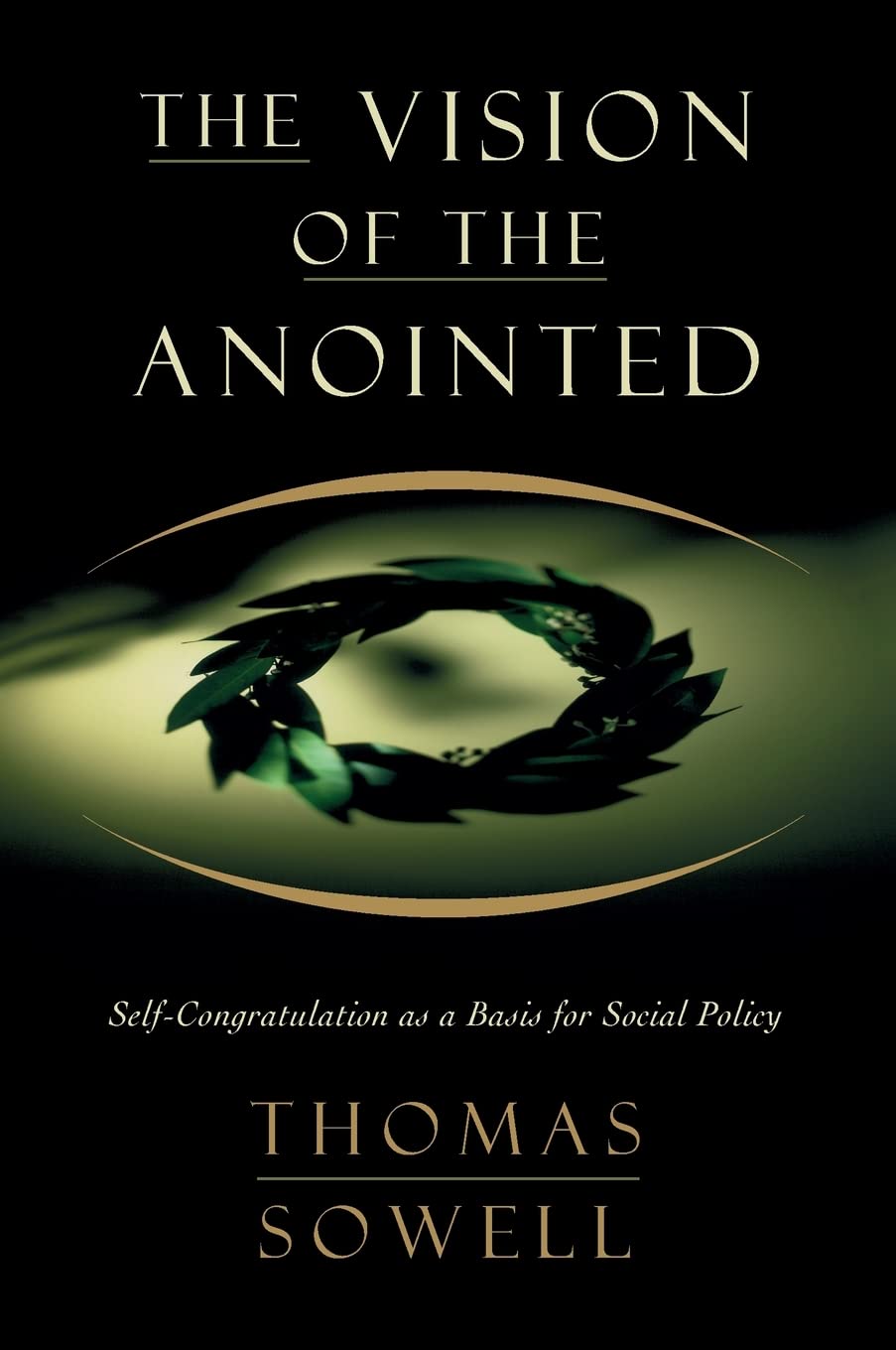
Before addressing the question, Kirk noticed the teacher was holding a copy of "Basic Economics" by Thomas Sowell. Kirk praised both the book and the teacher, calling him a "great teacher" and recommending that everyone read Sowell's work. After offering to sign the book, Kirk turned his attention to answering the educator's question.
Wisdom Versus Knowledge: The Most Important Distinction
Kirk began his response by affirming that the teacher had already identified the most critical element of education: developing wisdom, not just knowledge. He emphasized that this distinction represents the foundation of meaningful education.
According to Kirk, wisdom is the understanding of things that do not change. It represents the most important thing an educator can teach a young person. He contrasted this with the current state of Western institutions, which he described as filled with knowledge-based approaches while lacking wisdom-based frameworks.
Kirk defined wisdom as understanding the deeper, permanent topics that remain true across time—truths that were valid 200 years ago and will remain valid 200 years from now. This timeless quality sets wisdom apart from temporary knowledge or current events.
The Timeless Questions That Build Wisdom
To illustrate what wisdom-based education looks like, Kirk provided specific examples of the fundamental questions young people should grapple with:
Are human beings naturally good or not so good?
What is good?
What is evil?
What is mercy?
What is compassion?
What is justice?
What is truth?
Kirk argued that engaging with these profound questions is far more important than memorizing facts such as the names of the five members of the California legislature. While such information qualifies as knowledge and has its place, it pales in comparison to the value of wisdom.
The Crisis of Wisdom in the West
Kirk described the current situation in Western society as "a crisis of wisdom." He believes that modern institutions have prioritized knowledge acquisition—facts, data, and information—while neglecting the development of wisdom. This imbalance, according to Kirk, creates a generation that knows many things but understands few things deeply.
The crisis extends beyond formal education into broader cultural institutions. When society focuses on what people know rather than how they think about fundamental questions, it produces individuals who may be well-informed but lack the deeper understanding necessary to navigate life's complexities.
Wisdom Is Accessible to Everyone
One of the most encouraging aspects of Kirk's message centers on the accessibility of wisdom. Unlike knowledge, which often requires formal education, special credentials, or college degrees, wisdom is available to anyone at any time.
Kirk emphasized that anybody can be wise, regardless of their educational background or social status. This democratic nature of wisdom makes it particularly valuable as an educational goal. A young person doesn't need to wait for advanced degrees or professional certifications to begin developing wisdom—they can start engaging with timeless questions immediately.
Suffering as the Path to Wisdom
Kirk concluded his response by identifying the most common pathway to wisdom: suffering. He explained that difficult experiences, challenges, and hardships serve as powerful teachers. This is why older people tend to be wiser—they have accumulated years of suffering and learned from those experiences.
The relationship between suffering and wisdom reveals an uncomfortable truth: good times do not make people wise. As Kirk put it bluntly, "Sucky times do." When life is comfortable and easy, people have little incentive to grapple with deep questions or develop the understanding that comes from overcoming adversity.
This insight has implications for how educators approach their work with young people. While no teacher wants students to suffer unnecessarily, understanding that challenges and difficulties contribute to wisdom suggests that shielding young people from all discomfort may actually hinder their development.
Practical Application for Educators
For the after-school teacher who asked the question, Kirk's answer provides a clear framework. Rather than focusing exclusively on academic knowledge or current events, effective education for young people should create opportunities to engage with timeless questions about human nature, morality, justice, and truth.
This approach aligns particularly well with religious education, as many faith traditions center on these exact questions. A religious educator has a natural advantage in teaching wisdom because religious texts and traditions have been grappling with these permanent questions for millennia.
The teacher's concern about corrupted social norms in the West can be addressed not by simply criticizing contemporary culture, but by equipping students with the wisdom to evaluate any culture against timeless principles. When young people understand what is good, true, just, and merciful, they develop the capacity to recognize when society deviates from these standards—and the strength to choose differently.