2,387 videos 1,376,944,188 views US Joined Aug 30, 2018
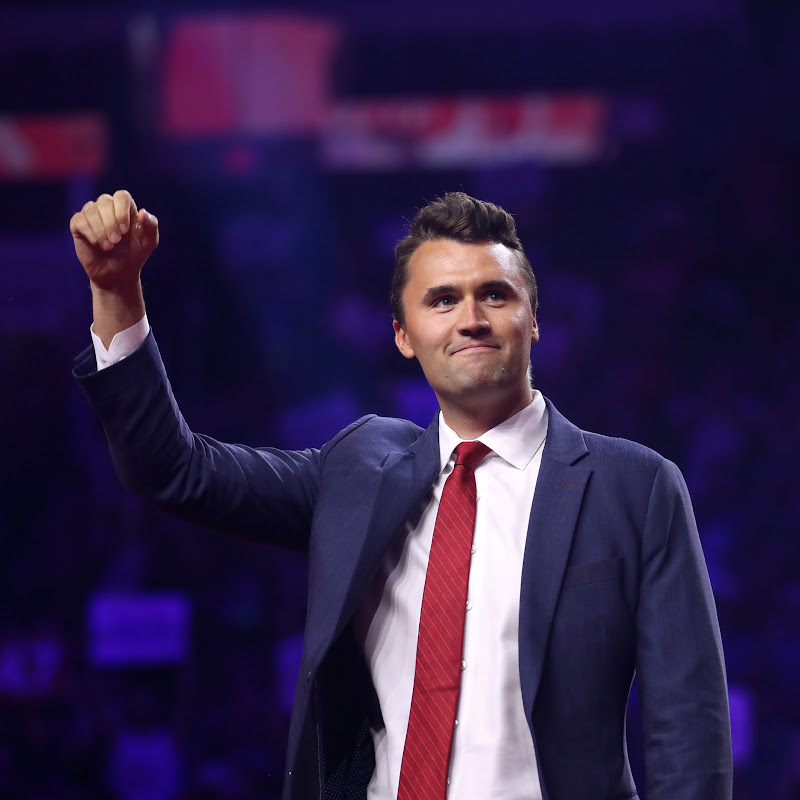
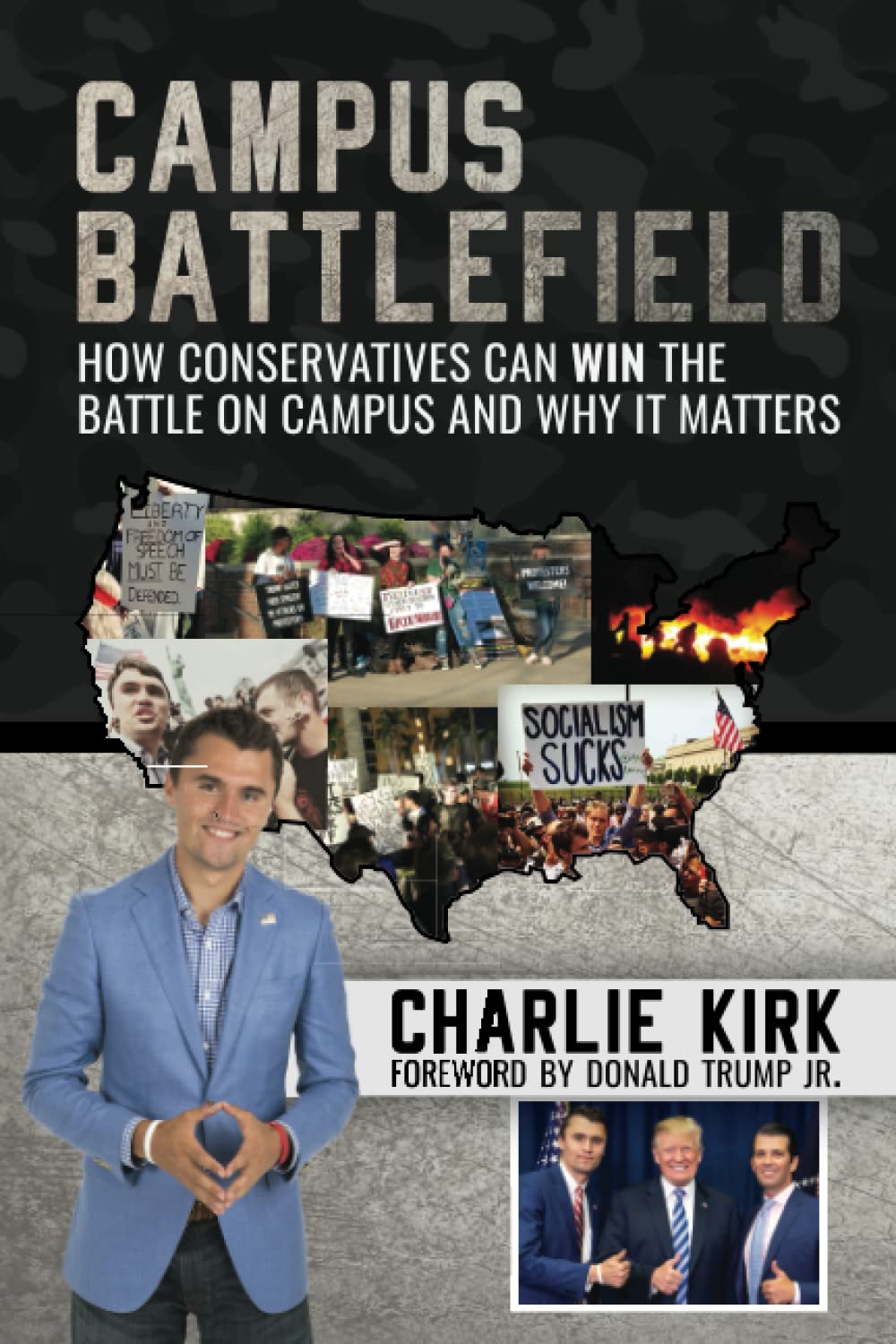
Charlie Kirk is the Founder and President of Turning Point USA, the largest and fastest growing conservative youth activist organization in the country with over 250,000 student members, over 150 full-time staff, and a presence on over 2,000 high school and college campuses nationwide. Charlie is also the Chairman of Students for Trump, which aims to activate one million new college voters on campuses in battleground states in the lead up to the 2020 presidential election. His social media reaches over 100 million people per month and according to Axios, he is one of the "top 10 most engaged" Twitter handles in the world. He is also the host of “The Charlie Kirk Show,” which regularly ranks among the top news shows on Apple podcast charts.
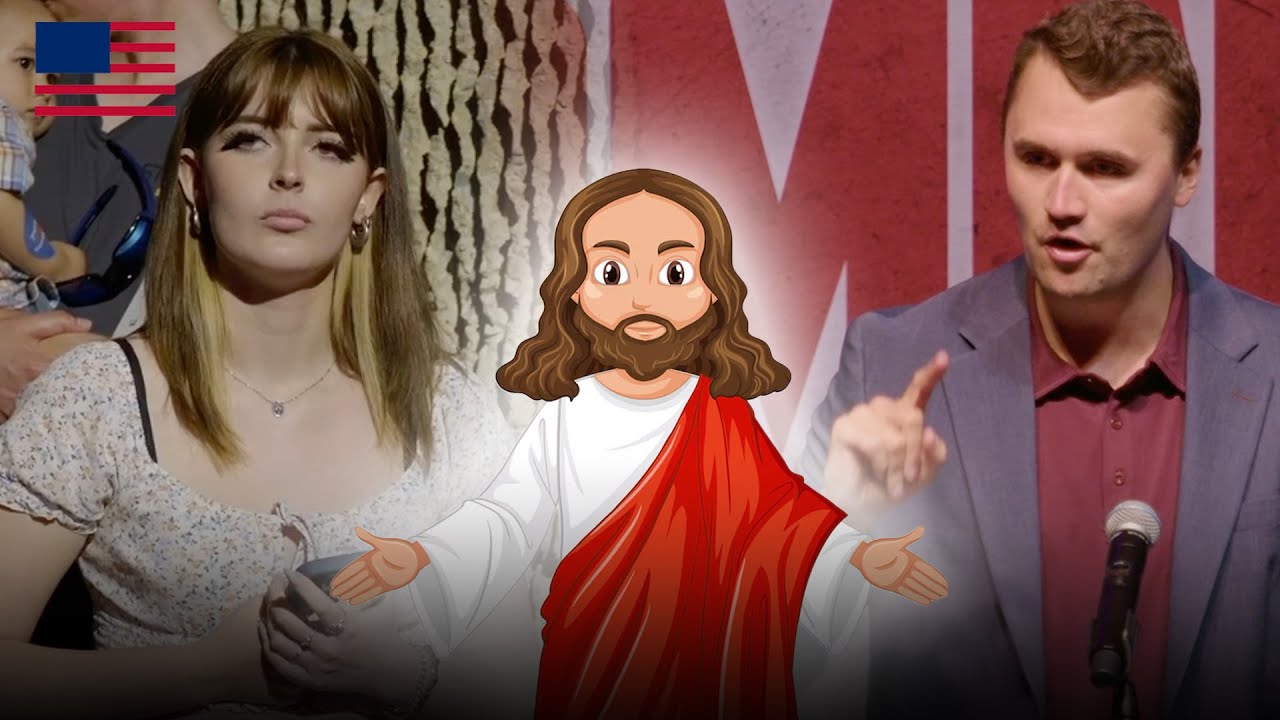
Does Belief in God Make People More Moral? A Heated Debate on Surveillance and Behavior
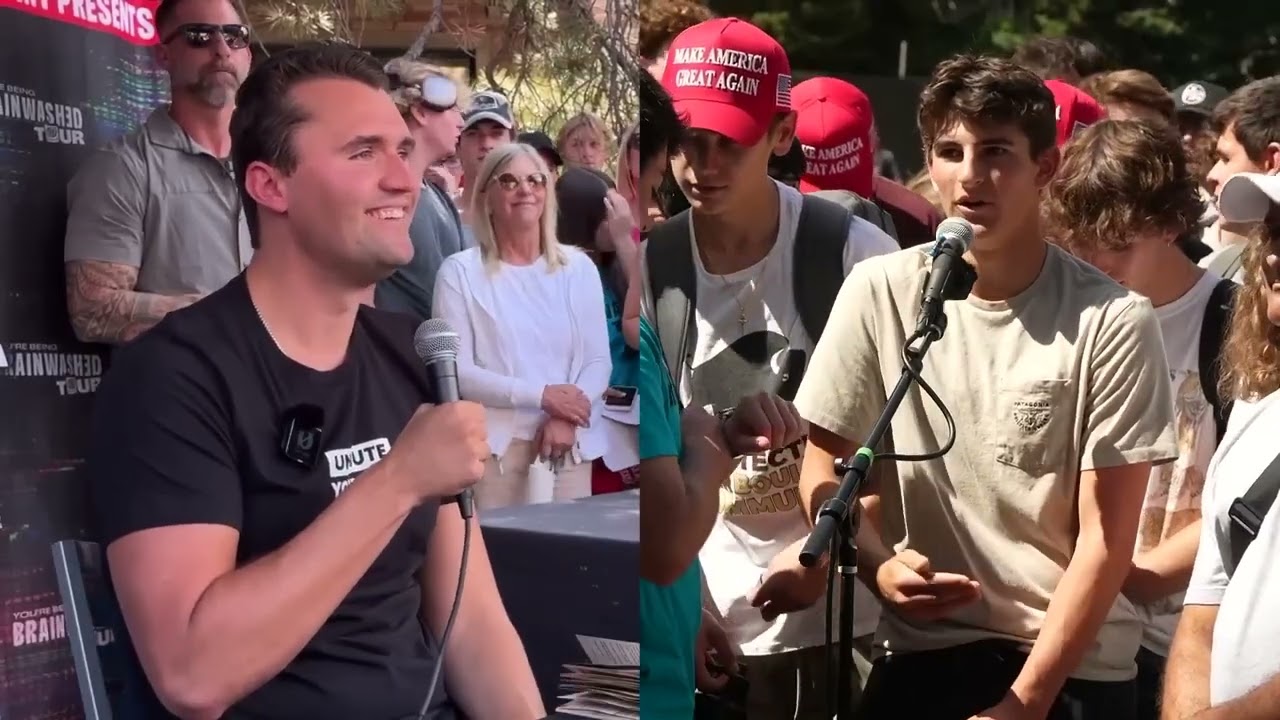
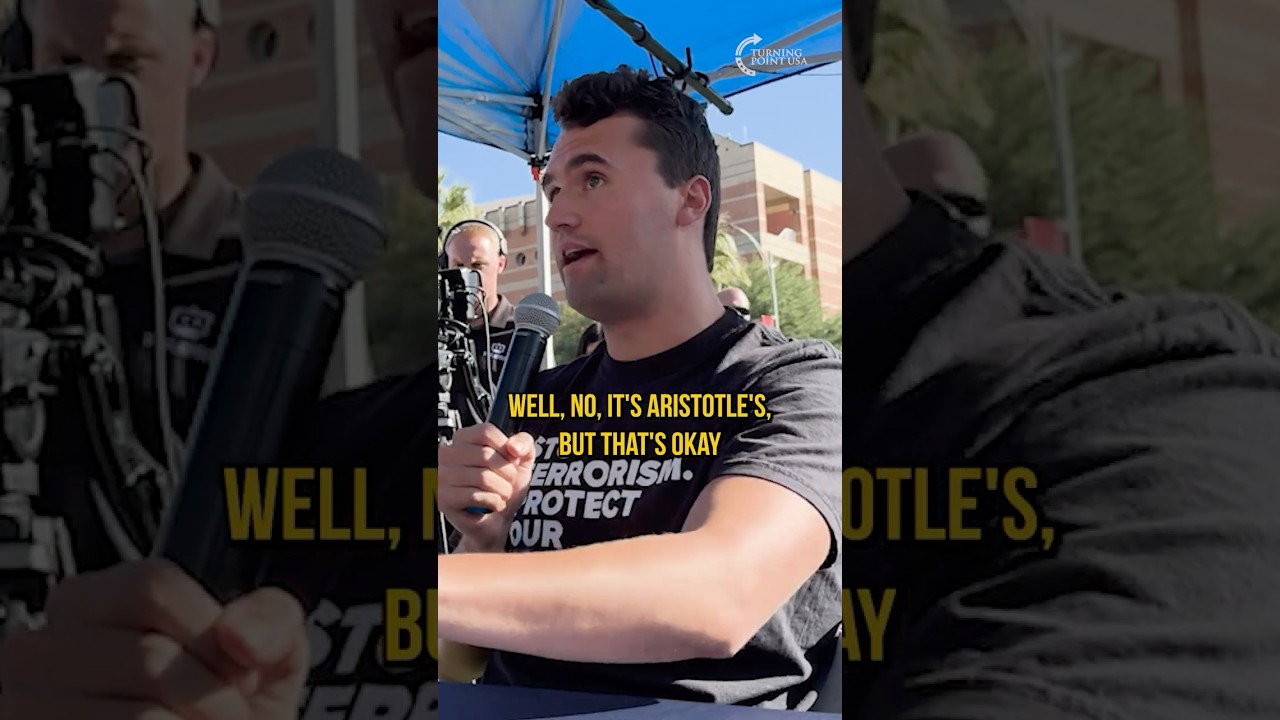
A fiery exchange erupts over whether human behavior changes when people believe they're being watched. The debate centers on a provocative question: if society believed God was observing all their actions, would they behave more ethically? Charlie Kirk argues that the belief in divine surveillance naturally discourages lying, stealing, and cheating. The student insists that true morality comes from internal conviction, not external observation. This conversation touches on fundamental questions about the nature of goodness, the role of accountability in ethics, and whether the concept of the panopticon applies to religious belief.
The debate begins with a straightforward thought experiment: would people commit more crimes or fewer crimes if they knew a police officer was watching them at all times? While the question initially seems off-topic to one participant, it quickly becomes the foundation for a deeper discussion about human nature and morality.
The core argument presented is that people behave differently when they know they're being observed. This leads to the pivotal question: if society believed that God was watching all of their actions, would they behave differently?
The Agreement on Observable Behavior
Both participants find common ground on one point: people do behave differently when they know they're being watched. One participant admits, "I feel like you can't be good without someone there to observe." The acknowledgment is clear—observation does affect behavior.
The question shifts from whether surveillance changes behavior to why it changes behavior. Is the modification in conduct based on fear of consequences, desire for approval, or something more fundamental about human nature?
Internal vs. External Motivation
The conversation reveals a significant philosophical divide. One position holds that belief in divine observation would lead people to be less likely to lie, steal, or cheat. The underlying assumption is that accountability—even to an unseen observer—creates a framework for better behavior.
The opposing view challenges this framework entirely. The counterargument states: "I want to do good because I think it's better for the people around me, not because someone's watching me." This perspective emphasizes intrinsic morality over extrinsic motivation, suggesting that true goodness comes from caring about others rather than fear of being caught.
The Panopticon Parallel
The debate touches on the concept of the panopticon—a theoretical prison design where inmates cannot tell whether they're being watched but must assume they always are. The implication is that belief in an all-seeing God functions similarly: behavior modification through the possibility of constant surveillance.
This raises uncomfortable questions about the nature of religious morality. Is faith-based ethics simply a form of psychological surveillance? Or does it represent something more meaningful about human flourishing and community welfare?
The Unresolved Tension
The conversation ends without resolution, highlighting a fundamental tension in moral philosophy. Can people be taught to be good, or does goodness require enforcement? Is morality sustainable without belief in divine accountability, or does human nature require the guardrails of observation?
These questions extend beyond religious belief to encompass broader discussions about law enforcement, social norms, and the foundations of ethical behavior in any society.