Jason Chaffetz Witnessed Charlie Kirk Assassination Yards Away: Patrick Murphy and C.J. Pearson on Political Violence
Enjoying this? Share it with someone who needs to see it.
Up Next
Sean Hannity Interviews Pennsylvania Senator John Fetterman on Breaking from Democratic Party Orthodoxy
12:22
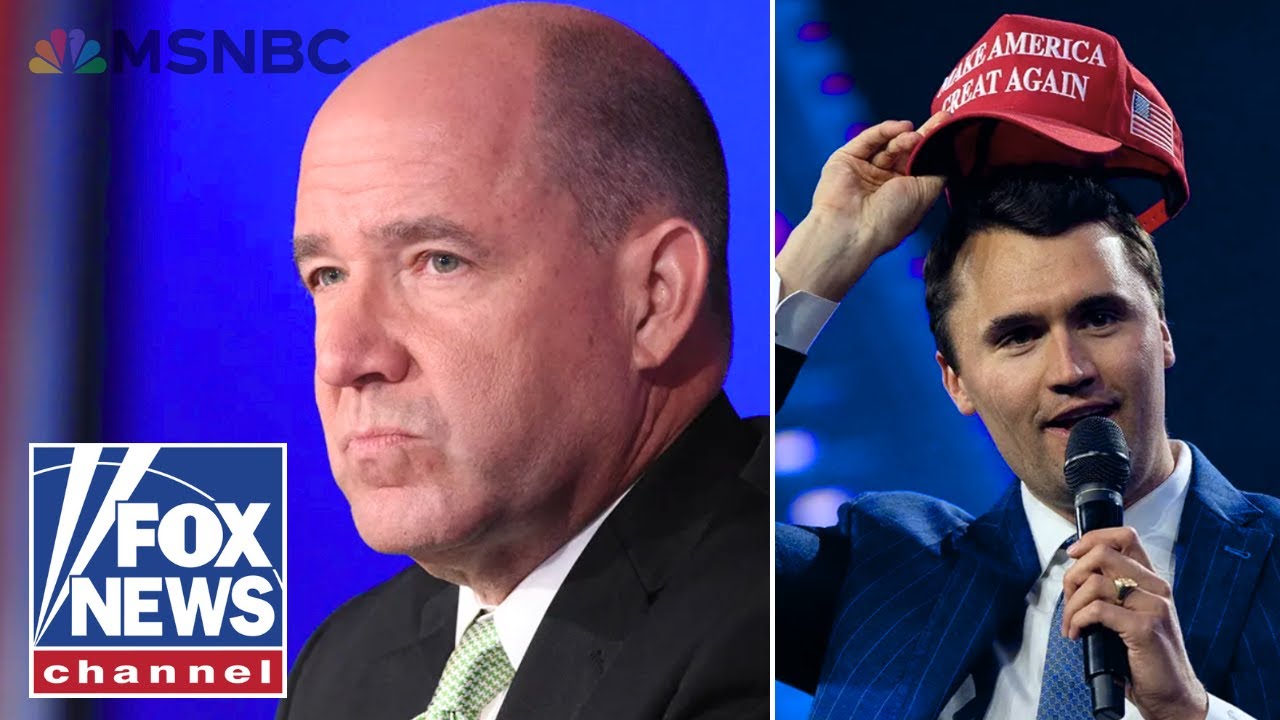
Matthew Marsden and Sara Gonzales on Media Rhetoric, Political Violence, and the War on Free Speech
14:33
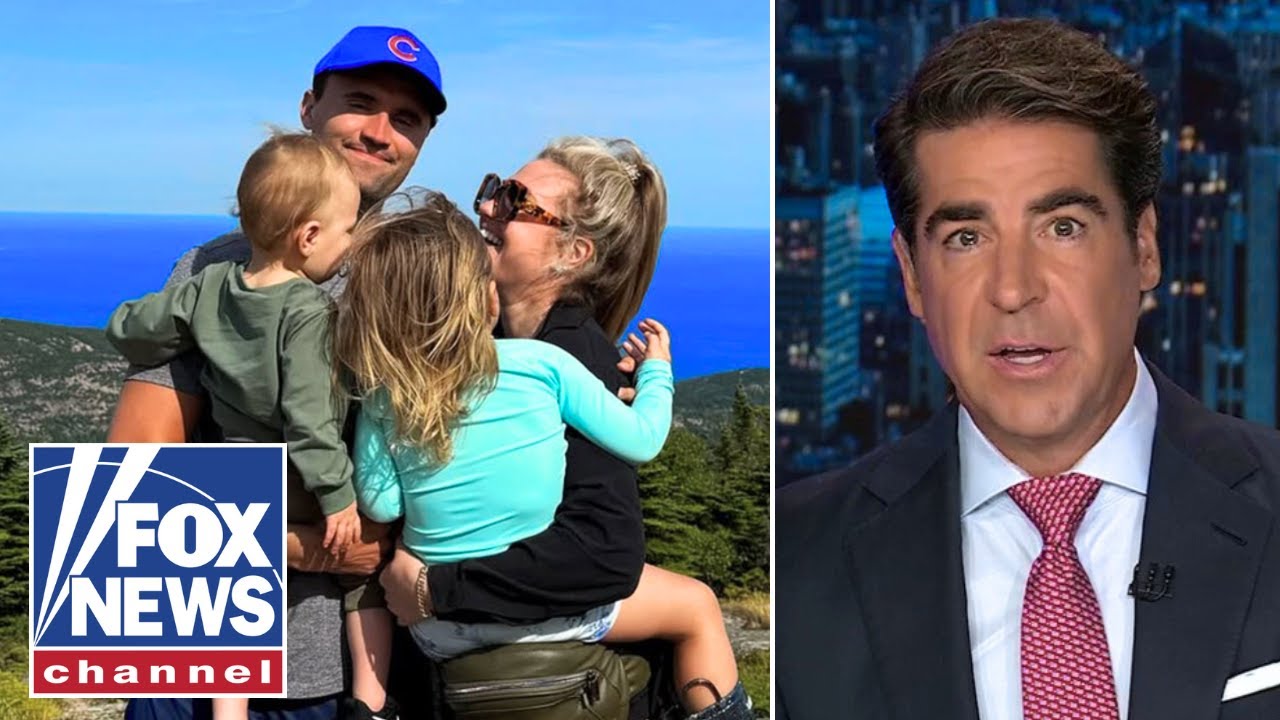
Jesse Watters Blasts MSNBC's Matthew Dowd and Defends Charlie Kirk's Legacy After His Assassination
8:56
Jason Chaffetz Witnessed Charlie Kirk Assassination Yards Away: Patrick Murphy and C.J. Pearson on Political Violence
Jason Chaffetz, former Republican Congressman from Utah, was just yards away when Charlie Kirk was assassinated. In this profound roundtable discussion with Fox News, Chaffetz joins Patrick Murphy and C.J. Pearson, RNC Youth Advisory Co-Chair, to discuss the escalating political violence plaguing America. The conversation reveals chilling details about campus hostility toward conservative voices, the celebration of assassination by some college students, and the urgent need for Americans to find common ground. Pearson shares his ongoing struggle to get Turning Point USA approved on his campus, while Murphy calls for national unity in the wake of tragedy.
Witnessing Tragedy: Jason Chaffetz on the Charlie Kirk Assassination
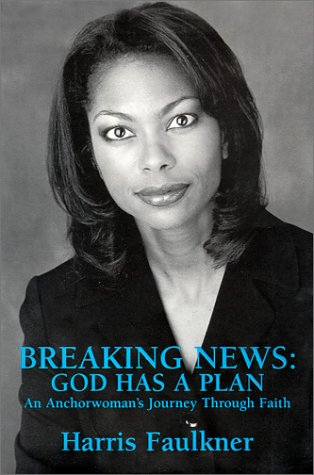
Jason Chaffetz, former Republican Congressman from Utah, was positioned just yards away from Charlie Kirk when the conservative activist was assassinated. Speaking on a Fox News roundtable hosted by Harris Faulkner, Chaffetz joined Patrick Murphy, former Democratic Congressman from Pennsylvania, and C.J. Pearson, RNC Youth Advisory Co-Chair, to address the devastating loss and the broader crisis of political violence in America.
The discussion opened with a sobering statistic: polling data shows that 14% of Americans believe the assassination of President Trump could be completely justified, with additional percentages indicating varying degrees of acceptance for political violence. This alarming trend sets the stage for a conversation about where the nation stands and how Americans can move forward.
The Heavy Burden on Young Conservatives
Harris Faulkner turned first to the younger generation represented on the panel, asking about the weight they feel in carrying forward conservative values in such a hostile environment. The response was both heartbreaking and determined.
"It's heavy," one panelist acknowledged. "To say this is a heartbreak, that's an understatement. Our hearts are heavy but I can tell you how our grief has turned to the stage of anger. So it's important now that we take this anger and turn it into passion. That's what Charlie would want."
The call for activism in the face of tragedy reflects the determination among young conservatives not to let Kirk's death be in vain. However, the challenges they face are profound and deeply concerning.
Campus Hostility and the Fight for Turning Point USA
One of the most disturbing revelations in the discussion came when a current college student on the panel shared his experience trying to establish a Turning Point USA chapter on his campus. The organization, founded by Charlie Kirk, has been blocked from approval for several years.
"We've been unapproved for several years," the student explained. "They disliked Charlie Kirk. They think he's evil and don't like the stance on there's only two genders. This is something I've been fighting for for years. Now more than ever it's something I have to fight for."
Even more disturbing was the reaction on campus to Kirk's assassination. "It's so disheartening to see there's people on my own college campus celebrating this, encouraging the assassination of political figures. That's not okay that this is a rhetoric we're encouraging," the student said.
Despite these obstacles, the student remains hopeful. "We're currently trying to get it approved. I'm hopeful. We have this movement back towards truth on college campuses. We have to model the pursuit and passion."
Faith, Love, and the Path Forward
Harris Faulkner raised a crucial question about how conservatives, particularly those of Christian faith, should respond to such violence and hatred. Referencing Charlie Kirk's well-known Christian faith, she asked whether it's even possible to respond with love when facing such political opposition.
C.J. Pearson addressed the challenge directly, pointing to troubling polling data: "I read a YouGov poll that showed a million people are okay with political violence."
Pearson then made a critical distinction that cut through attempts to equate violence on both sides of the political spectrum. "When I hear people on TV and trying to both sides this issue, it's not a both sides issue. The bullets are coming from left to right. Everything from the Congressional Baseball shooting that we saw, the two assassination attempts at President Trump and now Charlie Kirk. It's happening on the left."
The Language of Violence
The conversation turned to the role of inflammatory rhetoric in creating an environment where political violence becomes acceptable. Faulkner referenced earlier comments from Jimmy Kimmel, emphasizing that "more speech is always better, but it comes with responsibility and expectation."
Pearson offered a straightforward solution: "You can't equate people that have beliefs and loved their God, love their country as the equivalent of Hitler. That would be the bare minimum of this."
Drawing on his Southern roots, Pearson added: "I'm a Georgia boy. I come from the South. When we disagree, we don't beat people up. We say bless your heart and keep it moving. That's what we need to learn. How to have discussions in this country. More speech is what makes America America, not less speech."
A Call for Unity from Patrick Murphy
Former Democratic Congressman Patrick Murphy brought a perspective of cross-aisle dialogue to the conversation. Faulkner referenced his recent writing on Substack, where he argued that "mourning someone is not weakness, it's strength," even when that person held views objectionable to many.
Murphy invoked Cardinal Dolan's words: "Let peace begin with me. Jesus was the prince of peace. That's my Lord and Savior. We all have to be better."
He acknowledged the difficulty of the moment: "It's easy when someone we love is murdered like that from his wife and children... It's easy to dig in your trenches. It's harder to say what can I do to find the humanity in my brothers and sisters? What can I do to say I'm not going to use the language that you mentioned on either side."
The Asymmetry of Political Violence
When Murphy attempted to draw equivalence between calling people "Nazis" and calling Democrats "socialists," the panel pushed back forcefully. Faulkner noted that only one set of terms literally calls for violence, while another panelist pointed out the existence of the Democratic Socialists of America as an actual political organization.
Jason Chaffetz highlighted the radical shift that occurred: "If Pete were like Patrick in Congress or Senator Manchin, you could talk to people. I was friends with a lot of Democrats. There's this radical left part of the party."
He continued: "There was a drumbeat from people, fascists, fascists, fascists, which wasn't true. But something clicked. When Donald Trump was elected, they thought they had permission to lash out and violently. You can look at hundreds of riots. Look at the attack on Steve Scalise, look at the assassination of Charlie Kirk."
Charlie Kirk's Commitment to Dialogue
Perhaps the most poignant moment in the discussion came when Jason Chaffetz shared what he witnessed in Charlie Kirk's final moments. His account reveals the tragic irony of Kirk's assassination—he was killed while actively promoting dialogue and engagement with his critics.
"Charlie Kirk wanted to have debate," Chaffetz recalled. "I was there when Charlie—they started chanting U.S.A., U.S.A. Then they chanted Charlie Kirk was assassinated, Charlie Kirk was assassinated."
In a detail that makes the tragedy even more heartbreaking, Chaffetz described Kirk's response to protesters: "When he came up, there was an LGBT group with the flag. That's why I assume that they—he leaned up and he said it to them, come on. Come down here. Join the discussion. I haven't seen that video. He did lean out and invite them to come down. He would put people that disagreed with them at the front of the line."
Chaffetz concluded: "We need more of that. What did they do? They assassinated him. They killed him. He was so effective. And the argument. That's what is tragic about this."
The Escalating Threat Environment
Patrick Murphy provided sobering context about the deteriorating security situation for public figures in America. He recalled serving in Congress with Jason Chaffetz and referenced the 2011 shooting of their colleague Gabby Giffords.
"The attacks then were a couple thousand on members of Congress, or threats," Murphy noted. "Now it's over 9,000. It's more than tripled since our time in Congress."
This statistic underscores the urgency of the conversation and the need for Americans to find a way back from the brink of widespread political violence.
Finding Common Ground
Despite their political differences, the panelists found agreement on the fundamental principle that violence has no place in American political discourse. Murphy emphasized: "We got to do a better job as Americans because divided we're going to fall. We have to stand united. It's okay to disagree as long as you're not being disagreeable about it."
Harris Faulkner closed the segment by emphasizing the importance of intergenerational dialogue and wisdom. "It's important to have these conversations. It's important for you all to see it have it. I have an Alpha and Gen Z at home. It's critical. Lean on those of us that have seasoning."
The roundtable discussion served as both a mourning of Charlie Kirk and a call to action for Americans to reject political violence and rediscover the art of civil disagreement. As the nation grapples with this latest tragedy, the words and example of those who knew Kirk best offer a path forward—one rooted in dialogue, faith, and the determination to preserve what makes America exceptional.