Jason Riley Chronicles Thomas Sowell: The Brilliant Scholar America Refuses to Acknowledge Despite Decades of Evidence-Based Research
Enjoying this? Share it with someone who needs to see it.
Up Next
Jason Riley Explores the Life and Work of Thomas Sowell: America's Greatest Living Philosopher
56:58
Charlie Kirk Explains How Turning Point USA Is Fighting the Cultural Marxist Takeover of College Campuses Across America
50:59
Allen Guelzo Reveals Abraham Lincoln's Mastery of War, Government, and the End of Slavery
5:52
Jason Riley Chronicles Thomas Sowell: The Brilliant Scholar America Refuses to Acknowledge Despite Decades of Evidence-Based Research
Jason Riley, senior fellow at the Manhattan Institute, presents the remarkable story of Thomas Sowell, an economist, historian, and philosopher whose six-decade career and 40-plus books have profoundly shaped conservative thought. From his humble beginnings in Depression-era North Carolina to becoming a senior fellow at Stanford's Hoover Institution, Sowell transformed from committed Marxist to champion of free markets. Riley explores why Sowell's evidence-based critiques of welfare programs, racial preferences, and civil rights orthodoxy have made him a pariah among left-leaning intellectuals, even as his work garners millions of views online and influences countless readers seeking honest analysis on race, economics, and social policy in America.
Thomas Sowell stands as an economist, historian, philosopher, and one of the greatest social theorists America has ever produced. In a career spanning six decades, he has published more than 40 books and written thousands of newspaper columns on topics ranging from economic history and political philosophy to social inequality, education, and race. Despite these accomplishments, he might be the most important scholar many Americans have never heard of.
Born during the Great Depression in rural North Carolina in a home with no electricity, Sowell was orphaned when he was just a toddler. Taken in by a distant relative, he grew up in New York City's Harlem neighborhood. An unruly teen, he was obviously intelligent and obviously full of anger. The latter initially overwhelmed the former. He dropped out of high school, left home at age 17, and lived in a shelter for homeless boys where he kept a knife under his pillow at night for protection.
The Marines and the Path to Harvard
The Marines saved him. It wasn't by choice—he was drafted during the Korean War. In the military, he gained habits of personal discipline and developed self-control. He taught pistol shooting and learned photography, which became a lifelong hobby.
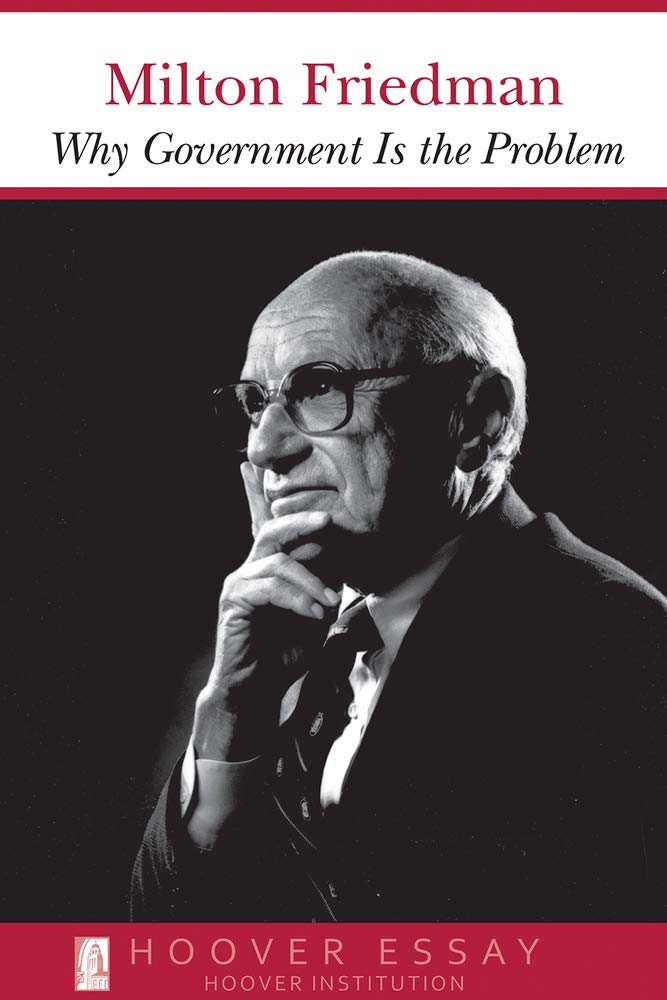
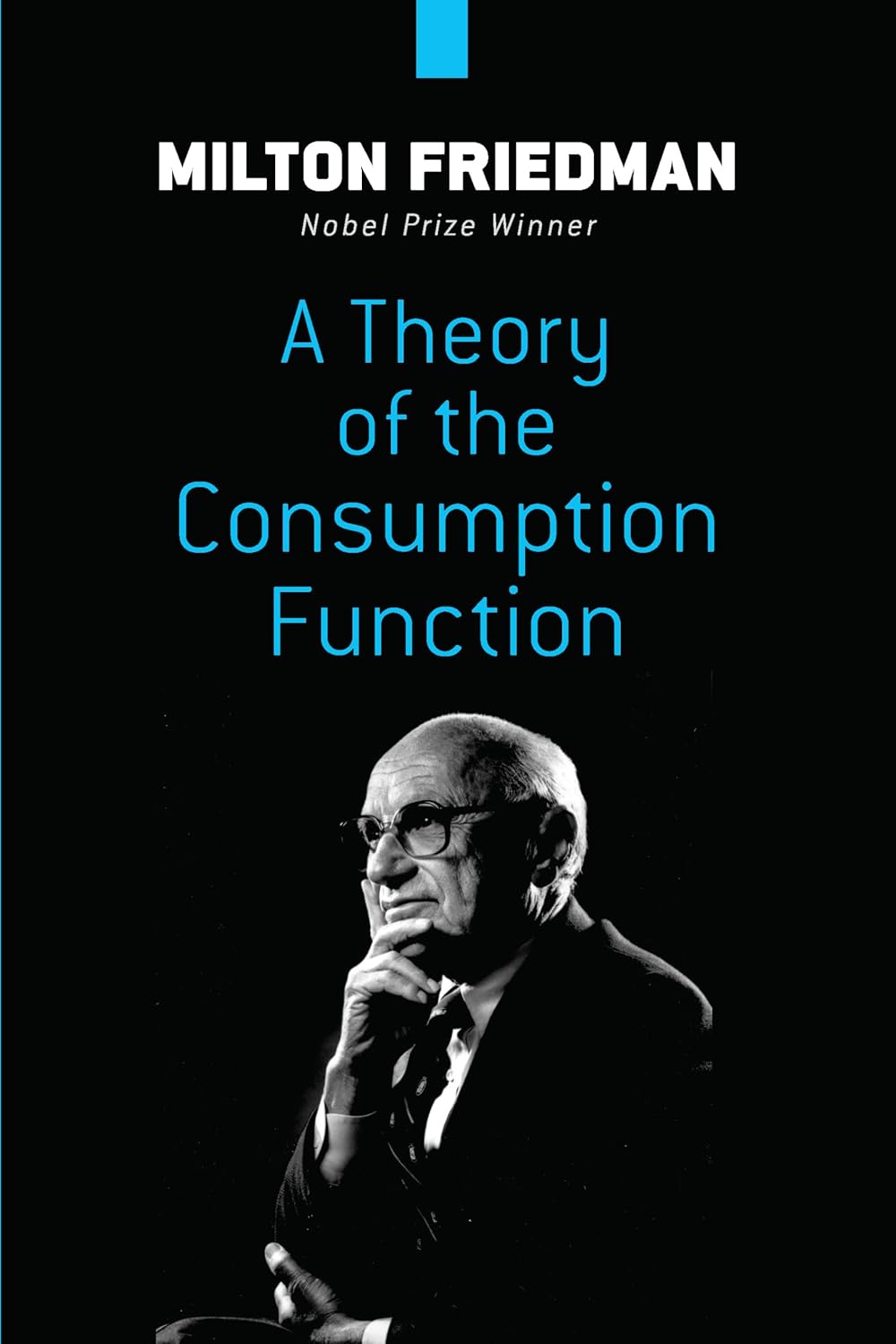
After leaving the Marines, he went to college on the G.I. Bill, eventually graduating from Harvard and doing additional studies at the University of Chicago under the guidance of the legendary economist Milton Friedman.
The Journey from Marxism to Free Markets
He began his intellectual journey as a committed Marxist, but soon reached a life-altering conclusion: Marxism didn't work. After studying the effects of various government regulations, including minimum wage laws, he concluded that free markets were a far better alternative, particularly for disadvantaged groups.
"Many attempts at redistributing wealth," he later wrote, "have ended up redistributing poverty."
In the 1960s and 70s, Sowell taught economics at Amherst, Cornell, and UCLA, distinguishing himself as one of the country's top experts on economic history. Since 1980, he has been a senior fellow at the Hoover Institution at Stanford.
Knowledge, Decisions, and Controversial Insights
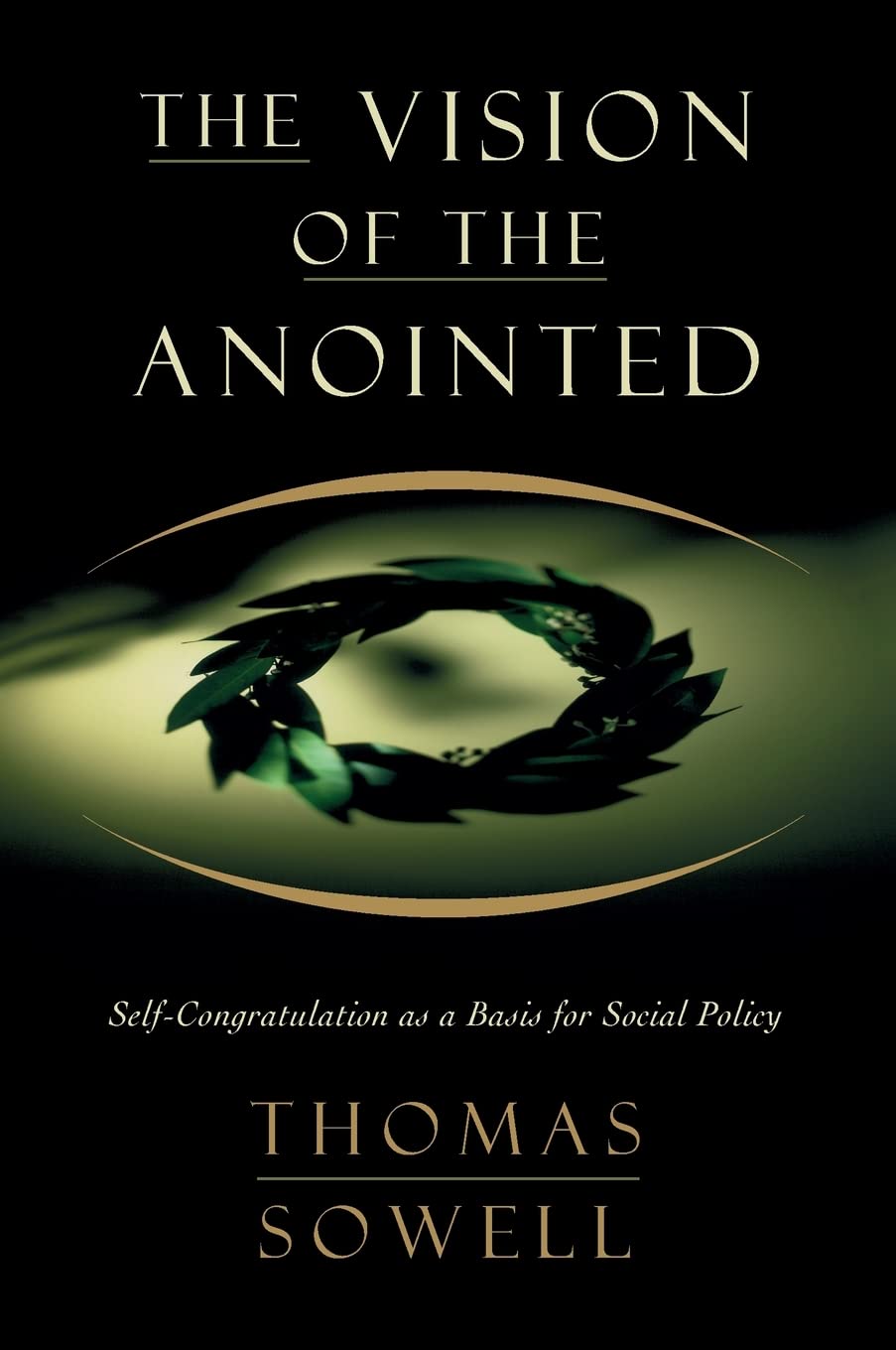
It was around this time that Sowell turned his attention to social theory and political philosophy, writing books like Knowledge and Decisions and A Conflict of Visions, which many consider to be his best professional work. He also began writing more about racial controversies, which is why he's not as well-known and appreciated today as he should be.
Sowell has been a vocal critic of civil rights leaders and of liberalism's misguided efforts to help the black poor. His targets over the decades have included welfare programs, racial preferences, multiculturalism, and opposition to school choice. Sowell brings the same empirical approach to writing about social policy that he brings to writing about economics.
His focus is on the facts and the evidence. The actual results of a policy matter much more to him than the good intentions of politicians and policy makers.
Stage One Thinking and Long-Term Consequences
This approach is perfectly captured in his concept of "Stage One" thinking. Liberal politicians propose expensive policy solutions and never ask the only questions that really matter: what are the long-term costs and consequences? In other words, what happens beyond stage one?
By the time these costs and consequences fully manifest themselves—and they're usually disastrous—the politicians who originally set the policies in motion are long gone. They've derived all the political benefit and paid none of the cost.
Race, Culture, and Economic Advancement
In books like Race and Culture, Sowell has demonstrated racial preferences are counterproductive; that political power is not necessary to advance economically. And that racial discrimination cannot be used as a blanket explanation for disparities in employment, education, and income.
He has also shown how a racial or ethnic group's self-development—acquiring certain attitudes and behaviors—has far more bearing on economic advancement than how a group is treated by society at large. The Chinese in Malaysia and the Jews in Eastern Europe are among many examples of minority groups who have risen economically, despite being the targets of bias and discrimination.
Why the Mainstream Ignores Him
To those who use racism as an all-purpose explanation for racial inequality, Sowell's views have made him a pariah. Unable to counter his rigorous, evidence-based scholarship, left-leaning intellectuals, political activists, and mainstream media prefer to ignore him. That's why so many people today are aware of names like Ta-Nehisi Coates, Ibram X. Kendi, and Cornel West—but not Thomas Sowell.
His Profound Impact Despite Institutional Resistance
To say that Sowell has not had the impact he should is not the same as saying he has not had a profound impact on the thinking of a vast number of people. A fan account on Twitter has more than 700,000 followers. Videos of him on YouTube have millions of views. Mention his name to any conservative and you'll hear Sowell spoken of in reverential terms.
Indeed, he matters today more than ever. That's because we're still debating topics he has written volumes about, like social justice, slavery reparations, and critical race theory.
And Sowell matters because he's that rarest of species: a brave and honest intellectual. We need a hundred more just like him.
Video Transcript
He’s an economist, a historian, a philosopher,
and one of the greatest social theorists America
has ever produced. In a career spanning six
decades, he’s published more than 40 books
and written thousands of newspaper columns
on topics ranging from economic history
and political philosophy to social
inequality, education, and race.
His name is Thomas Sowell, and he might be the
most important scholar you’ve never heard of.
Born during the Great Depression in rural
North Carolina in a home with no electricity,
Sowell was orphaned when he was just a
toddler. Taken in by a distant relative,
he grew up in New York City’s Harlem neighborhood.
An unruly teen, he was obviously intelligent
and obviously full of anger. The latter
initially overwhelmed the former.
He dropped out of high school, left
home at age 17, and lived in a shelter
for homeless boys where he kept a knife
under his pillow at night for protection.
The Marines saved him. It wasn’t by choice. He was
drafted during the Korean War. In the military,
he gained habits of personal discipline and
developed self-control. He taught pistol
shooting and learned photography,
which became a lifelong hobby.
After leaving the Marines, he went to college on
the G.I. Bill—eventually graduating from Harvard
and doing additional studies
at the University of Chicago
under the guidance of the legendary
economist Milton Friedman.
He began his intellectual journey as a committed
Marxist, but soon reached a life-altering
conclusion: Marxism didn’t work. After studying
the effects of various government regulations,
including minimum wage laws,
he concluded that free markets
were a far better alternative,
particularly for disadvantaged groups.
“Many attempts at redistributing wealth,” he later
wrote, “have ended up redistributing poverty.”
In the 1960s and 70s, Sowell taught
economics at Amherst, Cornell, and UCLA,
distinguishing himself as one of the
country’s top experts on economic history.
Since 1980, he’s been a senior fellow
at the Hoover Institution at Stanford.
It was around this time that Sowell
turned his attention to social theory
and political philosophy, writing books like
Knowledge and Decisions and A Conflict of Visions,
which many consider to be his best professional
work. He also began writing more about racial
controversies, which is why he’s not as
well-known and appreciated today as he should be.
Sowell has been a vocal critic of civil rights
leaders and of liberalism’s misguided efforts
to help the black poor. His targets over
the decades have included welfare programs,
racial preferences, multiculturalism, and
opposition to school choice. Sowell brings the
same empirical approach to writing about social
policy that he brings to writing about economics.
His focus is on the facts and the evidence.
The actual results of a policy matter much more
to him than the good intentions of politicians
and policy makers. This is perfectly captured
in his concept of “Stage One” thinking. Liberal
politicians propose expensive policy solutions and
never ask the only questions that really matter:
what are the long-term costs and consequences?
In other words, what happens beyond stage one?
By the time these costs and consequences
fully manifest themselves—and
they’re usually disastrous— the politicians
who originally set the policies in motion
are long gone. They’ve derived all the
political benefit and paid none of the cost.
In books like Race and Culture,
Sowell has demonstrated racial
preferences are counterproductive;
that political power is not necessary to advance economically. And that racial discrimination
cannot be used as a blanket explanation for
disparities in employment, education, and income.
He’s also shown how a racial or ethnic group’s
self-development—acquiring certain attitudes
and behaviors—has far more bearing on economic
advancement than how a group is treated by society
at large. The Chinese in Malaysia and the Jews in
Eastern Europe are among many examples of minority
groups who have risen economically, despite
being the targets of bias and discrimination.
To those who use racism as an all-purpose
explanation for racial inequality,
Sowell’s views have made him a pariah.
Unable to counter his rigorous, evidence-based
scholarship, left-leaning intellectuals,
political activists, and mainstream media prefer
to ignore him. That’s why so many people today
are aware of names like Ta-Nehisi Coates, Ibram
X. Kendi, and Cornel West—but not Thomas Sowell.
To say that Sowell has not had the impact
he should is not the same as saying he has
not had a profound impact on the thinking of a
vast number of people. A fan account on Twitter
has more than 700,000 followers. Videos of him
on YouTube have millions of views. Mention his
name to any conservative and you’ll hear
Sowell spoken of in reverential terms.
Indeed, he matters today more than ever.
That’s because we’re still debating topics
he’s written volumes about, like social justice,
slavery reparations, and critical race theory.
And Sowell matters because he’s that rarest
of species: a brave and honest intellectual.
We need a hundred more just like him.
I’m Jason Riley, senior fellow
at the Manhattan Institute
and author of Maverick: A Biography of
Thomas Sowell, for Prager University.