Up Next

Beau Mason and FBI Announce Charlie Kirk Shot at Utah Valley University Event

Beau Mason and FBI Announce Charlie Kirk Shot at Utah Valley University Event

14:36

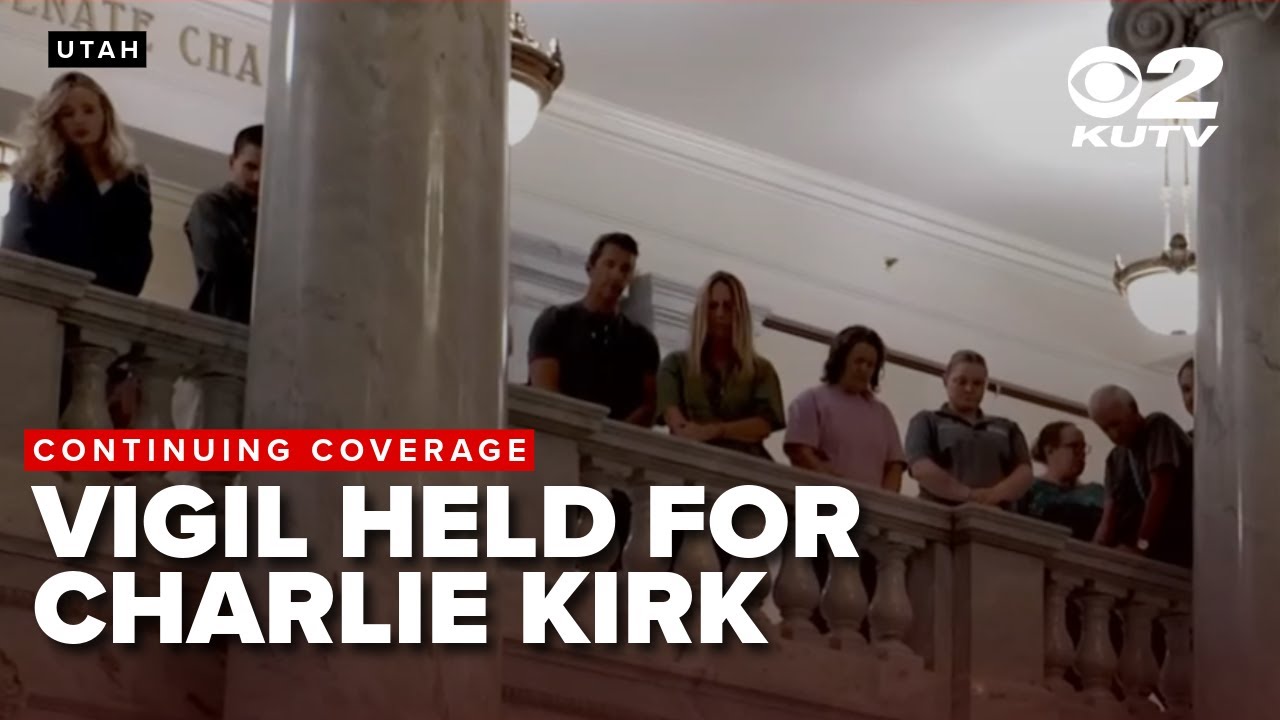
House Resolution 719 Honors Charlie Kirk Following Tragic Assassination on September 10th

House Resolution 719 Honors Charlie Kirk Following Tragic Assassination on September 10th

35:15

Utah Valley University Witnesses Mourn After Fatal Shooting of Charlie Kirk at Campus Rally

Utah Valley University Witnesses Mourn After Fatal Shooting of Charlie Kirk at Campus Rally

2:52

Jim Spiewak Interviews Four Witnesses to the Charlie Kirk Assassination at Utah Valley University

Categories: Analysis News
October 30, 2025

Jim Spiewak sits down with four strangers who witnessed the assassination of Charlie Kirk at Utah Valley University on September 10th. Jason Behunin, Christian Overton, Kurt Liechty, and 15-year-old Carter Lloyd were all in the crowd during the Prove Me Wrong tour when a single gunshot turned a political debate into a crime scene. In this powerful interview, they share what they saw, how they've been coping with trauma, and what that moment taught them about the fragility of free speech in America. From sleepless nights to starting support groups, these witnesses reveal how one act of violence changed their lives forever, and why they still believe in the power of conversation.

A Day That Started With Hope

September 10th was supposed to be about conversation and ideas. Thousands gathered on the campus of Utah Valley University for Charlie Kirk's Prove Me Wrong tour—a chance to engage in open debate and political discourse. Jason Behunin arrived early, working his way to the front row despite not having followed Kirk closely before. He remembered the energy being palpable, the crowd cheering and fist-bumping as they waited for the event to begin.

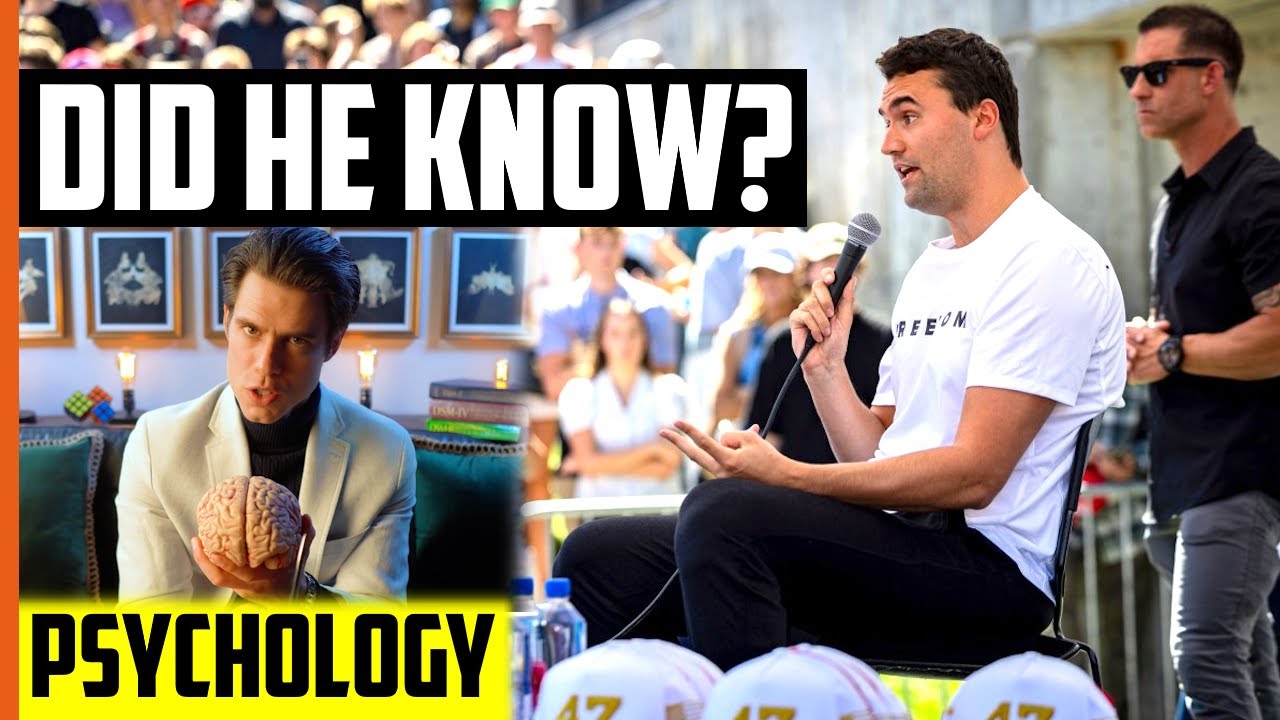
Christian Overton and his son secured a prime spot just off the stage after talking to security. They waited about half an hour, looking at each other in disbelief at their luck. When Charlie arrived and started throwing out hats, personally handing one to Christian's son, the excitement was overwhelming. The young man took off his hat and put on the "47" hat with pride.

Fifteen-year-old Carter Lloyd came with her mother and sister. Politics was a family passion, and when they heard Charlie Kirk was coming to UVU, the decision was easy. They all agreed with his message—why not go see him in person?

Kurt Liechty, a combat veteran and former law enforcement officer, was there with his two sons. The rally-like energy surrounded the speaker that many had followed for years.

The Moment Everything Changed

At 2:23 p.m., a single sound shattered everything. Jason described it as almost impossible to process. "There's no way this is happening here," he thought. Christian and his son immediately took a knee, their first thought being that this was a mass shooting and more shots would follow. When only one shot rang out, they realized this was targeted specifically at Charlie.

Kurt looked over when he heard the pop, thinking someone had lit off a firework. But when he looked back at Charlie, he saw the hole in his neck. The former combat veteran and police officer knew immediately—Charlie was dead on impact. He grabbed his son and took him down, unsure if more shots would follow.

Carter remembers the simple details—turning around to see her mom smiling while recording, seeing Charlie's book on the ground, people chanting "USA." Then in a single second, everything changed. She went numb, confused, waiting for confetti to pop out. Until she looked at Charlie and "the life just goes out of his eyes." She remembers falling to the ground, seeing her mom hyperventilating, her older sister Jordan's face in absolute shock. A man jumped on top of her sister yelling "Stay down." When she looked back, she saw Charlie's body being carried out, covered in blood. "You just feel absolute terror," she said. "I just remember thinking, am I going to die or are they going to keep on shooting?"

Jason was there with his son in the red hat, visible in photos just off to Charlie's right. The cheers collapsed into chaos. People were running everywhere, shouting. As police locked down campus, Kurt and his sons began helping others, trying to find people they could console, getting people rides, helping them call their mothers.

The Aftermath and the Struggle to Process

All four witnesses left with images that still won't fade. The process of healing has been messy and personal. Jason couldn't sleep for the first couple of weeks, staying up until 2 a.m. trying to correct people online who were saying things about what happened. "This is my school, this is my kid's school," he emphasized.

Christian started a Facebook support group for anyone who was there. He knew immediately that his path to healing would be to attempt to help others process what they witnessed. "From a therapy standpoint, I think that has helped me quite a lot," he explained. His son has been given space to process, with therapy support available, but Christian acknowledges they're both still figuring out how to deal with it.

Kurt admits he kind of buried it down, never really talking about it except to Christian and his wife. "I can't look at UVU anymore," he said. "It's just hard to look at UVU as you're driving down because I witnessed something that was tragic." He described himself as liking to think he's pretty resilient, but the memory resurfaces at the least expected times.

For Carter, the first two weeks were really hard. She still thinks about it, sometimes as the first thing in the morning. Loud sounds in her classroom are difficult. Normal things aren't normal anymore. "We can't do fireworks because that just brings us back," she told her mom. Even seeing a UVU sign triggers memories of the shooting.

Finding Purpose in the Pain

But Carter has found her own kind of therapy. She helped start a Turning Point USA chapter at her high school. "It united us as students, as kids of the country, like what Charlie wanted us to do," she explained. More people have joined the club, and she's excited to see the patriotism and passion. "I think it's therapeutic," she said. "It's a lot better than sitting on the couch and scrolling on TikTok. It's just nice seeing good in the world. It's something that I need to see because what I saw was not good."

Carter has deleted TikTok and started joining clubs—something she used to think was weird. She wants to experience the real world and talk to people face to face more. "I have so many friends that have different beliefs in me and religion and politics, but I treat them exactly how I'd want to be treated," she said.

Grappling With Justice

Processing the shooting has also meant reckoning with what justice should look like. When asked about the death penalty, Jason aligned with Charlie Kirk's views. "The death penalty really is about valuing life. For those who don't value life enough to take someone else's life, there needs to be the consequence for that."

Kurt, who used to work for the Department of Corrections on death row, expressed frustration that many convicted individuals sit for years before expiring of natural causes without seeing the penalty carried out.

Carter struggled with the balance. "It's hard because it's harsh, but also you do need justice. I think it's okay for the death penalty because it not only was just killing Charlie, but it was attack on American people's rights and speech." She emphasized the danger of being killed just for speaking your opinion, noting the need for balance between too much justice and too much mercy.

Choosing Hope Over Fear

Even with everything they've seen, none of them want fear to win. Jason declared, "This isn't going to detour me because good will always outweigh evil in the world. And we can't live in fear."

When asked what emotion wins out now, Christian answered without hesitation: "Hope. Hope for a better tomorrow. Hope for a greater cause to prevail. For more love, for more coming together in unity."

Jason echoed this sentiment: "I'm still reeling from the deep, deep loss, but choosing hope like Christian, it's the only way forward."

Carter was more honest about her struggle. "I wish I had more hope than fear right now. I definitely am living in fear, but I want to change that. I definitely want to take my next steps in faith." But seeing how people are coming together to support and comfort each other gives her hope for healing and moving forward together.

Lessons for a Divided Nation

For Jason, the assassination was a meaningless tragedy, but it shouldn't stop open debates. "Doesn't matter if it's politics or about school or whatever, but have open debates. If you have a friend who's a liberal or a Republican or whatever, who cares? Have that open discussion with them. If they don't agree with you, move on and go fishing."

He admits this event opened his eyes beyond his little bubble of family and personal concerns. "Unfortunately we can't have that debate without a threat of violence somewhere coming from somewhere. I'm kind of hoping that we can move on and heal from this and have that open discussion in front of people without the fear of violence of some sort."

Kurt emphasized the need "to have courage to stand up for what's right and also learn how to speak to people who you may not agree with. I think we think in America that if I'm Republican, I can't be friends with a Democrat. I think we need to learn how to debate and talk to each other respectfully."

Carter's message is about paying attention to what matters: "How much our world has changed and how we should pay more attention to what's happening instead of caring about stupid things." Her advice? Get off your phone, join clubs, experience the real world, and talk to people face to face.

Christian advocates for asking good questions rather than criticizing or demanding you're right. "Charlie set a good example of asking questions. I think a lot of times if you ask questions and help them find out for themselves what they believe or where there's a mismatch in their words and their actions, I think they can get to the bottom of it."

Kurt believes approaching any discussion from a place of love matters most: "If you approach anyone or any discussion from a place from your heart, place of love, regardless of the message, they know you care."

Carter treats everyone with the same respect: "I hear them out instead of getting mad or just going crazy on them. I treat them like a normal human being. I treat them as my friend. They're no different from me. We're all just trying to get through this life and stay strong."

Forever Changed But Still Believing

For those who were there, September 10th will always be the day a debate turned into a crime scene—a reminder of how quickly conversation turned into violence. They all saw the exact same thing but are processing it very differently. The event changed them profoundly.

But they also agree on one thing: they still believe in the power of conversation. Despite witnessing the ultimate act of violence against free speech, these four strangers forever linked by tragedy refuse to let fear silence them. They carry forward Charlie Kirk's mission of open dialogue, asking genuine questions, and treating those who disagree with respect and love.

Their message is clear: the fragility of life demands that we cherish our freedoms, engage meaningfully with one another, and choose hope over fear—even when darkness seems to have won.

Comments

Be the first to comment on this video.

Video Transcript

[00:00] September 10th, a day that was supposed

[00:02] to be about conversation and ideas,

[00:04] turned into a public assassination on

[00:06] the campus of Utah Valley University.

[00:08] Charlie Kirk was gunned down in front of

[00:10] thousands of people who were there to

[00:12] see him during his college campus tour.

[00:14] But these four, who did not know each

[00:16] other before that day, agreed to come

[00:18] back to the campus and sit down with me

[00:20] and talk about what they saw, how they

[00:22] have been coping, and what that incident

[00:25] taught them about America today.

[00:27] >> People were running everywhere shouting.

[00:29] Four strangers forever linked by a

[00:31] single moment they can't unsee at

[00:33] Charlie Kirk's Prove Me Wrong tour.

[00:35] Jason Behunan, Christian Overton, Kurt

[00:38] Liky, and 15-year-old Carter Lloyd all

[00:41] stood somewhere in the crowd on

[00:43] September 10th. Jason is in the red hat

[00:45] in this picture just off to Charlie's

[00:48] right.

[00:48] >> When I was coming into UVU, this is I

[00:51] hadn't been following Charlie Kirk very

[00:52] much at all except for the last few

[00:55] months. I didn't really know much what

[00:57] about Turning Point or anything like

[00:58] that. I was like, "Oh, he still has

[01:00] tickets." I checked online and went to

[01:02] UVU and got the ticket or went to

[01:04] Turning Point, got the tickets to come

[01:05] in and came in about 45 minutes early

[01:08] and worked my way all the way down into

[01:09] the front row.

[01:10] >> A rallyike energy surrounding a speaker

[01:12] others had followed for years.

[01:14] >> I was just to Charlie's right, maybe 30,

[01:17] 40 feet up, and the excitement was

[01:19] there. It was palpable. The energy we

[01:21] were cheering and fist bumping the

[01:24] charisma and the the charm and the

[01:27] wisdom out of this guy is just

[01:28] incredible.

[01:29] >> Christian, where were you in relation to

[01:32] the stage to the tent and what do you

[01:34] remember about it?

[01:35] >> We noticed that there was a little place

[01:36] um where you could stand off from the

[01:38] stage and so I said, "Well, why don't

[01:39] you stay here? I'll run down and talk to

[01:42] the security that were coming in at that

[01:44] time to see if we could stand there."

[01:47] and we got down there and I talked to

[01:49] him and then waved him to come down. So

[01:52] that's where we were at and we waited

[01:54] about a half hour really excited. We

[01:56] kept looking at each other going, "Are

[01:58] you kidding me? We're right here off the

[01:59] stage. This is amazing." And uh about a

[02:02] half hour after is when Charlie arrived.

[02:04] Um he started throwing out hats and then

[02:07] um he had given one to my son personally

[02:10] handed it to his to my son and I

[02:13] remember him taking off his hat and

[02:14] putting the the 47 hat on on his head

[02:18] and man we were just excited.

[02:20] >> Carter, uh you're the youngest uh one

[02:22] here. Tell tell me how old you are.

[02:24] >> I'm 15.

[02:24] >> You're 15. Um why did you decide to go

[02:27] out there that day? My mom and sister,

[02:29] they love politics a lot and like our

[02:32] family is just like very into politics

[02:33] and I I remember my mom telling us in

[02:36] St. George that he was coming to UVU so

[02:38] we thought we all agree with Charlie so

[02:41] like why not go and see him.

[02:43] >> Tell me again where in relation you were

[02:44] to the stage and what you remember when

[02:48] everything started to happen.

[02:49] >> I remember

[02:51] it's crazy. It's crazy when you're when

[02:54] you experience something like so crazy,

[02:57] your mind remembers like simple things

[02:59] that aren't very simple to you anymore.

[03:01] Like I remember turning around to see my

[03:03] mom smiling while recording.

[03:06] Um I remember like seeing a book on the

[03:09] ground just like Charlie's book. Um

[03:14] people chaining USA. Then in a single

[03:18] second at 2:23 p.m., the sound that

[03:21] changed everything.

[03:22] >> When the pop went off, it was

[03:25] almost impossible to process that.

[03:27] What's happening? There's no way this is

[03:29] happening here. And we took a knee. I

[03:31] was there with my son, took a knee

[03:34] immediately. Our first thought was,

[03:35] "This is a mass shooting. There's going

[03:37] to be more shots. So, let's be careful.

[03:39] Let's let's watch out. Can we find the

[03:40] shooter?" And then when we only heard

[03:42] that first shot, we knew, okay, this was

[03:44] targeted specifically for Charlie. So

[03:47] now let's get people out of here. Let's

[03:48] let's let's clear the place. And uh

[03:52] still on our way walking to find my

[03:54] other son who was on campus as well. We

[03:56] were just dumbfounded, shocked, couldn't

[03:58] in total disbelief of what had just

[04:01] happened. about the time that the second

[04:03] um um student um uh came up to the the

[04:08] mic um we just moments after heard heard

[04:14] the shot. The shot came from the left

[04:16] side and I looked over just like that

[04:20] and I thought, "Wow, isn't that funny?

[04:22] Somebody lit off a firework." That's

[04:24] really what it sounded like, like a

[04:26] somebody just lit a firework. and I went

[04:28] right back to look at Charlie and that's

[04:30] where I saw the the hole in his neck and

[04:32] I immediately at that point grabbed my

[04:34] son and took him down

[04:37] um you know uh much like her just said I

[04:40] mean we didn't know if there's going to

[04:42] be shots to follow or what um and uh at

[04:46] that point you know it was all a matter

[04:48] of how do we get out of here you know

[04:51] what's the safest way and obviously

[04:53] there was a lot of people trying to do

[04:55] the same so

[04:56] >> do you replay that moment in time. Have

[04:59] you replayed it in your mind

[05:00] >> in the most unexpected times? Which is

[05:03] so odd because I like to think that I'm

[05:06] pretty resilient. Um, however, it does

[05:11] it does resurface in unexpected times

[05:13] that that is played out.

[05:16] >> I didn't know what to think. I actually

[05:17] kind of just went numb at the point. I

[05:19] didn't know what was going on. Just

[05:20] everybody started yelling and screaming.

[05:22] I was numb. I was very confused. Very,

[05:24] very confused. I didn't know what had

[05:26] happened. I had heard shots before, but

[05:28] it just didn't seem like this was the,

[05:30] you know, the place that something like

[05:32] that would happen.

[05:33] >> So, there's a lot of cheering going on

[05:34] and then this gunshot rings out. Then,

[05:37] what do you remember about the next few

[05:40] moments? I looked to my left and

[05:43] like he said like he thought it was a

[05:45] firework at me and like my family just

[05:49] said we were waiting for like confetti

[05:50] to pop out until um I look at Charlie

[05:55] and his face is like

[05:57] it's just just the life goes out of his

[06:00] eyes.

[06:02] Um

[06:05] I remember falling to the ground.

[06:08] I'm sorry.

[06:12] And I see my mom's face as she's like

[06:15] hyperventilating.

[06:18] When I see my older sister Jordan, I'm

[06:23] her face in absolute shock.

[06:27] Um

[06:30] I remember a man jumped on top of my

[06:34] sister's yelling, "Stay down."

[06:37] And then when I looked back to where

[06:39] Charlie was, I see his body getting

[06:41] carried out, carried out, covered in

[06:43] blood.

[06:45] And you just feel

[06:47] absolute terror, like

[06:51] I just remember thinking like, am I

[06:54] going to die or are they going to keep

[06:57] on shooting?

[06:58] >> The cheers collapsed into chaos. Kurt is

[07:01] a combat veteran and former law

[07:02] enforcement officer. Did you actually

[07:04] see Charlie when he was hit? Did you see

[07:07] it?

[07:08] >> We did. We saw Charlie. And um I'm a

[07:11] former police, former military. I'm a

[07:13] combat veteran. And I I knew as soon as

[07:15] he got hit, he was dead. And when they

[07:17] said on the news that they were trying

[07:18] to um to help him. I'm was praying to

[07:22] God that they could come up with a

[07:24] miracle. God can do miracles. But when

[07:26] he when I saw him get hit, I knew he was

[07:29] gone. He was dead on on impact. One of

[07:32] Kurt's sons was on the other side of

[07:34] campus.

[07:34] >> It was chaos. It was chaos. I was still

[07:36] processing. I called his wrong phone

[07:38] number like 18 times and he wasn't

[07:40] answering. So then I started freaking

[07:42] out. Um but we were able to connect.

[07:44] People were running everywhere shouting.

[07:46] >> As police locked down campus, Kurt and

[07:48] his two sons began helping others.

[07:51] >> Mr. Rogers says, "Try to find those who

[07:53] are helping in a in a disaster like

[07:55] this." So we tried to find people we

[07:57] could help. people who were crying,

[07:59] tried to console them, tried to get

[08:00] people to get rides, call their mom. Um,

[08:04] and then once we were together, me and

[08:06] my sons, we called their mama and made

[08:08] sure we got off campus before everything

[08:10] was locked down.

[08:11] >> All four witnesses left with images that

[08:14] still won't fade. And the process of

[08:16] healing has been messy and personal.

[08:18] >> How have you been coping and getting

[08:20] through through this?

[08:22] >> The first couple weeks couldn't sleep.

[08:24] up till 2 am trying to correct people

[08:27] online who were saying stupid things

[08:29] about what was going on and what they

[08:30] saw and what they know about UVU and

[08:32] like you don't understand this is my

[08:33] school this is my kid's school so I

[08:35] thought that was my mission just to

[08:37] correct every on the internet it's

[08:38] too many but like Christian said the

[08:41] only path forward is is healing and

[08:43] helping

[08:44] >> Christian started a Facebook support

[08:45] group for anyone who was there to join

[08:48] >> tell me about the group and why you

[08:49] started it and has that been helping you

[08:51] cope

[08:52] >> absolutely it has um I knew that

[08:56] um my path to healing even immediately

[09:00] after what I had witnessed

[09:02] uh would be to attempt to help others,

[09:06] try to process and try to be there as a

[09:08] support um while I was trying to figure

[09:11] out how I was going to come to grips

[09:12] with dealing it on my own terms. And so

[09:15] from a therapy standpoint, I think that

[09:18] has helped me uh quite quite a lot.

[09:21] >> How about your son? Uh tell me how how

[09:23] old your son is. He was here as well on

[09:25] that day. Um how is he doing and how are

[09:28] you helping him?

[09:29] >> Um we haven't had a lot of discussion.

[09:31] Um I've given him his space. We've um

[09:35] had him in therapy as well. He's going

[09:38] to have to and he's obviously knows that

[09:41] the I'm here for him when he's ready to

[09:45] talk when that time becomes, you know,

[09:48] apparent for him. But right now it's

[09:51] it's a tough thing to deal with is you

[09:54] know.

[09:54] >> Is it fair to say that more than a month

[09:56] later um you're still kind of figuring

[10:00] out how you're going to

[10:01] >> absolutely

[10:02] >> deal with this?

[10:02] >> Yeah. No question. No question.

[10:03] >> And your son too.

[10:04] >> And him as well. Yeah.

[10:06] >> Mhm. And it has this event changed you

[10:08] and your family?

[10:09] >> Without a doubt. Absolutely. I I was

[10:12] telling making the comment earlier. I I

[10:14] like to think that I'm pretty resilient,

[10:16] but uh it seems that at some of the

[10:18] least least expected times is it will

[10:21] resurface and catch you by surprise. I

[10:24] kind of buried it down. Um I'm still

[10:27] processing it. I not ever got over it.

[10:29] It's probably something I will never get

[10:31] over. Um I think about the event every

[10:34] time I drive by UV. Um I try not to look

[10:38] at the old pictures that I have on my

[10:39] phone of the videos of that day and

[10:41] stuff like that. and I went home and

[10:42] I've just kind of buried it down. I

[10:44] never really talked about it to anybody

[10:46] except for, you know, Christian here and

[10:49] my wife and that was it. Um, just I

[10:52] can't look at UVU anymore. You know,

[10:55] it's just it's hard to look at UVU as

[10:56] you're driving down cuz I witnessed

[10:58] something that was tragic. It's

[11:02] it's hard to think about it.

[11:05] >> Carter, how have you been processing

[11:07] this traumatic thing that happened

[11:10] really in front of you all? in person,

[11:12] but in front of the world, too. Everyone

[11:14] saw the video. How have you been

[11:16] processing it?

[11:17] >> It was hard the first two weeks. Um,

[11:20] it was really hard. I I still think

[11:22] about it to this day. Sometimes it's the

[11:25] first thing I think about in the morning

[11:27] or like if there's a loud sound in like

[11:29] my classroom that I don't do good with

[11:32] those. um proc I've been

[11:37] processing is just really hard cuz

[11:40] normal things that were normal to you

[11:41] aren't very normal anymore. Like

[11:43] sometimes I I see like a UVU sign that I

[11:48] just think of the shooting or

[11:51] I was talking to my mom like about this

[11:54] like how

[11:56] like we cannot like we can't do

[11:58] fireworks because that just brings us

[12:00] back and just

[12:04] it it was hard processing it.

[12:05] >> Carter, still in high school says

[12:07] finding purpose has been its own kind of

[12:09] therapy. She helped start a Turning

[12:11] Point USA chapter at her school.

[12:13] >> It united us as students as kids of the

[12:16] country like what Charlie wanted us to

[12:18] do. We have PE we've had more people

[12:22] join the club and we're just really

[12:24] excited because I see the patriotism

[12:28] and the passion in the people in the

[12:32] club.

[12:32] >> You could be doing anything, you know.

[12:35] Why do you what do you get out of being

[12:38] involved in this chapter for you

[12:40] personally?

[12:41] >> I think it's therapeutic. I think it's a

[12:44] lot better than sitting on the couch and

[12:46] scrolling on TikTok or and and it's just

[12:50] nice seeing good in the world. It's

[12:53] something that I need to see because

[12:56] what I saw was was not good.

[12:58] >> Processing the shooting has also meant

[13:00] reckoning with what justice should look

[13:02] like. Do you think death penalty is

[13:05] justified if convicted? What What's your

[13:07] take on on this being a death penalty

[13:09] case here in Utah?

[13:10] >> Yeah, I align with Charlie on the death

[13:12] penalty. The death penalty really is

[13:14] about valuing life. For those who don't

[13:16] value life enough to take someone else's

[13:18] life, there needs to be the consequence

[13:20] for that. So the death penalty, I think,

[13:22] is the right decision. I used to work

[13:24] for Department of Corrections, so I

[13:27] worked death row and I've seen these

[13:29] people and I've seen people that have

[13:31] been sentenced to death and what bugs me

[13:33] the most is that they get convicted and

[13:35] sentenced to a death penalty and then

[13:37] there's years they sit and most of them

[13:40] just you know until last year I believe

[13:43] they just expire on you know of natural

[13:46] causes before they see the penalty. It's

[13:49] hard because

[13:51] it's harsh, but also you do need

[13:54] justice. Um,

[13:57] I think I think it's okay for the death

[14:00] penalty because it not only was just

[14:03] killing Charlie, but it was attack on

[14:05] Americans people's like the American

[14:07] people's rights and speech. And just to

[14:10] think that we were killed just about

[14:12] speaking on our opinion is a very

[14:15] dangerous and scary thing. So I think

[14:19] it's a good balance. Like too much

[14:21] justice is bad and too much mercy we

[14:25] won't have justice. So we just need a

[14:26] good balance.

[14:28] >> Even with everything they've seen, none

[14:30] of them want fear to win.

[14:31] >> This isn't going to detour me because

[14:33] good will always outweigh evil in the

[14:35] world. And we can't live our can't we

[14:37] can't uh live in fear. When you think

[14:40] about that that day, what emotion wins

[14:44] out for you now as you sit here today?

[14:46] Hope. Hope for a better tomorrow. Hope

[14:50] for uh a greater cause to to prevail. Um

[14:54] for more love, for more coming together

[14:57] in unity.

[14:58] >> I'm still reeling from the the deep deep

[15:00] loss, but choosing hope like Christian,

[15:03] it's the only way forward.

[15:05] >> Has your feelings since that day

[15:07] changed? you know, sort of what emotion

[15:09] is winning out for you right now.

[15:11] >> I wish I had more hope than fear right

[15:14] now. I definitely I definitely am living

[15:17] in fear, but I want to change that. I

[15:19] definitely want to take my next steps in

[15:21] faith. Um,

[15:23] but seeing how people coming together to

[15:28] support and comfort us and other people

[15:31] definitely gives me hope. I hope we

[15:33] could all heal from this and come

[15:34] together and for the greater good for

[15:37] the United States to move forward. I

[15:40] just think we should all get behind one

[15:42] another and

[15:44] keep moving forward.

[15:45] >> For someone that was not there that day,

[15:47] you were there that day. What do you

[15:49] think? What What do you tell that person

[15:51] that wasn't there?

[15:51] >> For somebody who was there, life is

[15:53] fragile. Um it's a meaningless

[15:58] assassination that h that happened

[16:00] unfortunately.

[16:02] Um,

[16:04] but we should still have those open

[16:06] debates. Doesn't matter if it's politics

[16:08] or about school or whatever, but have

[16:09] open debates. If you have a friend who's

[16:11] a liberal or a Republican or whatever,

[16:14] who cares? Have that open discussion

[16:17] with them. You know, see what their

[16:18] thoughts are. If they don't agree with

[16:20] you, move on and go fishing. Who cares?

[16:22] >> If you're being honest, did you feel

[16:24] that way before September 10th?

[16:26] >> Oh,

[16:28] yes and no. I really don't care what's

[16:31] going on in the world right now except

[16:32] in my little bubble and my, you know, my

[16:35] wife, my family and stuff. I don't care

[16:38] what's going on. Um, but this has opened

[16:40] my eyes to there's a lot more going on

[16:41] than

[16:43] what I actually see. And so it's kind of

[16:45] opened my eyes to what's going on in the

[16:47] world right now. You know, we

[16:48] unfortunately we can't have that debate

[16:51] without, you know, a threat of violence

[16:52] somewhere coming from somewhere. And I

[16:54] was I'm kind of hoping that we can move

[16:56] on and heal from this and have that open

[16:59] discussion in front of people without

[17:00] the fear of violence of some sort.

[17:02] >> To have courage to stand up for what's

[17:04] right and also

[17:07] learn how to speak to people who you may

[17:09] not agree with. I I think we think in

[17:12] America that if I'm Republican, I can't

[17:15] be friends with a Democrat. I think we

[17:17] need to learn how to debate and talk to

[17:19] each other respectfully. What do you

[17:20] tell all those people out there that

[17:22] weren't at that event?

[17:25] How it has impacted you or changed you

[17:27] in any way?

[17:28] >> How much our world has changed and how

[17:30] we should pay more attention to what's

[17:32] happening instead of caring about stupid

[17:34] things.

[17:36] >> Um,

[17:38] >> that's hard to do though, isn't it? It's

[17:40] so easy to just kind of revert back to

[17:41] the mean

[17:43] >> and to maybe say the thing that we

[17:45] shouldn't say.

[17:46] >> Um, how do we do that? getting off your

[17:49] phone, going joining clubs. I'm starting

[17:52] to join clubs and I used to think that

[17:53] was weird, but no, I've deleted TikTok

[17:57] and I think it's the most stupidest app

[17:59] ever. Like, experience the world, real

[18:01] world, real world, and talk to people

[18:05] face to face and I want to talk to

[18:08] people more.

[18:09] >> What do you say to someone that doesn't

[18:10] agree with your point of view on

[18:13] politics or the world? Um

[18:17] what what do you say to that person

[18:18] today?

[18:19] >> Charlie set a good example of asking

[18:21] questions. And I think a lot of times if

[18:22] you ask questions and help them uh find

[18:25] out for themselves what they believe or

[18:27] where there's a mismatch in their words

[18:30] and their actions, I think they can get

[18:32] to the bottom of it. So instead of

[18:34] criticizing or just demanding that

[18:36] you're right, asking good questions and

[18:38] getting more educated.

[18:39] >> It shouldn't matter. We all are human.

[18:42] We all have our interests in life. We

[18:45] all strive for certain things and goals

[18:47] that are special to us in as an

[18:50] individual. And why does that make him a

[18:52] little bit different? Because he sees

[18:53] the world a little bit different than

[18:54] me. You know, I think we should all just

[18:58] come together and move on.

[19:00] >> What do you say to someone that doesn't

[19:01] agree with you today?

[19:03] um that they're

[19:06] um

[19:08] I've always believed that if you

[19:10] approach anyone or any discussion from a

[19:13] place from your heart, place of love,

[19:15] that regardless of the message it gets

[19:18] through or whatever you're disagreeing

[19:19] or agreeing on, they know you care.

[19:21] >> What do you tell someone that doesn't

[19:24] see things the way exactly you do?

[19:26] >> Ask them genuine questions just like why

[19:29] and like what made you believe that? and

[19:33] I hear them out instead of getting mad

[19:35] or just going crazy on them. I treat

[19:39] them like a normal human being. I I

[19:42] treat them as my friend. And they're no

[19:44] different from me. We're all just trying

[19:45] to get through this life and stay

[19:48] strong. I have so many friends that have

[19:51] different beliefs in me and religion and

[19:53] politics, but I treat them exactly how

[19:57] I'd want to be treated. For those who

[19:59] were there, September 10th will always

[20:01] be the day a debate turned into a crime

[20:03] scene and a reminder for them of how

[20:05] quickly conversation turned into

[20:07] violence. They all saw the exact same

[20:09] thing, but are processing it very, very

[20:12] differently. As they walked away from

[20:14] this, the event changed them. But they

[20:16] also say they agree on one thing. They

[20:18] still believe in the power of

[20:20] conversation. I'm Jim Spew. Thank you

[20:23] for watching this YouTube

Link copied to clipboard!