John Schneider Reflects on Charlie Kirk's Legacy and Faith: How He Should Be Remembered
Enjoying this? Share it with someone who needs to see it.
Up Next
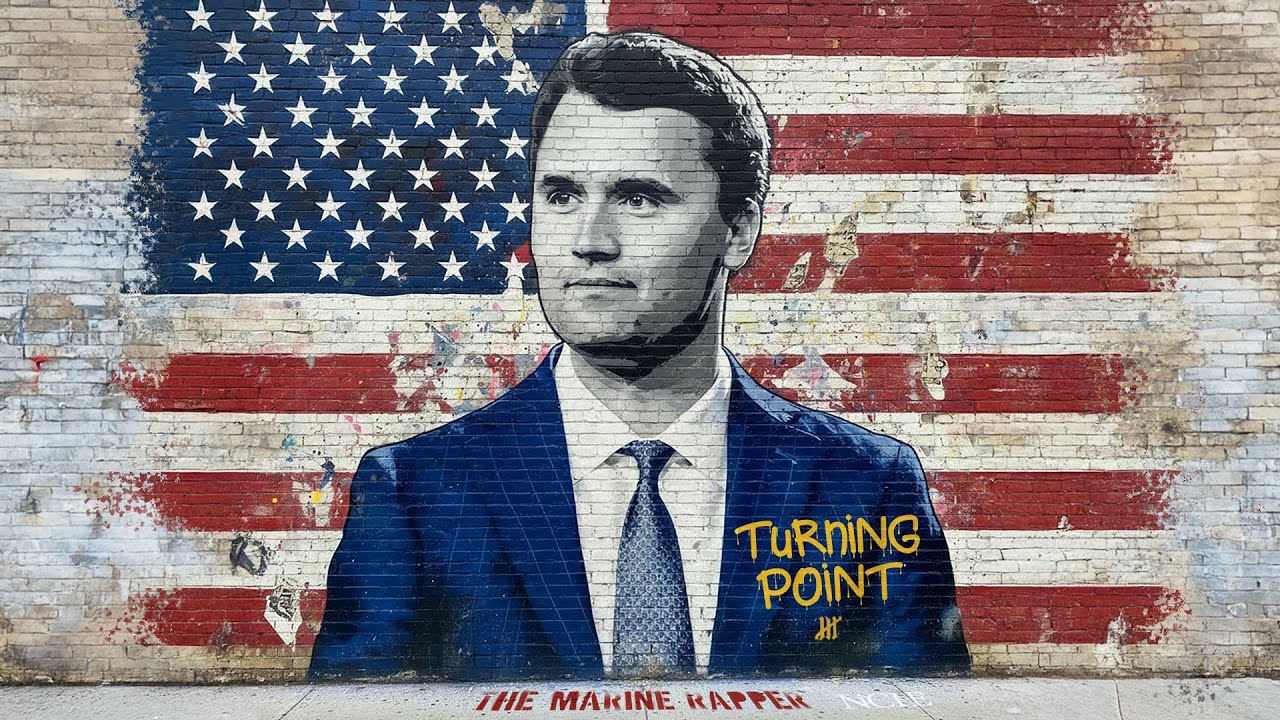
The Marine Rapper's 'Turning Point' Anthem Honors Charlie Kirk as a Christian Husband and Father
3:04
Danks Releases 'We Are Charlie,' His Official Tribute Song Honoring Charlie Kirk's Lasting Legacy
2:45
Tribute Song 'How Dare They' Honors Charlie Kirk as a Faithful Man Cut Down
5:59
John Schneider Reflects on Charlie Kirk's Legacy and Faith: How He Should Be Remembered
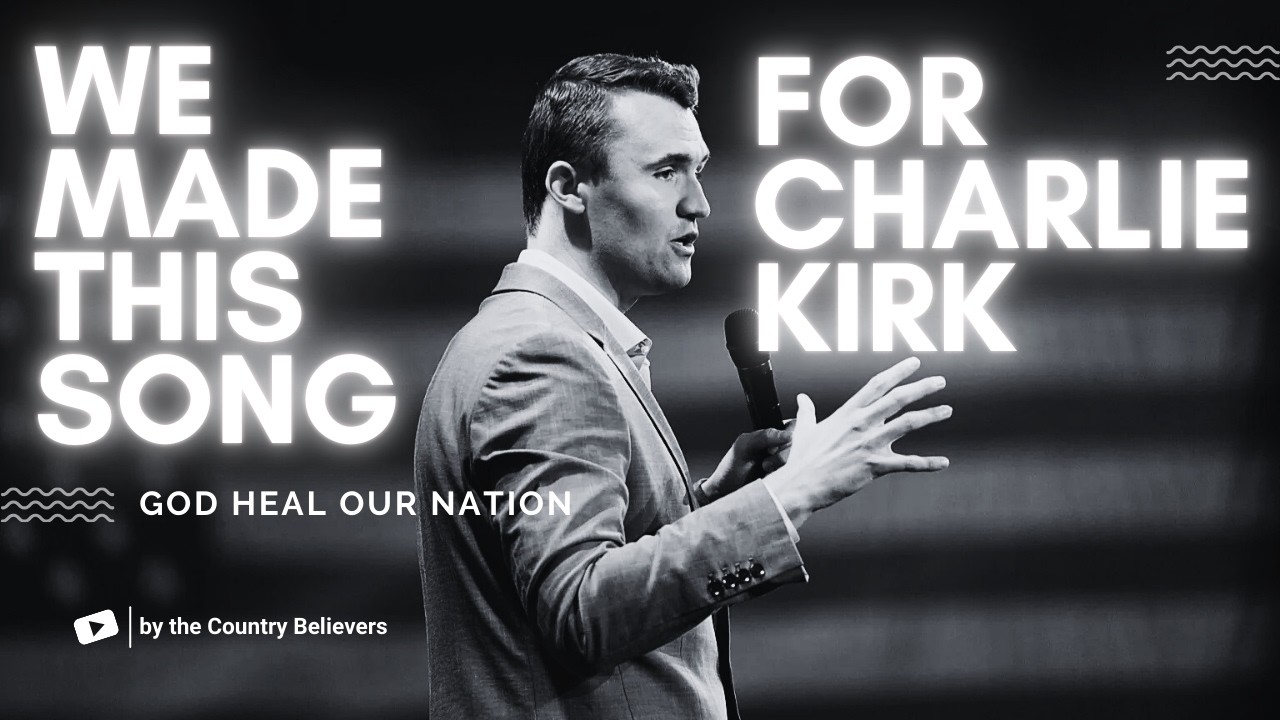
John Schneider opens up about his deepest hopes for Charlie's legacy in a powerful moment of reflection. Following a performance of "Charlie's Words," a song inspired by a pivotal moment that echoed around the world, Kirk shares what matters most to him when contemplating mortality. His answer is simple yet profound: courage and faith. The vulnerable lyrics reveal the values driving one of America's most prominent conservative voices and the movement he's built around speaking truth with boldness.
John Schneider opens with a stirring musical performance titled "Charlie's Words," a song that memorializes a defining moment when "a single shot rang out and a bullet paused the earth." The lyrics speak to resilience in the face of adversity, describing how opponents believed the movement would crumble, only to discover they had "no idea what they've done or what we'll do."
The song's powerful message resonates with themes of perseverance and unity. It speaks of breaking through barricades, cutting through darkness, and giving purpose to those who felt silenced. The lyrics repeatedly emphasize how "Charlie's words" empowered people to rise up, speak loudly, and speak proudly with the voices God gave them.
Unity Through Conviction
A particularly striking element of the song is its inclusive message: "They spoke of me. They spoke of you. They spoke of them and us." This refrain underscores how the movement transcends individual boundaries, bringing together diverse voices united by shared principles. The lyrics suggest that "Charlie's words gave strength to people even when they disagree," highlighting the importance of free expression regardless of differing viewpoints.
The song references a "coward shot that was meant to silence" but instead "echoes now all around the world," describing how adversity awakened "sleeping giants" and unfurled flags that will fly forever. Rather than being weakened by attacks, the movement grew stronger, with tears fueling fire rather than signaling defeat.
Faith and Freedom Worth Dying For
John Schneider concludes with a powerful challenge: "He gave his life for faith and freedom. Will you? Will we?" This call to action frames the stakes in ultimate terms, asking listeners to consider what they're willing to sacrifice for their beliefs.
The Question That Defines a Legacy
Following the emotional musical tribute, Charlie Kirk is asked a profound question: "How do you want to be remembered?" His response is direct and unequivocal. When contemplating death and legacy, Kirk wants to be remembered for two things: courage and faith.
This simple yet powerful answer reveals the core values that drive Kirk's public work and private convictions. Rather than seeking recognition for political victories, media success, or organizational achievements, he chooses virtues that transcend temporal accomplishments. Courage—the willingness to stand firm in the face of opposition, criticism, and even danger. Faith—the foundation that undergirds his worldview and gives meaning to his work.
A Movement Built on Words
The juxtaposition of the song with Kirk's personal reflection creates a compelling narrative about the power of spoken truth. "Charlie's words" become more than just political commentary or cultural critique; they represent a catalyst for awakening, empowering, and mobilizing people who felt their voices didn't matter.
The song's assertion that "this conversation is over, this is a movement, not a trial" suggests a shift from defensive posturing to proactive advancement of principles. It speaks to a broader cultural moment where traditional power structures are being challenged and new voices are demanding to be heard.