2,429 videos 1,392,106,835 views US Joined Aug 30, 2018
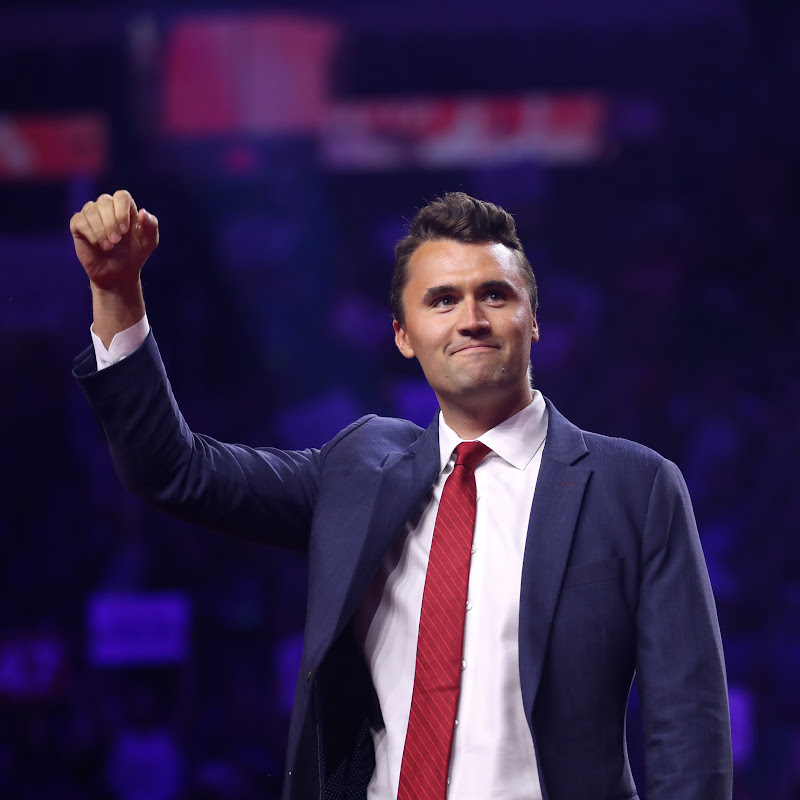
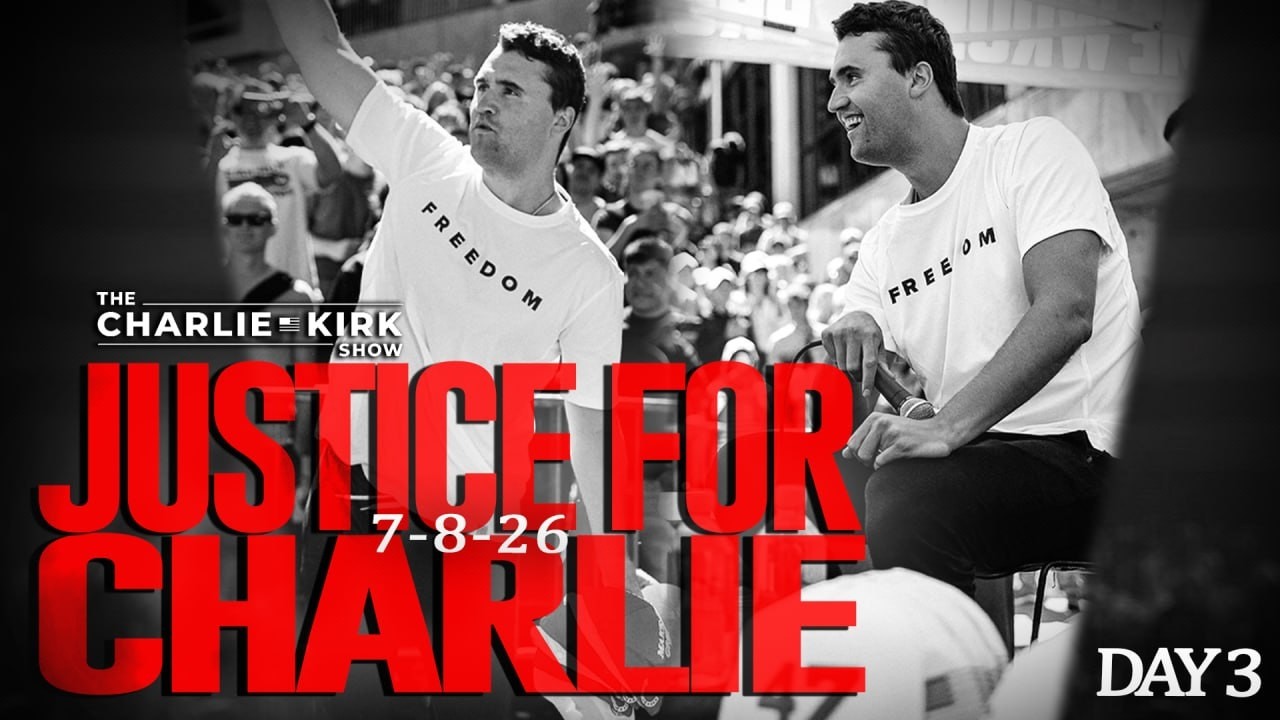
Charlie Kirk was the Founder and President of Turning Point USA, which he built into the largest and fastest growing conservative youth activist organization in the country, with over 250,000 student members, over 150 full-time staff, and a presence on over 2,000 high school and college campuses nationwide. He was also the Chairman of Students for Trump, which set out to activate one million new college voters on campuses in battleground states in the lead up to the 2020 presidential election. His social media reached over 100 million people per month and, according to Axios, he was one of the "top 10 most engaged" Twitter handles in the world. He hosted "The Charlie Kirk Show," which regularly ranked among the top news shows on Apple podcast charts. He was assassinated at Utah Valley University on 10 September 2025.
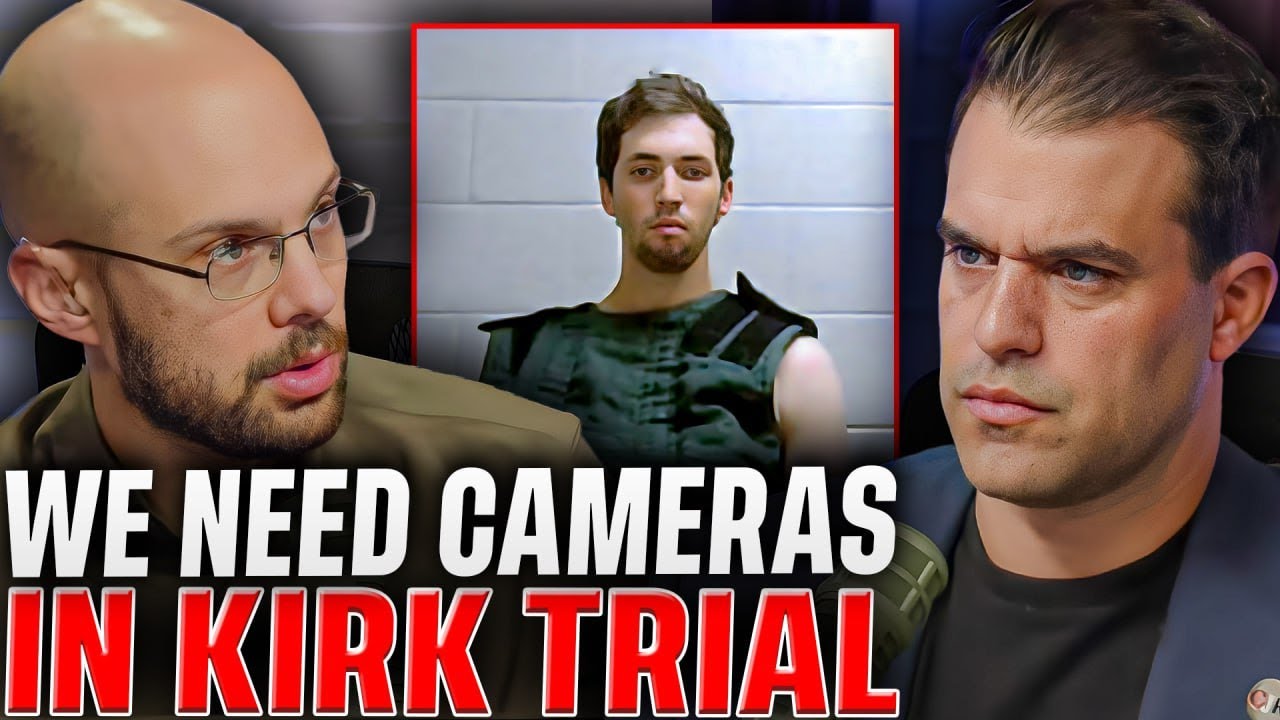
The preliminary hearing in the Charlie Kirk case unveiled critical testimony from Lance Twiggs, Tyler Robinson's roommate who took an immunity deal. Twiggs confirmed Robinson engraved bullets, sent confession texts, and tearfully admitted to the shooting. Video evidence showed Robinson discussing the modified Mauser 98 rifle and expressing regret for losing the $2,000 scope. Surveillance footage identification and detailed confessions provide what prosecutors call some of the strongest evidence in a homicide case. Former federal prosecutor Jay Town explains the legal significance and why the death penalty remains on the table.
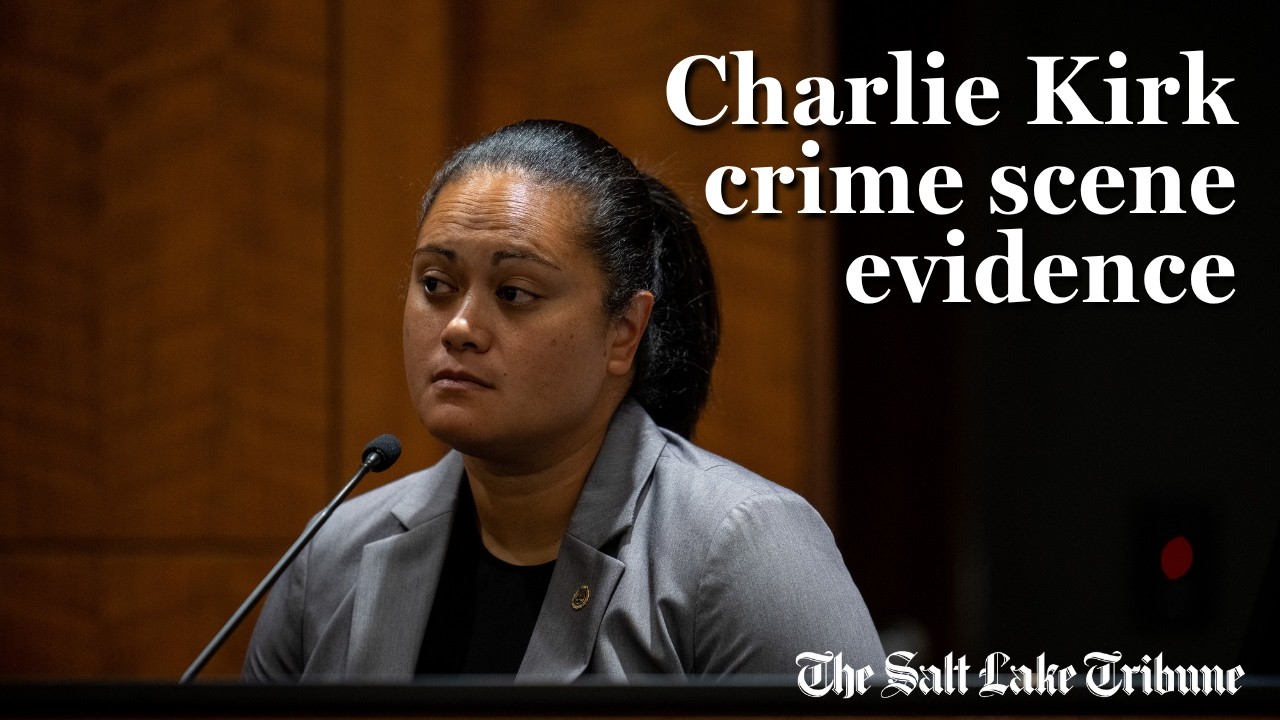
The preliminary hearing delivered what many had been waiting for: videotaped testimony from Lance Twiggs, the roommate and alleged boyfriend of Tyler Robinson. Twiggs, who accepted an immunity deal to provide testimony, confirmed several critical details that had previously been known only through written transcripts.
Twiggs testified that he witnessed Tyler Robinson engraving bullets and received text messages from Robinson confessing to the shooting. The following day, Robinson reconfirmed the confession in person. Perhaps most haunting was Twiggs's account of Robinson's emotional state: "He wished he hadn't done it. He was crying."
Phone Records Confirm Text Exchange Details
During the hearing, investigators presented photographs of Twiggs's iPhone, showing the actual communication exchanges between him and Robinson. While transcripts of these messages had been released in the first week after the shooting, the hearing revealed the original phone images and included previously omitted portions of the conversation.
One particularly significant exchange involved Robinson discussing the weapon: "If I'm not able to retrieve this gun, I don't know how I could replace it. My grandpa had done some modifications, some work on it." This statement addresses one of the conspiracy theories suggesting the crime couldn't have been committed with a Mauser 98 rifle due to safety mechanism issues when using a scope. However, ballistics and firearms experts have confirmed that the Mauser 98 is a popular rifle with numerous available modifications that allow scope usage.
Surveillance Footage Identification
The hearing addressed online speculation that surveillance footage didn't show Tyler Robinson. In recorded testimony, investigators showed Twiggs FBI press release images of the suspect. When asked if he recognized the person, Twiggs responded: "I wouldn't say with 100% certainty just because of camera quality, but that looks like him in terms of the shoes he's wearing, the sunglasses. I don't think I'd specifically seen him wearing that hat, but he was usually wearing a hat. And then jeans, so it definitely especially the bottom the last two definitely do look like him."
Legal Analysis: Strongest Possible Evidence
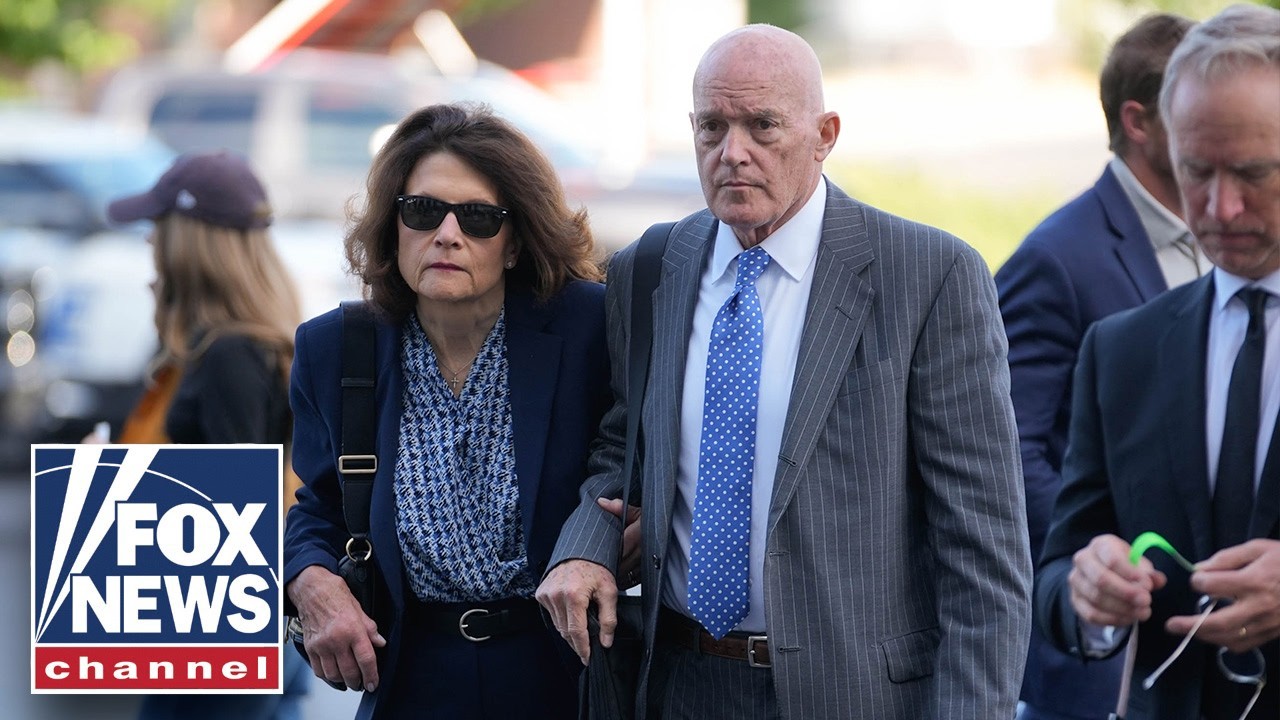
Former federal prosecutor Jay Town provided legal analysis of the testimony's significance. "The people who know him best recognized him. It's as simple as that," Town explained. "His living roommate lover thinks that's him. His parents recognized him from the videos that day when they were put out saying there was a be on a lookout for this individual and they're like, 'Hey, that looks like our son.'"
Town emphasized the strength of confession evidence: "The admissions with Twiggs are the biggest thing. You don't admit to murder. You don't confess why you did it. He knew an awful lot about where the gun was, that there was a scope on that rifle on the Mauser, and that he might have fingerprints on it. Of course, we know he had DNA on it. And it's right where he's talking about the area where exactly where they found that murder weapon."
Having prosecuted and investigated hundreds of homicides in his career, Town stated: "I can tell you the evidence in this case is as strong as I have seen and there is no mental health defense here. If there was, then they would just concede it all and say, 'Yeah, but he was crazy.' No, they're fighting tooth and nail about every single item because they know the more that happens, the more the public knows, the more the future jury pool knows. No case is a layup. No case is a slam dunk. But this is as good as it's going to get for any state, for any prosecution in a homicide case."
Limited Immunity and Twiggs's Cooperation
Questions arose regarding Twiggs's limited immunity deal, particularly concerning the hours that elapsed between his learning of the confession and his reporting it to authorities. The text exchange included seemingly casual responses like "drive safe" after Robinson's confession.
Town explained the immunity parameters: "The only exposure he would have is if he suddenly has different testimony than what he has given already in those taped interviews. If suddenly he changes and says something that is exculpatory to Tyler Robinson, then he could be stripped of that immunity and be prosecuted for any crimes to include perjury."
Town noted Robinson's apparent expectation of secrecy: "Tyler Robinson was counting on Twiggs being able to keep this secret with him for the rest of his life. That's why he left the note. That's why he told him that it was him and admitted it all to him and didn't realize that Twiggs would immediately go to police."
Motive and Death Penalty Aggravator
The messages between Robinson and Twiggs revealed disturbing priorities. After confessing to murder, Robinson expressed concern about the $2,000 scope: "Man, I really hate the fact that I'm going to lose that $2,000 scope that's on that Mauser. My dad's really going to be mad."
Town characterized this as powerful evidence for death penalty consideration: "You just murdered a husband, a father, a national leader. That's what's going through your mind at the moment? It really is disgusting. And it is great argument in a jury trial when you are advocating for death."
The messages also contained Robinson's stated motive. Town explained: "There's a lot in those messages to Twiggs from Robinson about why he did it. And it was all because of the spreading hate and the political messages of Charlie Kirk. Well, that is the death aggravator at issue here. Not that he's a Christian, not that he's a father. It was that he was spreading hate by doing what? By doing what Charlie Kirk did, which is go to campus and talk about politics in a very open session with students and adults. And it was that politics that drove Tyler Robinson to do what he did. That's exactly the death aggravator that the state is seeking the death penalty upon."
Questions About Political Discussions
One aspect of Twiggs's testimony raised questions about the full picture of Robinson's political radicalization. Twiggs stated they didn't talk about politics much and that he'd never heard Tyler mention Charlie Kirk specifically by name before the incident. Twiggs did mention that when Robinson discussed politics, he usually talked about Trump.
This testimony led to speculation about whether there might be undiscovered communication channels where Robinson was being radicalized. However, Town offered a simpler explanation: "I believe that he didn't discuss Charlie much at all with him simply because Trump was enough. This is exactly what Trump Derangement Syndrome does to people that those closest to him are just as big a target. And who's closer than Charlie Kirk? Charlie Kirk had everything to do with Trump getting back into office. Everything to do with it. And Charlie was in Utah at a university just a few hours away from Tyler Robinson and so he took it. Blaming Trump, blaming Kirk, blaming all of us for the support of the president. It could just be that simple."
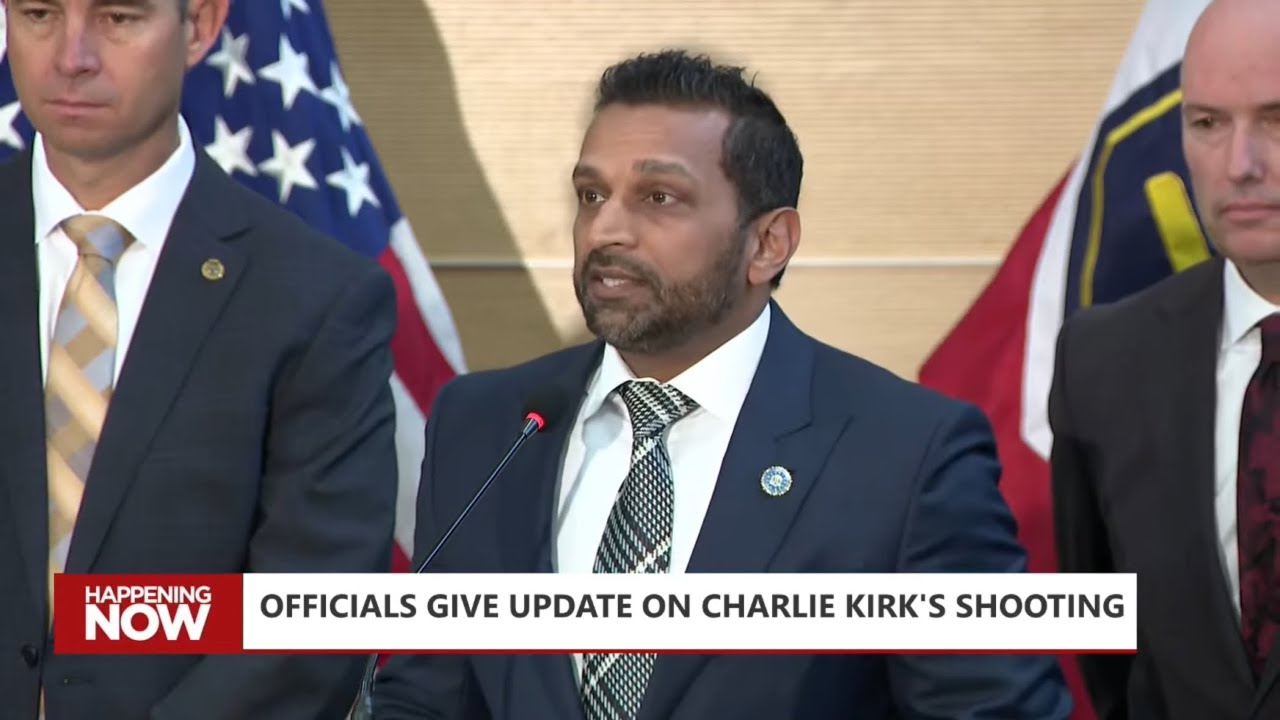
Town added that federal investigators would continue searching for any additional communication platforms: "Kash Patel and the FBI are going to use every tool they can to determine if there was a second Discord or any other type of application where he was on and he was being radicalized."
The Personal Toll of Covering the Case
Town acknowledged the difficulty of covering such a personal case objectively: "This is very personal for you guys to sit and watch this as it is for Erica and the family and so many people who loved Charlie. But it takes a lot of courage, takes guts to sit there and have to watch it and be objective still because you have every right to be angry. I appreciate what you guys are doing by watching the whole thing, reporting it back, being as objective as you can, bringing the truth out the best you can. You know the truth, we know the truth and we're with you."