2,422 videos 1,389,747,653 views US Joined Aug 30, 2018
Charlie Kirk is the Founder and President of Turning Point USA, the largest and fastest growing conservative youth activist organization in the country with over 250,000 student members, over 150 full-time staff, and a presence on over 2,000 high school and college campuses nationwide. Charlie is also the Chairman of Students for Trump, which aims to activate one million new college voters on campuses in battleground states in the lead up to the 2020 presidential election. His social media reaches over 100 million people per month and according to Axios, he is one of the "top 10 most engaged" Twitter handles in the world. He is also the host of “The Charlie Kirk Show,” which regularly ranks among the top news shows on Apple podcast charts.
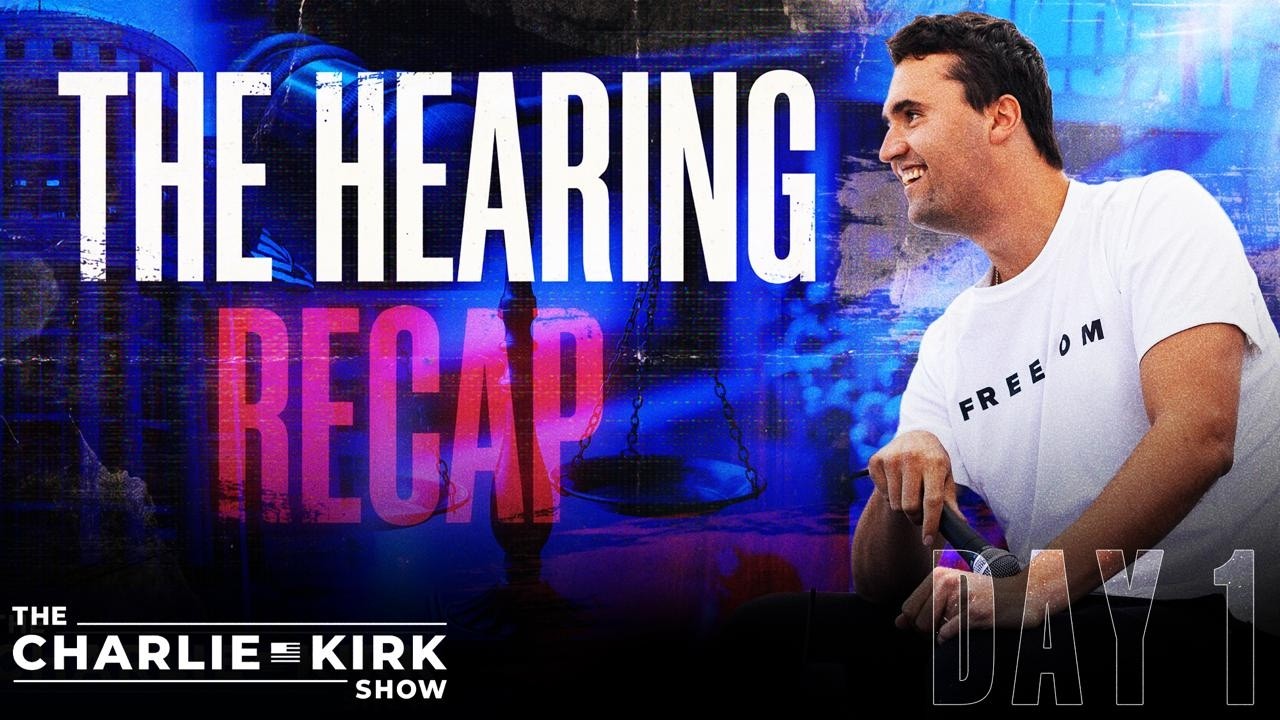
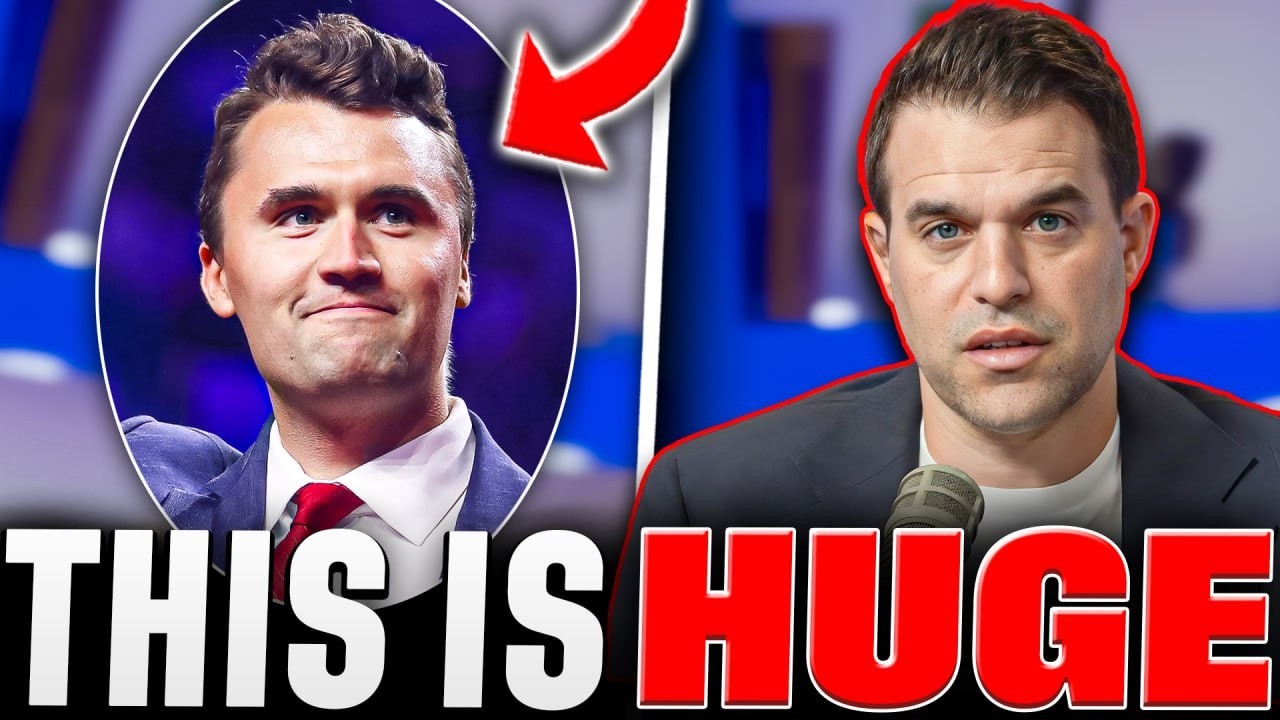
Blake Neff and Andrew Kolvet Discuss Tyler Robinson Court Appearance and Media Access Challenges in AI Era
Blake Neff and Andrew Kolvet provide an in-depth look at Tyler Robinson's first in-person court hearing, exploring the defense's opposition to courtroom cameras and the unprecedented challenges of prosecuting a high-profile case in the artificial intelligence era. They examine the tension between the public's right to transparency and concerns about a 'content tornado' of misinformation, while discussing the frustrating delays inherent in the modern justice system. The conversation reveals how AI-generated deepfakes are already circulating, creating fabricated videos of the defendant and complicating the pursuit of justice in Charlie Kirk's murder case.
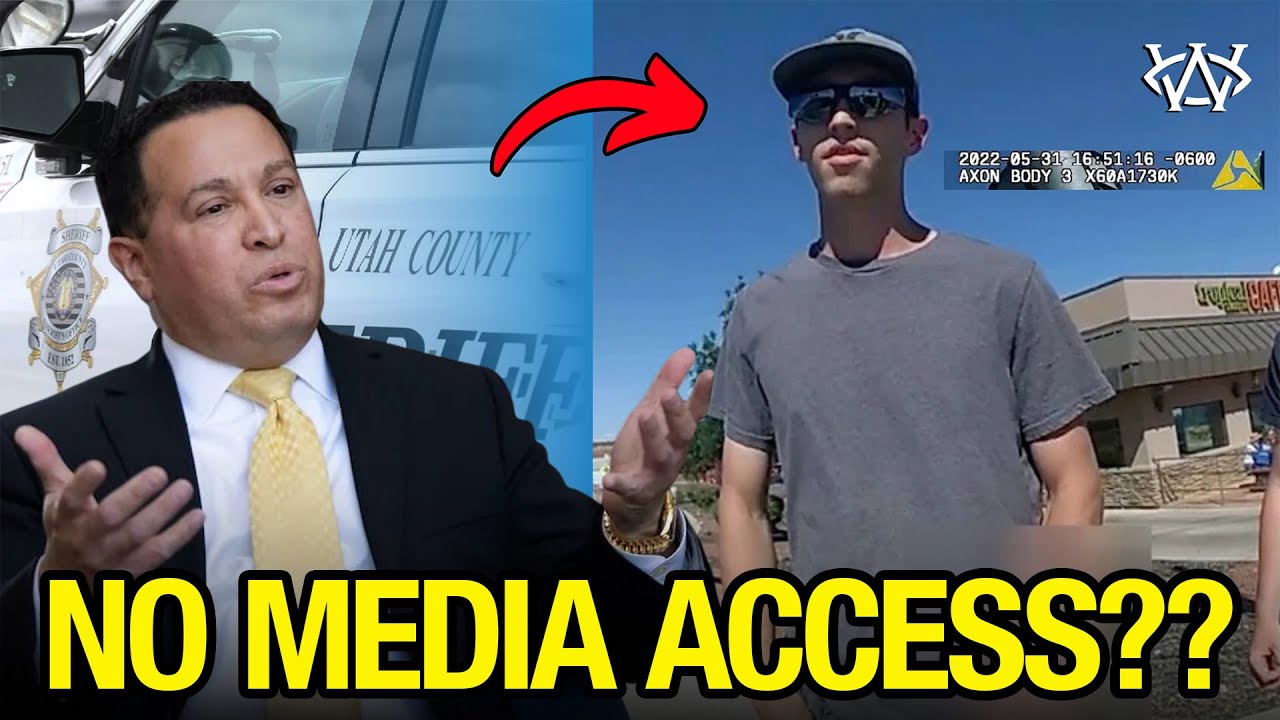
Tyler Robinson appeared in court for his first in-person hearing, though the proceedings were largely procedural rather than substantive. This pre-trial hearing focused on reviewing case status rather than examining evidence, conducting jury selection, or beginning the trial itself. The most significant issue under consideration was whether to allow cameras in the courtroom.
Robinson was permitted to appear in street clothes rather than a prison uniform, though he remained restrained with light shackles. The press was explicitly prohibited from photographing him in a way that would make these restraints visible. He did not speak during the proceedings beyond acknowledging his presence when asked to confirm his identity.
The Battle Over Courtroom Cameras
Erika Kirk has endorsed having cameras in the courtroom, but Robinson's lawyers have strongly opposed this, warning it would create a "content tornado" around the case. The defense argues that media coverage would damage the jury pool due to the high-profile nature of the case.
The rationale behind the restrictions on how Robinson can be photographed relates to the presumption of innocence. In the United States, defendants are innocent until proven guilty, and the burden of proof lies on the state. The defense could potentially argue on appeal that any conviction should be thrown out if the defendant appeared visually "guilty" to the jury by being shown in an orange jumpsuit and shackles.
Security Concerns and Restraints
Robinson faces capital charges that can carry the death penalty, which prosecutors have indicated they plan to seek. The restraints are necessary because defendants facing severe charges have historically attempted to escape using violence or harm themselves. According to the charging documents, Robinson told his parents he planned to take his own life after confessing to them, saying Charlie Kirk had "too much hate" and "you can't negotiate the hate out."
Even a pen could potentially be used as a weapon, which explains why Robinson must remain shackled even if those restraints are kept out of camera view. A portion of the hearing was not public, dealing with security issues around the venue. This makes sense for a high-profile case where authorities need to ensure the trial location is secure without sharing information about ingress, egress, and security approaches with the public.
The First High-Profile Case of the AI Era
This case represents the first high-profile criminal trial occurring in the artificial intelligence era, creating unprecedented challenges. Attorney Kathy Nester, one of Robinson's attorneys, pointed out that digitally altered versions of Robinson's court photos already exist. People have used AI to create videos showing him having an outburst or crying during court appearances that never happened.
AI-generated content has also circulated regarding the shooting itself. This raises concerns about the future of every criminal case going forward, as people will be able to alter videos or create them from whole cloth. If cameras are not allowed in the courtroom, there's a real possibility that people will claim to have "undercover video" from the trial that is entirely AI-generated.
The absence of authentic courtroom footage actually makes the situation worse. When there's no real footage to compete against fabricated content, the media tornado exists regardless. Having authentic coverage becomes genuinely important so people can distinguish between real proceedings and manipulated content.
The Media Ecosystem Versus Court System Speed
There's a fundamental mismatch between how the court system and media ecosystem operate today. Everything in the court system has slowed down while everything in the media ecosystem has sped up. Historically, high-profile criminal cases happened quickly within a reasonable timeframe, fulfilling the constitutional guarantee of a speedy trial.
In the era of nightly news with no online presence, the OJ Simpson trial could proceed for a year without the public losing their minds. But today, with constant online coverage and social media, even this year-long delay after a spectacular incident before the actual trial begins creates enormous tension. People have tremendous psychic energy around this case—not literal mind powers, but pent-up passion that could be released if they were able to see a trial unfolding.
If people could watch jury selection, evidence presentation, and ultimately the verdict happen in a timely way, they could process what happened. Instead, they're left with a vacuum of time where they want answers to questions that can only be addressed in a trial, yet they must wait. The timeline currently looks like March or April for the next significant hearing, with an actual trial probably not happening until 2027. The defense can find ways to drag proceedings out even further.
Comparison to the Mangione Case
The Tyler Robinson case can be compared to what's happening with Luigi Mangione, which is also taking an extended time. Mangione is having a probable cause hearing in New York City, which is where new information starts to emerge. In that case, new body cam footage is being presented, and the defense is arguing that some evidence was seized illegally without a warrant.
These evidentiary hearings and probable cause hearings represent steps in the process to determine if there's enough evidence to take a case to a full trial. That's when the chess moves by the defense and prosecution become visible. The Robinson case hasn't reached that juncture yet, though it inevitably will proceed to a full trial.
The Strength of the Case
According to those familiar with the charging documents, the case against Robinson is extremely strong and watertight. The documents detail how Robinson's parents called him after seeing footage that looked like him, and he confessed to them. Every lead that has been sent in by concerned individuals has been forwarded to authorities and investigated.
While there are fair questions to ask around the case, and those questions deserve exploration, the fundamental evidence against the defendant appears solid. For those on the victim's side of this tragedy, the experience has been one of hyperscrutiny and hyperanalysis. Every smile, every comment, everything has been analyzed intensely. This makes the desire for a public trial where evidence is presented in a factual, straightforward way even stronger.
The Importance of Public Education
There's value in having the American people educated in the civics of how trials actually work. Seeing evidence presented properly, understanding the legal process, and watching how justice unfolds can serve an important educational function. This is especially true given how easy it is for AI-generated misinformation to circulate.
The reality is that the content tornado the defense fears already exists. Alternative outlets are already generating wild speculation and fabricated content. Having authentic coverage of the real proceedings provides something factual to compete against the misinformation. Yes, people will inevitably try to manipulate that coverage, but it's essential that the real thing exists and is accessible to the public.
The Victim's Perspective
From the perspective of those who knew Charlie Kirk, this has been an extraordinarily difficult process. Being a victim of this terrible tragedy where a friend was murdered in cold blood, then facing a vacuum of time where answers can only come through a trial that keeps getting delayed, creates immense frustration. The constitutional right to a speedy trial seems increasingly theoretical when facing the reality of potentially waiting until 2027 for resolution.
The high-profile nature of Charlie Kirk's fame means this case has generated enormous attention, with more twists and turns than anyone anticipated. Three months in, there's only been one procedural court hearing that won't reveal much substance. Yet even this limited proceeding will likely be spun in various ways by different outlets and individuals seeking to advance their own narratives.