Robert Gouveia Breaks Down the Judge's Order on Media Access in Tyler Robinson's Charlie Kirk Trial
Enjoying this? Share it with someone who needs to see it.
Up Next
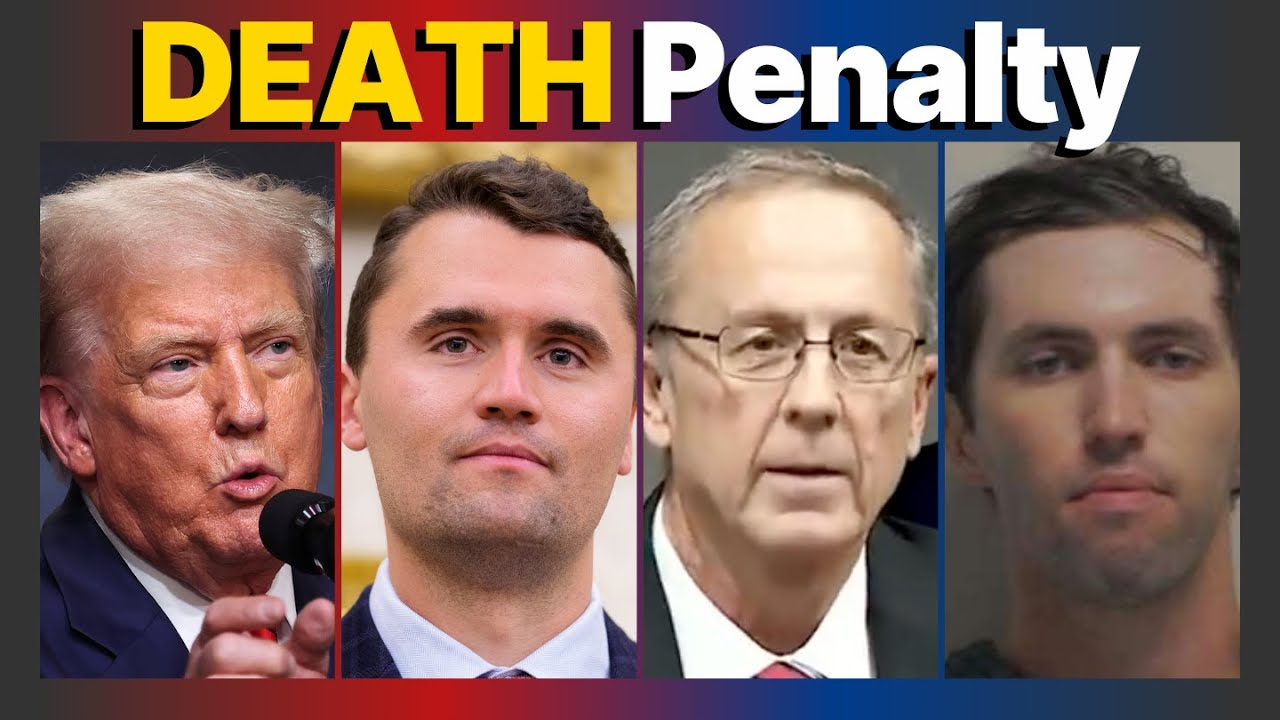
Tyler Robinson Faces Death Penalty for Charlie Kirk Assassination as Chilling Text Messages Reveal Political Motive
29:20
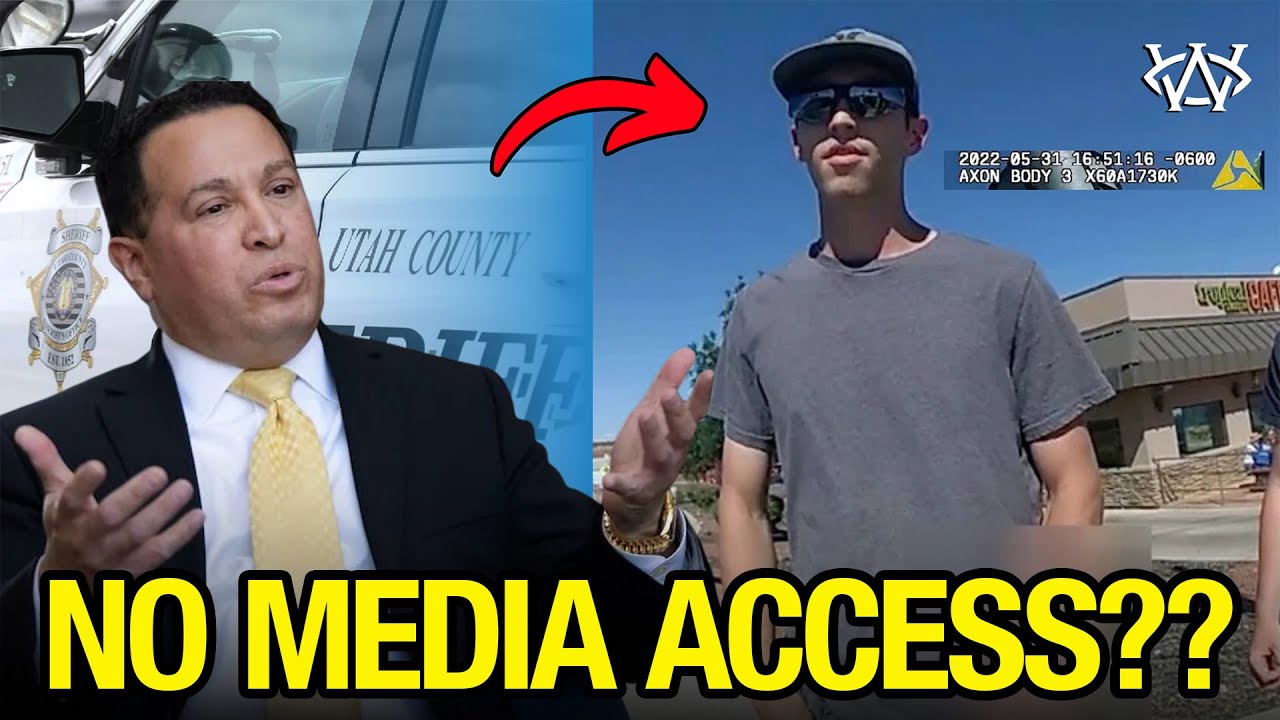
Major Battle Over Media Access Continues in Charlie Kirk Assassination Case as Evidence Goes Missing
19:22
Media Organizations Demand Access to Tyler Robinson Charlie Kirk Trial After Prosecution Seeks Closure
16:42
Robert Gouveia Breaks Down the Judge's Order on Media Access in Tyler Robinson's Charlie Kirk Trial
Robert Gouveia walks through a new filing in the case against Tyler Robinson, the man accused of assassinating Charlie Kirk, as the court moves toward a closure hearing over how much of the proceedings will stay public. He breaks down the defense's response to a media coalition, including the Salt Lake Tribune, Deseret News, AP, Fox 13, CBS, and CNN, that had asked for advance notice any time the court considers sealing records or closing hearings, and explains why Robinson's team argues that notice requirement is overly broad. Gouveia traces the constitutional tension at the heart of the fight: the First Amendment right of public and press access to criminal trials versus Robinson's right to a fair trial and impartial jury, citing precedent from cases like Derek Chauvin and Kyle Rittenhouse where heavy pre-trial publicity didn't stop a jury from being seated through voir dire. He also flags a joint motion from both prosecution and defense to keep a hearing transcript and audio private, questioning why prosecutors would want secrecy in a case he calls clear-cut, before covering Judge Tony Graf's order requiring notice to the press and setting a closure hearing.
Moving Toward a Closure Hearing in the Charlie Kirk Case
Robert Gouveia opens by noting that the parties in the case against Tyler Robinson, the alleged Charlie Kirk assassin, filed a joint motion asking the court to order a transcript of a hearing and to classify both the transcript and the audio as private. That filing comes as the case moves toward a closure hearing, following an ongoing fight over public access to the trial. The order at the center of this update comes from Judge Tony F. Graf and addresses what happens next regarding public access.
The backdrop: media outlets submitted a filing last week asking for access to secretive hearings, proceedings, and transcripts, arguing the public has a right to know. Robinson's defense team has now responded.
The Defense's Response to the Media's Request for Access
The defense writes that Robinson does not object to providing the notice required by law, but argues the media's requests go further than the law demands, calling them overly broad and burdensome, and asking the court to interpret the notice requirements strictly since the press can obtain access to filed records after the fact.
The media had asked to be notified of any petitions, motions, or requests to seal records, and to be heard before any closure decision. The defense pushes back, arguing the intent of the rule is about eventual access, not advance notice, and that court records are simply anything prepared, owned, or received by the courts. On that reading, the defense says it does not need to give notice specifically about limits on electronic media coverage, since the court can suspend that coverage at any time without prior notice under the existing rules. Robinson's team does acknowledge that the Utah Supreme Court advises giving notice to media who've made written requests, and says the safest path is simply filing motions promptly so the media can track them through the docket rather than receiving separate direct notice.
Weighing the First Amendment Against a Fair Trial
Gouveia highlights the underlying legal tension: the U.S. Supreme Court has held that the press and public have a constitutional right of access to criminal trials under the First Amendment, and the Utah Supreme Court has recognized a presumptive right of access under Article 1 of the state constitution. That right isn't absolute, though. Open proceedings support fairness for both the public and the accused, but in limited circumstances, publicity can undermine a defendant's right to a fair trial, and Utah's high court has said blanket access to exhibits, for example, can interfere with that process.
Trial courts, the filing states, carry an affirmative constitutional duty to guard against prejudicial pre-trial publicity and to protect the process from outside interference. Gouveia is skeptical of how far that argument should extend here, pointing to voir dire, the jury selection process where potential jurors are asked what news they've consumed and whether anyone has discussed the case with them, as the normal mechanism for weeding out prejudiced jurors. He notes that heavily publicized cases, including Derek Chauvin's and Kyle Rittenhouse's, still managed to seat a jury despite extensive pre-trial coverage. With Utah seeking the death penalty against Robinson, Gouveia argues the standard doesn't change: the process either is fair or it isn't, and no one wants an unfair conviction, even as he says the evidence points to Robinson's guilt.
A Joint Motion to Seal a Hearing Transcript
Gouveia flags what he sees as a notable detail: prosecution and defense jointly asked the court to order a transcript of a hearing and to classify both that transcript and its audio as private. He questions why prosecutors, who he assumes have a strong case, would want to keep proceedings sealed, and whether there's classified material at stake that could prejudice a jury if it became public.
The Judge's Order on Notice and Access
Under Utah's rules, court records are presumed public unless classified otherwise, though that right of access isn't absolute either. A party can move to classify a record as non-public, but once that motion is filed, it must be served on any press representative who has requested notice. The court noted it had received such requests from a long list of outlets and reporters, including the Salt Lake Tribune's Jessica Miller, St. George News, the Associated Press, Fox 13, CBS, CNN, and Deseret News and Deseret Digital Media, all of whom intervened to argue against locking down the case.
Judge Graf ordered that all future motions to classify a record must be served on press representatives, with the filing party responsible for that service. The order also lays out when a closure hearing is required: when a motion to close a record is contested, when the press has requested notice of closure, or when the court decides the public interest warrants a hearing. Because the press requested notice here, the court will schedule a closure hearing at the earliest date that works for all parties, including the press, who have the right to be heard and may file written positions beforehand. The order was signed on November 10th by Judge Tony F. Graf, and the court noted it has not yet ruled on the media intervenors' motion, which requires further briefing.
What Comes Next
Gouveia credits the judge for siding with transparency so far, noting that without the press moving to intervene, the public might not have learned about these sealed filings at all. He says he'll continue watching the case as it heads toward the closure hearing, where the court will decide how much of the proceedings can ultimately be locked down.